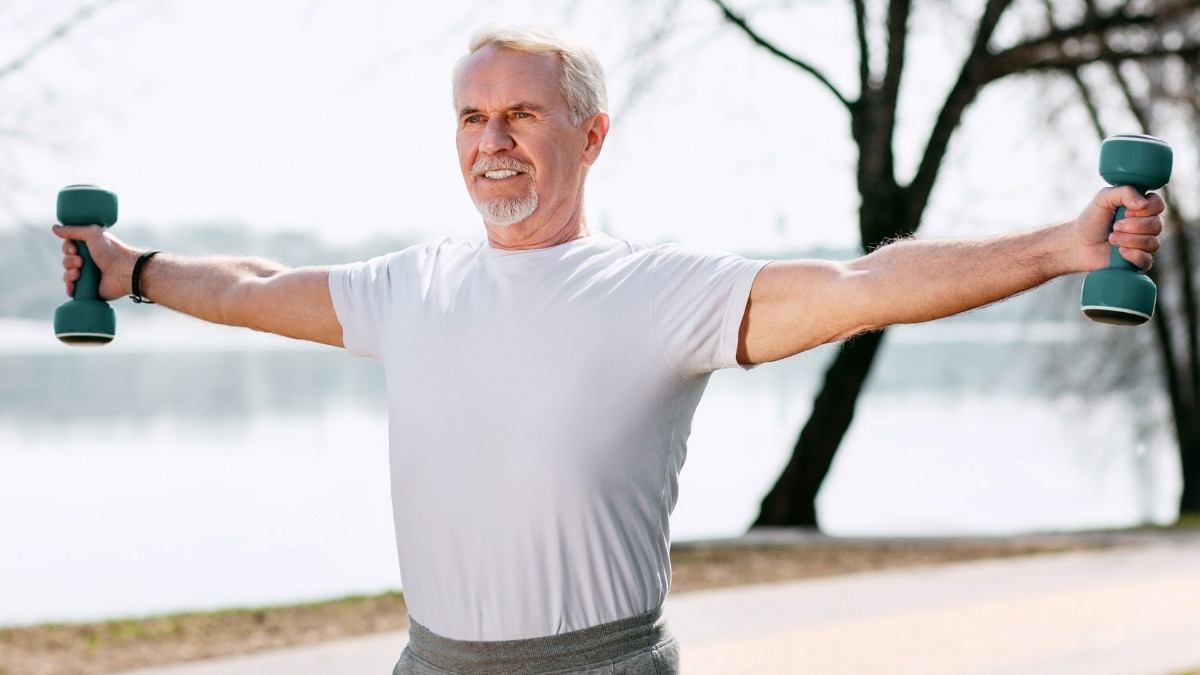
Stay Strong & Safe After 60! 10 Exercises to Swap (Is #6 Secretly Sabotaging Your Progress?)
Staying active in your golden years keeps you vibrant and healthy. But certain popular exercises can do more harm than good when you hit 60. Many seniors unknowingly engage in workouts that strain their joints, challenge their balance, or risk serious injury.
The frustration of wanting to stay fit while avoiding setbacks leaves many feeling lost. The good news is that safe, effective alternatives exist for every risky exercise.
We’ll guide you through 10 common workouts to skip, plus smarter options that will keep you strong and injury-free. Get ready to transform your fitness routine with confidence.
🛡️ 10 Exercises to SKIP After 60 & Safe Alternatives
Cardio Safety
- **Running/Jogging**
- **Jumping Jacks**
- *Risk:* Excessive strain on knees, hips, and lower back.
- **Water Aerobics/Swimming** (Optimal: Buoyancy protects joints)
- **Cycling** or **Brisk Walking**
- *Goal:* Excellent cardiovascular benefits with low joint stress.
Strength Training
- **Heavy Free Weights** (e.g., deadlifts)
- *Risk:* Muscle tears, joint injuries, potential hernias.
- **Light-to-Moderate Resistance Bands/Machines**
- **Bodyweight Exercises** (e.g., Wall Push-Ups, Seated Leg Lifts)
- *Goal:* Build strength safely by prioritizing form over weight.
Core & Abdominals
- **Traditional Sit-ups & Crunches**
- *Risk:* Neck strain and lower back problems due to repetitive spine bending.
- **Modified Planks** (on knees)
- **Standing Pelvic Tilts**
- *Goal:* Engage core muscles while maintaining a stable, healthy spine.
Lower Body Strength
- **Deep Squats** (below parallel)
- *Risk:* Excessive stress on knee cartilage and instability.
- **Chair Squats** (Sit-to-Stand exercises)
- **Limit Regular Squats** to 90 degrees depth.
- *Goal:* Effective leg strengthening while protecting the knee joint.
Upper Body & Shoulders
- **Overhead Shoulder Presses** (especially heavy)
- *Risk:* Rotator cuff tendon pinching and shoulder injury.
- **Resistance Band Rows** (movements kept below shoulder height)
- **Lateral Raises** with slightly bent elbows (light weight)
- *Goal:* Protect the shoulder joint while building muscle safely.
Flexibility & Warmth
- **Hot Yoga**
- *Risk:* Dehydration and elevated blood pressure.
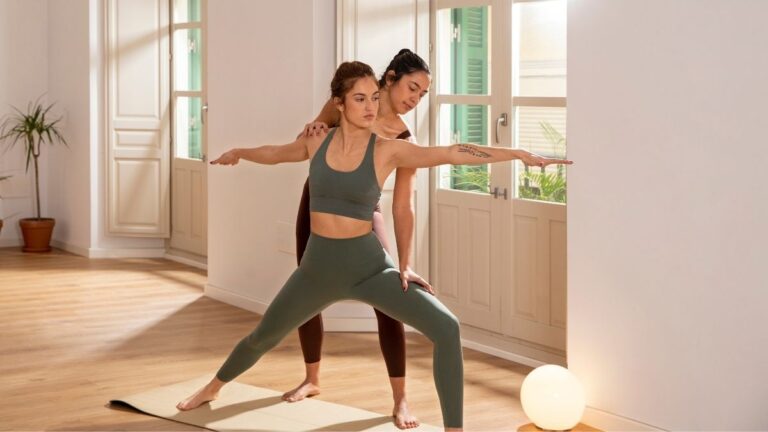
- **Gentler Yoga Forms** (Hatha, Restorative)
- **Chair Yoga Variations**
- *Goal:* Maintain flexibility and mental benefits without heat stress.
Activity Type
- **Contact Sports** (Basketball, Soccer)
- *Risk:* High risk of falls and fractures due to sudden movements.
- **Tai Chi** (Excellent for balance)
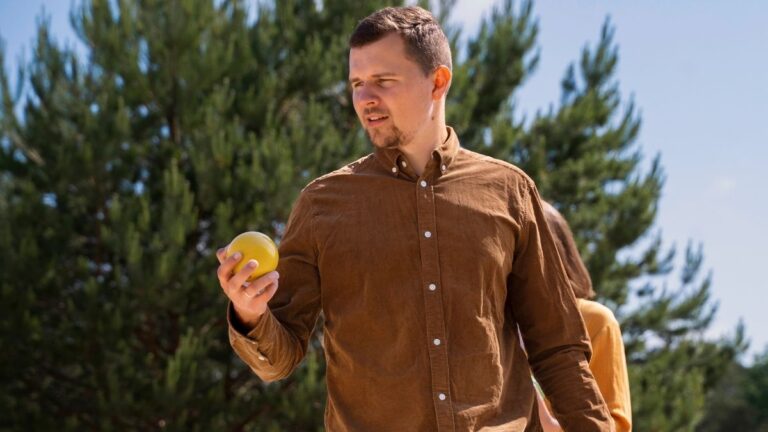
- **Modified Pickleball** (non-competitive/less running)
- *Goal:* Cardiovascular benefits and social interaction with minimum risk.
Intensity Management
- **High-Intensity Interval Training (HIIT) / CrossFit**
- *Risk:* Overexertion, poor form, and increased injury risk.
- **Circuit Training** with adequate rest intervals.
- **Low-Impact Intervals** (e.g., marching in place + light weights).
- *Goal:* Effective training safely by listening to your body and pacing.
Long Duration Cardio
- **Long-Distance Running**
- *Risk:* Significant joint wear and exhaustion leading to injury.
- **Shorter Intervals** (10-15 mins, 2-3 times per day)
- **Nordic Walking** (Poles provide joint support/stability)
- *Goal:* Maintain cardiovascular health while reducing impact stress.
Stretching Techniques
- **Traditional Toe Touches / Deep Forward Bends**
- *Risk:* Lower back strain and potential disc compression.
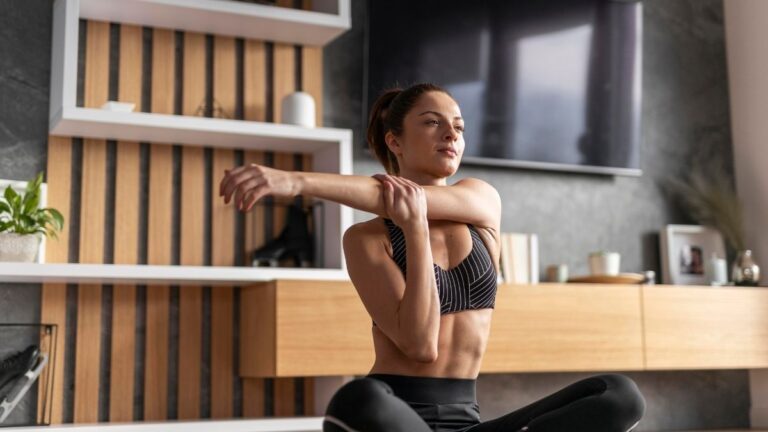
- **Seated Hamstring Stretches**
- **Reclined Hand-to-Big-Toe Pose** (Yoga)
- *Goal:* Improve flexibility while ensuring proper spinal alignment.
⭐ Final Safety Tips
- **Consult a Pro:** Work with a Physical Therapist or trainer.
- **Warm Up/Cool Down:** Spend 10 mins on dynamic stretches.
- **Listen to Your Body:** Stop immediately if you feel pain, dizziness, or shortness of breath.
- **Focus on Balance:** Incorporate stability exercises (single-leg stands).
- **Hydrate & Recover:** Water and rest are crucial to prevent burnout.
“Motion is lotion for the body! Small, consistent tweaks make a huge difference.”
1. High-Impact Cardio Safety
High-impact cardiovascular exercises, including running and jumping jacks, pose significant risks to joint health, particularly affecting the knees, hips, and lower back.
For safer alternatives, consider low-impact activities like swimming, cycling, or brisk walking, which provide excellent cardiovascular benefits without excessive joint stress.
Water aerobics emerges as an optimal choice, combining effective cardio training with natural resistance while minimizing impact on joints. The buoyancy of water reduces pressure on your joints while still allowing for a challenging workout that improves heart health and overall fitness.
Remember to start gradually and maintain proper form throughout your chosen low-impact cardio activity.
2. Weight Training Precautions
Heavy weightlifting carries substantial risks of muscle tears, joint injuries, and potential hernias, especially for beginners or those with pre-existing conditions.
Focus instead on light-to-moderate resistance training using bands or machines, which allows for better control and proper form development.
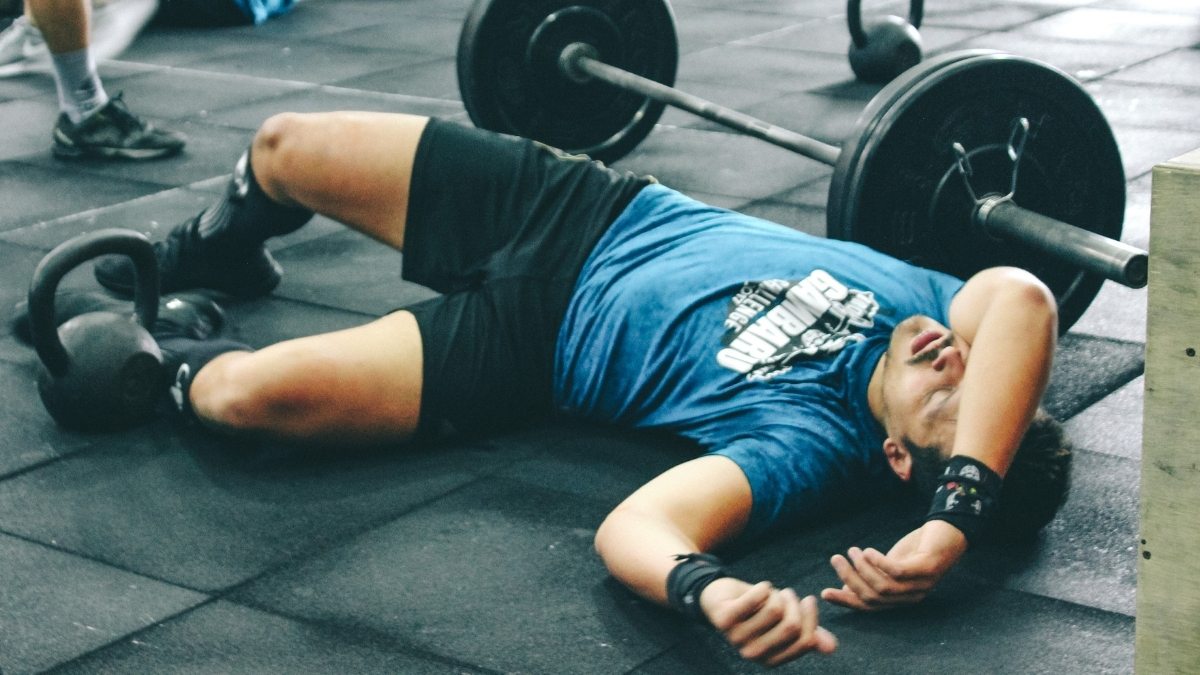
Incorporating bodyweight exercises like wall push-ups and seated leg lifts provides a safe foundation for building strength and muscle endurance. These modifications help prevent common weightlifting injuries while still promoting muscle growth and functional strength.
Always prioritize proper form over weight amount and progress gradually as strength and confidence improve.
3. Core Exercise Modifications
Traditional abdominal exercises like sit-ups and crunches can lead to neck strain and lower back problems due to repetitive spinal flexion movements. Modern fitness experts recommend alternative core-strengthening exercises such as planks (modified on knees for beginners) or standing pelvic tilts.
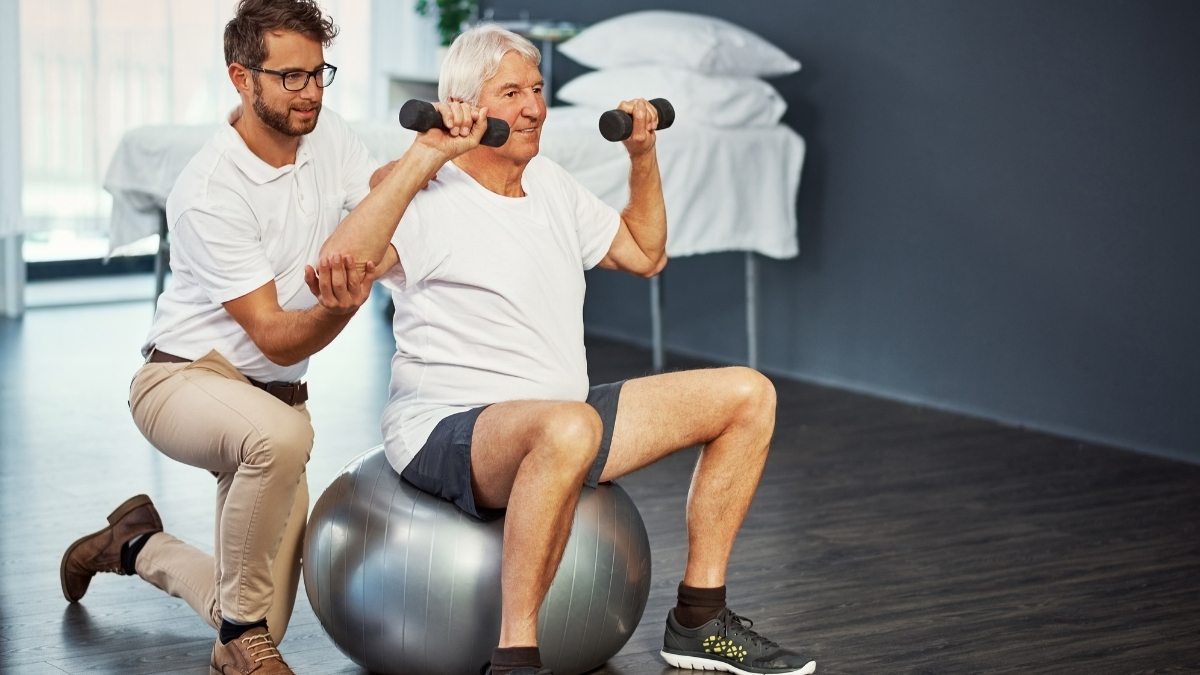
These exercises effectively engage core muscles while maintaining proper spinal alignment and reducing injury risk. Regular practice of these modified exercises helps develop core strength and stability without compromising spinal health.
Focus on quality of movement and proper breathing techniques during core exercises.
4. Lower Body Movement Guidelines
Deep squats can place excessive stress on knee cartilage and potentially lead to instability, particularly for those with existing joint issues. Implementing chair squats (sit-to-stand exercises) and limiting regular squat depth to 90 degrees provides effective leg strengthening while maintaining joint health.
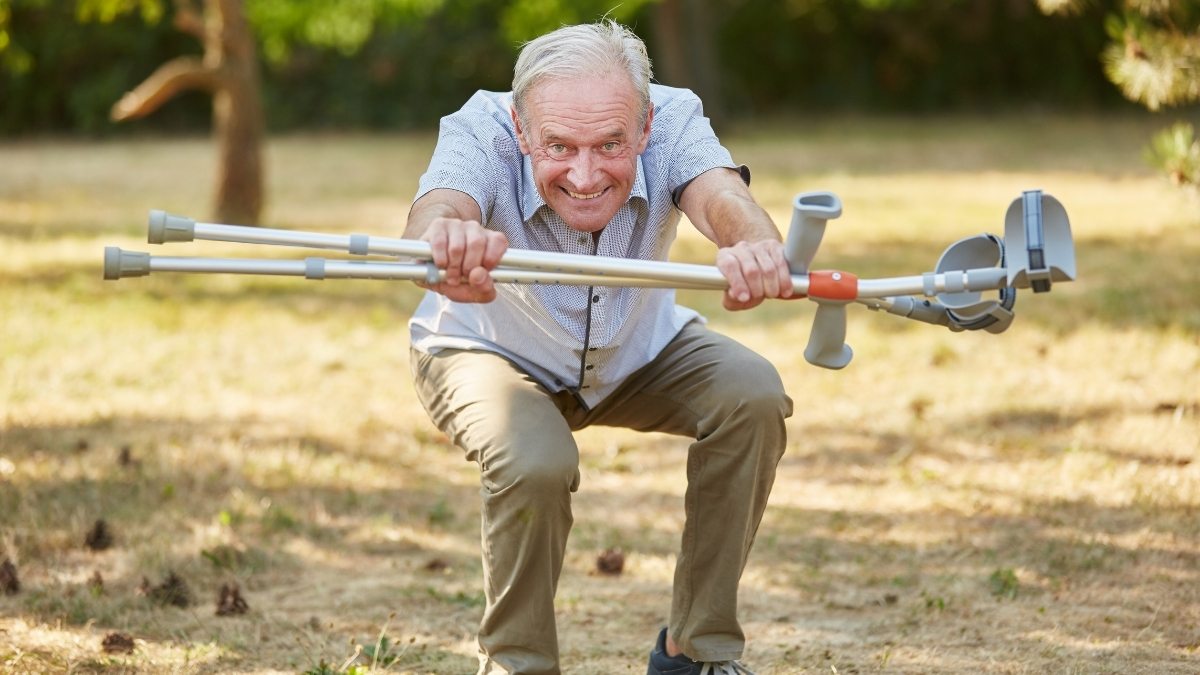
These modifications allow for proper form development and muscle engagement while reducing the risk of knee injuries.
Focus on controlled movements and proper alignment during all lower body exercises. Remember to keep your knees aligned with your toes and maintain a strong core throughout the movement.
5. Upper Body Training Safety
Overhead shoulder presses, especially when performed with poor form or excessive weight, risk pinching rotator cuff tendons and causing shoulder injuries. Adopt safer alternatives like lateral raises with slightly bent elbows or resistance band rows, keeping movements below shoulder height.
These modifications protect the shoulder joint while still effectively targeting upper body muscles. Proper form and controlled movements are essential for preventing shoulder injuries.
Start with lighter weights and focus on developing proper technique before increasing resistance.
6. Temperature-Regulated Exercise
Hot yoga presents significant risks of dehydration and elevated blood pressure, particularly for individuals with cardiovascular concerns or sensitivity to heat. Consider gentler forms of yoga or chair yoga variations that offer similar flexibility benefits without the added stress of extreme temperatures.
These modifications allow for safe practice while maintaining the mental and physical benefits of yoga. Proper hydration and temperature regulation are crucial for safe exercise performance.
Listen to your body and adjust your practice according to your comfort level and physical capabilities.
7. Impact Sport Modifications
Contact sports such as basketball and soccer increase the risk of falls and fractures due to sudden movements and potential collisions. Consider lower-risk activities like Tai Chi or modified pickleball that provide excellent opportunities for balance training and social interaction.
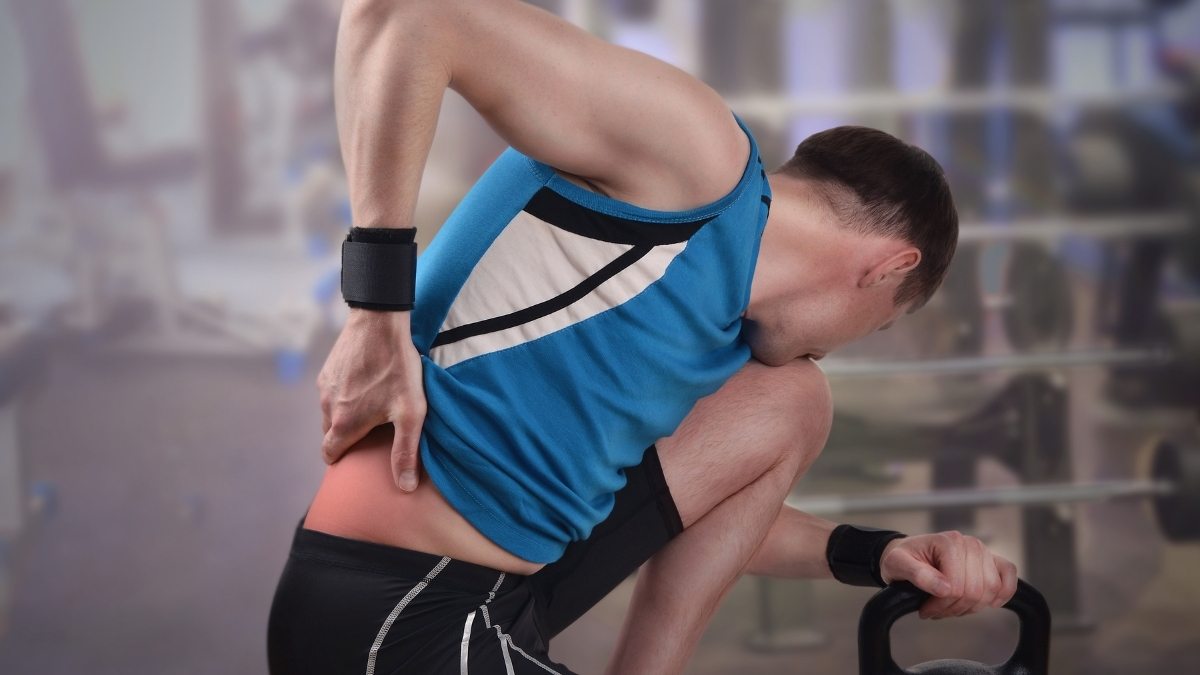
These alternatives offer cardiovascular benefits while minimizing the risk of impact-related injuries.
Focus on controlled movements and proper technique during all activities. Remember to warm up properly and stay within your physical limitations.
8. Intensity Management Strategies
High-intensity workouts like CrossFit or HIIT can lead to overexertion and injury when performed without proper conditioning or technique.
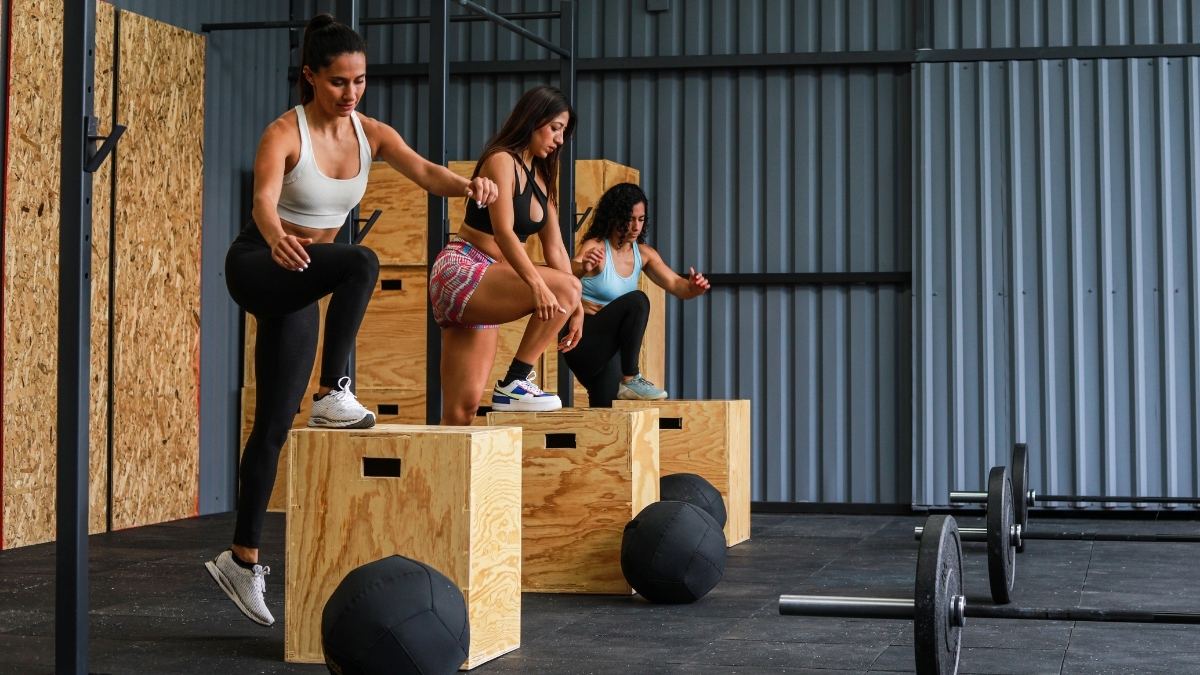
Implement circuit training with adequate rest intervals, combining light weights with low-impact movements like marching in place. This approach allows for effective cardiovascular and strength training while maintaining safety.
Proper form and pacing are essential for preventing exercise-related injuries. Listen to your body and adjust workout intensity according to your fitness level.
9. Distance Running Adaptations
Long-distance running can cause significant wear on joints and potentially exhaust stamina, leading to increased injury risk. Break cardio sessions into shorter intervals (10-15 minutes, 2-3 times per day) to maintain cardiovascular benefits while reducing impact stress.
Consider Nordic walking with poles for joint support and improved posture during cardio training. Proper footwear and gradual progression are essential for preventing running-related injuries.
Focus on maintaining good form and listening to your body's signals during cardio activities.
10. Safe Stretching Practices
Traditional toe touches and forward bends can strain the lower back and risk disc compression, particularly when performed incorrectly.
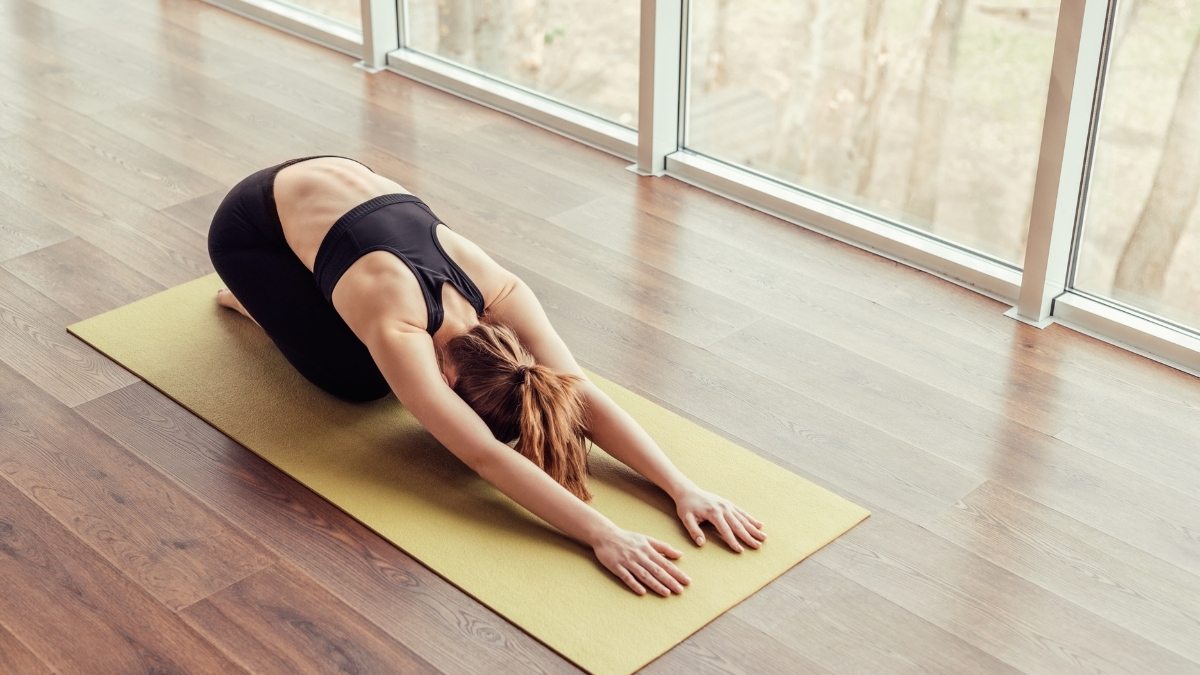
Focus on seated hamstring stretches or the yoga "Reclined Hand-to-Big-Toe" pose, which allow for effective flexibility training while maintaining proper spinal alignment.
These modifications help prevent back injuries while improving overall flexibility. Proper breathing and gentle movements are crucial during stretching exercises. Remember to never force a stretch and always work within your comfortable range of motion.
Tips for Safe Exercise After 60
- Consult a Pro: Work with a physical therapist or trainer to tailor exercises.
- Warm Up/Cool Down: Spend 10 mins on dynamic stretches (arm circles, heel raises).
- Listen to Your Body: Stop if you feel dizziness, pain, or shortness of breath.
- Focus on Balance: Incorporate stability exercises (single-leg stands, heel-to-toe walks).
- Hydrate & Recover: Drink water and rest between sessions to avoid burnout.
Personal Experience
I’ve trained seniors who switched from running to swimming and saw less joint pain and better endurance. One client replaced heavy deadlifts with resistance band rows and regained shoulder mobility without strain. Small tweaks make a huge difference!
Final Thoughts
Age is no barrier to fitness, but adapting your routine is key. Prioritize joint-friendly movements, consistency, and enjoyment. Celebrate progress, whether it’s climbing stairs easier or gardening pain-free. Stay active, stay safe, and remember: motion is lotion for the body!