Rot From Within: 8 ‘Healthy’ Acids Dissolving Your Enamel (Dentists Hate This Morning Lemon Water Habit)
Sarah started every morning the same way for three years: a tall glass of warm lemon water. It was her wellness ritual until her dentist showed her the permanent damage covering her front teeth. You’re doing everything right: no soda, no candy, plenty of “healthy” drinks.
But your teeth are becoming sensitive, yellower, and rough to the touch. With dental erosion affecting 30% to 50% of children and 20% to 40% of adults globally, the culprit is often beverages marketed as good for you.
This guide reveals the 8 acidic beverages dissolving your tooth enamel, exact pH levels from recent research, why lemon water teeth damage is worst in the morning, and science-backed protection strategies that actually work.
🧪 ENAMEL ACID TEST
Test your drink’s pH. Will it dissolve your teeth?
READY TO TEST
Select a beverage below to analyze acidity.
Understanding Enamel Erosion: The Silent Tooth Killer
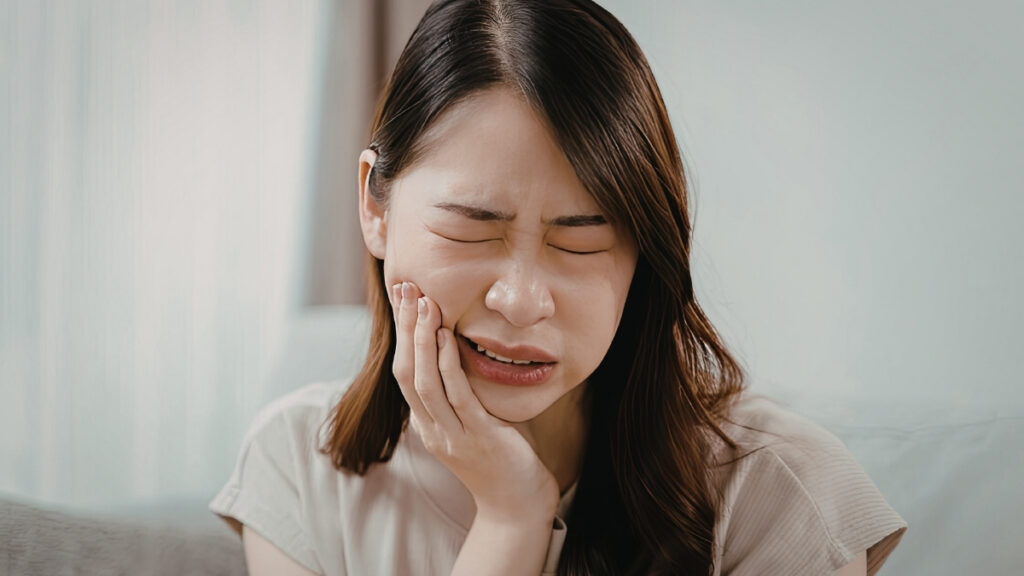
Your tooth enamel is like a protective shield made almost entirely of minerals. It’s 96 percent mineral and less than 1 percent organic material. This mineral composition makes it incredibly strong, but also vulnerable to acid.
When acid touches your enamel, it pulls minerals away from the surface. Scientists call this demineralization, and it happens every time the pH in your mouth drops below 5.5.
What makes erosion so dangerous is that it’s different from cavities. Cavities happen when bacteria in your mouth produce acid. Erosion happens from direct contact with acidic foods and drinks. You can have perfect brushing habits and still suffer severe enamel loss if you’re constantly exposing your teeth to acid.
Early Warning Signs You Should Watch For:
- Your teeth feel sensitive to hot or cold temperatures
- The edges of your front teeth look slightly transparent or see-through
- Your teeth appear more yellow because the white enamel is thinning
- The surface of your teeth feels rough instead of smooth when you run your tongue over them
- You notice small dents or cups forming on the chewing surfaces
The tricky part is that erosion happens slowly. You won’t notice it happening day by day. But over months and years, the damage adds up. By the time you see obvious signs, you’ve already lost a significant amount of enamel.
#1: Lemon Water (The Morning Ritual Destroying Your Smile)
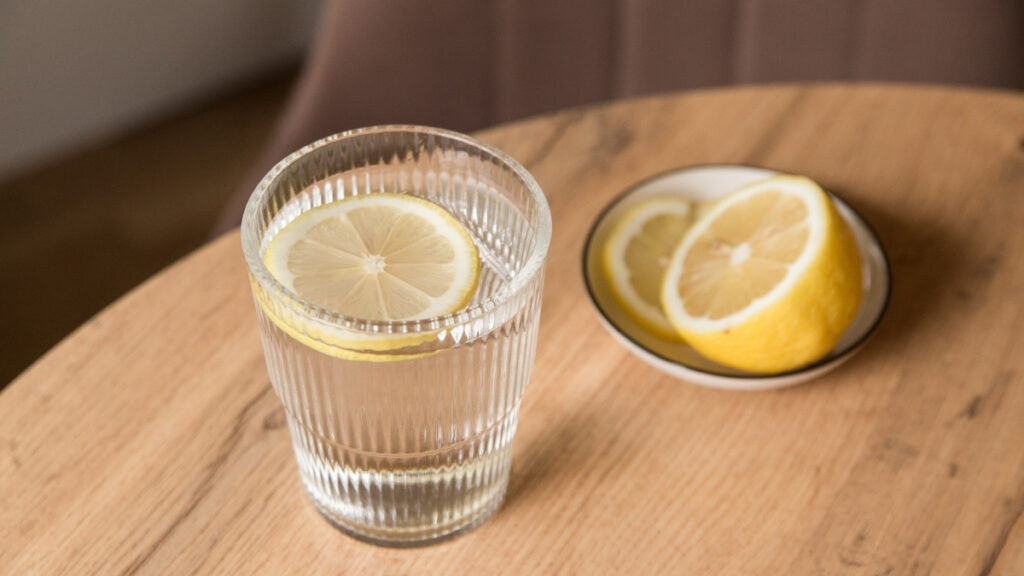
Lemon water has become the poster child for healthy living. People drink it to detoxify, boost immunity, and kickstart their metabolism. But here’s what happens to your teeth when you make this a daily habit.
Lemon juice contains 5 to 6 percent citric acid. Its pH sits around 2.0 to 2.5. That’s incredibly acidic, far below the 5.5 threshold where your enamel starts breaking down. When you drink lemon water every morning, you’re essentially washing your teeth in acid right when your mouth is most vulnerable.
Morning consumption is the worst-case scenario for your teeth. Your saliva production slows down while you sleep. When you first wake up, your mouth is still ramping up saliva flow.
A dental practice documented a real patient who shows exactly how bad this can get. The patient drank juice from one whole lemon every morning for 3 to 4 years. The result was severe enamel erosion across multiple teeth.
Key Facts About Lemon Water and Your Teeth:
- Pure lemon juice has a pH between 2.0 and 2.5 (battery acid is around pH 1)
- Daily consumption creates continuous acid attacks on enamel
- The damage happens gradually but becomes severe over time
- Erosion exposes the softer dentine layer underneath, causing sensitivity
- If you must have lemon water, dilute half a lemon in 12 to 16 ounces of water
#2: Apple Cider Vinegar (The Wellness Trend With Hidden Costs)
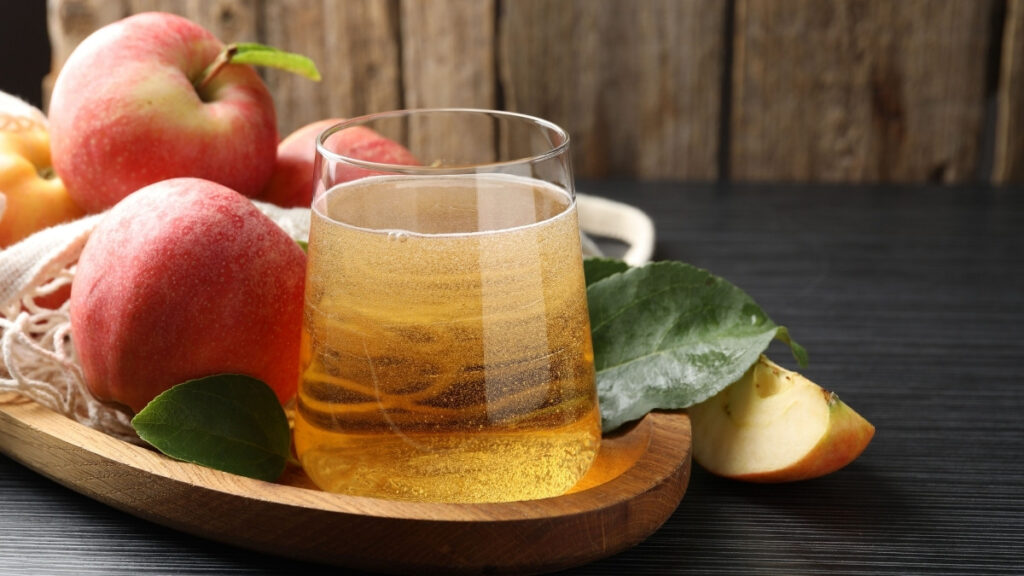
Apple cider vinegar has taken over the wellness world. People swear it helps with weight loss, blood sugar, and digestion. The internet is full of testimonials about its benefits. But dental researchers have a very different story to tell.
ACV contains about 5 percent acetic acid. Its pH ranges from 2.5 to 3.0. That puts it in the same danger zone as lemon juice. An 8-week clinical trial tested what happens when people drink vinegar twice daily. The participants showed an 18 percent increase in tooth erosion scores. That’s measurable enamel damage in just two months.
The case studies get even more concerning. One woman drank a glass of apple cider vinegar daily for weight loss. She developed erosive tooth wear across multiple teeth. The damage was permanent. No amount of brushing or dental care could reverse what the acid had dissolved.
What Research Shows About ACV and Enamel:
- Studies on 190 human teeth found vinegar had the most significant impact on erosion
- The acid softens the enamel surface, making it vulnerable to wear
- Daily consumption creates cumulative damage over weeks and months
- Diluting doesn’t eliminate the risk, it only reduces it slightly
- Even “the mother” (the beneficial bacteria) doesn’t protect your teeth from the acid
#3: Kombucha (Probiotic Benefits Meet Enamel Destruction)
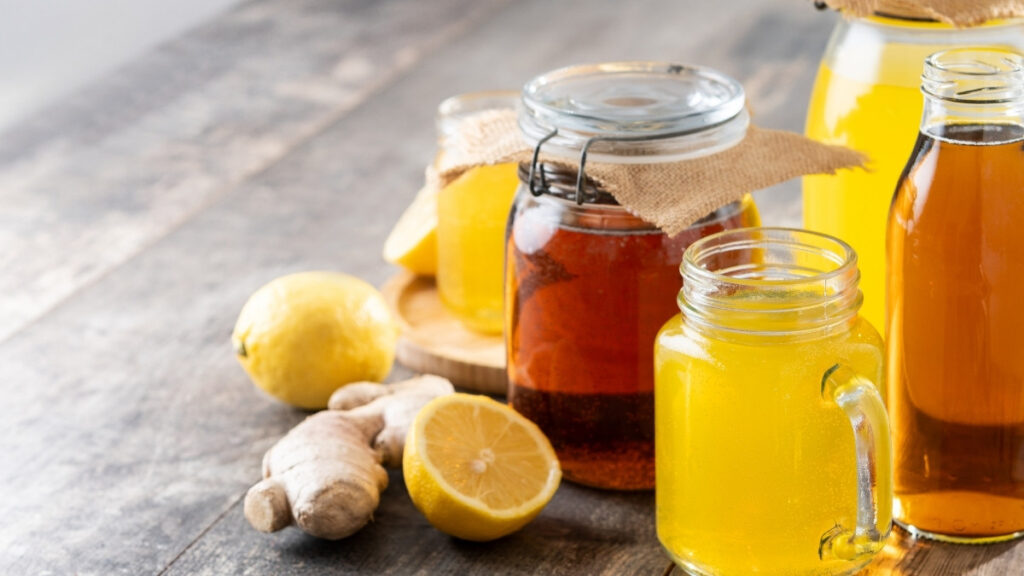
Kombucha seems like the perfect health drink. It’s fermented, full of probiotics, and trendy. Health food stores dedicate entire aisles to it. But your teeth pay a steep price for those gut health benefits.
Kombucha’s pH ranges from 2.82 to 3.66. The low pH isn’t accidental. Kombucha must have a pH below 3.5 to prevent harmful bacteria from growing during fermentation.
This safety requirement makes it highly erosive by nature. Studies found that kombucha often exceeded carbonated soft drinks in its erosive potential. Read that again. It can be worse for your enamel than Coke.
Dr. Joe Dill, a dentist and VP of Dental Science for Delta Dental, puts it simply. “Kombucha is more acidic than water and can wear away the white enamel layer of one’s teeth.
This makes them sensitive and more prone to decay.” The dental community has been trying to get this message out, but it’s drowned out by wellness influencers promoting kombucha as a miracle drink.
Important Points About Kombucha and Dental Health:
- The pH must stay low for food safety, making erosion unavoidable
- The carbonation adds carbonic acid on top of the fermentation acids
- Flavored versions are often more acidic than plain
- Sipping a bottle over an hour creates prolonged acid exposure
- The probiotic benefits don’t offset the enamel damage
#4: Fruit Juices and Smoothies (Liquid Sugar Bombs in Disguise)
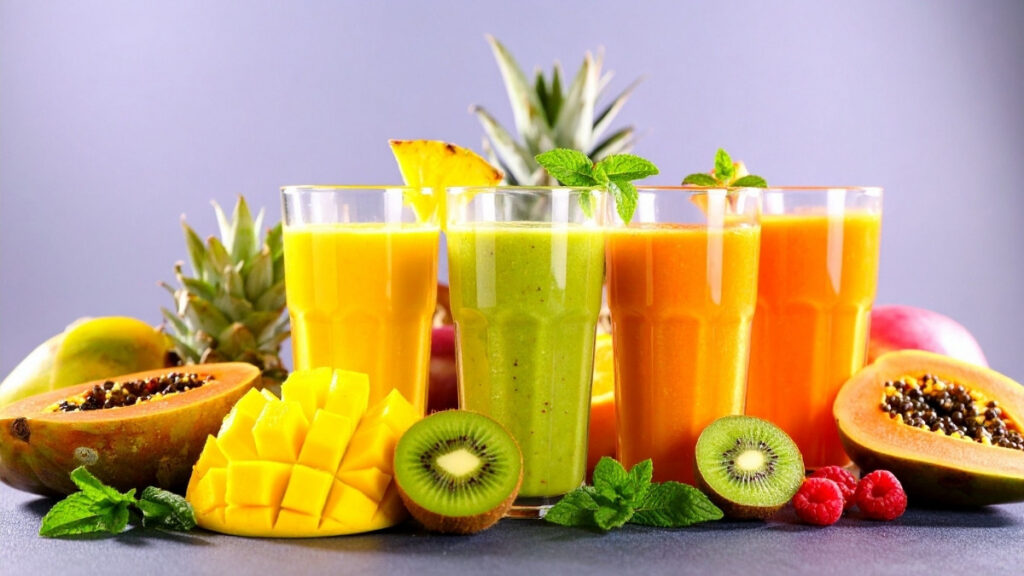
Fruit juice and smoothies feel like health in a glass. They’re made from real fruit, packed with vitamins, and often labeled “100% natural.” Parents give them to kids as a healthy alternative to soda. But when it comes to your teeth, these drinks are wolves in sheep’s clothing.
Among smoothie combinations, a kiwi, apple, and lime blend had the most severe effect on enamel surface depth. Even 100% fruit juice with no added sugar causes enamel microhardness decrease, surface loss, and increased erosion depth.
Orange juice is a perfect example of how deceptive these drinks can be. Its pH sits between 3.5 and 4.0. That seems less scary than lemon juice at pH 2, right? But here’s the problem.
Orange juice actually dissolved significantly more hydroxyapatite (the main mineral in enamel) than cola drinks in laboratory tests. The citric acid in orange juice is particularly aggressive at pulling minerals from tooth surfaces.
The smoothie trend makes things worse. When you blend whole fruits, you’re concentrating the acid and sugar into a thick drink that coats your teeth.
Critical Information About Fruit Juices and Enamel:
- Lime is consumed most commonly (57.7% of people), followed by watermelon (53.0%)
- pH alone doesn’t predict damage; orange juice proves this by out-eroding cola
- Blended fruits create thicker consistency that sticks to teeth longer
- “No sugar added” doesn’t mean “not acidic” or “safe for teeth”
- Even fresh-squeezed juice has the same erosive properties as store-bought
#5: Dried Fruits (The Sticky Truth About “Healthy” Snacking)
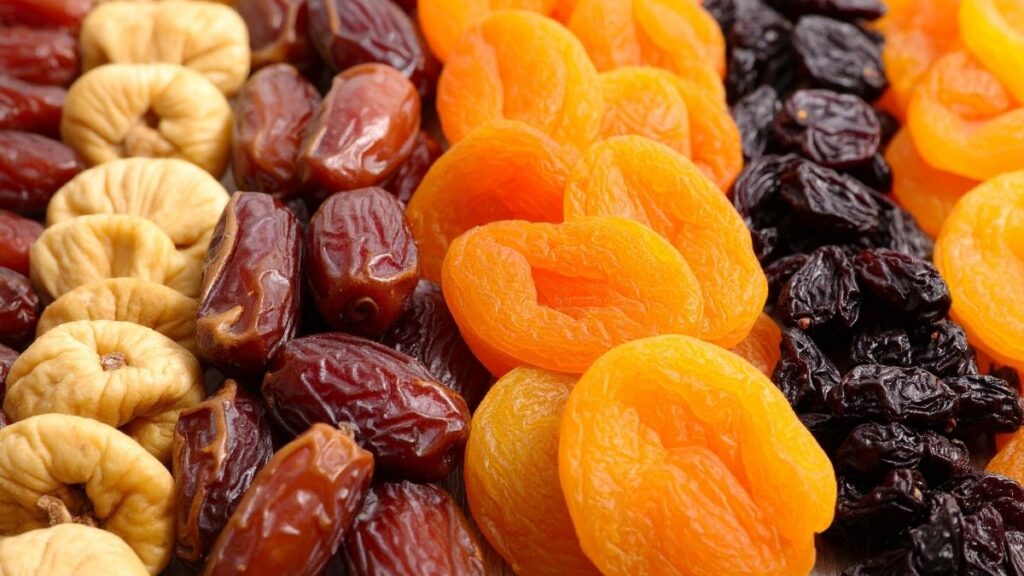
Dried fruits show up in trail mix, energy bars, and health food stores. They seem like the perfect snack because they’re “just fruit.” But removing the water from fruit creates a dental disaster.
When fruit is dried, it loses its water content but keeps all its sugar. This concentrates the sugar by about 7 times compared to fresh fruit. A handful of raisins contains far more sugar than a handful of grapes. That concentrated sugar feeds the harmful bacteria in your mouth, which produce acid that erodes your enamel.
The sticky texture creates an even bigger problem. Small bits of dried fruit stick in the pits and grooves of your teeth. They wedge between your molars. They cling to your enamel surface. This sugar-rich material sits on your teeth for hours, giving bacteria a sustained food source. Every minute that sticky residue remains, bacteria are producing acid and attacking your enamel.
Dental practices report seeing patterns of decay that match dried fruit consumption. Patients who snack on dried apricots, dates, or mango throughout the day often develop cavities in specific patterns.
The damage shows up where the sticky pieces lodge most often. While comprehensive reviews found weak scientific evidence for the “sticky” claims, dentists see the clinical reality in their chairs every day.
What You Need to Know About Dried Fruit:
- Sugar concentration is 7 times higher than fresh fruit
- Sticky texture makes pieces adhere to teeth for extended periods
- Bacteria feed on the sugar, producing enamel-eroding acid
- Frequent snacking creates multiple acid attacks throughout the day
- Raisins, dates, apricots, and figs are the worst offenders
#6: Tomatoes and Tomato-Based Products (The Pasta Sauce Problem)
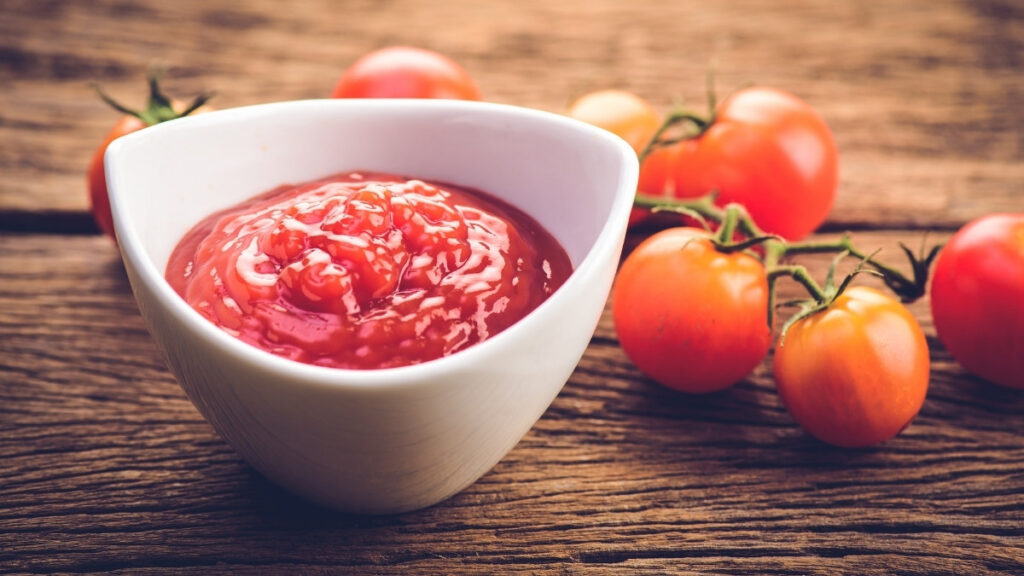
Tomatoes don’t usually make the list of foods people worry about. They’re vegetables (technically fruits), they’re in healthy Mediterranean diets, and they’re packed with nutrients. But they’re also naturally acidic, and we eat them in ways that maximize their erosive potential.
Fresh tomatoes have a pH between 4.2 and 4.9. That’s right at the edge of the danger zone for enamel. When tomatoes are processed into sauce, paste, or ketchup, they often become even more acidic.
Pasta sauce simmers for hours, concentrating the acids. Ketchup adds vinegar. Salsa combines tomatoes with other acidic ingredients like lime juice. Every version exposes your teeth to prolonged acid contact.
The real problem is how we consume tomato products. A bowl of pasta with marinara sauce means your teeth are bathed in acid for 15 to 20 minutes while you eat. Pizza does the same thing.
Many people eat tomato-based foods multiple times per week. That frequent exposure compounds the erosive effects. And because we often eat these foods hot, the higher temperature may increase the rate of enamel dissolution.
Key Points About Tomatoes and Dental Erosion:
- Natural pH of 4.2 to 4.9 puts them just below the safe threshold
- Processing into sauces often increases acidity
- Long contact time during meals extends acid exposure
- Heat from hot pasta sauce or pizza may accelerate erosion
- Frequency matters: weekly pasta nights create cumulative damage
#7: Flavored Sparkling Water (Not As Innocent As It Seems)
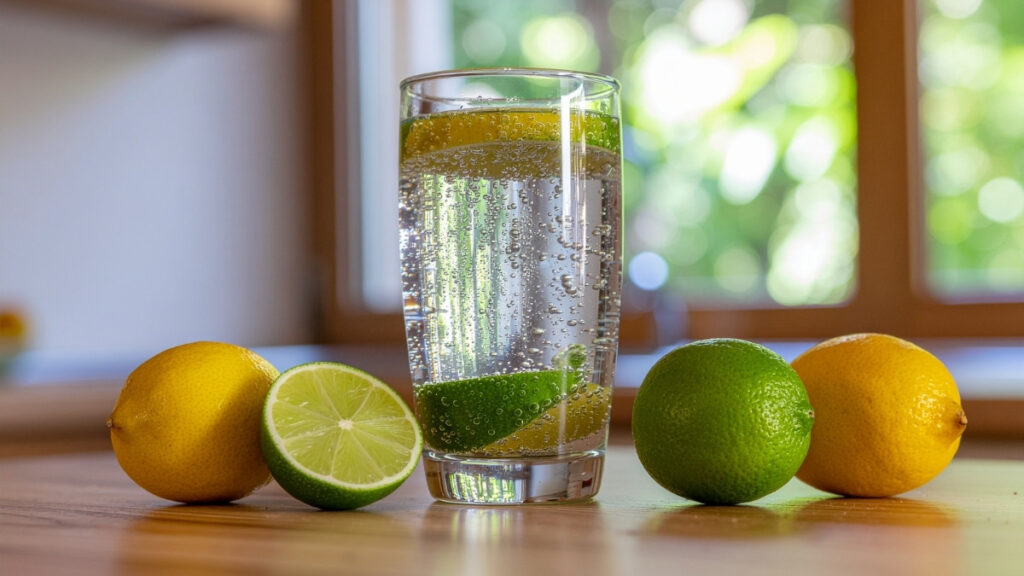
Sparkling water feels like the perfect compromise. It’s not soda, it has zero calories, and it makes staying hydrated more interesting. Lots of people switched from sugary drinks to flavored seltzer thinking they were doing their teeth a favor. They were only half right.
Plain sparkling water has a pH around 5, which is close to the critical threshold of 5.5. The carbonation creates carbonic acid, which lowers the pH slightly. This mild acidity probably won’t cause significant damage on its own. But here’s where things get problematic. Most people don’t drink plain sparkling water. They drink the flavored versions.
All flavored sparkling waters tested in studies showed pH levels between 2.74 and 3.34. That’s a massive drop from pH 5. Adding lemon flavoring drops the pH to around 3. One study tested Dasani sparkling water and found plain had a pH of 5.03, while Dasani Lemon had a pH of 3.03.
That difference makes the lemon version significantly more erosive. The citric acid added for flavor is the same acid that makes lemon juice so damaging.
The problem is that people treat sparkling water like regular water. They sip it all day long. They drink multiple cans. The constant exposure means your teeth never get a break to remineralize. Each sip drops the pH in your mouth back into the danger zone. Over hours and days, this creates perfect conditions for erosion.
Critical Facts About Sparkling Water:
- Plain carbonated water (pH 4-5) is relatively safe in moderation
- Citric acid additions for flavor drop pH into the danger zone (2.74-3.34)
- “Natural flavors” often include citric acid or other acidic compounds
- All-day sipping creates prolonged acid exposure
- Zero calories doesn’t mean zero dental risk
🦷 Save Your Smile
Simple habits to protect enamel from acid attacks.
#8: Sports and Energy Drinks (The Athlete’s Enamel Enemy)
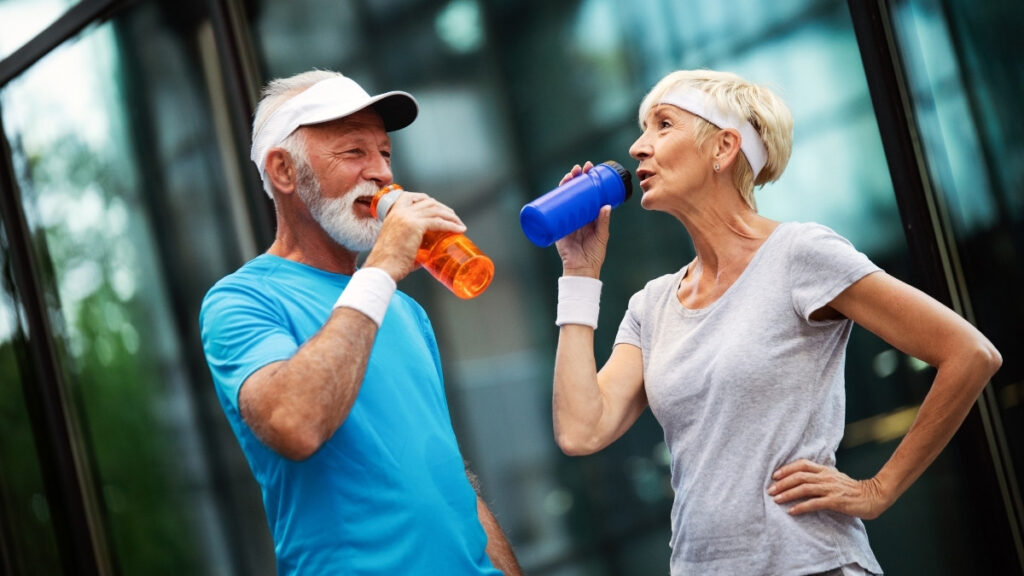
Athletes often believe they’re making healthy choices by choosing sports drinks over soda. These drinks promise hydration, electrolyte replacement, and energy. But research on athletes shows a disturbing pattern of tooth erosion that non-athletes don’t experience at the same rates.
Sports and energy drinks have pH levels between 3.1 and 3.6. They show strong associations with erosive tooth wear in active populations. Energy drinks are even worse. Red Bull required 52 milliliters of sodium hydroxide to neutralize just 100 milliliters of the drink. That extremely high titratable acidity means the drink has a massive capacity to dissolve enamel, far beyond what pH alone would suggest.
The way athletes consume these drinks creates the perfect storm for enamel damage. When you exercise vigorously, your mouth becomes temporarily dry. Saliva production drops.
This condition, called xerostomia, removes your natural protective buffer right when you need it most. Athletes who mouth-breathe during training make it worse. Then they sip acidic sports drinks to stay hydrated. The combination of dry mouth plus acidic beverage equals severe enamel erosion.
Studies on triathletes found significantly more tooth surface loss in athletes who mouth-breathed during training and sipped sports drinks throughout their workouts. The damage wasn’t from one intense workout. It accumulated over months and years of training sessions. Many competitive athletes in their 20s and 30s show enamel erosion patterns typically seen in people decades older.
What Athletes Need to Know:
- Sports drinks (pH 3.1-3.6) are highly erosive, despite marketing as “healthy”
- Vigorous exercise reduces saliva production when you need it most
- Mouth-breathing during workouts compounds the dry mouth problem
- Sipping throughout a 1-2 hour workout means prolonged acid exposure
- Energy drinks have even higher titratable acidity than sports drinks
Why These “Healthy” Acids Are Worse Than You Think

Understanding pH is just the beginning. The full picture of how acids damage your teeth is more complex and more concerning than most people realize.
pH measures how acidic something is right now. But pH alone doesn’t tell you how much damage that acid can do over time. Scientists also measure something called titratable acidity, which shows the acid’s capacity to keep attacking your enamel even after your saliva tries to neutralize it. A drink might have the same pH as another, but if it has higher titratable acidity, it will cause significantly more erosion.
The timing and method of consumption matter enormously. Sipping an acidic drink throughout the day creates multiple acid attacks on your enamel. Each time you take a sip, the pH in your mouth drops below 5.5 and stays there for 20 to 30 minutes.
If you sip every 15 minutes, your teeth never get a chance to recover. Compare that to drinking the same beverage in one sitting with a meal. You get one acid attack instead of multiple attacks spread across hours.
Your behavior and habits modify the erosion risk in ways you might not expect. Exercise reduces saliva flow, making erosion worse. Brushing immediately after acid exposure causes abrasive damage to the softened enamel.
The combination of factors creates a multiplier effect. It’s not just the acid itself, but how it interacts with everything else you do.
The Science Behind Acid Erosion:
- Chemical parameters matter: pH, buffer capacity, titratable acidity, calcium and phosphate concentrations all play roles
- Behavioral factors multiply the risk: frequency, consumption method, exercise, timing
- Acid creates a softened enamel layer that’s vulnerable to mechanical wear
- Brushing or chewing right after acid exposure accelerates surface loss
- Your saliva composition and flow rate affect how well you can naturally remineralize
Protect Your Enamel: 3 Science-Backed Strategies That Work
The good news is that you can protect your teeth without giving up everything you enjoy. These strategies are based on dental research and clinical experience. They work because they address the actual mechanisms of erosion.
1. Wait 30 to 60 Minutes Before Brushing
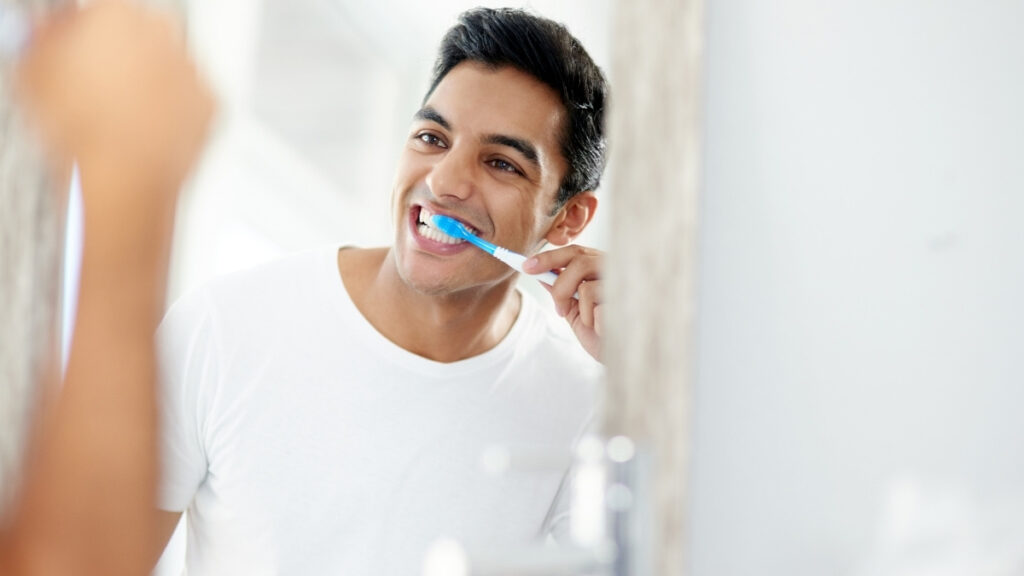
This might be the most important rule, and it’s the opposite of what most people do. Acid softens your enamel. When you brush immediately after drinking lemon water or eating acidic foods, you’re scrubbing away the softened layer. This abrasive damage is worse than the acid exposure alone.
Your saliva needs time to remineralize the enamel surface. Wait at least 30 minutes, preferably a full hour, before brushing. In the meantime, rinse with water to remove the acid. This simple timing change prevents a huge amount of preventable damage.
2. Rinse Immediately With Water
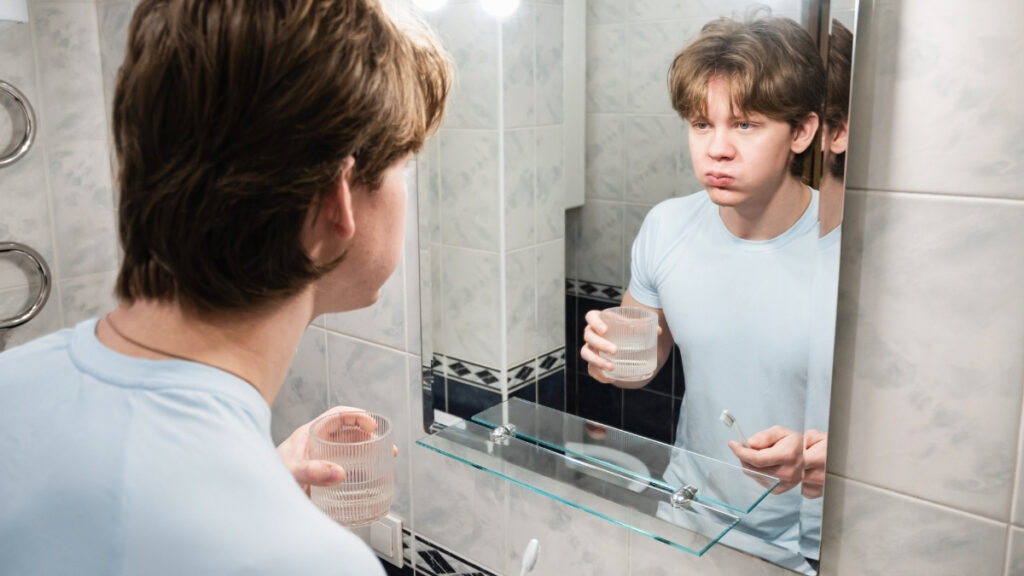
Right after consuming anything acidic, swish plain water around your mouth for 30 seconds. This removes acid residue and starts raising the pH back toward neutral. It’s a simple action that makes a measurable difference.
The water rinse doesn’t require any special products. Tap water works perfectly. Just swish vigorously to reach all tooth surfaces, then spit it out. This gives your saliva a head start on neutralizing the remaining acid.
3. Use a Straw
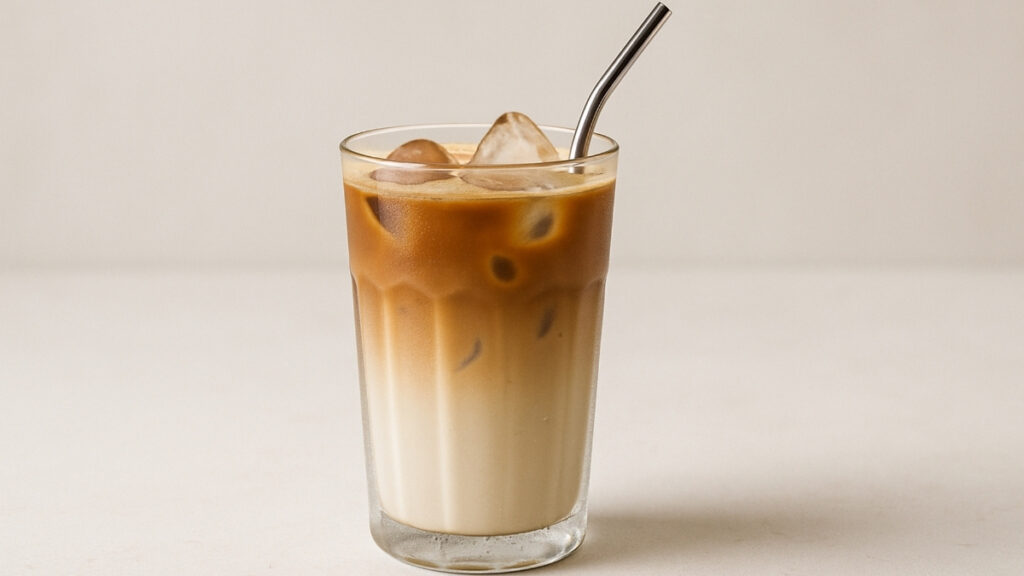
Straws aren’t just for convenience. They’re a legitimate protective strategy when used correctly. Place the straw tip toward the back of your mouth, behind your teeth. This allows the acidic beverage to bypass your front teeth entirely and minimizes contact time with all your teeth.
This works best with cold drinks. Hot beverages and straws don’t mix well. But for iced coffee, smoothies, lemon water, and other cold acidic drinks, a straw positioned properly reduces enamel exposure significantly.
Final Thoughts: Your Health and Your Smile Can Coexist
The irony hits hard when you realize it. Beverages marketed as healthy can damage your teeth as badly as candy and soda. Fruit juices, smoothies, kombucha, and sports drinks pose real risks for dental erosion. The research is clear, and the clinical cases prove it happens to real people every day.
But here’s the truth that matters most. You don’t have to choose between your health and your teeth. With simple protective measures like proper timing, rinsing with water, and using remineralizing products, you can enjoy these beverages while preserving your enamel. The key is being strategic instead of careless.
Pay attention to what your teeth are telling you. If you experience sensitivity when drinking cold water, notice yellowing that wasn’t there before, or feel roughness on your tooth surfaces, schedule a dental checkup. Early erosion can be treated and managed. But enamel loss is permanent. Once it’s gone, your only options are expensive dental work or living with the consequences.
Make these protective habits second nature. They’re small actions that take minimal effort but create massive benefits over a lifetime. Your smile depends on the choices you make every single day. Choose wisely, and your teeth will thank you for decades to come.