
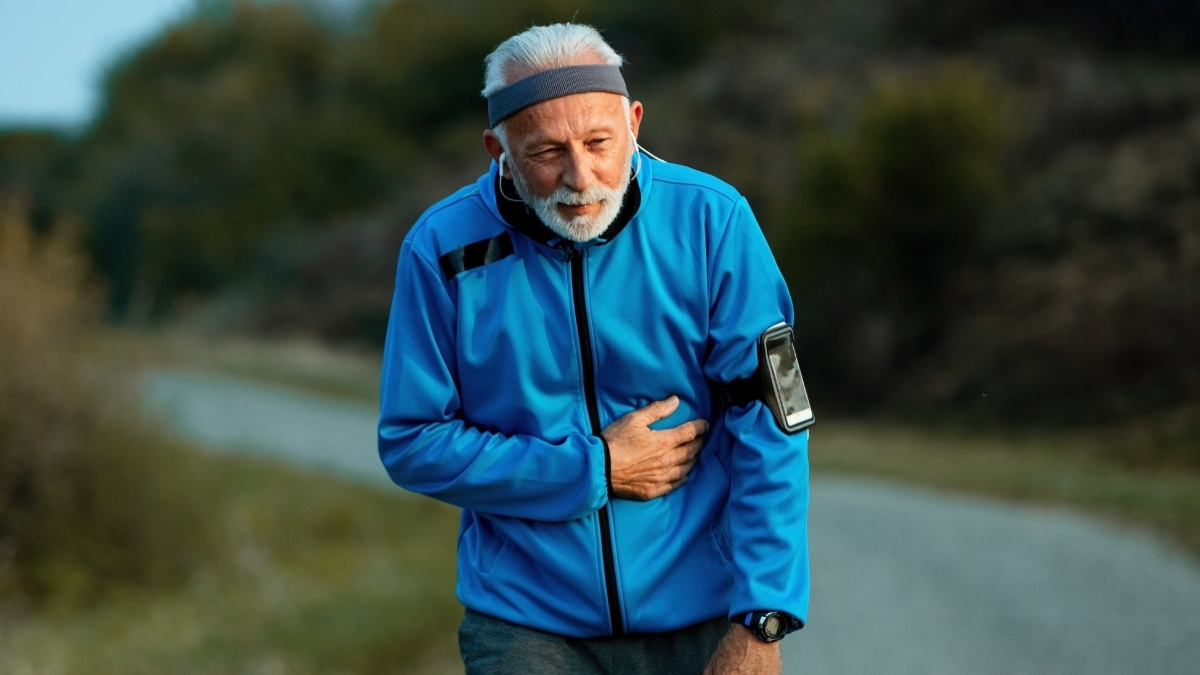
Dinner is over and the couch is calling. Your belt feels tighter, your stomach feels heavy, and sitting down seems like the only option. Getting up and moving is probably the last thing on your mind.
Yet that small choice, the one you almost never make, might matter more than anything else you do that evening. Older adults often carry more discomfort after meals than they did decades ago, and the reason has less to do with what they ate and more to do with what happens right after.
Standing up and walking for just a few minutes changes how your stomach empties, how your blood sugar responds, and even how well you sleep. None of it requires effort or planning. It just asks you to step outside for ten quiet minutes.
Why a 10-Minute Walk
Changes Dinner
Digestion naturally becomes less efficient with age, but gentle movement after a meal can support several systems at once.
Dinner → gentle movement → easier processing
What Slows Down Inside Your Stomach After 50
Age can reduce digestive muscle activity and delay stomach emptying. A short walk provides gentle mechanical movement that helps food continue through the digestive process.
The Ten-Minute Window That Keeps Acid Down
Remaining upright lets gravity work in your favor. Gentle walking may help keep stomach acid where it belongs, reducing the chance of post-dinner heartburn and nighttime reflux.
How a Slow Walk Steadies Your Blood Sugar
Active muscles begin pulling glucose from the bloodstream for energy. Even relaxed movement can help soften the spike after a meal without turning the walk into a workout.
Why Your Stomach Feels Tight After Dinner
That pressure is not always caused by eating too much. Fermentation and slow movement can trap gas, while walking encourages it to shift through the intestines and release.
What Slows Down Inside Your Stomach After 50
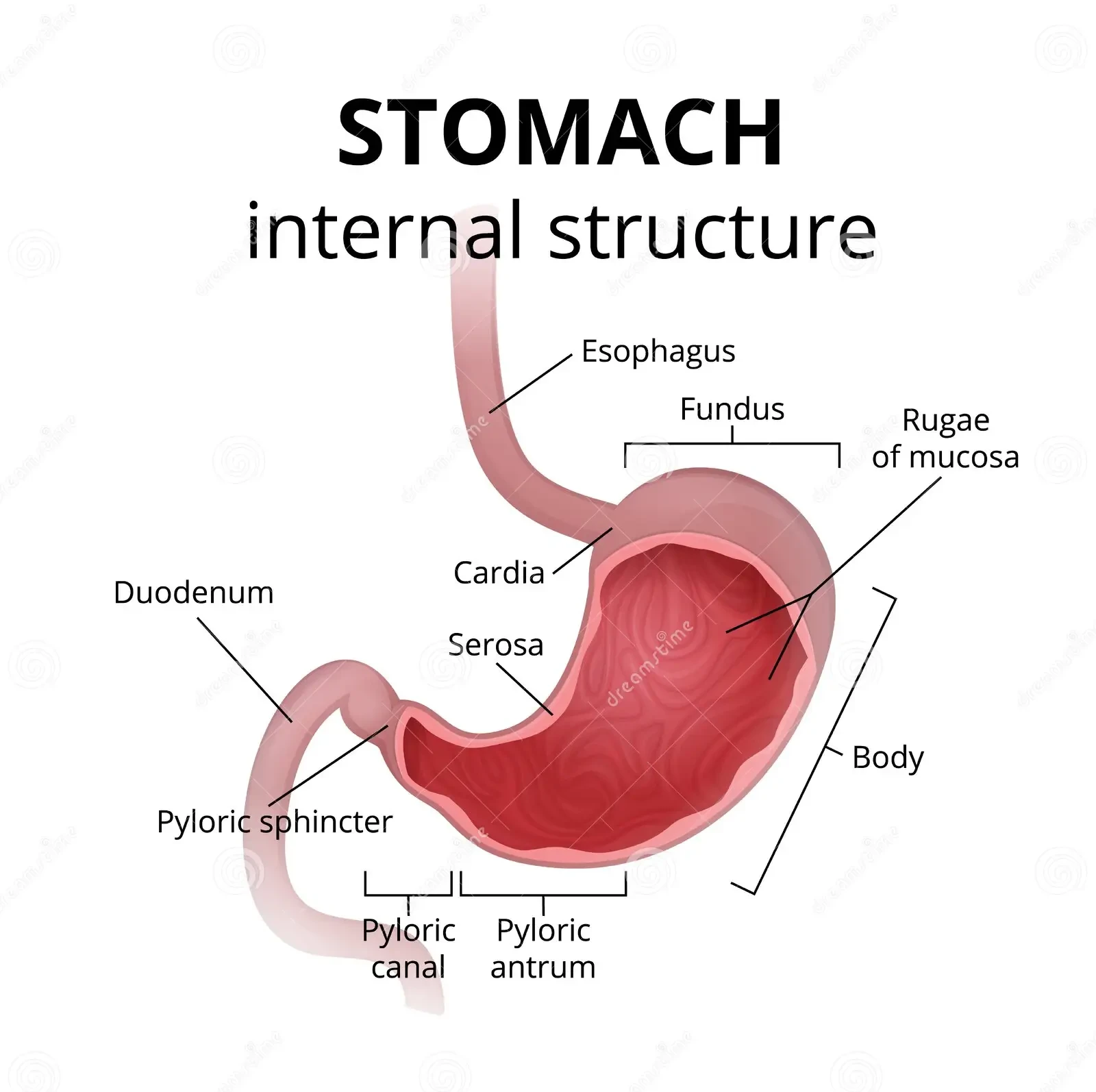
Your stomach empties food more slowly than it did at thirty. This happens because of a process called gastric motility, the rhythmic muscle squeezing that pushes food through your digestive tract.
Aging naturally weakens these contractions. Fewer nerve signals reach the stomach muscles, so waves move with less force. Digestive enzymes also drop in supply, meaning fat and protein linger longer before breaking down fully.
That heavy, sluggish feeling after dinner is not in your head. It reflects real physical changes happening beneath the surface. Blood flow to digestive organs decreases too, especially right after eating. Your body simply cannot process a meal at the same speed it once could.
None of this means something is wrong with you. It means your system now rewards patience over speed, and gentle movement helps that slower rhythm keep pace with the meal you just ate.
The Ten-Minute Window That Keeps Acid Where It Belongs
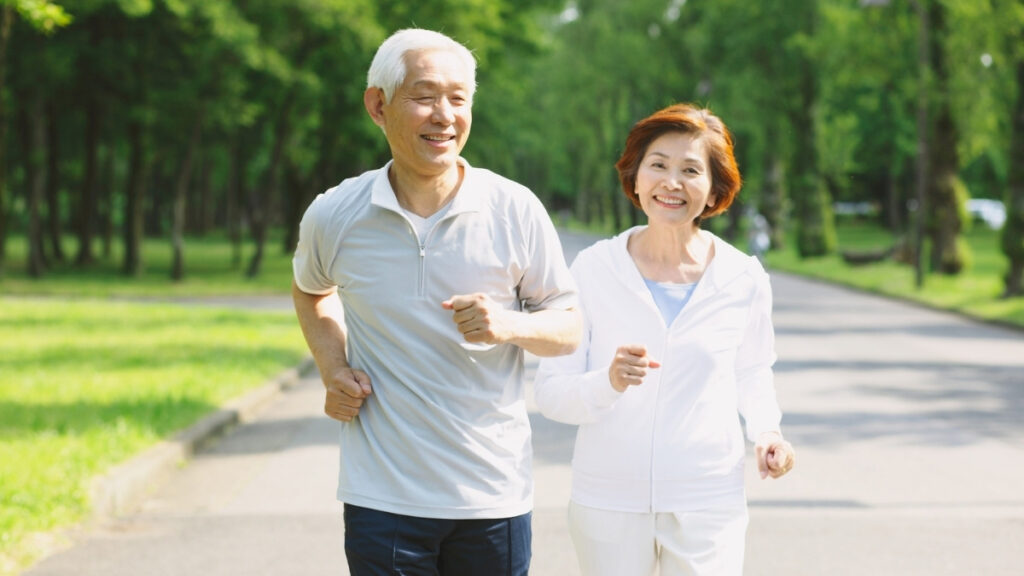
Gravity does most of the work here, and you barely have to think about it. Standing or walking keeps your stomach below your esophagus, the tube connecting your throat to your stomach.
Lying down flattens that natural slope, so acid drifts upward more easily. This is why a heavy meal followed by a couch nap often ends in burning discomfort. Walking, even slowly, keeps everything moving in the right direction.
Your stomach also empties faster when you’re upright and gently active. Sitting still after dinner isn’t dangerous, but it does invite acid to linger longer than it should.
Older adults often notice this more than younger people, since the muscle that keeps acid down weakens slightly with age. A short walk within ten minutes of finishing your meal uses simple physics to your advantage.
How a Slow Walk Quietly Steadies Your Blood Sugar
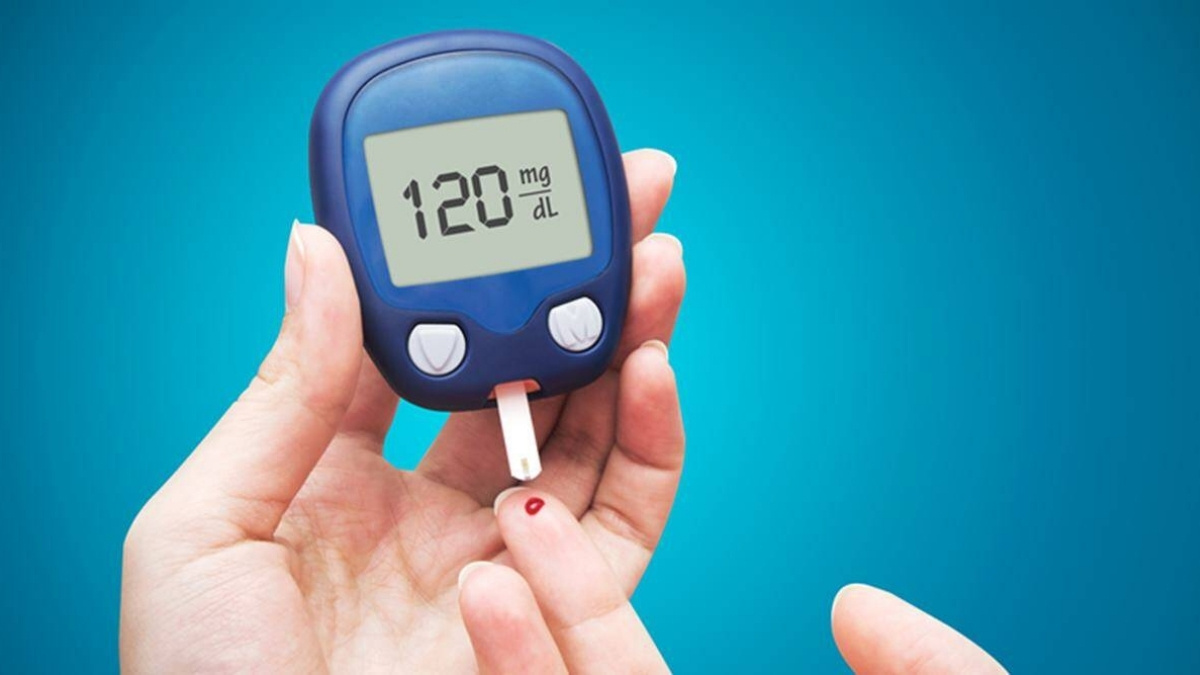
Your muscles act like sponges for sugar the moment you start moving. Walking triggers them to pull glucose, the sugar from your meal, directly out of your bloodstream for fuel.
This happens without needing much insulin, the hormone that normally shuttles sugar into cells. Contracting muscles simply open their own doors and let glucose in.
Timing changes everything here. A walk taken right after eating catches that sugar spike early, before it climbs too high. Wait two hours, and the moment has mostly passed.
Age raises the stakes. Insulin works less efficiently as you get older, so blood sugar tends to rise higher and stay elevated longer after meals. A short walk gives your body extra help it may no longer produce on its own. Even ten minutes makes a measurable difference. Skip it, and that post-meal spike lingers uncorrected.
The Real Reason Your Stomach Feels Tight After Dinner
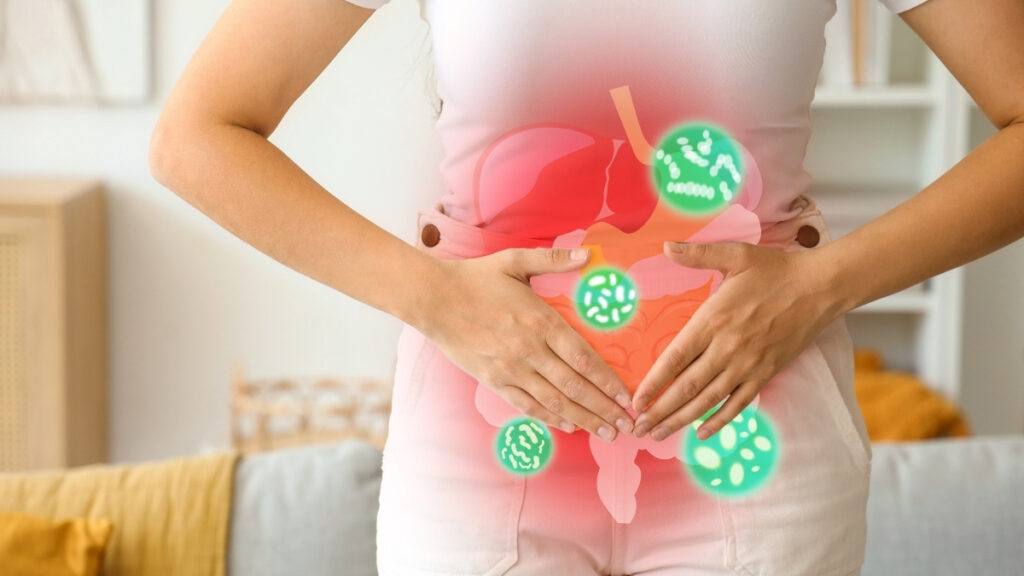
That tight, swollen feeling after a big meal comes down to trapped air. Digestion naturally produces gas as your stomach and intestines break food down. Sitting still afterward gives that gas nowhere to go, so pressure builds and your waistband suddenly feels tighter.
Nobody likes talking about it, but yes, this often means passing gas more than usual, and that’s completely normal. Your gut isn’t malfunctioning. It’s just working, and gravity plus movement helps it finish the job.
Walking gently shifts your body position, which encourages trapped air to move through your digestive tract instead of sitting still. Even five minutes changes things.
Standing and moving also relaxes tense abdominal muscles that can make bloating feel worse. Age plays a role too, since digestion naturally slows over the decades. Rather than reaching for medication first, a short walk often solves the problem quietly and comfortably.
Why Walking Too Fast Undoes the Benefit
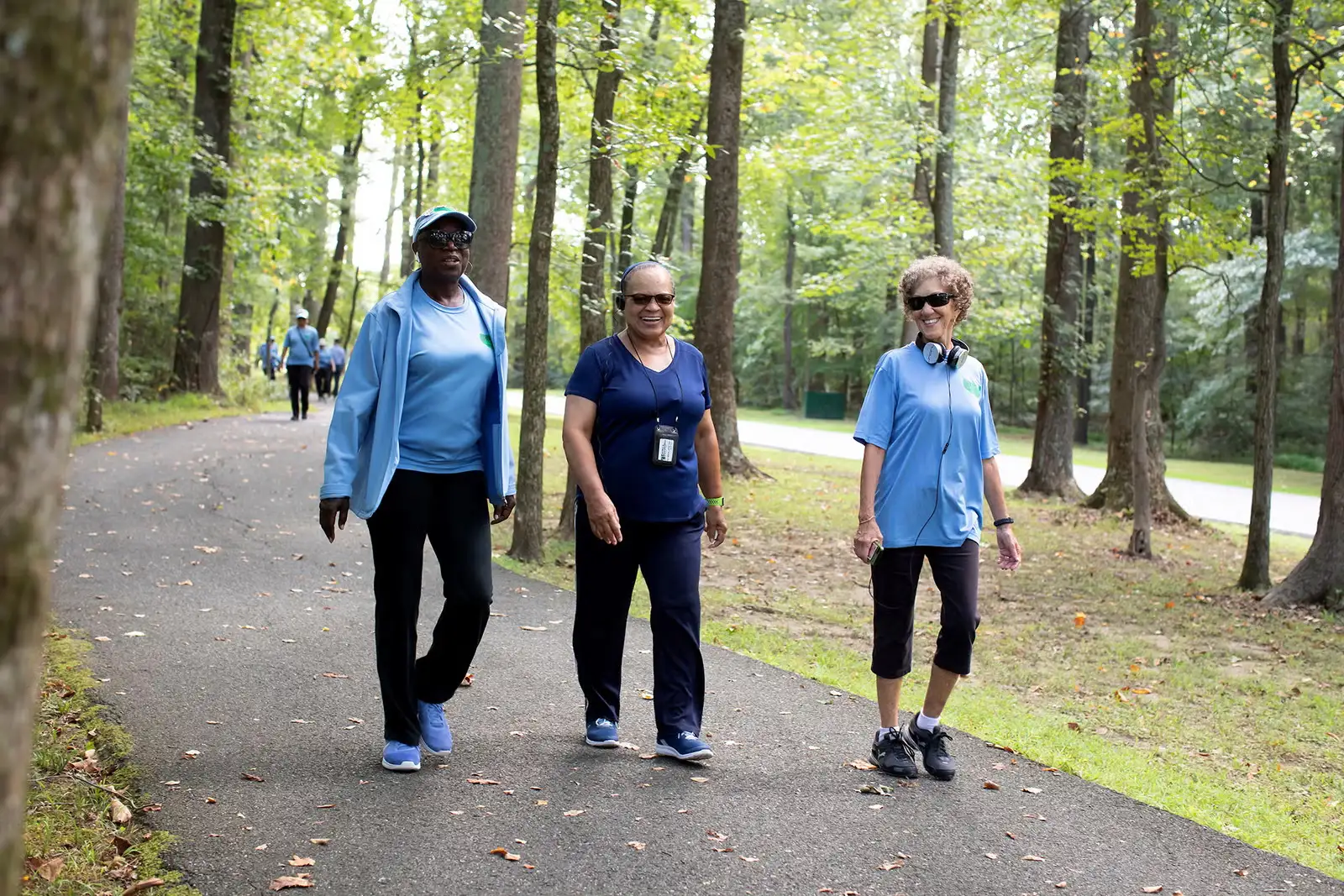
Many people treat this walk like a workout, and that’s the mistake. Speed changes everything here. A brisk pace shifts blood flow toward your legs and heart, away from your stomach. Digestion needs that blood supply to work efficiently. Your gut relies on steady circulation to break down food and absorb nutrients properly.
Think of digestion as a job that needs resources. When you sprint through your walk, those resources get pulled elsewhere. This is why an easy stroll works better than a fast-paced one. Comfortable movement keeps blood available where it’s needed most.
Older adults sometimes push harder out of habit, assuming faster equals healthier. That logic doesn’t apply here. A relaxed pace, one where you could easily hold a conversation, supports digestion instead of competing with it. Save the brisk walking for another time of day.
How to Time, Pace, and Walk Your Evening Stroll
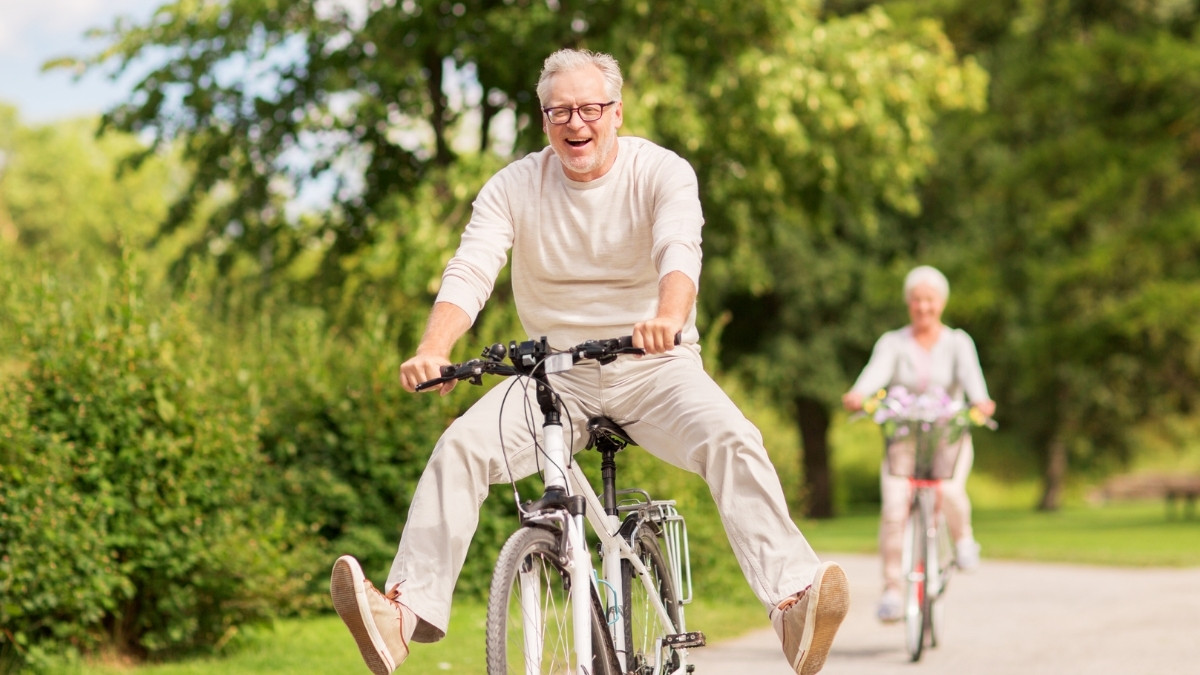
Ten minutes after your last bite is the sweet spot to head out the door. Waiting too long lets that after-meal sluggishness settle in, and rushing out mid-meal can leave you feeling rushed instead of relaxed.
Aim for fifteen to twenty minutes at a pace where you could still hold a conversation. Speed walking isn’t the goal here; steady movement is.
Footwear matters more than people think. Supportive, closed-toe shoes protect against uneven sidewalks and reduce fall risk. Lighting matters too, especially once the sun starts dropping earlier in fall and winter.
A few quick safety basics:
- Choose a flat, familiar route
- Carry your phone
- Wear reflective clothing if it’s dusk
- Walk with a partner when possible
| Timing After Eating | What Happens |
|---|---|
| Right away (0–5 min) | Blood flow is still focused on digestion; walking can feel uncomfortable |
| 10–15 minutes later | Sweet spot — gentle movement supports digestion without straining it |
| 45+ minutes later | Benefit fades as the digestive “window” closes |
What This Ten-Minute Habit Does for Your Sleep Tonight
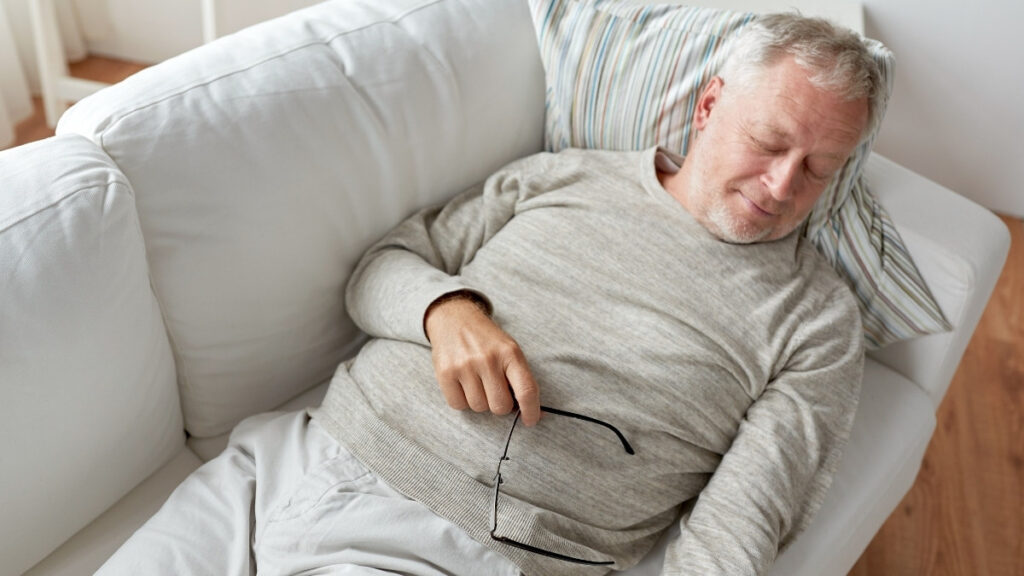
Cortisol drops noticeably after light movement, and that shift matters more than most people realize. Stress hormones often stay elevated after a heavy meal, especially one eaten late in the evening.
Walking helps clear that buildup before it interferes with your ability to wind down. Blood sugar also plays a role here. Sharp glucose spikes can trigger restlessness a few hours later, sometimes waking you in the middle of the night.
A gentle stroll blunts that spike, which keeps your nervous system calmer as bedtime approaches. Body temperature matters too. Light activity raises it slightly, then lets it fall afterward, and that drop signals your brain that sleep is coming.
