
Over 30? These 12 Prevention Steps Are Non-Negotiable (Doctors Agree)
You feel fine today, but your body is already keeping score. Heart disease claims an American life every 34 seconds, and the damage begins decades before symptoms appear. Nearly half of U.S. adults have high blood pressure, and over 57% have diabetes or prediabetes, most without knowing it.
The good news? Twelve simple steps can dramatically change your health trajectory. These aren’t burdensome lifestyle overhauls—they’re proven, practical actions that catch problems early when they’re easiest to fix.
Body Maintenance
The Mechanic
You wouldn’t drive a car for 10 years without a mechanic. Get a Primary Care Physician (PCP). They catch silent killers before the engine blows.
12 Preventive Health Steps Every Man Over 30 Should Take
Why Prevention Becomes Non-Negotiable After 30
You feel fine right now. So why bother with doctor visits and screenings? Here's the hard truth: heart disease killed 941,652 Americans in 2022, making it the leading cause of death. Someone dies from cardiovascular disease every 34 seconds.
Your 30s and 40s are when risk factors pile up silently. Nearly 47% of U.S. adults have hypertension, over 72% have an elevated BMI, and approximately 42% meet the criteria for obesity.
More than 57% of adults have type 2 diabetes or prediabetes. These aren't just numbers. They're warning signs that your body needs attention now, before symptoms appear.
What you need to know:
- One cardiovascular death every 34 seconds in the U.S.
- Most chronic conditions develop without symptoms in your 30s and 40s
- Prevention costs less and works better than treatment
- The choices you make today determine your health at 50, 60, and beyond
Step 1: Establish a Relationship with a Primary Care Physician

"I feel fine, so I don't need a doctor." That's what most men think until they land in the emergency room. Your primary care doctor isn't just for when you're sick. They're your health strategist who tracks your numbers over time, catches problems early, and helps you avoid the silent killers like high blood pressure, high cholesterol, and prediabetes.
Finding the right doctor matters. Search for "primary care doctor near me" and look for someone who takes your insurance and fits your schedule. Your first visit will include a full health history, physical exam, and baseline tests.
Ask about screening schedules, family history risks, and what warning signs to watch for. Building this relationship now means better care for decades.
Why having a PCP matters:
- Annual check-ups catch diseases before symptoms appear
- PCPs coordinate all your care and maintain your health records
- Only 45.9% of men with mental illness received treatment in 2023
- Establishing care now means continuity as you age
- Look for doctors who offer integrated care (physical and mental health)
Step 2: Know Your Numbers - Blood Pressure Screening

High blood pressure has no symptoms. You can't feel it. But it's quietly damaging your heart, brain, and kidneys right now. Nearly 47% of U.S. adults have hypertension, and many don't even know it. That's why doctors call it "the silent killer." One simple test free at most pharmacies tells you everything you need to know.
Your target is under 120/80. If your blood pressure is normal, get checked every two years. If you're at risk (overweight, family history, over 40), check it annually. Many pharmacies offer free screenings. You can also buy a home monitor for about $30.
High blood pressure contributed to 10.8 million deaths globally in 2019, but it's completely manageable with lifestyle changes or medication.
Blood pressure essentials:
- Free screenings available at pharmacies, clinics, and community events
- Normal reading: under 120/80
- Check every 2 years if normal, annually if at risk
- Home monitors provide convenient tracking
- Lifestyle changes (weight loss, less salt, exercise) can lower blood pressure without medication
Step 3: Get Your Cholesterol Checked (Starting at Age 35)
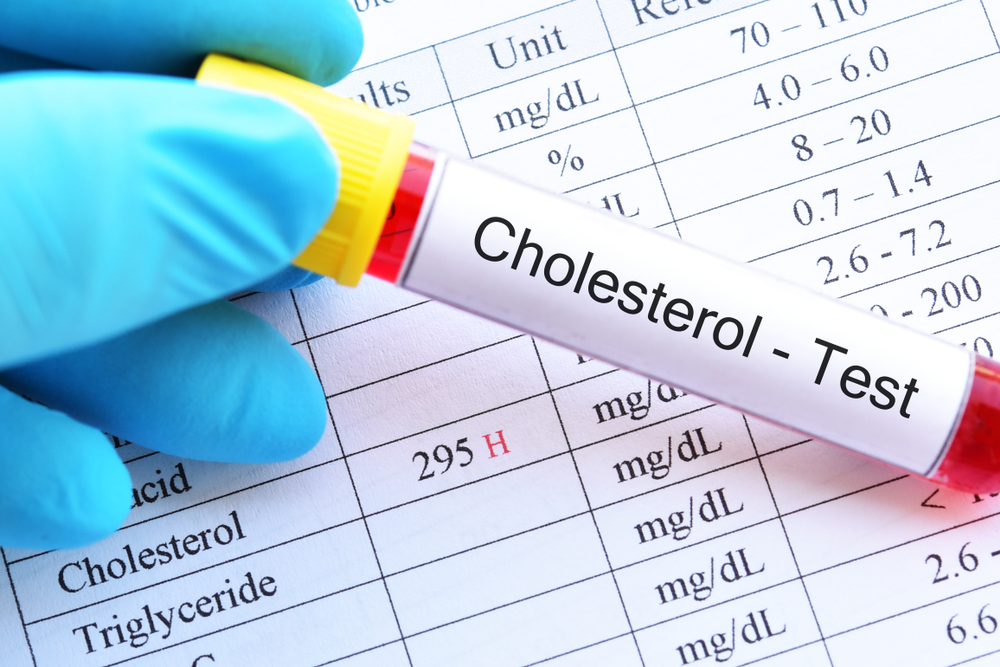
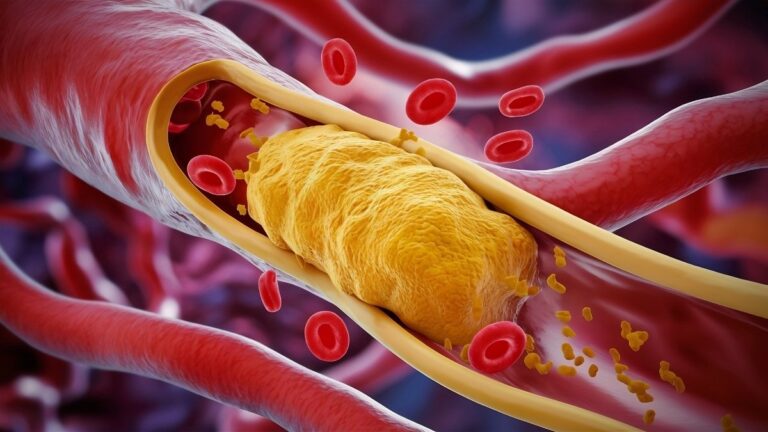
Cholesterol builds up in your arteries without any warning. You won't feel tired or sick until a blood clot blocks blood flow to your heart or brain. That's too late. Men aged 35 and older need a lipid panel a simple blood test that measures your cholesterol levels.
It shows your LDL (bad cholesterol), HDL (good cholesterol), and triglycerides.
Your doctor will tell you how often to retest based on your results and risk factors. Usually every 4-6 years if normal, more often if elevated. The good news? Lifestyle changes work. Eating better, exercising, and losing weight can improve your numbers significantly.
If that's not enough, cholesterol-lowering medication is cheap, effective, and could save your life.
Cholesterol screening basics:
- Start screening at age 35 for men
- LDL (bad) should be under 100, HDL (good) should be over 40
- Frequency depends on results and risk factors
- Diet and exercise can lower cholesterol 10-15%
- Medication options available if lifestyle changes aren't enough
Step 4: Begin Colorectal Cancer Screening at 45

The guidelines changed. You need to start at 45, not 50. Why? Because local-stage colorectal cancer diagnoses in 45-49 year-olds jumped 50% from 2021 to 2022. This cancer is 90% preventable with screening because doctors can find and remove precancerous polyps before they turn into cancer.
You have options. Colonoscopy is the gold standard—doctors can see and remove polyps during the same procedure. Yes, the prep is unpleasant. But it's once every 10 years if results are normal.
Don't want a colonoscopy yet? Try an at-home stool test (FIT test) every year. Both work. Early detection gives you a 90%+ five-year survival rate.
Your screening options:
- Start screening at age 45 (changed from 50 in 2021)
- Colonoscopy screening jumped 43% among 45-49 year-olds from 2019 to 2023
- Options include colonoscopy (every 10 years) or annual stool tests
- 90% preventable with regular screening
- Early-stage detection has over 90% five-year survival rate
- Insurance covers preventive screening starting at 45
Step 5: Diabetes Screening (Especially If BMI ≥25)
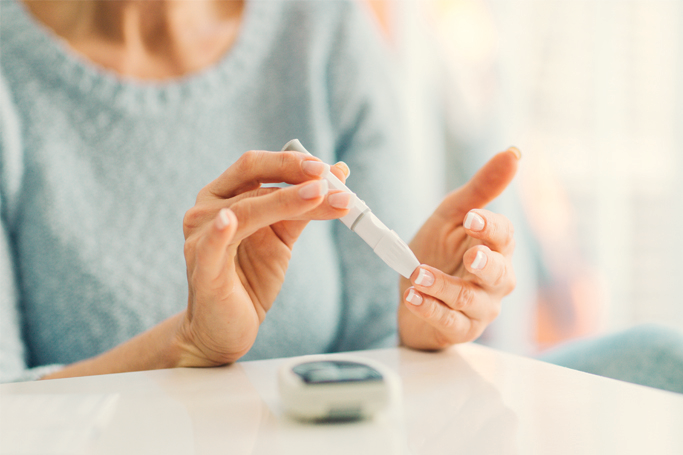
More than 57% of U.S. adults have type 2 diabetes or prediabetes. About half don't even know it. Left unchecked, diabetes damages your heart, kidneys, eyes, and nerves. The A1C test measures your average blood sugar over three months. One blood draw gives you critical information about your metabolic health.
If you're between 35-70 and have a BMI of 25 or higher, get screened. If your results are normal, retest every three years. At risk or prediabetic? Test annually. Here's why this matters: prediabetes is reversible.
Lose 5-10% of your body weight, exercise regularly, and eat better. You can prevent full-blown diabetes before it starts.
Testing and prevention:
- 57% of U.S. adults have diabetes or prediabetes
- A1C test shows average blood sugar over 3 months
- Screen if age 35-70 with BMI ≥25
- Test every 3 years if normal, annually if at risk
- Prediabetes is reversible with lifestyle changes
- Early treatment prevents complications
Step 6: Discuss Prostate Cancer Screening at 50 (Earlier If High Risk)

Prostate cancer is one of the most common cancers in men. But screening is controversial. The PSA test can find cancer early, but it also produces false positives that lead to unnecessary biopsies and treatment. That's why you need a real conversation with your doctor, not just automatic testing. For average-risk men, this discussion starts at 50.
High-risk men African Americans and those with family history should talk to their doctor at 45.
The PSA test measures a protein in your blood. Elevated levels might mean cancer, but they can also mean a benign enlarged prostate or infection. Your doctor will consider your PSA level, family history, and overall health to recommend next steps.
Understanding PSA screening:
- Start discussion at age 50 for average risk, 45 for high risk
- PSA test measures prostate-specific antigen in blood
- African American men face higher risk and need earlier screening
- Family history of prostate cancer increases your risk
- False positives can lead to unnecessary procedures
- Make decision with your doctor based on your individual risk
Step 7: Prioritize 150 Minutes of Exercise Weekly

Your heart doesn't care if you're too busy. It needs 150 minutes of moderate activity per week or 75 minutes of vigorous activity. That breaks down to just 30 minutes, five days a week. Only about one in five adults get enough exercise to maintain good health.
Regular activity cuts your risk of heart disease, diabetes, depression, and early death. Walking counts.Moderate means you can talk but not sing. Think brisk walking or casual biking. Vigorous means you can only say a few words before catching your breath—running, swimming laps, or cycling uphill.
Add strength training at least two days per week. Can't do 30 minutes at once? Break it into three 10-minute sessions. Start where you are. Even 10 minutes is better than zero.
Making exercise work:
- 150 minutes moderate OR 75 minutes vigorous weekly
- Can break into smaller chunks (10-15 minute sessions)
- Moderate = can talk but not sing (brisk walking)
- Vigorous = can only say a few words (running, swimming)
- Add strength training 2+ days per week
- Walking, yard work, sports all count
Step 8: Prioritize 7-9 Hours of Quality Sleep

You're not toughing it out by sleeping 5 hours a night. You're destroying your health. Adults need 7-9 hours of sleep. Period. Sleeping less than 7 hours regularly increases your risk of weight gain, obesity, diabetes, hypertension, heart disease, stroke, depression, and death. Your body repairs damage during sleep. Skip it, and the damage accumulates.
Quality matters as much as quantity. Keep your bedroom cool, dark, and quiet. Go to bed and wake up at the same time every day—even weekends. Limit screens before bed.
A survey found that 66% of people who consistently sleep the recommended amount report flourishing compared to just 57% who don't. Better sleep improves your mood, focus, and physical health.
Sleep guidelines that work:
- Adults need 7-9 hours nightly
- Less than 7 hours linked to obesity, diabetes, heart disease, depression
- Consistency matters—same bedtime and wake time daily
- Optimize bedroom: cool (60-67°F), dark, quiet
- 66% who sleep well report flourishing vs 57% who don't
- Avoid screens 1 hour before bed
Step 9: Take Mental Health as Seriously as Physical Health
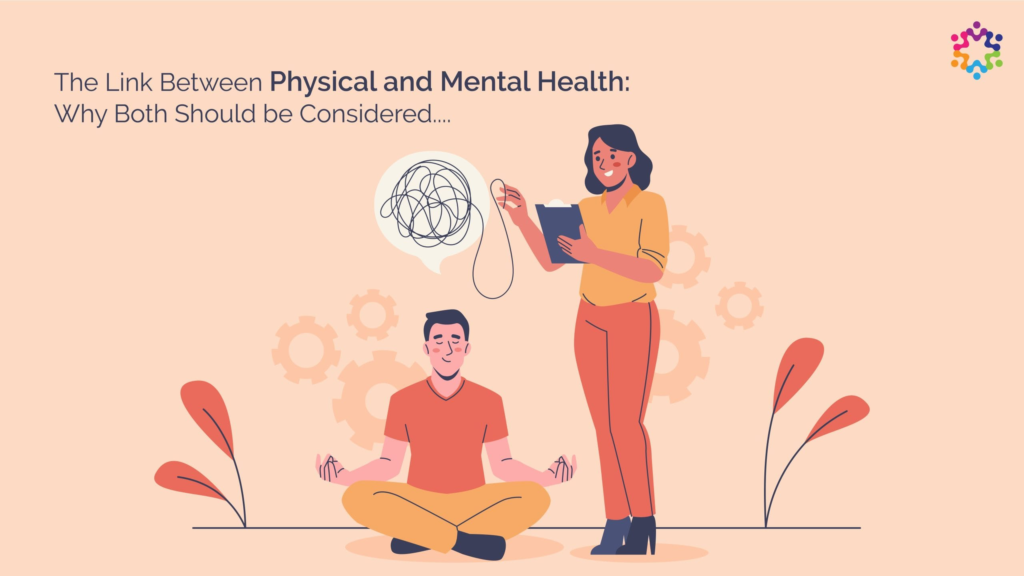
Men die by suicide nearly four times more often than women. About 6% of adult men experience depression, though the real number is likely higher because men underreport symptoms. Only 45.9% of men with mental illness receive treatment. We're taught to be tough and push through.
That attitude is killing us. In 2023, just 17% of men saw a mental health professional compared to 28.5% of women.Depression looks different in men. Instead of sadness, you might feel irritable, angry, or restless. You might drink more, work obsessively, or take dangerous risks.
These are warning signs. Seeking help isn't weakness—it's smart. The 988 Suicide & Crisis Lifeline is available 24/7. Therapy works. Medication works. Both together work even better. About 15% of men report having no close friends, up from 3% in 1990. Connection matters for your mental health.
Mental health facts for men:
- Men die by suicide nearly 4x more often than women
- Only 45.9% of men with mental illness get treatment
- Depression in men shows as anger, irritability, risky behavior
- Just 17% of men saw mental health professionals in 2023 vs 28.5% of women
- Call 988 for immediate crisis support
- Therapy, medication, or both are effective treatments
- Building friendships and social connections protects mental health
Step 10: Quit Tobacco and Limit Alcohol

Tobacco is a major risk factor for heart disease, stroke, lung cancer, and a dozen other cancers. There's no safe amount. If you smoke or vape, quitting is the single best thing you can do for your health. Benefits start within hours. Your heart rate drops.
Within weeks, your circulation improves. Within a year, your heart disease risk is cut in half. Resources like 1-800-QUIT-NOW provide free coaching and support.
Alcohol raises your blood pressure and packs on calories. Moderate drinking means up to 2 drinks per day for men. More than that increases your risk of liver disease, certain cancers, and heart problems.
If you drink, keep it moderate. If you don't drink, don't start. Both tobacco and alcohol undo the benefits of your other healthy habits.
Quitting and moderation tips:
- Tobacco is a major risk factor for heart disease and cancer
- Quitting benefits start within hours to days
- Call 1-800-QUIT-NOW for free support
- Moderate alcohol = up to 2 drinks daily for men
- Excessive drinking raises blood pressure and weight
- Both substances increase disease risk
Step 11: Maintain a Healthy Weight Through Nutrition

Over 72% of adults have an elevated BMI (25 or higher), and 42% meet the criteria for obesity (BMI 30+). Excess weight increases your risk of diabetes, heart disease, stroke, and certain cancers.
High body mass index was attributed to 3.71 million deaths worldwide in 2021. But crash diets don't work. You need sustainable changes you can maintain for life.Focus on whole foods. Lean proteins like chicken, fish, and beans. Fruits and vegetables at every meal.
Whole grains instead of refined carbs. Cut sugary drinks they're empty calories that spike your blood sugar. Control portions. Eat slowly and stop when you're satisfied, not stuffed. Meal prep on Sundays helps you avoid fast food during the week. Small, consistent changes beat dramatic overhauls every time.
Nutrition strategies that last:
- 72% of adults have BMI ≥25, 42% have obesity (BMI ≥30)
- Excess weight increases diabetes, heart disease, stroke risk
- Focus on whole foods: lean proteins, vegetables, fruits, whole grains
- Cut sugary beverages and processed foods
- Portion control matters as much as food choices
- Meal prep and planning prevent poor decisions
- Sustainable changes beat fad diets
Step 12: Stay Up-to-Date on Vaccinations
Vaccines aren't just for kids. Adults need them too. Get your annual flu shot. Stay current on COVID-19 boosters. Update your Tdap (tetanus, diphtheria, pertussis) every 10 years. At 50, get the shingles vaccine. At 65, get the pneumonia vaccine. These shots prevent serious illness and complications that land healthy adults in the hospital.
Check with your doctor about which vaccines you need based on your age, health conditions, and vaccine history. Most pharmacies offer convenient walk-in appointments. Medicare and most insurance plans cover recommended vaccines at no cost. Missing vaccines leaves you vulnerable to preventable diseases.
Adult vaccination schedule:
- Annual flu shot for all adults
- COVID-19 boosters as recommended
- Tdap booster every 10 years
- Shingles vaccine at age 50+
- Pneumonia vaccine at age 65+
- Available at pharmacies, clinics, doctor's offices
- Most insurance covers preventive vaccines
Take Action Today
These 12 steps aren't optional extras. They're proven to save lives. Small actions now prevent major problems later. Your family relies on you being healthy and present. Don't wait for chest pain, a cancer diagnosis, or a wake-up call in the emergency room. The time to act is right now.
Schedule your first appointment with a primary care doctor this week. If you already have a PCP, review this list and identify which screenings you're overdue for. Write them down. Put them on your calendar. Make the calls. Your future self will thank you.