

Organic food carries a powerful health halo, but the label does not automatically mean safer, more nutritious, or better for you. USDA rules focus on how food is produced, while research shows that both organic and conventional foods can fit into a healthy diet.
Organic produce often has lower pesticide residues, yet conventional foods are routinely tested and most residues fall below federal safety limits. The bigger difference may come down to farming methods, cost, and personal priorities.
Before paying extra, it helps to know where organic offers a meaningful advantage and where conventional choices are just as sensible nutritionally.
11 Organic Food Truths That Could Save You Money
Organic is not automatically the better buy. The smarter choice depends on the food, farming practices, processing, nutrition and your grocery budget.
1. Strawberries Deserve More Attention
Soft-skinned produce can carry more residue concerns. Organic may be worth prioritizing if strawberries are a frequent purchase.
2. Leafy Greens Are Another Priority
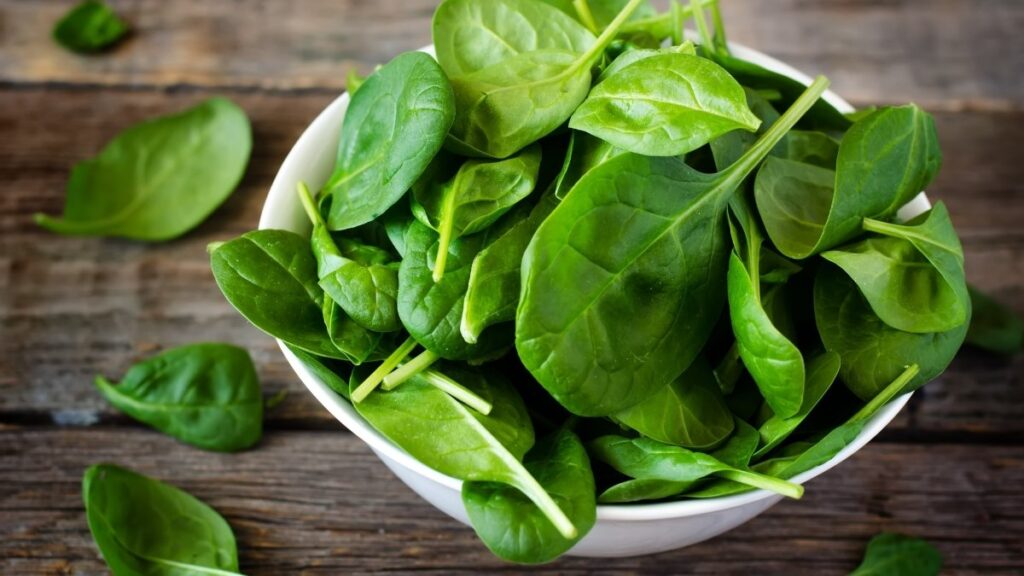
Spinach is eaten directly with its exposed leaves. The article places it among foods where organic can make more sense.
3. Thin-Skinned Fruit Changes the Math
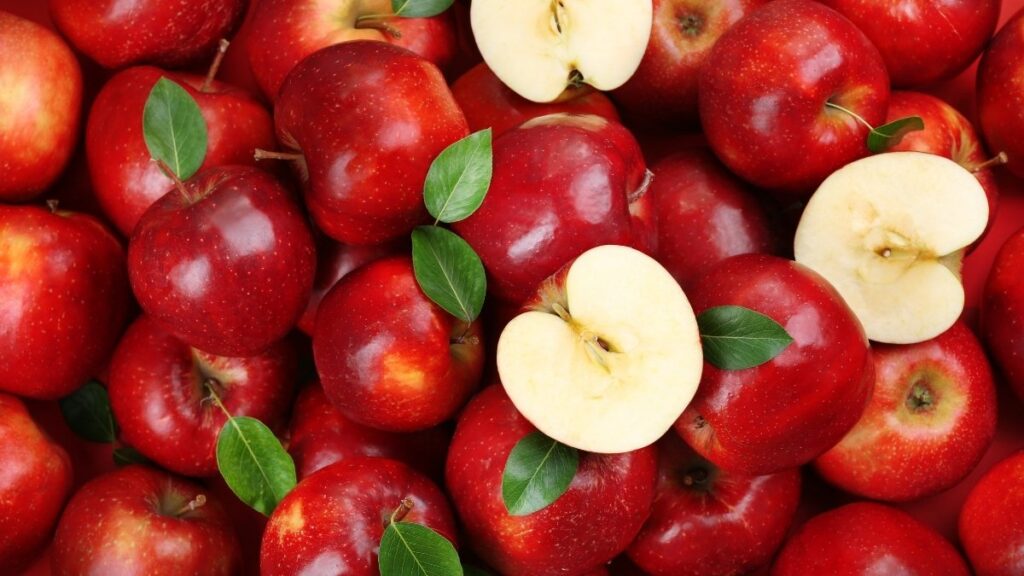
Apples do not have a thick outer barrier. If reducing residue exposure is your priority, this is one place to consider spending more.
4. Avocados Can Save Your Budget
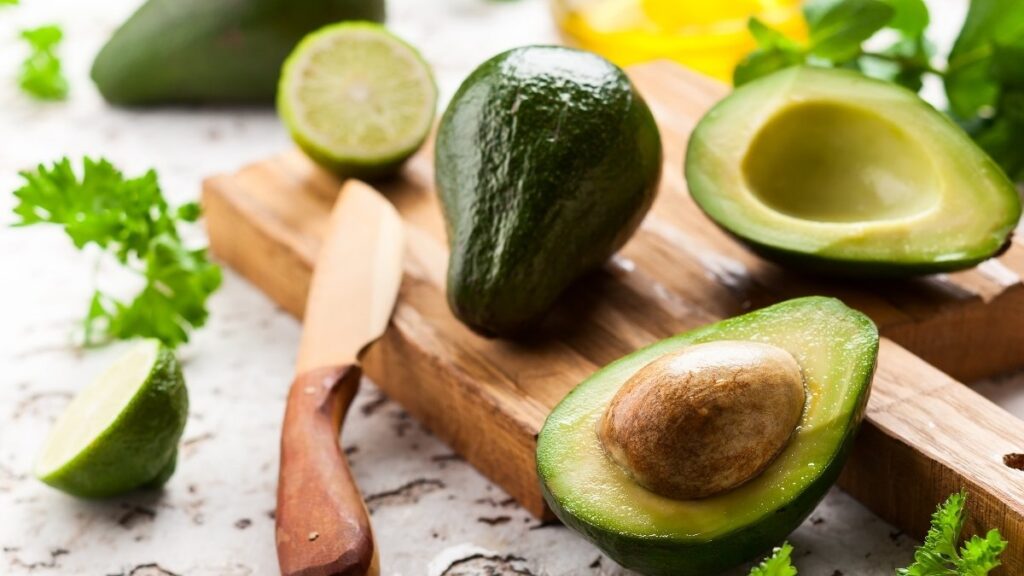
Their thick peel protects the edible flesh. Conventional is often the practical buy when you want to cut grocery costs.
5. Protective Husks Matter
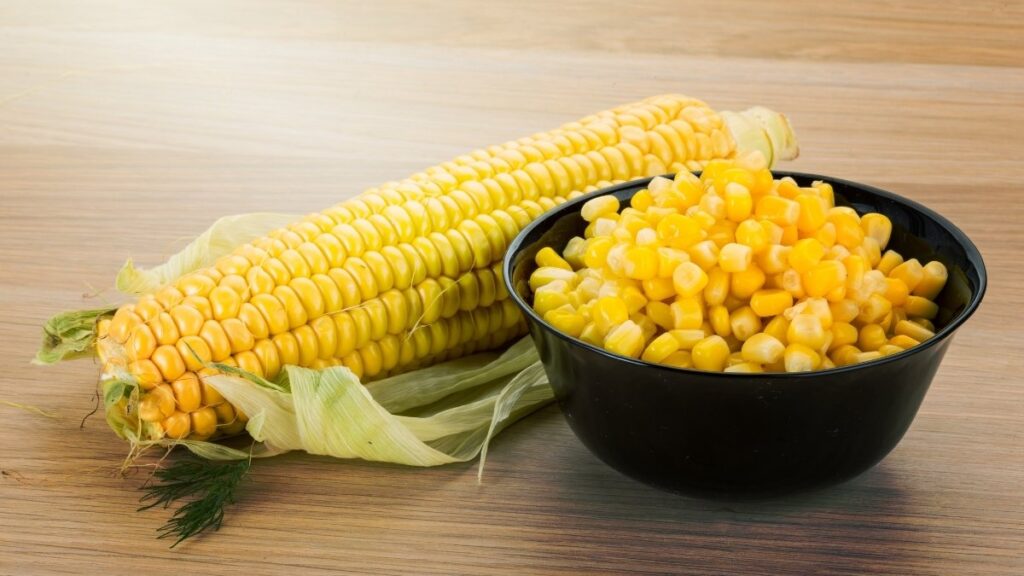
Sweet corn comes wrapped in a natural barrier. That makes it another place where you may skip the organic premium.
6. Organic Milk Is Not More Nutritious by Default
Both conventional and organic milk provide protein, calcium and fortified vitamin D. Farming practices are the bigger distinction.
7. Meat Is More About Farming Practices
Organic standards can change how animals are raised and fed. If those practices matter to you, meat may justify more of your organic budget.
8. “Organic” Fish Is Complicated
Seafood does not fit neatly into the same organic framework. Look beyond the label and consider source and production method.
9. Organic Eggs Are Not Automatically Safer
The bigger differences involve housing, outdoor access and farming practices, not a guaranteed nutrition upgrade.
10. Frozen Can Beat Fresh
Frozen vegetables are often processed soon after harvest. They can be nutritious, cheaper and less wasteful than produce that travels for days.
11. Organic Junk Food Is Still Junk Food
Organic cookies, chips and candy can still contain plenty of sugar, fat and calories. The label does not turn processed food into a health food.
Smart Food Shopping: When to Choose Organic and When to Skip It
You stand in the grocery store, looking at two apples. One costs $3.99 per pound. The other costs $1.99. Both look fine. Which do you pick?
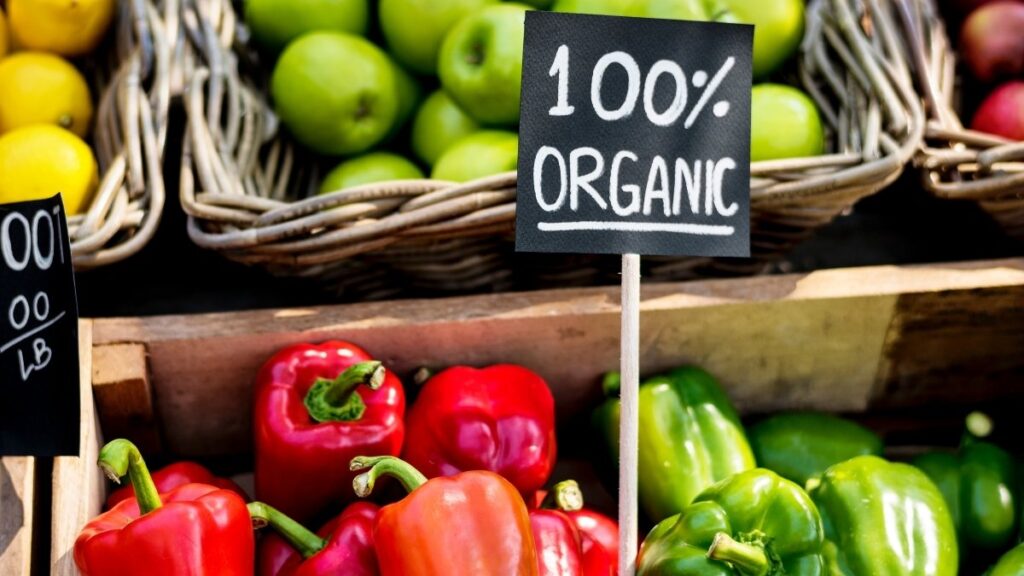
This choice happens dozens of times during each shopping trip. And it’s getting harder to decide.
Organic food sales hit $50 billion last year. But you probably don’t have an unlimited budget. You need to know where organic actually matters and where you can save money without compromising your health.
Here’s what the science shows about making smart choices.
When Organic Actually Matters
Some foods are worth the extra cost. These are the ones where conventional farming uses more pesticides or where organic versions offer real benefits.
Strawberries top the dirty dozen list. They absorb pesticides through their soft skin. The Environmental Working Group found pesticide residues on 99% of conventional strawberries tested.
Organic strawberries had significantly lower levels.

Spinach comes in second. It grows close to the ground where soil contamination matters more. Plus, you eat the leaves where pesticides sit.
One study found DDT residues (banned since 1972) still showing up in conventional spinach.
Apples make the list too. Their thin skin doesn’t protect them. And many farms spray them multiple times during growing season.
Organic apples cost about 40% more, but testing shows the pesticide difference is real.
Where You Can Skip Organic
Some foods have natural protection or get processed in ways that remove pesticide residues. Save your money on these.
Avocados have thick skin you don’t eat. The flesh inside stays clean even if the outside has residues.
Only 1% of avocados tested showed any detectable pesticides in the part you actually consume.
Sweet corn gets protected by its husk. The kernels inside stay clean. Plus, most corn pesticides get used early in the growing process, not right before harvest.
Pineapples have that tough exterior. By the time you cut through to the fruit, pesticide exposure becomes minimal. Studies show almost no detectable residues in the edible portions.

The Milk Decision
Conventional milk gets tested more often than organic. The FDA requires testing for antibiotics in every truck that arrives at processing plants. If any antibiotics show up, the entire load gets thrown out.

Organic milk costs about twice as much as conventional. But nutritionally, they’re nearly identical. Both get fortified with vitamin D. Both provide the same protein and calcium.
The main difference? Organic cows eat organic feed and don’t get antibiotics. But since antibiotics can’t legally appear in any milk (organic or conventional), this matters less than marketing suggests.
If budget is tight, conventional milk gives you the same nutritional benefits.
Meat: Where Organic Shows Bigger Differences
Organic meat rules are stricter than for produce. Organic animals can’t get antibiotics or growth hormones. They must have access to pasture and eat organic feed.
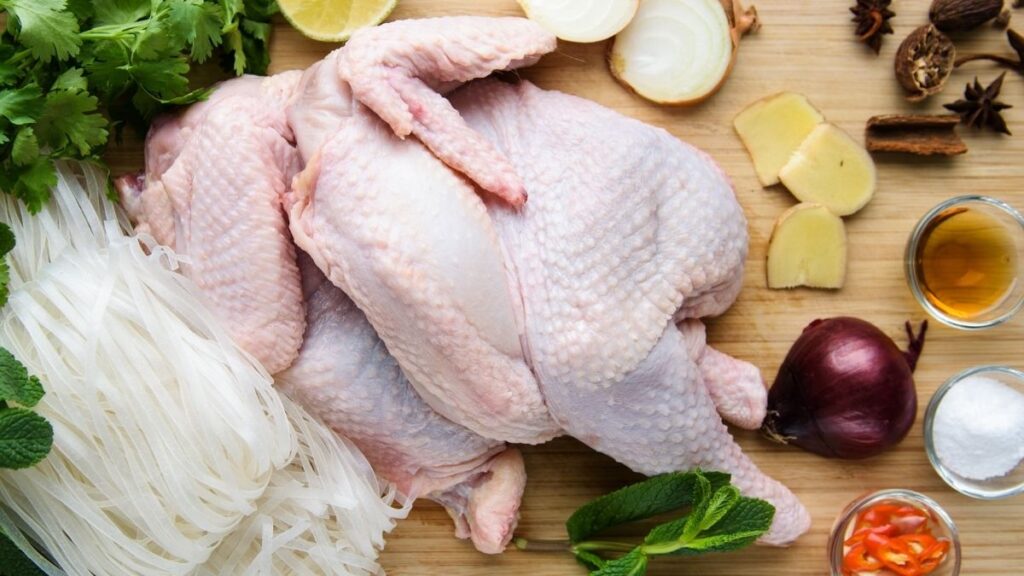
Chicken shows the biggest differences. Conventional operations can use antibiotics to prevent disease in crowded conditions.
Organic chickens need more space and can’t get routine antibiotics.
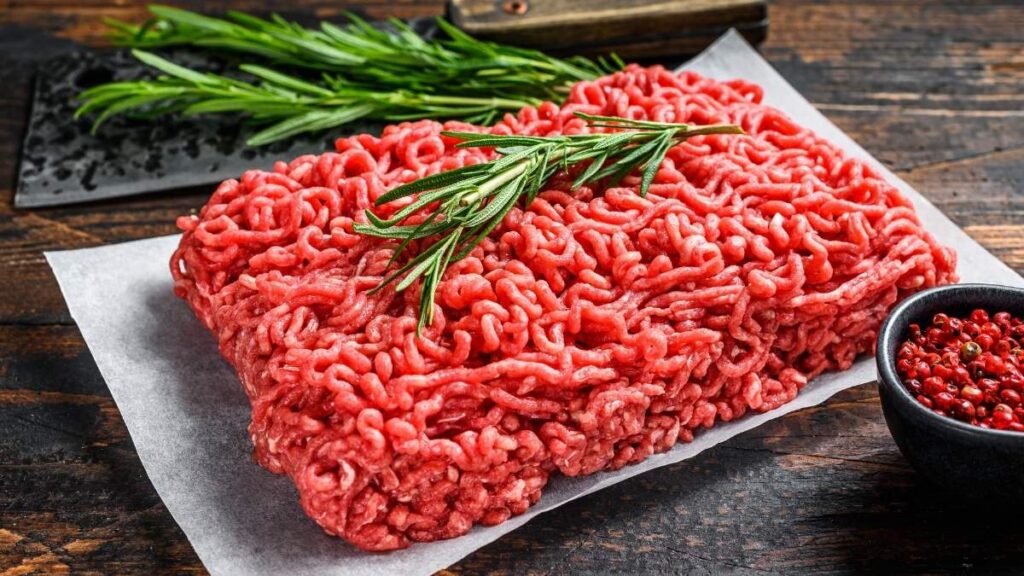
Ground beef matters more than steaks. Ground meat comes from multiple animals, increasing your exposure to any problems. Steaks come from one animal, so contamination risk stays lower.
Fish gets tricky. “Organic” fish doesn’t mean much since ocean fish swim in uncontrolled waters. Wild-caught often beats farmed for both taste and contamination levels.

Eggs: The Real Story
Conventional eggs get tested for salmonella more frequently than organic ones. Large conventional operations have strict protocols because they process so many eggs.

But organic eggs come from chickens with more space and outdoor access. This can mean happier chickens, though it doesn’t necessarily mean safer or more nutritious eggs.
Price difference runs about $2-3 per dozen. If you eat a lot of eggs, that adds up fast.
The Frozen Food Aisle
Frozen vegetables often beat fresh organic ones for nutrition. Here’s why: conventional frozen vegetables get picked at peak ripeness and frozen within hours. Organic fresh vegetables might travel for days or weeks before reaching your plate.

That organic broccoli from California took 5-7 days to reach your East Coast grocery store. The conventional frozen broccoli got processed the day it was harvested.
Frozen also costs less and lasts longer. You waste less food, which helps your budget and the environment.
Processed Foods: When Labels Mislead
Organic cookies are still cookies. They have the same sugar, fat, and calories as conventional ones. Don’t let the organic label fool you into thinking they’re healthy.

Same goes for organic chips, crackers, and candy. The organic certification means the ingredients were grown organically. It doesn’t make junk food nutritious.
Focus on eating more whole foods (organic or conventional) rather than organic processed foods.
Your Smart Shopping Strategy
Buy organic for the dirty dozen: strawberries, spinach, kale, peaches, pears, nectarines, apples, grapes, peppers, celery, tomatoes, and potatoes. These absorb more pesticides.
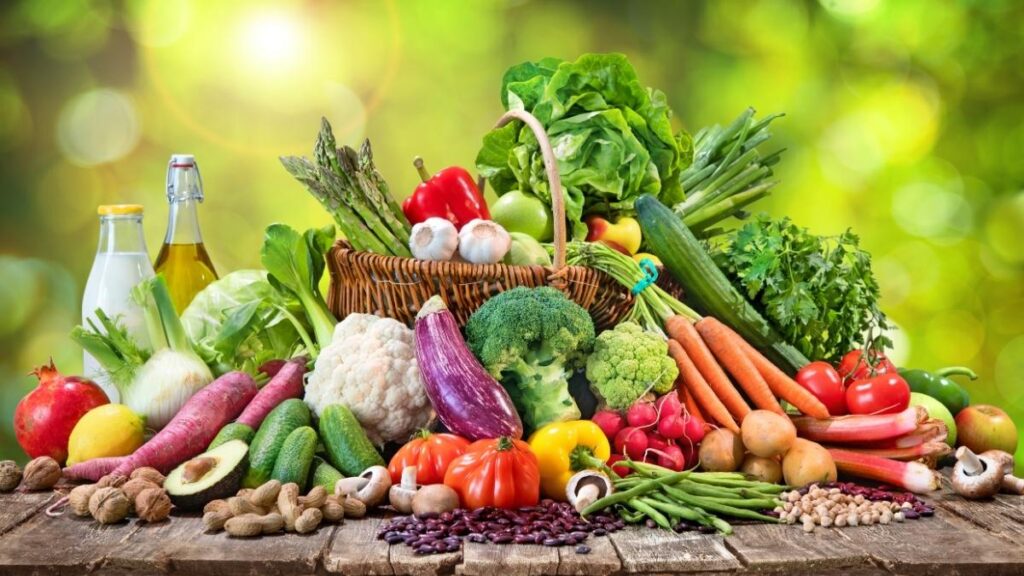
Skip organic for the clean fifteen: avocados, sweet corn, pineapple, onions, papaya, frozen sweet peas, asparagus, honeydew, kiwi, cabbage, mushrooms, mangoes, sweet potatoes, watermelon, and carrots. These have natural protection or low pesticide residues.
Choose organic meat and dairy if your budget allows. The differences in farming practices are more significant here than with many fruits and vegetables.
Don’t stress about perfection. Eating conventional fruits and vegetables is much better than eating no fruits and vegetables. The health benefits of eating produce far outweigh any pesticide concerns.
The Bottom Line
You don’t need to choose all organic or all conventional. Smart shopping means knowing where your money makes the biggest difference.
Spend extra on organic strawberries and spinach. Save money on conventional avocados and corn. Buy whatever fits your budget for everything else.
The most important choice? Eating more fruits and vegetables, regardless of how they were grown. Your health will benefit more from adding an extra serving of conventional produce than from stressing about pesticide residues.
Make informed choices based on your priorities, budget, and the specific foods you’re buying. That’s smarter than following blanket rules about organic versus conventional.
