
Natural Skin Firming: 7 Collagen-Boosting Foods That Restore Elasticity Naturally
You didn’t change anything. Same sleep, same routine, same face. But one morning you looked in the mirror and your skin just didn’t look like yours anymore. That moment has a biological explanation.
Starting around age 25, your body produces roughly 1% less collagen each year. That sounds harmless until it compounds quietly for a decade. Women lose up to 30% of their collagen within the first five years after menopause alone.
Skin that once bounced back simply stops doing that. This article gives you seven specific collagen-boosting foods, explains exactly why each one works at the cellular level, shows you how to eat them, and tells you when to expect results. No supplements. No expensive routines. Just food that actually does something.
Why Your Skin Loses Its Firmness (and Why It’s Not Just Age)

Your skin has a two-protein system keeping it firm and elastic. Collagen gives the skin its structure and strength. Elastin is what lets your skin snap back after it gets stretched or pulled. Think of collagen as the mattress and elastin as the springs. They work as a team. They are not the same thing and they don’t do the same job.
Collagen works in the middle layer of your skin. It helps replace old skin cells with new ones and holds everything in place. Protecting the collagen you already have while supporting new production is the foundation of any anti-aging approach worth following.
By age 35, you may have already lost roughly 10% of your baseline collagen. That number keeps climbing every year after. But age is only one part of the problem.
UV rays from the sun are one of the biggest collagen destroyers. They disrupt collagen production and actively promote the breakdown of both collagen and elastin in the skin. Pollution, chronic stress, poor sleep, and smoking all make this worse. These are the usual suspects most people already know about.
But here’s the one most people never hear about. Diets high in sugar and refined carbohydrates can damage collagen through a process called glycation.
Glycation is what happens when sugar molecules attach to collagen fibers and make them stiff and brittle. The result is skin that looks dull, less firm, and older than it should. No one talks about this enough.
The flip side is that diet is something you can actually control. You can’t stop the sun from existing. You can’t reverse time. But you can give your body the raw materials it has been running low on for years.
Understanding what breaks down collagen tells you exactly what kinds of foods to prioritize. Here are seven of them.
The Science Behind Eating for Collagen (Before the Food List)
Collagen Builder
Select 5 foods to build your daily menu and restore skin elasticity naturally!
Your Daily Plate (0/5)
Title
Message
Before going into the list, there’s one thing worth clearing up. Food does not deliver collagen directly to your skin. You can’t eat collagen and have it arrive ready-made in your face. That’s not how digestion works.
What certain foods do is give your body the raw materials it needs to make collagen on its own. Your body synthesizes its own collagen using amino acids, vitamins, and minerals from the food you eat. A diet rich in protein, the right vitamins, and key minerals gives your body the inputs to keep production going.
Vitamin C is the other non-negotiable. It increases collagen production approximately eight times over in human skin fibroblasts. It doesn’t just assist the process. It boosts the total collagen output from cells. Without enough vitamin C, your body cannot build collagen properly, no matter how much protein you eat.
On timelines: most people notice improved skin hydration and texture within four to eight weeks of consistent dietary changes. Visible firmness tends to follow at the three-month mark. It’s slower than a supplement. But food works on your whole body at once, not just your skin, and it’s sustainable long-term.
The 7 Collagen-Boosting Foods
1. Citrus Fruits (Oranges, Kiwi, Guava, Grapefruit)
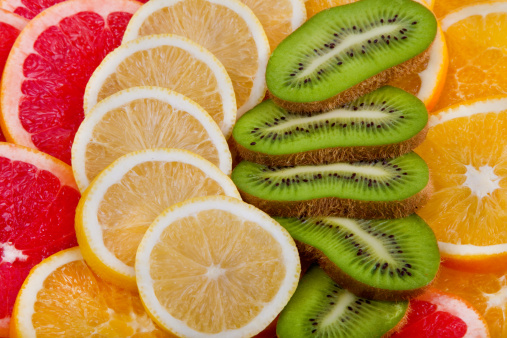
Vitamin C is the main reason citrus makes this list. And it earns its spot. A single medium orange gives you over 90% of your daily vitamin C requirement. That vitamin directly takes part in collagen synthesis by helping convert amino acids into collagen fibers. It’s not a passive ingredient. It’s an active one in the building process.
A study from the University of Otago looked at what happened when people ate two SunGold kiwifruit daily, providing around 250mg of vitamin C, for eight weeks. The result was significantly higher vitamin C levels in participants’ skin alongside measurable improvements in skin thickness and renewal. That’s a real, trackable change from a food, not a lab supplement.
Japanese researchers also found that vitamin C promotes skin regeneration by switching on enzymes that reactivate genes involved in cell growth, leading to thicker and healthier skin over time.
If you want the highest vitamin C density, go with guava. One cup provides over 200mg, which is more than double the daily recommended intake.
How to use it: Eat one serving of high-vitamin C fruit with breakfast every day. Eat it raw or blend it. The vitamin C in whole fruit holds up well without cooking.
2. Bone Broth

Bone broth contains four amino acids that are directly tied to skin health: glycine, proline, hydroxyproline, and arginine. These are the building blocks collagen is made from. When animal bones and ligaments are simmered slowly over time, they release these compounds into the liquid in a form your body can absorb relatively well.
Collagen supports skin elasticity and helps prevent wrinkling. These amino acids are how bone broth contributes to that process, not through some vague mysterious quality, but because the raw inputs are actually in there.
One honest note worth making: homemade bone broth delivers much lower concentrations of collagen precursors than a standardized 20g dose from a collagen supplement, and the concentration varies a lot between batches. Bone broth is not a replacement for a supplement if you’re looking for clinical-level results.
But it is a real food source of these amino acids, and it adds protein and minerals to your diet in an easy form. Research shows that cafe-prepared and store-bought concentrated bone broths had the highest amino acid levels of those tested.
How to use it: Use bone broth as a base for soups and stews three to four times per week. Add an acidic ingredient like apple cider vinegar during simmering. Research shows this improves mineral extraction from the bones.
3. Berries (Blueberries, Strawberries, Black Raspberries)
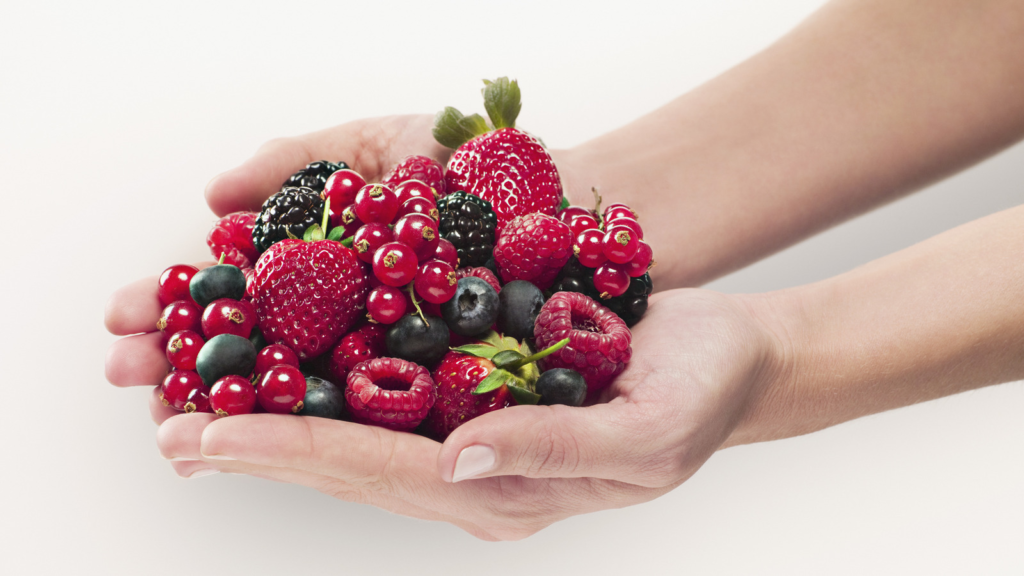
Berries don’t build collagen from scratch. What they do is defend what you already have. Their antioxidants neutralize the free radicals that break down existing collagen fibers. Think of them as a protective force rather than a construction crew.
Studies show that anthocyanins, the compounds that give berries their deep purple and red colors, can reduce collagen breakdown and actually increase collagen production when applied to skin samples. Blueberries are currently the most researched and contain specific compounds that target collagen degradation directly.
Strawberries add a direct synthesis benefit on top of the protective effect because they’re also a solid source of vitamin C.
Beyond this, carotenoids found in berries and other colorful plants have been shown to help prevent photoaging, support collagen synthesis, and improve skin tone and texture through anti-inflammatory activity.
How to use it: A daily half-cup serving is enough. Frozen berries retain antioxidant levels comparable to fresh ones, making them a cost-effective option year-round.
4. Wild-Caught Salmon and Fatty Fish
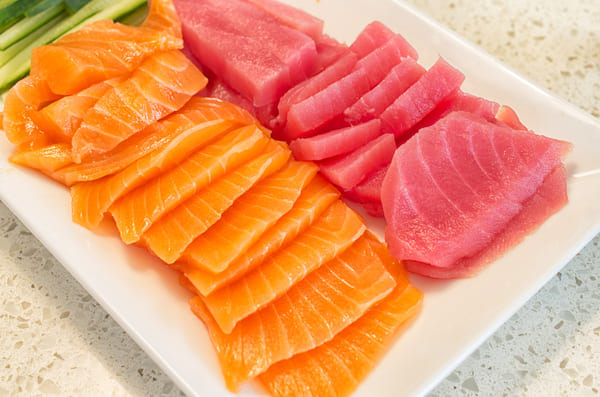
Salmon brings two distinct benefits to collagen health at once. First, its omega-3 fatty acids reduce the chronic inflammation that actively destroys collagen in your skin. Second, it contains astaxanthin, a carotenoid antioxidant that specifically shields skin from UV damage, which is one of the main ways collagen breaks down in the first place.
Oily fish like sardines, mackerel, salmon, and herring all help prevent oxidative stress and provide the protein your body uses to support collagen production. The omega-3s work from the inside out, reducing the inflammatory processes that speed up collagen breakdown every day.
Health authorities recommend two servings of fatty fish per week. That’s a practical and achievable target for most people.
How to use it: Baked, grilled, or canned all work. Don’t overlook sardines and mackerel in olive oil. They’re among the most cost-effective options and are nutritionally comparable to fresh salmon for these purposes.
5. Tomatoes (Especially Cooked)

Tomatoes are one of the few foods where cooking actually makes them more beneficial, not less. When you apply heat, the cell walls break down and lycopene, the carotenoid responsible for tomatoes’ red color, becomes significantly more available for your body to absorb.
Lycopene is a potent antioxidant that protects skin from UV damage and helps maintain firmness by supporting collagen integrity. A tablespoon of tomato paste contains more bioavailable lycopene than a full raw tomato. That’s a notable difference from a small change in preparation.
Like other carotenoids, lycopene works through anti-inflammatory activity that helps prevent the kind of photoaging that quietly destroys collagen over years of sun exposure.
How to use it: Add two tablespoons of tomato paste to pasta sauces, soups, or stews several times per week. Cook your tomatoes with a small amount of olive oil. Lycopene is fat-soluble, so eating it alongside a healthy fat improves how much your body absorbs.
6. Leafy Greens (Spinach, Kale, Swiss Chard)
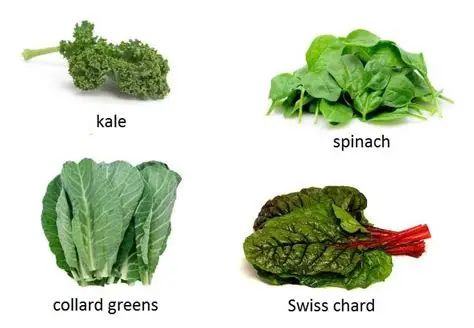
Leafy greens are one of the most underrated foods for skin health because they hit collagen from multiple angles at once. They provide vitamin C for synthesis, glycine and proline as amino acid building blocks, and a range of antioxidants that protect existing collagen from damage.
Kale is a dual-action food. It’s rich in both beta-carotene and vitamin C, which means it supports collagen synthesis while also fighting the oxidative damage that breaks it down. Spinach and kale also contain vitamin K, which helps maintain the vascular health that keeps your skin well-nourished at the cellular level.
Dark leafy greens also supply lutein and zeaxanthin, antioxidants that protect the skin from environmental damage over time.
How to use it: Two large handfuls of dark leafy greens per day is the target. Lightly sauteed in olive oil improves fat-soluble nutrient absorption. If eating them raw, pair with a small fat source for the same reason. Adding them to smoothies works just as well.
7. Eggs (Especially the Whites)
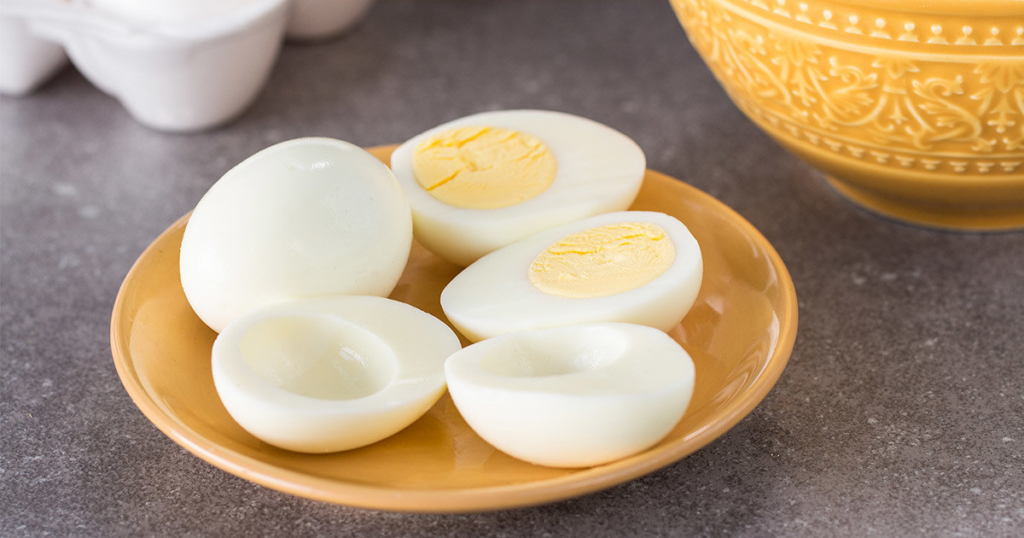
Egg whites are one of the most concentrated dietary sources of proline you can eat. Proline is the amino acid directly required for the structure of the collagen triple helix, the three-strand rope-like shape that gives collagen its strength. Without enough proline, your body can’t build that structure properly.
The yolk adds zinc, which works as a cofactor in the collagen synthesis process. Copper also plays a key role here. It enables cross-linking of collagen fibers through an enzyme called lysyl oxidase. That cross-linking is what gives collagen its actual structural strength, not just its presence but its ability to hold form under pressure.
Eggs are also a complete protein, meaning they contain all the essential amino acids your body needs. Total protein intake matters because your body can only sustain skin repair processes when it has enough protein overall, not just the specific amino acids tied to collagen.
How to use it: Two whole eggs per day is a reasonable and research-consistent amount. Scrambled, poached, soft-boiled, or cooked into other dishes all work equally well. Overcooking is fine for nutritional purposes.
How to Combine These Foods for Best Results
Eating these foods in isolation is a start. But pairing them intentionally makes them work better.
Pair vitamin C-rich foods with protein sources at the same meal, not at separate meals. Vitamin C is needed in real time during collagen synthesis. Your body can’t store it and use it later the same way it processes some other nutrients. Eggs and orange slices at breakfast. Salmon and leafy greens at lunch. These combinations are not arbitrary.
Vitamin C also does something people often overlook. It fights free radical damage from UV radiation, glycation, and lipid oxidation. It’s not just a building tool. It’s a protection tool. Getting it consistently matters more than loading up on one big dose occasionally.
At the same time, you can’t out-eat a bad diet. No food list fixes a daily pattern built on sugar and refined carbohydrates. Glycation works against everything else on this list. If you’re eating berries and salmon but also drinking soda and eating white bread at every meal, you’re working against yourself.
Hydration is quieter than most people think. Collagen structure depends on water to maintain its shape and function. Dehydrated skin visually ages faster regardless of how well you’re eating. Water doesn’t replace good food, but without it, even good food only goes so far.
Here’s a simple one-day framework that puts these combinations into practice:
Breakfast: Scrambled eggs with a side of kiwi or strawberries. Lunch: Spinach and kale salad with sardines, cherry tomatoes, and olive oil. Dinner: Salmon with sauteed greens and a tomato-based sauce. Snack: A small bowl of blueberries or bone broth as a warm drink.
What to Realistically Expect (Timeline and Truth)
Food works slower than supplements. The concentrations are lower and less standardized. A randomized controlled trial found that daily intake of 1.65g of low-molecular-weight collagen peptides reduced wrinkles and increased skin elasticity and hydration within eight weeks. That was a supplement study with precise dosing. Food doesn’t deliver that level of concentration in a single meal.
But food has something supplements don’t. It works on your entire body at once. Lower inflammation, better blood sugar regulation, improved gut health, better sleep quality. These benefits feed back into skin health in ways a targeted supplement can’t replicate on its own. The supplement is a sprint. The diet is the base you build on.
Here’s what to watch for, in order:
Weeks 2 to 4: Improved skin hydration. It’s the first thing to change. Weeks 6 to 8: Improved skin texture. Smoother feel, better surface quality. Month 3: Visible firmness changes start to show. Month 6: Deeper structural improvements.
If you’re not seeing anything after eight weeks, the first question to ask is whether you’re actually eating these foods consistently or just occasionally. Occasional doesn’t count. Consistent does.
The Bottom Line
Your skin isn’t aging because of one missing product. It’s aging because it has been running low on raw materials for years. The seven foods in this article each target a different part of that problem. Vitamin C for synthesis. Amino acids for structure. Antioxidants for protection. Omega-3s for reducing the inflammation that destroys collagen every single day.
Start with three. Pick three foods from this list that are already easy to add to what you normally eat. Do that for 30 days before you change anything else.
These collagen-boosting foods won’t transform your skin in a week. But over months of consistent use, they give your body exactly what it needs to do the rebuilding work naturally.