
My Doctor Said I’m 58 with a 40-Year-Old Body: 8 Brutal Lessons I Learned About Longevity
When Steve, at age 58, was told by his doctor he had the physiological fitness of a 40-year-old, it wasn’t a mere compliment—it was proof that his radical, disciplined changes had paid off.
Many readers who are approaching or passing the age of 50 often feel an inevitable physical slowdown, a loss of muscle mass, or a persistent dip in energy, leading them to believe “getting old” is just an unavoidable part of life.
Steve firmly rejects this premise. In this article, readers will learn Steve’s 8 brutal lessons on healthy aging after 50 that allowed him to reverse his biological clock.
These actionable insights provide a clear path to achieving incredible longevity lessons and experiencing sustained vitality well into your later decades.
Biological Clock Rewind
1. Longevity Lessons: Prioritize Daily Movement, Not Just Weekend Hustles

Steve’s first brutal lesson about longevity lessons was realizing he had to prioritize daily movement, instead of being a “weekend warrior.” For years, he thought he could make up for a sedentary week with one intense gym session on Saturday.
He’d feel sore and tired afterward. His body quickly showed signs of stiffness and fatigue, proving the occasional strenuous effort wasn’t enough. Steve learned that the key to fitness over 50 is simple: consistency is better than intensity.
You should aim for 150 minutes of moderate activity each week. The World Health Organization (WHO) recommends this baseline for adults of all ages. This goal might sound big, but you don’t need a punishing workout class to hit it.
Movement doesn’t have to mean a gym session. Steve easily meets this goal by doing his daily 30-minute power walk. Other simple activities count, like gardening, cycling, or just taking the stairs.
The biggest shift for Steve was recognizing that movement is non-negotiable for healthy aging. He stopped seeing exercise as a chore he only did on the weekends.
Now, he weaves activity into the fabric of his day. Even taking a 10-minute walk for every hour of sitting breaks up sedentary time. By making this small, consistent commitment, he unlocked energy and a youthful profile. Make daily movement a habit, not a heroic weekend effort.
2. Build Muscle Mass: The Anti-Aging Secret Weapon for Fitness Over 50

For anyone focused on fitness over 50, build muscle mass is the real secret weapon. Think of muscle as the currency of youth. Once you hit your 30s, your body starts to lose muscle rapidly—a process called sarcopenia.
Without action, you can expect to lose about 3–8% of your muscle mass per decade after 30. This muscle loss is the main threat to your strength, metabolism, and ability to stay independent as you age.
Steve’s solution to fighting sarcopenia is intentional resistance training. He doesn’t just do light weights; he pushes himself with weights that feel heavy for him, making sure to use progressive overload. This means he lifts a little more each week or does a few extra reps.
He focuses on just three full-body strength sessions a week, which is enough to stimulate growth. Muscle is also your metabolic currency. The more muscle you have, the more energy your body burns, even when you are just sitting down. This helps keep fat away and preserves your long-term health.
Key Muscle-Building Facts:
Sarcopenia: This is the age-related, involuntary loss of skeletal muscle mass and strength. It accelerates after age 40.
Necessity of Heavy Lifts: You must challenge your muscles with resistance training that uses heavier weights (relative to what you can lift) to signal your body to build muscle.
Protein is Fuel: Muscle repair and growth require enough protein. You can’t build muscle if you don’t feed it. Steve makes sure he gets a good source of protein with every meal.
The bottom line is that challenging your muscles helps you hold onto your strength and keeps your metabolism running high. Don’t skip the weights; they are the single most important tool in your kit for fitness over 50.
3. The Mediterranean Diet: Steve’s Guide to Anti-Inflammatory Eating

One of Steve’s top anti-aging secrets is using food as medicine, specifically through the Mediterranean diet. The constant, low-grade swelling inside your body—called chronic inflammation—is a major reason aging speeds up and diseases start. What you eat every day either puts out that fire or feeds it.
The Mediterranean diet focuses on foods that fight this inflammation. It’s built on a foundation of whole foods, healthy fats, and lean protein. Steve’s plate is always full of fresh vegetables, fruits, and whole grains.
He uses olive oil generously because it’s packed with good fats. He also makes sure to eat fatty fish twice a week, which gives him essential Omega-3s that are powerful anti-inflammatories. This way of anti-inflammatory eating is famous for its proven link to better heart health.
On the flip side, ultra-processed foods are the enemy of longevity. They are full of sugars, bad fats, and additives that constantly trigger inflammation in your body. Steve treats these foods as rare exceptions, not daily staples.
By sticking to this simple, food-first approach, he ensures his body’s engine is running clean. Eating this way is a key component to slowing down the aging process and maintaining long-term vitality.
4. Manage Stress: A Critical Longevity Lesson for Cognitive Health
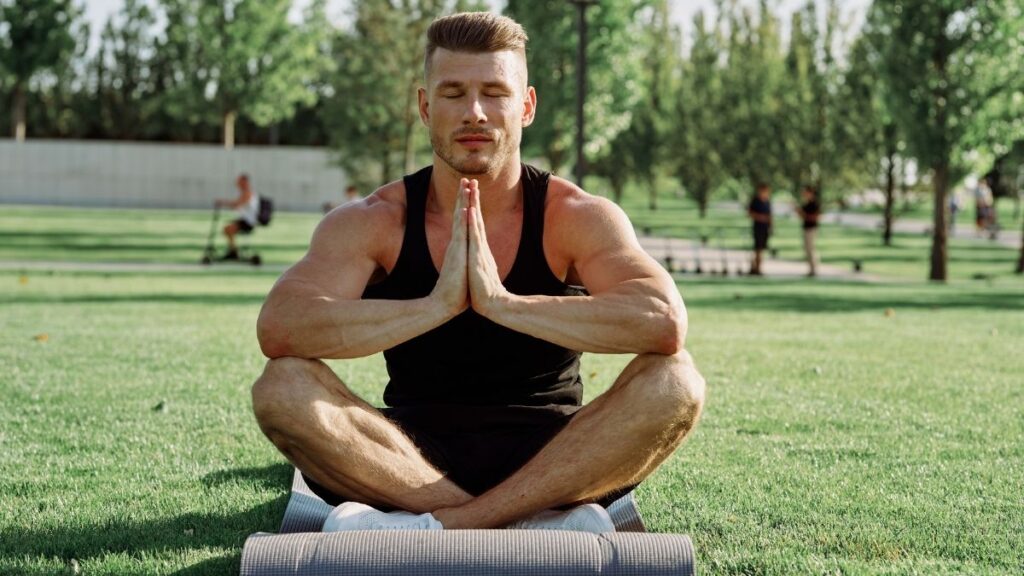
One of the most important longevity lessons Steve learned was how to manage stress. Chronic, ongoing stress is not just a mental issue; it takes a serious physical toll.
When you are stressed all the time, your body releases a hormone called cortisol. High levels of cortisol over many years are linked to accelerated cognitive decline, harming your cognitive health and fueling inflammation in your body. Dealing with stress is not a luxury; it is a critical anti-aging secret skill.
Steve found that simple, daily routines make a huge difference. He dedicates 10 minutes every morning to a simple mindfulness practice.
This helps reset his brain for the day. He also makes sure to spend time outdoors daily, even if it’s just a short walk in a park. This time in nature helps calm his nervous system and lower his cortisol levels naturally.
Steve’s Stress Management Toolkit:
Mindfulness Practice: A 10-minute quiet time each morning to settle his mind and improve focus.
Outdoor Time: Spending time in nature helps reduce the physical symptoms of stress and supports cognitive health.
Prioritize Sleep: Steve makes sure to get seven to nine hours of quality sleep, as sleep is when the brain cleans up the day’s stress and repairs itself.
By actively working to manage stress, Steve protects his brain and body from one of the fastest ways to accelerate aging. It’s an essential part of his long-term wellness plan.
Muscle: Your Anti-Aging Secret Weapon
5. Defend Your Sleep: The Ultimate Accelerator of Healthy Aging After 50

If there is one non-negotiable step to healthy aging after 50, it is to defend your sleep. Sleep is when your body and brain do the deep repair work that fight aging.
When you sleep, your immune function is rebuilt, your metabolism is reset, and your brain runs a crucial cleaning cycle—the glymphatic system—to detoxify itself. Cutting this short is simply dangerous.
Steve follows one brutal rule: he must get 7–8 consistent hours of sleep every night. Skipping sleep, even a little, raises your risk for serious conditions like high blood pressure and type 2 diabetes.
While modern culture often praises running on little sleep, Steve sees it as sabotaging his future health. Quality sleep habits are just as important as diet and exercise.
Key Sleep Habits to Adopt:
Be Consistent: Go to bed and wake up at the same time every day, even on weekends.
Create the Right Environment: Make sure your bedroom is cool, dark, and quiet to encourage deep rest.
Eliminate Screens: Steve’s rule is “No screens an hour before bed.” The blue light from phones and tablets stops your body from producing the sleep hormone, melatonin.
By prioritizing this deep rest, you give your body the essential time it needs to heal, reset your metabolism, and secure your long-term healthy aging after 50.
6. Protect Relationships: The Social Secret to Longevity

The final, and perhaps most surprising, longevity lessons is this: you must actively protect relationships. Many people think fitness and diet are everything, but strong social bonds predict a long, healthy life as reliably as hitting the gym.
The famous Harvard Study of Adult Development, which followed people for over 80 years, found that close relationships—not wealth or fame—are what kept people happy and healthy into old age.
The brutal lesson is that good relationships require real investment. It’s easy to let isolation creep in, but loneliness is a serious health risk. Steve fights this by making an effort to stay connected.
He commits to a weekly group activity with friends and always makes time for a phone call with family. This helps him find purpose and emotional support.
Why Social Bonds Matter:
Brain Protection: Strong social bonds are linked to better memory function and protection against cognitive decline.
Stress Buffer: Friends and family provide a safety net that helps you better manage stress and recover from setbacks.
Active Investment: You must invest time, vulnerability, and effort into your relationships; they don’t thrive on their own.
By making your friends and family a priority, you are not just being nice; you are actively engaging in one of the most powerful longevity lessons available.
7. Fight Ageist Thinking: The Mindset Shift for Fitness Over 50
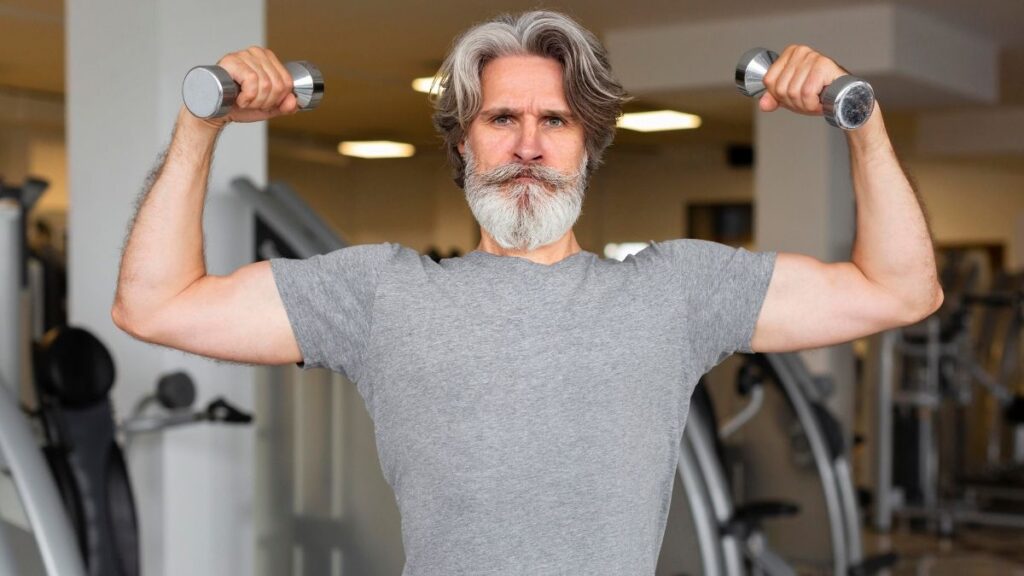
The last, but not least, factor in fitness over 50 is mental: fighting ageist thinking. Many people sabotage their own health by believing the lie of decline—the thought that “I’m too old for that.”
This is a dangerous, self-fulfilling prophecy. Research by Becca Levy shows that people with a positive perception of aging tend to live significantly longer. Your mindset about your age affects your health at a biological level.
The Danger of Decline:
- Believing you are “too old” for activities or learning limits your actions and leads to physical decline.
- This ageist thinking can become a self-fulfilling prophecy, making you stop trying new things.
Steve chooses to embrace a growth mindset. He stays curious and is always committed to learning new skills. At 58, he started learning a complex skill—not for a job, but just to keep his brain sharp. This kind of mental challenge helps build resilience.
Embracing a Growth Mindset:
- A growth mindset means believing your abilities and intelligence can be developed through dedication and hard work.
- Staying curious and actively learning new things, like Steve learning a new language, keeps your brain young.
- This commitment is an essential component of overall health and longevity.
8. Ditch Ultra-Processed Foods: The Quickest Path to Healthy Aging

If you want the quickest path to healthy aging after 50, the first thing to drop is ultra-processed foods (UPFs). These foods are defined by having ingredients you would never use in a home kitchen (like high-fructose corn syrup, color stabilizers, or hydrogenated oils).
They pose a specific danger because they are designed to be addictive, they dilute your nutrient intake, and their chemical additives promote inflammation.
The Specific Danger of UPFs:
They are engineered for overconsumption, often leading to weight gain and poor eating patterns.
They displace nutritious whole foods, leading to nutrient deficiencies.
UPFs are linked to poorer cognitive and physical outcomes over time.
Steve has a near zero-tolerance policy for daily UPF consumption. His focus is on eating whole foods—ingredients that look like they did when they came from the ground or the animal. This means fresh fruits, vegetables, whole grains, and simple proteins.
Focus on Whole Foods:
Whole foods are simple ingredients that have been minimally processed (e.g., an apple, a carrot, a piece of chicken).
Steve prioritizes ingredients like these because they are rich in the fiber and nutrients your body needs to fight inflammation.
Cutting out ultra-processed foods is a simple but powerful step toward a longer, healthier life.
Conclusion: The Power of Small, Consistent Change
Steve’s experience proves that biological age is not just about genetics; it is the sum of choices you make every single day.
These eight brutal longevity lessons—from build muscle and defend your sleep to actively manage stress and foster social bonds—show that the true anti-aging formula is consistency.
The goal is not perfection; it’s consistency. You can unlock a life of great longevity by making small, powerful changes. Pick just one of Steve’s healthy aging after 50 principles to implement today.
What is the one non-negotiable step you will take today to invest in your future health?