

Your eyes open at 4:30 again, hours before the alarm. Sleep won’t come back, so you lie there watching the ceiling turn from gray to blue. By noon, energy has already crashed once.
Getting outside felt like just another chore on a long list. Ten minutes of morning sun changes that pattern more than most people expect. Light hitting your eyes early in the day resets a clock inside your brain, the one that controls sleep, mood, and energy.
Aging shifts this clock earlier, which explains why mornings feel harder and afternoons feel foggy. This small habit works with your body instead of against it.
Morning Light Resets
Your Body Clock
A few well-timed minutes outdoors can improve daytime alertness and prepare the brain for easier sleep later that night.
Timing Matters Most
Step outside within one hour of waking. Morning daylight sets your circadian clock far more effectively than normal indoor lighting.
Aging Eyes Need More Light
Lens changes and cataracts can weaken the light signal reaching the brain. Older adults may benefit from slightly longer exposure, not a darker morning routine.
The Payoff Comes Twice
Light increases alertness in the morning, then begins a 14- to 16-hour countdown that helps your body feel ready for sleep that evening.
Match the Minutes to the Sky
Aim for 5–10 minutes in bright sun or about 15–20 minutes on cloudy mornings to receive a similar circadian benefit.
Why Your Body Clock Runs Differently After 50

Something shifts quietly in your internal clock as you pass fifty. Scientists call this shift “phase advance,” meaning your circadian rhythm gradually moves earlier. Waking at 5 a.m. without an alarm is not insomnia.
Feeling drowsy by 8:30 p.m. is not laziness. Both are signs your master clock, located in a brain region called the suprachiasmatic nucleus, has rescheduled itself.
This happens partly because the aging brain responds differently to light signals. Your eyes still detect brightness, but the message travels less efficiently to the areas controlling sleep hormones. Melatonin, the hormone that makes you sleepy, starts rising earlier in the evening too.
Here is why this matters for morning light specifically. A shifted clock needs a stronger, clearer signal to stay balanced. Ten minutes of early sunlight gives your brain exactly that reset, anchoring energy and mood for the day ahead.
The Ten-Minute Reset — What Happens Inside Your Body

Your eyes send a direct signal to your brain the moment early light hits them. This message travels to a tiny control center that manages your internal clock. Cortisol, often blamed for stress, actually serves a helpful purpose here.
A healthy morning rise in cortisol wakes up your body and sharpens your focus. Melatonin, the hormone that makes you sleepy, drops quickly once light exposure begins.
Serotonin, linked to calm mood and steady energy, tends to rise alongside it. Together, these shifts explain why a short walk outside can lift your mood within the hour.
There’s a longer payoff too. Light exposure early in the day helps set a timer inside your brain. Roughly fourteen hours later, melatonin production naturally begins again, preparing you for better sleep that night. This is why consistent morning light often works better than any evening routine alone.
The Eye Problem Nobody Tells You About
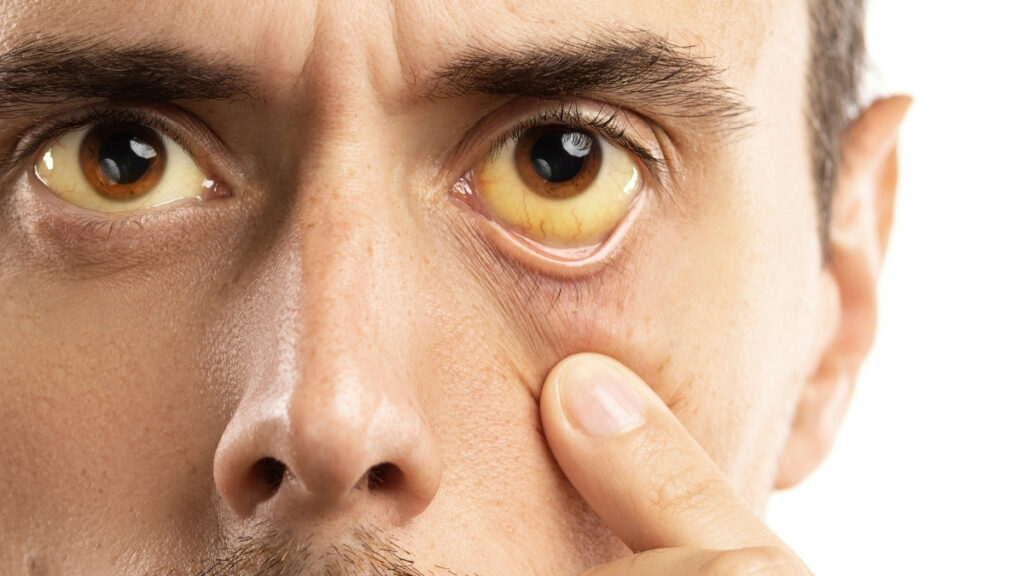
Your eyes change shape and clarity as you age, and that affects far more than reading fine print. The lens inside your eye slowly yellows over the decades, filtering out some of the blue light your brain relies on for its internal clock.
Cataracts, a clouding of that same lens, can block even more. Pupils also respond more slowly and open less wide in older adults, letting in less total light than they did at thirty.
Doctors sometimes call this combination reduced “photic sensitivity,” a fancy term for a weaker light signal reaching your brain. This matters because your circadian system needs a certain intensity of light to reset properly each morning.
If less light gets through, ten minutes outside may not deliver the same wake-up signal it once did. Many older adults quietly need brighter or slightly longer light exposure to get the same benefit. If you have cataracts or notice increasing light sensitivity, ask your eye doctor whether this applies to you.
Setting Up Your Ten Minutes Without Tripping, Squinting, or Getting Dizzy

A few small precautions make this habit safer, not harder. Standing up quickly after sitting or lying down can cause a brief drop in blood pressure, leaving you lightheaded.
Pause at the edge of your bed or chair for a moment before walking outside. Uneven grass, loose gravel, or a single step can catch you off guard while your eyes adjust to brightness, so pick a flat, familiar path for those ten minutes.
| Safety Concern | What to Do |
|---|---|
| Blood pressure dip on standing | Pause a moment before walking outside |
| Uneven ground | Choose a flat, familiar path |
| Photosensitizing medication | Check with your doctor or pharmacist first |
| Bright light squinting | Skip sunglasses, let eyes adjust naturally |
What Ten Minutes Actually Looks Like, Season by Season

- Sunny mornings: 8–10 minutes outside is usually enough
- Cloudy mornings: aim for about 15 minutes, since overcast skies still beat indoor light
- Winter mornings: stretch it to 20 minutes due to weaker sun angles and shorter daylight
- Stuck indoors: a bright window helps a little, but glass blocks key light wavelengths
- Best fallback: step onto a doorway or balcony instead of relying on window light alone
Winter brings the real test, with weaker sun angles and shorter daylight hours limiting your window of opportunity.
| Condition | Suggested Time |
|---|---|
| Sunny | 8–10 minutes |
| Cloudy | 15 minutes |
| Winter/overcast | 20 minutes |
Reading Your Own Response Over Two Weeks

Notice how you feel before you track anything else. Sleep usually shifts first. You might find yourself getting drowsy a little earlier, or waking without an alarm around the same time each day. That’s your circadian rhythm, your body’s internal clock, syncing with daylight again.
Energy tells a slower story. Many people expect an instant boost, but the real change often shows up as fewer afternoon slumps rather than dramatic morning alertness. Pay attention to how you feel around 3 p.m. instead of just first thing.
Mood shifts can be subtle too. You may notice less irritability or a steadier temperament by day ten, even if nothing dramatic happens. A retired teacher once told me she didn’t feel “happier,” just less rattled by small annoyances.
When Morning Light Isn’t Enough on Its Own

Sunlight works for most people, but not everyone gets the same benefit. Your eyes need to sense light for the signal to reach your brain’s internal clock. Advanced macular degeneration can block that signal, even on a bright morning.
Certain medications also interfere, including some antidepressants and blood pressure drugs that increase sun sensitivity. Shift workers face a different challenge entirely. Their schedules fight against natural light patterns, no matter how consistent they are.
Consider Frank, a retired nurse who still works occasional night shifts. Morning walks left him more tired, not less. His body needed darkness during the day, not sunlight.
Watch for signs that light alone isn’t enough:
- Sleep stays disrupted after several weeks of trying
- Mood symptoms feel severe or persistent
- Vision changes make bright light uncomfortable
- Medication side effects worsen with sun exposure
Talk to your doctor before adding light therapy devices, especially with eye conditions or psychiatric medications involved.
