

Kidney Longevity: The Common Morning Drink That Filters Toxins and Protects Your Renal System
Every morning, millions of people reach for coffee, juice, or tea without realizing these simple drink choices could be either protecting or harming their kidneys, the silent workhorses that filter 200 quarts of blood daily.
With 37 million Americans living with chronic kidney disease, often without knowing it, and endless conflicting information about detox drinks flooding the internet, it’s time to cut through the confusion.
This comprehensive guide reveals 12 evidence-based kidney health drinks that genuinely support your renal system, and explains the science behind how specific beverages protect kidney function.
Provides practical ways to incorporate a natural kidney cleanse into your daily routine while identifying which popular drinks you should limit or avoid.
The Kidney Cleanse
Flushes Toxins
The simplest choice. It flushes waste before it builds up and prevents minerals from clumping into stones.
Understanding Your Kidneys: Why Your Morning Drink Matters

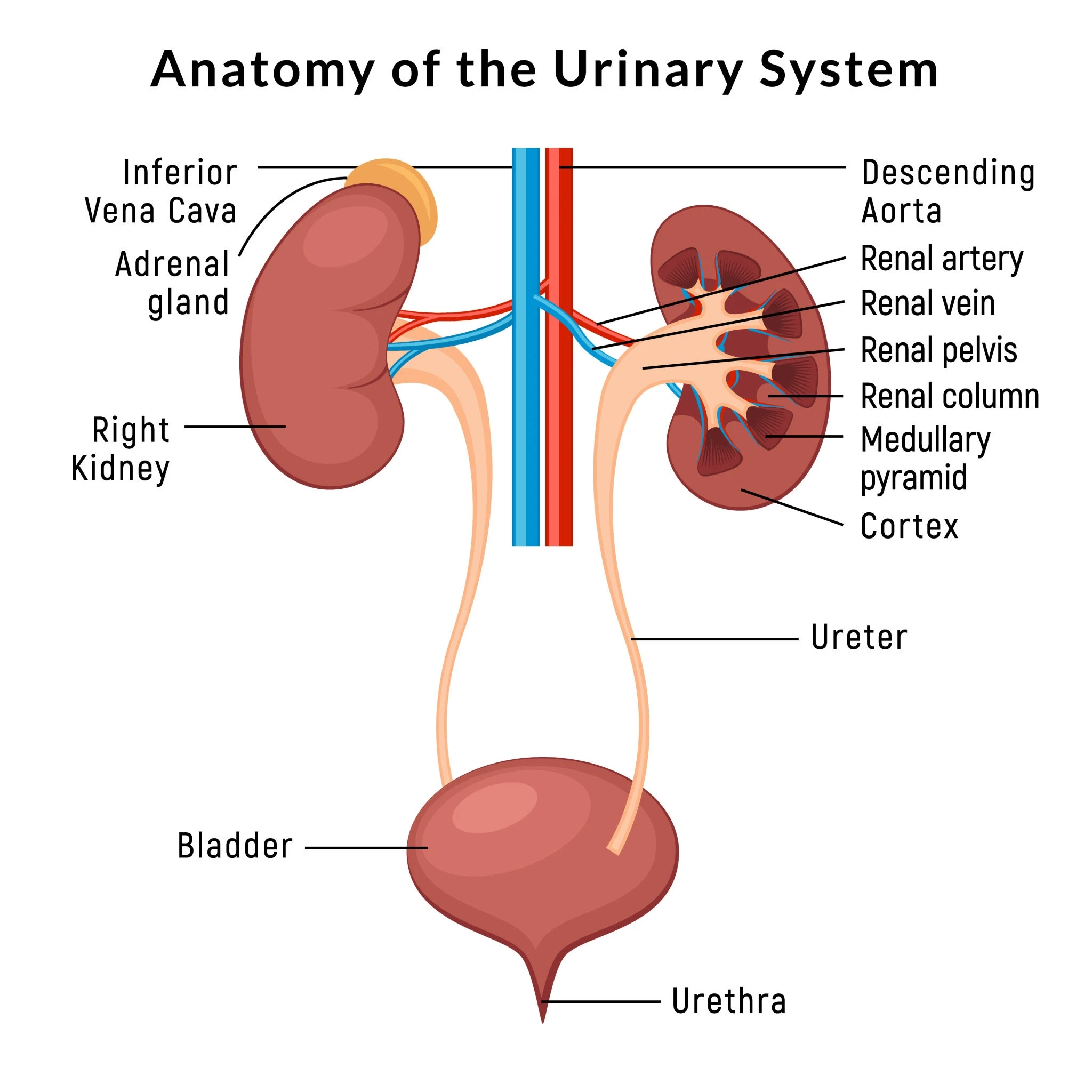
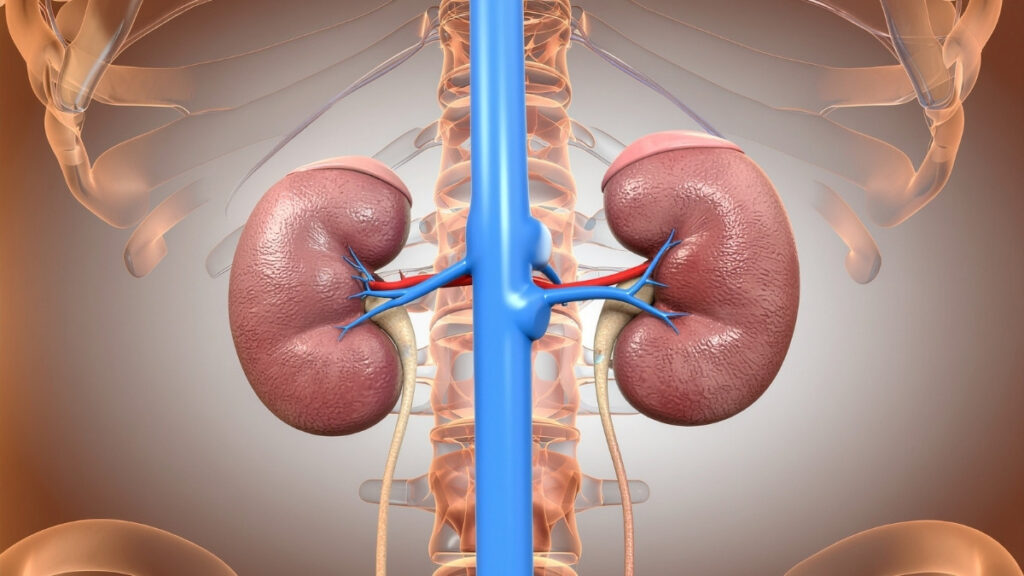
Your kidneys work 24/7. Every single minute, they filter half a cup of blood. By the end of today, they'll process about 200 quarts. That's like cleaning 50 gallons of blood.
But here's what most people don't know: what you drink directly affects how well your kidneys do their job.
Right now, 37 million Americans have chronic kidney disease. Many don't even know it yet. The scary part? Simple dehydration or drinking the wrong things can damage your kidneys over time.
Think of your kidneys as your body's cleanup crew. They remove waste, balance your electrolytes, and keep your blood pressure in check. When you don't give them enough fluid, or when you flood them with sugar and chemicals, they struggle.
The good news? A recent 2025 study found that people with early kidney disease who drank up to 4 cups of tea daily had an 11% lower risk of death. Another large study of nearly 192,000 people showed that drinking moderate amounts of natural juice cut kidney disease risk by 20%.
Your morning drink choice matters more than you think. And you're about to learn exactly which drinks help your kidneys thrive and which ones slowly break them down.
The 12 Best Drinks for Kidney Longevity
Water: The Foundation of Kidney Health

Water is the simplest choice you can make for your kidneys. No calories. No sugar. No weird additives. Just pure hydration that lets your kidneys do their job without extra work.
A major study tracked over 50,000 adults and found something clear: people who drank more water had fewer kidney problems. That's it. More water equals healthier kidneys.
Your kidneys need 4 to 8 cups of water daily to prevent disease from getting worse. But here's an easy way to check if you're drinking enough: look at your pee. Clear or light yellow? You're good. Dark yellow or amber? Drink more water.
Water helps your kidneys in three ways. First, it flushes out waste before it builds up. Second, it prevents minerals from clumping together into painful kidney stones. Third, it keeps your blood at the right consistency so your kidneys can filter it easily.
Most people wait until they're thirsty to drink water. Bad move. By the time you feel thirsty, you're already dehydrated.
Try this tomorrow: Before you reach for coffee, drink 16 ounces of room-temperature water. Not cold. Not hot. Just room temperature. This gives your kidneys a head start on the day and helps wake up your whole system.
Keep a water bottle visible. You'll drink more when you see it.
Green Tea: The Antioxidant Powerhouse
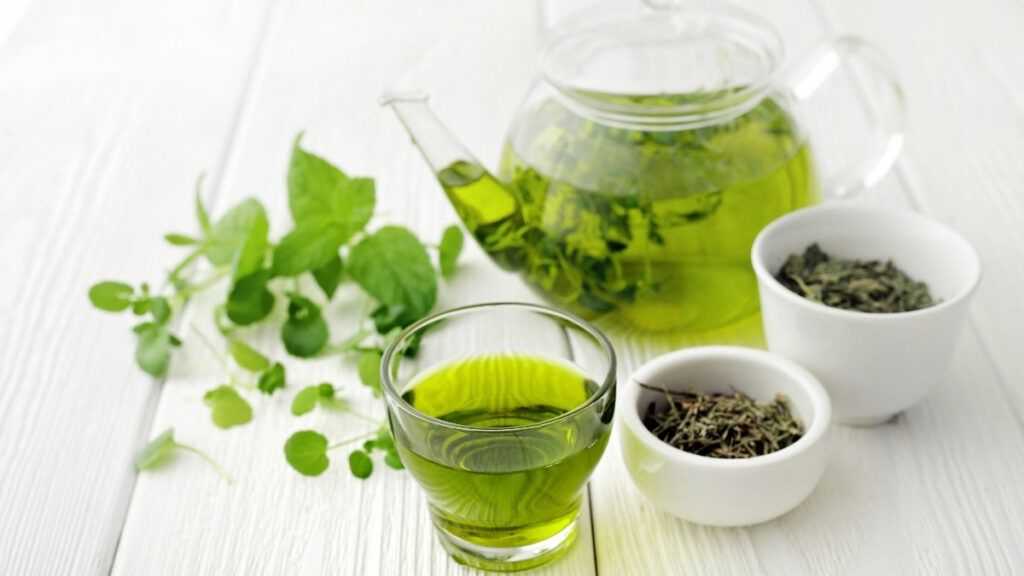
Green tea just became more important. A study published in January 2025 tracked people with chronic kidney disease. Those who drank up to 4 cups of green tea daily had an 11% lower risk of dying from any cause. That's huge. We're talking about protecting your life, not just your kidneys.
Green tea contains something called EGCG. This antioxidant is 25 times more powerful than vitamin E. It hunts down free radicals that damage your kidney cells and stops them cold.
But here's what makes green tea special for kidneys: it's low in oxalates. Oxalates are compounds that can form kidney stones. Many healthy foods have high oxalates, but green tea doesn't. This makes it safe even if you worry about kidney stones.
The catechins in green tea work like tiny bodyguards for your kidney cells. They reduce inflammation and protect against the daily wear and tear your kidneys face. Aim for 2 to 4 cups daily. That's the sweet spot where studies show the most benefit.
Here's how to brew it right: Steep your green tea for 3 to 5 minutes. No longer. After 5 minutes, it turns bitter and harder to drink. Use hot water, not boiling. About 175°F works best.
Skip the sugar. You want the pure antioxidant benefits without the blood sugar spike that can damage kidneys over time. Buy unsweetened varieties. Check the label. Many bottled green teas pack in more sugar than soda.
Cranberry Juice: UTI Prevention & Kidney Protection
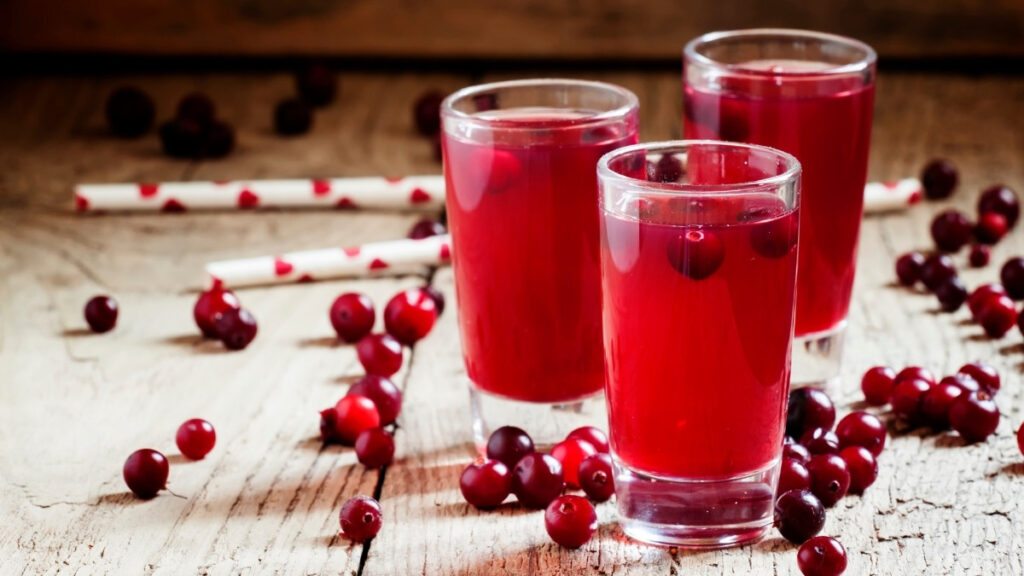
Cranberry juice stops bacteria from sticking to your urinary tract walls. This sounds simple, but it matters. When bacteria can't stick, they can't cause infections.
Urinary tract infections that spread to your kidneys cause pyelonephritis. This kidney infection can cause permanent damage if it happens repeatedly. Cranberry juice helps stop that chain before it starts.
The antioxidants in cranberries reduce inflammation throughout your urinary system. Less inflammation means healthier kidneys.
But there's a catch. Most cranberry juice you find in stores is loaded with sugar. Sugar causes inflammation and damages blood vessels, including the tiny ones in your kidneys. You need to be picky.
The research on cranberry juice and kidney stones is mixed. Some studies show it helps. Others show no effect. It won't hurt, but don't expect miracles for stones.
Here's the smart move: Buy pure, unsweetened cranberry juice. It tastes terrible on its own. Mix 1 part juice with 3 parts water. This gives you the benefits without the sugar bomb.
Drink it in the morning or before bed. You want the protective compounds coating your urinary tract when bacteria are most likely to grow.
If you've had repeated urinary tract infections, talk to your doctor about adding cranberry juice to your routine.
Lemon Water: Natural Citrate Boost
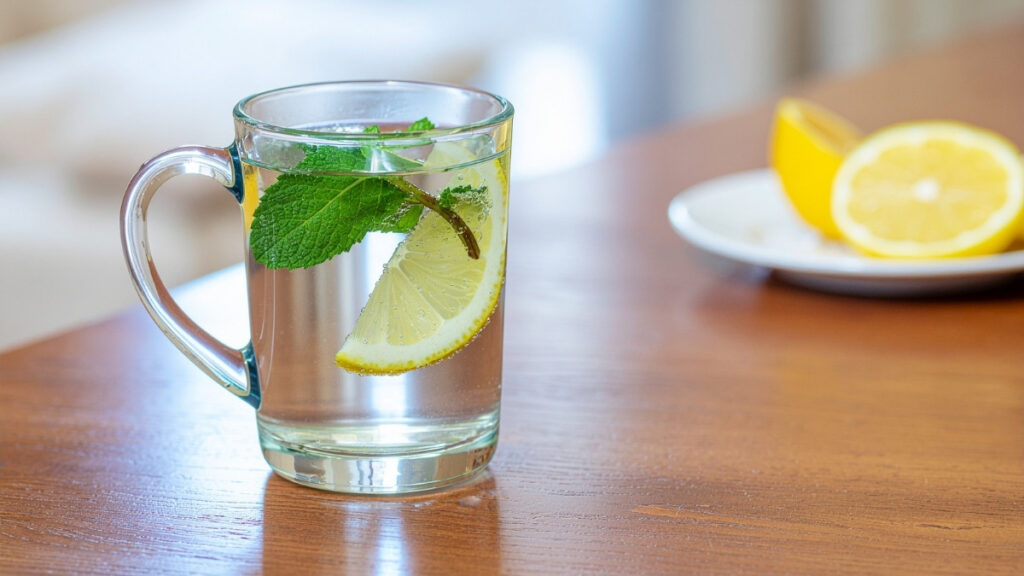
Lemon water does something specific for your kidneys: it loads you up with citrate. Citrate stops calcium and other minerals from forming into kidney stones.
Studies show that drinking 2 ounces of lemon juice twice daily prevents kidney stones from coming back. If you've ever had a kidney stone, you know how painful they are. You'll do anything to avoid another one.
Lemon water also helps alkalize your urine. When your urine is less acidic, stones form less easily.
The beauty of lemon water is that it makes plain water more interesting. Most people struggle to drink enough water because it's boring. Add lemon, and suddenly it's easier to hit your daily goal.
Start your morning like this: Squeeze half a lemon into 16 ounces of water. Room temperature works better than cold for your digestive system. Drink it before you eat anything.
This does three things at once: hydrates you, gives you citrate, and wakes up your digestive system.
Use fresh lemons. Bottled lemon juice has preservatives and less citrate. Organic lemons are best, but regular lemons work fine too.
Don't overdo it. Too much lemon can wear down tooth enamel. Rinse your mouth with plain water after drinking lemon water.
Beet Juice: Blood Pressure Support
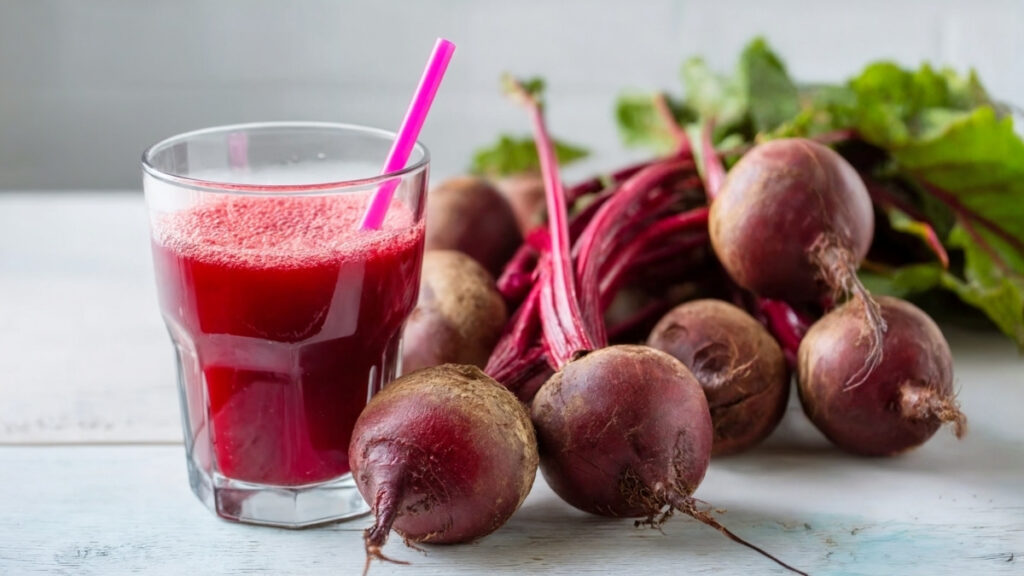
High blood pressure destroys the kidneys slowly. It damages the tiny blood vessels that filter your blood. Over the years, this damage adds up.
Beet juice lowers blood pressure. Multiple studies confirm this. When you drink beet juice, compounds called nitrates relax your blood vessels. Relaxed vessels mean lower pressure. Lower pressure means healthier kidneys.
One study on diabetic rats showed that beet juice actually reversed kidney damage. We need more human studies, but the early signs look promising. Beets are packed with antioxidants. These fight the oxidative stress that ages your kidneys faster.
But here's the warning: beets contain oxalates. If you've had calcium oxalate kidney stones, limit beet juice or avoid it completely. Talk to your doctor first.
Also, beet juice might turn your pee pink or red for a day or two. Don't panic. It's harmless. Stick to 8 ounces daily. More than that, and you're getting too many oxalates. Buy organic beet juice if you can. Beets absorb pesticides from soil more than most vegetables.
You can make your own by blending cooked beets with water. Raw beets work too, but they're harder on your digestive system. Drink it in the morning with breakfast. The blood pressure benefits last several hours.
Carrot Juice: Beta-Carotene Benefits
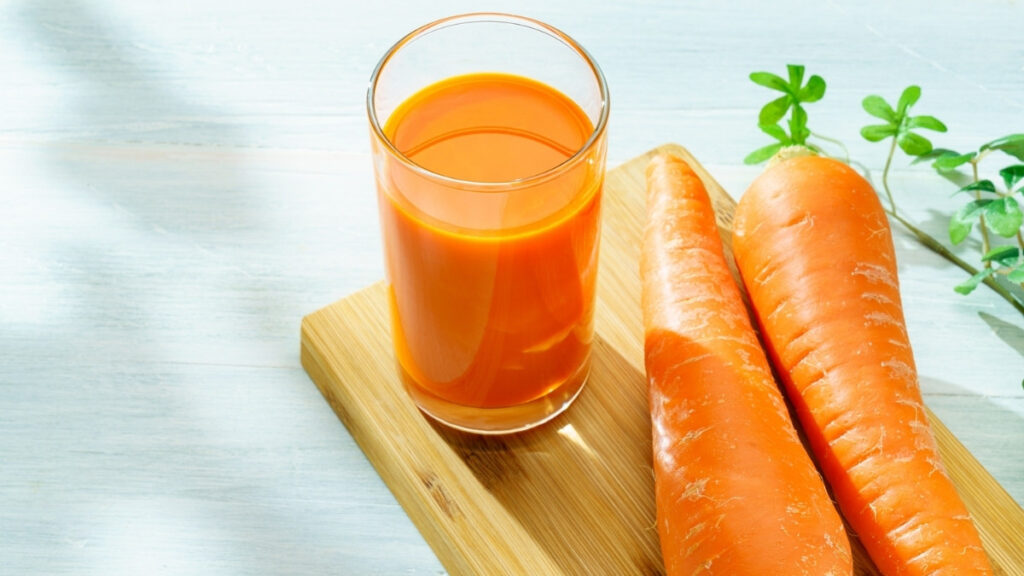
Carrot juice gives your kidneys a dose of beta-carotene, the precursor to vitamin A. This antioxidant protects your kidney cells from damage.
Animal studies show that 16 ounces of carrot juice daily protects kidneys from certain toxic drugs. These studies used medications known to damage kidneys, and carrot juice reduced the harm.
The antioxidants in carrots fight oxidative stress. Oxidative stress is like rust forming on metal. It happens when free radicals attack your cells. Your kidneys face this attack constantly because they process so much blood.
Carrots also have anti-inflammatory properties. Chronic inflammation slowly damages organs, including your kidneys.
Make it fresh for maximum benefit. Juice 4 to 5 large carrots. That gives you about 16 ounces. Store-bought carrot juice works if it's 100% juice with no added sugar. Check the label carefully.
Drink carrot juice with a meal that has some fat. Beta-carotene is fat-soluble. Your body absorbs it better when fat is present. A handful of nuts or some avocado does the trick.
Don't go overboard. Too much beta-carotene can turn your skin slightly orange. It's harmless but weird-looking. Stick to 16 ounces or less daily.
Pomegranate Juice: Triple Antioxidant Power
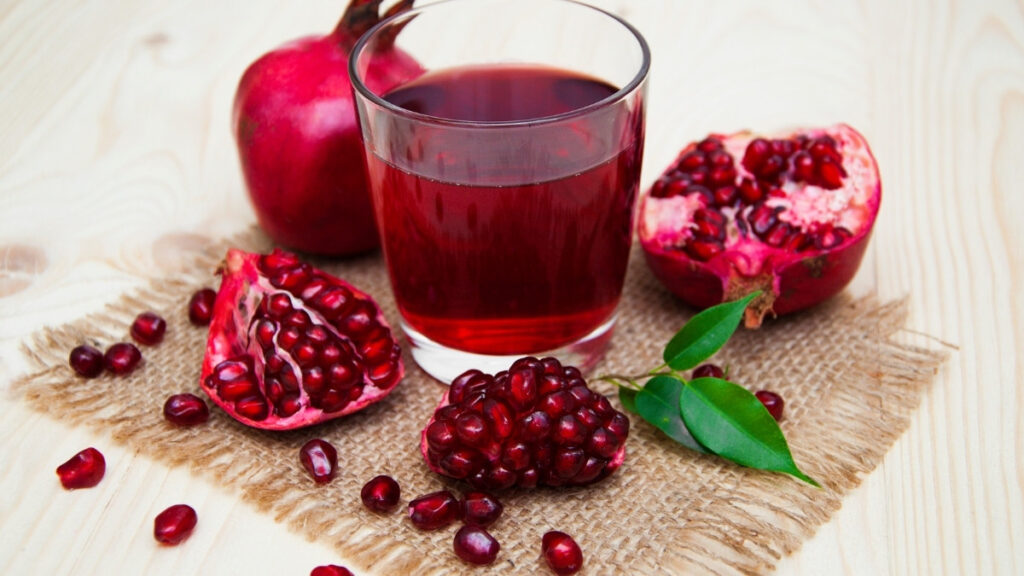
Pomegranate juice contains three times more antioxidants than green tea. Let that sink in. It's an antioxidant powerhouse.
A study on dialysis patients showed that pomegranate juice reduced kidney damage, inflammation, and infections. These are people with severe kidney problems, and the juice still helped.
The heart-kidney connection matters here. What's good for your heart is usually good for your kidneys. Pomegranate juice improves cardiovascular health by reducing blood pressure and improving blood flow. Better blood flow means your kidneys get more oxygen and nutrients.
The polyphenols in pomegranate juice fight inflammation at the cellular level. They protect the delicate structures in your kidneys that do the actual filtering.
First, pomegranate juice is high in potassium. If you have advanced kidney disease, your body struggles to remove potassium. Too much potassium can cause dangerous heart rhythms. Check with your doctor before drinking pomegranate juice if your kidney function is low.
Second, pomegranate juice interacts with immunosuppressant drugs. If you've had a kidney transplant and take these medications, pomegranate can make them too strong or too weak. This is serious. Always ask your transplant team first.
Black Tea with Milk: Surprising Protector

Black tea doesn't get enough credit for kidney health. Studies suggest that 2 to 4 cups daily with milk (no sugar) may protect your kidneys.
Black tea has less caffeine than coffee. This matters because too much caffeine can strain your kidneys. Black tea gives you a gentler energy boost. The antioxidants in black tea are similar to those in green tea. They fight free radical damage and reduce inflammation.
Here's a surprise: black tea doesn't increase kidney stone risk like people once thought. Old research suggested tea caused stones because it contains oxalates. Newer studies show this isn't true for most people. Adding milk provides protein and calcium. Your body needs both for strong bones and healthy blood pressure.
Brew your tea strong enough to taste it, but not so strong it's bitter. About 3 to 5 minutes of steeping works well. Use regular milk, low-fat milk, or unsweetened plant milk. Avoid the sweetened versions.
Don't add sugar. Sugar causes inflammation and damages blood vessels. The point is kidney protection, not a dessert drink. Space out your tea throughout the day. One cup in the morning, one at lunch, one in the afternoon, and maybe one in the evening.
Coconut Water: Natural Electrolyte Balance

Coconut water has less sugar than most fruit juices. That alone makes it better for your kidneys. Less sugar means less inflammation and less stress on kidney function.
Animal studies show that coconut water prevents crystal buildup in the urinary tract. These crystals are the starting point for kidney stones. Stop the crystals, and you stop the stones.
Coconut water increases citrate levels in your urine. Remember, citrate prevents stone formation. This is the same benefit you get from lemon water.
The electrolytes in coconut water come from nature, not a lab. You get potassium, magnesium, and sodium without artificial additives or sweeteners.
It's a smarter choice than sports drinks. Most sports drinks have artificial colors, flavors, and way too much sugar. Coconut water hydrates you naturally.
Choose unsweetened varieties with no added sugars. Read the label. The only ingredient should be coconut water. Some brands add juice or sweeteners. Avoid those. Drink coconut water after exercise or on hot days when you need to replace electrolytes. It's not necessary every day, but it's useful when you sweat a lot.
One cup (8 ounces) is enough. More than that, and you're getting extra potassium you might not need.
Orange Juice: Citrus for Stone Prevention
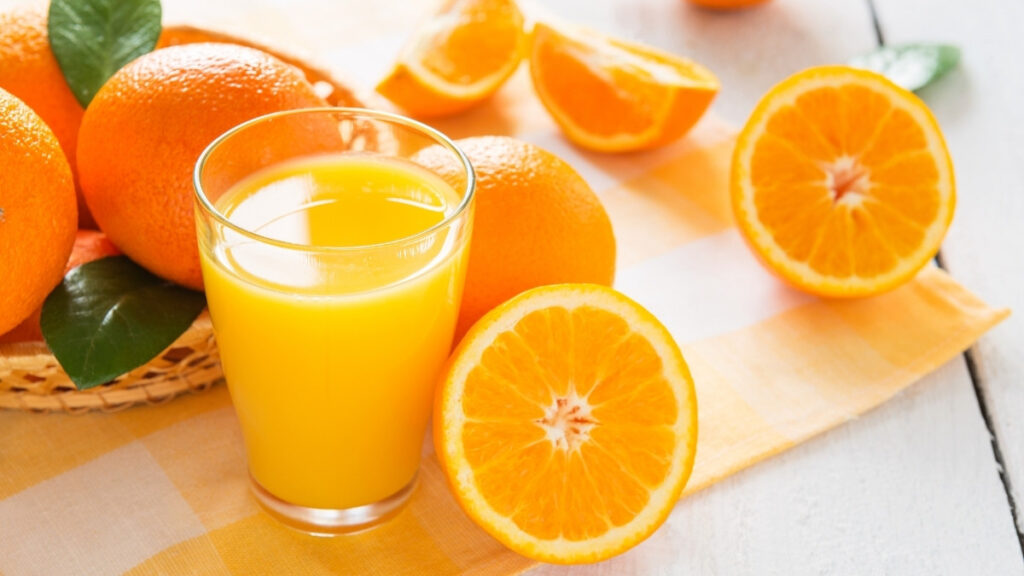
Orange juice contains citrate, just like lemon water. This citrate decreases acid in your urine. Less acid means fewer calcium oxalate stones. Some research shows that 24 ounces of orange juice daily may prevent these stones. Other studies show mixed results. The science isn't completely clear yet.
Orange juice also provides vitamin C, which supports overall kidney function. But too much vitamin C can turn into oxalate in your body. Moderation is key. Choose 100% orange juice with no added sugar. Many orange drinks are mostly water and corn syrup. Check the ingredient list.
Limit yourself to one 8-ounce glass daily. Orange juice has natural sugar. Too much sugar causes inflammation and can lead to diabetes, which damages the kidneys. Drink it with breakfast. Vitamin C helps your body absorb iron from food.
Pulpy orange juice is better than clear. The pulp contains fiber that slows sugar absorption. If you have advanced kidney disease, ask your doctor first. Orange juice is high in potassium, which can be dangerous when your kidneys aren't working well.
Ginger Tea: Anti-Inflammatory Support

Ginger fights inflammation throughout your body, including your kidneys. Chronic inflammation damages kidney tissue slowly over time. Ginger helps stop this process.
Animal studies show that ginger helps remove urea and creatinine. These are waste products that build up when your kidneys aren't working well. Healthy kidneys remove them easily, but damaged kidneys struggle. Ginger gives them support.
Ginger also helps maintain healthy blood pressure. High blood pressure is one of the main causes of kidney damage.
Some people call ginger a natural detoxifier. Your kidneys already detoxify your blood naturally. What ginger does is support this process by reducing inflammation and helping waste removal.
Here's how to make it: Cut a 1-inch piece of fresh ginger into thin slices. Boil it in 2 cups of water for 5 to 10 minutes. The longer you boil it, the stronger the flavor.
Add lemon or a small amount of honey if you want. But don't overdo the honey. Too much added sugar defeats the purpose. Drink 1 to 2 cups daily. This amount is considered safe for most people. Fresh ginger is better than powdered. Fresh ginger has more active compounds that fight inflammation.
Herbal Infused Water: Customized Hydration

Herbal-infused water makes plain water interesting without adding sugar. This is huge because most people don't drink enough water simply because it's boring.
Kidney-friendly options include cucumber, mint, berries, citrus (except oranges if you need to watch potassium), and ginger. These add flavor without loading you up with potassium, phosphorus, or sodium.
The natural flavors come from the actual fruit or herb. No artificial ingredients. No chemicals. Just real food making water taste better.
This trick encourages you to drink more. When something tastes good, you want more of it. More water means healthier kidneys.
Try these combinations
Cucumber-mint water: Slice half a cucumber and add a handful of fresh mint leaves to a pitcher of water. Let it sit in the fridge for at least 2 hours.
Strawberry-lemon water: Slice 5 strawberries and half a lemon. Add to water and refrigerate.
Ginger-lime infusion: Slice a 1-inch piece of ginger and half a lime. Add to cold water. The flavor gets stronger as it sits.
Change the water every 24 hours. After that, the herbs and fruit start to break down. Keep a pitcher in your fridge. Having it ready means you'll actually drink it.
Coffee and Kidneys: The Surprising Truth
Coffee might actually help your kidneys. This surprises most people. One cup of caffeinated coffee daily decreases kidney stone risk. Even 1.5 cups of decaf coffee shows protection. Multiple studies confirm this pattern.
Moderate coffee consumption, around 2 to 3 cups daily, is generally safe for kidney health. The key word is moderate. Excessive caffeine can strain your kidneys by raising blood pressure and causing dehydration.
Black coffee is best. Adding low-fat milk is fine. But skip the sugar, artificial sweeteners, and flavored creamers. These additives cause inflammation and can damage blood vessels over time.
The caffeine in coffee increases urine production. This helps flush out minerals before they form stones. It also keeps things moving through your urinary system.
Drink your coffee before noon. Caffeine late in the day can mess with your sleep. Poor sleep raises inflammation and blood pressure, both bad for kidneys.
Don't use coffee as your only source of hydration. It's mildly diuretic, meaning it makes you pee more. Balance coffee with plenty of plain water.
If you have kidney disease, ask your doctor about coffee. Some people with advanced disease need to limit all sources of potassium, including coffee.
Drinks to Limit or Avoid for Kidney Health

Diet sodas are worse than you think. A 20-year study found that diet soda drinkers had a 30% greater reduction in kidney function. People who drank diet soda experienced three times faster decline in their glomerular filtration rate. That's the measure of how well your kidneys filter blood.
The artificial sweeteners in diet soda seem to damage kidneys over time. We don't fully understand why yet, but the evidence is clear.
Sugar-sweetened sodas wreck your kidneys differently. They increase your risk of diabetes and high blood pressure. Both conditions are leading causes of kidney failure.
One study found that drinking more than one serving daily of sugar-sweetened or artificially sweetened beverages increases chronic kidney disease risk. One serving. That's just 12 ounces.
Energy drinks are kidney bombs. They're loaded with caffeine, phosphorus, sodium, and added sugars. Too much caffeine raises blood pressure. Excess phosphorus damages kidneys when they're already struggling. High sodium makes your body retain fluid, forcing your kidneys to work harder.
Alcohol forces your kidneys into overtime. It causes dehydration, which makes filtering blood harder. Heavy drinking (3 or more drinks daily for women, 4 or more for men) doubles your kidney disease risk.
Alcohol also raises blood pressure and can lead to liver disease. When your liver fails, your kidneys have to pick up the slack.
The bottom line: If you want healthy kidneys, cut out sodas completely. Limit energy drinks to rare occasions or never. Keep alcohol moderate or skip it entirely.
How to Build Your Daily Kidney-Healthy Drink Routine

Small daily habits add up to major kidney protection. Here's a realistic schedule that works.
Morning (6 AM to 9 AM): Start with 16 ounces of room-temperature water before anything else. This rehydrates you after sleep and gives your kidneys a clean start. After 30 minutes, have your green tea or ginger tea. One to two cups. Skip the sugar.
Mid-morning (10 AM to 11 AM): Drink herbal infused water or lemon water. Keep a bottle at your desk or in your bag. Aim for another 16 ounces. This keeps your hydration steady and your kidneys flushing waste.
Lunch (12 PM to 1 PM): Have unsweetened black tea or plain water with your meal. Eight to 16 ounces. This helps with digestion and keeps your urine output regular.
Afternoon (2 PM to 4 PM): This is when you might want carrot juice or beet juice. Eight ounces max. These are more concentrated, so you don't need much. If you skip juice, have more water or herbal tea.
Evening (5 PM to 8 PM): Stick with herbal tea or plain water. Avoid caffeine after 2 PM so it doesn't mess with your sleep. Poor sleep raises inflammation and blood pressure.
Track your hydration by checking your urine. Clear or light yellow means you're good. Dark yellow means drink more. Aim for 4 to 8 cups of total fluids daily, but this varies.
If you exercise heavily, live in a hot climate, or have a health condition, you might need more. Ask your doctor about your specific needs.
Start small. Don't try to change everything at once. Pick one new drink this week. Master it. Then add another next week.
When to Consult a Doctor About Your Kidney Health
Some warning signs mean you need to see a doctor now.
Watch for fatigue that doesn't go away with rest. Swelling in your ankles, feet, or around your eyes. Changes in urination like peeing more at night, less during the day, or seeing blood or foam.
These symptoms can mean your kidneys are struggling.
Certain people need extra caution with these drinks. If you have chronic kidney disease, you need to watch potassium carefully. Pomegranate juice, orange juice, and coconut water are all high in potassium. Too much potassium causes dangerous heart rhythms when your kidneys can't remove it.
If you've had a kidney transplant and take immunosuppressant drugs, pomegranate juice can interact with your medications. Always check with your transplant team before trying new juices or supplements.
Regular kidney function tests matter. A simple blood test measures your creatinine and glomerular filtration rate. These numbers tell you how well your kidneys are working. Get tested yearly if you're healthy, more often if you have diabetes, high blood pressure, or a family history of kidney disease.
Avoid products marketed as "kidney detox" or "kidney cleanse" supplements. Your kidneys detox your blood naturally. They don't need special products. These supplements can actually harm your kidneys by overloading them with herbs and compounds they have to process.
If you're on medications for blood pressure, diabetes, or heart disease, ask your doctor before adding any of these drinks to your routine. Some drinks interact with medications.
When in doubt, ask. Your kidneys are too important to guess.
Your Kidneys Deserve Better
Your kidneys filter 200 quarts of blood every single day. They never rest. They never take a break. The least you can do is give them the right fuel.
Water is your foundation. Always. But the other 11 drinks on this list offer real, evidence-based benefits. Green tea protects kidney cells with powerful antioxidants. Lemon water prevents painful kidney stones. Ginger tea fights inflammation.
You don't need to drink all of them. Pick two or three that fit your life. Make them part of your morning routine.
Avoid the drinks that hurt your kidneys. Cut out sodas. Limit energy drinks. Go easy on alcohol. These aren't huge changes. They're small daily choices that add up over years and decades.
Start tomorrow morning by choosing one kidney-healthy drink from this list. Track how you feel after 30 days of consistent hydration and kidney-supportive beverages. Better energy. Clearer thinking. Less inflammation. Your kidneys will thank you.
And years from now, when you're still healthy and active, you'll be glad you made these simple changes today.