Kidney Killers: 13 ‘Healthy’ Smoothies Loaded with Hidden Potassium Toxins (Nephrologists Urge Caution)
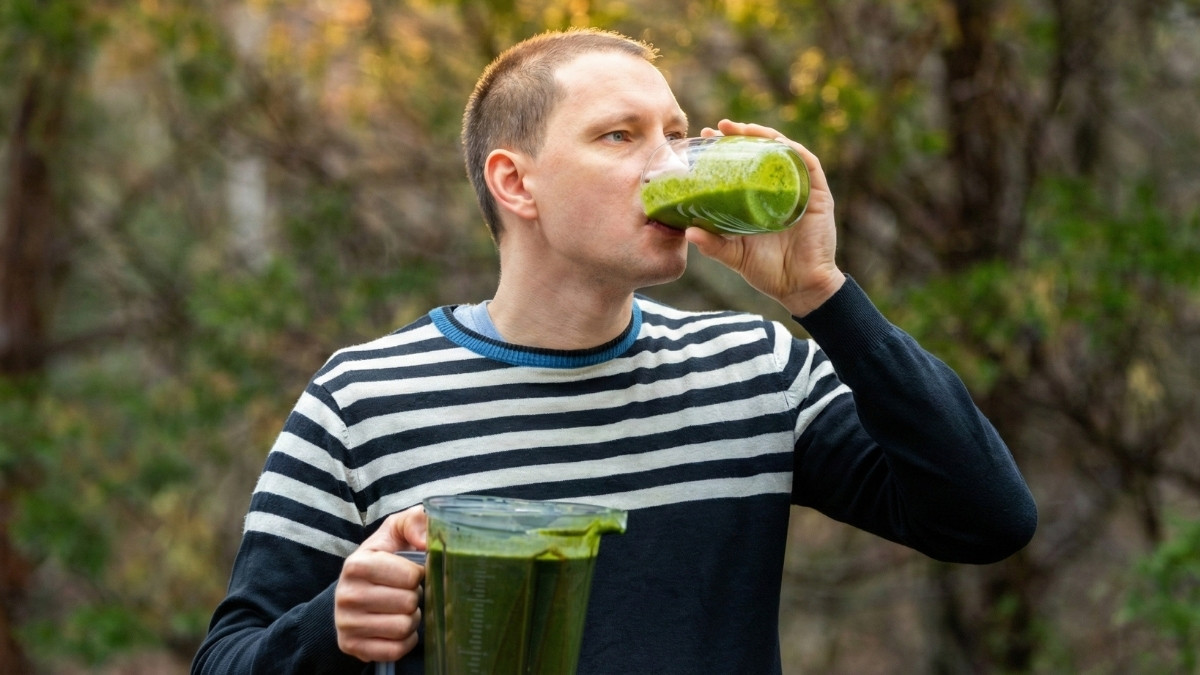
A 65-year-old woman with no prior kidney problems started a popular green smoothie cleanse to lose weight after gastric bypass surgery. Within weeks, she developed acute kidney injury that progressed to end-stage renal disease requiring permanent dialysis, all from what she thought was a healthy habit.
Over 35.5 million Americans, or 1 in 7 adults, have chronic kidney disease (CKD), yet 90% don’t know it. Many common health smoothies contain 1,000 to 2,000 mg of potassium in a single serving, while CKD patients should limit potassium to 2,000 to 3,000 mg daily total.
Understanding which popular smoothie ingredients pose the greatest potassium risk is critical. This guide reveals the exact potassium content in common smoothie additions, teaches you how to create truly kidney-friendly alternatives, and explains the warning signs of hyperkalemia so you can protect your kidneys while still enjoying nutritious drinks.
Potassium Load
Select Item
Many “healthy” smoothie ingredients are potassium bombs. For CKD, aim for < 2000-3000mg daily. One drink can use up 75% of that!
Understanding the Potassium-Kidney Connection
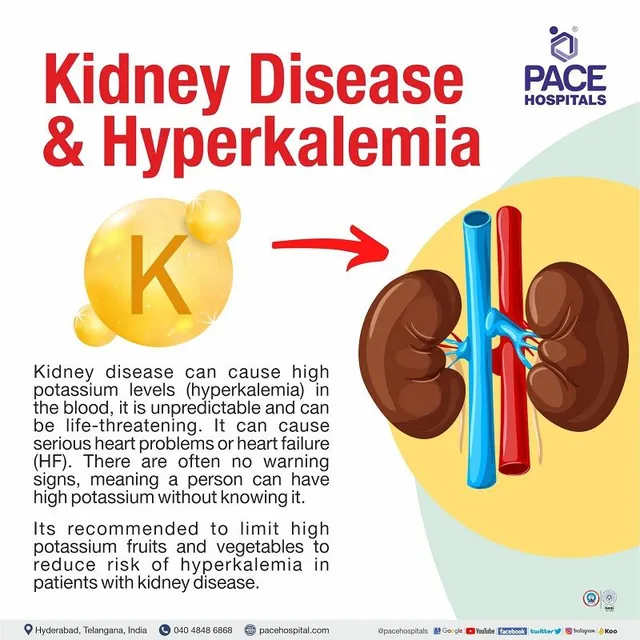
Your kidneys are powerful filters. Every single day, they clean more than 2,000 quarts of blood. They pull out waste and remove extra potassium your body doesn't need. But when you have chronic kidney disease, this filtering system starts to fail.
Think of it like a coffee filter with holes in it. As CKD gets worse, your kidneys can't remove potassium as well as they used to. The potassium builds up in your blood. Normal potassium levels range from 3.5 to 5.0 mEq/L. Anything above 6.0 becomes dangerous.
Here's what makes high potassium so scary. It messes with your heart's electrical system. Your heart relies on precise electrical signals to beat in a steady rhythm. Too much potassium disrupts these signals. This can cause irregular heartbeats, called arrhythmias. In severe cases, it can lead to cardiac arrest.
Some medications make this problem even worse. If you take ACE inhibitors or ARBs for blood pressure, your body holds onto even more potassium. According to the CDC's 2023 report, approximately 14% of U.S. adults have CKD. That's millions of people who need to watch their potassium intake carefully.
The National Kidney Foundation states that individuals with CKD typically need to limit potassium to 2,000 to 3,000 mg daily. To put that in perspective, one popular green smoothie can contain over 1,500 mg of potassium. That's more than half the daily limit in one drink.
13 'Healthy' Smoothie Ingredients Loaded with Hidden Potassium
Bananas: The Potassium Bomb
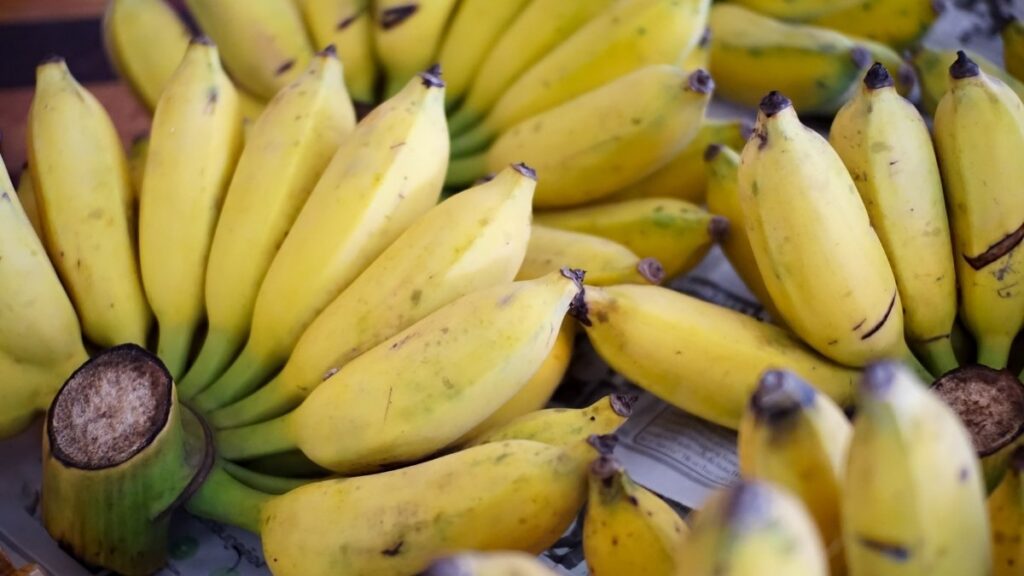
You probably throw a banana into your smoothie without thinking twice. Everyone does. Bananas are the most popular smoothie fruit in America. But if you have kidney disease, that one medium banana is taking up a huge chunk of your daily potassium budget.
One medium banana contains 422 mg of potassium. For someone with stage 3 or 4 CKD on a 2,000 mg daily limit, that single banana eats up over 20% of your entire day's allowance. Many smoothie recipes call for 1.5 to 2 bananas. Do the math and you're pushing your potassium intake dangerously high before breakfast even ends.
The frozen banana trend makes this even worse. When you freeze bananas and blend them, they create that thick, ice cream-like texture everyone loves. But the potassium content doesn't change. You're still getting all 422 mg, plus whatever else you add to the blender.
Want safer fruit options? Try blueberries at just 77 mg per half cup. Strawberries give you 120 mg per half cup. Raspberries clock in at 93 mg per half cup. These berries let you enjoy a fruity smoothie without blowing through your potassium limit before lunch.
Spinach: The Green Smoothie Culprit
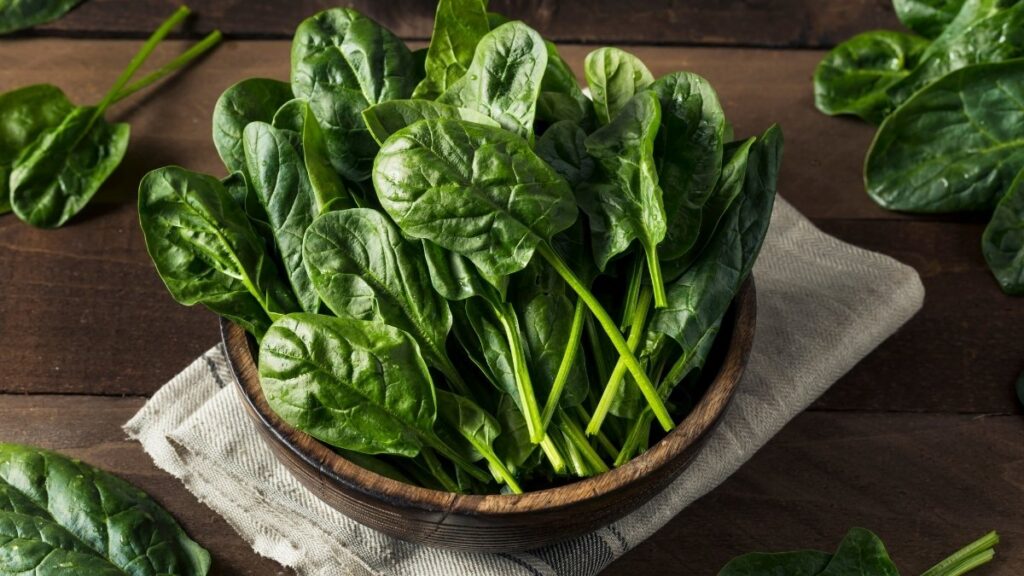
Green smoothies are everywhere on social media. Fitness influencers swear by them for "detox" and energy. But here's what they're not telling you about spinach and your kidneys.
Raw spinach contains 167 mg of potassium per cup. That sounds manageable. But when you cook spinach, something happens. That same one cup portion jumps to 840 mg of potassium. That's nearly half of a CKD patient's daily allowance in just one cup of greens.
Here's the part most people miss. When you blend spinach into a smoothie, you're essentially cooking it mechanically. Blending breaks down the cell walls and releases more potassium into an easily absorbed form. Your body takes in more potassium from a blended spinach smoothie than it would from eating the same amount of raw leaves in a salad.
The medical evidence backs this up. In 2017, the American Journal of Kidney Diseases published a case study about a woman who developed acute oxalate nephropathy from a green smoothie cleanse. Spinach is also loaded with oxalates, which increase your risk of kidney stones on top of the potassium problem.
Better green options exist. Raw kale in small amounts has about 150 mg per cup. Romaine lettuce gives you 116 mg per cup. Cucumber is even better at just 76 mg per half cup. These options let you keep some greens in your smoothie without the danger.
Avocados: The Creamy Trap
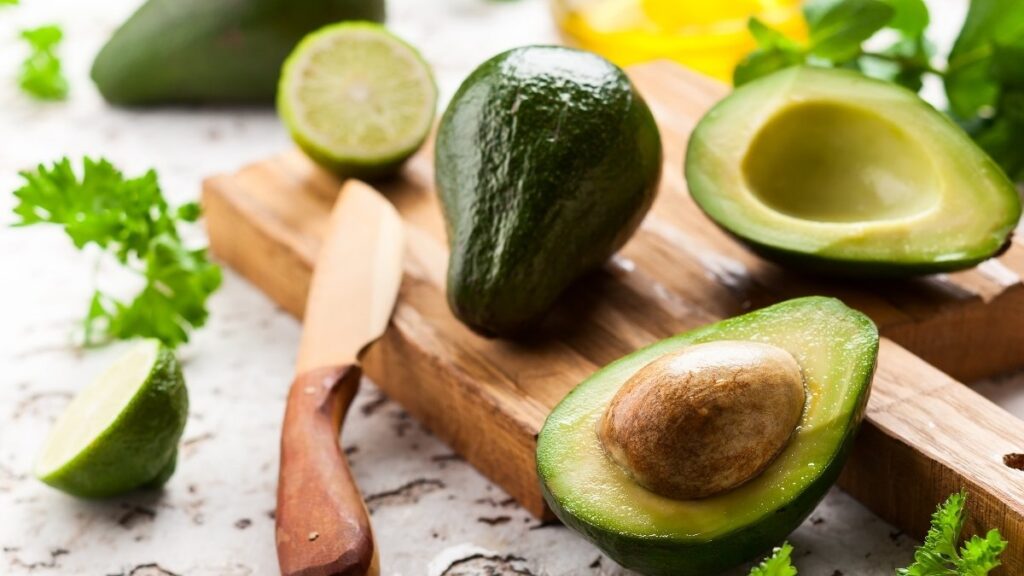
Avocados became smoothie staples because they make everything creamy and smooth. Food bloggers love promoting them for healthy fats. But for your kidneys, avocados are trouble.
One whole avocado packs 728 mg of potassium. That's nearly one third of a 2,000 mg daily CKD limit. Even if you think you're being smart and only using a quarter of an avocado, you're still adding 182 mg. And nobody stops there.
The real problem happens when you combine ingredients. A typical "healthy" smoothie recipe might call for avocado, banana, coconut water, and spinach. Do that and you're looking at over 2,000 mg of potassium in a single drink. That's your entire day's allowance gone before you've had breakfast.
For creaminess without the potassium hit, try half a cup of plain Greek yogurt at 141 mg. Frozen, steamed cauliflower works great at just 88 mg per half cup. You can even use a bit of coconut oil, which has zero potassium but still gives you that smooth, rich texture people love in smoothies.
Coconut Water: The 'Natural' Electrolyte Danger
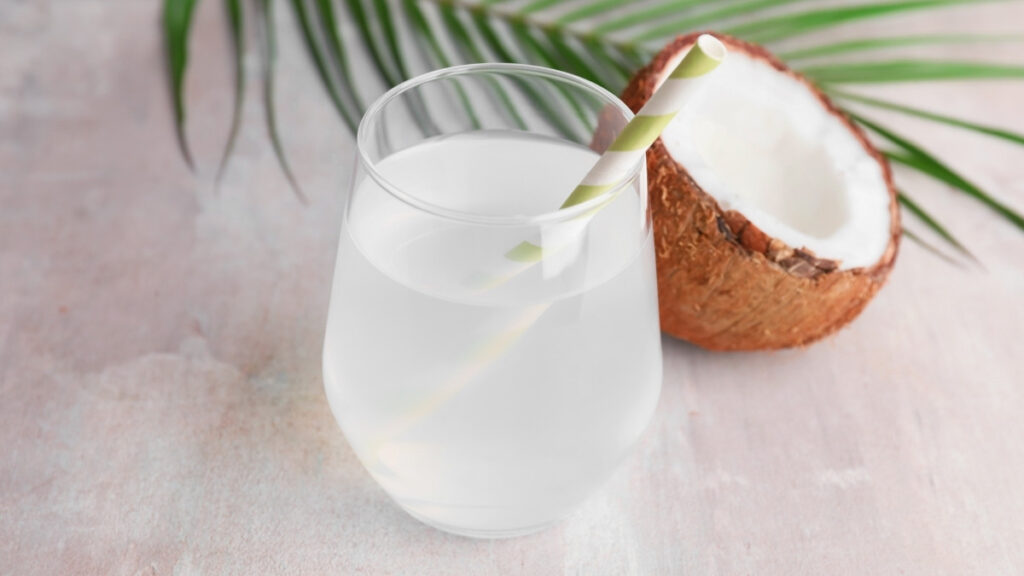
Marketing teams call coconut water "nature's sports drink." They push it as natural electrolyte replenishment after workouts. For people with healthy kidneys, that's fine. For CKD patients, it's a disaster waiting to happen.
Coconut water contains 600 mg of potassium per cup. That's more potassium than two medium bananas. Many smoothie recipes use one to two cups as the liquid base. Before you add any fruit, vegetables, or other ingredients, you're already at 600 to 1,200 mg of potassium just from the liquid.
Research published in the Journal of Renal Nutrition in 2023 confirms that coconut water contains approximately 500 to 600 mg of potassium per 8 oz serving. It has way more potassium than Gatorade or any commercial sports drink. The "natural" label doesn't make it safe for damaged kidneys.
Stick with plain water at 0 mg potassium. If you want some flavor, unsweetened almond milk has about 180 mg per cup. Rice milk is even better at just 60 mg per cup. These options give you the liquid base you need without flooding your system with potassium.
Coconut Milk: The Dairy Alternative Mistake
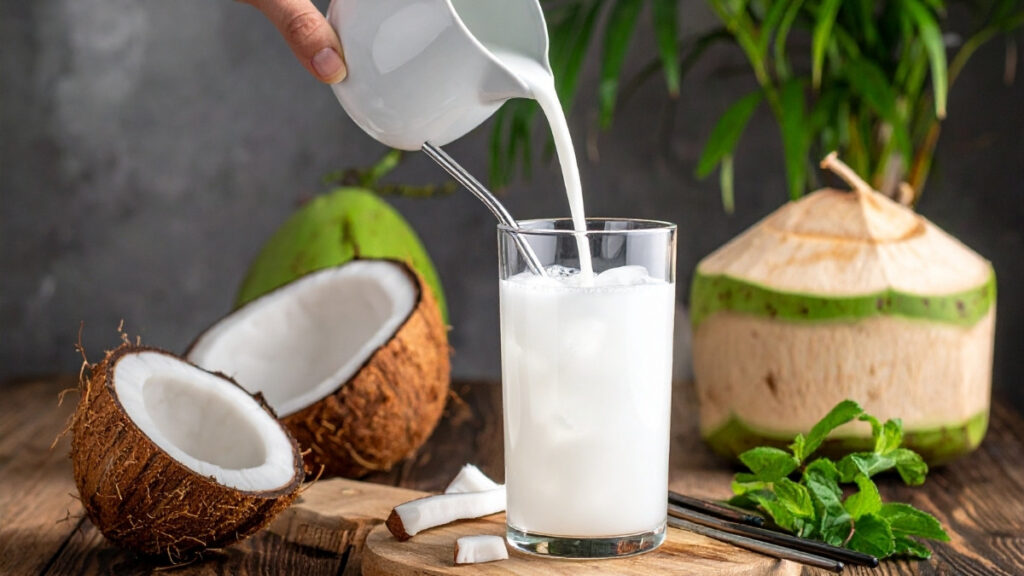
Don't confuse coconut milk with coconut water. They're different products. But both of them create problems for your kidneys. Coconut milk became popular as a dairy free option, especially the thick canned version that makes smoothies extra rich.
Canned coconut milk contains 400 to 500 mg of potassium per cup, depending on the brand. The confusion happens because smoothie recipes label it as a "healthy dairy alternative" without mentioning what it does to your kidneys. People assume anything plant based must be better, but that's not true when you have CKD.
Many recipes call for coconut milk to create that thick, milkshake-like consistency. But there's no warning about the potassium content. You might think you're making a smart choice by avoiding dairy, when actually you're loading up on potassium you can't handle.
Better dairy alternatives exist. Unsweetened almond milk stays at about 180 mg per cup. Rice milk drops even lower to 60 mg per cup. Macadamia nut milk is lowest of all at around 50 mg per cup. All of these work great in smoothies without the potassium punch.
Orange Juice: The Vitamin C Trap
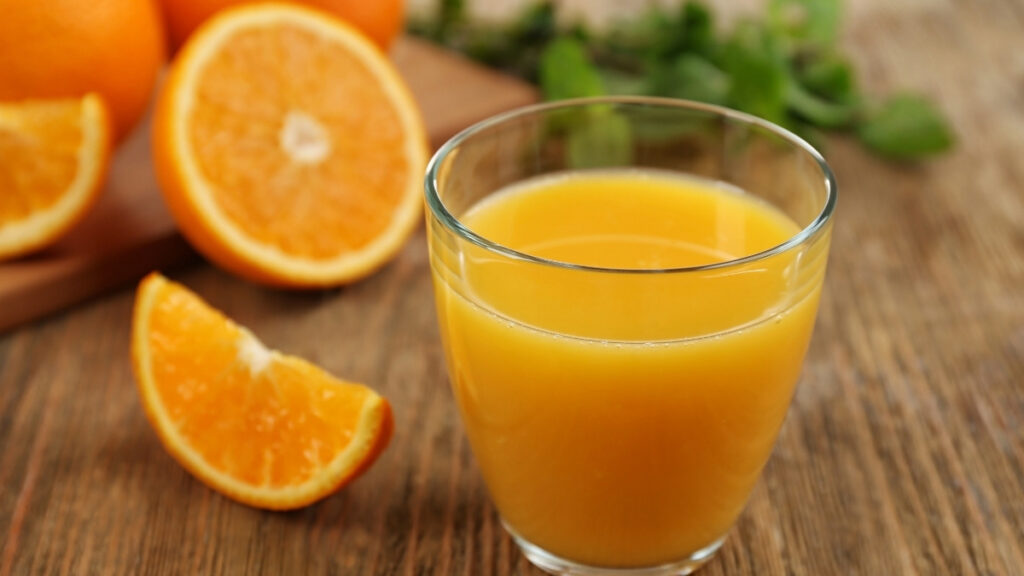
Orange juice built its reputation on vitamin C. Everyone thinks of it as the ultimate healthy breakfast drink. The "boosts immunity" claim drives people to add it to their morning smoothies. But that health halo hides a potassium problem.
One cup of orange juice contains 496 mg of potassium. That's a quarter of a 2,000 mg daily limit right there. The problem gets worse because juice is concentrated. When you drink a cup of OJ, you're consuming the potassium of three to four whole oranges without any of the fiber that might slow down absorption.
People often combine orange juice with banana for an "energy smoothie." Add those together and you're over 900 mg of potassium before you've added protein powder, nut butter, or any greens. By the time you finish blending, you could easily hit 1,500 mg in one drink.
Switch to apple juice if you want fruit juice flavor. It has 195 mg per cup. Cranberry juice drops way down to just 45 mg per cup. You can also use small amounts of lemon or lime juice for a bright, citrus taste without all the potassium.
Dates: The Natural Sweetener Disaster
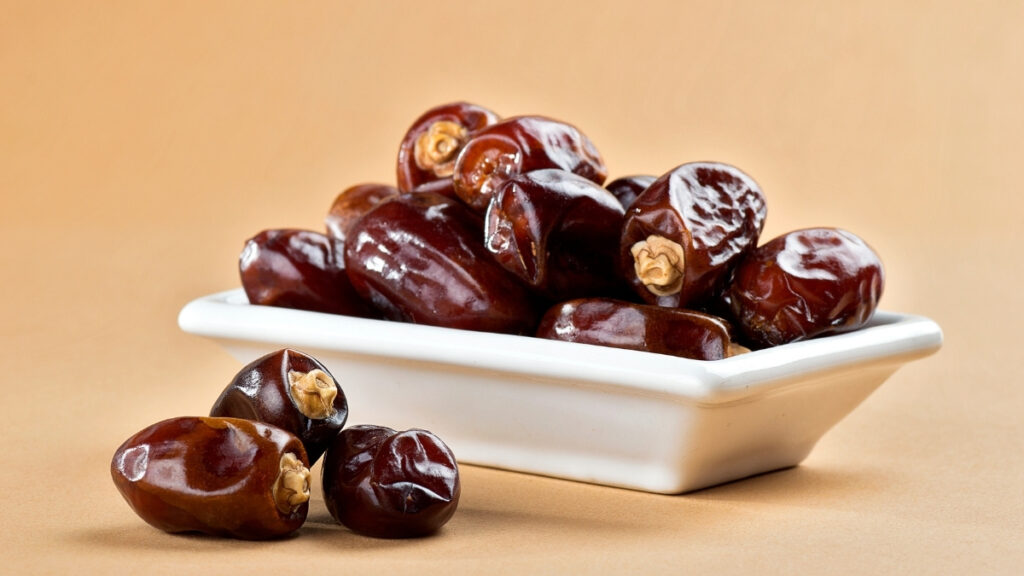
Health bloggers everywhere recommend dates as a natural sugar alternative. Instead of adding refined sugar to your smoothie, just throw in a few dates. Sounds great, right? But dried fruits concentrate everything, including potassium.
Half a cup of pitted dates, which is about 8 to 10 dates, contains 696 mg of potassium. Most smoothie recipes call for 3 to 5 dates. That's approximately 350 mg of potassium just from your "natural sweetener." When you combine dates with banana, nut butter, and coconut water, you can easily exceed 2,000 mg total.
The science behind this is simple. When fruit gets dehydrated to make dates, the water content drops but the nutrients stay concentrated. Fresh dates already have high potassium. Dried dates take that to another level. Food bloggers don't talk about this because they're focused on "clean eating" and avoiding processed sugar.
Use stevia instead. It has zero potassium. Small amounts of maple syrup work too, at just 21 mg per tablespoon. A dash of vanilla extract tricks your taste buds into perceiving more sweetness without adding any real sugar or potassium.
Protein Powder: The Hidden Variable
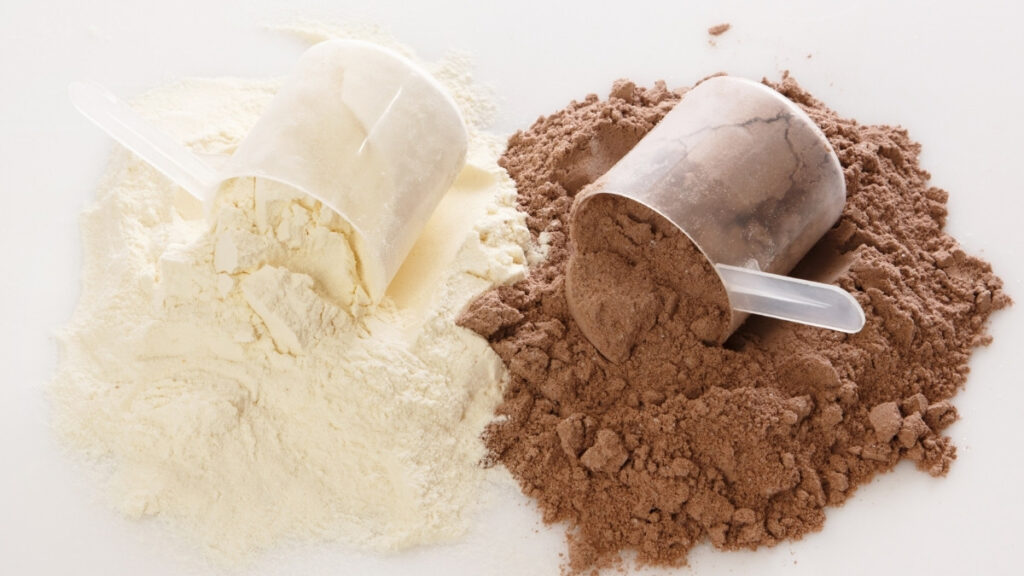
The fitness smoothie trend made protein powder a must have ingredient. You blend it in for muscle building and meal replacement. But here's the problem: potassium content varies wildly depending on what type of protein powder you buy.
A 2017 study in the Journal of Renal Nutrition found that some pea protein powders contain over 700 mg of potassium per serving. Other brands of whey protein isolate contain only 200 mg. That's a massive difference, and most smoothie recipes don't account for protein powder in their nutrition calculations at all.
You grab your favorite protein powder and add a scoop without thinking about it. Meanwhile, you could be adding anywhere from 200 to 800 mg of potassium to your drink. Since potassium content isn't usually highlighted on the front label, you have to flip the container around and read the nutrition facts carefully.
Always check the nutrition label before buying protein powder. Look for options with less than 200 mg of potassium per serving if you have CKD. Liquid egg whites work as an alternative at just 54 mg per quarter cup. Some whey isolate brands keep potassium low, but you have to do your homework and read every label.
Nut Butters: The 'Healthy Fat' Addition
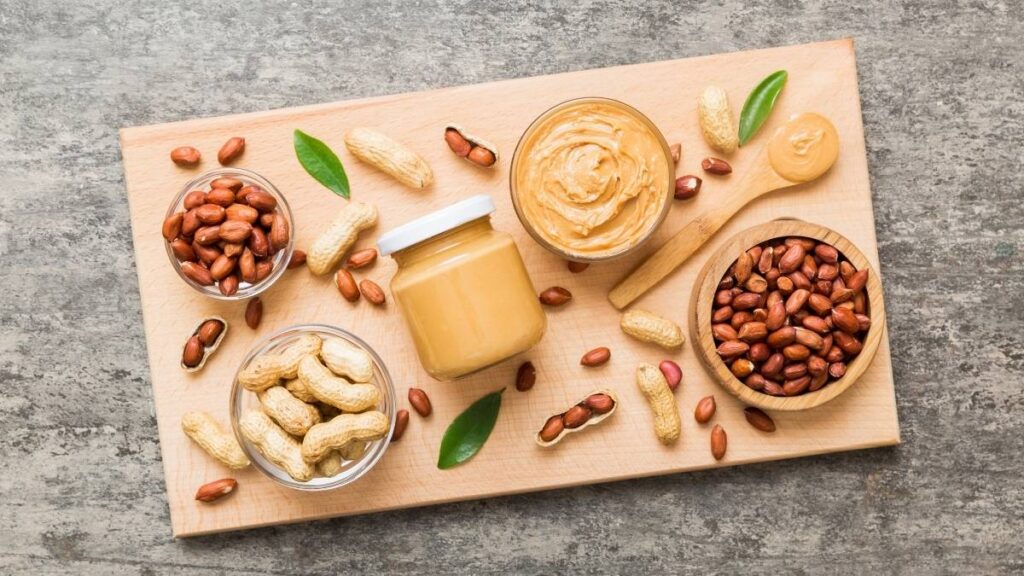
Nut butters make smoothies creamy, add protein, and help you feel full longer. They're promoted as healthy fats that everyone should eat. Two tablespoons of peanut butter contains 189 mg of potassium. Almond butter is higher at 240 mg for the same amount.
The issue is portion control. Most smoothie recipes don't call for just two tablespoons. They call for three to four tablespoons to get that rich, thick texture and nutty flavor. Now you're at 280 to 380 mg from nut butter alone. Add that to banana, spinach, and coconut water, and you're approaching dangerous potassium levels.
Peanut butter is technically acceptable in small amounts for CKD patients. The keyword there is small. One tablespoon is manageable. But people don't measure. They eyeball it and usually add way more than they think they're using.
Sunflower seed butter tends to be lower in potassium than almond or peanut butter. If you must use nut butter, stick to exactly one tablespoon and measure it with an actual measuring spoon. Or swap in coconut oil, which gives you fat and creaminess with zero potassium.
Tomatoes and Tomato Juice: The Savory Smoothie Danger
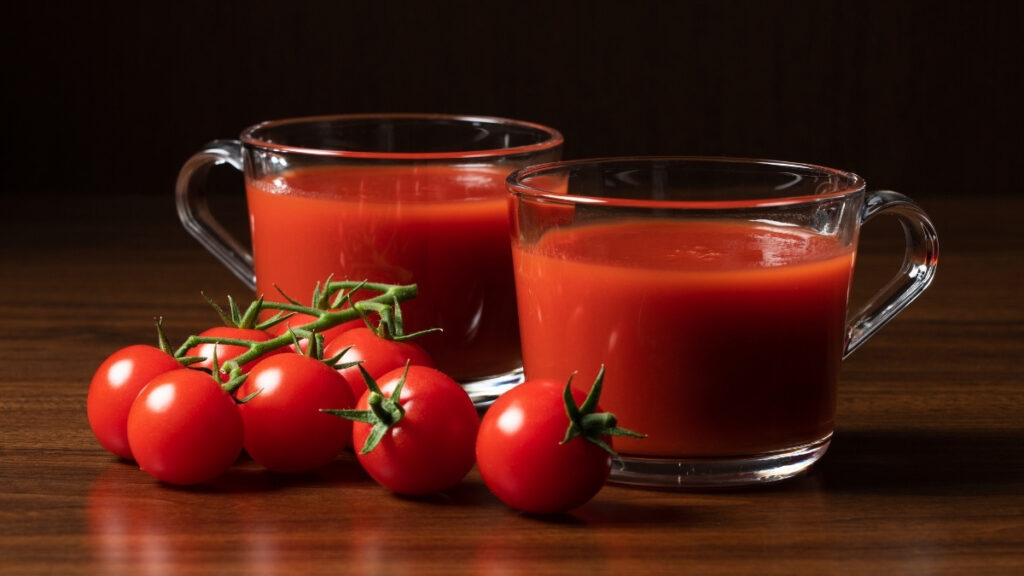
Savory green juice style smoothies often include tomatoes. People add them for lycopene, vitamin C, and that fresh vegetable flavor. One large tomato contains 431 mg of potassium. When you juice tomatoes, the potassium becomes even more concentrated.
Tomato juice delivers 556 mg per cup. The popular V8 vegetable juice that people add to savory smoothies contains 900 mg per 12 oz can. That's nearly half your daily allowance from one ingredient. And tomato based smoothies usually include other vegetables too, pushing the total even higher.
The trend of replacing sweet fruit smoothies with vegetable juice blends sounds healthy. But for kidney patients, swapping sugar for concentrated vegetable potassium isn't actually an improvement. You're trading one problem for a potentially more dangerous one.
Avoid tomato based smoothies entirely if you're on a potassium restriction. If you want a savory or tangy flavor, use small amounts of lemon juice instead. Cucumber adds freshness and body to savory drinks at just 76 mg per half cup.
Sweet Potato: The Breakfast Smoothie Trend
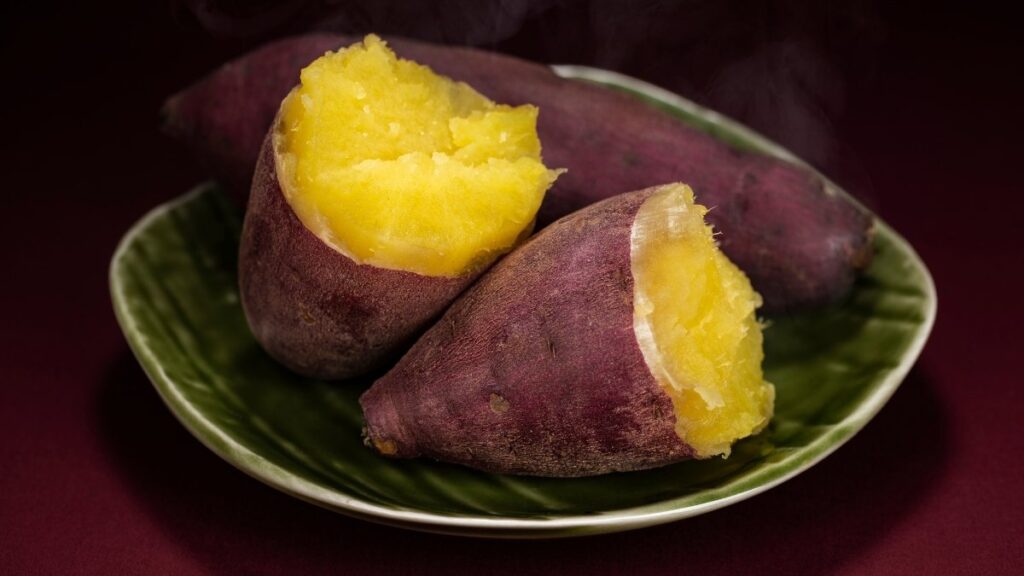
Sweet potato smoothies exploded on social media as a pie in a glass breakfast. Food bloggers roast sweet potatoes, freeze them in chunks, then blend them with dates, almond butter, and cinnamon. It tastes like pumpkin pie. But the potassium content is terrifying.
One medium sweet potato contains 542 mg of potassium. That's over one quarter of a CKD patient's daily allowance from a single ingredient. When you add dates for sweetness, almond butter for creaminess, and maybe some coconut milk, you can easily hit 1,500 mg or more in one drink.
The recipe sounds wholesome. Sweet potatoes are vegetables, after all. They're full of vitamins and fiber. But wholesome doesn't mean kidney safe. The naturally occurring potassium in sweet potatoes makes them a no go for people with advanced CKD, even though they're technically a healthy food.
Cauliflower works as a substitute. You can roast it and freeze it just like sweet potato. It gives you that thick, creamy texture when blended, but with only 88 mg per half cup. Small amounts of pumpkin puree can work too, at 181 mg per half cup, but use it sparingly.
Acai Berry Smoothie Packs: The 'Superfood' Marketing
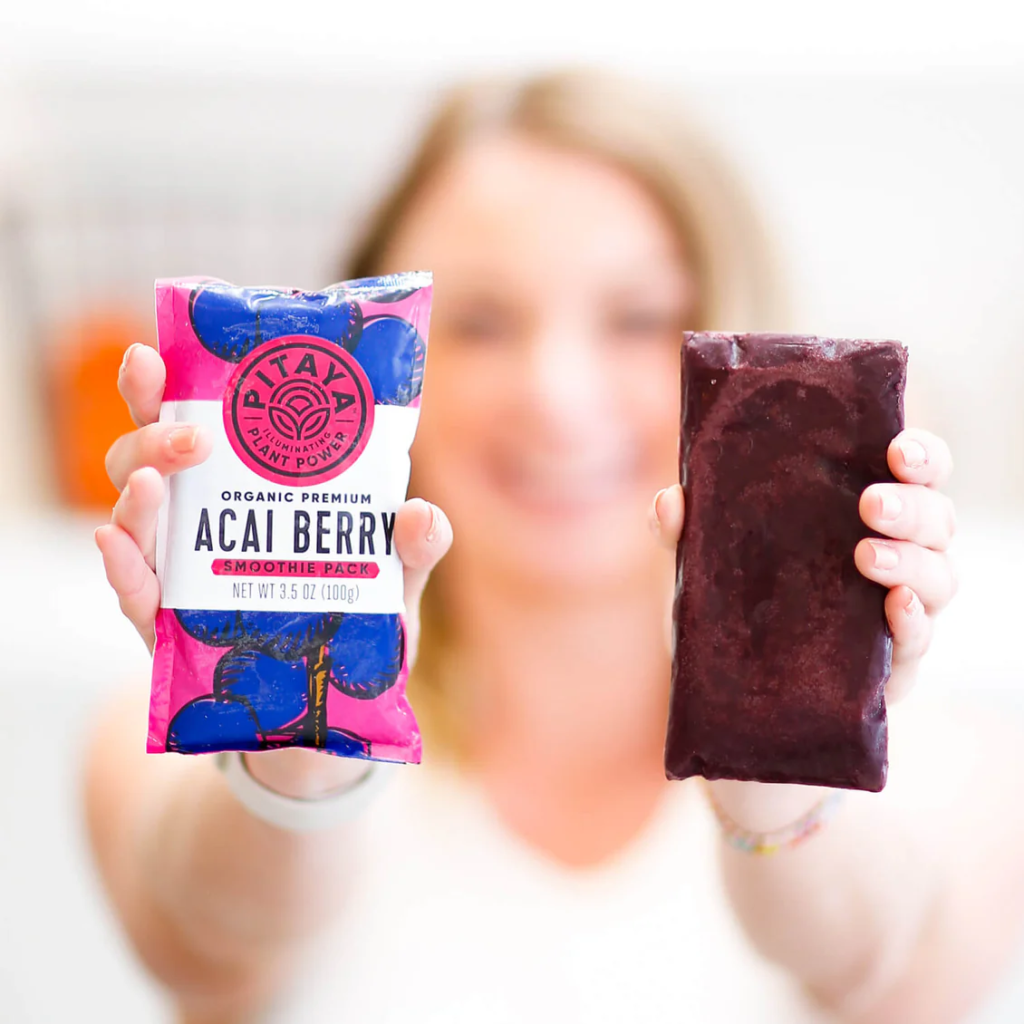
Acai bowls and smoothies come with massive health claims. They're marketed as antioxidant powerhouses that fight aging and boost energy. Instagram is full of purple acai bowls topped with fruit, granola, and coconut. They look beautiful. But for your kidneys, they're dangerous.
A typical 100 gram frozen acai pack contains approximately 319 mg of potassium. Most acai bowl recipes use at least one full pack, sometimes two. The danger multiplies when you add the common toppings: banana slices, granola that often contains dates, coconut flakes, and honey. The total easily exceeds 1,500 mg.
The superfood label makes people think acai is automatically good for them. Marketing companies spend millions promoting acai as exotic and beneficial. None of that marketing mentions kidney health or potassium content. People with CKD see "superfood" and assume it's safe.
Blueberry smoothies give you antioxidants too, at just 77 mg per half cup of blueberries. You can make a mixed berry combination with strawberries, raspberries, and blackberries. All of these berries provide health benefits without the extreme potassium load of acai.
Pre-Made 'Green Juice' or Smoothie Products: The Convenience Trap
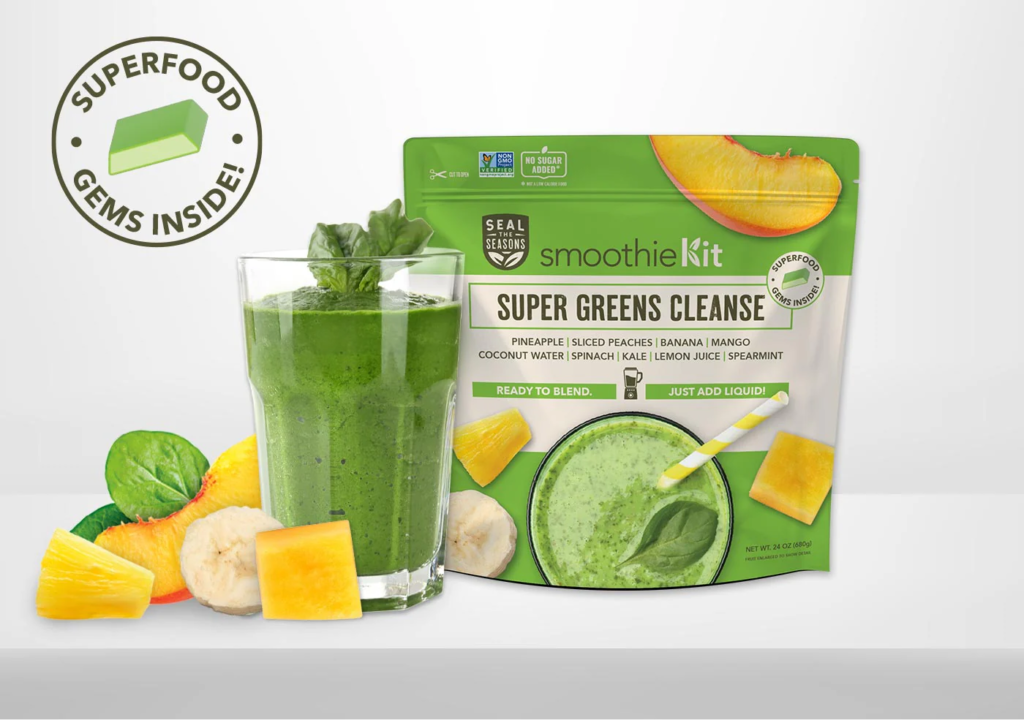
Pre made smoothies from Whole Foods, Smoothie King, and Jamba Juice seem like a healthy, quick option. The problem is these companies rarely list potassium content on their labels or menus. You have no idea what you're drinking.
Laboratory analysis of popular green juice products found potassium levels ranging from 800 to 1,200 mg per 16 oz bottle. That's potentially more than half a CKD patient's entire daily allowance in one drink. These products combine six to eight high potassium ingredients that you'd never put together yourself if you knew the numbers.
The National Kidney Foundation warns against consuming pre made vegetable juices without checking with a dietitian. But most people don't know this warning exists.
They grab a green juice from the refrigerator case thinking they're doing something good for their body. Meanwhile, their kidneys can't handle the potassium overload.
Never consume commercial smoothies or juices without asking the company for complete nutrition information including potassium content. Better yet, make your own smoothies at home with measured, low potassium ingredients. Or request a custom smoothie with only the safe ingredients you've verified yourself.
The Hidden Danger: Cumulative Potassium Load
Individual ingredients might seem moderate when you look at them one at a time. But combinations are deadly. This is where people get into real trouble with smoothies. They don't add up the total potassium from every single thing that goes into the blender.
Let's walk through a typical health blogger smoothie recipe. One banana gives you 450 mg. Add one cup of spinach for 167 mg. Toss in half an avocado for 364 mg. Use coconut water as your liquid base for 600 mg. Throw in two tablespoons of almond butter for 240 mg. Your total is 1,821 mg in one drink.
That calculation doesn't even account for your other meals throughout the day. You've consumed nearly your entire daily potassium allowance before you finish breakfast. What happens when you eat lunch and dinner?
Medical case studies document patients who consumed two of these smoothies daily. That's 3,600 mg from smoothies alone, before counting any solid food. According to the 2024 KDIGO Clinical Practice Guidelines, patients with stage 3 to 5 CKD should typically limit potassium to 2,000 to 3,000 mg daily depending on blood levels and medications.
Here's a day in the life example. You have your smoothie for breakfast at 1,800 mg. Lunch is a chicken breast with steamed vegetables for 600 mg. Dinner includes a piece of fish and some roasted potatoes for 800 mg. Your daily total hits 3,200 mg. You've gone over the safe limit, and you didn't eat anything most people would consider unhealthy or excessive.
Warning Signs You're Consuming Too Much Potassium
High potassium is sneaky. Early symptoms are subtle or completely absent. You might not feel anything wrong until your levels get dangerously high. This is why regular blood tests matter so much for anyone with kidney disease.
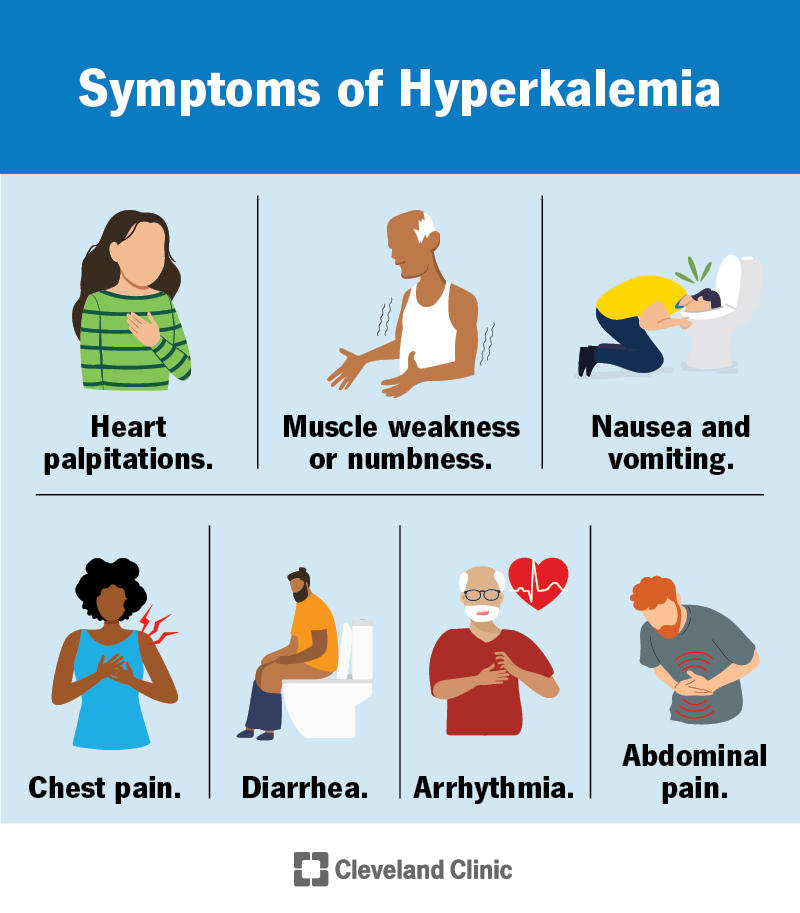
The first signs you might notice are nausea and vomiting. Some people experience muscle weakness, especially in their legs. You might feel unusually tired or unable to move around like normal. But these symptoms are vague and could be caused by lots of different things.
More serious warning signs include an irregular heartbeat or palpitations. You might feel like your heart is racing, skipping beats, or fluttering in your chest. Some people get shortness of breath or feel like they can't catch their breath. Chest pain is a medical emergency that requires immediate attention.
Numbness or tingling in your hands or feet can also signal high potassium. But here's the scary truth: high potassium rarely causes symptoms until levels are dangerously high, above 6.5 mEq/L. By the time you feel something, you might already be in serious trouble. This is why regular blood tests are essential for anyone with kidney disease.
Get your potassium levels checked every 3 to 6 months, depending on your CKD stage. Call 911 immediately for chest pain, severe weakness, or difficulty breathing.
Keep a food diary tracking your potassium intake so you can spot patterns before they become emergencies. According to the National Kidney Foundation, patients with stage 4 to 5 CKD have a 10 to 20% risk of hyperkalemia within any 12 month period. That's one in five to one in ten patients dealing with dangerously high potassium every single year.
How to Make Truly Kidney-Friendly Smoothies
You don't have to give up smoothies completely. You just need to build them differently. Start with a low potassium liquid base and choose your ingredients carefully. Control your portions and measure everything. This takes more effort than dumping stuff in a blender, but it protects your kidneys.
For your base liquid, use three quarters to one cup of unsweetened almond milk for 135 to 180 mg. Rice milk drops that even lower to 45 to 60 mg per three quarters to one cup. Plain ice and water give you zero potassium and work fine if you're using frozen fruit.
Pick one or two fruits and keep the total at three quarters of a cup maximum. Half a cup of blueberries adds just 77 mg. Half a cup of strawberries gives you 120 mg. Raspberries clock in at 93 mg per half cup. A small peeled apple has about 90 mg. Half a cup of pineapple also hits 90 mg.
You can add one optional ingredient for protein or creaminess, but choose carefully. One tablespoon of peanut butter adds 95 mg. Half a cup of plain Greek yogurt has 141 mg.
A quarter cup of frozen, steamed cauliflower brings just 44 mg and makes your smoothie thick and creamy. For sweetness, use stevia at 0 mg or one teaspoon of vanilla extract at 1 mg.
What Nephrologists Want You to Know
Not every person with CKD needs strict potassium restriction. Your individual situation matters more than general rules. Early stage CKD, particularly stage 1 or 2, usually means your kidneys still handle potassium normally. You might not need to change anything about your diet yet.
Stage 3 and above typically requires closer monitoring. But even then, your actual lab values matter more than your stage alone. Some stage 3 patients have perfect potassium levels and don't need restrictions. Others need to watch intake carefully.
Medication interactions play a huge role in how your body handles potassium. ACE inhibitors, ARBs, and potassium sparing diuretics all make your body hold onto more potassium. If you take any of these medications, you're at higher risk even if your kidney function isn't terrible yet.
According to the latest KDIGO 2024 guidelines, potassium management should be individualized based on serum potassium levels, GFR, and medication regimen rather than CKD stage alone. Cookie cutter advice doesn't work because everyone's kidneys function differently.
Before you drastically change your diet, consult with your nephrologist. Work with a registered renal dietitian who specializes in kidney disease. The goal is balance, not living in fear of food. You need guidance tailored to your specific lab results, medications, and health history.
You should definitely seek professional help if you've been diagnosed with CKD stage 3 or higher. Anyone taking medications that affect potassium needs monitoring. People with diabetes or heart disease need extra attention to kidney health. If you have a family history of kidney disease, get checked regularly even if you feel fine.
Conclusion
Smoothies can be dangerously high in potassium for people with chronic kidney disease. The common health food ingredients everyone recommends are often the biggest culprits.
One smoothie can easily contain an entire day's worth of potassium allowance. When you combine high potassium ingredients together, the risk multiplies fast. But low potassium alternatives do exist if you know what to look for.
If you have kidney disease or are at risk due to diabetes, high blood pressure, or family history, take these three steps today. First, schedule a blood test to check your potassium levels and kidney function.
Second, review your current diet using the guidelines above. You might be surprised when you add up your daily potassium intake. Third, consult a registered renal dietitian who can create a personalized plan that protects your kidneys without sacrificing nutrition or enjoyment.
Managing chronic kidney disease doesn't mean giving up smoothies entirely. It means making informed choices about ingredients, portions, and timing. Measure what goes into your blender.
Track your intake throughout the day. Work with healthcare professionals who understand your specific needs. Your kidneys will thank you for taking these simple but critical steps to protect them.