
I Wore a Glucose Monitor as a Non-Diabetic—My Favorite “Healthy” Snack Was Spiking My Sugar
Jake thought he was doing everything right steel-cut oats with berries for breakfast, fruit smoothies post-workout, Greek yogurt as an afternoon pick-me-up. Yet by 10 AM, he’d crash into brain fog. By 2 PM, irritability kicked in. By 4 PM, he’d raid the office vending machine despite his best intentions.
When Jake strapped on a continuous glucose monitor for two weeks, the data revealed a shocking truth: his “healthy” breakfast was spiking his blood sugar higher than a glazed donut. He wasn’t lazy or undisciplined he was riding a glucose rollercoaster that sabotaged his energy, focus, and willpower all day long.
The Glucose Rollercoaster 🎢
Click “NEXT” to see how Jake fixed his blood sugar crashes!
1. The “Healthy” Fake-Out
Jake ate instant oats, honey, and a banana thinking it was perfect. His monitor showed a massive spike to 182 mg/dL followed by a hard crash to 78 mg/dL. Cue the 10 AM brain fog!
What Jake Discovered When He Wore a Glucose Monitor for Two Weeks
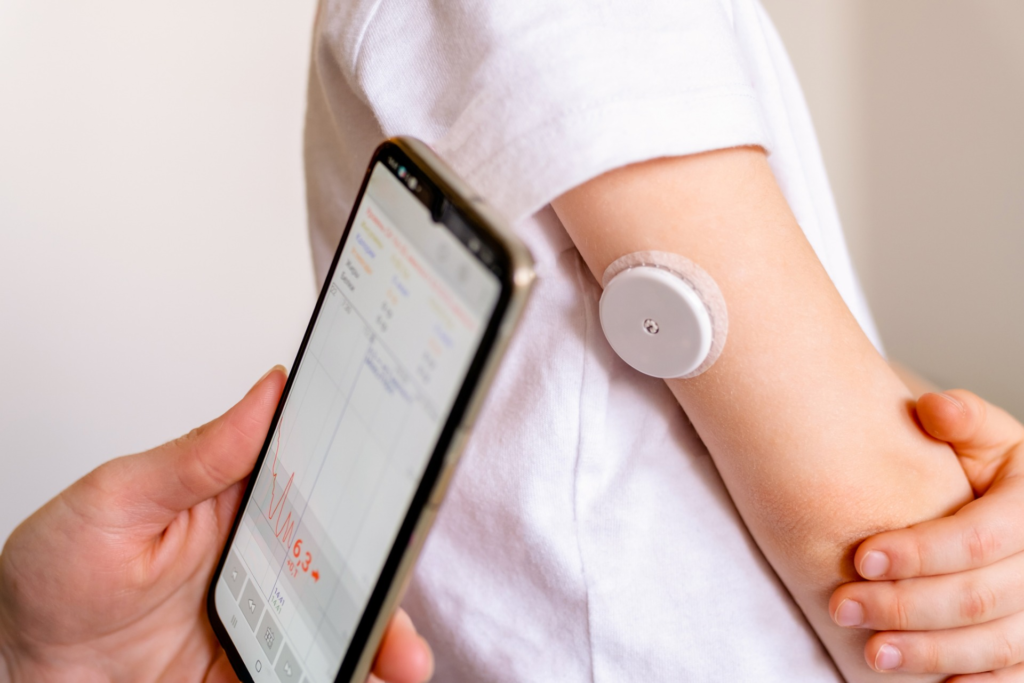
Jake thought his breakfast was perfect. Half a cup of instant oats with skim milk, a drizzle of honey, and a banana. He’d been eating this “healthy” meal for years. But when he strapped on a continuous glucose monitor, the numbers told a different story.
His blood sugar spiked from 95 mg/dL to 182 mg/dL in just 45 minutes. Then it crashed hard, dropping to 78 mg/dL by the 90-minute mark. No wonder he felt foggy and desperate for coffee by 10 AM. When Jake switched to steel-cut oats with full-fat Greek yogurt, almond butter, and berries, his glucose only climbed to 118 mg/dL. More importantly, it stayed steady. No crash. No brain fog.
Key Insights:
- Normal glucose range: 70-140 mg/dL for healthy adults
- Instant oatmeal caused 104-point spike in Jake’s case
- Glucose peaks typically happen 30-60 minutes after eating
- The crash matters more than the spike for how you feel
The data was clear. Jake’s go-to breakfast wasn’t fueling his morning. It was sabotaging it.
The Surprising Truth About “Healthy” Foods and Blood Sugar
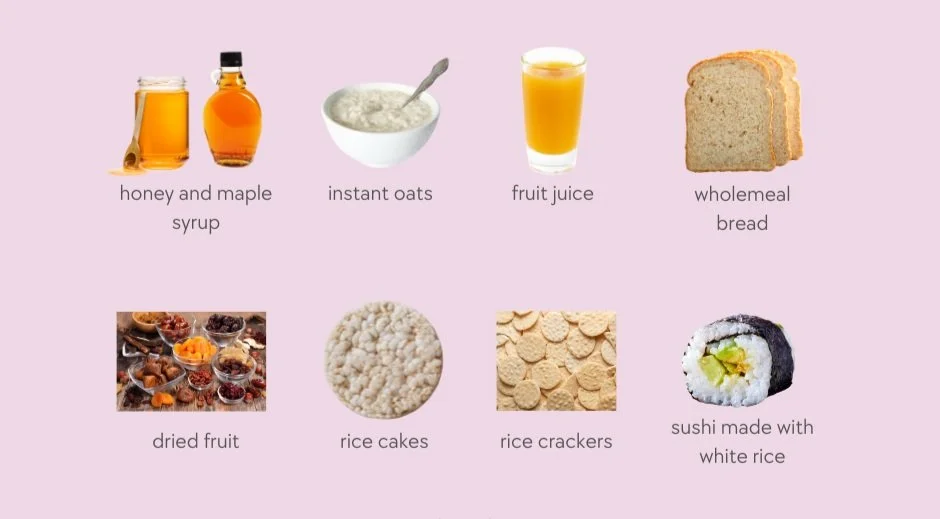
Here’s what the food industry doesn’t tell you. The glycemic index is useful, but it doesn’t predict how YOUR body will respond. A 2015 study from the Weizmann Institute found that people have wildly different blood sugar reactions to the same foods. What spikes your coworker might barely affect you.
This explains why your “healthy” diet might leave you exhausted. Low-fat yogurt, dried fruit, and whole wheat bread all wear health halos. But for many people, these foods trigger glucose spikes worse than obvious junk food. The problem isn’t always what you eat. Sometimes it’s how the food is processed.
Foods That Fool You:
- Instant oatmeal vs. steel-cut (GI scores: 79-83 vs. 42-53)
- Fruit smoothies without protein or fat
- “Healthy” granola loaded with dried fruit
- Rice cakes eaten alone
- Low-fat yogurt with hidden sugars
- Dried fruit in large portions
- Bananas without protein pairing
- Whole wheat bread without healthy fats
The Processing Trap:
Steel-cut oats have intact fiber that slows digestion. Instant oats are pulverized, stripped of that protective barrier. Your body absorbs them almost as fast as sugar. Same grain, completely different effect on your blood sugar.
Three Science-Backed Strategies Jake Used to Flatten His Glucose Spikes
Strategy #1: Never Eat Carbs Alone
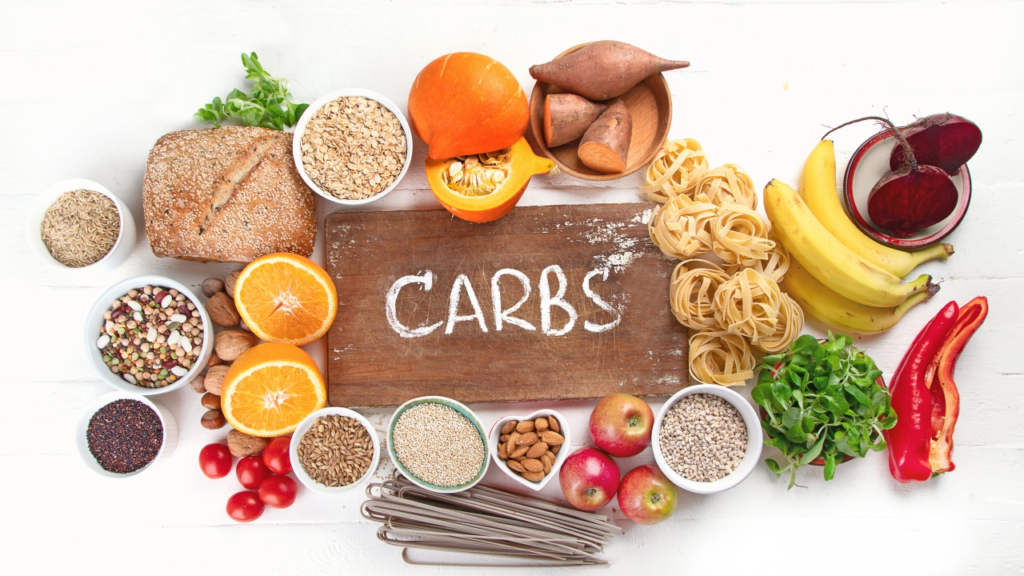
Your body processes carbs differently when you pair them with other foods. Protein, fat, and fiber act like speed bumps for glucose absorption. They slow down how fast sugar hits your bloodstream.
Research backs this up. Adding 50g of protein to a carb-heavy meal decreased blood sugar spikes by 26% in a 2017 study. You don’t need to become a nutritionist. Just stop eating carbs by themselves.
Smart Pairings:
- Apple + 2 tablespoons almond butter (not just the apple)
- Toast + avocado + egg (not just toast)
- Pasta + ground turkey + broccoli + olive oil
- Oatmeal + Greek yogurt + chia seeds + nuts
Strategy #2: Eat in the Right Order

This sounds too simple to work. But eating your vegetables and protein before your carbs can reduce glucose spikes by over 40%. A 2023 study on people with prediabetes confirmed it. Same meal, different order, dramatically different blood sugar response.
The science is straightforward. Protein and fiber in your stomach slow down carb absorption. They create a physical barrier. Your body has to work through the vegetables and protein before it gets to the rice or bread.
The Sequence:
- Start with salad or non-starchy vegetables
- Eat your protein next (meat, fish, tofu, beans)
- Finish with your carbs (rice, pasta, bread, fruit)
- Wait 10+ minutes between courses if you can
Strategy #3: Take a 10-Minute Walk After Meals

This is the easiest hack Jake found. A short walk right after eating pulled glucose out of his bloodstream and into his muscles. A July 2025 study showed that a 10-minute post-meal walk dropped peak glucose from 181.9 to 164.3 mg/dL.
Walking immediately after eating works better than walking 30 minutes later. Your muscles soak up the glucose like a sponge when they’re active. You don’t need a full workout. Light movement counts.
Easy Options:
- Walk around the block after lunch
- Do dishes or light housework
- Take the stairs at work
- Walk and talk during phone calls
- Aim for light to moderate pace
Jake used all three strategies together. His afternoon energy crashes stopped within a week. His constant cravings disappeared within two weeks. The monitor showed what his body already felt: stable glucose meant stable energy.
Should You Try a Continuous Glucose Monitor? What You Need to Know
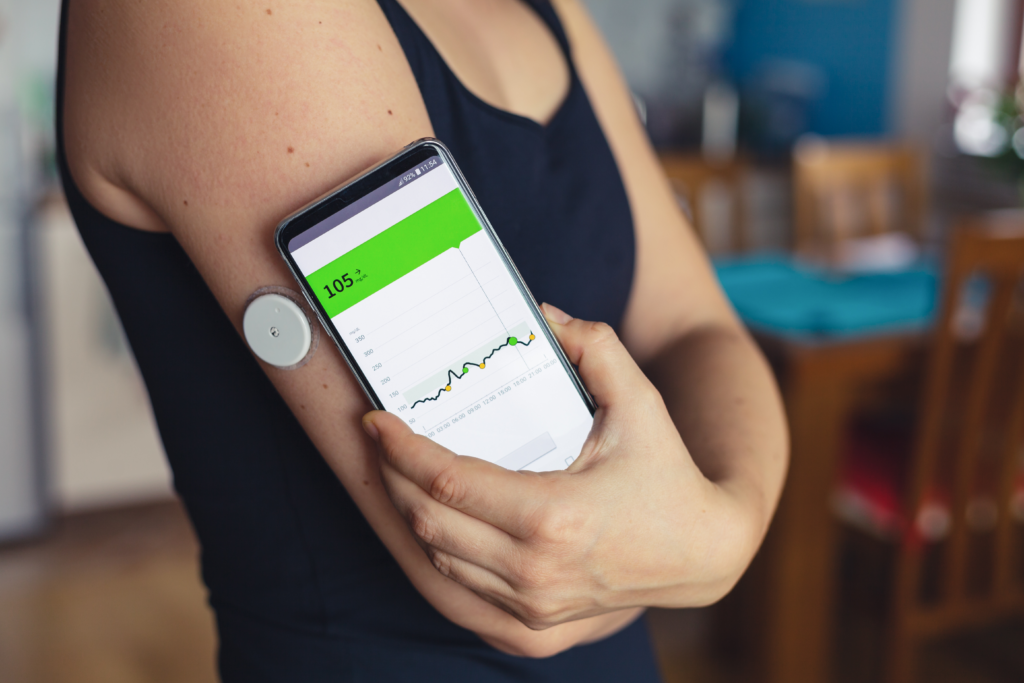
Glucose monitors aren’t just for diabetics anymore. In 2024, the FDA approved several over-the-counter options. You can buy them online and stick them on your arm. No prescription needed. They track your blood sugar 24/7 for up to two weeks.
But they’re not cheap, and they’re not for everyone. A single sensor costs between $49-99 and lasts 14-15 days. If you want coaching or app insights, programs like Nutrisense or Levels charge $199-399 per month. That’s a lot of money for data you might not need long-term.
Your Options in 2026:
Over-the-Counter (No Prescription):
- Dexcom Stelo: $89-99 for two 15-day sensors
- Abbott Lingo: $49 per 14-day sensor
- Freestyle Libre Rio: Budget-friendly, 14-day wear
With Coaching Programs:
- Nutrisense: Stelo + dietitian support, $199-349/month
- Levels: AI insights + CGM, $299-399/month
- Signos: Weight-loss focus, $289-399/month
Who Gets the Most Value:
- People with prediabetes (that’s 48% of adults over 65)
- Anyone dealing with unexplained energy crashes
- Athletes fine-tuning their performance
- People with diabetes running in the family
- Those eating “healthy” but still struggling with weight
Who Should Skip It:
- People prone to health anxiety
- Anyone with a history of disordered eating
- Those who obsess over perfect numbers
- People expecting it to solve everything instantly
Important Reality Check:
Johns Hopkins researchers noted in January 2026 that we don’t actually know if monitoring glucose improves health in non-diabetics. Use a CGM as a learning tool for 2-4 weeks. Don’t make it a permanent tracking obsession. Get your insights, adjust your habits, and move on.
Jake’s Results: 4 Weeks After Implementing CGM-Guided Changes
Jake didn’t need the monitor forever. Two weeks of data gave him a lifetime of knowledge about his body’s responses. Four weeks after making changes, the improvements were obvious.
His morning brain fog vanished. The 3 PM energy crash that used to send him hunting for coffee and snacks stopped happening. His sleep improved because stable blood sugar meant stable sleep hormones. He lost 8 pounds without counting a single calorie. When your glucose stays steady, your body stores less fat.
Measurable Improvements:
- Morning energy: 4/10 → 8/10
- Afternoon crashes: Daily → Rare
- Constant cravings: Gone
- Better sleep quality
- No more 3 PM coffee dependency
- Lost 8 pounds without dieting
The Real Win:
Jake didn’t give up his favorite foods. He just learned to eat them smarter. Oatmeal wasn’t the enemy. Instant oatmeal eaten alone was. With a few strategic tweaks, he could enjoy everything he loved without the energy roller coaster.
Take Control of Your Energy
“Healthy” foods aren’t one-size-fits-all. Your body responds differently than someone else’s. The three strategies that worked for Jake are backed by solid research: pair your carbs with protein and fat, eat in the right order, and move after meals.
You don’t need a glucose monitor forever. Just long enough to see your body’s patterns. Start with one simple change today: add protein and fat to your next carb-heavy meal. Notice how you feel 90 minutes later. That awareness is your first step toward stable energy.
Your Next Move:
Whether you strap on a continuous glucose monitor or just apply these proven strategies, the goal is the same. Stable glucose means stable energy and a metabolism that works with you, not against you. You’ve got the knowledge now. Time to use it.