
I Went 100% Plant-Based for a Year—My Energy Skyrocketed, But My Blood Tests Shocked My Doctor
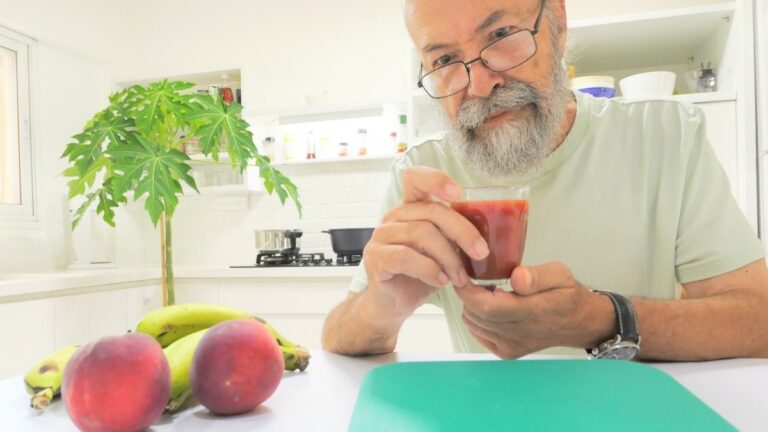
My doctor stared at my bloodwork, looked up at me, and said some of it was great and some of it was interesting. After a full year of going plant-based, I felt better than I had in my 30s.
But my blood test results told a more complicated story. If you are vegan or considering it, you have probably wondered whether you are secretly running low on critical nutrients.
This article shares exactly which numbers improved, which ones shocked my doctor, the five most common bloodwork surprises for plant-based eaters, and what to test, supplement, and watch for nutrient deficiencies in 2026.
Plant-Based Bloodwork
LDL Cholesterol
Dropped into the ideal range in 5 months. Doctor thought I was on a statin! Soluble fiber and phytosterols actively block cholesterol absorption.
The Energy Was Real. Here's What the Science Actually Says

The energy wasn't a placebo. I could feel it, and it turns out, the science can explain exactly why.
Within the first few weeks, something shifted. My digestion felt cleaner. Sleep got deeper. And the afternoon crash I had lived with for years? Gone. I figured it was just the excitement of trying something new. But it kept going. Month after month.
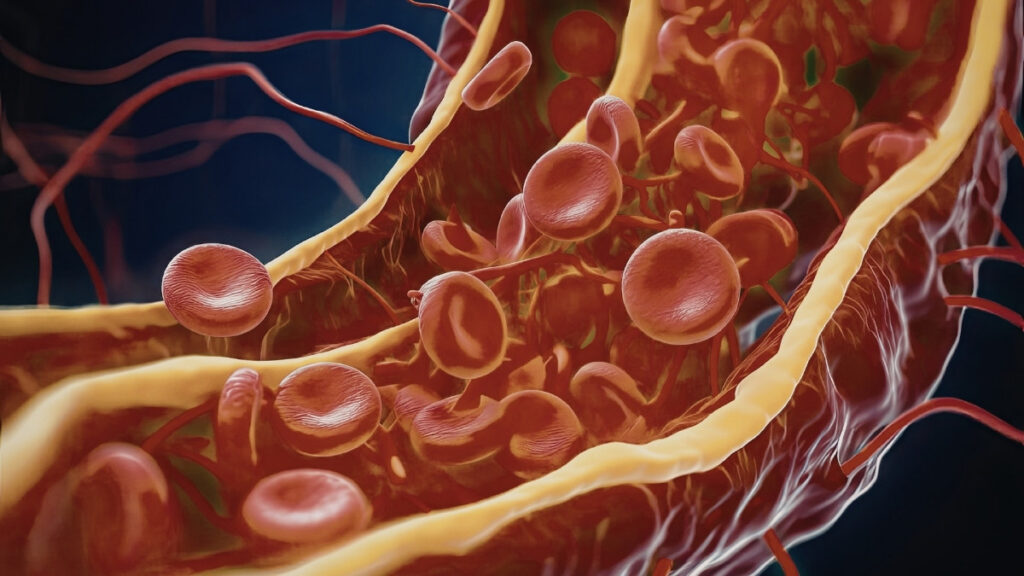
When you cut saturated fat and load up on fiber, two big things change. First, your circulation improves. Less saturated fat means less LDL cholesterol clogging your arteries, which means blood moves better. Better blood flow equals more oxygen delivered to your cells. More oxygen equals more energy. It is that simple.
That spike-and-crash pattern is called poor insulin sensitivity. When your insulin is not working well, your blood sugar swings up fast after eating and drops hard an hour later. That drop is why you feel like sleeping at your desk.
There is also the inflammation piece. Chronic, low-grade inflammation quietly drains your energy. The key marker doctors use to measure it is called hs-CRP, which stands for high-sensitivity C-reactive protein.
Think of CRP as your body's fire alarm. When inflammation is high, the alarm is always going off in the background, burning energy your body could be using for other things. A whole food plant-based diet is one of the most effective ways to turn down that alarm.
And a 2025 systematic review found that people on vegan diets lost an average of 10.37 kg in body weight and dropped LDL by 0.44 mmol/L. The biggest improvements showed up in people who already had metabolic syndrome or Type 2 diabetes.
The "Good Shock": What My Bloodwork Actually Improved
LDL and Total Cholesterol
My LDL dropped into the ideal range within about five months. My doctor said it looked like I had been on a statin. I was not.
The reason it dropped comes down to three things working together: less saturated fat coming in, more soluble fiber soaking up cholesterol in the gut, and phytosterols from plants actively blocking cholesterol absorption. Foods like oats, flaxseeds, and beans are all doing this work quietly every time you eat them.
Inflammation Markers
My hs-CRP came down noticeably. Lower CRP is directly linked to lower risk of cardiovascular events, including heart attack and stroke. This was not a small deal. Chronic inflammation is the root of so many diseases, and plant foods are among the best tools we have to fight it.
Blood Sugar and HbA1c
HbA1c is a 3-month average of your blood sugar. Mine improved. This lines up with what the 2025 meta-analysis found: HbA1c dropped by an average of 0.17% across vegan intervention groups. That number sounds small, but for someone on the edge of pre-diabetes, it can mean the difference between medication and not.
Blood Pressure
Consistently, studies show that people eating plant-rich diets have lower blood pressure than matched groups eating meat. Mine followed that pattern. A 2025 review by Plant Based Health Professionals UK confirmed that plant-rich diets are among the most reliable contributors to better blood pressure, blood lipids, BMI, and glucose control.
Weight
I did not go plant-based to lose weight. But I did lose some, without counting a single calorie. Whole plant foods are naturally lower in caloric density, meaning you eat a large volume of food and feel full while taking in fewer total calories. The weight shift was a side effect, not the goal.
The "Bad Shock": What My Blood Tests Also Revealed (And Why It Surprised Me)
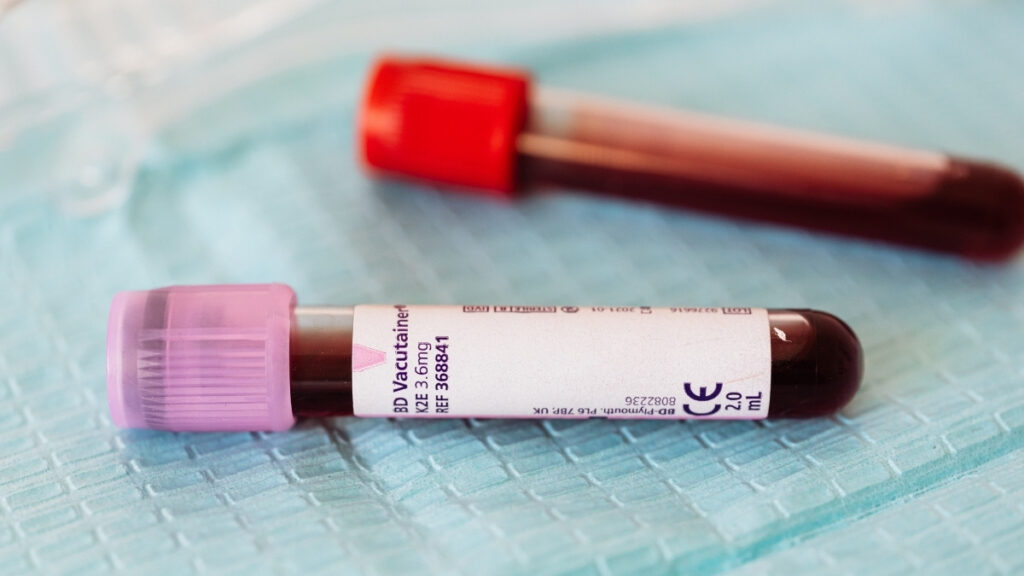
This is the part nobody talks about. I went in feeling great. Energy was up. Weight was down. I was genuinely proud of what I had built over 12 months. And then my doctor started pointing to three flagged results on my lab printout.
Flag 1: High Creatinine
My creatinine was elevated. Creatinine is a waste product your kidneys filter out. When it is high, it can signal kidney stress. My doctor asked if I had been eating a lot of meat. I had not touched meat in a year. Then she asked a smarter question: "Are you taking creatine?"
Yes. I was taking creatine powder before workouts, which I had been doing for months to support muscle performance. Creatine breaks down in your body into creatinine. So my kidneys were fine. My lab result looked alarming because of a supplement, not a disease.
This is extremely common and rarely talked about. If you take creatine and your creatinine comes back high, tell your doctor before they send you for a kidney ultrasound.
Flag 2: Excess B12
My B12 was sky high. Not just in range. Off the chart high.
Here is what I had been doing: I started taking a B12 supplement when I went plant-based, which is absolutely the right move. But then I started taking a new multivitamin that also contained B12. And I was eating fortified foods daily on top of that. I had tripled up without realizing it.
Too much B12 is rarely dangerous, but very high B12 in blood tests can sometimes be a flag for other conditions. My doctor ordered follow-up tests. Everything turned out fine, but it cost time and caused stress. The lesson: if your multivitamin already has B12, do not add a separate B12 supplement unless your test results show you need it.
Flag 3: High Sodium
This one genuinely surprised me. I thought I was eating clean. I was not eating chips or fast food. But my sodium was high. Then I counted it up.
I was eating six flour tortillas a day. Each one contained about 25% of the daily value for sodium. Six tortillas alone was 150% of my daily sodium limit, before I added canned beans, veggie deli slices, or plant-based sauces. Hidden sodium in "healthy" plant foods is one of the most overlooked problems in plant-based eating.
The fix was simple. I switched to cooking dry beans in an Instant Pot instead of using canned. I started reading every label. And I cut back on tortillas. Within a few months, my sodium levels normalized.
The Real Deficiencies That Can Quietly Develop
Beyond my three personal flags, there are genuine nutrient gaps that plant-based eaters face. Even when you feel great, these can be building up below the surface.
Vitamin B12 is the big one. Average B12 intake among vegans is just 0.24 to 0.49 micrograms per day. The recommended amount is 2.4 micrograms. That is a massive gap. Supplementation is not optional. It is essential.
Vitamin D is widespread in the U.S. regardless of diet, but plant-based eaters are particularly at risk if they avoid fortified dairy and do not get regular sun exposure.
Omega-3 fatty acids, specifically EPA and DHA, are the forms your brain and heart actually need. ALA from flax and chia seeds converts to EPA and DHA at a rate of only about 5 to 10%. That is not enough. Algae-based supplements fill this gap cleanly.
Iodine is the most forgotten nutrient in plant-based eating. If you use sea salt or Himalayan salt instead of iodized table salt, you are likely getting almost no iodine. Low iodine can quietly reduce thyroid function over time.
Iron, specifically ferritin (your iron stores), is worth testing even if your energy is good. New 2025 research suggests that long-term vegans may actually absorb non-heme iron better over time as the body adapts. But ferritin levels can still be low, and it is worth checking annually.
Homocysteine is an often-missed marker. Elevated homocysteine can show up in people with early B12 or B6 deficiency, even when a standard B12 blood test looks normal. It is worth asking your doctor to include it.
The real takeaway from my three flagged results? Two of them were caused by over-supplementing, not by any flaw in the diet itself. I had panic-supplemented my way into a mess. The irony was real.
The 6 Blood Tests Every Plant-Based Eater Should Get Annually
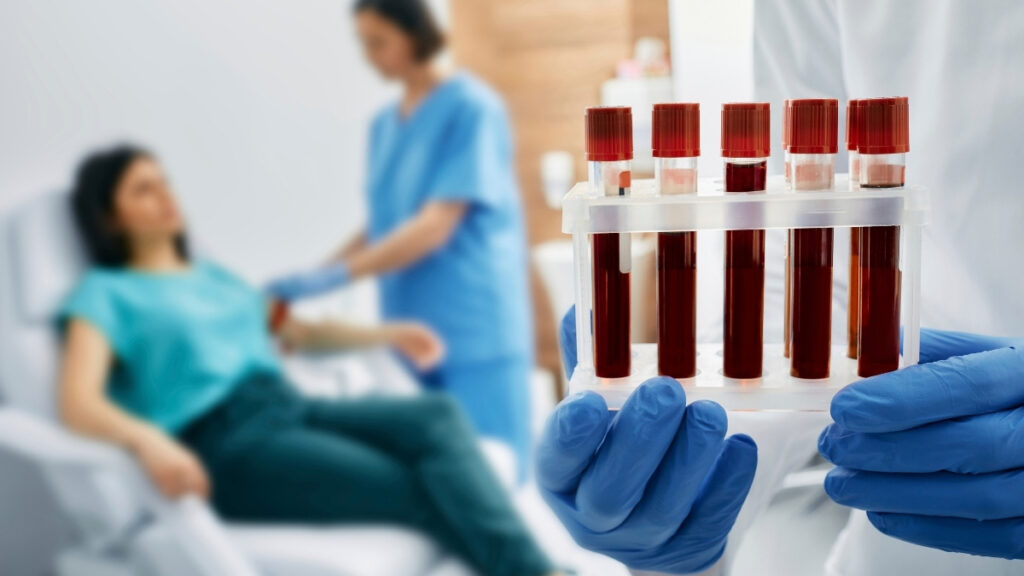
You can feel great and still have a problem building quietly. These six tests are your early warning system.
1. Vitamin B12 Plus Methylmalonic Acid (MMA)
A standard B12 blood test can show normal or even high levels even when your body is actually B12 deficient at the cellular level. MMA, tested alongside homocysteine and serum B12, gives a much more accurate picture. Ask for MMA at least once to set a baseline. Most standard panels do not include it.
2. Vitamin D (25-Hydroxy D)
Aim for a level between 40 and 60 ng/mL. Most plant-based people need between 2,000 and 4,000 IU per day of D3 from lichen, which is a fully vegan source. Test in autumn and winter when levels naturally drop.
3. Ferritin Plus Hemoglobin
Hemoglobin can look normal while ferritin (your stored iron) is running low. Test both. Pair iron-rich foods like lentils and beans with vitamin C sources at the same meal to boost absorption significantly.
4. Omega-3 Index
This test measures EPA and DHA as a percentage of your red blood cell fatty acids. You want to be above 8%. Most people eating no fish are well below that. Algae-based omega-3 supplements are the plant-based solution.
5. Homocysteine
This is an early warning marker for B12 and B6 deficiency. Target below 10 micromoles per liter. Many GPs do not include it in a standard panel. Ask specifically.
6. TSH (Thyroid-Stimulating Hormone)
If your iodine intake is low, your thyroid can start to struggle. TSH measures how hard your body is pushing the thyroid to function. This is especially relevant if you use sea salt exclusively and eat no seaweed.
Two bonus tests worth considering are zinc and calcium, especially if you rely heavily on grains and avoid fortified plant milks.
If you want to order these without waiting for a doctor's referral, Life Extension offers a Vegan/Vegetarian Panel and Quest Health offers a Vegetarian Nutrient Deficiency Panel. Both are available for self-order in most U.S. states.
How to Actually Fix (or Prevent) These Deficiencies in 2026
Knowing what might be low is useful. Knowing exactly what to do about it is better.
B12: Supplement With a Plan
Take 50 to 100 micrograms daily of cyanocobalamin or methylcobalamin, OR take 2,000 micrograms twice weekly. Do not rely on fortified foods alone. B12 absorption decreases with age and depends on gut health.
And critically: if your multivitamin already contains B12, do not add a separate B12 supplement without testing first. Stacking supplements without data is how you end up with a sky-high blood test and a worried doctor.
Vitamin D: Get the Right Form
Take D3 from lichen, which is vegan-friendly. Pair it with K2 in the MK-7 form. K2 helps direct calcium to your bones instead of your arteries. A dose of 2,000 to 4,000 IU per day is a reasonable starting range. Let your test results guide the exact amount.
Omega-3: Choose Algae Over Fish
Take 250 to 500 mg per day of combined EPA and DHA from algae-based supplements. Ovega-3 and Testa Omega-3 are solid options. Do not count on flaxseed and chia to cover this. The ALA in those foods converts to EPA and DHA at only 5 to 10%, which is simply not enough for brain and heart health.
Iron: Focus on Absorption
Eat iron-rich plant foods like lentils, chickpeas, pumpkin seeds, tofu, and fortified cereals. At the same meal, eat a vitamin C source like bell peppers, citrus, broccoli, or kiwi. Vitamin C can increase non-heme iron absorption dramatically. Avoid coffee and tea within one hour of iron-rich meals because tannins significantly block absorption.
Iodine: The One Most People Forget
Use iodized table salt. Half a teaspoon per day covers your daily iodine needs. If you cook exclusively with sea salt or Himalayan pink salt, you are getting essentially zero iodine from your salt. Alternatively, one sheet of nori provides a useful dose. Or use a supplement that provides around 150 micrograms per day.
Bonus Fix: The Sodium Problem
Switch from canned beans to dry beans cooked in an Instant Pot. This eliminates hidden sodium and saves money. If you prefer canned, buy the no-salt-added version or rinse and drain regular canned beans to cut sodium by roughly 40%. Read the label on every packaged plant-based product you buy regularly.
What I Learned After One Year (And What I'd Tell My Pre-Plant-Based Self)

The diet was not the problem. My assumptions were. Two of my three flagged blood results came from over-supplementing and not reading food labels carefully enough. Not from any real flaw in eating plants. Once I understood that, the fix was straightforward.
But here is the honest truth: going plant-based does not automatically make you healthy. It gives you a very strong foundation, but it still requires intentionality. You need fiber variety.
You need enough calories. You need protein from a mix of sources, like rice, lentils, seeds, and soy, to cover all essential amino acids. And you need to test your blood and adjust.
The thing that changed how I think about this was reframing blood tests. I stopped seeing them as a pass-or-fail exam and started seeing them as a feedback loop. Athletes track performance data to improve. Your blood work is the same thing. It tells you what is working and what needs adjusting.
My doctor was shocked in two directions. Shocked at how clean my cholesterol and inflammation markers looked. Shocked at the unexpected flags. Both reactions gave me useful information. Both made the diet better in the end.
Going plant-based does not mean everything will be perfect. It means you have better raw material to work with. Use that advantage wisely.
The Bottom Line
A year of plant-based eating can genuinely improve your cardiovascular health, reduce inflammation, and stabilize your energy. The science firmly supports all of that. But it is not a passive process. The blood tests that surprised my doctor were not signs of failure. They were data points that made my diet better.
If you have not had bloodwork done in the past 12 months, book it this week. Bring this article's checklist with you and ask your doctor to add MMA, homocysteine, and an omega-3 index to the standard panel. The goal is not to be perfect. It is to be informed.
Going plant-based in 2026 does not mean going in blind. Test, adjust, and let the data lead you.