

I Tried the “Perfect” Intermittent Fasting Schedule—Here’s How It Secretly Ruined My Metabolism
I ate in a six-hour window every single day for four months, lost twelve pounds, felt incredible, and then watched every pound crawl back in six weeks. I was eating less than before I started.
Something in my body had changed. If you found your perfect 16/8 fasting schedule on YouTube or Reddit, saw the scale drop at first, and then hit a frustrating wall, you are not alone.
This article breaks down why short-term and long-term intermittent fasting produce opposite effects on your metabolism, how your body treats prolonged calorie restriction as a survival threat, and what specific hormonal and muscular shifts quietly slow your weight loss progress over time.
Why Fasting Backfired ⏱️
Click “NEXT” to uncover why your metabolism stalled & how to fix it!
1. The 16/8 Starvation Trap
Skipping breakfast and eating tiny meals isn’t a ‘lifestyle’—it’s just starvation. Your body doesn’t know you’re dieting; it panics and slows down to survive the “famine.”
Why Intermittent Fasting Might Be Slowing Your Metabolism (And How to Fix It)
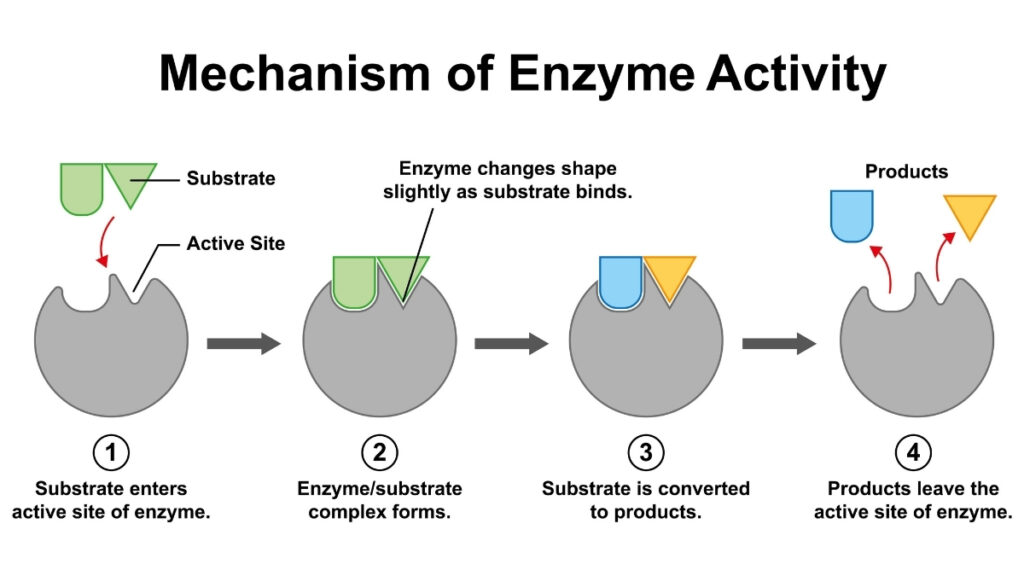
You started intermittent fasting with real hope. You skipped breakfast, pushed through the hunger, and waited for results. For a few weeks, it worked. Then it stopped. The scale stopped moving. You felt tired. Cold. Hungry all the time. And somehow, eating less than ever, you started gaining weight back.
This is not a willpower problem. This is a metabolism problem. And it happens to a lot of people doing intermittent fasting the wrong way.
Here is what is actually going on inside your body, and what you can do right now to turn it around.
The “Perfect” IF Schedule Everyone Recommends — And Where It Goes Wrong

The 16/8 method is the most popular version of intermittent fasting. You fast for 16 hours, then eat all your food in an 8-hour window. It sounds simple. It sounds logical. Skip breakfast, eat lunch and dinner, done.
Other versions go further. The 5:2 method has you eating normally five days a week, then cutting calories dramatically for two days. Alternate-day fasting switches between regular eating days and near-zero calorie days.
None of these schedules are the problem on their own. The schedule is just a structure. The problem is how most people fill that structure.
Most people doing 16/8 fasting are also eating very few calories. They skip breakfast, then eat a small lunch and a light dinner. They avoid carbs. They are not tracking protein. They are not lifting weights. They are basically starving themselves inside a shorter window and calling it a “lifestyle.”
Here is the part that matters. Your body does not know you are trying to lose weight. It does not care about your plan. It sees less food coming in and it reacts the same way it has reacted for thousands of years. It slows down to survive.
A 2025 review in Endocrine Reviews by Fazeli and Steinhauser explained this clearly. The adaptive starvation response evolved to protect you from dying during food shortages. It kicks in under sustained caloric deficit. It does not matter if that deficit comes from skipping meals, cutting carbs, or a structured fast. The biology is the same.
Short-term fasting is actually different. One study found that a three-day fast in healthy men boosted metabolism by 14%. That sounds great. But that is short-term fasting in a specific group. It is not the same as weeks of daily calorie restriction inside a narrow eating window.
Researchers have studied 56 randomized controlled trials on intermittent fasting from 2013 to 2024. Most of those studies only lasted four to twenty-four weeks. Long-term metabolic data is still thin. We do not have a full picture of what happens to your metabolism after a year or two of aggressive IF.
What Adaptive Thermogenesis Really Is — And Why It Works Against You
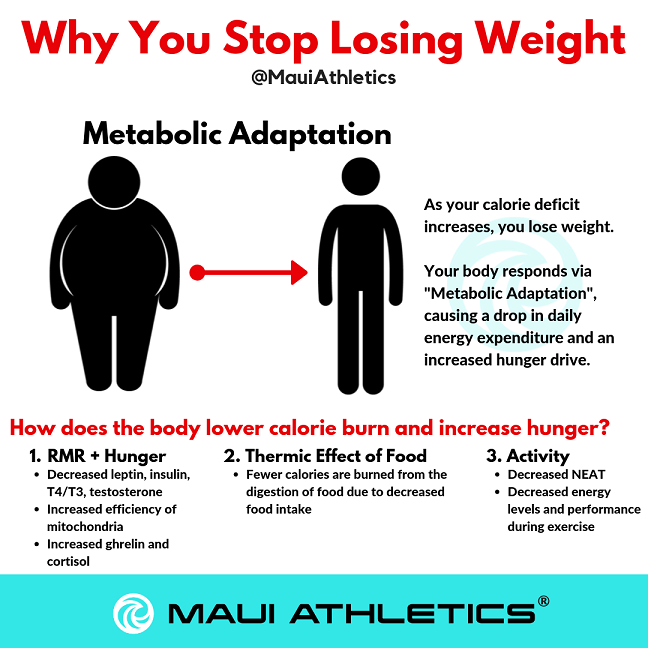
Adaptive thermogenesis sounds like a technical term. But the idea is simple. When you lose weight, your body burns fewer calories than it should for your new, smaller size. It is a built-in defense against starvation. And it is very good at its job.
Here is how it works at the basic level. Your body uses fuel in phases. In early fasting, it burns sugar stored in your liver and muscles. That is called glycogenolysis. As fasting continues, your body starts making new glucose from other sources.
That is gluconeogenesis. And one of those sources is your muscle tissue. Your body breaks down amino acids from muscle to keep your brain fed. That is the part that causes long-term damage to your metabolism.
The most dramatic real-world example of adaptive thermogenesis comes from a study of Biggest Loser contestants. These were people who lost large amounts of weight through extreme calorie restriction and exercise.
Six years after the show, researchers checked their metabolic rates. The results were alarming. Their resting metabolic rates were still about 500 calories per day lower than expected for their body size. Their bodies had permanently downshifted to burn less fuel.
For people doing intermittent fasting in a severe calorie deficit, the body’s response is exactly the same. It does not matter that you are eating in a structured window. If your daily calorie intake is too low for too long, your metabolic thermostat gets turned down.
Think about this real-world example. A woman does 16/8 fasting and eats 1,200 calories a day for twelve weeks. She loses weight. But after twelve weeks, her basal metabolic rate may have dropped enough that maintaining her new weight now requires fewer calories than it did before she started.
The Muscle Loss Problem Nobody Talks About

Muscle burns calories. Even when you are sitting on the couch doing nothing, your muscles are using energy. The more muscle you have, the more calories you burn at rest. Lose muscle, and you permanently lower the number of calories your body needs each day.
During prolonged fasting combined with energy restriction, your body shifts into a state where muscle protein breakdown speeds up and muscle protein synthesis slows down. This has been documented in peer-reviewed research, including a 2021 paper in Frontiers in Nutrition.
The way most people do intermittent fasting makes this worse. When you cram all your food into a short window, you also cram all your protein into that same window. You might eat most of it in one big meal. The problem is that muscles do not respond well to one big protein hit.
But here is why that still matters. If you start lean, losing any meaningful muscle is a serious problem for your metabolism. Similar to conventional dieting is not the same as safe.
Older adults face an even bigger risk. As you age, your muscles become less responsive to protein. This is called anabolic resistance. Your body needs more protein to trigger the same muscle-building response that younger people get from less.
If you add intermittent fasting with low protein on top of anabolic resistance, the muscle loss compounds quickly. People with sedentary lifestyles face a similar challenge.
One eight-week study found no difference in lean body mass between fasting and non-fasting groups. But at twenty-four weeks, the fasting group had actually lost less lean mass.
That suggests that IF, when done properly over time, might help. The key phrase is “done properly.” The two variables that consistently protect muscle during any diet are resistance training and adequate protein. Without those two things, the schedule does not matter much.
Skeletal muscle is the single biggest contributor to your resting energy expenditure. Losing it does not just slow you down today. It compounds over time. Every pound of muscle lost is a permanently lower metabolic rate until you build it back.
The Hormonal Rollercoaster: Short-Term Boost vs. Long-Term Suppression

Intermittent fasting does produce real hormonal benefits in the short term. This is not made up. When you fast, your body releases norepinephrine, a hormone that helps break down fat for fuel. Human growth hormone also spikes during fasting windows. These two things create a genuine short-term boost in fat burning and metabolic rate.
But here is the honest reality. These effects are acute. They happen during the fast. They are not permanent upgrades to your metabolism. And they come with a darker side that most people never hear about.
Sustained calorie restriction suppresses thyroid hormones. Specifically, it reduces T3, which is called triiodothyronine. T3 plays a central role in setting your metabolic rate. When T3 drops, your metabolism slows.
A 2024 study published in Clinical Nutrition found that alternate-day fasting reduced T3 compared to a control group. This is current, real data. Your thyroid is one of the most important regulators of how many calories you burn, and aggressive fasting can quiet it down.
Insulin also drops during intermittent fasting. Lower insulin is generally a positive sign. It means your body is not constantly in storage mode. But if your total daily calorie intake is too low, something else drops too. Leptin.
Leptin is the hormone that tells your brain you have enough energy. It regulates hunger. It manages energy expenditure. When leptin falls, your brain stops feeling satisfied. You get hungrier. Your metabolism slows. And when you do eat, your body is primed to store more of it as fat.
This creates a cycle that is hard to break. Aggressive fasting leads to low leptin. Low leptin leads to stronger hunger and slower metabolism. Stronger hunger leads to overeating inside the eating window. Overeating makes you feel like fasting is not working. So you restrict more. Which drives leptin even lower. And the cycle deepens.
In simple terms, the people whose metabolisms slowed the most were also the hungriest. That is not a willpower failure. That is biology working exactly as designed.
Fasting insulin can drop by 20 to 31 percent with intermittent fasting. That is a real benefit. But it does not cancel out T3 suppression, low leptin, or muscle loss if the rest of the protocol is working against you.
Signs Your Metabolism Has Been Affected — And What to Do Right Now
Your body gives signals when something is wrong metabolically. The problem is that most of these signals get blamed on other things. You think you are tired because of stress. You think you are cold because of the weather. You think your plateau is because you need to eat even less.
Here are the real warning signs to watch for. You hit a solid plateau after initial weight loss and nothing moves it. You feel cold more often than you used to, especially in your hands and feet.
You wake up hungry in the night. You are losing strength in the gym even though you are training. Your hair is thinning. You think about food constantly, even when you just ate. These are not signs of weakness. They are signs that your metabolism has downshifted and needs a different strategy.
Add a protein-first strategy inside your eating window. Aim for 1.6 to 2.2 grams of protein per kilogram of your body weight each day. Do not put it all in one meal. Spread it across at least two or three meals inside your eating window. This gives your muscles multiple anabolic signals throughout the day, which is what they need to stay intact.
Stop eating in a severe calorie deficit. Intermittent fasting is a timing structure. It is not a starvation protocol. Your eating window should still hit close to your maintenance calories or a modest deficit of 200 to 300 calories. Use a TDEE calculator to find your actual maintenance number and build from there.
Add resistance training. This is the single most effective variable for keeping muscle during any calorie deficit. Fasting or not, lifting weights tells your body to keep the muscle it has. Two sessions per week is a reasonable starting point if you are not already training.
Try a diet break. There is research building around something called intermittent energy restriction. The idea is that periodic weeks of eating at maintenance calories can help reduce adaptive thermogenesis.
Compress your fasting window, not your calories. If 16/8 is hammering your metabolism, try 14/10 instead. A fourteen-hour fast with a ten-hour eating window is still effective. It is also far more sustainable.
The goal was never to fast as long as possible. The goal was to create a structure that helps you eat better. If the window is fighting your metabolism, make it shorter.
These are not complicated fixes. But they require honesty about what you have actually been doing. Most people who are struggling with IF metabolism problems are eating too little, not getting enough protein, and skipping the resistance training. All three together is the problem. Changing all three together is the fix.
The Bottom Line
Intermittent fasting is a real, well-researched tool. It is not magic, and it is not the same for every person. When it is done aggressively, in a deep calorie deficit, without enough protein, and without resistance training, it triggers the same metabolic adaptation that makes any chronic calorie restriction backfire. The schedule was not the problem. How it was executed was.
Before you add another hour to your fasting window, stop and audit what you are eating, not just when. Start with your protein targets. Add two resistance training sessions each week.
Consider a diet break if you have been in a deficit for more than eight weeks. Sustainable fat loss comes from a metabolism you have kept healthy, not one you have quietly starved into submission.