
I Swapped High-Intensity Workouts for Walking and Pilates—Why My Cortisol Levels and Waistline Finally Dropped
Robert had been waking up exhausted after six HIIT sessions a week. He was doing everything the fitness world told him to do. He was consistent. He was sweating. He was showing up. And yet, three years in, his waistline had not changed. His sleep was broken. His energy crashed every afternoon around 2 p.m. like clockwork.
Then he stopped. He swapped the high-intensity sessions for daily walks and Pilates three times a week. Twelve weeks later, his waist had dropped two inches. He was sleeping through the night for the first time in years.
This is not a story about working less. It is a story about working smarter for a body that was already under too much stress. And if you exercise consistently but feel tired, puffy, and stuck at the same weight, this article was written with you in mind.
You will learn the science connecting cortisol to belly fat, why HIIT can backfire when your stress levels are already high, and the exact weekly schedule Robert followed to finally turn things around.
Cortisol Reset Simulator
Robert’s cortisol is critically high from daily HIIT. Build a 7-day Phase 1 schedule to lower his stress and restore his energy. Hint: Prioritize Walking & Pilates.
The Cortisol Problem Nobody Talks About at the Gym
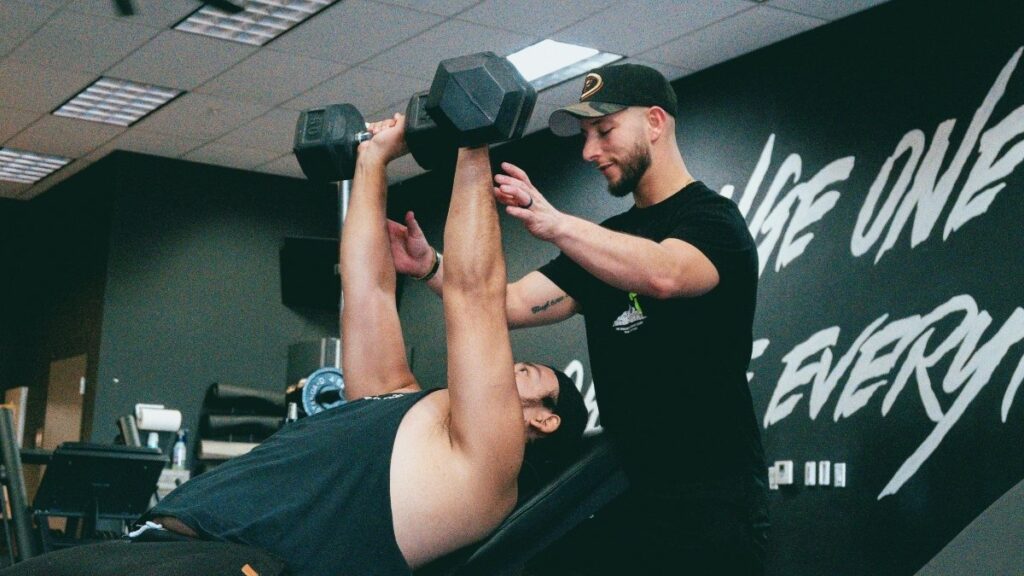
Most people have heard the word cortisol. They know it has something to do with stress. But very few people understand what it actually does inside the body, especially when it stays elevated for weeks or months at a time.
Cortisol is your body’s built-in alarm signal. When you sense danger, your brain releases it fast. Your heart rate goes up. Your blood sugar rises. Your muscles get ready to move. That is a good thing in short bursts. The problem starts when the alarm never turns off.
Here is what chronic high cortisol does to your waistline. When cortisol stays elevated, your body reads it as a signal that survival is at stake. So it does what evolution designed it to do: it stores energy in the form of fat, specifically visceral fat around your abdomen.
Research published in PMC Clinical Obesity in 2025 found a positive link between hair cortisol levels and increases in both BMI and waist circumference. In other words, the more consistently stressed your body is, the more it holds onto belly fat. But the cycle does not stop there.
High cortisol disrupts sleep. Poor sleep raises hunger hormones like ghrelin, which makes you crave sugar and salt the next day. You eat more. You feel guilty. You work out harder to compensate. And that extra workout? It spikes cortisol again. The cycle feeds itself.
According to data reviewed by exercise physiologists, chronically elevated cortisol is also linked to high blood pressure, metabolic dysfunction, and immune suppression. One finding that stopped Robert cold: research suggests that poor sleep alone can reduce fat loss results by up to 55%, even when caloric intake stays the same.
Before Robert understood any of this, he just knew something was wrong. He was waking up puffy. His face looked swollen in the morning. He was tired before his workouts started and wired when he tried to sleep at night. He had been treating his body like a machine that needed more fuel and more output. What it actually needed was rest.
Once he understood what cortisol was doing, the question became simple: not how to exercise harder, but how to exercise smarter.
Why HIIT May Be the Exact Wrong Fix for a Stressed Body

Let’s be clear about something first. HIIT is not bad. It has real benefits for well-rested people, properly fueled, and not carrying a heavy mental load. This section is not about demonizing it. It is about knowing when it is the wrong tool for the job.
For a body that is already running on stress, adding high-intensity exercise is like pouring gasoline on a fire you are trying to put out.
Here is what the research actually shows. A 2025 study published in the Physical Activity in Children Journal compared three groups: a HIIT group, an endurance group, and a control group.
The HIIT group experienced significantly greater cortisol increases than the other two groups. The body does not know the difference between a work deadline and a Tabata circuit. Both register as stress. Both trigger the same hormonal alarm.
Dr. M. Javad Ershad at Stanford Lifestyle Medicine has written about this directly. His guidance suggests that HIIT should not be performed more than two to three times per week, depending on fitness level, and should always be balanced with lower-intensity movement like walking, yoga, or Pilates.
When that balance is missing, the body keeps cortisol elevated between sessions without ever truly recovering.
Robert recognized several warning signs in himself that he had ignored for months. He was tired all day but could not fall asleep at night. His resting heart rate was higher than it used to be.
He caught every cold that went around. He dreaded workouts he used to look forward to. These are textbook signs of overtraining. And overtraining, at its core, is a cortisol problem.
If that sounds familiar, you are not imagining it. Your body is not broken. It is responding exactly the way it was designed to. It is just responding to the wrong signal.
The key insight is this: your total stress load matters, not just your gym stress. If you have a high-pressure job, poor sleep, a busy home life, and three HIIT sessions a week, you are not helping your body. You are adding to a load it cannot carry without consequences. Not harder workouts. Smarter ones.
How 30 Minutes of Walking Can Do What 60 Minutes of HIIT Cannot

Walking feels almost too simple. It does not make you sweat through your shirt. It does not feel like “real” exercise. And that is exactly why it works for cortisol regulation.
Low-intensity movement falls well below the threshold where cortisol spikes. Your body stays in a calm, aerobic state. Your breathing is steady. Your muscles are active but not stressed. This matters more than most fitness influencers will ever tell you.
The research on walking and cortisol is striking. Researchers at the University of Michigan tracked participants across an eight-week study, collecting saliva samples four times per session.
They found that the greatest rate of cortisol reduction came from 20 to 30 minutes of walking or sitting in a natural environment. Not hours. Not intense cardio. Just a half-hour walk outside.
A 2025 review from St. David’s HealthCare confirmed the same pattern. Even a 20-minute walk was shown to bring down elevated cortisol and improve sleep quality. For a stressed body, this is not a small finding. This is the foundation of a reset.
But walking also builds up over time. The JAMA Network Open published a major meta-analysis in December 2024 analyzing 116 randomized controlled trials with nearly 7,000 adults.
The conclusion was clear: 150 or more minutes of moderate aerobic activity per week produces clinically meaningful reductions in waist circumference and body fat. Walking comfortably covers that threshold if you do it consistently.
There is also something worth mentioning about steps. A 2024 study in the British Journal of Sports Medicine found that 9,000 to 10,500 daily steps were associated with the lowest risk of cardiovascular disease. You do not need a fitness tracker to hit that number. A 35-minute brisk walk covers roughly half of it on its own.
Robert replaced his Wednesday and Friday HIIT sessions with 35-minute morning walks outside. No phone calls. No podcasts at first. Just movement and outdoor air. Within two weeks, he was sleeping better.
Within four weeks, his afternoon energy crash had softened noticeably. His mood was steadier. He had not changed his diet, his sleep schedule, or anything else. Just the walks.
What Pilates Actually Does to Your Hormones and Waistline
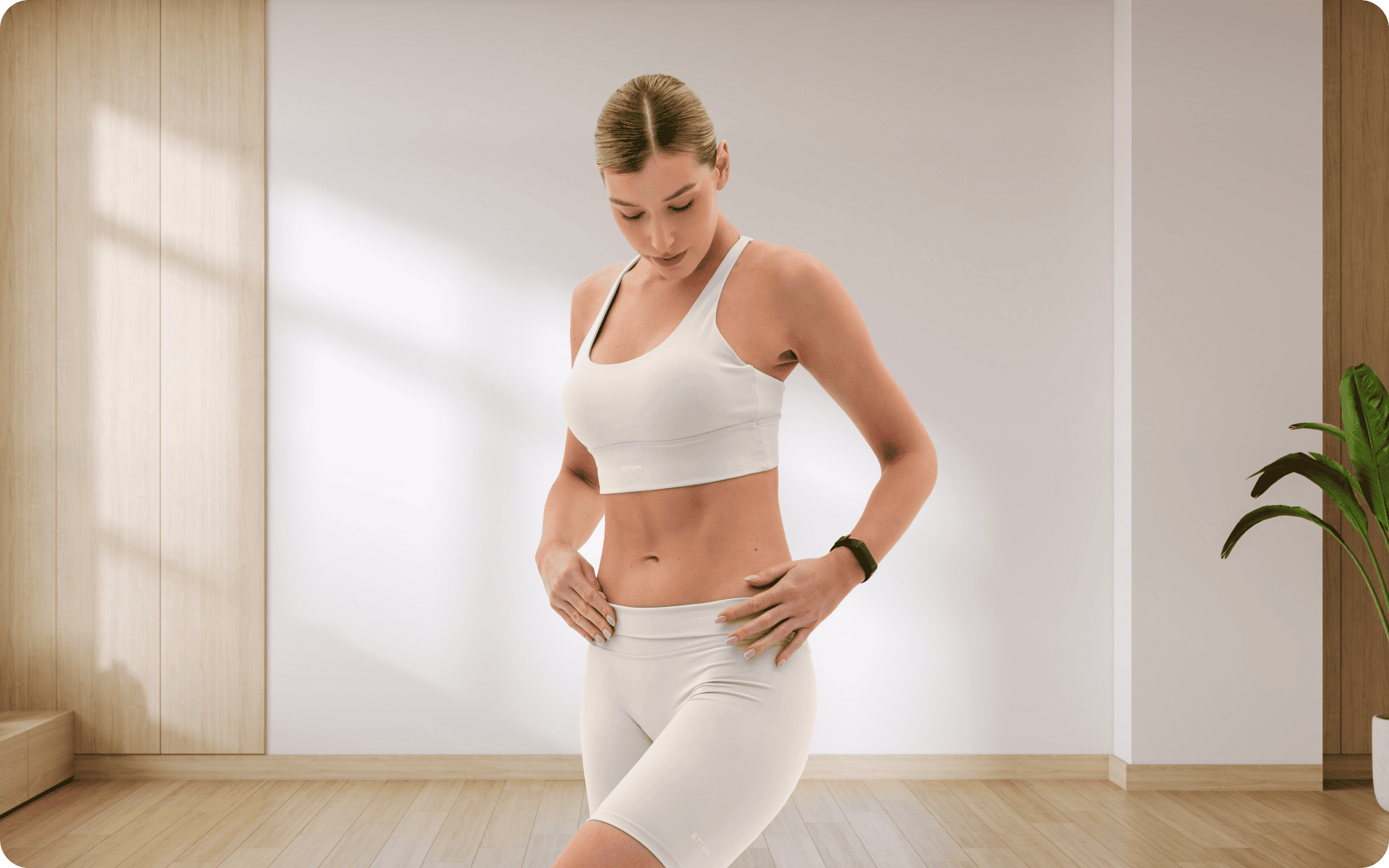
Most people think of Pilates as a flexibility workout. Or a beginner option before you “get serious.” Both of those impressions are wrong.
Pilates is one of the most effective tools available for reducing cortisol, tightening the deep abdominal muscles, and improving body composition. The research on this is consistent across multiple studies and populations.
Start with the cortisol data. A 2021 study published in PubMed followed a group of older women through an eight-week Pilates training program. The results were significant. Cortisol dropped by an average of 16%.
Anxiety scores fell by 53%. Depression scores dropped by 67%. BMI decreased by 16%. These are not minor changes. These are the kinds of results people spend years trying to achieve through harder workouts. Why does Pilates do this? A large part of the answer is breathing.
Pilates uses deep diaphragmatic breathing as a core technique. Every exercise is coordinated with breath. This type of breathing activates the parasympathetic nervous system, which is the opposite of the fight-or-flight stress response.
Research suggests that deep breathing alone can reduce cortisol levels by approximately 70%. Pilates builds this practice directly into the movement.
There is also the physical side. The transversus abdominis is the deepest layer of your abdominal muscles. It wraps around your midsection like a corset. Most conventional workouts do very little to activate it.
Pilates specifically targets it in almost every exercise. Strengthening this muscle does not burn belly fat directly, but it tightens the waistline visually and improves posture in ways that affect how your entire midsection looks and functions.
The body composition research is strong. A meta-analysis published in Frontiers in Physiology analyzed 11 randomized controlled trials with 393 adults. Pilates produced significant reductions in body weight (an average of 2.40 kilograms), BMI (down 1.17 points), and body fat percentage (down 4.22%).
You do not need a reformer to get these benefits. Mat Pilates produces the same hormonal outcomes at zero cost. YouTube channels like Move with Nicole, Pilates Anytime, and Sydney Cummings offer free beginner-friendly sessions that cover everything Robert used in the early weeks of his protocol.
For Robert, Pilates was the first time exercise felt like something his body thanked him for rather than something it had to survive.
Robert’s 12-Week Protocol: The Exact Weekly Schedule That Worked
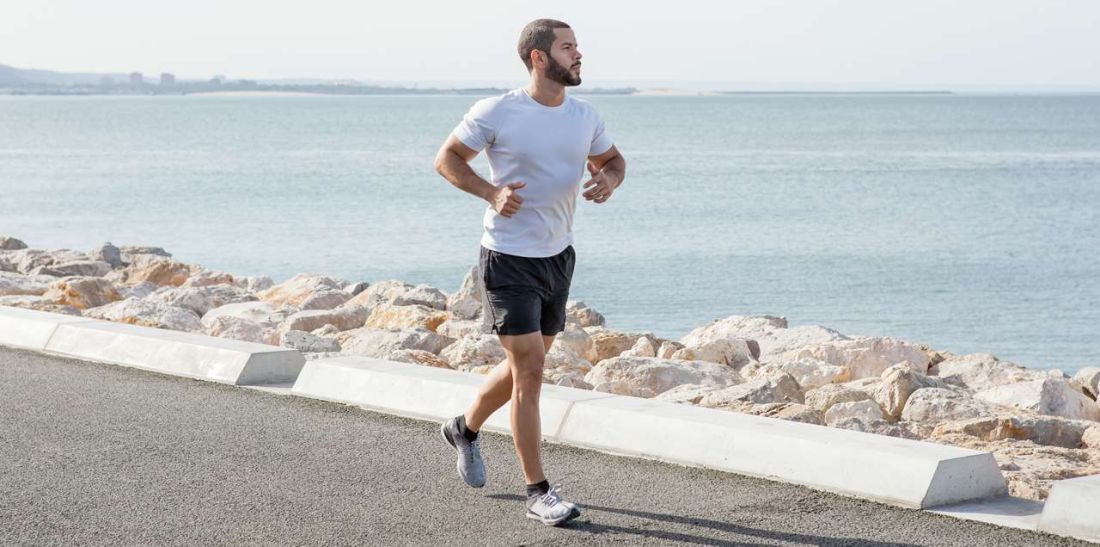
This is the most practical section of the article. Below is the exact framework Robert used, organized by phase. You can start this week. You do not need a gym membership. You do not need expensive equipment. You need consistency more than anything else.
Two things that were non-negotiable throughout all 12 weeks: at least 30 minutes of walking every day, and at least three Pilates sessions per week. Everything else was flexible. These two were not.
Phase 1: Weeks 1 to 4 (The Deload Phase)
The goal here is not to build fitness. The goal is to let your body stop producing excess cortisol. This means removing the high-intensity work entirely, prioritizing sleep, and giving your nervous system a chance to reset.
This phase feels uncomfortable for people who are used to hard training. It feels like not doing enough. That discomfort is a sign your nervous system needed the break.
| Day | Weeks 1 to 8 |
|---|---|
| Monday | 30 to 40 min brisk walk outdoors |
| Tuesday | 45 min Pilates (mat or reformer) |
| Wednesday | 30 min gentle walk, no phone calls |
| Thursday | 45 min Pilates |
| Friday | 30 to 40 min walk (social walk if possible) |
| Saturday | 45 min Pilates |
| Sunday | Full rest or a gentle 20-minute stroll |
Phase 2: Weeks 5 to 8 (The Build Phase)
By week five, most people start noticing real changes. Sleep improves first. Then mood. Then energy. Waist circumference typically starts shifting around week six to eight for those who are consistent.
In this phase, Robert added one optional light strength session mid-week if his resting heart rate was normal and he felt genuinely rested. Not tired-but-pushing-through. Actually rested. This distinction matters.
Phase 3: Weeks 9 to 12 (The Maintenance Phase)
| Day | Weeks 9 to 12 |
|---|---|
| Monday | 35 to 45 min walk plus mobility work |
| Tuesday | 45 to 60 min Pilates |
| Wednesday | 30 min walk plus optional light dumbbell circuit |
| Thursday | 45 to 60 min Pilates |
| Friday | 30 min walk plus one moderate session if rested |
| Saturday | 45 min Pilates |
| Sunday | Full rest or 20 min easy stroll |
By week nine, Robert reintroduced one moderate-intensity session per week. Not HIIT. Not maximum effort. Just enough to challenge his cardiovascular system without spiking cortisol. His body gave him clear signals when it was ready: lower resting heart rate, high sleep quality, and genuine eagerness to train.
Robert’s measurable results after 12 weeks:
He went from waking two to three times per night to sleeping seven to eight uninterrupted hours. His waist circumference dropped by two inches, which matched the outcomes found in the eight-week Pilates mat study.
His afternoon energy crash was gone by week six. His anxiety scores, which he tracked using a simple self-assessment tool, had dropped dramatically. For the first time in years, exercise felt sustainable.
For tracking progress, Robert used Apple Health for daily step counts and an Oura Ring to monitor resting heart rate and heart rate variability as indirect cortisol indicators. You do not need expensive tools to follow this protocol. But if you already own a wearable, use it.
How to Know If Your Workouts Are Raising Your Cortisol Right Now

Here is a simple self-assessment. Read through this list and keep count.
Check off any of these that apply to you:
- You feel exhausted even after seven or more hours of sleep
- Your belly fat is increasing even though you exercise regularly
- You feel wired but cannot fall asleep after evening workouts
- You get sick frequently or recover slowly from illness
- You have strong cravings for sugar or salty food in the afternoon
- You feel anxious or irritable without a clear reason
- Your workouts feel harder than they should for your current fitness level
- Your resting heart rate is higher than it used to be
- Muscle soreness lasts more than 48 to 72 hours after a session
- You dread workouts you used to enjoy
If you checked four or more, your workout routine may be raising your cortisol rather than reducing it.
This is not a diagnosis. It is a pattern. And it is one that responds well to the approach Robert used.
There is also a simple field test called the talk test. During your cardio session, try to hold a short conversation out loud. If you cannot get through two sentences without gasping, you are working above the cortisol-spiking threshold. For a stressed body, that means you are making the problem worse, not better.
To track improvement, check your resting heart rate each morning before getting out of bed. A downward trend over several weeks is one of the clearest signals that your cortisol load is decreasing.
Robert noticed his resting heart rate drop from 68 beats per minute at the start of his protocol to 58 by week ten. That shift alone told him the reset was working.
The Simple Starting Point That Changes Everything

The problem was never a lack of effort. Robert was one of the most consistent people in the gym. The problem was the wrong kind of effort for a body that was already overloaded with stress.
HIIT on top of a high-stress life raises cortisol chronically. That chronic elevation tells the body to store belly fat, disrupts sleep, raises hunger, and creates a cycle that exercise intensity only makes worse. The science on this is not new. But the fitness industry rarely talks about it, because rest and walking are hard to sell.
What the research consistently shows is this: 30 minutes of walking daily and Pilates three times per week addresses the root hormonal problem. It reduces cortisol directly.
It strengthens the deep abdominal muscles. It improves sleep quality. And it produces measurable reductions in waist circumference and body fat across multiple peer-reviewed studies.
Robert’s starting point for you this week: Replace one HIIT session with a 30-minute outdoor walk and one beginner Pilates session. Just one swap. Notice how your body responds over seven days. Track your sleep. Check your morning heart rate. Notice your mood on day seven compared to day one.
You are not giving up on fitness. You are giving your body what it actually needs to change.
Sources: PubMed (2021), Frontiers in Physiology, JAMA Network Open (December 2024), ScienceDirect (2023), University of Michigan via ScienceDaily, National Geographic (March 2025), PMC Clinical Obesity (2025), Physical Activity in Children Journal (2025), Stanford Lifestyle Medicine (April 2025), St. David’s HealthCare (2025), British Journal of Sports Medicine (2024).