

I Ate Like a Blue Zone Centenarian for a Month—My Brain Fog Completely Vanished
Sarah Martinez felt like her brain was stuck in fog. She forgot meetings. Lost her keys three times a week. Couldn’t focus past 2 PM. Then she discovered how people in five small regions around the world eat differently.
These places are called Blue Zones: Okinawa in Japan, Sardinia in Italy, Nicoya in Costa Rica, Ikaria in Greece, and Loma Linda in California.
Your brain doesn’t exist separately from the rest of your body. When inflammation runs high in your gut or bloodstream, it affects your ability to think clearly. High-antioxidant foods found in Blue Zone diets combat this neuroinflammation directly.
The Blue Zone Protocol
Click NEXT to see how Sarah cleared her brain fog! 👇
Understanding the Blue Zone Diet Approach

Sarah Martinez felt like her brain was stuck in fog. She forgot meetings. Lost her keys three times a week. Couldn’t focus past 2 PM. Then she discovered how people in five small regions around the world eat differently. These places are called Blue Zones: Okinawa in Japan, Sardinia in Italy, Nicoya in Costa Rica, Ikaria in Greece, and Loma Linda in California.
The dietary patterns these communities follow show real health benefits, especially for reducing inflammation in your body and brain. Sarah didn’t care about living to 100. She just wanted to think clearly again.
Core Principles of Blue Zone Eating:
- 95-100% of meals come from plants
- Eat at least ½ cup of beans every single day
- Follow “Hara Hachi Bu” stop eating when you’re 80% full
- Meat only 5 times per month, small fish 2-3 times weekly
- Focus on polyphenol-rich foods that protect your brain
- Choose whole foods over anything processed
The longevity diet approach emphasizes plant-slant eating without extreme restrictions. Black beans, lentils, chickpeas, and fava beans become daily staples. Leafy greens like spinach, kale, Swiss chard, and beet tops fill half your plate. Whole grains such as oats, barley, and brown rice replace white bread and pasta.
Nuts play a bigger role than you’d expect. Walnuts, almonds, and pistachios about 1-2 handfuls daily provide healthy fats your brain needs. Purple sweet potatoes, turmeric, and garlic add anti-inflammatory compounds with every meal. These whole foods work together to calm inflammation throughout your body, including your brain.
The Science: How Blue Zone Foods Clear Brain Fog
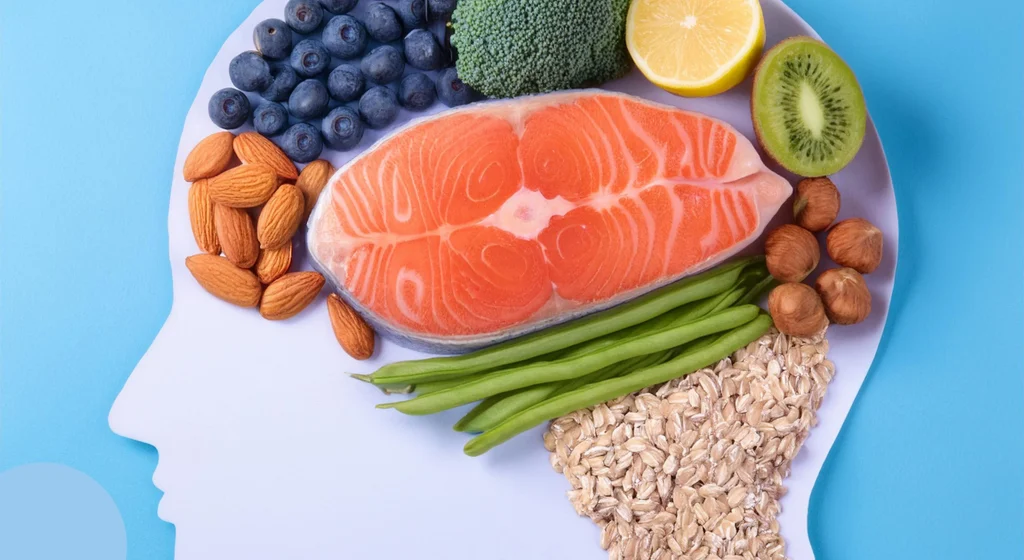
Your brain doesn’t exist separately from the rest of your body. When inflammation runs high in your gut or bloodstream, it affects your ability to think clearly. High-antioxidant foods found in Blue Zone diets combat this neuroinflammation directly.
Blood sugar swings wreck your focus. You know the feeling sharp and alert after breakfast, then crashing by mid-morning. Fiber and complex carbs from whole grains and beans prevent these glucose fluctuations. Your brain gets steady fuel instead of spikes and crashes.
How These Foods Fix Brain Fog:
- Reduced inflammation: Antioxidants from colorful vegetables calm systemic inflammation
- Stable blood sugar: Complex carbs and fiber prevent energy crashes
- Gut-brain connection: Plant diversity feeds beneficial bacteria that produce 90% of your serotonin
- Polyphenol power: Compounds in berries, nuts, and vegetables modulate aging hallmarks
- Omega-3 support: Small fish and walnuts reduce neuroinflammation and strengthen cell membranes
The gut-brain axis matters more than most people realize. Your gut produces 90% of your body’s serotonin, the neurotransmitter that affects mood and focus. Dietary interventions enhance microbial diversity, decrease inflammation, and enhance gut-brain communication, according to research published in PMC in 2025.
These SCFAs do two important things. They reinforce your gut barrier so harmful substances don’t leak into your bloodstream. And they regulate neurotransmitters that affect how clearly you think. Polyphenol-rich diets modulate hallmarks of aging through anti-inflammatory and antioxidant properties, according to a March 2025 study in Ageing Research Reviews.
Sarah’s 30-Day Blue Zone Experiment

Sarah decided to test this approach for one month. She didn’t want to change everything overnight. Week one felt hard. Her body craved the sugary snacks she’d eaten every afternoon. But she noticed something by day five she didn’t feel as sleepy after lunch.
By week two, her energy stabilized in ways she hadn’t experienced in years. The 3 PM crash that used to send her searching for chocolate or coffee just didn’t happen. She could work on spreadsheets and reports without her brain feeling like it was moving through mud.
Sarah’s Weekly Progress:
- Week 1: Battled cravings, noticed less post-lunch sleepiness
- Week 2: Energy remained steady throughout the afternoon
- Week 3: Mental clarity improved significantly, could focus for longer periods
- Week 4: Brain fog completely gone, sustained mental performance all day
Week three brought the changes she’d hoped for. Sarah remembered names without checking her notes. She could write emails without rereading them five times. Complex projects that used to overwhelm her felt manageable again. Her coworkers asked what had changed.
By week four, the brain fog had vanished completely. She woke up clearheaded and stayed that way until evening. No more forgetting why she walked into a room. No more losing track mid-conversation.
Sarah’s Daily Eating Pattern:
- Breakfast: Oatmeal topped with walnuts, fresh berries, and ground flaxseeds
- Lunch: Large salad with chickpeas, olive oil, vegetables, and whole grain bread
- Dinner: Lentil soup loaded with vegetables, small portion of sardines twice weekly
- Snacks: Raw almonds, fresh fruit, or vegetable sticks with hummus
Sarah learned that meal planning made everything easier. She’d cook a big pot of beans on Sunday. Chop vegetables for the week. Make overnight oats in jars. This sustainable eating approach didn’t require complicated recipes or hard-to-find ingredients.
The mental performance boost surprised her most. She’d expected to feel better physically. But the sharp thinking and sustained energy levels transformed how she worked and lived. Tasks that used to drain her mental battery now felt effortless.
Key Foods That Eliminated Her Brain Fog

Beans became Sarah’s secret weapon. Half a cup of black beans, lentils, or chickpeas at lunch provided slow-burning energy for 4-6 hours without blood sugar spikes. Unlike the sandwich and chips she used to eat, beans kept her mental sharpness intact all afternoon.
Leafy greens protected her brain cells in ways she couldn’t see but definitely felt. Spinach, kale, and Swiss chard contain folate, lutein, and beta-carotene nutrients that keep brain tissue healthy. She added at least two cups of greens to lunch and dinner every day.
Brain-Boosting Foods Sarah Ate Daily:
- Beans and legumes: Sustained energy, stable blood sugar, no afternoon crashes
- Leafy greens: Folate and antioxidants that protect brain cells
- Walnuts: Plant-based omega-3s (ALA) that reduce inflammation
- Whole grains: Complex carbohydrates for steady glucose supply
- Turmeric and garlic: Direct anti-inflammatory effects on brain tissue
Nuts and seeds provided the healthy fats her brain needed to function properly. Walnuts became her go-to because they provide plant-based omega-3s. These brain-healthy fats stabilize cell membranes and reduce inflammation. A small handful (about 1 ounce) gave her the benefits without overdoing calories.
Whole grains replaced the refined carbs that used to spike her blood sugar. Brown rice, oats, and barley broke down slowly, feeding her brain steady glucose instead of floods followed by famines. This made a huge difference in her ability to concentrate for hours at a time.
These nutrient-dense foods worked together. No single ingredient fixed her brain fog. The combination of antioxidant-rich vegetables, complex carbohydrates, and anti-inflammatory compounds created the mental clarity she’d been missing.
What Sarah Eliminated (And Why It Mattered)

Getting rid of processed foods mattered as much as adding good ones. Sarah stopped buying the granola bars, crackers, and frozen meals that filled her pantry. These foods contained added sugars and refined carbohydrates that spiked her blood sugar and triggered inflammation.
The morning pastry habit was the hardest to break. She’d grab a muffin or croissant with her coffee every day. Swapping it for oatmeal with berries felt boring at first. But her energy stayed level instead of crashing by 10 AM, and that sold her on the change.
Foods Sarah Cut Out:
- Morning pastries → Oatmeal with berries and nuts
- Afternoon candy → Almonds and fresh fruit
- Diet sodas → Water with lemon
- Daily meat → Small portions once weekly
- White bread and pasta → Whole grain alternatives
Processed foods create inflammation in your gut and brain. Added sugar feeds harmful bacteria while starving the beneficial ones you need for good mental function. Sarah eliminated diet sodas completely after learning they might harm gut bacteria just like regular soda.
She limited meat to a small portion once a week instead of eating it daily. This wasn’t about being perfect or following strict rules. The 80% ruleeating until you’re 80% fullprevented overeating and kept her from feeling sluggish after meals. Mindful eating became easier when she stopped while still slightly hungry.
These inflammation triggers had been sabotaging her mental clarity for years. Removing them created space for the nutrient-dense whole foods to work their magic.
Measurable Results After 30 Days

Sarah’s morning focus lasted until lunch without any coffee crashes. Before, she’d need two cups just to feel normal, then another at 2 PM to push through. Now one cup with breakfast was enough. Her brain worked efficiently on its own fuel.
Complex tasks that used to require multiple breaks became manageable in single sessions. She could analyze data, write reports, and solve problems without mental fatigue forcing her to stop. Details stuck in her memory without writing everything down in notes.
Sarah’s 30-Day Improvements:
- Mental clarity and sharpness returned completely
- Energy levels stayed consistent from 7 AM to 7 PM
- Could focus on difficult tasks for 2+ hours straight
- Mood remained stable without afternoon irritability
- No more afternoon energy crashes or brain fog
Her cognitive performance improved in ways she could measure at work. Projects moved faster. Emails got answered the same day instead of sitting in her inbox. Meetings went better because she could think on her feet instead of feeling fuzzy and slow.
The sustained energy was the most noticeable change. Sarah used to feel great in the morning, okay until lunch, then progressively worse all afternoon. Now her mental sharpness stayed level all day. Her brain health improved so much that coworkers commented on the difference.
Your 7-Day Blue Zone Starter Plan
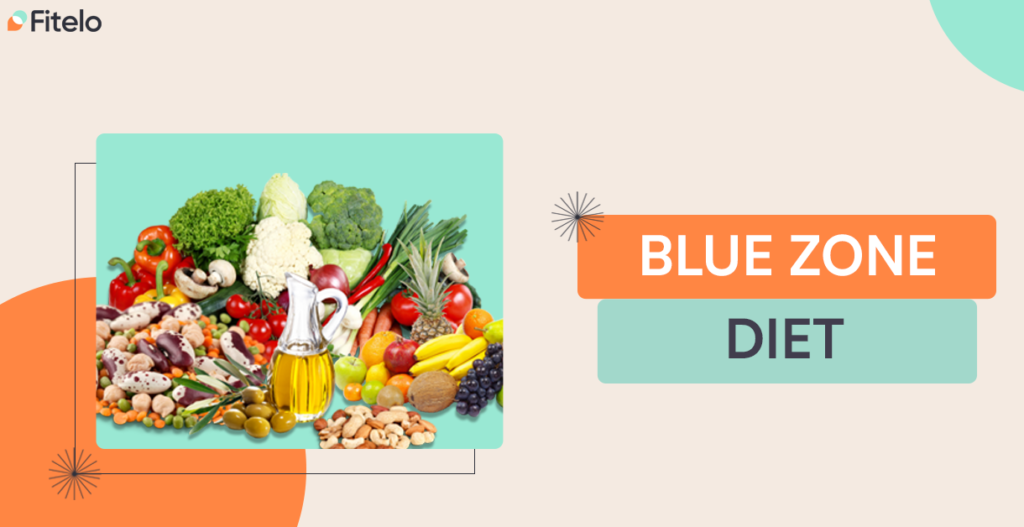
You don’t need to change everything at once. Start with these simple recipes that require minimal cooking skills. Each day builds on the last, making the transition to plant-slant eating easier than you’d expect.
Shop once for the whole week. Buy 5-6 types of beans (canned or dried), 3-4 leafy greens, your favorite nuts, whole grains like oats and brown rice, extra virgin olive oil, and whatever vegetables look fresh. This beginner-friendly approach keeps costs low and stress lower.
Day 1 Sample Menu:
- Breakfast: Overnight oats with chia seeds, berries, and walnuts (prep the night before)
- Lunch: Mediterranean bean salad with chickpeas, cucumber, tomatoes, olive oil
- Dinner: Vegetable stir-fry with brown rice and cashews
- Snacks: Apple with almond butter, carrot sticks with hummus
Day 2-7 Pattern:
- Rotate different beans each day (black beans, lentils, white beans, pinto beans)
- Try different greens (spinach, kale, arugula, Swiss chard)
- Vary whole grains (oats, quinoa, barley, brown rice)
- Keep nuts and olive oil consistent
- Add small fish (sardines or salmon) twice during the week
Meal planning saves time and makes sustainable habits stick. Cook a large pot of beans on Sunday. Wash and chop vegetables for the week. Make several jars of overnight oats. Batch cooking on one day gives you easy meals all week.
Practice Hara Hachi Bu by eating slowly and stopping before you feel stuffed. Put your fork down between bites. Eat with others when possible it naturally slows your pace. Notice when you’re about 80% full and stop there, even if food remains on your plate.
Essential Shopping List:
- Canned or dried beans (variety pack)
- Leafy greens (3-4 types)
- Whole grains (oats, brown rice, quinoa)
- Raw nuts (walnuts, almonds)
- Extra virgin olive oil
- Seasonal vegetables
- Berries (fresh or frozen)
- Garlic, turmeric, black pepper
These easy recipes work for busy people. Nothing requires more than 20 minutes of active cooking. The goal is to make this sustainable, not to stress about perfect meals. Start simple and add variety as you get comfortable.
Common Challenges and How to Overcome Them

Social situations don’t have to derail your progress. When you’re invited to a potluck, bring a bean-based dish like three-bean salad or lentil soup. This guarantees you’ll have something to eat and might introduce others to foods they enjoy.
Restaurants offer more options than you’d think. Order sides instead of entrees. Ask for double vegetables with olive oil instead of butter. A large salad with chickpeas or beans added, plus whole grain bread, makes a satisfying meal. Most servers don’t mind these reasonable requests.
Practical Solutions for Real-Life Problems:
- Social eating: Bring a bean dish to share, order vegetable sides at restaurants
- Food cravings: Keep nuts and fruit visible, wait 10 minutes before giving in
- Time pressure: Batch cook beans and grains on Sundays, use canned beans when rushed
- Family resistance: Start with dinners only, let them see your results before pushing
- Budget worries: Dried beans cost less than $1 per pound, cheaper than meat
Time constraints feel real, but meal prep solves most issues. Dedicate two hours on Sunday to cook beans, chop vegetables, and prepare overnight oats. This realistic approach sets you up for success all week without daily cooking stress.
Family members might not want to change how they eat. Start with just your own dinners if needed. When they see your increased energy and better mood, they might get curious. Don’t force it. Let your results speak for themselves.
Budget concerns stop many people before they start. But this way of eating costs less than buying meat, processed foods, and takeout. Dried beans run about 80 cents per pound. A bag of brown rice feeds you for a week. Seasonal vegetables beat the price of packaged snacks. These budget-friendly strategies make healthy eating accessible.
Cravings for old foods will hit, especially the first two weeks. Keep healthy options visible on your counter a bowl of nuts, fresh fruit within reach. When you want something sweet or salty, wait 10 minutes. Often the craving passes. If not, have your healthy snack and move on without guilt.
Additional Lifestyle Factors That Amplified Results

Sarah didn’t just change what she ate. She started walking for 20 minutes after dinner, the way people in Blue Zones naturally move throughout their day. This wasn’t intense exercise. Just a relaxed walk around her neighborhood that helped digestion and cleared her mind.
Stress management became part of her routine. Ten minutes of morning meditation before checking her phone helped her start each day calm instead of anxious. She didn’t follow any special program just sat quietly and focused on breathing. This holistic approach to lifestyle medicine supported her dietary changes.
Lifestyle Habits That Boosted Brain Clarity:
- 20-minute walks after meals (aids digestion, reduces stress)
- 10 minutes of morning meditation or quiet time
- Consistent sleep schedule (7-9 hours nightly)
- 8 glasses of water daily for proper hydration
- Eating with others when possible (slows pace, improves mindful eating)
Sleep quality improved when she stuck to a schedule. Going to bed and waking up at the same time every day, even on weekends, helped her brain function better. She aimed for 7-9 hours and usually hit it. Good sleep amplified every benefit from her diet changes.
Hydration matters more than most people think. Sarah started drinking 8 glasses of water daily instead of sipping diet soda all day. Her brain is about 75% water when she was even slightly dehydrated, mental performance dropped. Stress reduction through simple habits like walking and sleeping well created a foundation for the dietary changes to work even better.
Eating with others whenever possible slowed her eating pace naturally. She practiced mindful eating without really trying. Conversations during meals meant she chewed more thoroughly and noticed when she felt 80% full. These small lifestyle shifts, combined with Blue Zone eating patterns, created results bigger than diet alone could achieve.
The Bottom Line
Blue Zone eating patterns cleared Sarah’s brain fog within 30 days. The combination of plant-based whole foods, stable blood sugar from complex carbs, and reduced inflammation created the mental clarity she’d been missing for years. Her cognitive function improved without expensive supplements or extreme restrictions.
The key was focusing on adding beneficial foods rather than obsessing over everything she couldn’t have. Beans, leafy greens, nuts, whole grains, and anti-inflammatory spices gave her brain the nutrients it needed to work properly. Her sustained energy and mental sharpness proved these patterns work for more than theoretical longevity.
You don’t need to be perfect. Start with one meal per day following these principles. Add a half cup of beans to your lunch this week. Track your energy and focus for seven days and see what changes.
While the Blue Zone diet originally focused on longevity, its power to eliminate brain fog and restore mental clarity makes it valuable for anyone seeking better cognitive function and sustained energy no matter where you live.