

High-Quality Protein: Crucial for preventing muscle loss (aim for 1.2g per kg of body weight)
By age 70, you could lose up to 40% of your muscle mass unless you understand how high-quality protein works differently in aging bodies. The standard protein guideline of 0.8g/kg was designed for minimum survival, not optimal aging, leaving most adults over 50 unknowingly underfeeding their muscles.
As we age, anabolic resistance makes protein less effective, requiring a smarter approach to muscle loss prevention.
This guide reveals the exact protein intake targets you need (1.2-1.6g/kg), why quality and timing matter more after 50, which leucine-rich sources combat anabolic resistance, and how to distribute 25-30 grams across each meal for maximum muscle preservation.
The Protein Equation
Survival vs. Thriving
The old guideline (0.8g/kg) prevents deficiency but fails to stop muscle loss. After 50, you need 1.2-1.6g/kg to overcome anabolic resistance.
Why Muscle Loss Accelerates After 50 (And Why Standard Protein Guidelines Fail)

Your body starts losing muscle around age 30. Each year, you lose 1-2% of your muscle mass. You might not notice it at first. But after 60, the loss speeds up. Now you're losing 3-10% every decade. This has a name: sarcopenia.
Here's what that actually means for your life. You're more likely to fall. When you fall, bones break more easily. Hospital stays get longer. Simple tasks like carrying groceries or getting up from a chair become hard work. Some people lose the ability to live on their own.
The real problem isn't just losing muscle. It's that your muscles stop responding to protein the way they used to.
Scientists call this anabolic resistance. Think of it like your muscles going deaf. When you were young, eating 20 grams of protein at a meal triggered muscle building. Your body heard the signal loud and clear.
One study compared 22-year-old men to 71-year-old men. The younger guys built muscle protein after eating 20 grams of protein. The older men? Their muscles barely responded. They needed 40 grams to get the same effect. This is why the standard protein recommendation doesn't work for you anymore.
That old guideline of 0.8 grams per kilogram of body weight was never designed to preserve muscle. It was created to prevent protein deficiency. To keep you alive, not strong. There's a huge gap between "not deficient" and "maintaining muscle mass."
Your body can survive on 60 grams of protein per day. But your muscles need more to actually stay intact. Much more.
After 50, eating the minimum keeps you in nitrogen balance. That's a fancy way of saying you're not wasting away. But you're still losing muscle, year after year. You're surviving, not thriving. And that difference matters more than you think.
Why High-Quality Protein at 1.2-1.6g/kg Preserves Muscle Mass
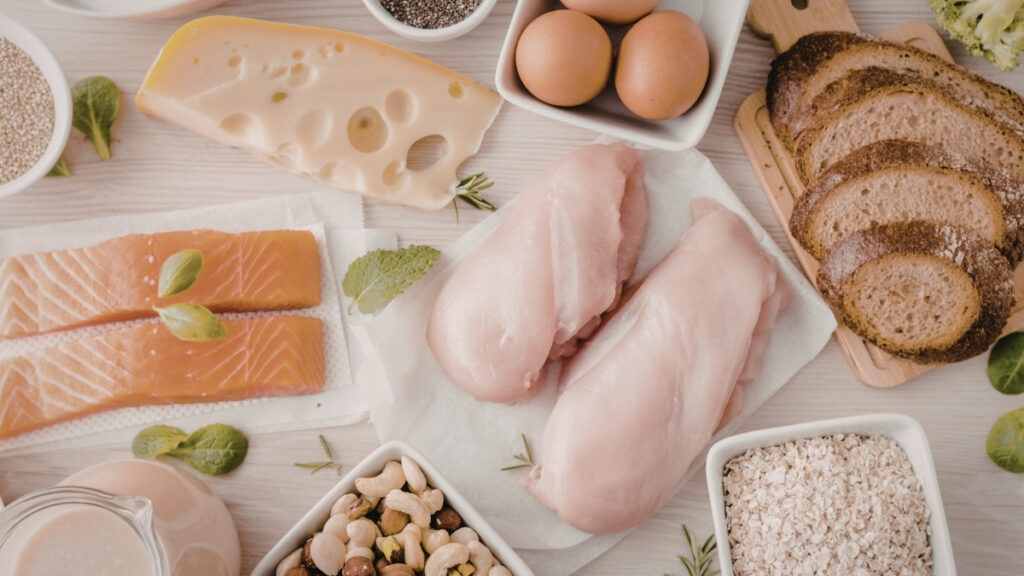
Stuart Phillips is a protein researcher who's spent decades studying how our bodies use protein. His work shows something important: older adults need way more protein than current guidelines suggest.
Here's the math. If you weigh 165 pounds (75 kilograms), the old recommendation gives you 60 grams of protein per day. Phillips and other researchers say you actually need 90-120 grams daily. That's nearly double.
Why such a big difference? Your body treats amino acids (the building blocks from protein) like a priority list. And muscle maintenance is dead last.
Think of it like remodeling your kitchen while your roof is leaking. Your body fixes the roof first. Protein goes to critical functions before it ever reaches your muscles.
Here's the priority order: immune system function, enzyme production, hormone creation, tissue repair, and finally muscle building and maintenance. Your muscles only get leftover amino acids after everything else is handled.
This is why you need more protein as you age. You need enough to cover all those other jobs and still have plenty left over for your muscles.
The research backs this up. Multiple studies from 2024 and 2025 show adults 65 and older should eat 1.2-2.0 grams per kilogram of body weight. Some research pushes even higher for active adults.
But there's another piece to this puzzle. It's not just about total protein per day. It's about how much you eat at each meal. Young people can trigger muscle protein synthesis with about 0.2 grams per kilogram per meal. For a 165-pound person, that's about 15 grams.
Older adults need 0.4 grams per kilogram per meal. That same person now needs 30 grams to flip the muscle-building switch. This is because of that anabolic resistance we talked about. Your muscles need a stronger signal to respond. A small amount of protein doesn't cut it anymore.
Leucine-Rich Protein Sources: The Key to Overcoming Anabolic Resistance
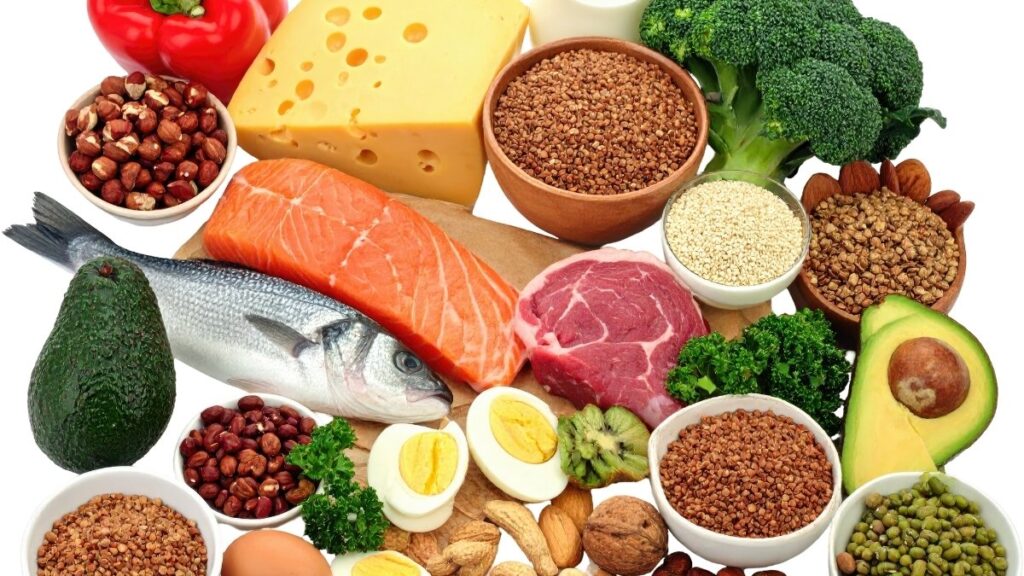
Not all protein is created equal. Your body doesn't just need protein. It needs the right kind. Protein is made of amino acids. There are 20 different amino acids total. Your body can make 11 of them on its own. But nine are essential. You have to get them from food.
For protein to be "complete," it needs all nine essential amino acids in the right amounts. Without all nine, your body can't build muscle effectively. But there's one amino acid that matters more than the others: leucine.
Leucine is the trigger. It's the signal that tells your muscles to start building. Without enough leucine, the muscle protein synthesis process doesn't fully activate.
Young people need about 2 grams of leucine per meal to trigger muscle building. Older adults need 2-3 grams because of anabolic resistance.
One study looked at women aged 65-75. When they ate meals with higher leucine content, their muscle protein synthesis increased significantly compared to meals with less leucine. Here's how much leucine different proteins contain per 30-gram serving:
Animal Sources:
- Whey protein: 3.0-3.5 grams
- Chicken breast: 2.5 grams
- Lean beef: 2.4 grams
- Fish (salmon, tuna): 2.2-2.6 grams
- Eggs (4 large): 2.0 grams
- Greek yogurt: 2.0 grams
Plant Sources:
- Soy protein: 2.4 grams
- Pea protein: 2.1 grams
- Lentils: 1.4 grams
- Quinoa: 0.9 grams
Notice the difference? Animal proteins generally pack more leucine per serving. Whey protein is the champion here. It has the highest leucine content and your body absorbs it quickly. That's why so many studies on older adults use whey protein.
But plant proteins can work too. You just need to be smarter about combining them. Eat larger portions or combine different plant proteins at one meal to get all nine essential amino acids.
For example, rice and beans together give you a complete amino acid profile. So does peanut butter on whole wheat bread. There's also something called protein digestibility. This measures how well your body can break down and use the protein you eat.
Animal proteins score higher on digestibility scales. Your body can extract and use about 90-95% of the amino acids from animal sources. Plant proteins range from 70-90% depending on the source.
This doesn't mean you can't build muscle on plant proteins. It just means you might need to eat a bit more to hit the same effective dose of leucine and essential amino acids.
The key is choosing protein sources that are rich in leucine and highly digestible. That combination helps you overcome anabolic resistance and preserve your muscle mass.
The 30g Rule
Morning Load
Your body has fasted overnight. It needs amino acids NOW. Don't just eat toast.
Meal Timing Strategy: How to Distribute 25-30g Protein Throughout Your Day

You might think it doesn't matter when you eat protein. Just hit your daily total and you're good, right? Wrong. Timing matters more than you think.
Your body can only use so much protein at once for muscle building. Eat 90 grams in one giant meal and most of it won't go to your muscles. Some gets used for energy. Some gets converted to glucose. Some gets excreted.
It's like trying to water a plant with a fire hose. Most of the water runs off instead of soaking in.
Research shows you need 25-30 grams of protein per meal to maximize muscle protein synthesis in older adults. Less than that, and you don't fully activate the process. More than 40 grams doesn't give you much extra benefit for muscle building. So spreading protein evenly across three meals is your best strategy.
Here's what that looks like for different daily targets:
90 grams daily:
- Breakfast: 30g
- Lunch: 30g
- Dinner: 30g
105 grams daily:
- Breakfast: 30g
- Lunch: 35g
- Dinner: 40g
120 grams daily:
- Breakfast: 35g
- Lunch: 40g
- Dinner: 45g
Each meal hits that 25-30 gram threshold. Your muscles get the signal they need, three times per day. What if you exercise? Then you want 30-35 grams of protein within two hours after your workout. This is when your muscles are most receptive to building and repair.
Now let's talk about what happens when you skip this strategy. Some people do intermittent fasting or eat just one or two meals per day. They might hit their total protein target, but they're missing the per-meal threshold most of the time.
Your body doesn't store extra amino acids for later use. When you eat 80 grams at dinner and nothing else all day, you're only getting one muscle-building signal. The rest of the day, your body has no choice but to break down muscle tissue to get the amino acids it needs for other functions.
This gets worse when you're on a restricted diet or trying to lose weight. Your body needs even more protein during weight loss to prevent muscle loss. If you're cutting calories and not eating enough protein at each meal, you'll lose muscle along with fat.
The fix is simple. Plan three solid meals with 25-30 grams of protein each. If you work out, make one of those meals happen within two hours of training.
Here are quick examples of 30 grams of protein:
Breakfast:
- 4 eggs plus 1 cup Greek yogurt
- Protein smoothie with whey protein powder and milk
- Cottage cheese (1.5 cups) with berries
Lunch:
- 4-5 oz chicken breast with quinoa
- Tuna sandwich (5 oz tuna) on whole grain bread
- Beef and bean burrito bowl
Dinner:
- 5-6 oz salmon with vegetables
- Lean steak (5 oz) with sweet potato
- Turkey meatballs (6 oz) with pasta
When you space protein throughout the day like this, you give your muscles what they need to maintain themselves. Every single day.
Top Leucine-Rich Foods for Muscle Preservation After 50

You know you need more protein. You know it needs to be high-quality. Now let's talk about which foods actually deliver. Here's your go-to list of the best protein sources for maintaining muscle after 50.
Animal Sources (Highest Leucine Content):
Chicken breast and turkey are lean muscle-building machines. A 4-ounce serving (about the size of your palm) gives you 30-35 grams of protein and 2.5 grams of leucine. They're versatile, affordable, and easy to prepare.
Lean beef packs 25-30 grams of protein per 4-ounce serving. It's rich in leucine and also provides iron and vitamin B12, which many older adults don't get enough of.
Fish like salmon and tuna deliver 25-30 grams per 4-5 ounce serving. Bonus: omega-3 fatty acids that reduce inflammation. Canned tuna and salmon are budget-friendly options that last in your pantry.
Eggs are perfect for breakfast. Four large eggs give you 24 grams of protein and about 2 grams of leucine. They're cheap, cook fast, and contain all nine essential amino acids.
Greek yogurt is a protein powerhouse. One cup (8 ounces) contains 20-25 grams of protein. Mix it with berries for breakfast or use it as a snack.
Cottage cheese delivers similar numbers: 1.5 cups gives you about 30 grams of protein. Low-fat versions work just as well as full-fat for protein content.
Dairy Products:
Whey protein powder is the most efficient option. One scoop typically gives you 20-25 grams of protein with 3+ grams of leucine. Mix it with milk and you're at 30 grams easily. It absorbs fast, making it ideal post-workout.
Regular milk provides 8 grams per cup. Drink it with meals to boost your protein intake.
Plant Sources (Require Larger Portions):
Tofu and edamame are your best plant options. Half a block of firm tofu (about 6 ounces) gives you 20-25 grams of protein. One cup of edamame delivers 18 grams.
Lentils and beans need bigger portions. One cup of cooked lentils has 18 grams of protein, but you need to combine them with grains to get all essential amino acids.
Pea protein powder works well for plant-based eaters. It has a good leucine content (2+ grams per scoop) and mixes well in smoothies.
What 30 Grams of Protein Actually Looks Like:
- 5 oz grilled chicken breast (about 1.5 chicken breasts)
- 5 oz can of tuna plus 2 eggs
- 1.5 cups cottage cheese
- 6 oz salmon fillet
- 1 cup Greek yogurt plus 2 eggs
- 1 scoop whey protein plus 1 cup milk
- 8 oz tofu plus 1 cup edamame
Budget-Friendly Options:
Eggs are unbeatable for cost per gram of protein. Canned tuna and salmon cost less than fresh. Chicken thighs are cheaper than breasts and still protein-rich. Whey protein powder seems expensive upfront but breaks down to about $1 per serving. Dried beans and lentils cost pennies per serving.
Quick Preparation Ideas:
Meal prep on Sunday: Grill 3-4 pounds of chicken, cook a dozen hard-boiled eggs, portion out Greek yogurt with fruit. Batch cook: Make a big pot of chili with lean beef and beans.
Freezes well and reheats fast. Keep it simple: Rotisserie chicken from the grocery store. Pre-cooked frozen fish fillets. Protein shakes take 2 minutes.
The protein digestibility-corrected amino acid score (PDCAAS) ranks protein quality. Animal proteins score 0.9-1.0 (highest). Soy scores 0.9. Most other plant proteins score 0.7-0.8.
This matters because it tells you how well your body can actually use the protein. A 30-gram serving of chicken gives you more usable protein than a 30-gram serving of beans.
Choose foods with high protein content and high leucine levels. Eat them at every meal. Your muscles will thank you.
Combining Protein with Strength Training: Higher Intakes for Active Adults 50+

Here's the truth: protein alone won't save your muscles. You can eat 150 grams of protein per day. If you don't use your muscles, they'll still shrink.
Resistance training is the most important factor in maintaining muscle mass after 50. Period. Protein supports the process, but exercise triggers it.
When you lift weights or do resistance exercises, you create small tears in muscle fibers. Your body repairs these tears and makes the muscle slightly stronger. But this only happens if you give your body enough protein to do the repair work.
This is why active adults need even more protein than sedentary adults. If you're doing resistance training 2-3 times per week, your target should be 1.6-2.2 grams per kilogram of body weight. For that 165-pound person, that's 120-165 grams of protein daily.
The post-workout window matters here. Within two hours after lifting weights, eat 30-35 grams of high-quality protein. Your muscles are primed to absorb and use amino acids during this time.
One study looked at adults over 50 who combined resistance training with protein intake above 1.6g/kg. They gained muscle strength and maintained muscle mass. The control group, eating the standard amount, lost muscle even though they exercised the same amount.
What if you're trying to lose weight while preserving muscle? You need even more protein during caloric restriction.
When you eat fewer calories, your body looks for energy anywhere it can find it. Muscle is a tempting target. High protein intake (1.8-2.2g/kg) during weight loss tells your body: "Use the fat stores, not the muscle."
Studies show people who eat higher protein while cutting calories lose mostly fat. People who eat lower protein lose muscle along with the fat.
Basic Resistance Training Framework:
You don't need to become a bodybuilder. Simple works. Two to three sessions per week. Hit all major muscle groups: legs, back, chest, shoulders, arms. Use weights heavy enough that 8-12 repetitions feel challenging. Rest 48 hours between sessions for the same muscle group.
Pre and Post-Workout Meal Ideas:
Before training (1-2 hours):
- Greek yogurt with banana
- Oatmeal with protein powder
- Eggs and whole grain toast
After training (within 2 hours):
- Grilled chicken with rice
- Protein shake with fruit
- Salmon with sweet potato
The combination of progressive overload (gradually increasing weight or reps) plus adequate protein equals maintained muscle mass. One without the other doesn't work nearly as well.
If you're active, eat more protein. If you lift weights, eat even more. Your muscles need the raw materials to rebuild stronger.
Your 7-Day Action Plan: Implementing 1.2-1.6g/kg Daily

Let's make this practical. You can't improve what you don't measure. Start here.
Step 1: Calculate Your Target
Weigh yourself in pounds. Divide by 2.2 to get kilograms. Multiply by 1.2 for the minimum target. Multiply by 1.6 for the higher target.
Example: You weigh 165 pounds. That's 75 kilograms. Your range is 90-120 grams of protein per day.
If you're active or doing resistance training, aim for the higher end. If you're sedentary, start with the lower end and work up.
Step 2: Track One Day First
Before changing anything, track what you're eating now. Use an app like MyFitnessPal or just write it down. Most people are shocked to see they're eating 40-60 grams when they need 90-120.
Knowing your starting point makes the gap clear.
Step 3: Plan Your Meals
Don't wing it. Plan your protein sources for each meal. Here's a sample week:
Day 1: Breakfast: 4 eggs scrambled (24g) + glass of milk (8g) = 32g Lunch: Tuna sandwich with 5oz tuna (30g) Dinner: 6oz chicken breast with quinoa (38g) Total: 100g
Day 2: Breakfast: Protein smoothie with whey powder and Greek yogurt (35g) Lunch: Turkey and cheese sandwich plus apple with peanut butter (32g) Dinner: 5oz salmon with vegetables (30g) Total: 97g
Keep alternating lean meats, fish, eggs, and dairy. Mix it up so you don't get bored.
Step 4: Weekly Meal Prep
Spend 2 hours on Sunday preparing protein sources for the week. Grill 3 pounds of chicken breast. Portion into containers. Hard-boil a dozen eggs. Cook a pot of beans. Portion out Greek yogurt containers.
When protein is ready to eat, you'll actually eat it.
Step 5: Use Protein Supplements Strategically
Whole foods first. Always. But protein powder fills gaps. Keep whey or pea protein powder on hand for busy days. A shake takes 2 minutes and delivers 25-30 grams.
Step 6: Shopping List Template
Weekly essentials:
- 3-4 lbs chicken breast or thighs
- 2 lbs fish (salmon, tuna, or white fish)
- 2 dozen eggs
- 4 containers Greek yogurt
- 2 lbs lean ground beef or turkey
- 1 lb cottage cheese
- 1 gallon milk
- Whey or pea protein powder
- Canned tuna (3-4 cans)
Adjust quantities based on household size.
Step 7: Avoid These Common Mistakes
Skipping breakfast protein. Don't eat just toast or cereal. Add eggs or Greek yogurt. Thinking "I'll make up for it at dinner." It doesn't work that way. Each meal needs protein. Forgetting to plan.
You'll default to low-protein convenient foods. Giving up after one bad day. One low-protein day won't ruin everything. Just get back on track tomorrow.
Troubleshooting Low Protein Days:
Keep emergency protein sources available. Single-serve Greek yogurt. Protein bars (look for 20g+ per bar). Beef jerky. Hard-boiled eggs in the fridge. Canned tuna.
When you mess up, don't spiral. Just add a protein shake before bed to get closer to your target.
Week 1 Goal:
Hit your protein target 4 out of 7 days. That's it. Don't try for perfection. Build the habit first.
Track your intake every day. Notice how you feel. Most people report more energy and better recovery once they're eating enough protein.
The numbers matter, but consistency matters more. Would you rather hit 90 grams seven days a week or 120 grams twice and 40 grams the other five days? Consistent wins every time.
Calculate your target right now. Write it down. Plan tomorrow's meals. That's how change starts.
The Bottom Line
After 50, your muscles need more protein than standard guidelines suggest. Aim for 1.2-1.6 grams per kilogram of body weight daily. That's roughly double what most health organizations recommend.
This isn't optional if you want to maintain your independence, prevent falls, and keep doing the activities you enjoy.
Anabolic resistance is real. Your muscles don't respond to protein the way they used to. You need more protein overall and more per meal (25-30 grams) to overcome this resistance.
Quality matters as much as quantity. Choose leucine-rich protein sources at every meal. Animal proteins like chicken, fish, eggs, and dairy deliver the best combination of leucine content and digestibility. Plant proteins work too, but you'll need larger portions or smart combinations.
Consistency beats perfection. Eating enough protein most days is better than eating perfectly some days and terribly others.
Combine protein with resistance training. Protein supports muscle maintenance, but strength training triggers it. You need both.
Your next step is simple: Calculate your protein target today. Track what you eat for just one day. You might be surprised how far short you're falling. The good news? The fix is straightforward. Add a protein source to each meal. Plan ahead. Keep it simple.
The difference between maintaining your independence and becoming frail often comes down to these daily choices. Protein at every meal. Lifting weights twice a week. Walking regularly. Small actions compound over years.
Start today. Your 70-year-old self will thank you.