
Heart Protection: The Mediterranean “Liquid Gold” That Clears Arteries Better Than Low-Fat Diets
For decades, you’ve been told to avoid fat to protect your heart. Yet heart disease remains the number one killer worldwide, and people on low-fat diets still have heart attacks.
Despite 40 years of dietary dogma, low-fat approaches haven’t delivered the promised cardiovascular protection, leaving millions confused about which fats actually protect versus harm their arteries.
Recent landmark research changes everything. Studies like PREDIMED and CORDIOPREV reveal that Mediterranean olive oil heart health strategies reduce cardiovascular events by 30% compared to low-fat diets.
You’ll discover exactly how extra virgin olive oil cardiovascular benefits work through polyphenol-driven arterial plaque reduction, the precise daily intake that delivers results, and how to implement this approach without calorie overload.
The Fat Myth
For 40 years, we were told “Low Fat” protects the heart. The Women’s Health Initiative (50k women) proved it wrong: Zero cardiovascular benefit.
The Low-Fat Diet Failure: What 50,000 Women Taught Us

You've cut the butter. Switched to fat-free dressing. Bought low-fat everything for years. And your cholesterol? Still high. Your heart health? Not much better.
Here's the uncomfortable truth: The biggest diet study ever done on women proved low-fat diets don't work for your heart.
The Women's Health Initiative tracked 50,000 women for 8 years. These women met with dietitians every three months. They cut their fat intake religiously. The result? Zero cardiovascular benefit. Not a little benefit. Zero.
Meanwhile, another study called PREDIMED tested something different. They gave 7,447 people a Mediterranean diet with extra virgin olive oil. No calorie counting. No fat restrictions. Just real food with lots of olive oil.
The Mediterranean diet group had 30% fewer heart attacks and strokes. Think about that. Fifty thousand women restricting fat got nothing. Seven thousand people eating olive oil cut their heart disease risk by nearly a third.
Another study called CORDIOPREV looked inside people's arteries using advanced imaging. After 7 years, people on the Mediterranean diet had thinner artery walls. That means less buildup, less blockage. The low-fat diet group? Their arteries stayed the same.
A 2025 analysis found that Mediterranean diets with olive oil significantly lower inflammation markers in your blood—the chemicals that damage your arteries. Low-fat diets barely moved the needle.
Here's what researchers missed for decades: Your body doesn't care how much fat you eat. It cares what kind of fat you eat.
Olive oil consumption shows a clear pattern. For every extra tablespoon of extra virgin olive oil people ate daily, their cardiovascular disease risk dropped 10%. People who ate the most olive oil had 48% less risk of dying from heart disease compared to people who ate the least.
The PREDIMED study found absolute risk reduction too. In the Mediterranean diet group, 4.9% fewer people had heart attacks or strokes. That might sound small, but when you're talking about life and death, those numbers matter.
The science is clear. Fat isn't your enemy. Bad fat is. And we spent 40 years telling people to avoid the good stuff.
How Olive Oil Clears Arteries: The Science Behind "Liquid Gold"
Your arteries don't get clogged because of fat. They get clogged because of damaged fat. Let me explain how this works in simple terms.
Olive oil contains oleic acid, a type of fat that makes up 70% of extra virgin olive oil. This fat lowers your bad cholesterol (LDL) while keeping your good cholesterol (HDL) stable or even raising it. That's the opposite of what saturated fat does. But here's the interesting part. Cholesterol isn't actually the main villain.
The real problem starts when your LDL cholesterol gets oxidized. Think of it like an apple turning brown when you leave it out. That oxidation is what triggers plaque buildup in your arteries.
Extra virgin olive oil contains powerful compounds called polyphenols. The main players are hydroxytyrosol and oleocanthal. These polyphenols act like bodyguards for your LDL cholesterol, preventing it from oxidizing and starting the whole plaque-building process.
Oleocanthal does something else remarkable. It works almost exactly like ibuprofen in your body. It reduces inflammation in your blood vessels. That peppery burn you feel in your throat when you taste good olive oil? That's oleocanthal. It's literally fighting inflammation.
Studies show that high-polyphenol olive oil reduces LDL by 12%. Regular olive oil with fewer polyphenols? Only 5%. That difference might save your life.
Olive oil also helps your blood vessels work better. It increases nitric oxide production. Nitric oxide tells your blood vessels to relax and open up. Better blood flow. Lower blood pressure. Less work for your heart.
Here's the catch: You need enough polyphenols to get these benefits. Research shows you need at least 250 milligrams of polyphenols per kilogram of olive oil. Most refined oils have less than 100. That's why the type of olive oil matters so much.
For each extra 10 grams of extra virgin olive oil you consume daily (about two teaspoons), your cardiovascular disease risk drops 10%. That's not a small effect. That's significant protection from a simple food.
The polyphenols in quality olive oil don't just prevent LDL from oxidizing. They also reduce the amount of lipids that accumulate in atherosclerotic plaque. Less plaque buildup means clearer arteries.
Some olive oils work better than others. Greek Koroneiki olives produce oil with polyphenol levels exceeding 250 mg/kg. Early harvest oils from Greece and Spain often hit 400 mg/kg or higher.
The FDA looked at the evidence and made a recommendation. They suggest 1½ tablespoons (20 grams) daily of high-oleic oils to reduce heart disease risk.
Your body responds to olive oil in multiple ways at once. It's not just one mechanism. It's a coordinated defense system for your cardiovascular health.
Extra Virgin vs. Everything Else: Why Quality Determines Results
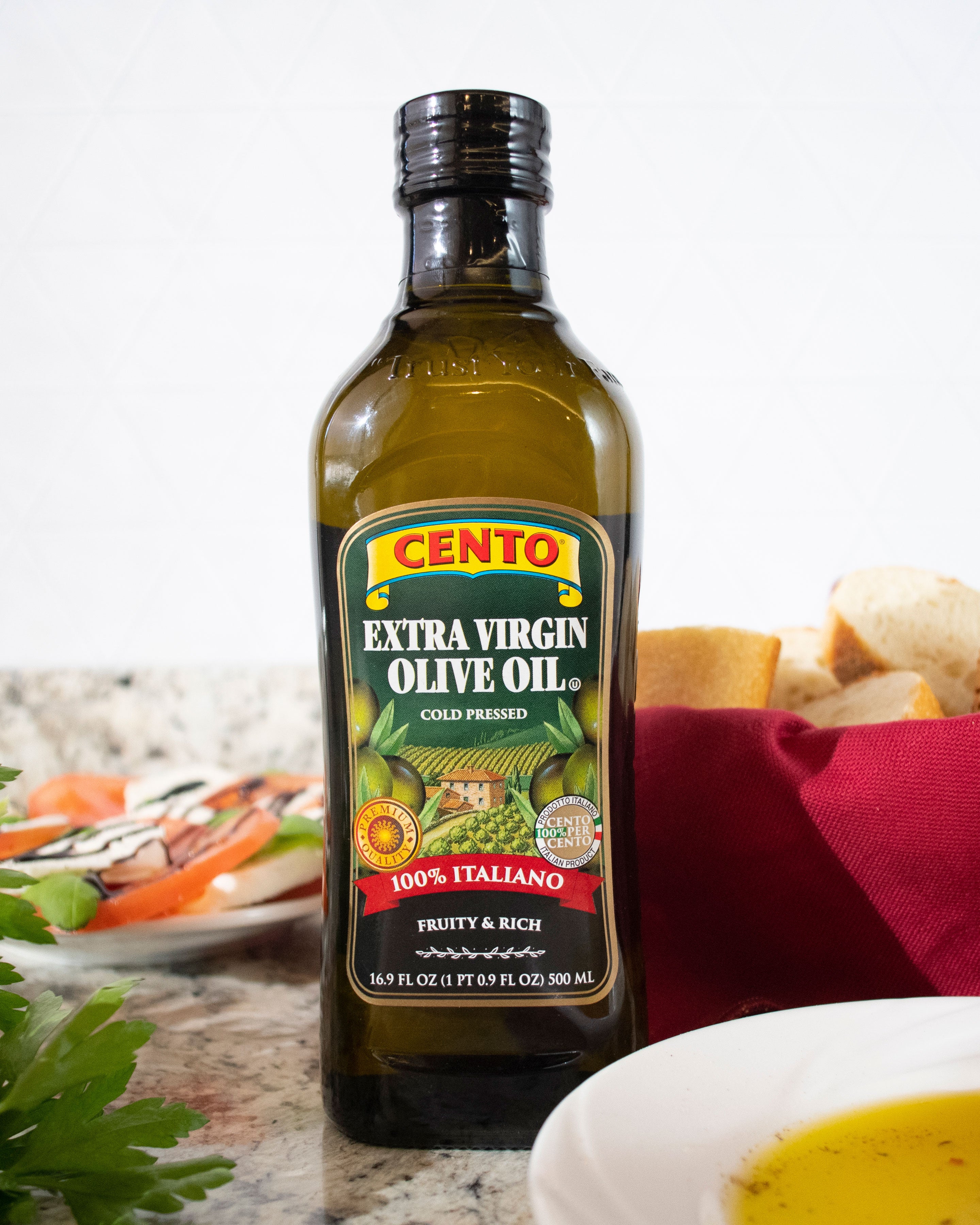
Extra virgin olive oil comes from the first cold press of olives. No heat. No chemicals. Just mechanical pressing. This process keeps all the polyphenols intact—the compounds that actually protect your heart.
Virgin olive oil goes through slightly more processing. You'll get about 80-90% of the benefits of extra virgin. Not bad, but not optimal either.
Then there's "pure" olive oil, "light" olive oil, and refined olive oil. These go through heavy processing with heat and sometimes chemicals. The polyphenol content drops below 100 mg/kg. At that level, you're missing most of the cardiovascular benefits.
Studies specifically distinguish between polyphenol-rich extra virgin olive oil and common olive oil. Common olive oil—the cheap stuff—lacks the protective compounds that make olive oil worth using.
The numbers tell the story. Extra virgin olive oil contains 250-800 mg/kg of polyphenols. Refined olive oil? Less than 100. That's a massive difference in what you're actually getting.
Early harvest oils from Greece and Spain often exceed 400 mg/kg. These oils have the most protective power, but they also cost more and have a stronger, more peppery taste.
Here's something most people don't know: polyphenols break down over time. Light, heat, and oxygen destroy them. That bottle sitting in your cabinet for three years? It's basically expensive cooking fat at this point.
Look for a harvest date on the label. Use the oil within 12-18 months of that date. After that, the polyphenols degrade significantly.
How do you identify quality olive oil? A good extra virgin olive oil has a peppery finish that makes you cough a little. That's the oleocanthal—the anti-inflammatory compound. If your olive oil tastes like nothing, it probably does nothing.
Buy olive oil in dark glass bottles. Clear bottles let light through, which destroys polyphenols. Check for certification seals from organizations that test for quality.
Store your bottle in a cool, dark place. Not next to your stove. Not in a sunny window. Heat and light are polyphenol killers.
Price usually reflects quality, but not always. A $40 bottle isn't necessarily better than a $20 bottle. Look for the harvest date, the dark bottle, and the certification seal.
The difference between extra virgin and refined isn't just about taste. It's about whether you're actually getting the heart-protective compounds or just adding calories to your food.
The 30% Solution: Translating Research Into Daily Practice
:max_bytes(150000):strip_icc()/olive-oil_annotated32-d35d3a7953dc4ca998c326ace6df630c.jpg)
The studies used specific amounts. Let's talk about what that means for you. PREDIMED participants consumed about 4 tablespoons of extra virgin olive oil daily. That's 50 grams, or about 50 millilitres if you're measuring by volume.
You don't need to hit 4 tablespoons to see benefits. Research shows positive effects at 2-4 tablespoons per day. Start with 2. Work up if you want.
Here's the critical part: replacement, not addition.
Don't just dump olive oil on top of everything you already eat. Swap it for the bad fats. Replace butter. Replace margarine. Replace mayonnaise. Replace vegetable oil.
One tablespoon of olive oil has 120 calories. One tablespoon of butter has 100 calories. When you replace them one-to-one, you're adding only 20 calories while dramatically improving your health.
Some people take a tablespoon on an empty stomach in the morning for maximum absorption. The science on timing is limited, but it won't hurt you.
Use olive oil raw when possible. Drizzle it on salads, vegetables, whole grains, and fish. The polyphenols stay intact.
For cooking, keep the temperature under 375°F. Extra virgin olive oil has a smoke point of 375 degrees. That's hot enough for sautéing, roasting, and most cooking. It's not ideal for deep frying.
Let's do the math on calories. Two tablespoons equals 240 calories. Four tablespoons equals 480 calories. If you're replacing butter, margarine, and mayo with olive oil, you're not adding calories. You're just choosing better fat.
Store your olive oil in a cool, dark place away from the stove. Heat degrades the beneficial compounds even before you use them. Most people in Mediterranean countries don't measure. They just use olive oil liberally on most foods. But if you want to match the research, aim for 2-4 tablespoons daily.
Your morning eggs? Cook them in olive oil instead of butter. Your salad? Olive oil and vinegar instead of ranch dressing. Your vegetables? Roast them with olive oil instead of vegetable oil. The Mediterranean diet isn't complicated. It's mostly about making smarter fat choices consistently.
One practical tip: Buy smaller bottles. A 500ml bottle lasts one person about two weeks if you're using 2 tablespoons daily. This ensures you're always using fresh, potent olive oil.
Beyond Cholesterol: Additional Cardiovascular Protections
Olive oil does more than lower cholesterol. The benefits keep stacking. Your blood pressure drops. Studies show regular extra virgin olive oil consumption lowers both systolic (the top number) and diastolic (the bottom number). Not by a little. By enough to matter clinically.
Your blood sugar control improves. Olive oil increases insulin sensitivity and helps your body process glucose better. This matters even if you don't have diabetes.
Your blood becomes less sticky. Olive oil reduces platelet aggregation—the clumping that leads to clots. Clots cause heart attacks. Less clumping means less risk.
Inflammation markers in your blood drop significantly. Mediterranean diets with olive oil lower CRP, hs-CRP, IL-6, TNF-α, ICAM-1, VCAM-1, P-selectin, and MCP-1. You don't need to know what all those are. Just know they're markers of inflammation that damage your cardiovascular system.
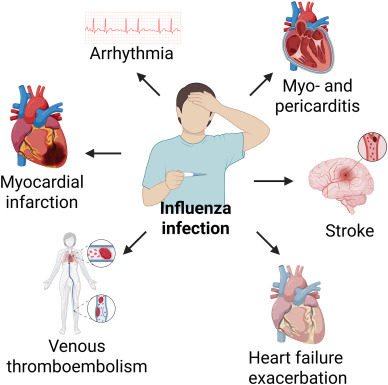
A 2025 PREDIMED analysis looked at more than just heart attacks and strokes. They tracked atrial fibrillation (irregular heartbeat), peripheral arterial disease (blocked arteries in your legs), heart failure, and cardiovascular death.
The Mediterranean diet with olive oil reduced all of them. Your gut bacteria changes. Emerging research shows olive oil positively affects your gut microbiome. The bacteria in your gut influence inflammation throughout your body, including your arteries.
These aren't small effects. The Mediterranean diet with extra virgin olive oil significantly reduces the incidence of atrial fibrillation. That's a heart rhythm disorder that increases stroke risk.
All these mechanisms work together. You're not just fixing one thing. You're improving multiple cardiovascular risk factors at once.
The low-fat diet doesn't do this. It might lower cholesterol slightly, but it doesn't touch inflammation, blood pressure, insulin sensitivity, or platelet function like olive oil does. That's why the outcomes differ so dramatically in clinical trials.
Who Benefits Most? (And Who Should Be Cautious)

Some people see bigger benefits than others. Adults 55 and older with risk factors get the most protection. If you have diabetes, high blood pressure, high cholesterol, or a family history of heart disease, olive oil should be part of your diet.
Middle-aged adults (40-55) with even one risk factor see moderate benefits. You're not in immediate danger, but you're building protection for later. Even low-risk individuals show improvements in inflammatory markers. Prevention works better than treatment.
The PREDIMED study included people ages 55-80. Fifty-seven percent were women. All had high cardiovascular risk. These are the people who benefited most dramatically.
Patients with existing arterial blockages benefit significantly. If you've already had a heart attack or have known plaque buildup, a Mediterranean diet with olive oil can slow progression.
Who should be cautious? If you're on blood thinners like warfarin, talk to your doctor. Olive oil affects clotting. It's probably fine, but check first. People with gallbladder problems should start slowly. Fat can trigger gallbladder symptoms.
One important point: olive oil isn't a miracle cure on its own. It works best as part of a Mediterranean dietary pattern. Vegetables, whole grains, fish, nuts, and minimal processed food.
The higher your baseline risk, the more you benefit. If you're at high risk for cardiovascular disease, the Mediterranean diet with olive oil can reduce your risk by 30%. That's not a small number when we're talking about life and death.
Your Next Move
Forty years of low-fat recommendations didn't work. The studies are clear. Fifty thousand women proved it.
Mediterranean diet with 2-4 tablespoons of extra virgin olive oil daily cuts cardiovascular events by 30%. That's based on large, well-designed clinical trials with real outcomes.
But quality matters. You need extra virgin olive oil with at least 250 mg/kg of polyphenols. Check the harvest date. Use dark glass bottles. Store it properly.
The mechanism isn't mysterious. Polyphenols prevent LDL oxidation. Oleic acid improves your cholesterol profile. Anti-inflammatory compounds reduce vascular damage. Your blood vessels work better. Your blood pressure drops. Your inflammation decreases.
This isn't about adding more fat to your diet. It's about replacing bad fats with good fats. Swap your butter for olive oil. Replace your vegetable oil. Use it on salads instead of processed dressing.
Start tomorrow morning. Two tablespoons of high-quality extra virgin olive oil. Use it to cook your eggs. Drizzle it on your vegetables. Mix it with vinegar for salad dressing.