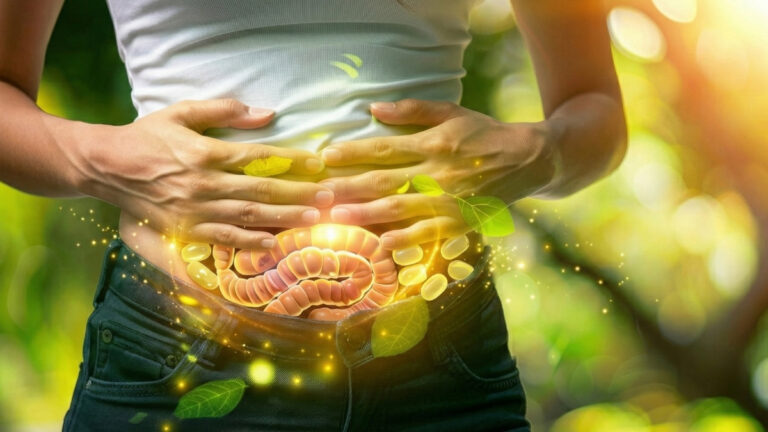

Gut Microbiome: The “Living Foods” That Fix Senior Bloating and Supercharge Immunity
After 60, your gut isn’t what it used to be, and that’s not just an expression. Beneficial bacteria like Bifidobacteria can drop by up to 90%, while increased medication use further disrupts your gut microbiome balance.
This explains the slower digestion, chronic bloating, and weakened immune response many seniors experience. Since 70% of your immune cells live in your gut, restoring microbiome health directly strengthens your immune system.
In this guide, you’ll discover 10 research-backed probiotic foods that rebuild gut bacteria and reduce bloating naturally. You’ll learn why seniors face unique digestive challenges, simple meal integration strategies for sensitive stomachs, and how gut health impacts immunity, inflammation, and mental clarity.
Kefir
Probiotic Powerhouse
Contains 30-50 bacterial strains (yogurt has only 5-7). Fermentation breaks down 99% of lactose, making it easy on digestion.
Why Senior Gut Health Differs: The Science You Need to Know
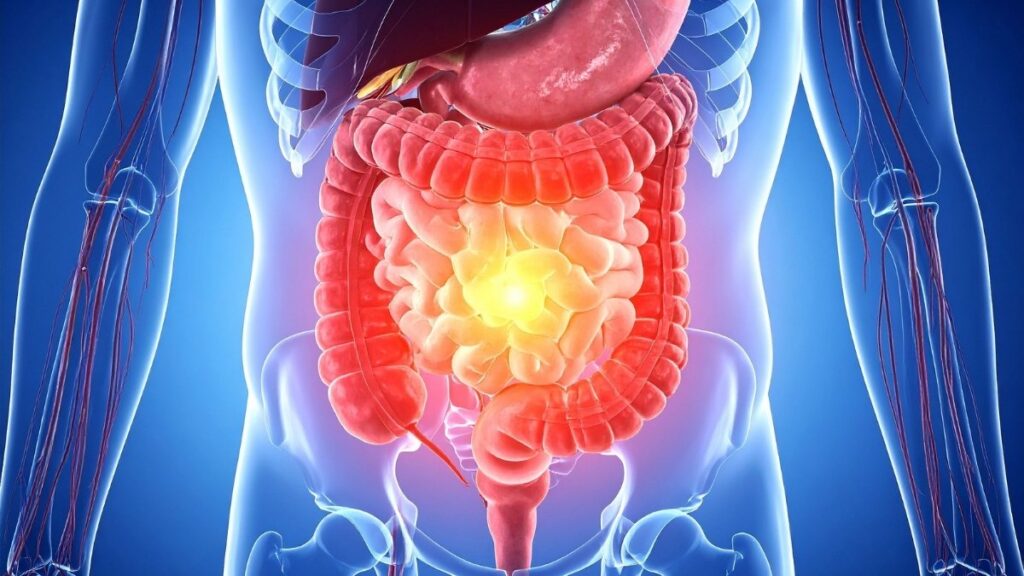
Your stomach isn't the same at 70 as it was at 30. And that's a big deal. After age 60, the helpful bacteria in your gut drops by 25-40%. Think of these bacteria as your digestive workforce. When you lose workers, things don't run as smoothly.
The medications many seniors take make this worse. Proton pump inhibitors (PPIs) for heartburn, antibiotics for infections, and pain relievers like ibuprofen all damage your gut bacteria. One round of antibiotics can wipe out 30% of your good bacteria for months.
Your body also makes less stomach acid and fewer digestive enzymes as you age. This means food sits in your stomach longer. You feel bloated. You get gas. Nutrients don't get absorbed properly.
Here's something most people don't know: 70% of your immune system lives in your gut lining. When your gut bacteria balance gets messed up (doctors call this "dysbiosis"), your whole immune system suffers. You get sick more often. Inflammation increases throughout your body.
The connection between gut health and hospitalization is real. Seniors with poor gut health face higher rates of infections, slower recovery from illness, and more complications from surgery.
But here's the good news: you can rebuild your gut bacteria at any age. The foods you eat directly change which bacteria survive and thrive in your digestive system. Small changes create big results.
1. Kefir: The Probiotic Powerhouse for Sensitive Stomachs
Regular yogurt gives you 5-7 types of helpful bacteria. Kefir gives you 30-50 different strains.
That's a huge difference when you're trying to rebuild a depleted gut. More variety means better results. Different bacteria do different jobs. Some reduce gas. Others fight harmful bacteria. Some help you absorb vitamins.
Most seniors avoid dairy because of lactose intolerance. Kefir solves this problem. The fermentation process breaks down 99% of the lactose. Your stomach can handle it even if regular milk causes problems.
Studies show that drinking kefir increases two important bacteria types: Lactobacillus and Bifidobacterium. These changes happen within 2-4 weeks. You'll notice less bloating and gas during this time. The special peptides in kefir also calm inflammation in your gut, which gets worse with age.
Kefir does something else important. It boosts your production of secretory IgA antibodies. These protect your gut lining and fight off harmful germs. Better gut protection means fewer stomach bugs and infections.
How to use it: Start with 4 ounces daily. That's half a cup. Drink it with breakfast. After one week, if you feel fine, increase to 8 ounces. This gives you the full probiotic benefit.
The texture takes getting used to. It's thinner than yogurt but thicker than milk. Some people blend it with frozen berries. Others add a teaspoon of honey. Find what works for you and stick with it.
Look for plain, unsweetened kefir in the refrigerated section. The label should say "live active cultures." Avoid flavored versions loaded with sugar. Sugar feeds the bad bacteria you're trying to get rid of.
2. Miso Paste: Japanese Secret for Digestive Harmony
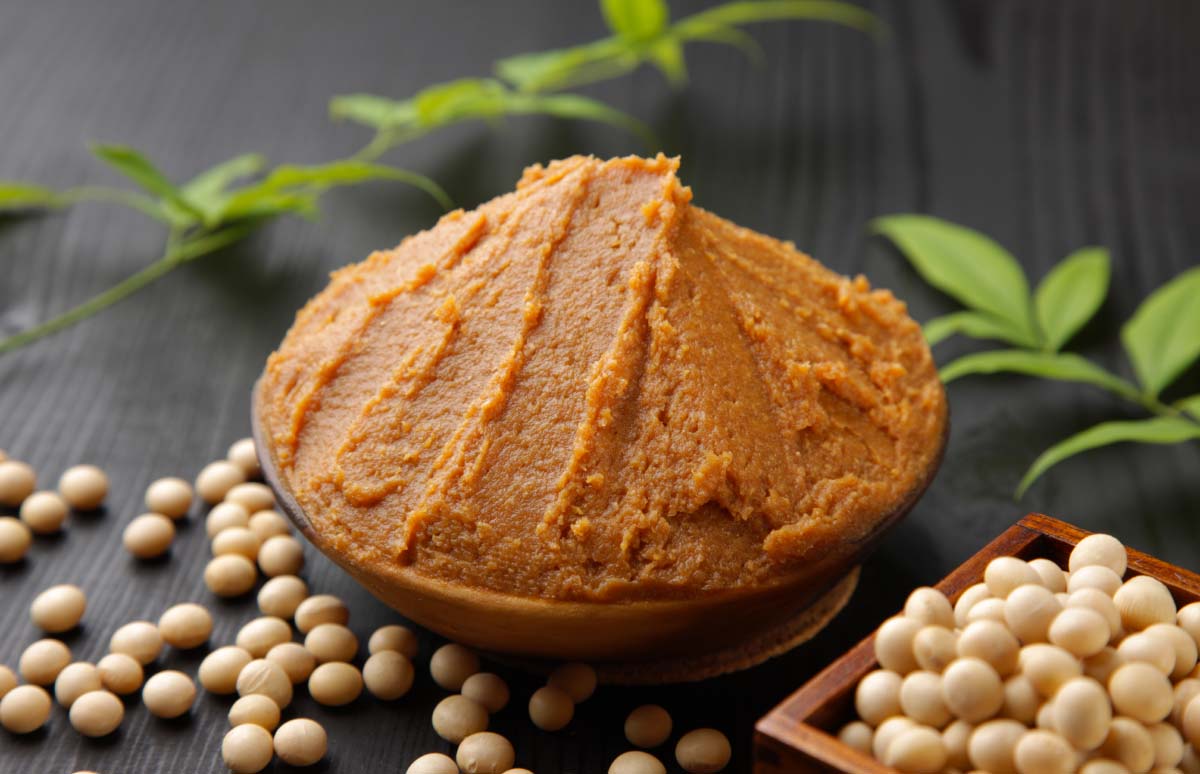
Miso ferments for 6 to 36 months. That long process creates something special.
The fermentation uses a fungus called Aspergillus oryzae. This fungus makes enzymes that break down proteins before you even eat the miso. Your stomach doesn't have to work as hard. This matters when your natural enzyme production drops with age.
Daily miso consumption reduces inflammation markers in your blood. It also strengthens your gut barrier. Think of your gut lining as a wall. As you age, that wall develops cracks. Harmful substances leak through. Miso helps repair those cracks.
The antioxidants in miso (called melanoidins) protect your good bacteria from damage. Aging guts face more oxidative stress. These antioxidants fight that stress.
Miso contains three important enzymes: protease (breaks down protein), amylase (breaks down starches), and lipase (breaks down fats). Your pancreas makes these naturally, but less of them after 60. Miso supplements what you're losing.
Watch the sodium: Red miso has more salt than white or yellow miso. White miso contains about 30% less sodium. If you're watching your blood pressure, stick with the lighter colors.
The soybeans in miso provide oligosaccharides. These are special fibers that feed your good bacteria. You get probiotics (live bacteria) and prebiotics (food for bacteria) in one package.
Critical cooking tip: Never boil miso. Heat kills the live cultures. Make your soup, remove it from the stove, then stir in the miso. Let it sit for one minute, then eat.
Use 1-2 tablespoons daily. Mix it into warm water for a simple broth. Stir it into soup after heating. Add it to salad dressing. The salty, savory taste (called umami) enhances almost any dish.
3. Sauerkraut: Cabbage That Fights Age-Related Inflammation
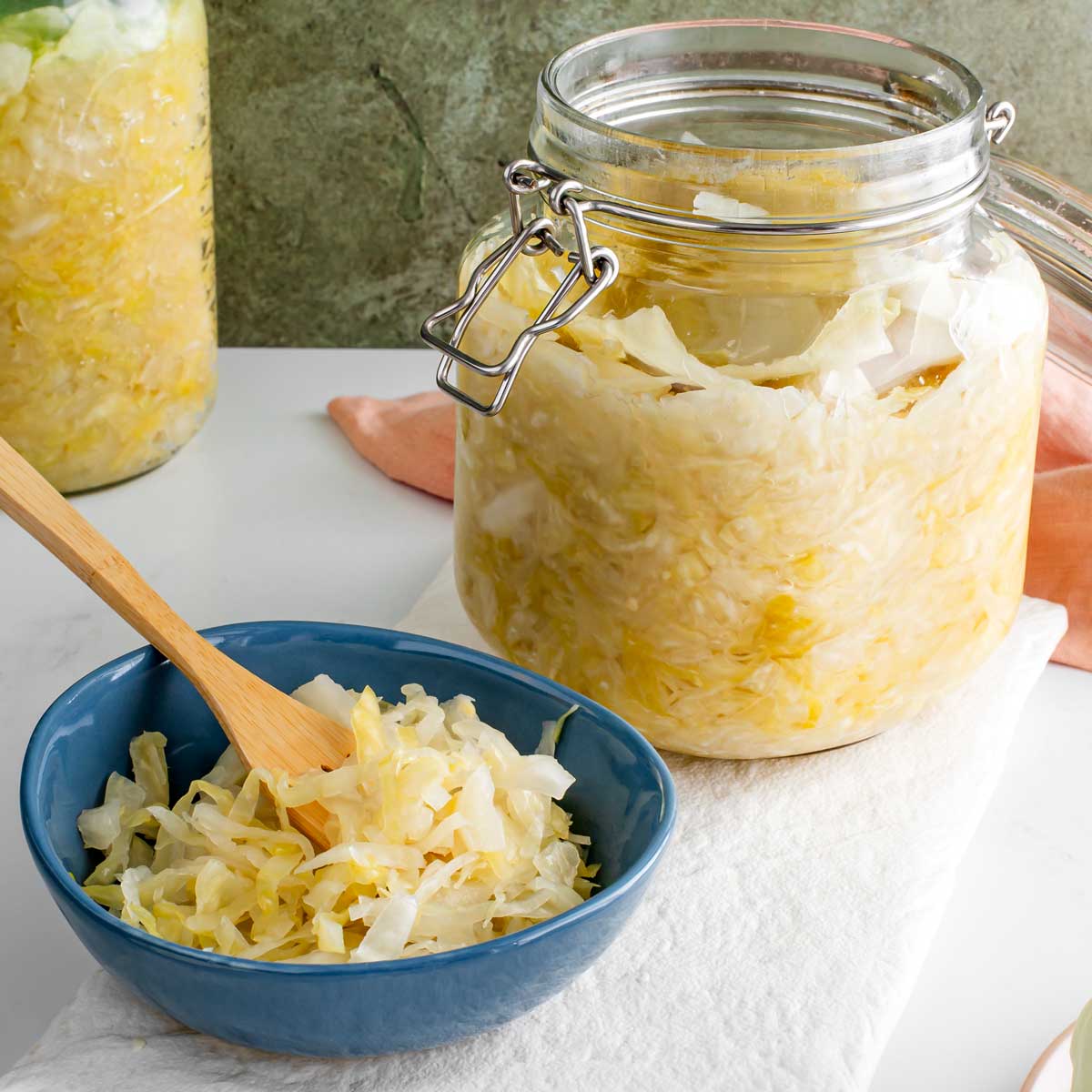
Raw sauerkraut delivers specific bacteria strains that fix a common aging problem: leaky gut.
Your intestinal lining should be tight. As you age, the spaces between cells get larger. Partially digested food particles leak through. This triggers inflammation throughout your body. The Lactobacillus plantarum and L. brevis in sauerkraut seal those gaps.
Here's a surprising fact: fermentation increases vitamin C content by 600%. Fresh cabbage has vitamin C. Fermented cabbage has six times more. You get immune support along with probiotics.
One serving of sauerkraut contains more live bacteria than a probiotic pill. Plus, you get fiber that feeds the bacteria already in your gut. Supplements don't give you that fiber.
Cabbage contains glucosinolates. During fermentation, these turn into compounds that support your liver's detoxification system. When you take multiple medications, your liver works overtime processing them. Sauerkraut helps.
Shopping matters: Most store-bought sauerkraut is pasteurized. Heat treatment kills all the beneficial bacteria. You need raw sauerkraut from the refrigerated section. The jar should feel cold when you pick it up. Room-temperature canned sauerkraut has zero probiotics.
Fermentation also creates vitamin K2, which directs calcium to your bones instead of your arteries. Seniors need this for bone health.
Start small: Begin with 1-2 tablespoons per day. Too much too fast causes gas and bloating. Your gut bacteria need time to adjust. After one week, increase to 3-4 tablespoons if you feel comfortable.
Eat the juice too. The brine contains probiotics and nutrients. Don't drain it off. A $5-7 jar lasts 2-3 weeks when stored properly. Keep it refrigerated with the lid tight. Always use a clean fork to scoop it out. Contamination from dirty utensils shortens shelf life.
Pair sauerkraut with healthy fats like avocado or olive oil. Fats help your body absorb the fat-soluble vitamins.
4. Tempeh: Complete Protein with Probiotic Bonus
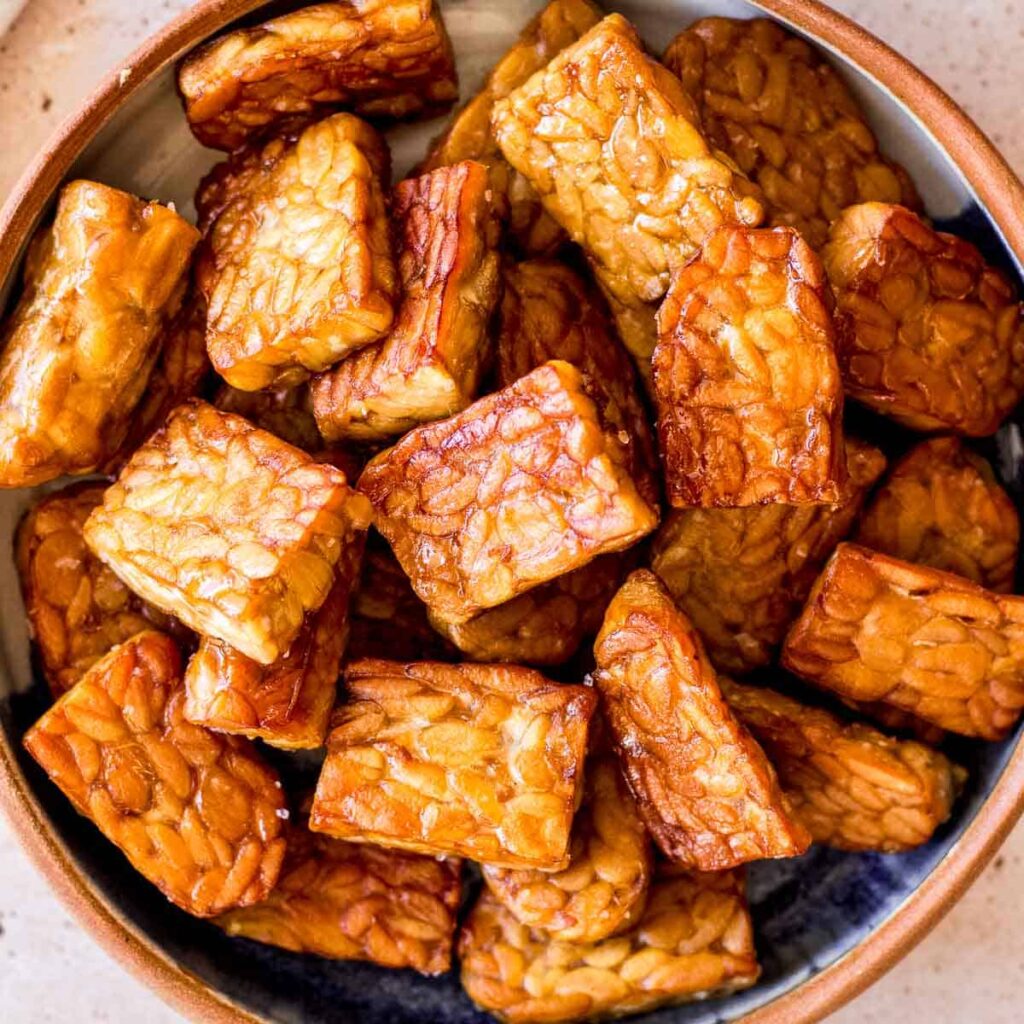
Most people over 60 don't eat enough protein. Muscles break down. Strength decreases. Tempeh provides 15-20 grams of protein per serving. That's as much as chicken or beef.
But tempeh does something meat can't do. The fermentation process creates vitamin B12. This vitamin is almost impossible to find in plant foods. Many seniors become deficient because stomach acid decreases with age, making B12 from meat harder to absorb. Tempeh's B12 is more bioavailable.
Each 100-gram serving contains 0.7-8.0 micrograms of B12. The amount varies based on fermentation time. That's a significant portion of the 2.4 micrograms you need daily.
Soybeans naturally contain phytates. These compounds block your body from absorbing minerals like calcium, iron, and zinc. Fermentation breaks down these phytates. Iron absorption increases by 50%. Your body gets more nutrition from the same amount of food.
Tempeh has a firm, nutty texture. Unlike meat, it's easy to chew. Seniors with dental problems or dentures can eat it comfortably. Crumble it into pasta sauce. Slice it for sandwiches. Cube it for stir-fries. It absorbs whatever flavors you add.
Cooking method matters: Steam or bake tempeh. High-heat frying kills the probiotic bacteria. Gentle cooking preserves the live cultures while making it safe to eat.
Cut it into small pieces before cooking. This increases the surface area and helps marinades penetrate. Even 15 minutes in a marinade adds significant flavor.
Store unopened tempeh in the refrigerator. It lasts 7-10 days. Once opened, use within 3-5 days. Small black or gray spots are normal. Those are the fermentation spores, and they're safe to eat.
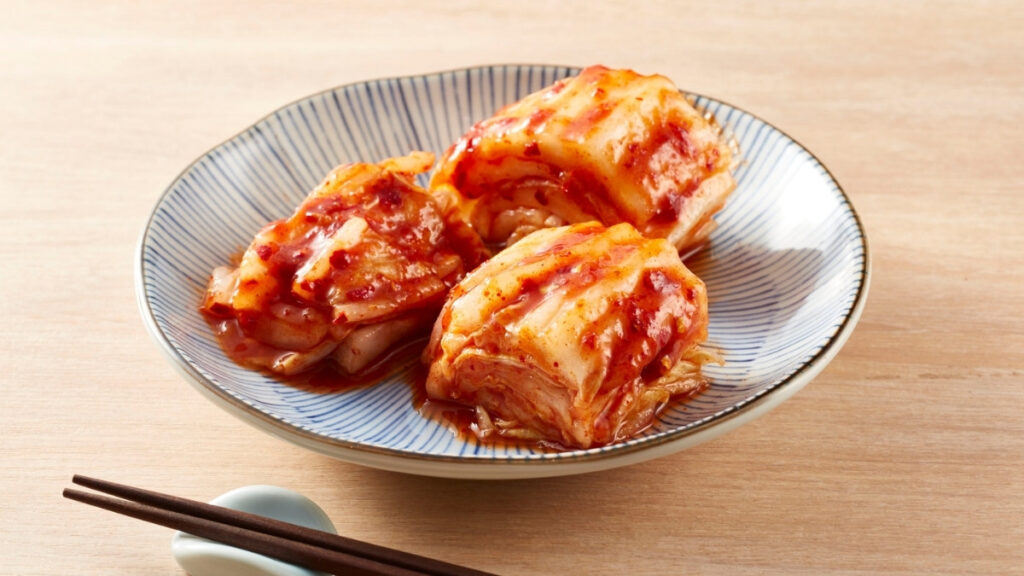
5. Kimchi: Spicy Medicine for Sluggish Digestion

Korean kimchi contains bacteria that other fermented foods don't have: Lactobacillus kimchii and Weissella species.
These bacteria make bacteriocins. Think of bacteriocins as smart antibiotics. They kill harmful bacteria like E. coli and Salmonella. But they leave your good bacteria alone. Regular antibiotics kill everything. Bacteriocins are selective.
The red pepper flakes in kimchi contain capsaicin. This compound stimulates your digestive system to release more enzymes. As you age, enzyme production drops. Capsaicin compensates for this decline. Studies show it increases gastric motility by 20-30%. Food moves through your system at a healthier pace.
The garlic and ginger in kimchi aren't just for flavor. Both provide antimicrobial and anti-inflammatory compounds. They work together with the probiotics to create a healthier gut environment.
Kimchi is loaded with vitamins A, B, and C. The fermentation process increases these nutrients. Beta-carotene from the vegetables supports eye health and immune function.
Can't handle spice? Try white kimchi (baek-kimchi). It contains all the probiotic benefits without the red pepper heat. Many Korean grocery stores carry it. You can also make it at home with just cabbage, salt, and garlic.
Serving size: Start with 2-3 tablespoons per meal. Eat it as a side dish. Mix it into rice. Add it to eggs. The probiotics aid digestion when eaten with other foods.
Watch the sodium content. Traditional kimchi uses a lot of salt for fermentation. If you have high blood pressure, rinse the kimchi before eating. This removes 30-40% of the salt while keeping most of the probiotics.
Age matters: Younger kimchi (fermented for 1-2 weeks) has higher probiotic counts. Older kimchi (3+ weeks) tastes more sour but has fewer live cultures. Check the production date on the jar. Buy the freshest you can find.
Store kimchi in an airtight container in the refrigerator. The cold slows fermentation but keeps the bacteria alive. Room temperature kills the beneficial cultures quickly.
Menu Item #1
6. Greek Yogurt (Live Culture): Calcium Plus Probiotics for Aging Bones and Guts
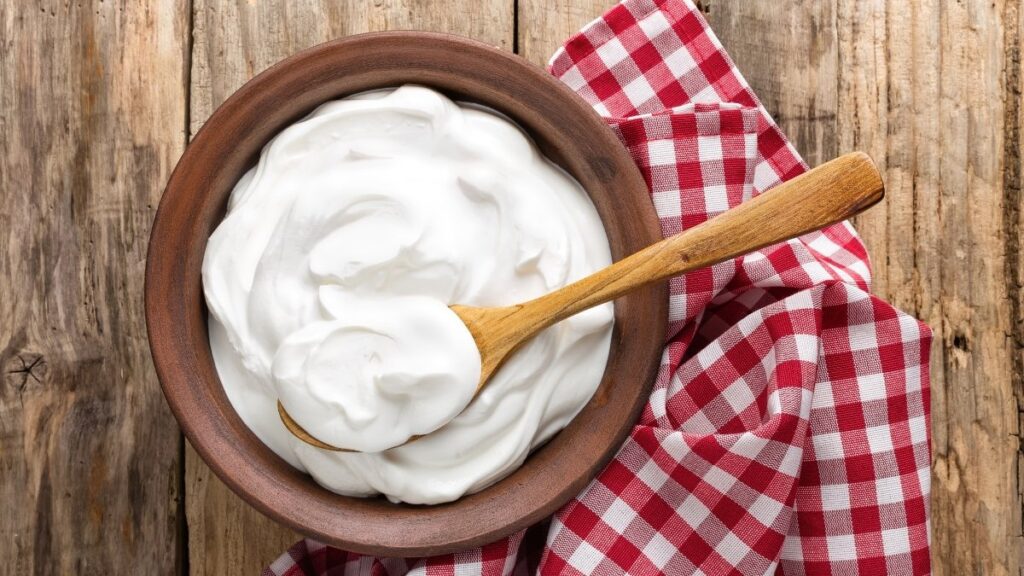
Greek yogurt goes through a straining process that removes the watery whey. What's left is concentrated protein and thick, creamy yogurt.
Each cup contains 15-20 grams of protein. That's two to three times more than regular yogurt. Seniors lose muscle mass every year after 60. This protein helps maintain strength and prevents falls.
The straining also removes most of the lactose. Less lactose means less stomach upset. Even people who can't drink milk often tolerate Greek yogurt without problems.
The live cultures in Greek yogurt are primarily Lactobacillus bulgaricus and Streptococcus thermophilus. These bacteria colonize your gut and start making lactase enzyme. Lactase breaks down lactose. The more yogurt you eat, the better your body handles dairy over time.
Here's something important: probiotics increase calcium absorption by up to 20%. You're not just eating calcium. You're eating bacteria that help your body use that calcium. This addresses two senior concerns at once: weak bones and poor gut health.
Fat matters: Choose full-fat Greek yogurt over low-fat or fat-free. The fat helps you feel full longer. It also helps your body absorb fat-soluble vitamins like A, D, E, and K. Don't fear the fat. Your body needs it.
Read the label carefully: The container must say "live and active cultures." Some brands heat-treat the yogurt after culturing. This kills all the bacteria. You get none of the probiotic benefits. If the label says "heat-treated after culturing," put it back.
Avoid flavored yogurt: Vanilla, strawberry, and honey flavors sound healthy. But they contain 15-20 grams of added sugar per serving. That sugar feeds bad bacteria in your gut. It cancels out the benefits of the probiotics. Buy plain Greek yogurt and add your own toppings.
Create a synbiotic effect: Top your yogurt with ground flaxseed or chia seeds. These seeds contain prebiotic fiber that feeds your gut bacteria. Probiotics (the live cultures) plus prebiotics (the fiber) create a synbiotic combination. This works better than either one alone.
Berries add natural sweetness and antioxidants. A drizzle of honey is fine if you need more sweetness. Just keep it to one teaspoon.
Daily serving: Eat 6-8 ounces daily. That's about one cup. This provides enough probiotics to make a difference in your gut health. Consistency matters more than quantity. Eating it every day works better than eating a lot occasionally.
7. Aged Cheeses: Unexpected Probiotic Sources
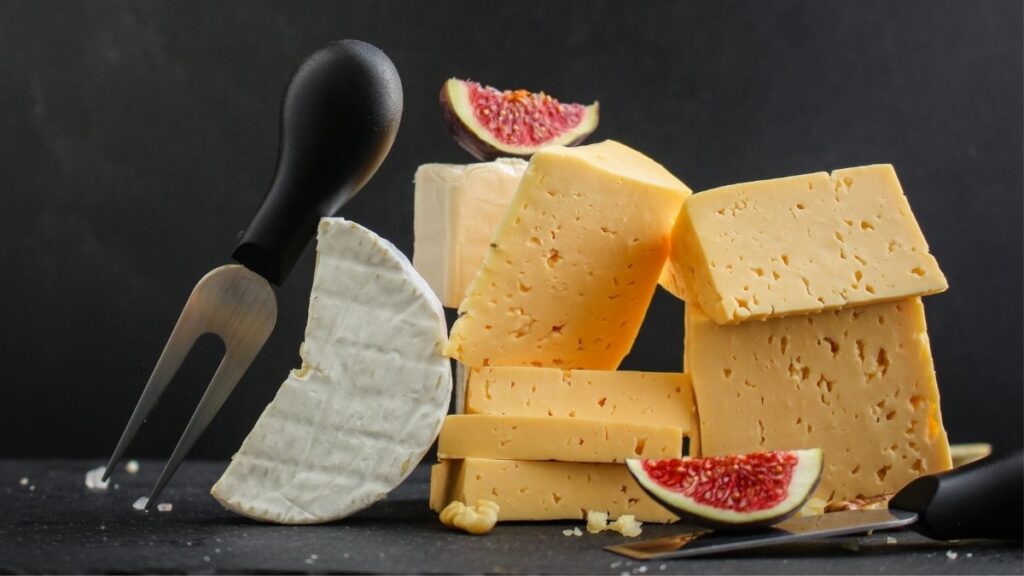
Gouda, cheddar, and Parmesan aged for 6+ months contain live probiotic bacteria. The fat in cheese protects these bacteria as they travel through your stomach acid. Yogurt bacteria often die in stomach acid. Cheese bacteria survive at 10 times the rate.
The aging process reduces lactose to almost zero. A 12-month-aged cheddar has less than 1 gram of lactose per serving. People who get sick from milk can usually eat aged cheese without problems.
Aging also concentrates beneficial nutrients. Vitamin K2 increases significantly. This vitamin directs calcium to your bones instead of allowing it to build up in your arteries. For seniors worried about both osteoporosis and heart health, this matters.
The probiotic strains in aged cheese include Lactobacillus helveticus and L. plantarum. These bacteria produce peptides that may help regulate blood pressure. They work like ACE inhibitors (blood pressure medications) but naturally. You get cardiovascular benefits along with gut health improvements.
Aged cheese also contains conjugated linoleic acid (CLA). Research suggests CLA supports healthy body composition and reduces inflammation.
Best choices: Swiss cheese, aged Gouda (12+ months), sharp cheddar (extra sharp is usually aged longer), and Parmigiano-Reggiano. The longer the aging, the more lactose breaks down and the more flavor develops.
Avoid processed cheese: American cheese slices, cheese spreads, and "cheese products" contain zero probiotics. These are made with heat and chemicals. All beneficial bacteria are destroyed. Stick with real cheese from the deli or specialty section.
Portion control matters: Cheese is calorie-dense and contains saturated fat. A serving size is 1 to 1.5 ounces. That's about the size of two dice or your thumb. This amount gives you probiotic benefits without excessive calories or fat.
Pair cheese with whole grain crackers, apple slices, or raw vegetables. The fiber from these foods helps balance the richness of the cheese.
Room temperature cheese tastes better and is easier to digest. Take your cheese out of the refrigerator 30 minutes before eating.
8. Kombucha: The Fizzy Tonic for Gut-Brain Connection

Kombucha looks strange. A mushroom-like blob floats in sweet tea. This blob is called a SCOBY: symbiotic culture of bacteria and yeast.
The SCOBY creates a diverse community of beneficial microbes. Gluconacetobacter, Acetobacter, and various Lactobacillus species all grow together. This diversity supports both gut function and immune health.
Fermentation creates B vitamins that weren't in the original tea. These vitamins support brain function. The organic acids improve mental clarity through the gut-brain axis. Your gut and brain communicate constantly. Better gut health often means better mood and clearer thinking.
The gentle carbonation in kombucha stimulates digestion. Bubbles increase the production of digestive juices. Food breaks down more easily.
Kombucha contains glucuronic acid. Your liver uses this compound to process and eliminate toxins. When you take multiple medications, your liver works overtime. Glucuronic acid supports this detoxification process.
Start small: Begin with 4 ounces daily. That's half a standard bottle. Some seniors experience gas from the carbonation at first. Your system adjusts after a few days.
Sugar content matters: Most of the sugar in kombucha gets consumed during fermentation. But some remains. Choose brands with less than 5 grams of sugar per serving. High-sugar kombucha defeats the purpose.
Quality varies: Homemade or small-batch kombucha from local brewers contains more diverse bacterial cultures. Mass-produced brands from big companies often have fewer live cultures. Check the refrigerated section of health food stores for the best options.
When to drink it: Consume kombucha with meals to buffer the acidity. The food protects your tooth enamel and stomach lining from the acidic beverage. Never drink it on an empty stomach if you have acid reflux or sensitive teeth.
Medication timing: Wait at least 2 hours after taking medications before drinking kombucha. It contains a tiny amount of alcohol (around 0.5% from fermentation). This shouldn't interfere with most medications, but spacing provides extra safety.
Not for everyone: If you have severe acid reflux, dental problems, or difficulty with acidic foods, kombucha might not be the best choice. Try kefir or yogurt instead.
9. Pickled Vegetables (Naturally Fermented): Crunchy Probiotics
:max_bytes(150000):strip_icc()/267408-spicy-vietnamese-quick-pickled-vegetables-DDMFS-4x3-2719-becd9a3a80ce497a81f66ef8912dfae1.jpg)
Walk past the canned pickles. Head to the refrigerator section. The difference is huge. Canned pickles sit in vinegar. No fermentation. No probiotics. Just cucumbers in flavored water.
Naturally fermented pickles use salt and time. Beneficial bacteria (Leuconostoc and Pediococcus species) multiply and create lactic acid. This acid preserves the vegetables and creates that tangy flavor.
These bacteria produce antimicrobial compounds. They specifically target harmful strains like E. coli and Salmonella while leaving good bacteria alone. Your gut becomes more resistant to food poisoning and stomach bugs.
The crunchy texture does something important. It forces you to chew thoroughly. Chewing stimulates saliva production. Saliva contains enzymes that start digestion before food reaches your stomach. Seniors often produce less saliva. Crunchy foods compensate.
Fermentation increases vitamin availability. Vitamin C becomes 20% more bioavailable. B vitamins are created during the fermentation process. You get more nutrition from fermented vegetables than raw ones.
Label reading is critical: The jar must say "naturally fermented" or "lacto-fermented." Words like "pickled," "pickled in vinegar," or "quick pickled" mean no probiotics. Also check the ingredients. Real fermented pickles list only vegetables, water, salt, and spices. If vinegar is the main ingredient, put it back.
Sodium awareness: Fermentation requires salt. Some fermented vegetables contain 300-500 milligrams of sodium per serving. If you have high blood pressure, this matters.
Variety provides diversity: Don't just eat pickled cucumbers. Try fermented beets, carrots, green beans, and radishes. Each vegetable hosts different bacterial strains. Rotating between types gives your gut more diverse probiotics.
Timing for best results: Eat 2-3 pieces of fermented vegetables before protein-heavy meals. The probiotics and enzymes help break down meat and other proteins. Digestion becomes easier and more complete.
Storage rules: Keep fermented vegetables refrigerated at all times. Cold temperatures slow fermentation but keep bacteria alive. Room temperature speeds fermentation until the vegetables become too sour and mushy.
10. Natto: The Ultimate Probiotic for Cardiovascular Plus Gut Health
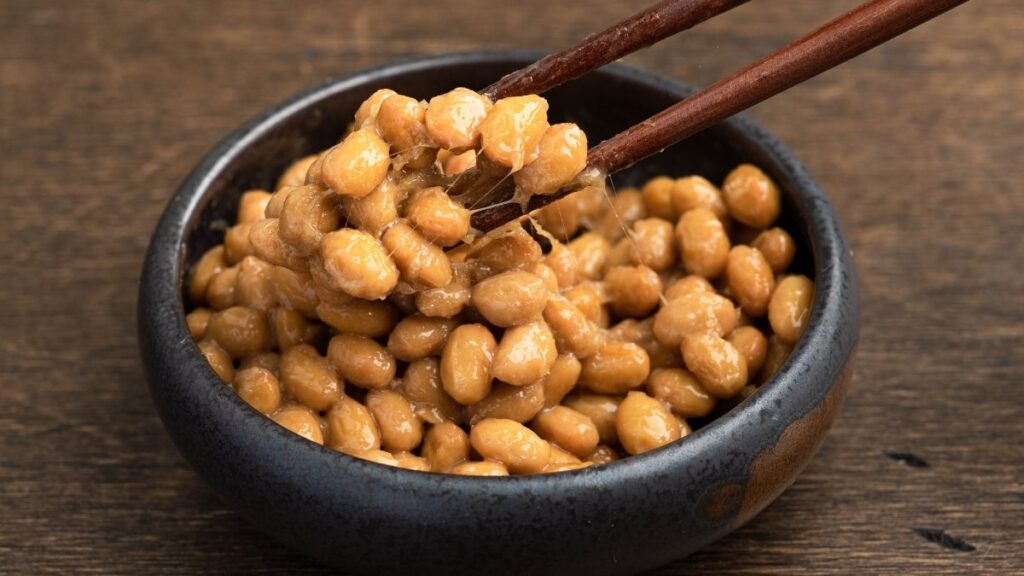
Natto is fermented soybeans. It looks strange. It smells strong. It has a sticky, stringy texture. Most Americans hate it at first. But seniors who push past the initial reaction discover extraordinary health benefits.
The fermentation uses Bacillus subtilis bacteria. This creates nattokinase, an enzyme found nowhere else in food. Nattokinase breaks down fibrin, a protein involved in blood clots. Research suggests it supports healthy blood flow and circulation. For seniors at risk of cardiovascular problems, this is significant.
Natto contains more vitamin K2 than any other food: over 1000 micrograms per 100 grams. One serving provides more than 10 days' worth of this crucial vitamin.
Vitamin K2 does two critical jobs. It activates proteins that direct calcium to your bones. It also activates proteins that prevent calcium from depositing in your arteries. Stronger bones and cleaner arteries from the same vitamin.
The fermentation creates polyglutamic acid. This substance is both stringy (causing natto's unusual texture) and beneficial. It acts as a prebiotic, feeding your good gut bacteria. It also creates a protective mucus layer in your intestines. This layer shields your gut lining from irritation and damage.
The texture challenge: Natto is sticky and forms long strings when you lift it with chopsticks. This puts many people off. Solutions: Chop it finely before eating. Mix it thoroughly with rice, avocado, or a flavorful sauce.
Start microscopic: Begin with just 1 tablespoon. The flavor is strong, earthy, and slightly bitter. Your taste buds need time to adjust. After one week, increase to 2 tablespoons if you can tolerate it.
Serving suggestions: Mix natto with soy sauce and mustard (these come with packaged natto). Stir it into hot rice. Add sliced green onions. Put it on toast with avocado. Combine it with an egg for breakfast.
Critical medication warning: The extremely high vitamin K2 content can interfere with blood-thinning medications like warfarin. Vitamin K counteracts these drugs. If you take blood thinners, talk to your doctor before eating natto. A single serving could affect your medication levels for days.
Where to find it: Asian grocery stores, especially Japanese or Korean markets, carry frozen natto. Some health food stores stock it in the freezer section. Thaw it in the refrigerator overnight before eating. Never microwave natto. Heat kills the beneficial bacteria.
How to Integrate Living Foods into Senior's Daily Routine

Reading about probiotic foods is easy. Actually eating them every day is harder. Your gut bacteria change based on what you feed them. Miss a day and you're not feeding the good bacteria. They start dying off. Consistency creates results. Random consumption doesn't.
Start with one food only. Don't try to add kefir, sauerkraut, miso, and kimchi all at once. Your digestive system will revolt. Pick the food that sounds most appealing to you. Commit to eating it every day for two weeks.
If you like creamy textures, start with Greek yogurt or kefir. If you prefer savory foods, try miso or sauerkraut. Match the probiotic food to your existing preferences. You'll actually stick with it.
After two weeks, add a second food. Rotate between different probiotic sources each week. Monday through Wednesday: kefir in the morning. Thursday through Sunday: Greek yogurt. Next week: swap in tempeh for lunch twice.
Why rotate? Different probiotic bacteria colonize different regions of your gut. Lactobacillus strains prefer the small intestine. Bifidobacterium species thrive in the colon. Rotating foods means you're supporting your entire digestive tract.
Timing affects survival: Probiotic bacteria survive best when eaten with meals that contain some fat. The fat protects bacteria from stomach acid. Drink kefir with your eggs and toast, not on an empty stomach. Eat yogurt with ground flaxseed and nuts. Add sauerkraut to a meal with olive oil or avocado.
Medication spacing matters: Antibiotics kill bacteria. All bacteria, including the good ones you're trying to cultivate. If you must take antibiotics, wait at least 2 hours after the dose before consuming probiotic foods. This gives the antibiotic time to be absorbed so it doesn't destroy the probiotics immediately.
Don't stop eating probiotic foods while on antibiotics. Keep eating them. Your gut needs reinforcements during and after antibiotic treatment.
Track your symptoms simply: You don't need a fancy app. Use a small notebook or calendar. Each day, note three things: bloating level (none, mild, moderate, severe), energy level (low, medium, high), and bowel movement quality (difficult, normal, easy).
After two weeks, look for patterns. Is bloating decreasing? Are bowel movements more regular? Is your energy improving? These changes tell you the probiotics are working.
Sample daily schedule:
Morning (7-8 AM): 6 ounces plain Greek yogurt with 1 tablespoon ground flaxseed and a handful of blueberries. Or 8 ounces kefir blended with frozen strawberries.
Lunch (12-1 PM): Your regular meal. After heating soup or vegetables, stir in 1 tablespoon miso paste. Let sit one minute before eating. The heat is off, so you're not killing the probiotics.
Dinner (5-7 PM): Add 2-3 tablespoons of sauerkraut or kimchi as a side dish next to your main protein. Or crumble tempeh into pasta sauce.
Snack (2-3 PM): 4 ounces kombucha or kefir. Pair with a small handful of nuts if you're hungry.
This pattern gives you probiotics throughout the day. Your gut bacteria get constant support instead of one large dose that might cause discomfort.
What if you travel? Pack individual serving containers of Greek yogurt in a small cooler. Miso paste packets travel well and don't require refrigeration until opened. Most grocery stores nationwide now carry kombucha and kefir. You can maintain your routine even away from home.
What if you forget a day? Don't stress. One missed day won't destroy your progress. Just resume the next day. Guilt and stress are worse for your gut than missing a single serving of probiotics.
Cost management: Probiotic foods cost less than supplements. A bottle of probiotic pills runs $20-40 and lasts one month. A jar of sauerkraut costs $6 and lasts three weeks. Homemade kefir costs pennies per serving if you buy the grains once and reuse them.
Make probiotic foods a regular part of your grocery budget. They're not extra. They're essential for senior health.
When you see results: Most people notice changes within 2-4 weeks. Bloating decreases first. Then bowel movements become more regular. Energy and mental clarity often improve by week 3 or 4. Stick with it through the full month even if changes seem small at first.
Your gut microbiome took years to become depleted. It won't rebuild in three days. Give it time and consistency.
Warning Signs and When to Consult Your Doctor

Adding probiotic foods to your diet is generally safe. But your body needs adjustment time.
Normal reactions (first 3-5 days): Mild gas and bloating are common. Your gut bacteria are shifting. Bad bacteria die off and release gas. New bacteria colonize and cause temporary bloating. These symptoms should be minor and should improve after less than one week.
Some people experience more frequent bowel movements initially. Others get slightly looser stools. Again, this is temporary as your system adjusts.
Red flags that require medical attention immediately:
- Severe cramping that prevents normal activities
- Diarrhea lasting more than 3 days
- Blood in your stool
- Fever along with digestive symptoms
- Vomiting that won't stop
- Severe abdominal pain in one specific spot
These symptoms suggest something more serious than probiotic adjustment. Call your doctor or go to urgent care the same day.
Medication interactions you need to know about:
Immunosuppressant drugs (taken after organ transplants or for autoimmune diseases) require caution. These medications suppress your immune system on purpose.
Consuming large amounts of live bacteria might cause infections in immunocompromised people. Talk to your doctor before adding probiotic foods if you take immunosuppressants.
Blood thinners (warfarin, Coumadin) interact with foods high in vitamin K. Natto contains extreme amounts of vitamin K2. Sauerkraut and other fermented vegetables also contain vitamin K.
These foods can reduce the effectiveness of blood-thinning medications. Tell your doctor what you're eating so medication doses can be adjusted if needed.
Some fermented foods contain small amounts of tyramine. This compound can interact with MAO inhibitor antidepressants, causing dangerous blood pressure spikes. If you take MAO inhibitors, ask your doctor which fermented foods are safe.
Conditions requiring slow introduction:
SIBO (small intestinal bacterial overgrowth): This condition means you already have too many bacteria in the wrong place. Adding more bacteria through probiotics might worsen symptoms. Work with a gastroenterologist to determine if and when probiotic foods are appropriate.
Crohn's disease and ulcerative colitis: Some people with inflammatory bowel disease tolerate probiotic foods well. Others experience flare-ups. Start with very small amounts under doctor supervision.
Recent bowel surgery: Your intestines need time to heal. Wait until your surgeon clears you to add probiotic foods.
Compromised immunity: If you're undergoing chemotherapy, have HIV/AIDS, or take medications that suppress your immune system, stick to well-researched probiotic strains. Yogurt with Lactobacillus and Bifidobacterium is safer than exotic fermented foods containing unknown bacterial species.
FODMAP sensitivity: Some seniors have difficulty digesting certain carbohydrates called FODMAPs. Fermented foods contain varying FODMAP levels. If you have irritable bowel syndrome (IBS), you might react to some probiotic foods. A low-FODMAP diet should be guided by a dietitian.
When to call your doctor (not emergency, but schedule an appointment):
- Probiotics make you feel worse after 2 weeks instead of better
- You're unsure if a specific probiotic food is safe with your medications
- You have a history of serious digestive issues and want guidance
- You're experiencing unusual symptoms you can't explain
- You want to try probiotics but have multiple medical conditions
Signs of high-quality probiotic foods:
The label lists specific bacterial strains (Lactobacillus rhamnosus, Bifidobacterium longum) instead of just "live cultures."
The product requires refrigeration. Shelf-stable "probiotic" foods have been processed to death.
The expiration date is clearly marked and you're buying well before that date. Probiotics die over time even when refrigerated.
The ingredients list is short and pronounceable. Real fermented foods don't need stabilizers, thickeners, or artificial anything.
You can see sediment, cloudiness, or separation in the jar. This indicates live, active fermentation. Crystal-clear products have been filtered and pasteurized.
Your health is individual. What works perfectly for your neighbor might not work for you. Pay attention to your body's signals. Adjust based on your response. And when in doubt, ask your doctor.
Conclusion
Your gut microbiome isn't frozen at age 60, 70, or 80. It changes based on what you feed it every single day.
The 10 probiotic foods in this guide offer different bacterial strains, different nutrients, and different benefits. Kefir rebuilds depleted bacteria populations. Miso supports digestive enzyme production. Sauerkraut fights inflammation. Tempeh provides protein and B12. Each food does specific jobs your aging gut needs.
You don't have to eat all 10. Start with one that appeals to you. Eat it daily for two weeks. Notice what changes. Then add a second food. Rotate between options to maximize bacterial diversity.
Most people see real improvements within 2-4 weeks. Bloating decreases. Bowel movements regulate. Energy increases. Mental fog lifts. Your immune system strengthens.
These changes happen because you're feeding beneficial bacteria instead of starving them. The bacteria multiply. They crowd out harmful species. They produce vitamins. They strengthen your gut lining. They communicate with your immune system and brain.
Living foods work better than probiotic pills for most people. You get fiber along with bacteria. You get nutrients beyond just the probiotics. And food-based probiotics survive your stomach acid better than many supplements.
Your gut health affects everything: digestion, immunity, inflammation, mood, energy, and even how well your medications work. Investing 5 minutes daily in probiotic foods creates returns across your entire body.
Choose one probiotic food from this list today. Buy it on your next grocery trip. Start with a small serving tomorrow morning. Commit to daily consumption for two weeks. Track how you feel in a simple notebook.
Your gut microbiome is waiting for the right fuel. It's never too late to rebuild what time and medications have depleted. Give your bacteria what they need and watch your health improve.