

Gut Health After 60: 6 Gentle Fermented Foods That Boost Immunity Without Bloating
Your gut at 60 is not the same gut you had at 35, and that matters a lot more than most doctors tell you. After 60, your microbiome quietly loses diversity, beneficial bacteria drop off, and digestive enzymes slow down.
The immune system, 70% of which lives in your gut lining, starts getting patchy in its defenses. Bloating becomes more common. Foods that never caused trouble now do. And well-meaning advice to eat more fermented foods often makes things worse, because nobody explains how to do it right for an older gut.
This article changes that. You will learn exactly why gut health shifts after 60, which six fermented foods are scientifically supported and gentle enough for a sensitive digestive system, and how to introduce them without triggering the bloating that made you give up before.
Gut Health Optimizer
Build your daily plate! Pick up to 4 foods. Reach 80+ Immunity while keeping Bloat Under 40.
Your Daily Plate
Why Your Gut Changes Dramatically After 60 (And Why It Matters)
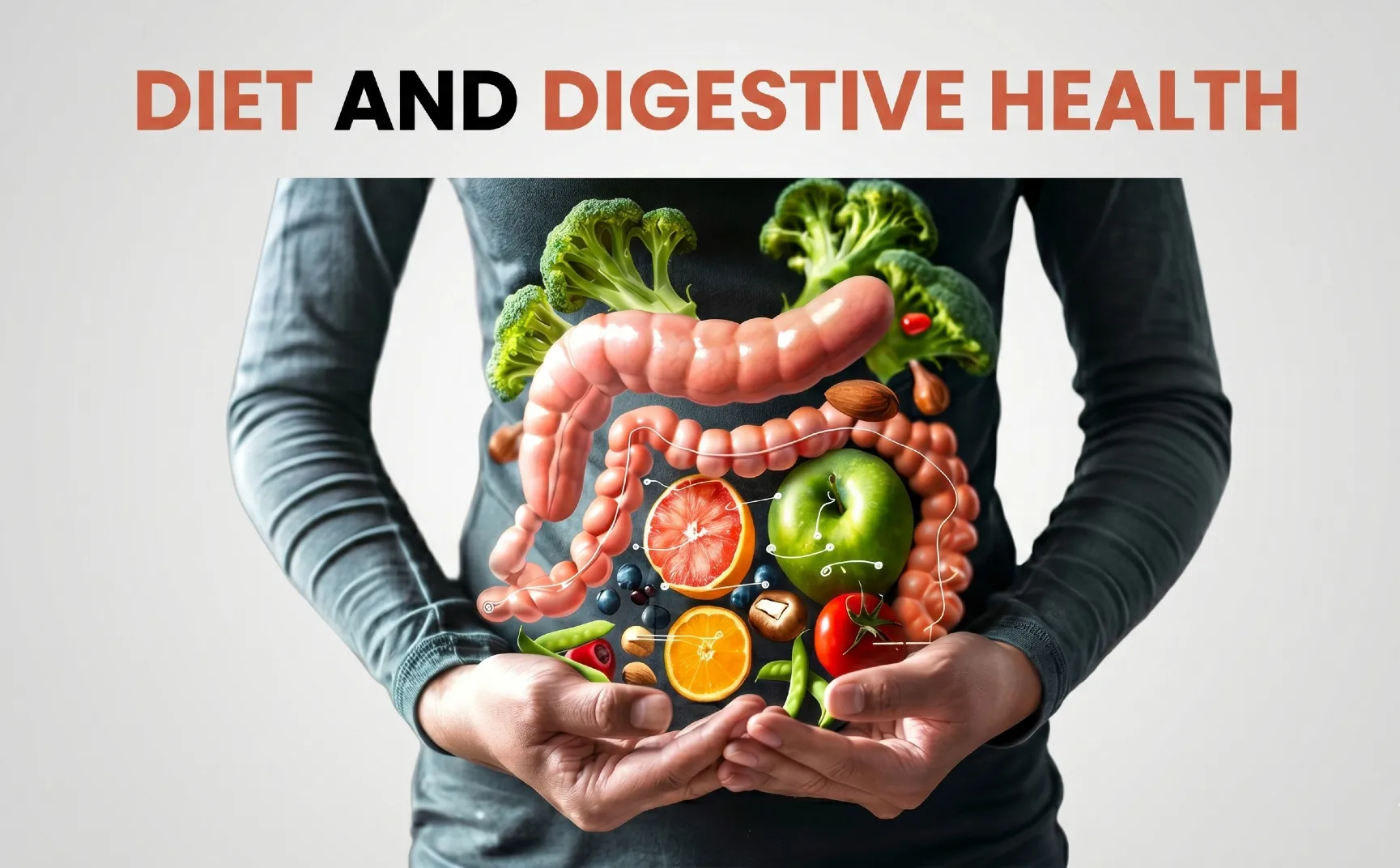
Something shifts in your body after 60. You eat the same foods you always have. But now they make you bloated. You feel heavy. Your stomach is unpredictable. You get sick more often, and it takes longer to recover.
This is not just “getting older.” There is a specific reason this happens. And it starts in your gut.
Here is the short version: the community of bacteria living in your digestive tract has been changing. After age 65, microbial diversity begins to decline. By age 80, that decline becomes much sharper, according to research from the University of Florida Medical Physiology program.
The bacteria your body relied on for decades, strains like Bifidobacterium and Faecalibacterium, start to disappear. Less helpful, more inflammatory species move in to replace them.
There is also something called inflammaging. It is a low-grade, chronic inflammation that builds up when your gut lining weakens and lets bacterial toxins leak into your bloodstream. You may not feel it directly. But it shows up as joint pain, fatigue, brain fog, and slower healing.
Your immune system takes a hit too. About 70% of your immune cells live along your gut lining, according to immunologists at Cedars-Sinai. When that lining weakens and bacterial diversity drops, your immune response slows down. Vaccines become less effective.
Here is the part worth holding onto: this is not permanent. The gut microbiome responds to what you eat faster than almost any other system in your body. A Stanford clinical trial found measurable immune improvements after just 10 weeks of consistent fermented food intake.
People who live to 100 tend to have more diverse gut bacteria than many younger adults, according to the Institute for Systems Biology. That is not a coincidence.
What Science Actually Says About Fermented Foods and Immunity
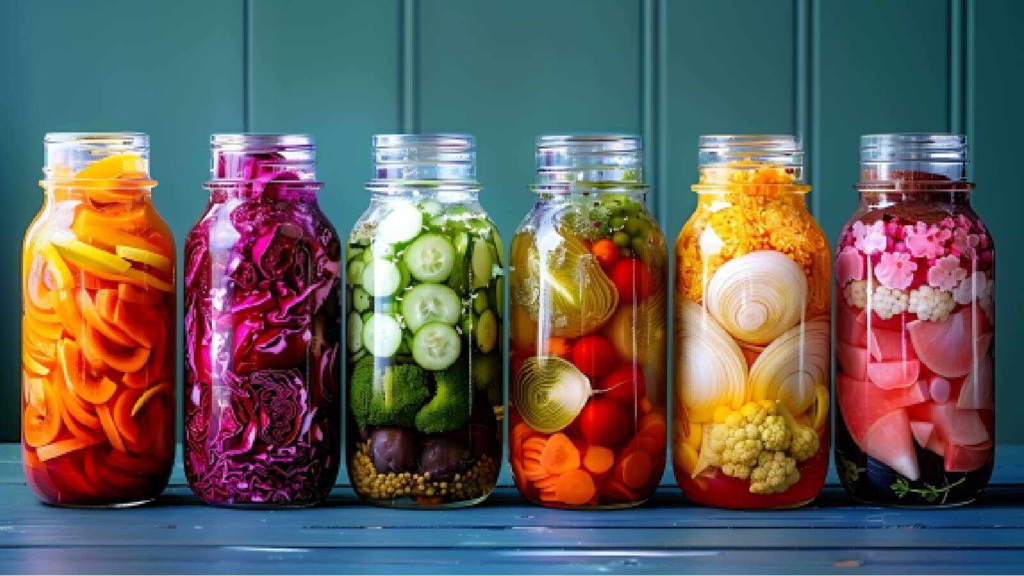
You have probably seen fermented foods trending on social media. Kombucha. Kimchi. Kefir. It can feel like a food fad. It is not.
The most cited study on this subject came out of Stanford School of Medicine in 2021. Researchers ran a 17-week randomized clinical trial. They compared two groups: one eating a high-fiber diet, the other eating a high-fermented-food diet.
The results were clear. The fermented food group showed a significant increase in gut microbial diversity. They also saw a decrease in 19 inflammatory proteins, including interleukin-6, which is a key driver of chronic inflammation.
Four types of immune cells improved. And the effect was dose-dependent, meaning the more fermented food people ate, the stronger the benefit.
That last point matters. This is not about eating a tiny spoonful for show. Consistent, meaningful portions actually change your immune profile.
Fermented foods also work differently than fiber, and that difference matters for older adults. Fiber feeds the bacteria already living in your gut. Fermented foods bring in new bacterial species from outside. When your microbiome has lost diversity over years, this distinction is significant. You are not just feeding what is left. You are adding to it.
A review in Nature Reviews Gastroenterology and Hepatology from 2024 found that fermented foods support the gut barrier, compete with harmful pathogens, and reduce intestinal inflammation. For an aging gut, that is exactly what the research says is needed.
One important note: not every fermented food delivers these benefits. Heat-processed and shelf-stable versions, such as pasteurized kombucha or canned sauerkraut, may contain no live bacteria at all. The heat treatment kills them. What you want to look for on the label are the words “live, active cultures” or “unpasteurized.” That is the version with real probiotic value.
The science here is not preliminary. It is not one small study. It is consistent, growing, and backed by top research institutions.
The Bloating Problem (And Why Older Adults Get It Worse)
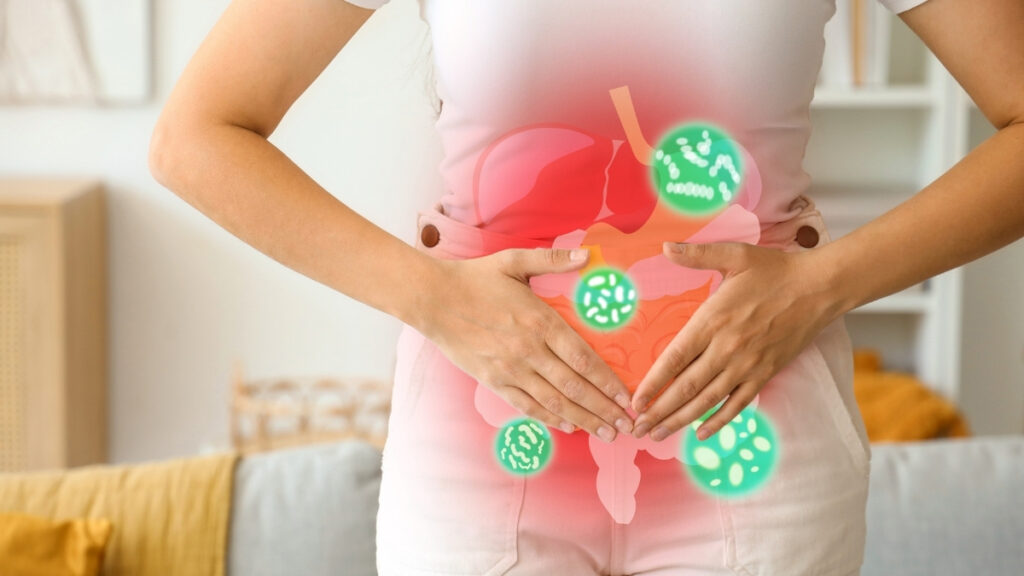
Let’s address the thing people do not want to talk about. If you have ever tried fermented foods and ended up uncomfortable, you are not alone. Bloating is the number one reason people quit before they see any benefit.
Here is what actually happens. When new bacteria enter a gut that is not used to them, gas gets produced as the microbiome adjusts. This is normal. The Stanford study itself noted that the fermented food group experienced initial bloating during the first few weeks. It resolved over time.
But older adults get it worse than younger people. Two reasons: slower gastric emptying and lower enzyme production. Food moves more slowly through your system. When it meets a large influx of new bacteria all at once, the reaction is stronger.
The fix is simple, but most people skip it. Start small. Stanford’s own nutrition guidance recommends beginning with half a serving and working up gradually. A teaspoon of sauerkraut. Three tablespoons of kefir. Not a full bowl, not a full glass. Give your gut three to four weeks to adjust before increasing the amount.
Some fermented foods are also gentler than others for older digestive systems. Yogurt and kefir are good starting points because the bacteria have already pre-digested most of the lactose during fermentation. This makes them far easier to tolerate than regular milk, especially since lactose sensitivity tends to increase with age, according to research from UNC Chapel Hill.
Consistency also matters more than volume. Dietitians consistently point to this: a small daily serving builds a healthier microbiome more effectively than a large serving once or twice a week. A quarter cup of sauerkraut every day outperforms a full cup twice a week.
If you have IBS, SIBO, or a history of sensitive digestion, go even slower. The Monash FODMAP app is a useful tool for identifying which fermented foods tend to cause the least trouble for sensitive guts. You do not have to avoid fermented foods. You just have to be more careful about the pace.
The 6 Gentlest Fermented Foods for People Over 60
Not all fermented foods work the same way. Some are easier on aging digestive systems. Some deliver a wider range of bacterial strains. Some are better suited to specific health concerns. Here are the six worth starting with, in order from gentlest to most varied.
1. Plain Yogurt with Live Cultures
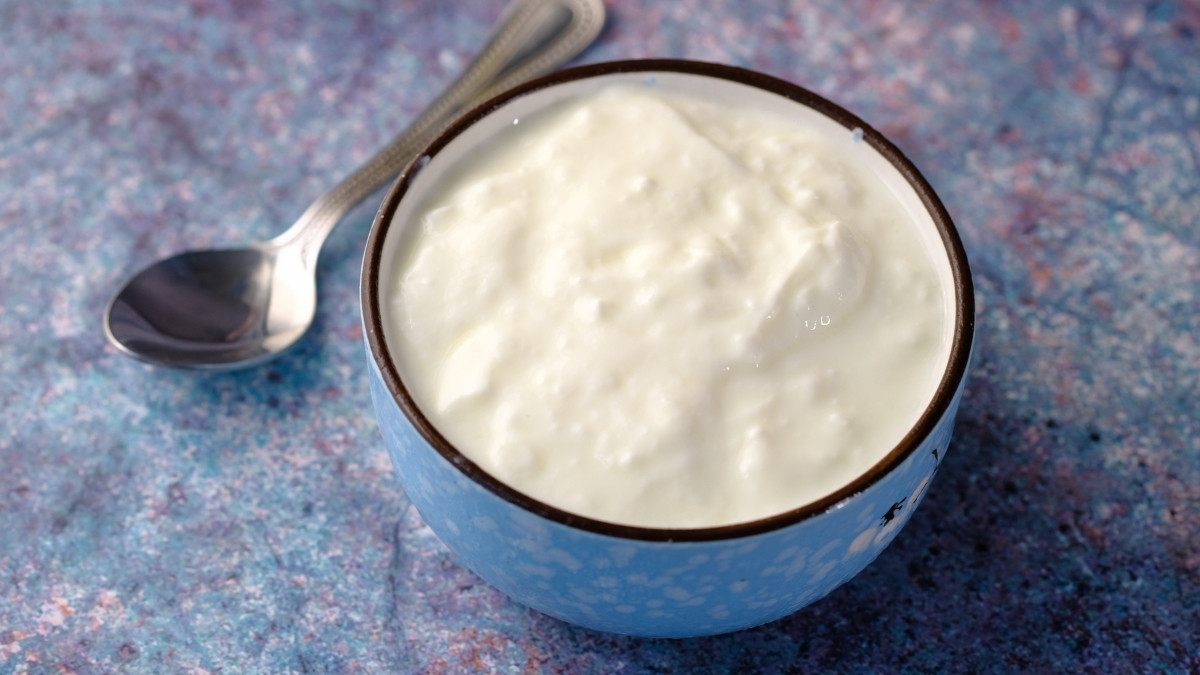
Yogurt is the most studied fermented food in clinical trials and the easiest starting point for most people. The specific bacterial strains found in yogurt, Lactobacillus and Bifidobacterium, are exactly the two families most likely to have declined in your gut after 60.
Research links regular yogurt consumption to lower inflammation markers and healthier cholesterol levels. Because the bacteria pre-digest much of the lactose during fermentation, yogurt is tolerable even for people who have developed lactose sensitivity with age.
Serving tip: Start with half a cup daily. Eat it with a meal, not on an empty stomach. Choose plain varieties. Flavored yogurts often carry significant added sugar, which feeds the wrong kind of bacteria.
Buying tip: Store brand is fine. The bacteria count matters, not the label. Look for “live and active cultures” on the packaging. Keep it refrigerated and check the expiration date. Live cultures degrade over time.
2. Kefir

Think of kefir as yogurt’s more potent sibling. A typical yogurt contains 2 to 7 strains of bacteria. Kefir can contain upward of 60 strains of bacteria and yeasts, making it one of the most microbiome-diverse fermented foods you can find at a regular grocery store.
Research published in MDPI Foods in 2025 found that kefir components may help the immune system suppress certain viral infections. For older adults who tend to experience more severe or lingering seasonal illness, that immune-regulating quality is especially relevant.
Serving tip: Start with 2 to 3 tablespoons if you are new to it. Work up to half a cup over two to three weeks. Plain, unflavored kefir has less sugar. Dairy-free kefir made from coconut milk is available for those avoiding dairy entirely.
Buying tip: Look for “live and active cultures” on the label and buy from the refrigerated section only. Shelf-stable kefir drinks have usually been heat-treated, which destroys most of the microbial benefit.
3. Refrigerated, Unpasteurized Sauerkraut
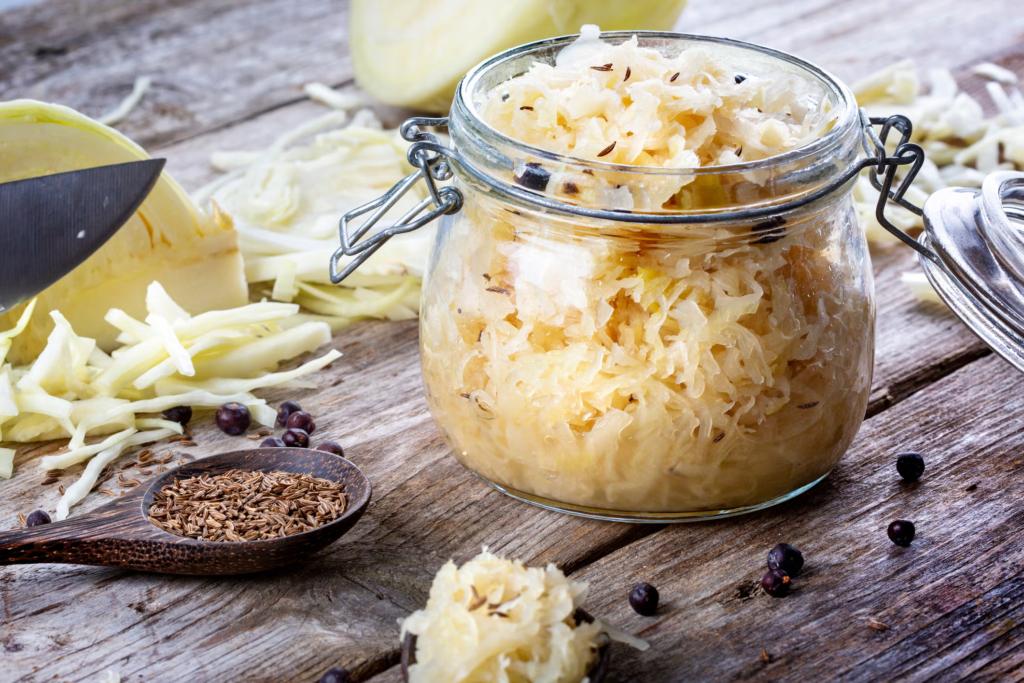
Sauerkraut made through traditional lacto-fermentation delivers Lactobacillus plantarum, a probiotic strain linked to reduced inflammation, protection against constipation, and improved gut barrier function.
A 2025 human crossover trial published in Microbiome found that regular sauerkraut consumption measurably shifted gut microbiota composition. It is also dairy-free and low in calories, which makes it easy to add alongside almost any meal.
Serving tip: Start with 1 tablespoon per day alongside a meal. The food helps buffer the acidic taste and slows how quickly things move through your system, giving the bacteria more time to take effect. Work up to a quarter cup after about three weeks.
Buying tip: This is where most people make a mistake. The jarred sauerkraut sitting at room temperature on a regular grocery shelf has been pasteurized. The heat treatment kills the live cultures. You want sauerkraut from the refrigerated section with a short ingredient list: cabbage and salt. That is it.
4. Miso
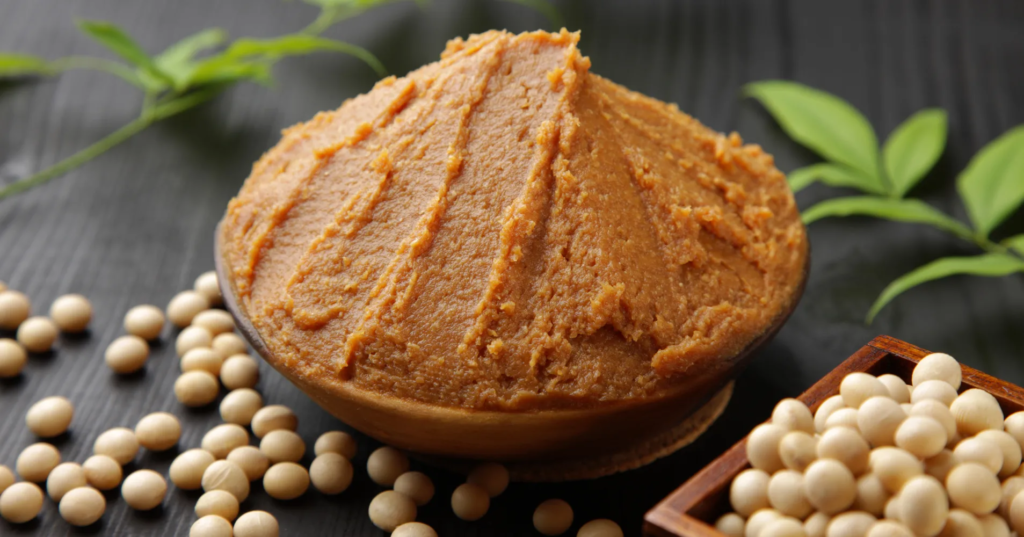
Miso is one of the most practical fermented foods on this list because you do not have to change what you eat to include it. One tablespoon stirred into warm broth at the end of cooking is all it takes.
Beyond its probiotic value, miso provides B vitamins and zinc, two nutrients that decline with age and play a direct role in immune cell production. It has also been studied for its effects on blood pressure in older adults.
Serving tip: One tablespoon per day is enough. Add it to warm (not boiling) water or broth at the end of cooking, not during. Heat above around 115 degrees Fahrenheit kills the live cultures. Treat it like a seasoning you add at the end, not an ingredient you cook with.
Buying tip: Look for unpasteurized miso in the refrigerated section of grocery stores or Asian food markets. One tablespoon can carry 500 to 900mg of sodium. If you are watching your blood pressure, choose a low-sodium variety and use it diluted in a larger volume of liquid.
5. Kimchi
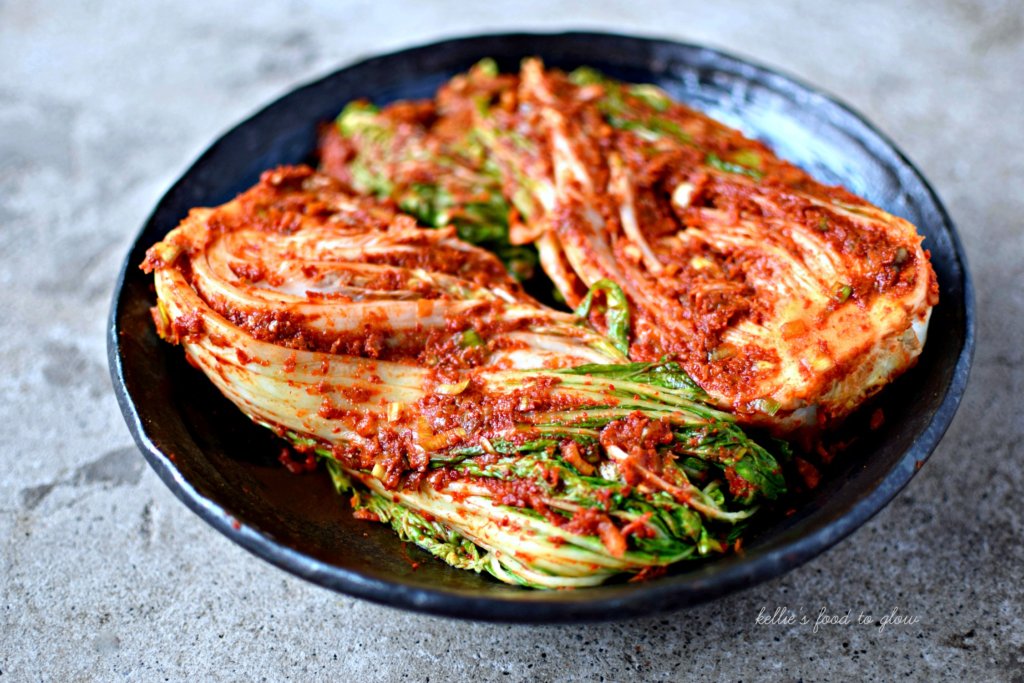
Kimchi is fermented Napa cabbage made with garlic, ginger, and chili. Each of those base ingredients carries its own anti-inflammatory and antioxidant properties on top of the probiotic benefit.
Early studies noted significant increases in beneficial bacteria, including Bifidobacteria and Lactobacillus, after regular kimchi consumption. Analysis from the Superage research group in 2026 noted that populations who eat kimchi regularly showed favorable gut microbiome profiles in aging studies.
Serving tip: Kimchi is the spiciest food on this list, and spice can irritate a sensitive gut lining. Start with 1 tablespoon alongside a meal. Use it the way you would use salsa. A small amount on eggs, in a grain bowl, or next to a protein is plenty to start.
Buying tip: Buy refrigerated, not shelf-stable. If spice is a concern, look for mild kimchi or “white kimchi,” which is made without chili. It is significantly gentler and still delivers the probiotic benefit.
6. Cultured Cottage Cheese
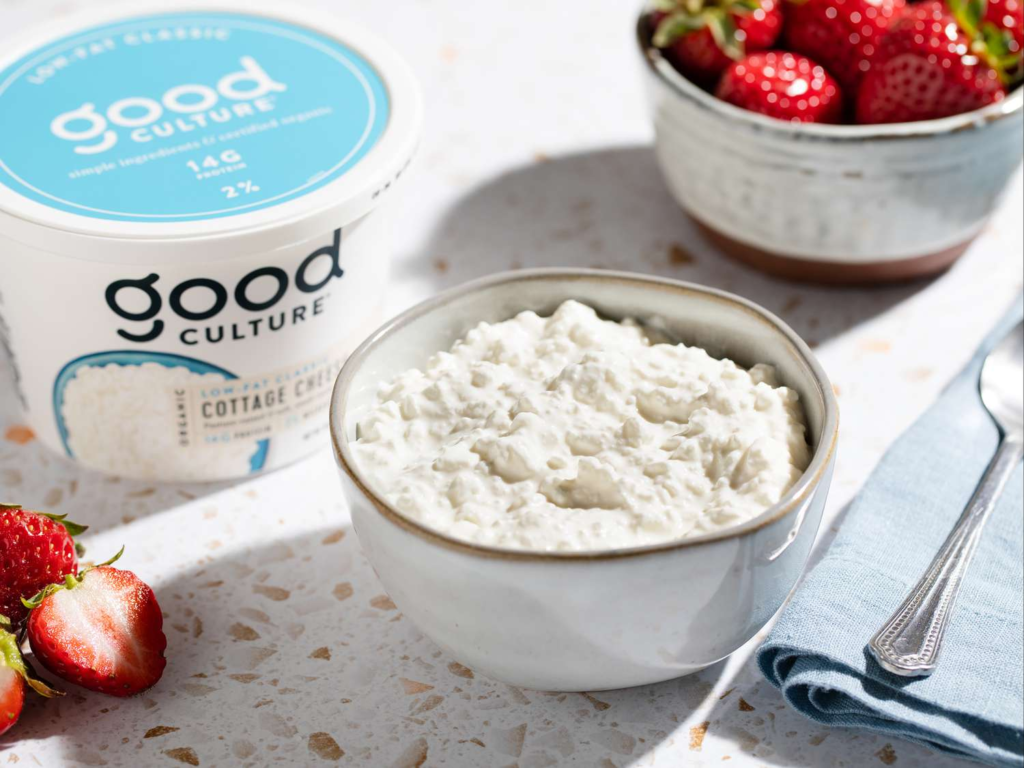
This is the least obvious pick on the list, but it may be the most practical for older adults. Traditional cottage cheese has no microbial value at all. But newer cultured or fermented cottage cheese varieties, sometimes labeled “cultured cottage cheese,” contain live active cultures similar to yogurt.
The Stanford high-fermented-food trial specifically included fermented cottage cheese as one of its intervention foods. It is mild, easy to eat, and high in protein, which matters after 60 because muscle preservation becomes increasingly important.
Serving tip: Half a cup with fruit or on a grain bowl is a solid daily addition. If you are already eating other dairy-based fermented foods, start with a smaller portion to avoid overdoing the total amount at once.
Buying tip: Check the label carefully. Not all cottage cheese qualifies. Look for “live and active cultures” or the word “cultured” in the product name or ingredient list. In the United States, brands like Good Culture currently produce this. Most standard cottage cheese brands do not.
A Simple 4-Week Plan to Start Without the Stomach Trouble
Most health articles tell you what to eat. They skip the part about when to eat it and how to build up without feeling terrible. Here is a practical plan.
Week 1: Pick one food. Yogurt or kefir is the easiest starting point for most people. One small serving daily. Half a cup of yogurt or 3 tablespoons of kefir. Eat it with a meal, not on an empty stomach. That is it for week one. Do not add anything else yet.
Week 2: If you felt fine in week one, keep that food going and add one small serving of a vegetable-based fermented food. One tablespoon of sauerkraut or kimchi alongside a meal. Still once a day.
Week 3: Increase the volume slightly. Work up to a full cup of yogurt or half a cup of kefir. Keep the vegetable ferment at 1 to 2 tablespoons. You are building the habit and giving your gut time to adjust.
Week 4 and beyond: Consider adding a third variety. Miso soup three or four times a week fits naturally here. Variety of bacterial strains matters as much as total volume. You are not looking to eat enormous amounts. You are looking for consistent exposure to a range of different live cultures.
What to expect: Some loose stools or minor gas in the first week is normal. It is your microbiome adjusting. If the discomfort is significant or lasts past two weeks, scale back and go slower. There is no rush. Anyone taking immunosuppressant medications or managing a serious gastrointestinal condition like Crohn’s disease or ulcerative colitis should talk with their doctor before making major dietary changes.
Start With One Food This Week
Gut health after 60 is not a fixed decline. Your microbiome responds to what you feed it. Even adding one or two fermented foods consistently can begin to shift microbial diversity, support your gut lining, and reduce the background inflammation connected to poor sleep, frequent illness, and sluggish digestion.
You do not need to overhaul your diet. One tablespoon of refrigerated sauerkraut alongside lunch tomorrow costs almost nothing and takes no preparation. Grab a plain yogurt at the grocery store. Start there.
The research on fermented foods for seniors is clear. The barrier to starting is low. The only step left is the first one.