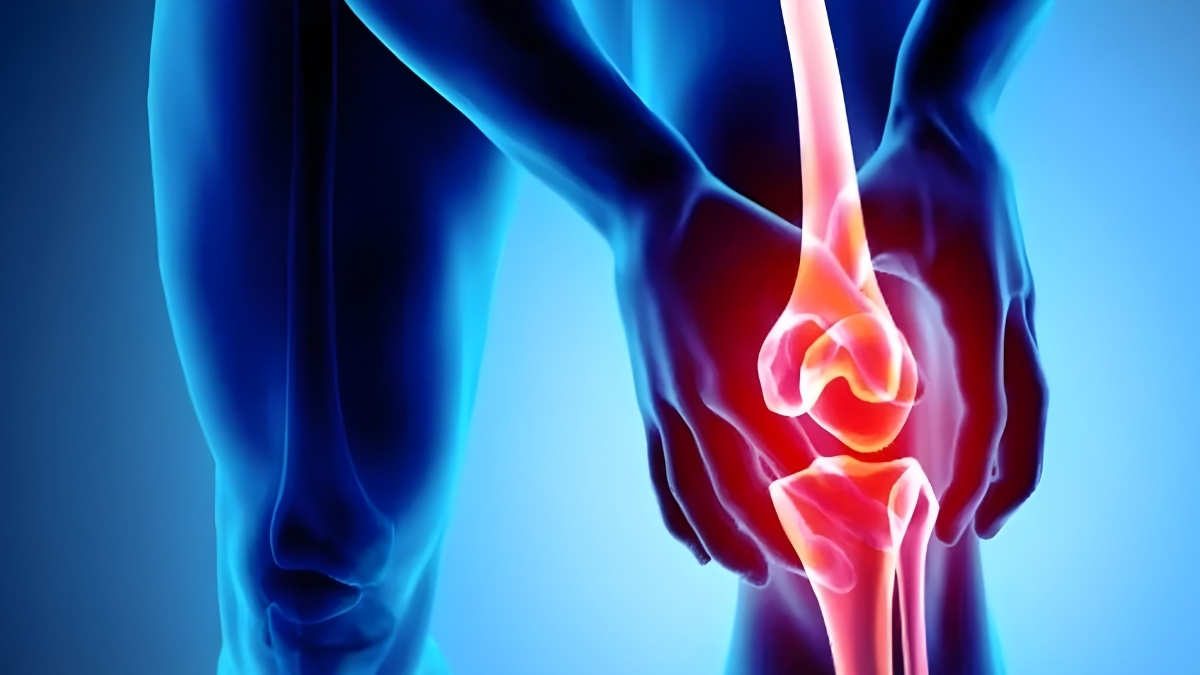
Forget Glucosamine: This Ancient Root Rebuilds Knee Cartilage While You Sleep
If glucosamine and chondroitin haven’t stopped your knee pain from worsening, you’re not alone—science now explains why.
Millions tried these supplements for months with minimal improvement, watching joint pain and stiffness progress while worrying about eventual knee replacement. But breakthrough research changes everything.
A 2017 study identified three botanical extracts that reduce cartilage breakdown by up to 54%—something glucosamine can’t match. These natural joint protection compounds offer a proven glucosamine alternative for osteoarthritis treatment.
You’ll discover why traditional supplements fail, the exact dosages that work, realistic timelines for results, and how these extracts provide measurable protection for your deteriorating cartilage.
The Glucosamine Myth
THE VILLAIN
Glucosamine fails to stop cartilage breakdown (CTX-II). It’s like painting over rust—the damage keeps happening underneath.
Why Your Glucosamine Supplement Might Be Wasting Your Money (And What Actually Works)
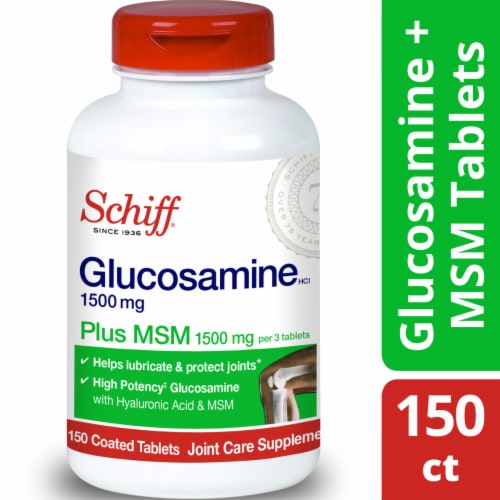
If you've been taking glucosamine and chondroitin for your knee pain, you might wonder why your joints still ache. You're not imagining things. Research shows these popular supplements don't work the way most people think they do.
But here's what's interesting: scientists recently tested three plant extracts that actually slow down cartilage damage. The results surprised even the researchers.
This article breaks down what the science really says. You'll learn why glucosamine falls short, what these plant extracts do differently, and whether they might help your joints.
The Glucosamine Problem: What the Research Really Shows
For decades, doctors recommended glucosamine and chondroitin as the go-to supplements for osteoarthritis. The bottles fly off pharmacy shelves. Americans spend $2 billion a year on these products.
A 2017 study at Central Michigan University looked at 135 people with knee osteoarthritis. Researchers measured something called CTX-II in their urine. Think of CTX-II like rust flaking off a car. The more flakes you see, the more damage is happening.
CTX-II measures how fast your cartilage breaks down. Higher levels mean more destruction. Lower levels mean your cartilage is holding up better.
Are the people taking glucosamine and chondroitin? Their CTX-II levels stayed basically flat. Little change. Their cartilage kept breaking down at the same rate.
Here's another problem: only about 50% of osteoarthritis patients get real pain relief from any treatment. That's a coin flip.
Your cartilage has no blood vessels. That makes it hard for nutrients to get where they need to go. Glucosamine might not reach your joint tissues in amounts high enough to help.
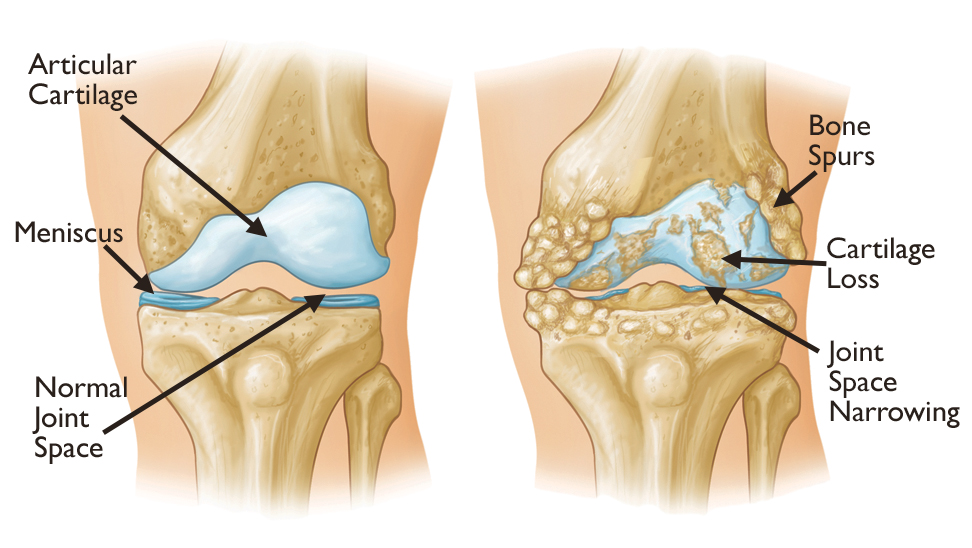
Most people start taking it too late. By the time your knee hurts enough to buy supplements, you've already lost 40-50% of your cartilage. You're trying to fix something that's already badly damaged.
And here's the big one: glucosamine doesn't stop the inflammation that destroys cartilage in the first place. It's like mopping water off the floor while the pipe keeps leaking.
Three Ancient Plant Extracts That Actually Protect Your Cartilage

While pharmaceutical companies focused on blocking pain, a team of researchers took a different approach. They asked: Can we find plants that actually protect cartilage from breaking down?
They screened over 12,000 botanical sources. Think about that. Twelve thousand plants were tested for their effects on joints.
Three stood out: cutch tree, white mulberry, and Chinese skullcap.
1. Cutch tree

Cutch tree comes from Acacia catechu. It grows in Asia. For centuries, traditional medicine has used it for inflammation and wounds. The tree produces a rich extract full of catechins. You know catechins—they're the same compounds that make green tea healthy.
The FDA has even approved cutch tree as a natural flavoring. That tells you something about its safety profile.
2. White mulberry
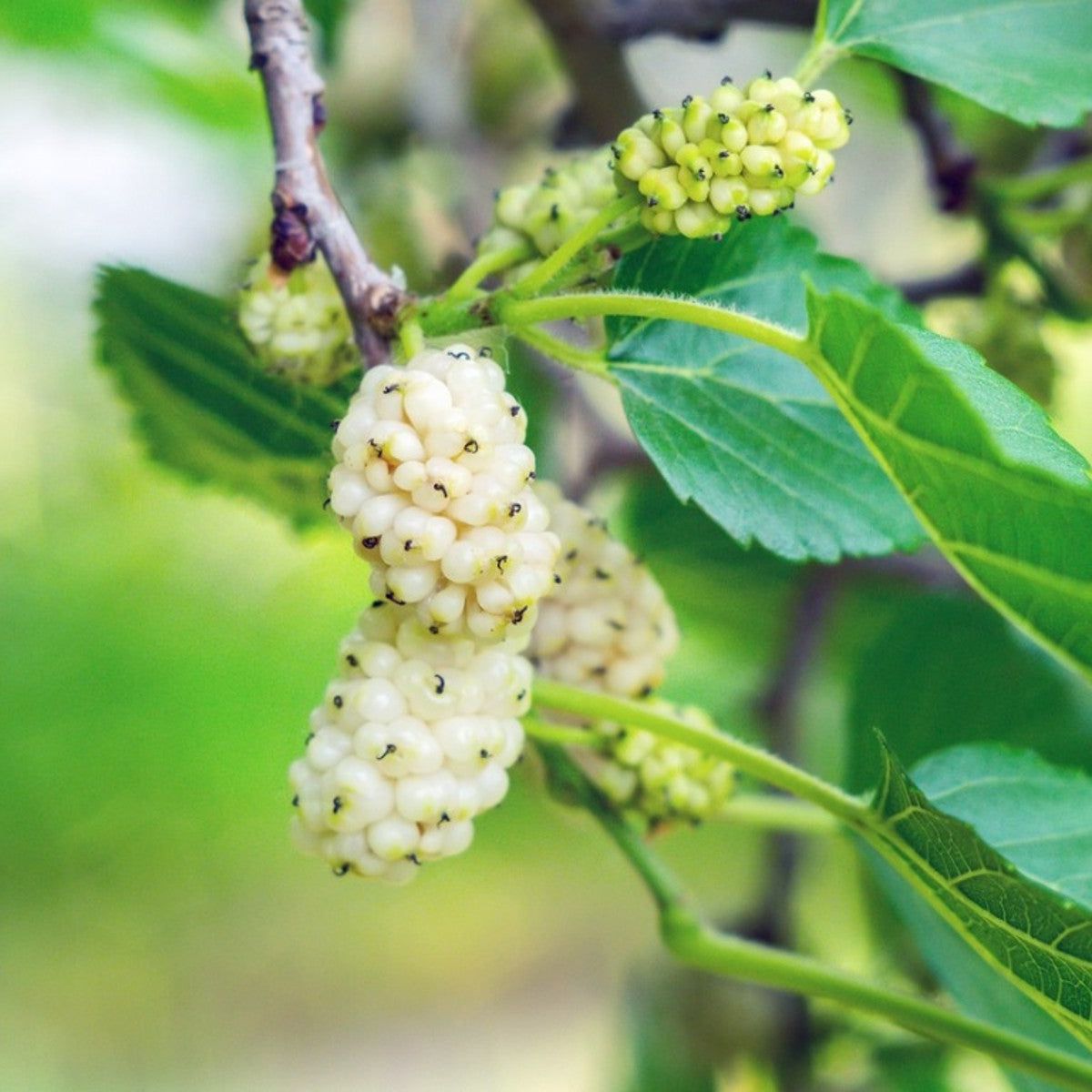
White mulberry (Morus alba) is another ancient remedy. This tree contains flavonoids and stilbenoids. Modern research shows these compounds help preserve joint integrity. They work at the cellular level to keep cartilage from degrading.
3. Chinese skullcap

Chinese skullcap (Scutellaria baicalensis) rounds out the trio. Its active compound is baicalin. Studies show it fights inflammation through multiple pathways.
What makes these plants special? They don't just mask pain. They actually interrupt the process that destroys your cartilage.
These extracts block enzymes like COX-2 and 5-LOX. They reduce inflammatory molecules like interleukins and TNF-alpha. They suppress something called NF-kappaB, which acts like a master switch for inflammation.
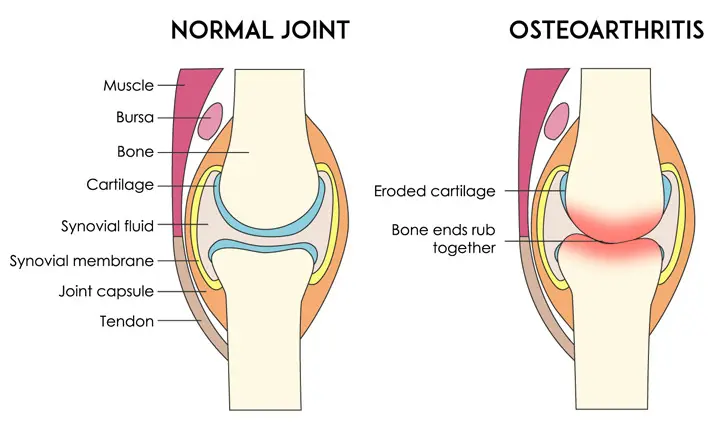
Most importantly, they protect proteoglycans. These are the cushioning components inside your cartilage. When proteoglycans break down, your cartilage loses its ability to absorb shock. Your bones start grinding together.
How These Extracts Reduced Cartilage Damage by 54% in Just 12 Weeks
The breakthrough study published in 2017 gave us the clearest evidence yet. Researchers at Central Michigan University recruited 135 adults with knee osteoarthritis. Real people with real joint pain.
They split them into three groups:
- Placebo (sugar pill)
- Glucosamine and chondroitin (the standard supplement)
- Cutch tree and white mulberry combination (400 mg per day)
Everyone took their assigned supplement daily for 12 weeks. Nobody knew which group they were in.
The researchers measured two things: pain levels and CTX-II (that cartilage breakdown marker we talked about).
Here's what happened with pain:
By week 8, the people taking the herbal combination felt significantly better than both other groups. Not just a little better. Significantly better.
By day 56, the difference was clear. The botanical group had more pain relief than the placebo group AND the glucosamine group.
But here's the really important part—the CTX-II results:
Remember, CTX-II tells you if your cartilage is actively breaking down. Higher numbers mean more damage.
In the placebo group, CTX-II levels rose sharply. Their cartilage kept deteriorating at a fast pace.
The glucosamine group? Little change. Just like the placebo group, their cartilage continued breaking down.
The herbal combination group? Their CTX-II levels decreased. The cartilage breakdown actually slowed down.
This matters. Pain relief is nice. But if your cartilage keeps getting destroyed, you're just delaying the inevitable.
Lab studies on rats showed even more impressive numbers. The herbal extracts reduced proteoglycan breakdown by 31-54%, depending on the dose. That's the cushioning stuff inside your cartilage.
In animal pain models, the extracts provided 17% pain reduction in week one. By week five, that jumped to 40% pain reduction.
No serious side effects showed up in any group. The herbal combination was safe. For the first time, researchers had a supplement that actually changed the biology of cartilage breakdown. Not just the symptoms. The underlying disease process.
The Cartilage Breakdown Marker Your Doctor Should Be Measuring
Most joint supplements get tested only on pain relief. Does your knee hurt less? Great, the supplement "works."
But pain doesn't tell you if your cartilage is actually being protected. That's where CTX-II comes in. Let me explain what it is in simple terms.
Your cartilage is made mostly of Type II collagen. That's the main structural protein holding everything together. When your cartilage breaks down, tiny fragments of this collagen get released. These fragments are called C-terminal crosslinking telopeptides of Type II collagen.
Say that three times fast. Or just call it CTX-II. These fragments show up in your urine. Doctors can measure them with a simple test. The higher your CTX-II levels, the faster your cartilage is falling apart.
Researchers use CTX-II as a biomarker in osteoarthritis studies. Drug companies use it when testing new medicines. It's one of the best ways to see if something is actually slowing down the disease.
Here's the problem: most supplements don't affect CTX-II levels at all. They might reduce pain temporarily. But the cartilage keeps breaking down at the same rate.
You could take glucosamine for years, feel a bit better, and still lose more cartilage every month. Your joints still march toward that eventual knee replacement.
This is why the CTX-II findings with these botanical extracts matter so much. For the first time, we have a supplement that actually lowers this marker significantly. It's not just covering up symptoms. It's protecting the cartilage itself.
Think of it this way: pain relievers are like turning down your car's check engine light. Sure, the light stops bothering you. But the engine problem is still there, getting worse. These plant extracts actually fix part of the engine problem.
How These Plant Extracts Stop Cartilage Destruction
The reason these botanicals outperform glucosamine is simple: they attack the problem from multiple angles.
Most drugs target one specific enzyme or receptor. You take ibuprofen. It blocks COX-2. That reduces some inflammation. But five other inflammatory pathways keep running at full speed. These plant extracts work differently.
They hit multiple targets at once:
They inhibit COX-1 and COX-2 (like ibuprofen does, but naturally). They also block 5-LOX, another inflammatory enzyme. That's two pathways shut down instead of one.
They reduce interleukins and TNF-alpha. These are signaling molecules that tell your immune system to attack your joints. Less signaling means less inflammation.
They suppress NF-kappaB. Think of this as the master control switch for inflammation. When NF-kappaB turns on, it activates dozens of inflammatory genes. These extracts help keep that switch turned off.
They protect proteoglycans directly. These are the gel-like molecules that cushion your cartilage. When they break down, your bones lose their shock absorbers.
They even prevent bone erosion underneath the cartilage layer. As osteoarthritis progresses, it's not just cartilage damage. The bone underneath starts deteriorating too.
If inflammation is a fire, most drugs remove one log. These botanicals turn off multiple gas valves feeding the flames.
How do they compare to actual drugs?
In animal studies, the herbal combination performed as well as ibuprofen for reducing pain. When researchers dissected the joints afterward, they saw minimal bone damage in the animals that got the botanical extracts.
A study in Montreal compared these herbs to celecoxib (brand name: Celebrex). That's a prescription anti-inflammatory drug doctors prescribe for arthritis.
Fifty-two people, ages 40-75, with knee or hip osteoarthritis. They got either:
- 200 mg celecoxib
- 250 mg herbal combination (Chinese skullcap plus cutch tree)
- 500 mg herbal combination
At day 30, both herbal doses reduced pain more than celecoxib. At day 90, the 500 mg dose was still superior to both celecoxib and placebo.
Here's the kicker: Celecoxib wasn't significantly better than placebo at these time points. But the botanicals were.
This multi-pathway approach explains why they work even when other treatments have failed. You're not just blocking one inflammation pathway and hoping for the best. You're shutting down the whole destructive cascade.
How These Extracts Stack Up Against NSAIDs and Prescription Drugs
When your doctor prescribes NSAIDs like ibuprofen or drugs like Celebrex, they're treating symptoms. Not the underlying cartilage destruction.
NSAIDs work by blocking prostaglandins. That reduces pain and inflammation in the short term. But your cartilage keeps breaking down. And NSAIDs come with real risks.
They can cause stomach ulcers and bleeding. They increase your risk of heart attack and stroke. NSAIDs cause about 16,500 deaths annually in the U.S. from gastrointestinal complications alone.
They compared 200 mg of celecoxib (Celebrex) against 250 mg or 500 mg of the herbal combination (Chinese skullcap plus cutch tree).
Pain results:
Both herbal doses beat celecoxib at day 30 and day 90. Celecoxib actually wasn't significantly better than placebo at these checkpoints.
Functional impairment:
The 500 mg herb dose reduced functional problems at all time points measured. People could move better. They could do more daily activities.
Stiffness:
The botanical extracts reduced stiffness better than the prescription drug. In animal models, the herbal combination matched ibuprofen for pain relief. But it also protected cartilage. Ibuprofen doesn't do that.
Here's the most important difference: these botanicals appear to be disease-modifying, not just symptom-masking.
NSAIDs make you feel better while your joints get worse. These plant extracts make you feel better while actually protecting your cartilage.
The safety profile is better, too. No serious adverse events in the clinical trials. Compare that to NSAIDs, which come with black box warnings about cardiovascular and gastrointestinal risks.
Can you take them together? That's a question for your doctor. But for many people, these botanicals might help you reduce or eliminate your NSAID use over time. Less medication. Better joint protection. Fewer side effects.
Your 12-Week Timeline: What to Expect When Taking These Extracts
One of the most common questions is: How quickly will I feel a difference?
Let's be realistic. This isn't a pain pill that works in 30 minutes. You're trying to change the biology of your joints. That takes time.
Here's what the research suggests:
Weeks 1-2:
The anti-inflammatory effects begin working. Some people notice a slight reduction in pain. In animal studies, pain dropped by 17% in the first week. You might not feel that much change yet. Be patient.
Weeks 4-6:
This is when most people notice real improvement. Pain decreases more noticeably. Your joints might feel less stiff in the morning. You might move more easily.
The inflammation in your joints is dropping. The protective effects on your cartilage are building up.
Week 8:
This is the turning point. In the human study, week 8 was when the botanical group clearly separated from the glucosamine group. Significant pain reduction compared to where you started. Your CTX-II levels are starting to drop. That means cartilage breakdown is slowing down.
Week 12:
Maximum pain relief and measurable reduction in cartilage breakdown markers. This is where the study ended, but the benefits likely continue.
In animal models, pain reduction reached 40% by week 5 and stayed there. The cartilage protection effects appeared to be ongoing.
Beyond 12 weeks:
Continued use provides ongoing joint protection. Think of this as maintenance. You wouldn't stop brushing your teeth once they get clean. Don't stop protecting your cartilage once it improves.
The benefits may be cumulative. Each month of protection is one more month your cartilage isn't deteriorating.
Set realistic expectations:
These extracts can slow or prevent further damage. They work best when you start early in the disease process. If your cartilage is 80% gone, no supplement will bring it back.
But if you catch it early—when you first start feeling that knee pain—you might prevent years of deterioration.
You're not looking for overnight relief. You're protecting your joints for the long term. That's worth a few weeks of patience.
Dosage, Timing, and Combinations: Your Action Plan

Having the right extract is only half the battle. You need to take it correctly.
The effective dosages from research:
For the cutch tree and white mulberry combination: 400 mg per day. That's what worked in the Central Michigan University study.
For Chinese skullcap combined with cutch tree: 250-500 mg per day. The Montreal study used these doses. The 500 mg dose showed superior results.
When to take it:
Take it with food. This helps with absorption. Your digestive system handles it better when there's something else in your stomach.
The consistency rule:
Take it every single day. Not when your knee hurts. Not when you remember. Every day.
This isn't ibuprofen. You can't take it as needed and expect results. The protective effects build up over time. Missing days means you're not maintaining those protective levels.
Make it part of your routine. Same time every day. Put the bottle next to your coffee maker. Set a phone reminder. Whatever works for you.
Combinations that might help:
Omega-3 fatty acids (fish oil) fight inflammation from a different angle. They work well together. Vitamin D supports bone health. Many people with osteoarthritis are deficient.
Quality matters:
Look for standardized extracts. That means the product lists specific amounts of the active compounds:
- For cutch tree: standardized to catechin content
- For Chinese skullcap: standardized to baicalin content
Third-party testing is important. Look for certifications from USP, NSF, or ConsumerLab. These organizations verify that what's on the label is actually in the bottle.
Cheap supplements might not contain enough of the active ingredients. Or they might contain contaminants. You get what you pay for.
Where to find them:
Quality supplement retailers carry these extracts. Look for brands that invest in research and testing. Check if the product uses the same dosages that worked in studies.
Your doctor or pharmacist can help you find reputable brands.
Make this part of your daily routine, like brushing your teeth. Consistency is what protects your joints over time.
Is This Right for You? Who Benefits Most from These Extracts
These botanicals showed impressive results in clinical trials, but they're not for everyone.
You're a good candidate if:
You're 40-75 years old with early-to-moderate osteoarthritis. That's who the studies tested. The results apply best to this group.
You've tried glucosamine, and it didn't help much. These work through different mechanisms. Many people who fail on glucosamine respond to these botanicals.
You want to avoid or reduce NSAID use. Maybe ibuprofen upsets your stomach. Maybe you're worried about cardiovascular risks. These extracts offer an alternative.
Your joint pain has an inflammatory component. If your joints feel warm or swollen, inflammation is active. These extracts specifically target inflammatory pathways.
You're looking to protect your cartilage before it gets really bad. Prevention works better than trying to fix severe damage.
Who should be cautious:
Pregnant or breastfeeding women. There's not enough safety data for this group. Avoid these supplements if you're pregnant or nursing.
People on blood thinners. Some botanicals can affect clotting. If you take warfarin or similar medications, talk to your doctor first. This is a theoretical concern, but better safe than sorry.
People with severe, advanced osteoarthritis. If your cartilage is almost completely gone, if you're bone-on-bone, you might need surgery. No supplement can rebuild severely damaged joints. These work best for prevention and early intervention.
Anyone on multiple medications. Herb-drug interactions are possible. Always check with your healthcare provider.
Safety record:
No serious adverse events showed up in the clinical trials. The extracts were well-tolerated. Most people had no problems taking them.
But everyone is different. Start with the lower dose. See how your body responds. You can always increase if needed.
Beyond Supplements: Supporting Your Joint Health Holistically
While these botanical extracts are powerful, no supplement works in isolation. You want the best results? Combine them with smart lifestyle choices.
Weight management is critical:
Here's a fact that should motivate you: every pound you carry adds four pounds of pressure to your knees. Lose 10 pounds, and you've taken 40 pounds of pressure off each knee with every step.
Studies show that losing just 10 pounds can decrease osteoarthritis pain by 50%. That's as effective as many medications.
Movement matters:
Your joints need movement to stay healthy. Cartilage doesn't have blood vessels. It gets nutrients from synovial fluid that flows when you move.
Low-impact exercise is best:
- Swimming or water aerobics (the water supports your weight)
- Cycling (your knees move without bearing full body weight)
- Tai chi (gentle, flowing movements that improve balance too)
- Walking on soft surfaces
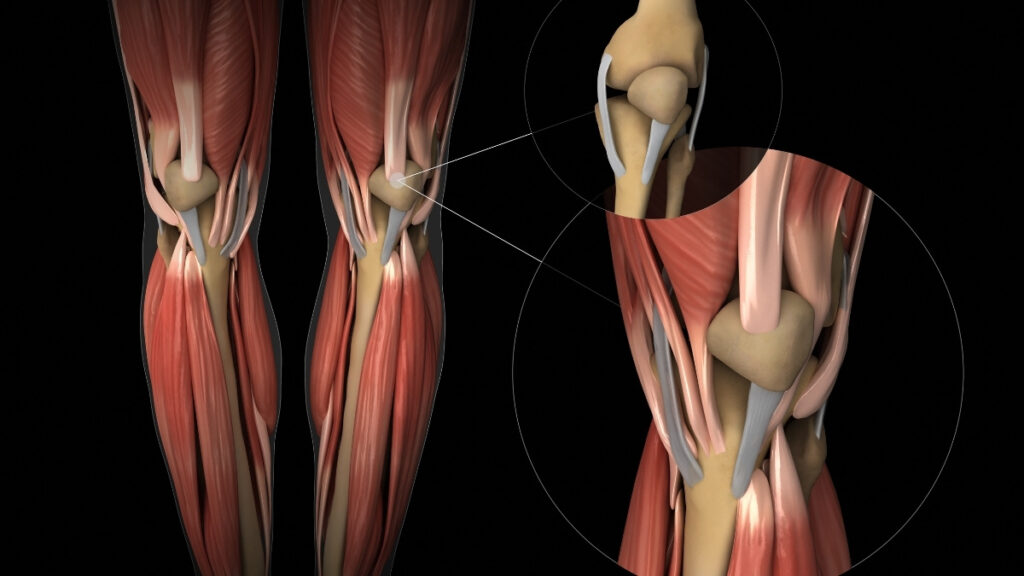
Strength training helps too. Strong muscles around your joints provide support. They take some pressure off the cartilage. Work with a physical therapist to learn safe exercises.
Your diet makes a difference:
- Lots of vegetables and fruits
- Olive oil instead of butter
- Fish instead of red meat
- Whole grains instead of refined carbs
Studies link the Mediterranean diet to lower inflammation markers in the blood.
Don't ignore vitamin D:
Vitamin D deficiency is common, especially in northern climates. Low vitamin D is linked to worse osteoarthritis outcomes. Get your levels checked. Supplement if you're low.
Omega-3 fatty acids help:
Fish oil (EPA and DHA) reduces joint inflammation through pathways separate from these botanical extracts. They work together. Aim for 2-3 grams of combined EPA and DHA daily.
Physical therapy and strength training:
A physical therapist can teach you exercises that strengthen the muscles around your joints. Stronger muscles mean better joint stability. Better stability means less wear and tear on your cartilage.
Think of these supplements as one tool in your joint-protection toolbox.
They're powerful. The research backs them up. But they work best when combined with healthy lifestyle choices.
You wouldn't just change the oil in your car and ignore the worn tires and bad brakes. Take care of your whole body. Your joints will thank you.
A Real Alternative to Glucosamine That Actually Works

Let's review what the science tells us:
Glucosamine and chondroitin fail to significantly affect cartilage breakdown markers for many people. The CTX-II levels barely budge. Your cartilage keeps deteriorating.
The combination of cutch tree, white mulberry, and Chinese skullcap has proven ability to reduce cartilage degradation by 31-54%. That's actual protection you can measure.
Clinical studies show these botanical extracts beat both glucosamine and prescription drugs like celecoxib for pain relief. They work faster and protect cartilage at the same time.
The CTX-II biomarker provides measurable evidence of joint protection. This isn't just about feeling better. It's about preserving your cartilage.
Effective dosages are clear from research: 400 mg per day of cutch tree/white mulberry, or 250-500 mg per day of Chinese skullcap combined with cutch tree.
Best results happen when you start early and use them consistently. Don't wait until your cartilage is mostly gone. Start protecting it now.
These extracts work through multiple anti-inflammatory pathways. That's why they succeed where single-target treatments fail.
If you've been disappointed by glucosamine, or if you want to take proactive steps to protect your cartilage before significant damage occurs, these botanical extracts offer scientifically-backed hope.
Talk to your healthcare provider about adding them to your joint health plan. Show them the research. Discuss whether they make sense for your situation.
Remember: the earlier you start protecting your cartilage, the better your long-term outcomes. Every month of protection is one more month you keep your natural joints working well.