

By the time most people think about protecting their eyesight, the damage has already started quietly happening on a cellular level, and no one told them a bottle of turmeric or a can of sardines could have made a difference.
Over 21 million Americans live with age-related eye disease, and with adults now averaging 7.4 hours of daily screen time, the oxidative stress building inside your eyes is real and relentless.
Most people wait for blurry vision, glasses, or a doctor’s diagnosis before acting, and by then, preventable damage has already taken hold.
This article walks you through five science-backed, pantry-ready ingredients, what they do inside your eyes, how much you actually need, and the simplest ways to eat them starting this week.
👁️ Eye Health Superfoods
Select the 5 pantry superfoods to protect your vision. Avoid the junk!
Why Your Eyes Need Food to Fight Back
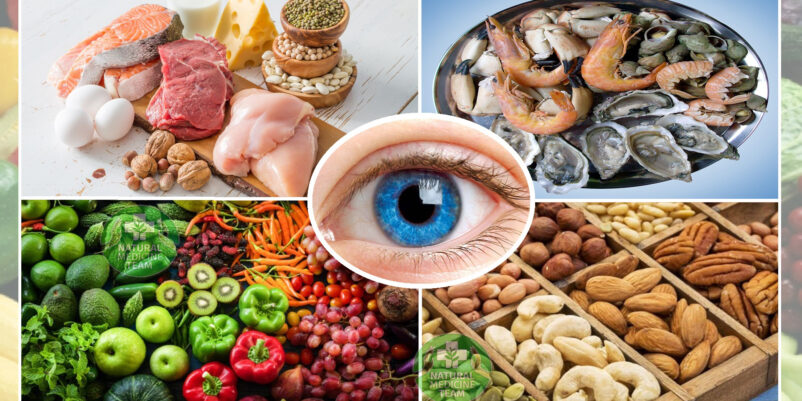
Right now, roughly 200 million people worldwide are living with some form of age-related macular degeneration, known as AMD. That number is expected to climb to 288 million cases by 2040. This is not a future problem. It is already here.
AMD targets the macula. That is the central part of your retina, the small region responsible for sharp, detailed vision. The macula is one of the most metabolically active tissues in your entire body. It burns through nutrients faster than almost any other tissue, including brain tissue. When those nutrients run low, degeneration picks up speed.
So what raises your risk? Genetics play a part. But the non-genetic risk factors are things you can actually control. Smoking is one. Low dietary intake of antioxidants is another. Specifically, not getting enough zinc and carotenoids from food has been directly linked to higher AMD risk.
The National Eye Institute ran two major clinical trials called AREDS and AREDS2. These are the gold standard for eye nutrition research. The original AREDS study showed that daily supplementation with antioxidant vitamins and zinc lowered the five-year odds of AMD progression by 28%. That is not a small number. That is a clinically significant result.
The key nutrients identified across these trials and supporting research include vitamin C, vitamin E, zinc, lutein, and zeaxanthin. These are the antioxidants for eyes that the research keeps coming back to.
Maintaining a nutrient-rich diet has been shown to help prolong healthy vision and protect against age-related eye disease. It is not a cure. But it is a real, research-backed tool that you have access to right now.
In the next five sections, you will meet five specific pantry ingredients. For each one, you will learn exactly why it matters for your eye health, what the science actually says, and how to use it starting today.
Turmeric: The Spice That Does More Than Color Your Food
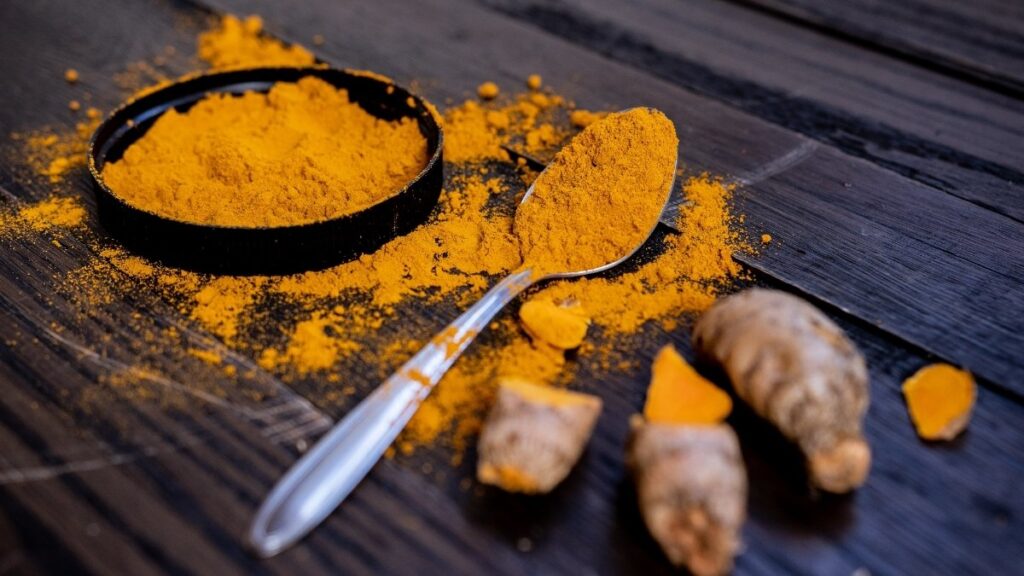
Most people buy turmeric once, use it to make a golden latte, and forget about it. That is a mistake.
Turmeric contains a compound called curcumin. It is a polyphenol, which is a type of plant chemical that has been studied extensively in medical research. When it comes to eye health specifically, the findings are worth paying attention to.
Curcumin has been studied for its effects on AMD, diabetic retinopathy, glaucoma, cataracts, and dry eye disease. It has antioxidant, anti-inflammatory, anti-angiogenic, and antibacterial properties. Preclinical studies show it can reduce oxidative stress and help protect retinal and lens cells from damage.
In work from University College London and Imperial College London, researchers found that curcumin could effectively treat early signs of glaucoma.
Professor Francesca Cordeiro, who led the research at UCL, noted that scientists had identified a workable method for delivering curcumin directly to the back of the eye. That is significant, because getting nutrients to the retina is one of the harder challenges in eye medicine.
Now here is the catch. Curcumin has poor bioavailability on its own. Your gut does not absorb it very efficiently if you eat it alone. But pairing turmeric with black pepper changes that. Black pepper contains piperine, a compound that significantly boosts how much curcumin your body actually absorbs. This is one of the simplest, highest-impact swaps you can make in your kitchen.
How to use it: Add a quarter to half a teaspoon of turmeric to warm milk, soups, lentils, scrambled eggs, or rice. Always add a pinch of black pepper at the same time. Turmeric was even included in a food pyramid specifically designed to prevent age-related eye conditions, cited by AARP.
Canned Sardines or Tinned Salmon: The Omega-3 Powerhouse You Are Ignoring
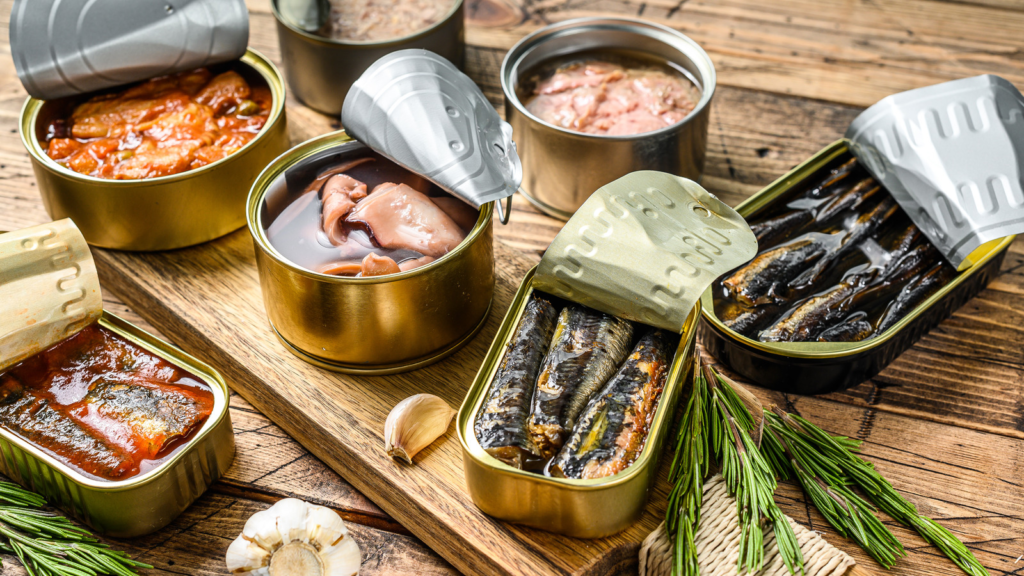
A lot of people hear “eat more fatty fish” and immediately picture expensive restaurant meals or fish they do not know how to cook. The tinned version removes all of that friction.
Your retina is one of the most DHA-rich tissues in your body. DHA, which stands for docosahexaenoic acid, is a long-chain omega-3 fatty acid. It is a structural part of retinal cell membranes. Without enough of it, those membranes become fragile and more prone to inflammation.
A 2021 meta-analysis published in Clinical Nutrition examined dietary patterns and AMD risk. It found that people who regularly ate fish had up to a 29% reduced risk of developing late-stage AMD. That is one of the stronger dietary associations in eye health research.
Omega-3s also matter for dry eye disease. A systematic review found that omega-3 fatty acids effectively reduce dry eye symptoms, especially at higher doses and with increased EPA levels. If you are spending hours in front of a screen, this is relevant to you right now.
So why sardines specifically? They rank among the highest in omega-3 content per gram of any affordable food. They are low in mercury compared to larger fish. They are shelf-stable. A single can delivers roughly 1,000 to 1,800 mg of EPA and DHA combined, and they require zero cooking.
Dr. Sunir J. Garg, a retina surgeon at Wills Eye Hospital in Philadelphia, recommends aiming for two to three servings of oily fish per week. You do not have to get there all at once.
How to use them: Sardines work on whole grain crackers, tossed into pasta, mixed into a quick tomato sauce, or mashed with olive oil on toast. Tinned salmon works anywhere canned tuna would.
Walnuts: Small Handful, Big Eye Benefits

Walnuts look like tiny brains. As it happens, they are also one of the better foods for keeping your eyes healthy.
They deliver three nutrients that matter directly for eye health: vitamin E, ALA omega-3 fatty acids, and copper. Each one does something different.
Vitamin E is a fat-soluble antioxidant. It protects cell membranes from oxidative damage. That process, oxidative stress, is one of the main mechanisms behind both cataracts and macular degeneration. When free radicals attack cells in the eye, vitamin E helps neutralize them before they cause lasting harm.
The recommended daily intake of vitamin E for adults is 15 mg, which is about 22.4 IU. Walnuts contribute to hitting that target, alongside other top sources like almonds, sunflower seeds, and hazelnuts. Research suggests vitamin E may help slow AMD progression when combined with other protective nutrients.
Then there is ALA, the plant-based omega-3. Walnuts are one of the best plant sources of it. While ALA is not as potent for eye health as DHA and EPA from fish, it still supports your body’s overall anti-inflammatory state. And that matters for retinal protection.
The copper angle is interesting and often overlooked. The AREDS2 formula, the clinical trial supplement for AMD, includes copper specifically because it is paired with zinc. High doses of zinc deplete copper in the body. Copper is needed to make superoxide dismutase, an antioxidant enzyme that protects the retina. Walnuts naturally provide copper alongside their other nutrients.
How to use them: A small handful daily, roughly seven whole walnuts, is enough to make a real contribution. Add them to oatmeal, toss them on salads, stir them into yogurt, or just grab a small handful as a snack. Yes, they are calorie-dense. But the serving size here is modest.
Sunflower Seeds: The Tiny Shield Your Eyes Will Thank You For
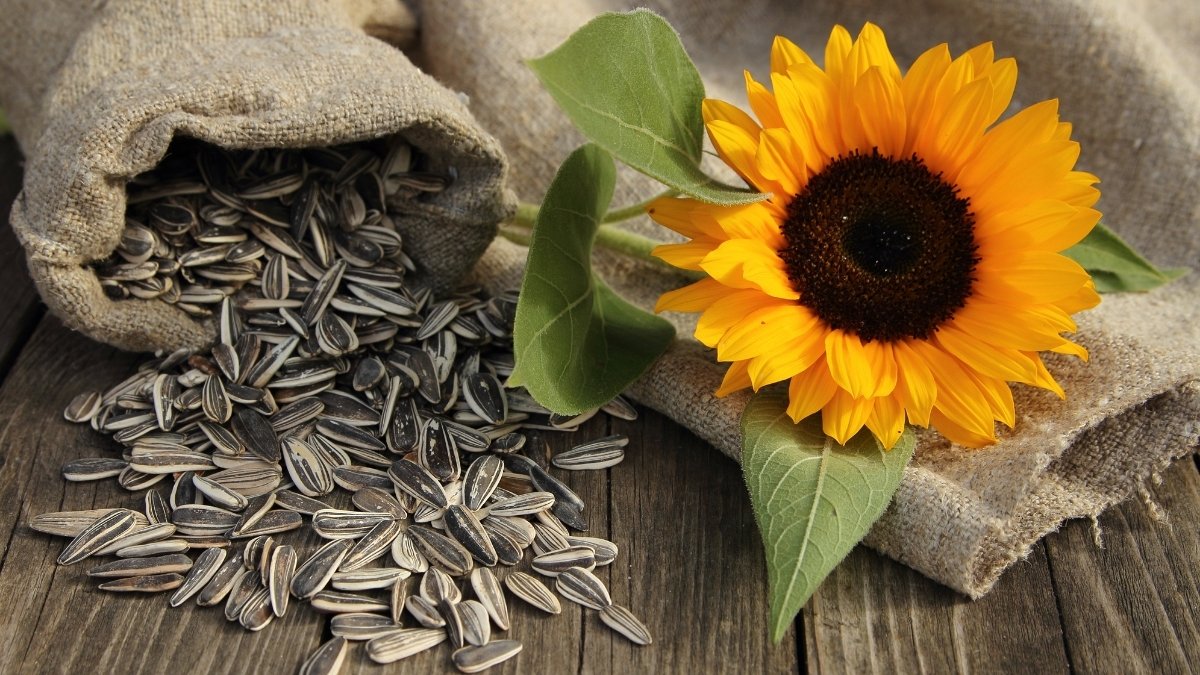
Sunflower seeds might be the most underrated item on this entire list. They are one of the highest dietary sources of vitamin E per gram of any food you can find. A single ounce delivers about 7.4 mg of vitamin E. That is close to half the recommended daily intake for adults, from a snack that costs almost nothing.
Vitamin E works directly inside the eye. It neutralizes free radicals in ocular tissue before they can damage the lens or retinal cells. Screen time creates those free radicals. So does UV exposure. So does just getting older. Vitamin E from food like sunflower seeds quietly intercepts that damage, day after day.
Research from the American Academy of Ophthalmology confirms vitamin E as one of the key nutrients for protecting against age-related conditions like cataracts and macular degeneration. Sunflower seeds are one of the simplest, cheapest ways to hit your vitamin E target daily.
Sunflower seeds also provide zinc. Zinc plays a direct role in transporting vitamin A from the liver to the retina. Without enough zinc, that process breaks down. The result can be impaired night vision and increased vulnerability to AMD. The American Academy of Ophthalmology names zinc as one of its core eye-protecting nutrients.
Think of zinc and vitamin E together as a two-part shield. One helps transport the nutrients your retina needs. The other protects those cells from damage once they arrive.
How to use them: Sprinkle roasted sunflower seeds onto salads. Stir them into yogurt. Mix them into granola. Eat them straight as a snack. Choose unsalted, dry-roasted versions when possible. Oil-roasted varieties often add unnecessary calories and can reduce some of the nutritional value.
Chia Seeds or Ground Flaxseeds: The Anti-Inflammatory Daily Habit
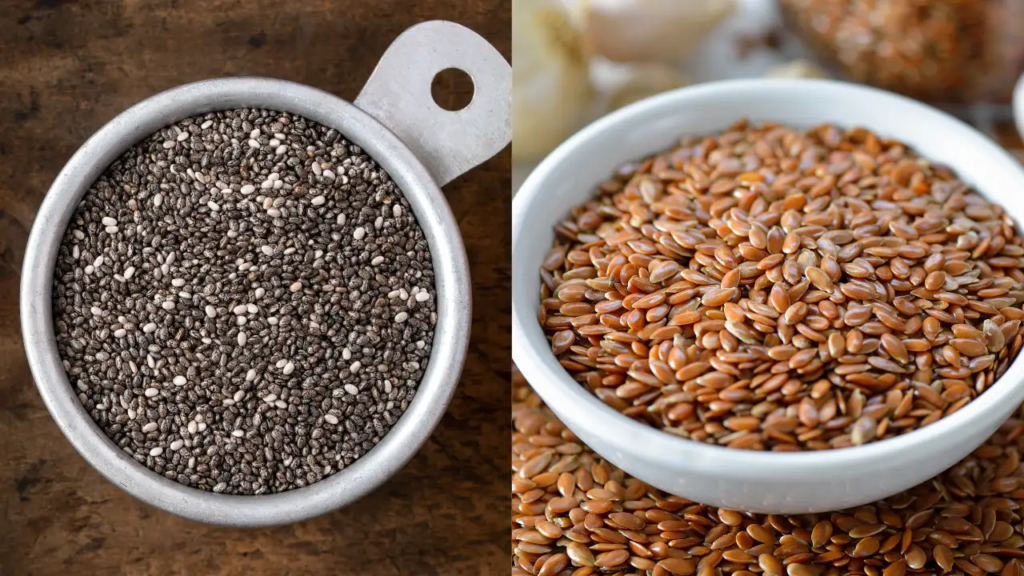
If you want one thing you can add to almost any meal without changing the flavor, chia seeds and ground flaxseeds are it.
Both are plant-based sources of ALA, the short-chain omega-3 fatty acid. Along with walnuts and soybeans, they are among the best plant-based options for omega-3s.
While marine omega-3s like DHA and EPA are more directly potent for eye health, ALA still plays a real role. It contributes to your body’s overall anti-inflammatory state, and chronic inflammation is one of the key drivers of retinal aging.
For people following plant-based diets, chia seeds and flaxseeds are not a perfect substitute for fish. But they are meaningful contributors and worth including regardless of what else you eat.
One important note about flaxseeds: whole seeds can pass through your digestive system without fully breaking down. Ground flaxseeds are significantly more bioavailable. Buy pre-ground flaxseed meal, or grind whole seeds yourself just before using them.
Chia seeds, on the other hand, need no preparation. They actually contain more omega-3 per gram than flaxseeds by weight. They absorb water and form a gel-like texture, which makes them easy to add to smoothies, overnight oats, or puddings without any noticeable taste change.
There is also a dry eye connection worth mentioning. Chronic screen use depletes the tear film over time. Omega-3 fatty acids support tear production and reduce the inflammation that makes dry eye worse. They also support overall retinal health and visual function. For anyone spending long hours in front of screens, this is not a small benefit.
How to use them: Two tablespoons per day is a reasonable target. Stir ground flaxseed or chia seeds into smoothies, yogurt, or oatmeal. Add them to baked goods. You will not taste them. You will not have to change your routine much. That is the point.
How to Actually Build These Into Your Week Without Overthinking It
Reading about five ingredients is easy. Using them is where most people get stuck.
Here is what a practical eye-health day could look like, without any major lifestyle change:
Morning: Stir two tablespoons of chia seeds into oatmeal or yogurt. Add a pinch of turmeric and black pepper to your eggs or morning tea.
Mid-morning: A small handful of walnuts as a snack.
Lunch: A turmeric lentil soup or a simple lentil dish seasoned with turmeric and black pepper.
Afternoon: A tin of sardines on whole grain crackers, or mixed into a quick pasta.
Dinner: A salad with sunflower seeds sprinkled on top.
That is all five ingredients. No special grocery run. No complicated recipes. No major time commitment.
Clinical research shows that a diet rich in omega-3s, lutein, and zeaxanthin can reduce the risk of vision-threatening conditions by up to 30%. These are not exotic supplements or hard-to-find ingredients. They are foods.
It is also worth remembering that food and supplements work differently. Nutrients from whole foods come packaged with co-factors, fiber, and other compounds that help your body absorb and use them more effectively. That is something pills cannot fully replicate.
And the turmeric plus black pepper pairing is worth repeating here because it is so simple and so easy to forget. One pinch of black pepper alongside your turmeric makes a measurable difference in how much curcumin your body actually absorbs.
Finally, these foods do not replace regular eye exams. They are the daily foundation that makes professional care more effective. Annual checkups still matter. But what you eat in between those visits matters too.
Start With One Ingredient
Vision decline is not purely inevitable. That is the key thing to take from all of this.
Yes, age plays a role. Yes, genetics matter. But the research is clear that what you eat, specifically turmeric, tinned sardines, walnuts, sunflower seeds, and chia or flaxseeds, forms a real, research-supported first line of defense for your eyes.
You do not need to overhaul your diet tonight. Start smaller than that.
Pick one ingredient from this list. Commit to adding it to your meals three times this week. Just one. That is it.
Then share this article with someone who spends too many hours staring at screens. Because they probably need it more than they know.
These five eye health superfoods are not exotic imports or expensive supplements. They are already in your pantry or available at any grocery store, and the research behind them is as solid as it gets. Protecting your vision starts with what is already in your kitchen.
