
Cellular Repair, Autophagy 101: How To Trigger Your Body’s “Self-Cleaning” Mode For Longevity
Your cells have a built-in cleaning crew that removes damaged parts and recycles them for energy. But most people never activate it. Every day, your cells accumulate damaged proteins, worn-out organelles, and cellular debris.
When this waste builds up, it accelerates aging, increases disease risk, and drains your energy. Most people unknowingly suppress their natural cellular self-cleaning mechanism through constant eating and sedentary lifestyles.
This guide reveals how to trigger autophagy—the Nobel Prize-winning discovery of autophagy cellular repair. Exercise protocols that activate cellular cleanup in your brain and muscles, specific foods that enhance repair, and how to design your personalized protocol starting today.
Cellular Autophagy
“Self-Eating.” Your cells have a built-in cleaning crew that removes damaged proteins and recycles them for energy.
What Is Autophagy? Understanding Your Body's Cellular Recycling System
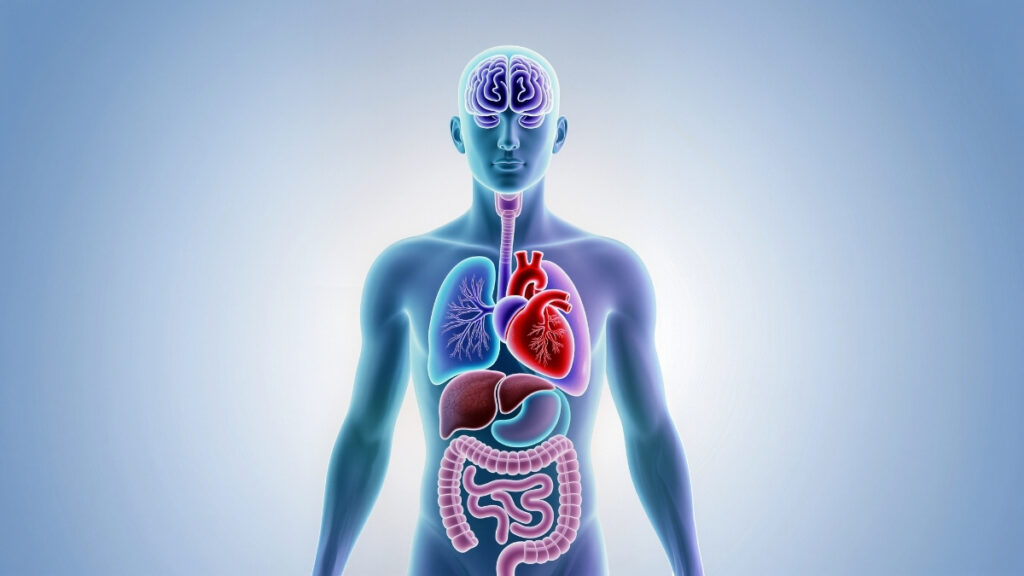
Think of autophagy as your cell's garbage disposal and recycling center rolled into one. The word literally means "self-eating." Your cells break down their own damaged parts. Then they reuse the materials to build new, healthy components.
A Belgian scientist named Christian de Duve discovered this cellular cleaning mechanism in the 1950s. But we didn't understand how it worked until decades later. In 2016, Japanese researcher Yoshinori Ohsumi won the Nobel Prize for identifying the genes that control autophagy.
Here's how the autophagy process works:
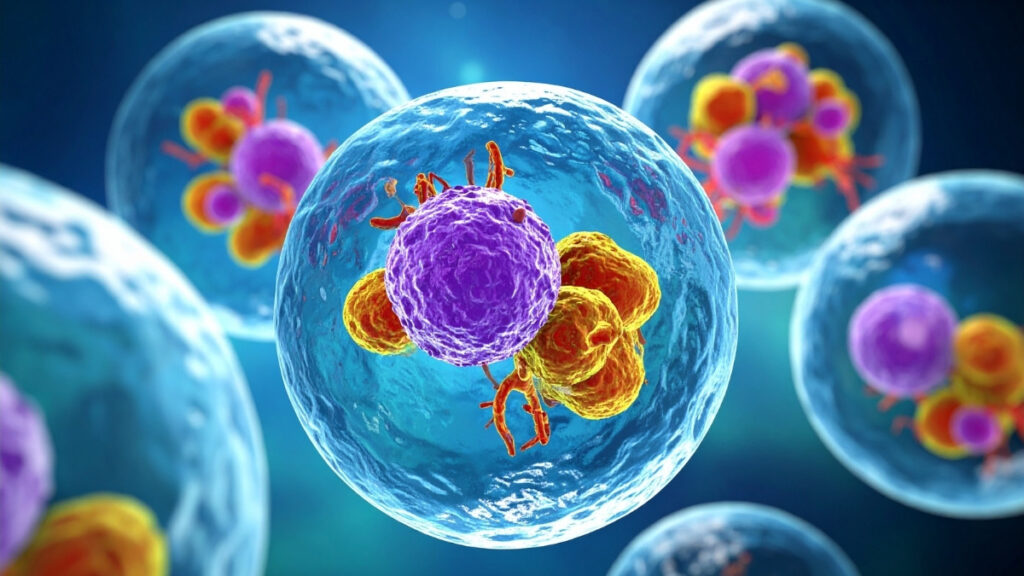
Your cells create special structures called autophagosomes. These are like tiny garbage bags. They wrap around damaged proteins and worn-out organelles. Then they fuse with lysosomes, which contain powerful enzymes.
These enzymes break everything down into basic building blocks. Your cells then reuse these materials. Your body runs autophagy in two modes.
First, there's maintenance mode. This is low-level cleanup that happens all the time. Think of it like taking out the trash every night. It keeps things tidy but doesn't deep clean.
Then there's stress-response mode. This kicks in during fasting, intense exercise, or when cells are under stress. This is when autophagy really ramps up. It's like a spring cleaning that clears out everything that doesn't belong.
But here's the problem. Autophagy efficiency drops as you age. The mechanisms that trigger cellular repair start failing. Cellular waste piles up. This contributes to almost every age-related disease you can name.
Research presented at the 2026 Autophagy Gordon Research Conferences shows autophagy plays key roles in cancer, aging, brain diseases, metabolic problems, and fighting infections.
A 2025 study in the Antioxidants journal confirms that autophagy is critical for managing oxidative stress. It removes oxidized proteins and clears out damaged mitochondria before they can harm your cells.
When autophagy works right, your cells stay clean and efficient. When it fails, problems stack up fast. The good news? You can control it.
The Science-Backed Benefits of Autophagy for Health and Longevity

Turning on autophagy does more than just clean your cells. It transforms how your body functions at every level.
Your cells work better. Autophagy removes damaged proteins and broken organelles that make cells sluggish. This keeps your cellular machinery running smoothly. You get more energy from your mitochondria. Your cells respond better to signals. Everything just works.
Your brain stays sharper. Protein clumps cause Alzheimer's, Parkinson's, and Huntington's disease. Autophagy clears these toxic aggregates before they kill brain cells.
A 2025 study shows that physical exercise reduces cognitive decline risk in people carrying the APOE-ε4 allele by activating autophagy. That's the gene variant that makes you more likely to get Alzheimer's.
Cancer risk drops. Autophagy acts as a tumor suppressor. It removes damaged DNA before it causes mutations. It clears out inflammation that feeds cancer growth.
But here's what's interesting: research published in 2025 shows autophagy plays a dual role in cancer. It prevents tumors early on. But once cancer starts, some tumors hijack autophagy to survive. The timing matters.
Your metabolism improves. Autophagy benefits longevity by fixing your mitochondria. These are your cells' power plants. When they work better, you burn fat more efficiently.
Your insulin sensitivity improves. A study in The Journal of Physiology from 2025 found that intermittent time-restricted eating significantly increased autophagic flux in humans after 6 months. The results showed clear statistical significance.
Your immune system gets stronger. Autophagy helps clear bacteria and viruses from inside your cells. It's like having a better security system that removes invaders before they multiply.
You live longer. Studies across multiple species show the same pattern. Enhance autophagy, extend lifespan. We're not just talking about living longer while sick. This is about increasing healthspan, the years you stay healthy and functional.
Your heart stays healthier. Autophagy reduces inflammation in your heart. It improves cardiac function. This matters because heart disease kills more people than anything else.
Your muscles perform better. Autophagy enhances exercise recovery. It prevents sarcopenia, the muscle loss that comes with aging. Your muscles repair faster after workouts. You maintain strength as you get older.
The evidence keeps piling up. Research from 2025 confirms that autophagy is a critical mediator in how your body handles oxidative stress. When your cells face damage from free radicals, autophagy swoops in to clean up the mess.
But here's what matters most: these aren't theoretical benefits. They show up in real measurements. Better blood markers. Improved body composition. Actual cognitive improvements that you can feel.
Method 1: How to Trigger Autophagy Through Intermittent Fasting
Fasting is the most powerful autophagy trigger we have. When you stop eating, everything changes inside your cells.
Here's what happens on the fasting autophagy timeline:
At 12-16 hours: Your body runs through its glycogen stores. Glucose levels drop. Insulin falls. This is when autophagy starts waking up. The cellular cleaning mechanism begins to switch on.
At 16-24 hours: Autophagy significantly activates. Your cells start serious cleanup work. They're breaking down damaged components and recycling the materials. This is the sweet spot for most people.
At 24-48 hours: Peak autophagy activity. Your cells are deep cleaning at maximum capacity. This is where you get the strongest effects.
At 48-72 hours: Maximum intensity. This is advanced territory. Don't go here without experience and medical guidance.
Let's talk about practical fasting protocols that trigger autophagy:
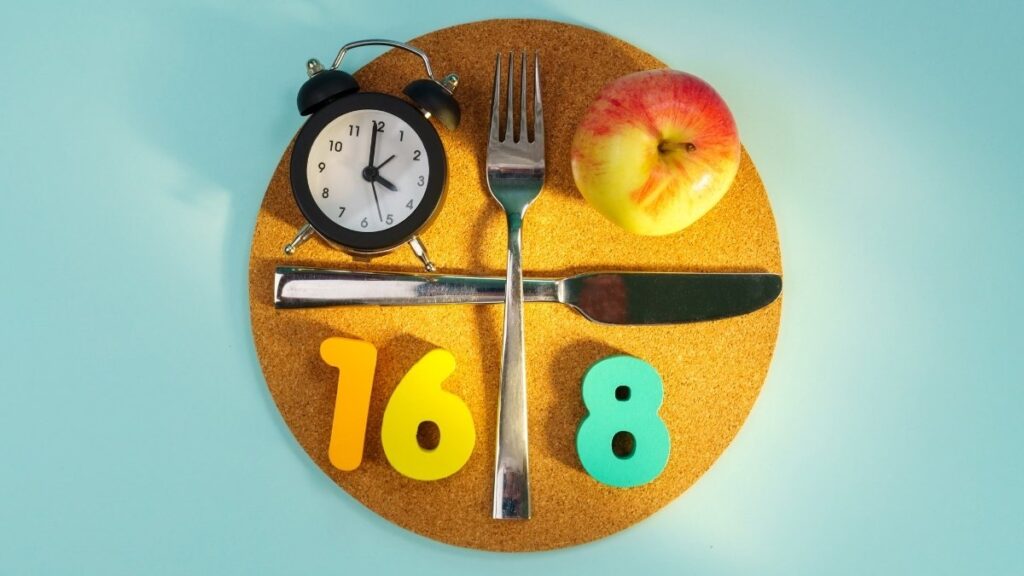
The 16:8 Method is where most people should start. You eat during an 8-hour window. Fast for 16 hours. Most people stop eating at 8 PM and don't eat again until noon the next day.
A recent study with 121 obese participants showed that intermittent time-restricted eating created significant differences in autophagy markers compared to standard care after 6 months. This works because it's sustainable. You can do it every day.
The 18:6 Protocol pushes deeper into autophagy. You eat within a 6-hour window. Fast for 18 hours. Maybe you eat from 2 PM to 8 PM. This activates more intense cellular repair. But it's harder to maintain long-term.
The 5:2 Approach gives you more flexibility. Eat normally five days a week. Restrict to 500-600 calories on two non-consecutive days. This lets you maintain your social life while still getting autophagy benefits.
Alternate Day Fasting is exactly what it sounds like. Fast every other day. This is advanced. Most people don't need to go this far.
Inside your body, fasting flips several metabolic switches:
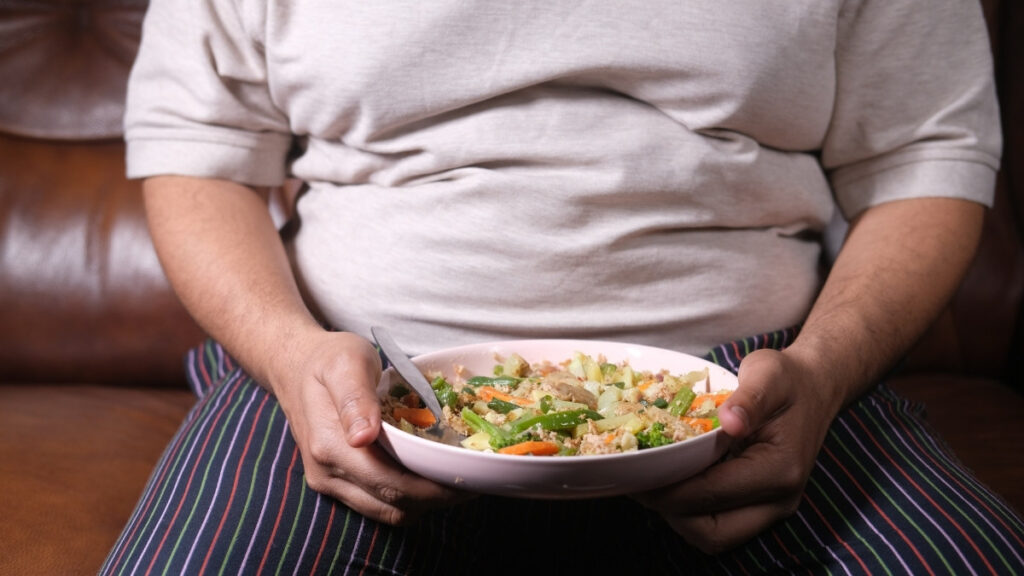
Insulin drops hard. This is crucial because high insulin blocks autophagy. When insulin falls, autophagy pathways open up.
Glucagon rises. This hormone promotes fat breakdown. Your body shifts from storing energy to using it.
Ketone production increases, especially after 16 hours. Your liver converts fat into ketones. These molecules signal your cells to ramp up autophagy even more.
Research from September 2025 in Nutrition & Metabolism found that intermittent mild fasting enhanced metabolic efficiency and elevated muscle autophagy markers in mice. AMPK activates. This is your cell's energy sensor.
When energy runs low, AMPK turns on. And AMPK directly triggers autophagy. mTOR inhibits. This pathway promotes growth and blocks autophagy. When mTOR shuts down during fasting, autophagy can finally work.
Method 2: Exercise Protocols That Activate Cellular Repair
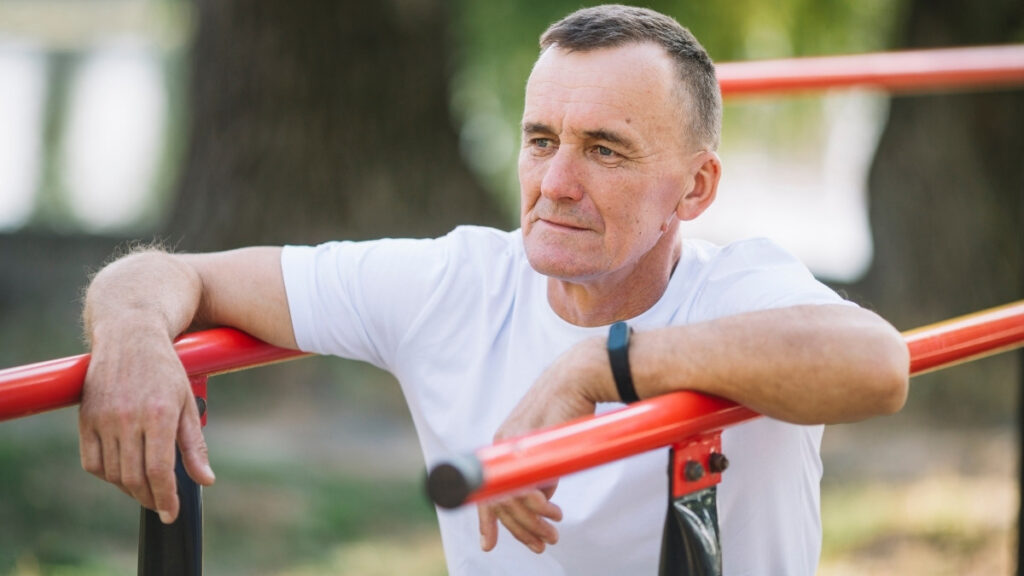
Exercise doesn't just build muscle and burn calories. It triggers autophagy throughout your entire body.
Here's what happens when you work out:
Exercise creates beneficial cellular stress. Your muscles need more energy than usual. Waste products build up. Damage occurs at the microscopic level. Your body interprets this as a signal to clean house.
It activates AMPK pathways. Remember, AMPK is your cell's energy sensor. When AMPK turns on during exercise, it directly triggers the autophagy process.
Glycogen depletes. Just like fasting, exercise burns through your stored carbohydrates. When glycogen runs low, autophagy kicks in.
NAD+ and SIRT1 increase. These molecules act like master regulators of cellular health. They tell your cells to start the cleanup and repair process.
But different types of exercise trigger autophagy in different ways:
Aerobic exercise like running, cycling, or swimming activates AMPK and mTOR pathways. It's especially good for mitochondrial autophagy, which cleans up your cells' power plants.
A January 2025 review in the Journal of Advanced Research confirms that exercise activates autophagy across various tissues through these key signaling pathways.
HIIT (High-Intensity Interval Training) creates rapid glycogen depletion. Those short bursts of maximum effort send strong autophagy signals. Your cells go into emergency cleanup mode.
Resistance training activates different pathways like PI3K/Akt signaling. This promotes muscle-specific autophagy. Your muscles break down damaged proteins after lifting and rebuild stronger.
Combined training produces different effects in different tissues. Your brain, muscles, heart, and liver all respond to exercise. But each tissue activates autophagy through slightly different mechanisms.
Here's your optimal exercise protocol to trigger autophagy:

Do moderate-intensity aerobic exercise 3-5 times per week for 20-60 minutes. This could be brisk walking, jogging, cycling, or swimming.
Research from August 2025 in Frontiers in Nutrition shows that exercise combined with certain compounds has synergistic effects in regulating autophagy through multiple pathways including AMPK/mTOR, PI3K/Akt, and SIRT1/FOXO.
Add 2-3 HIIT sessions weekly. These can be shorter, 15-20 minutes. Sprint for 30 seconds, rest for 90 seconds. Repeat 6-8 times. Your heart rate should spike hard during the work intervals.
Include 2-3 resistance training sessions. Focus on compound movements that work multiple muscle groups. Squats, deadlifts, presses, rows. These create the most cellular stress and autophagy response.
When possible, exercise in a fasted state. This stacks the autophagy benefits. Your body is already low on glycogen from fasting. Exercise depletes it further and amplifies the autophagy signal.
Different tissues respond differently:
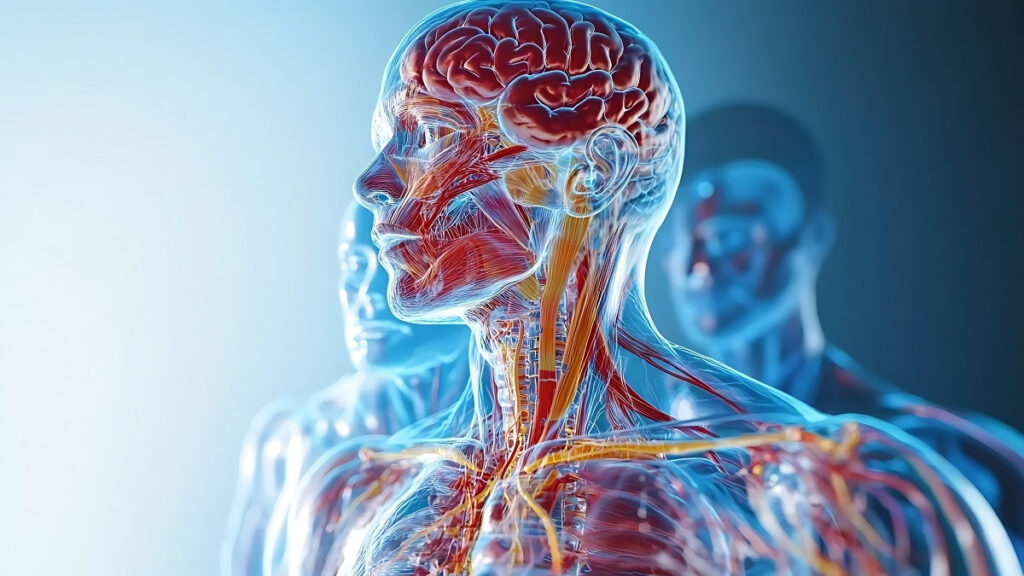
Your brain produces more BDNF (brain-derived neurotrophic factor). This protein helps neurons survive and grow. Exercise also reduces amyloid-beta, the toxic protein that accumulates in Alzheimer's disease.
Your muscles prevent sarcopenia through regular autophagy. Old, damaged proteins get cleared out. This keeps your muscles functioning well as you age. Recovery after workouts improves because autophagy cleans up the damage faster.
Your heart improves its function through autophagy. Cardiac cells clear out damaged components. This reduces damage from ischemia (lack of blood flow). Your heart literally gets healthier at the cellular level.
Your liver enhances its metabolic function. Since your liver processes everything you eat and filters your blood, keeping it clean through autophagy matters enormously.
The exercise-autophagy timeline looks like this:
Acute effects last 24-48 hours after a single workout. Your cells are in cleanup mode. This is why recovery matters. The autophagy happening during rest is part of getting stronger.
Chronic effects build over months of consistent training. A December 2025 study shows that exercise suppresses a protein called DEAF1 through FOXO activation. This restores mTORC1 balance and helps prevent muscle aging.
You don't need to be an athlete to get these benefits. Moderate exercise works. Consistency beats intensity over the long run. Three to five workouts per week will change your cellular health more than sporadic intense training.
The key is creating enough stress to trigger the autophagy response without causing so much damage that your body can't keep up with repairs. That balance point varies for everyone. But the research is clear: regular exercise is one of the best ways to activate your cellular repair workout.
Method 3: Autophagy-Activating Foods and Compounds
You can eat your way to better autophagy. Certain foods and compounds flip the same genetic switches as fasting and exercise.
Spermidine is the most powerful dietary compound for autophagy.
You'll find it in aged cheese, mushrooms, legumes, whole grains, and wheat germ. A 2024 study in Nature Cell Biology shows that spermidine is essential for fasting-mediated autophagy. It increases lifespan across multiple species. From yeast to mice to humans, spermidine extends life.
Here's how it works: Spermidine inhibits enzymes called acetyltransferases. It also promotes a process called eIF5A hypusination. Don't worry about the technical terms. What matters is that spermidine directly activates the genes that control autophagy.
Research shows spermidine levels naturally decline as you age. But supplementation helps. May 2025 research in endocrinology notes that high dietary spermidine intake is associated with reduced mortality in large population studies.
Another May 2025 study confirms that spermidine supplementation improves memory performance and cognitive function through autophagy induction.
Aim for 1-6mg daily from food sources. A serving of wheat germ gives you about 3mg. Aged cheese provides 2-3mg per serving. Mushrooms contain 1-2mg per cup.
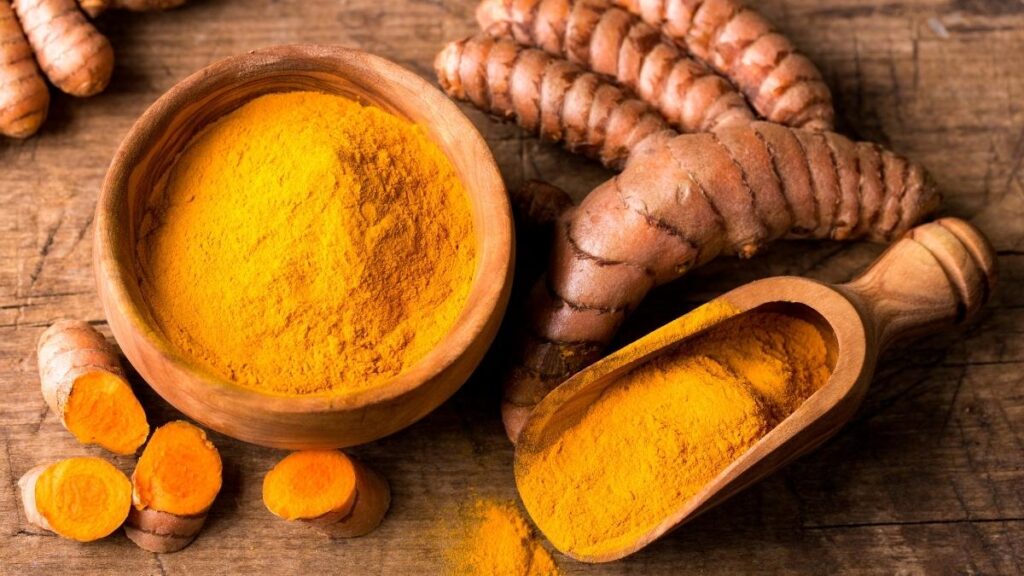
Curcumin from turmeric activates autophagy pathways throughout your body. But curcumin alone absorbs poorly. Take it with black pepper. The piperine in black pepper increases absorption by 2000%. Also take it with fat. Curcumin is fat-soluble.
Use 500-1000mg daily. Add it to your food or take a supplement with meals that contain healthy fats.
Resveratrol activates SIRT1 pathways, which are master regulators of cellular health and autophagy.
You'll find resveratrol in red grapes, blueberries, dark chocolate, and red wine. Research supports 100-200mg daily. Or have 1-2 glasses of red wine. Yes, wine counts. The alcohol might actually help activate autophagy in small amounts.
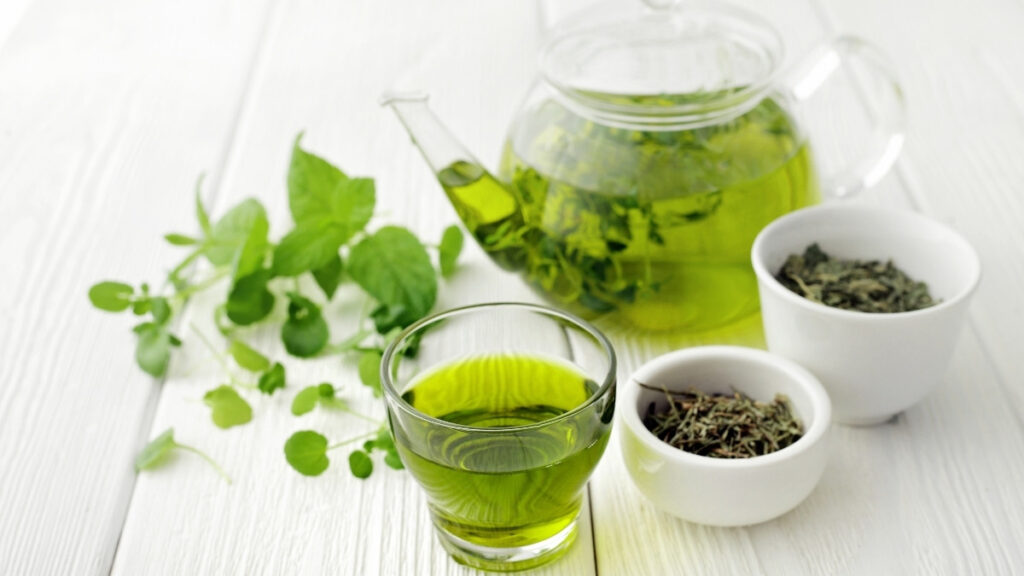
Green tea contains EGCG, a powerful autophagy inducer. Each cup provides 25-50mg of EGCG. The compound triggers cellular repair while providing antioxidants that reduce the damage that autophagy needs to clean up. Drink 2-3 cups daily. Green tea also contains caffeine, which helps with autophagy too.
Coffee deserves special mention. It contains multiple compounds that activate autophagy. Caffeine, chlorogenic acid, and other polyphenols all contribute. Drink it black during fasting windows to maximize benefits.
Two to four cups daily seems optimal based on research. More than that and you risk other problems like disrupted sleep or anxiety.
Extra virgin olive oil contains autophagy-activating polyphenols. These compounds trigger the same pathways as fasting. Use 2-3 tablespoons daily in your cooking or on salads.
Cruciferous vegetables like broccoli, cauliflower, and Brussels sprouts contain sulforaphane. This compound activates autophagy and also boosts your body's antioxidant systems. Eat 1-2 cups daily. Lightly steaming them preserves more sulforaphane than boiling.
Berries provide polyphenols that support the autophagy process while staying low in carbohydrates. Blueberries, raspberries, blackberries, and strawberries all work. They give you antioxidants without spiking blood sugar, which would shut down autophagy.
Creating Your Personalized Autophagy Protocol

Most people fail because they start too hard. They try to fast for 24 hours on day one. They add intense workouts while eating nothing. They crash and quit.
Smart implementation beats perfect protocols every time.
Beginner Protocol (Weeks 1-4):
Start with a 12-14 hour overnight fast. This might mean finishing dinner at 7 PM and eating breakfast at 9 AM. That's it. No other changes yet.
Add 2-3 walks per week for 30 minutes each. Not runs. Not intense workouts. Just walking. This gently activates autophagy without overwhelming your system.
Include autophagy foods daily. Add coffee or green tea in the morning. Eat some broccoli with dinner. Sprinkle wheat germ on your yogurt. Small additions, not a complete diet overhaul.
Track your energy and hunger patterns. Write down how you feel. Do you get hungry during the fast? Does your energy crash? Or do you feel fine? This data guides your next steps.
Most people adapt within two weeks. Your hunger hormones reset. Your energy stabilizes. That's when you're ready to progress.
Intermediate Protocol (Weeks 5-12):

Extend to 16:8 fasting. Push breakfast back by one hour. Move dinner up by one hour. Now you're eating from noon to 8 PM. This is where autophagy really starts working.
Add HIIT twice weekly. Pick one or two days. Do 15-20 minutes of intervals. This could be sprints, cycling, or bodyweight circuits. The intensity ramps up your cellular repair routine.
Add resistance training twice weekly. Squats, push-ups, rows. Focus on compound movements. You're building muscle while triggering muscle-specific autophagy.
Supplement with spermidine-rich foods daily. Make wheat germ part of your breakfast. Add mushrooms to your lunch. Eat aged cheese as a snack. You're stacking the autophagy triggers.
Try a 24-hour fast once a month. Eat dinner one night, then don't eat again until dinner the next night. This deeper fast creates stronger autophagy signals.
A 2025 GeroScience pilot study examined fasting-mimicking diet effects on autophagic flux in humans. The study showed measurable changes in LC3B-II/LC3B-I ratios, which are markers of autophagy activity.
Advanced Protocol (3+ months):
Move to 18:6 or 20:4 fasting windows. This is aggressive. You're eating in a 4-6 hour window daily. Your cells spend most of the day in cleanup mode. Only progress here if the intermediate protocol feels easy.
Exercise in the fasted state. Work out right before breaking your fast. Your glycogen is depleted. Your autophagy is already active. Exercise amplifies both effects.
Add polyphenol supplements if needed. Resveratrol capsules. Curcumin supplements. EGCG extract. Food sources work great, but supplements let you hit higher doses.
Do quarterly 48-hour fasts with medical guidance. This is the maximum autophagy intensity. But it requires experience, proper hydration, electrolyte management, and ideally medical supervision.
Combining Methods for Synergy:

The magic happens when you stack all three methods. Fast for 16 hours. Exercise in the morning before breaking your fast. This combination creates maximum autophagy activation. Your cells are already in cleanup mode from fasting. Exercise intensifies the signal.
Break your fast with autophagy-supporting foods. Green tea. Eggs with broccoli. Berries. Maybe some aged cheese. You're extending the benefits even as you start eating.
Do resistance training in the evening on eating days. Your muscles get the stimulus they need while you still have nutrients available for recovery.
Try longer fasts (24-36 hours) on weekends when you have fewer commitments. This is easier to manage socially and professionally.
Tracking Your Progress:
You'll know autophagy is working when you notice these signs:
Mental clarity improves. The afternoon brain fog lifts. You think more clearly throughout the day.
Energy stays stable. No more 3 PM crashes. You maintain consistent energy from morning to evening.
Inflammation markers drop. Joint pain decreases. Skin looks better. These visible signs reflect what's happening inside your cells.
Exercise recovery improves. You're less sore after workouts. You can train more frequently without burning out.
Sleep quality gets better. You fall asleep faster. You stay asleep longer. You wake up feeling refreshed.
Ketone levels rise. If you test with strips or a blood monitor, you'll see ketones at 0.5+ mmol/L during fasted periods. This confirms your body is in fat-burning, autophagy-active mode.
Common Mistakes to Avoid:
Don't eat excessive protein during your eating windows. More than 1g per pound of body weight can inhibit autophagy by reactivating mTOR. Moderate protein is fine. Gorging on protein shuts down the benefits.
Don't eat too close to bedtime. Stop eating at least 3 hours before sleep. Your body needs overnight fasting time to activate autophagy.
Don't overtrain without adequate recovery. Exercise triggers autophagy. But too much exercise without rest prevents your cells from completing the repair process.
Don't skip water during fasts. Hydration matters. Drink water, black coffee, or plain tea. Staying hydrated helps your cells function during the cleanup process.
Don't break fasts with high-insulin foods. A massive carb load or sugary meal spikes insulin and immediately shuts down autophagy. Ease back into eating with moderate meals.
Start where you are. Progress gradually. Combine methods as you adapt. This isn't a sprint. It's a sustainable autophagy protocol that becomes part of your life.
Understanding Autophagy Signs and What to Expect

How do you know if autophagy is actually working? Your body sends clear signals.
Physical Signs:
Ketone production is the most objective marker. Use ketone strips or a blood ketone monitor. When you see readings of 0.5+ mmol/L, you know autophagy is active. Ketones and autophagy go hand in hand. Both increase during fasting.
Your appetite decreases after the adaptation period. This seems backwards. You'd think fasting makes you hungrier. But after 2-3 weeks, something shifts. Hunger hormones recalibrate. Many people report feeling less hungry during fasts than they did eating three meals a day.
You might feel mild fatigue initially. This is normal. Your body is switching fuel sources. It's learning to burn fat instead of glucose. This transition takes time. Give it two weeks.
Then your energy improves. Around week 3-4, something clicks. Energy becomes stable and sustained. No more peaks and crashes. This reflects better mitochondrial function from autophagy.
Exercise performance gets better. You recover faster between workouts. You can push harder without burning out. Your muscles are clearing damage more efficiently.
Mental and Cognitive Signs:

Focus sharpens. That mental fog lifts. You can concentrate for longer periods without getting distracted. This reflects autophagy, clearing toxic proteins from brain cells.
Memory improves. You remember things more easily. You recall information faster. Research links this to reduced protein aggregates in the brain.
Mood becomes more stable. The emotional ups and downs flatten out. You feel more balanced throughout the day. Autophagy in brain cells affects neurotransmitter function.
Metabolic Markers:

Fasting insulin drops. This is one of the best indicators. Lower insulin means your cells are more sensitive. It also means autophagy can stay active longer.
Insulin sensitivity improves. Your cells respond better to insulin when you do eat. This protects against diabetes and metabolic disease.
Triglycerides decrease. These blood fats drop when autophagy and fat burning increase. Lower triglycerides mean better cardiovascular health.
Blood glucose stabilizes. Less variation throughout the day. Your body gets better at managing fuel. This reflects improved metabolic flexibility.
Timeline Expectations:

Week 1-2 is adaptation. You might feel hungry. Energy might dip. Sleep could be disrupted. This is temporary. Your body is adjusting to new patterns.
Week 3-4 brings stabilization. Energy returns and often exceeds baseline. Mental clarity improves. Hunger becomes manageable. These autophagy signs show the process is working.
Week 8-12 delivers noticeable metabolic improvements. Blood markers change. Body composition shifts. You can see and measure the difference.
At 3-6 months, you get measurable autophagy markers if you test them. LC3B-II/LC3B-I ratios change. Other cellular markers shift. Body composition changes become obvious. This is when friends start asking what you're doing differently.
When to Adjust Your Protocol:
If you have excessive fatigue beyond 2 weeks, you're pushing too hard. Pull back. Shorten your fasts. Reduce exercise intensity. Give your body more recovery time.
If sleep quality worsens and stays bad, something's wrong. Autophagy should improve sleep, not destroy it. You might be undereating, overtraining, or fasting too long.
If exercise performance decreases after 4 weeks, you're not recovering adequately. Add more food during eating windows. Take extra rest days. Reduce fasting duration.
If you develop persistent irritability or mood issues, the protocol isn't working for you. Some people need more carbohydrates. Others need shorter fasts. Individual response varies.
The key is paying attention to these cellular repair indicators. Your body tells you what's working. You just need to listen.
Autophagy isn't something that happens invisibly. You feel it. You see it in your energy, focus, and recovery. These signs confirm you're on the right track.
Safety Considerations and Who Should Avoid Aggressive Autophagy Protocols

Autophagy is powerful. But more isn't always better. And some people shouldn't push autophagy hard without medical supervision.
Who Should Consult a Healthcare Provider First:
Diabetics need to work with their doctor. Fasting and exercise change blood sugar dramatically. Medication doses often need adjustment. Especially insulin. Get medical guidance before starting any autophagy protocol.
Pregnant and breastfeeding women should not do aggressive fasting. Your baby needs consistent nutrients. This isn't the time to experiment with cellular repair. Focus on nutrition and gentle exercise.
Anyone with a history of eating disorders should approach fasting very carefully or skip it entirely. Intermittent fasting can trigger disordered eating patterns. Your mental health matters more than autophagy.
Underweight individuals with a BMI under 18.5 shouldn't fast aggressively. You need to maintain or gain weight, not lose it. Focus on exercise and autophagy foods instead of fasting.
People taking medications affected by timing need guidance. Some medications must be taken with food. Others work differently when fasted. Talk to your doctor about how fasting interacts with your prescriptions.
Potential Risks of Excessive Autophagy:
Yes, you can overdo it. Research shows that excessive exercise may lead to autophagic overactivation. This can cause muscle atrophy or even pathological cardiac remodeling. Your heart muscle can weaken if autophagy runs too high for too long.
Prolonged severe caloric restriction becomes harmful. Your body needs on/off cycles. Constant extreme restriction without refeeding breaks down healthy tissue. Research confirms that prolonged calorie restriction with excessive autophagy can stimulate autophagic cell death.
Balance is critical. Autophagy needs activation periods and rest periods. Fast, then eat. Exercise hard, then recover. This cycling is what keeps autophagy helpful instead of harmful.
Warning Signs to Stop Immediately:
Rapid unexplained weight loss means something is wrong. Losing more than 2-3 pounds per week without trying signals excessive autophagy or another problem.
Persistent weakness that doesn't improve suggests you're breaking down more than you're building up. Add more food. Reduce fasting duration. Take rest days.
Dizziness or fainting is a red flag. This could mean low blood sugar, dehydration, or electrolyte imbalance. Stop fasting. Eat something. If it continues, see a doctor.
Severe hunger that doesn't improve after 3-4 weeks means the protocol isn't working for your body. Some people need different approaches. Don't force it.
Mental health deterioration is a deal-breaker. If you become depressed, anxious, or obsessive about fasting, stop. Your psychological health is more important than autophagy safety considerations.
Safe Implementation Guidelines:

Start conservatively. Begin with 12-14 hours of fasting. Walk for exercise. Add one autophagy food daily. This gentle approach minimizes risk.
Progress gradually. Add one hour to your fast every week or two. Increase exercise intensity slowly. Your body adapts better to gradual changes.
Include refeeding days. Eat more on some days. Take rest days from exercise. Give your body resources to rebuild, not just break down.
Monitor biomarkers quarterly. Get blood work done. Check fasting insulin, glucose, lipids, and inflammation markers. These objective measures show if your protocol is helping or hurting.
Work with a healthcare provider if you have any medical conditions. This isn't optional. Get professional guidance to avoid problems.
Remember: autophagy is a tool. Like any tool, it can be used well or poorly. The goal is cellular repair and better health, not extreme protocols that cause harm.
Most people never need the aggressive approaches. A 16-hour fast, moderate exercise 4-5 times per week, and autophagy-supporting foods work great. That's enough to trigger significant cellular cleaning mechanism without risking your health.
Listen to your body. Adjust based on how you feel and what your biomarkers show. Smart implementation beats aggressive protocols every single time.
Your Next Steps
Autophagy is your body's built-in cellular repair system. It declines as you age. But you can reactivate it.
You now know three proven methods. Intermittent fasting triggers autophagy when you extend time between meals. Sixteen hours or more creates significant cellular cleanup.
Exercise activates autophagy through beneficial stress. Mix aerobic work, HIIT, and resistance training for full-body effects. Autophagy-supporting nutrition amplifies the results. Spermidine-rich foods, green tea, curcumin, and other compounds flip the genetic switches.
Most people see improvements within 3-4 weeks. Mental clarity increases. Energy stabilizes. Recovery improves. By 3 months, changes become obvious.
The key is starting with beginner protocols and progressing gradually. Don't try to do everything at once. Add one change. Let your body adapt. Then add another.
Combining all three methods creates synergy. Fast for 16 hours. Exercise before breaking your fast. Eat autophagy-supporting foods. This stacks the benefits and maximizes cellular repair.
Start tonight. Push your dinner 30 minutes earlier. Push breakfast 30 minutes later. That simple one-hour extension of your overnight fast begins activating autophagy immediately. Track how you feel after one week.
You'll notice the difference. Better focus. Steadier energy. Improved recovery from workouts. These signs tell you autophagy is working.
Mastering autophagy cellular repair isn't about extreme protocols. It's about consistent, evidence-based practices that trigger your body's natural self-cleaning mode for lasting health and longevity.