

Cells rust the same way metal does, slowly, through oxidative stress, and food either accelerates that process or slows it down. Cell membranes are built almost entirely from fat, which means the type of fat you eat determines whether those walls stay flexible or turn stiff and sluggish.
Dark leafy greens work through a different mechanism entirely, flipping genetic switches through a compound called sulforaphane that influences aging and cellular repair. Neither works especially well alone.
Together, fat-soluble vitamins in greens finally get absorbed, and antioxidants covering different chemical environments start covering each other’s blind spots. One combination plate won’t reverse anything overnight. Four or five a week, consistently, is where the actual research points.
Cellular Renewal Plate Builder
Combine the right ingredients and preparation methods to hack your cellular aging.
Why Greens and Healthy Fats Are the Most Powerful Duo for Your Cells
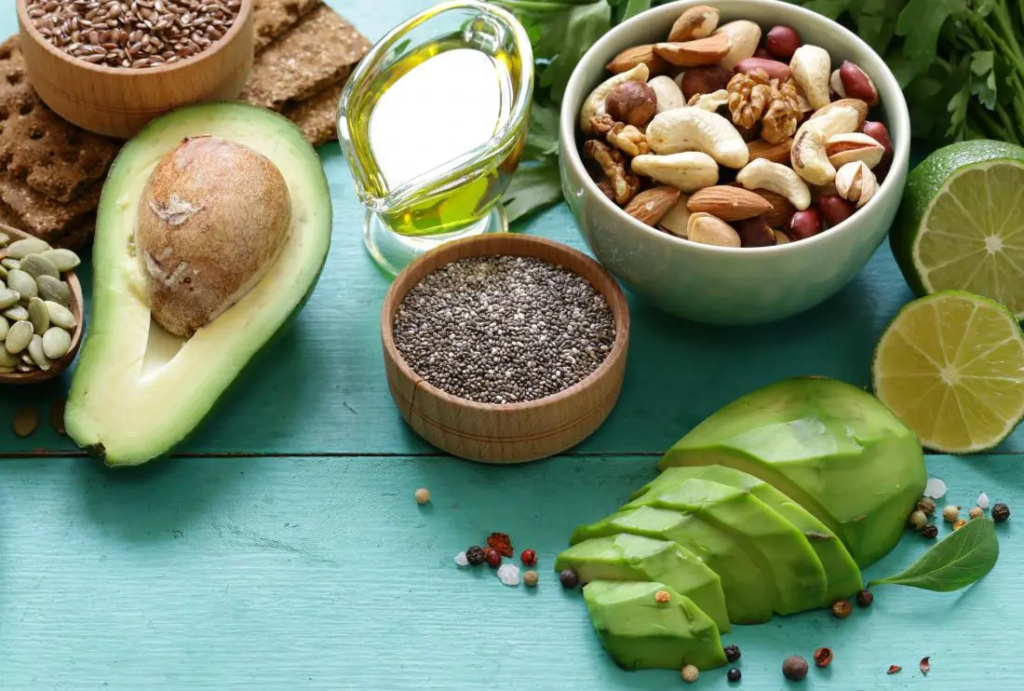
Most people think aging is just about how many candles are on your birthday cake. But your cells have a different story to tell. And right now, today, what you eat is either speeding that story up or slowing it down.
This isn’t about trendy superfoods or juice cleanses. It’s about two things your cells need that most people never pair together on purpose: dark leafy greens and healthy fats. There’s real science behind why they work. And it’s not complicated once you see how it fits together.
Why Your Cells Age Faster Than They Have To

Think about a piece of metal left out in the rain. Over time it rusts. That’s what oxidative stress does inside your body. Your cells produce energy every second, and that process creates unstable molecules called free radicals.
Now picture a photocopier that slowly gets worse with each copy. The first one is crisp and clear. The hundredth one has smudges. The thousandth is barely readable. That’s what happens to your DNA repair systems as you age. They slow down. They miss things. Damage builds up.
Two things make this worse faster than almost anything else: chronic low-grade inflammation and oxidative stress. These aren’t abstract ideas. They show up in your blood. Doctors can measure them. And food directly affects both of them.
Here’s something most people don’t know. Your cell walls, the membranes that surround every single one of your 37 trillion cells, are made mostly of fat. Not a metaphor.
Literally fat. The kind of fat you eat determines how well those walls work. A cell wall built from bad fats is stiff, leaky, and slow. A cell wall built from good fats is flexible, strong, and efficient.
This is exactly why greens and healthy fats are such a powerful combination. One without the other leaves the job half done.
What Greens Actually Do Inside Your Cells
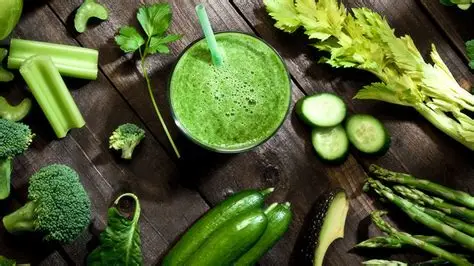
Kale, broccoli, Brussels sprouts, cabbage. These aren’t just good for you in a vague, general way. They contain a compound called sulforaphane, and sulforaphane does something remarkable: it flips genetic switches.
Here’s a trick that matters. When you chop or lightly crush broccoli before cooking it, you activate an enzyme called myrosinase. That enzyme turns a compound in the broccoli called glucoraphanin into sulforaphane.
Heat destroys myrosinase. So if you chop and let it sit for 5 to 10 minutes before cooking, you lock in more sulforaphane before the heat can stop the process. One sentence that’s worth remembering: chop first, wait a few minutes, then cook.
A large European study called the EPIC cohort tracked people’s eating habits alongside measurable damage inside their cells. People who ate fewer cruciferous vegetables had significantly higher levels of what scientists call bulky DNA lesions.
Think of those as deep scratches in your genetic code. People who ate more of these vegetables had measurably better DNA protection.
Greens don’t just deliver one thing, either. Folate helps your body build and repair DNA. Lutein protects your neurons. Vitamin K supports cellular signaling. Magnesium plays a role in over 300 enzymatic processes in your body. Together, these nutrients make greens feel less like a single ingredient and more like a repair kit.
Researchers at Rush University Medical Center tracked 960 adults for 10 years. The people who ate around 1.3 servings of leafy greens per day had brain function that looked about 11 years younger than those who rarely ate greens. The National Institute on Aging confirmed those findings. That’s not a small difference. That’s enormous.
What Healthy Fats Do That Greens Alone Cannot
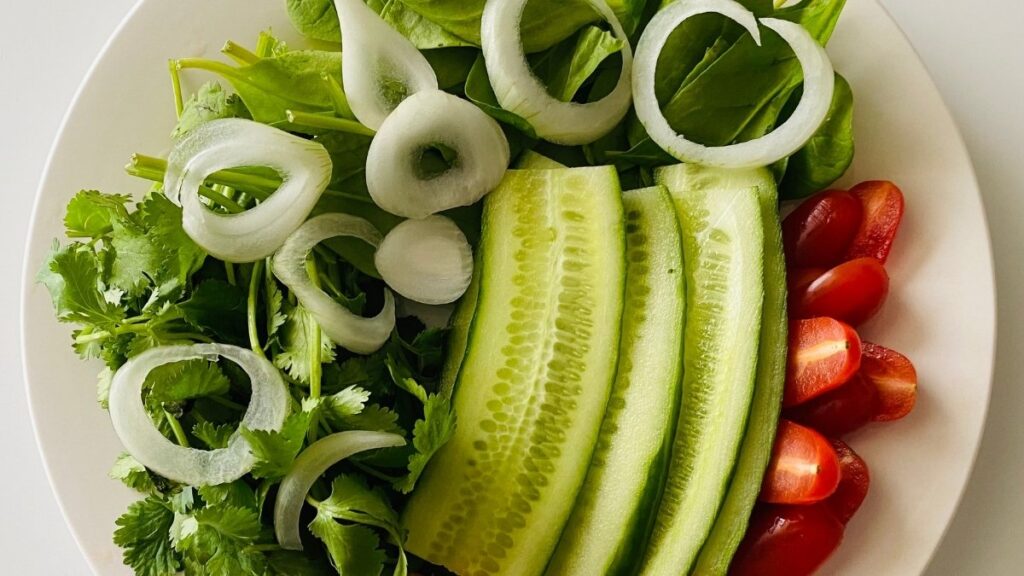
Your cell membrane is called a phospholipid bilayer. The name sounds technical but the concept is simple: every cell you have is wrapped in a thin double layer made of fat molecules. That membrane controls what gets in and what gets out. Nutrients in. Toxins out. Signals received. Energy produced.
Now here’s where it gets personal. The fat you eat becomes the fat in those membranes. If your diet is heavy in processed oils and trans fats, your membranes become rigid and sluggish.
If your diet includes omega-3 fatty acids, your membranes stay fluid and responsive. More fluid membranes mean better nutrient absorption, better communication between cells, and better overall function.
A 2024 study published in Frontiers in Nutrition found a clear dose-response relationship between omega-3 intake and biological aging. More omega-3s meant measurably slower aging, not just slower in theory, but slower as measured by actual epigenetic markers.
The mechanism they identified was improved mitochondrial ATP production and reduced oxidative stress inside the mitochondria. Your mitochondria are your cellular power plants. When they run cleaner, everything runs better.
Extra virgin olive oil deserves its own mention here. A 2025 narrative review published in Nutrients found that the phenolic compounds in EVOO, including hydroxytyrosol, oleuropein, and oleocanthal, reduce oxidative stress inside mitochondria and support a process called mitophagy.
Mitophagy is how your cells clean house. They identify damaged mitochondria and recycle them. Olive oil’s compounds help that process work better. That’s why EVOO is not the same as generic vegetable oil, even if the calorie count looks similar.
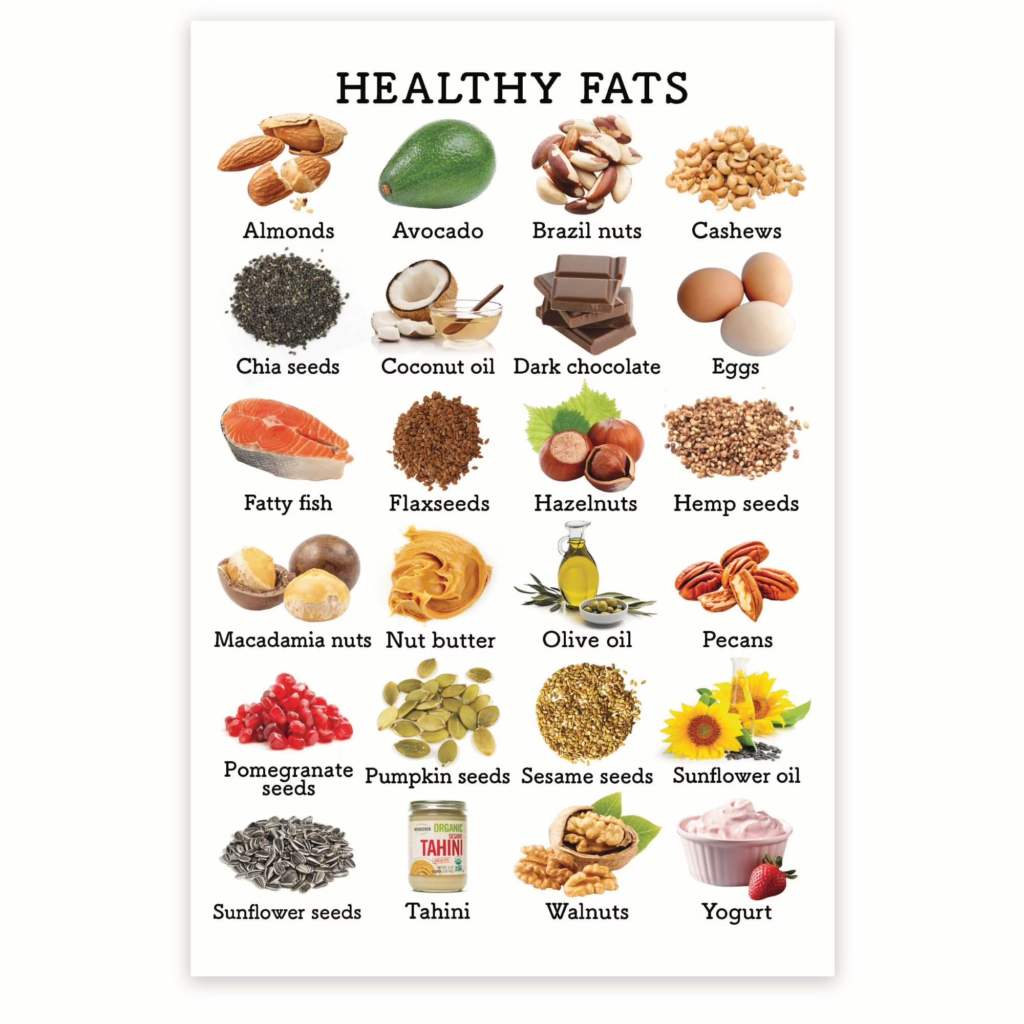
Avocado brings monounsaturated fats that directly support membrane integrity. Walnuts are the highest plant-based source of ALA, a type of omega-3 your body can use to build EPA and DHA.
In 2025, post-hoc analyses found that just one gram per day of omega-3 supplementation measurably slowed multiple epigenetic aging markers over three years.
And a 2024 UK Biobank analysis of over 117,000 people found that higher levels of DHA in the blood were linked to significantly lower risk of death from cardiovascular disease, cancer, and all causes combined. One gram per day. That’s less than a typical fish oil capsule.
Why Pairing Them Together Changes Everything
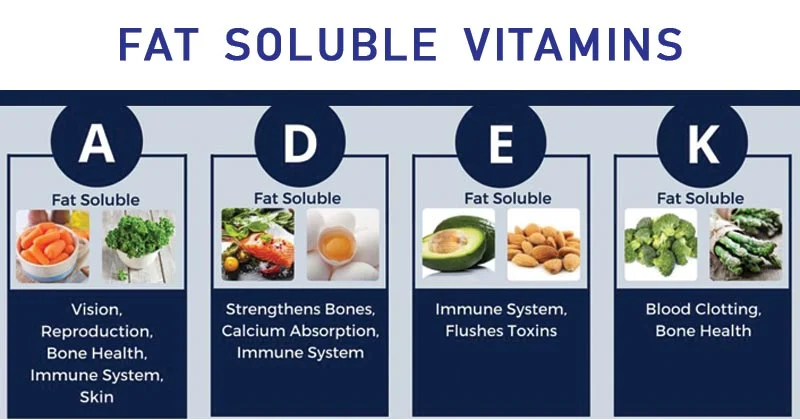
Here’s something that surprises most people. Vitamins A, D, E, and K are all fat-soluble. That means your body can only absorb them when fat is present. Kale is loaded with vitamin K. But if you eat that kale with a fat-free dressing, you absorb a fraction of what you think you’re getting. You’re doing the work, but not getting the reward.
Add olive oil or avocado to that same salad, and your body starts pulling those vitamins in efficiently. The fat is not extra. It’s required.
The antioxidant synergy goes even further. Polyphenols in olive oil work in fat-soluble environments. Carotenoids in leafy greens work in water-soluble environments. Free radical damage happens in both places inside your body. Together, these compounds cover both bases. Separate, each one only covers half.
The inflammation piece connects too. Omega-3s work by downregulating something called NF-kB, a key driver of chronic inflammation at the cellular level.
Magnesium and folate in greens modulate the same downstream effects through a different pathway. When both are present, the signal your cells receive is quieter. More repair-oriented. Less fire.
One good plate won’t undo years of damage. But four or five of these plates per week, consistently, is exactly what the research tracked. That’s the dose. That’s the frequency. Not perfection, just consistency.
How to Build the Cellular Renewal Plate
You don’t need a recipe. You need a method. Think of it as four parts: a greens base, a healthy fat, some color, and a protein.
Start with a greens base. Raw kale works well, but it needs help. Massage it with a little olive oil for a minute or two. That physical pressure breaks down the tough cell walls and releases more of the nutrients.
Lightly steamed broccoli is another strong option. Steam it for three to five minutes, not boil it. Boiling destroys sulforaphane. Steaming preserves it. Raw spinach is the easiest choice when you’re short on time.
Add a healthy fat. Drizzle extra virgin olive oil after cooking rather than during. High heat can degrade some of its phenolic compounds. Half an avocado, a small handful of walnuts, or a piece of fatty fish like salmon, sardines, or mackerel all work here.
Add color. Blueberries, red peppers, shredded carrots, cherry tomatoes. Color in food means antioxidants. More variety means broader coverage.
Add a protein. Salmon does double duty as both a fat source and protein. Tofu, eggs, and lentils all work depending on your preferences.
Three real meals that fit this pattern:
A kale salad with olive oil, sliced avocado, and pan-seared salmon. Simple. Takes 20 minutes.
Lightly steamed broccoli with tofu and a sesame oil drizzle. Let the broccoli sit chopped for 10 minutes before steaming. That window lets myrosinase do its work.
A smoothie with raw spinach, blueberries, ground flaxseed, and almond butter. You won’t taste the spinach. You’ll get the folate, lutein, and magnesium anyway.
The most important prep note in this article: chop your cruciferous vegetables and let them rest for 5 to 10 minutes before applying heat. This one step measurably increases how much sulforaphane you actually get.
What to Realistically Expect (and When)

You won’t see a difference in the mirror after two weeks. That’s just honest.
But here’s what can change in four to six weeks of consistent eating this way. Biomarkers of inflammation, like C-reactive protein (CRP) and oxidative stress markers, can shift meaningfully in that time frame. Many people notice they feel mentally sharper before any lab work confirms it.
Food also doesn’t work alone. Sleep is when your brain clears cellular waste. Movement improves how well your mitochondria function. Stress management regulates the same inflammatory pathways that food affects.
If you’re eating well but sleeping four hours and running on cortisol, you’re leaving most of the benefit on the table.
The research that produced these findings tracked people over years. Not days. The goal isn’t a flawless diet. It’s a reasonable, consistent one. Most days. Not every meal. Not perfect preparation. Just mostly good choices, repeated often enough that they compound.
Your cells replace themselves constantly. The raw materials they use come from what you eat. Give them better materials consistently and the results follow, even if slowly.
Your Cells Are Listening to What You Eat
Greens arm your cells with protective compounds. Sulforaphane, folate, lutein, magnesium. Healthy fats make those compounds absorbable and build the actual architecture of your cell walls.
Together, they create an environment where repair is favored over damage. Where the body’s own systems work better instead of fighting a losing battle.
Pick one meal this week. Build it intentionally: a greens base, a real fat source, some color. That’s it. Not a lifestyle overhaul. Just one plate, made with purpose.
The science behind healthy fats and greens isn’t new. But most people have never put them together deliberately. Now you know why cellular renewal starts not with a supplement, but with what’s already on your plate.
