

Brain Fuel: Why Seniors Who Eat This Specific Berry Have The Focus of a 40-Year-Old
At 74, Hopper forgot her grandson’s name mid-conversation. Six months later, after making a single dietary change, her processing speed matched that of someone 30 years younger.
Many seniors share this fear, noticing a sudden mental fog or forgetting names and struggling with multitasking while worrying about their future independence. This guide explores the power of blueberries for brain health, which seniors can rely on to combat memory decline and sharpen cognitive function.
You will learn exactly how these berries improve brain function, the specific amounts needed for results, and the scientific proof from Harvard and other institutions. Finally, we provide practical ways to add them to your daily meals.
7 Easy Ways
Oatmeal & Yogurt
Sprinkle half a cup on oatmeal or yogurt. The heat bursts them into a natural jam, removing the need for sugar.
7 Easy Ways to Eat More Blueberries Daily
1. Morning Boost
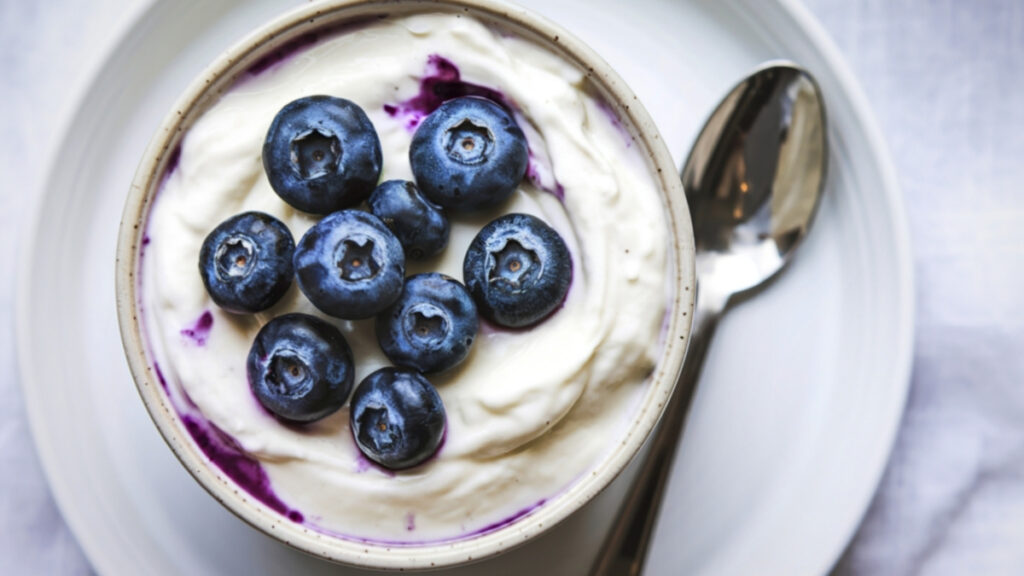
Sprinkle half a cup on your oatmeal, yogurt, or cereal. Takes five seconds. Adds natural sweetness without sugar. Try this: mix blueberries into Greek yogurt with a handful of walnuts.
Both foods support brain health. Together they taste like dessert. The heat from freshly cooked oatmeal slightly bursts the berries, creating a natural "jam" that flavors every spoonful.
This eliminates the need for maple syrup or brown sugar, helping you maintain stable blood sugar levels throughout the morning. If you prefer cold cereal, the berries add a necessary juicy texture to crunchy grains. It’s a low-effort habit that ensures you've checked off one "brain-food" box before you even leave the house.
2. Smoothie Power
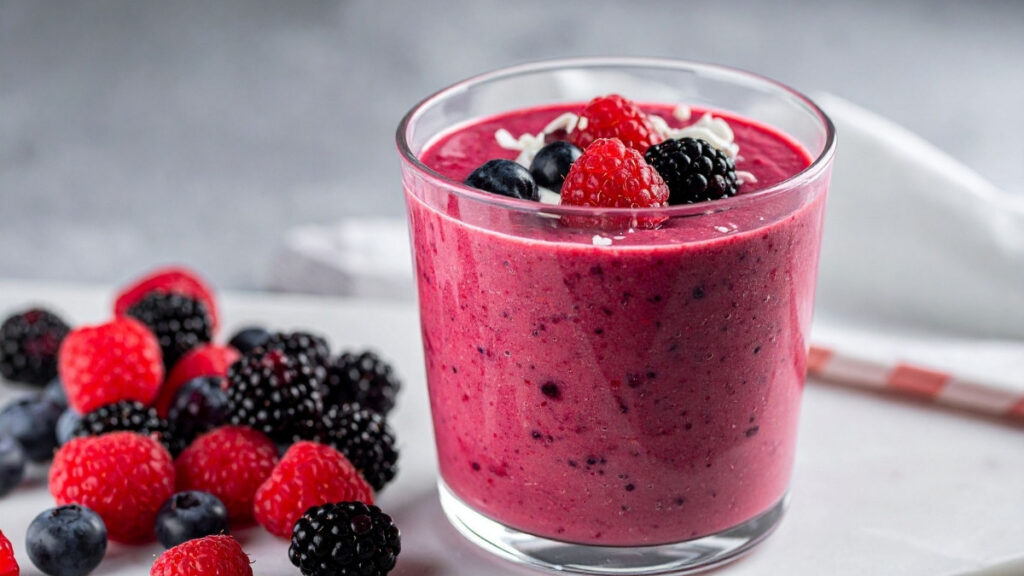
Toss a cup of frozen blueberries in a blender with a banana and a cup of almond milk. Blend for 30 seconds. You've got a brain-healthy drink. The frozen berries make it thick and cold. No ice needed.
The banana adds creaminess and covers any tart taste if you're not used to berries. Using frozen berries is actually a nutritional win, as they are often flash-frozen at peak ripeness to lock in antioxidants.
You can also sneak in a handful of spinach; the deep pigment of the blueberries completely hides the green color, making it a "stealth" vegetable delivery system. This is the perfect option for busy mornings when you need to hydrate and fuel up simultaneously.
3. Snack Smart
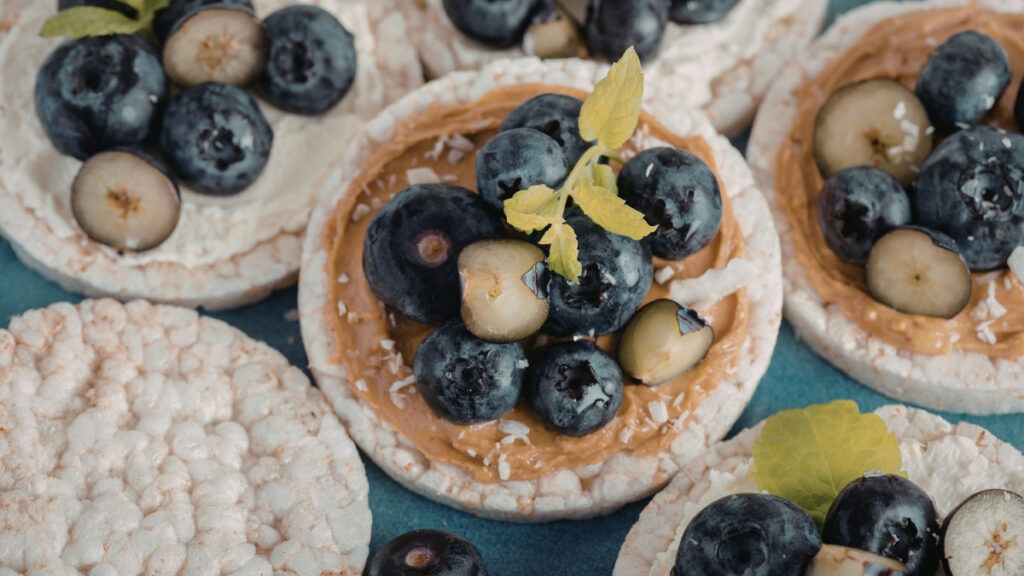
Wash a cup of fresh berries. Put them in a small container in your fridge at eye level. When you open the fridge looking for a snack, there they are. This works. Out of sight means out of mind.
Make them the easiest thing to grab. Preparation is the ultimate cure for poor snacking habits; if you have to wash and stem fruit while you're hungry, you'll likely reach for chips instead.
Keep them in a clear glass container so the vibrant color catches your eye the moment the fridge light comes on. This "nudge" technique creates a path of least resistance toward healthy eating. Plus, their small size makes them the perfect finger food for scrolling through emails or watching TV.
4. Salad Topper
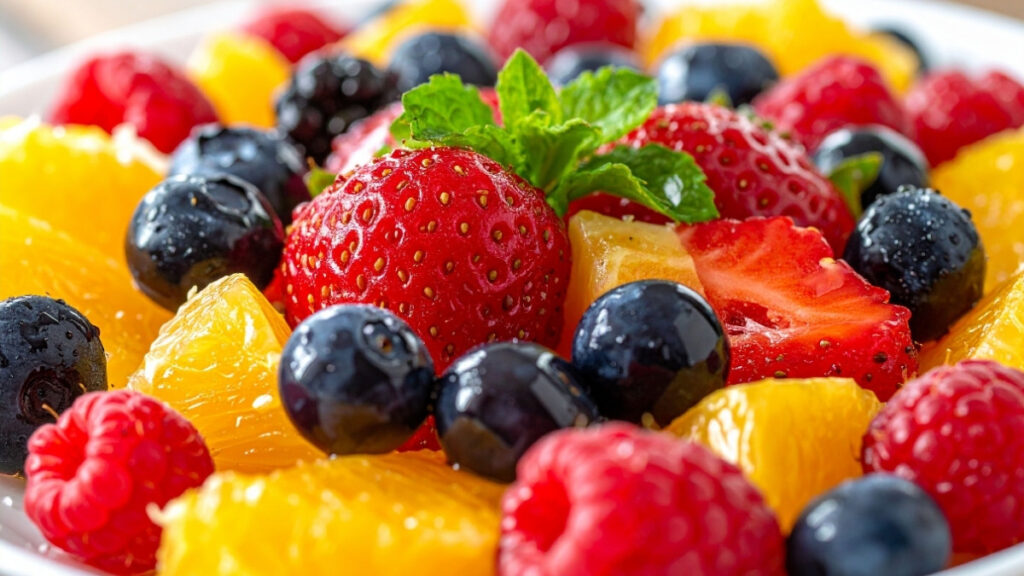
Add half a cup to your spinach salad. Throw in some walnuts and a light vinaigrette. The sweetness of the berries balances the bitter greens. Spinach and walnuts are also on the MIND diet. You're stacking brain benefits.
The acidity in a balsamic or lemon vinaigrette makes the berry flavor "pop," turning a standard side salad into a gourmet meal.
Blueberries provide a satisfying "burst" of moisture that contrasts beautifully with the crunch of cucumbers or feta cheese. Since they don't require slicing like strawberries or apples, they are the fastest way to elevate your lunch. You’re not just eating a salad; you’re consuming a powerful anti-inflammatory bowl.
5. Baking Substitute
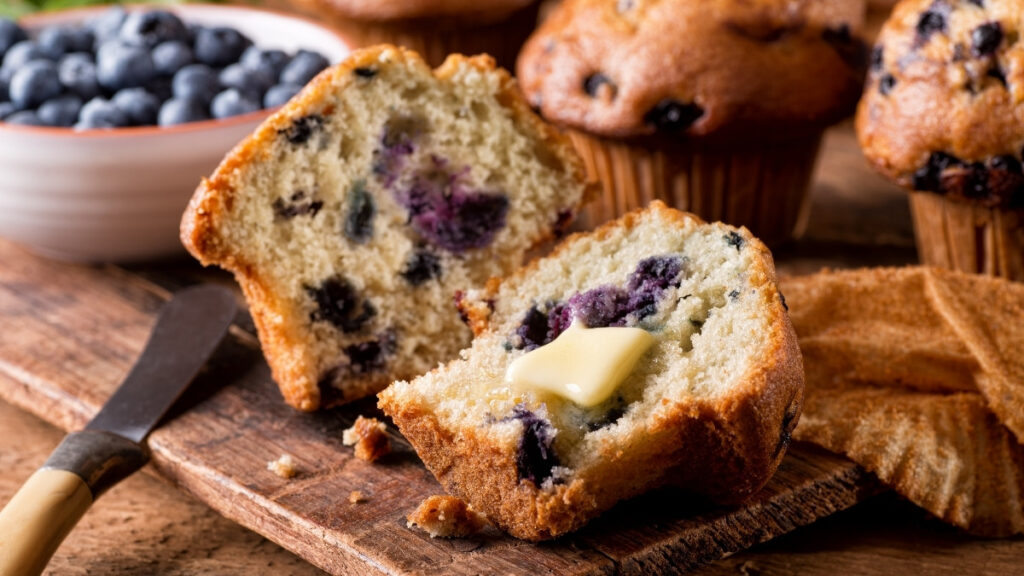
Next time you make muffins, use blueberries instead of chocolate chips. You get the same burst of flavor in every bite. But your brain gets anthocyanins instead of just sugar. Fresh or frozen both work.
If using frozen, don't thaw them first. Add them frozen so they don't turn your batter blue. Beyond muffins, try folding them into pancake batter or waffle mix for a weekend brunch upgrade.
The heat of the oven or griddle breaks down the berry's skin, releasing its juices and concentrating its natural sugars. This swap significantly lowers the glycemic load of your baked goods compared to using chocolate or dried fruit.
6. Powder Mix

Stir a tablespoon of blueberry powder into your coffee, tea, or protein shake. It adds a subtle berry flavor and turns your regular drink into a brain booster. This works great if you travel.
Pack powder in your bag instead of dealing with fresh fruit. Freeze-dried blueberry powder is a concentrated source of polyphenols, often containing the equivalent of a half-cup of fresh berries in just one scoop.
It dissolves easily into hot beverages, giving your morning caffeine a fruity undertone without the grit of whole fruit. You can also whisk it into chia pudding or even sprinkle it over popcorn for a unique, antioxidant-rich snack.
7. Evening Treat
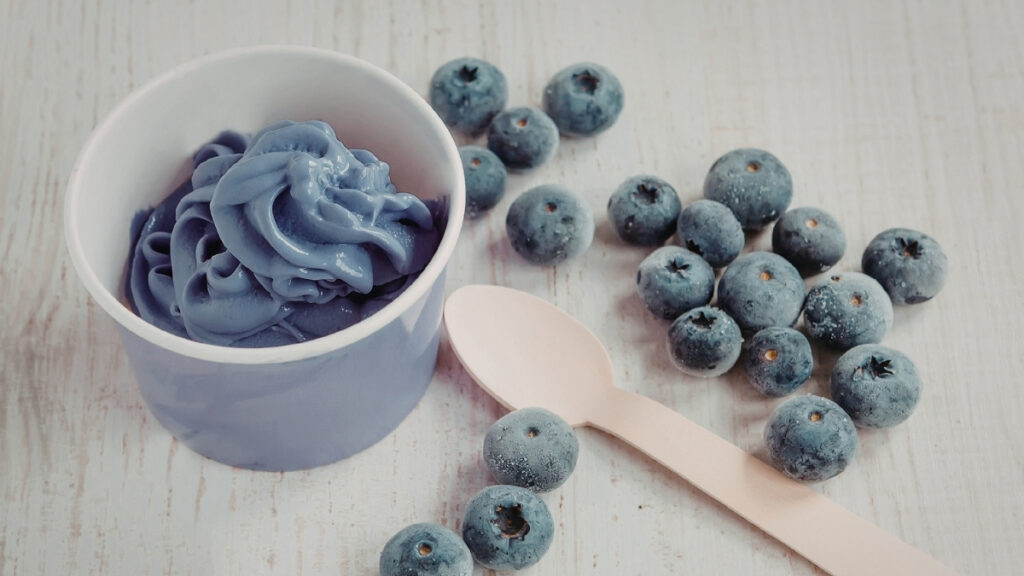
Eat frozen blueberries straight from the freezer as a healthy "ice cream." They're like tiny berry popsicles. Sweet, cold, and satisfying. Add a tiny drizzle of honey if you need more sweetness at first. Your taste buds will adjust.
The freezing process changes the texture of the berry's interior into something remarkably similar to sorbet. Because they are small, it takes longer to eat them one by one, which helps you practice mindful eating and prevents late-night overindulgence.
They satisfy the "crunch" and "cold" cravings that often lead people to high-calorie desserts. It is a guilt-free way to end your day while giving your brain a final boost of protective nutrients.
How Blueberries Actually Work in Your Brain
The magic isn't actually magic; it’s biology. The primary drivers are anthocyanins, the pigments that give blueberries their deep color.
When you eat a blueberry, your digestive system breaks these down into smaller metabolites. These enter your bloodstream, cross the blood-brain barrier, and settle directly into the hippocampus and cerebral cortex.
1. They Improve Cerebral Blood Flow
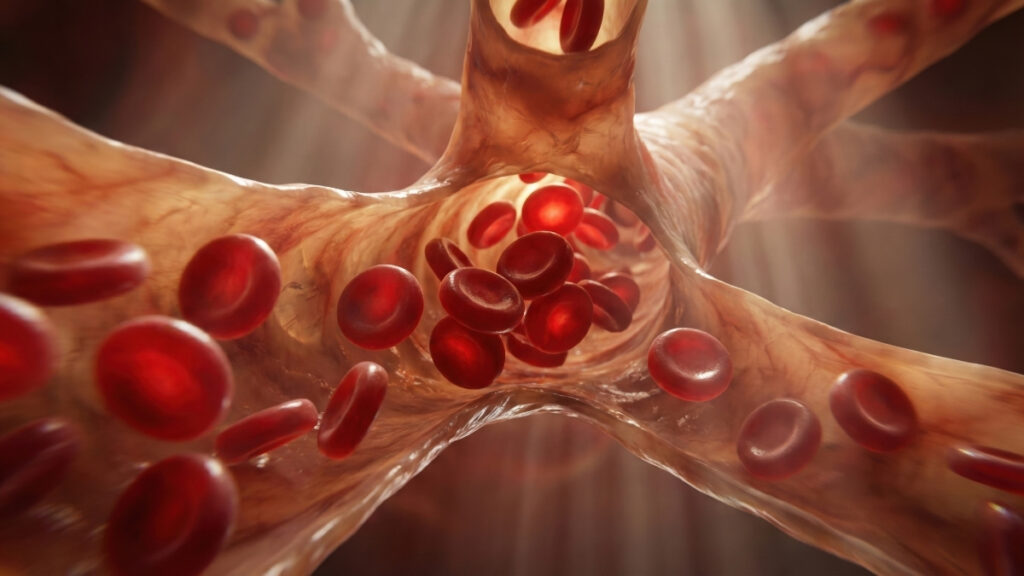
Your brain consumes about 20% of your body's total oxygen. Blueberries contain compounds that stimulate nitric oxide production in the lining of your blood vessels.
The Result: This causes vessels to relax and widen (vasodilation).
The Brain Impact: More oxygenated blood reaches the hippocampus, the hub for memory and learning, ensuring cells have the fuel they need to perform complex tasks.
2. They Fight Neuroinflammation
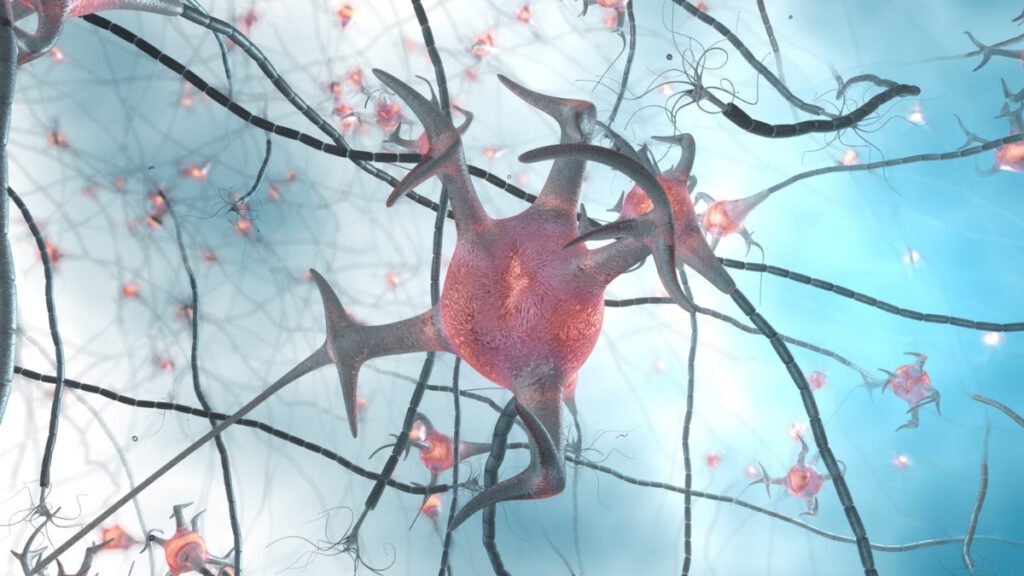
Think of inflammation as "brain fog" on a molecular level. Chronic inflammation triggers microglial cells (the brain's immune cells) to overreact, which can damage healthy neurons.
The Fix: Blueberries inhibit the signaling pathways that tell these cells to stay "angry."
Body-Wide Benefit: By lowering systemic inflammation (CRP levels) in the body, blueberries reduce the "background noise" your brain has to deal with.
3. They Protect Against "Biological Rust."

Your brain is highly susceptible to oxidative stress because it uses so much oxygen. This process creates "free radicals"—unstable molecules that damage cell membranes and DNA, much like rust on a car.
The Shield: Anthocyanins are potent antioxidants that neutralize these free radicals on contact, preventing the premature aging of your brain cells.
4. They Help Brain Cells "Talk" Faster
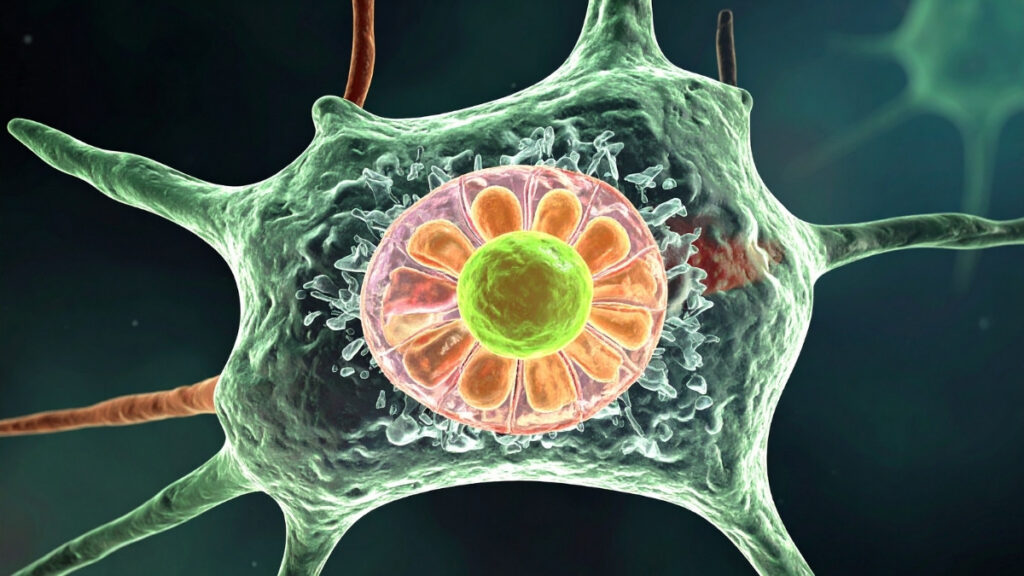
Memory works through synaptic transmission, where one neuron sends a chemical message to another. Over time, these "receivers" can become sluggish or "gunked up."
The Improvement: Blueberries improve the fluidity of cell membranes. This makes it easier for neurons to release and receive neurotransmitters like dopamine and glutamate, making your thoughts feel "sharper" and more fluid.
5. They Support BDNF and New Connections
Your brain can rewire itself, a process called neuroplasticity.
The Secret Ingredient: Blueberries have been shown to increase levels of Brain-Derived Neurotrophic Factor (BDNF).
The Impact: BDNF acts like "Miracle-Gro" for your brain. It helps existing neurons survive and encourages the growth of new neurons (neurogenesis), which is vital for learning new skills as we age.
6. The "Whole Food" Advantage
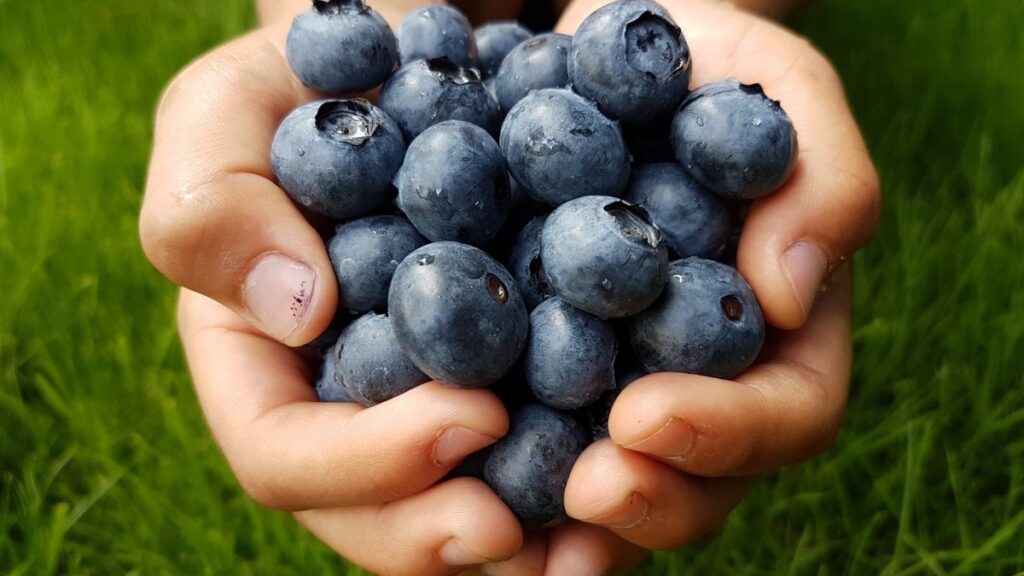
It is not just one compound doing the work. Blueberries contain a complex matrix of fiber, Vitamin C, Vitamin K, and dozens of phytochemicals.
Synergy: When these compounds work together, they are more bioavailable (easier for your body to use) than a single synthetic supplement.
Cholesterol Support: These compounds also prevent LDL cholesterol from oxidizing. This keeps your "pipes" clear, ensuring that the vascular system feeding your brain remains unobstructed and flexible.
The Science Behind Blueberries and Brain Power
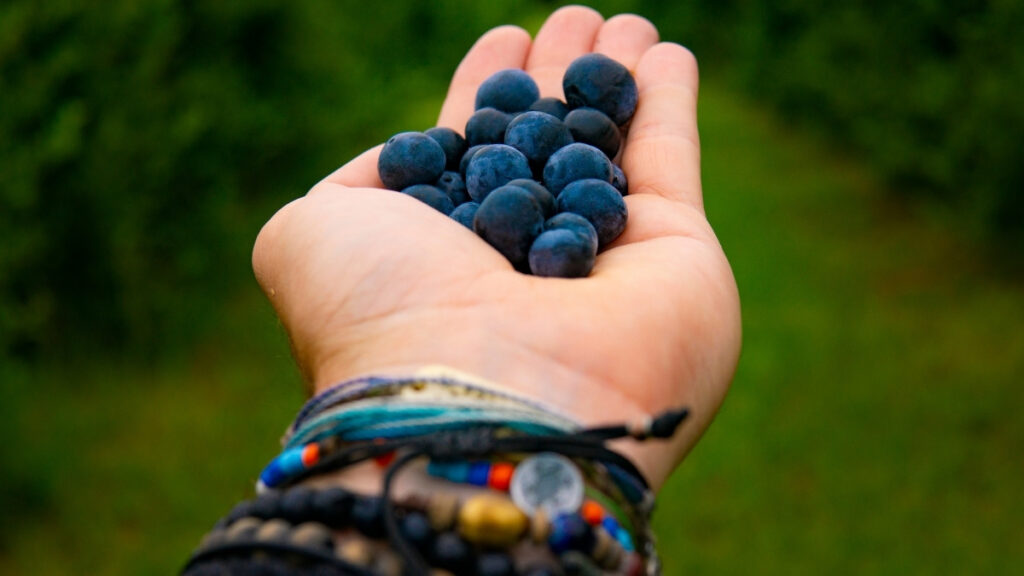
Want to keep your memory sharp as you age? Here's a number that should get your attention: people who eat blueberries regularly can delay memory decline by 2.5 years.
That's not a guess. It's what Harvard researchers found after tracking 16,010 women for years in their famous Nurses' Health Study.
And here's what makes this even better: blueberries are the only fruit specifically named in the MIND diet, a eating plan designed by scientists to protect your brain.
What makes blueberries so special?
The blue color in these berries comes from something called anthocyanins. Think of them as tiny brain protectors.
Most nutrients can't reach your brain. Your body has a protective wall called the blood-brain barrier. It keeps harmful things out. But anthocyanins can cross this barrier and get right into your brain tissue.
Wild blueberries pack 33% more of these anthocyanins than the ones you find at most grocery stores. But both types work.
Real people, real results

Let me show you what happens when people actually eat blueberries:
A 2022 study looked at 33 adults between ages 50 and 65. They ate half a cup of blueberries every day for 12 weeks. Their executive function got better. That's your ability to plan, focus, and remember.
Another 2022 study focused on people aged 75 to 80 with mild cognitive impairment. That's when you're starting to forget things more than normal. After six months of eating blueberries, they scored as well as healthy people their age on cognitive tests.
A third 2022 study tested how fast people could process information. The blueberry group got faster at things like noticing hazards while driving.
Then in 2024, researchers figured out which specific compounds in blueberries do the protecting. Most recently, a clinical trial with 99 people aged 60 to 80 showed improvements in both heart health and brain function.
Notice a pattern? Study after study shows the same thing. The magic dose? Half a cup daily. Or if that feels like too much, aim for two servings per week. That's the minimum to see benefits.
What the Research Shows: Real Results from Real People
Let's look at what happened when researchers put blueberries to the test.
The 2022 Nutrients study

Researchers gave people with subjective cognitive decline half a cup of blueberries every day. Subjective cognitive decline means you feel like you're forgetting things more, even if tests don't show major problems yet.
After 12 weeks, these people showed better executive function. They could plan better. They could focus longer. They could switch between tasks more easily.
The placebo group? They didn't improve.
The 2022 Geroscience study
This one focused on the 75 to 80 age group with mild cognitive impairment. These folks were starting to have real memory problems.
Six months of daily blueberries brought their cognitive performance up to match healthy people their age. They essentially reversed their decline and caught up.
The 2022 Nutritional Neuroscience study

Processing speed matters more than you might think. It affects whether you can react to a car pulling out in front of you. Whether you can follow a fast conversation. Whether you catch mistakes before making them.
People with mild cognitive impairment who ate blueberries got faster at processing information. This has real safety implications, especially for driving.
The 2024 Frontiers in Pharmacology study
Scientists identified the specific metabolites that protect your brain. These are the substances your body creates when it breaks down blueberries.
This research confirmed that the benefits come from multiple compounds working together, not one "magic bullet."
The recent clinical trial

Ninety-nine people aged 60 to 80 participated. They didn't just see brain benefits. Their heart health improved, too. Their LDL cholesterol went down. Their inflammation markers dropped.
This matters because heart health and brain health connect directly. When your heart and blood vessels work well, your brain gets what it needs.
Mary Ann Lila from North Carolina State University's Plants for Human Health Institute has studied blueberries extensively. Her research helped identify why these berries work so well compared to other fruits.
Here's what stands out: you don't need massive amounts. Two servings per week is the minimum to see benefits. Half a cup daily gives you faster, stronger results. The evidence isn't just compelling. It's consistent across multiple independent studies.
How Much and How Often: Your Blueberry Action Plan
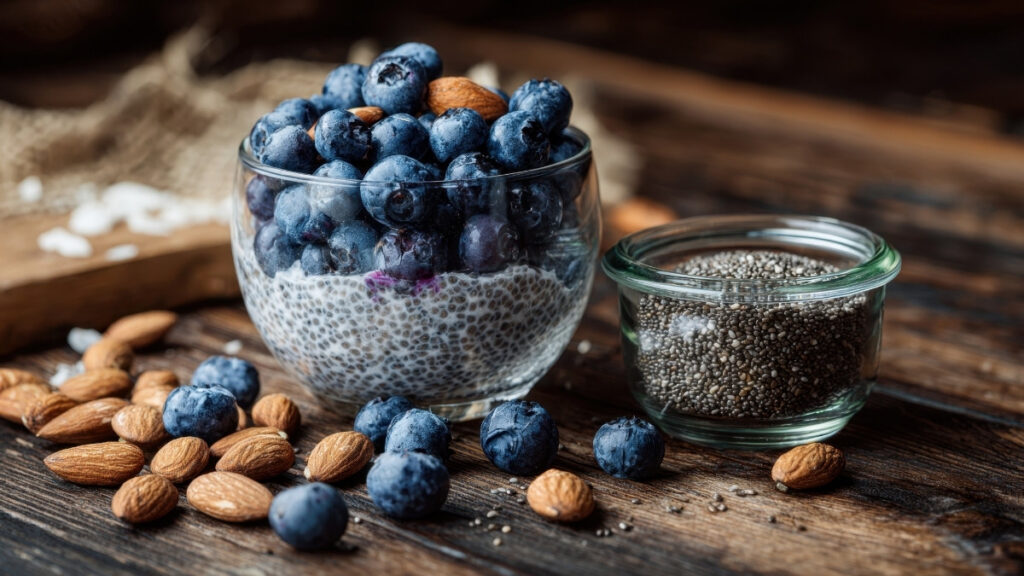
The research points to two approaches that work:
Daily approach: Half a cup every day. That's about the size of a baseball when you cup your hands together. Or use a measuring cup if you want to be exact.
Weekly approach: Two cups spread across the week. That's the minimum from the MIND diet. It works, but slower than the daily approach.
Studies tested people for 12 weeks to 6 months. Benefits started showing up around week 12. By month 6, the improvements were significant. Wild blueberries pack 33% more anthocyanins than regular cultivated ones. If you can find them, choose wild. But regular blueberries still work well.
Fresh, frozen, and powder all deliver the goods. Pick what fits your budget and lifestyle. No research has found an upper limit. Some people in studies ate a full cup daily with no problems. More doesn't necessarily mean better results, though.
What doesn't work
Dried blueberries with added sugar or corn syrup. The processing and additives change how your body handles them. The natural sugar in fresh or frozen berries is fine. Added sugars are not.
Also, don't expect overnight results. Your brain needs time to respond. Think weeks and months, not days.
Make it routine
Here's the real secret: consistency beats intensity. Eating half a cup daily for months works better than eating two cups once and forgetting about it.
Pick a time that makes sense. Add them to breakfast. Eat them as an afternoon snack. Blend them into a smoothie after dinner.
The key is making blueberries a regular part of your routine, not an occasional treat.
Fresh, Frozen, or Powder? What Works Best
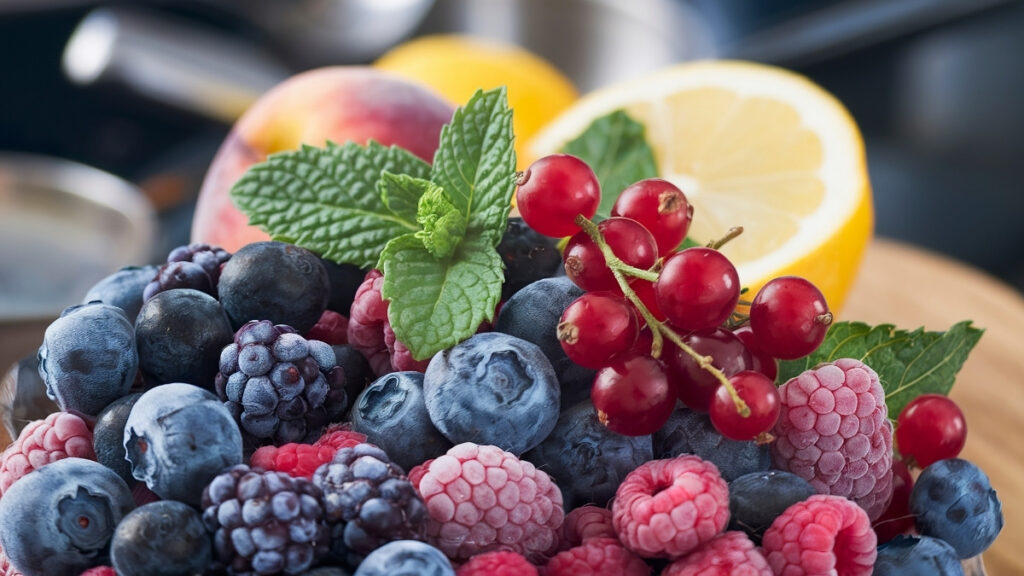
The good news: you don't need expensive fresh berries to get brain benefits. Frozen might actually be better than fresh.
Here's why: blueberry farms pick berries and freeze them within hours. This locks in nutrients at their peak. Fresh berries at the store might have traveled for days. They've been sitting on shelves. They're losing nutrients.
David Yarborough from the University of Maine studies blueberries for a living. He confirmed that "the freezing process does not degrade the anthocyanin in wild blueberries."
Your options
Frozen berries: Usually the cheapest option. Last for months in your freezer. Work great in smoothies, oatmeal, or eaten straight. Wild frozen blueberries have twice the antioxidants of regular ones.
Fresh berries: More expensive. Only last a few days in the fridge. Best for eating plain or on salads. Wash them and store them in a breathable container to extend freshness.
Powder: Super convenient. Mix into drinks, yogurt, or baking. More expensive per serving. Look for pure blueberry powder with no additives. Check that it specifies anthocyanin content.
Beyond Brain Health: Other Benefits You'll Notice
Your brain isn't the only part of your body that benefits.
Lower blood pressure

A 2021 study in Nutrition Research found that blueberries help reduce blood pressure. This matters because high blood pressure is a major risk factor for dementia.
When you protect your heart and blood vessels, you're also protecting your brain.
Reduced diabetes risk
Regular blueberry consumption lowers your risk of type 2 diabetes. The fiber slows sugar absorption. The anthocyanins improve how your body handles insulin.
Diabetes damages blood vessels throughout your body, including the tiny vessels in your brain.
Better gut health

Your gut and brain talk to each other constantly. Scientists call this the gut-brain axis. What helps your gut often helps your brain.
Blueberries feed the good bacteria in your digestive system. These bacteria produce compounds that reduce inflammation everywhere, including your brain.
Exercise recovery
Blueberries help your muscles recover after physical activity. Less inflammation means less soreness and faster healing.
Staying physically active is one of the best things you can do for brain health. If blueberries help you exercise more comfortably, that's another brain benefit.
Heart health improvements

Remember that recent clinical trial? The one with 99 people aged 60 to 80? They showed lower LDL cholesterol and reduced inflammation markers.
Heart disease and dementia share many risk factors. Foods that help one often help the other.
The connection matters
None of these benefits exists in isolation. Your body is a system. When you improve blood pressure, you're protecting brain blood vessels. When you reduce inflammation in your gut, you're reducing it in your brain too.
These whole-body benefits make blueberries a true superfood for aging well.
Your Next Step
Here's what you need to remember: eating blueberries regularly can delay memory decline by 2.5 years. You don't need complicated recipes or expensive supplements. Half a cup daily or two cups weekly. That's it.
Frozen berries work just as well as fresh. They're cheaper and last longer. Wild blueberries pack more anthocyanins, but regular ones still deliver results. Consistency beats perfection. Eating them most days matters more than hitting exact amounts every single day.
Start today
Buy a bag of frozen blueberries on your next grocery run. Add them to your breakfast tomorrow morning.
Try them on oatmeal. Blend them in a smoothie. Eat them straight from the bag if that's easiest. Pick one method from the seven ideas above. Do that for a week. Then add another method.
Within three months, you might start noticing improvements. Within six months, the benefits should be clear. Your brain is working hard every day. It deserves the support these tiny berries provide.
Blueberries for brain health isn't just trending science. It's a proven strategy to keep your memory sharp and maintain the cognitive function that lets you live independently, drive safely, remember your grandchildren's names, and enjoy life fully.
Your 74-year-old brain will thank your current self for this simple decision.