

Blood Sugar Mastery: The “Fiber First” Rule How To Eat Carbs Without The Dangerous Spikes
You test your blood sugar two hours after lunch and see 180 mg/dL staring back at you. The meal was textbook perfect: grilled chicken, brown rice, and steamed vegetables. Everything your diabetes guide recommends for a balanced plate. So why the spike?
Your body processes nutrients differently based on sequence, and this simple adjustment can reduce post-meal glucose spikes by 25-40% without eliminating any foods. This is the fiber-first rule blood sugar strategy, and it’s backed by current research from 2024 and 2025.
In this guide, you’ll discover the science behind why eating order affects blood sugar, the exact step-by-step fiber-first eating method, and meal-by-meal implementation strategies.
You’ll see real data showing glucose reduction results and learn how to prevent blood sugar spikes after eating using this powerful blood sugar control technique. We’ll also troubleshoot common challenges so you can make this work in your real life, starting today.
Glucose Traffic Control
The Sugar Rush
Without fiber first, carbs rush into your bloodstream like speeding cars. This causes a massive glucose spike (180+ mg/dL).
What Is the Fiber First Rule? (The Science Behind Eating Order)

The fiber first rule means eating your vegetables before you touch your protein or carbs. It's not about what you eat—it's about when you eat it. This simple change in meal order can drop your blood sugar spikes by up to 73% without cutting out any foods.
Here's what happens in your body: When fiber hits your stomach first, it forms a protective mesh that slows down sugar absorption. Think of it like a speed bump for glucose.
A 2023 study in Clinical Nutrition tracked people with type 2 diabetes who ate vegetables before their main course. Their blood sugar peaks dropped 28% compared to eating the same meal in a mixed-up order.
Why This Beats Traditional Diet Advice:
- You eat the same foods, just rearranged
- No calorie counting or portion obsession needed
- Works with meals you already love
- Backed by continuous glucose monitor data showing real-time results
- Same calories, same nutrients, different glucose response
The Three-Step Fiber First Sequence (Your New Meal Blueprint)
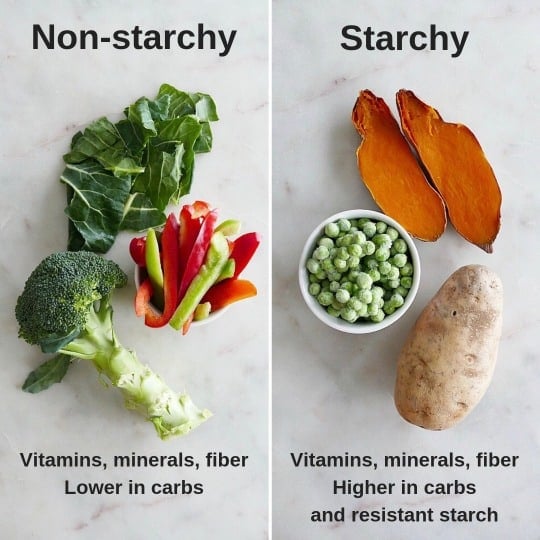
Start your meal with non-starchy vegetables for 5-10 minutes. Then move to your protein and healthy fats. Finish with your carbohydrates last. You can eat steps two and three together if you want, but vegetables must come first.
Research shows this order drops blood sugar by 29% at 30 minutes after eating, 37% at 60 minutes, and 17% at 90 minutes. People with type 2 diabetes who followed carbs-last eating improved their time-in-range scores and reduced blood sugar swings throughout the day.
Your Plate Breakdown:
- Step 1 (First 5-10 minutes): Leafy greens, broccoli, peppers, cucumbers, any non-starchy vegetable
- Step 2 (Next): Chicken, fish, tofu, eggs, nuts, olive oil, avocado
- Step 3 (Last): Rice, pasta, bread, potatoes, fruit, dessert
- Real example: Salad → grilled chicken → sweet potato instead of mixing everything together
The Science: Why Fiber First Works (4 Biological Mechanisms)
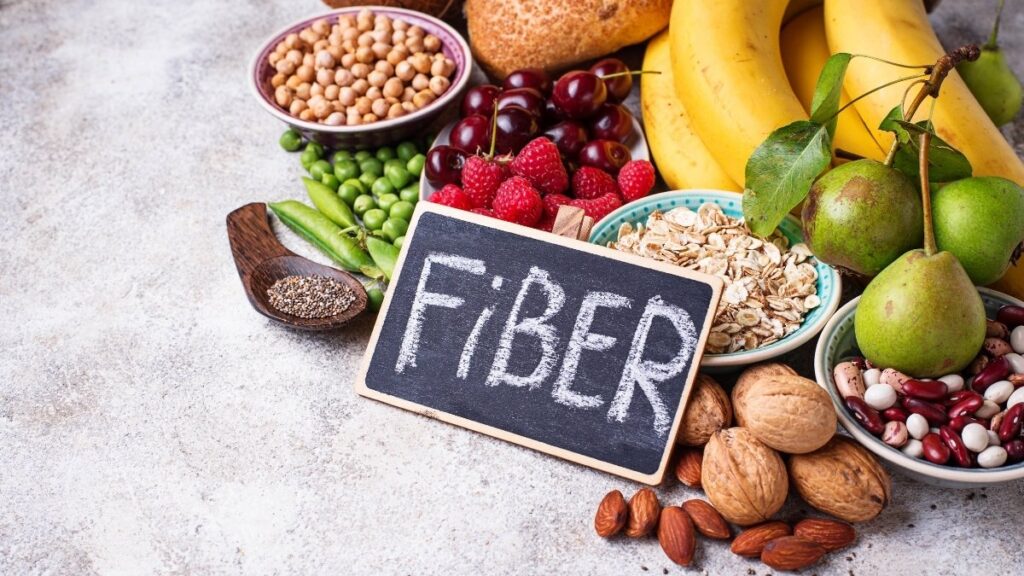
When soluble fiber enters your stomach first, it creates a thick, viscous gel. This gel physically blocks some of the carbohydrates that come later from getting absorbed too fast. Your stomach also empties more slowly, which means sugar trickles into your bloodstream instead of flooding it.
But there's more happening. Eating vegetables before carbs triggers your gut to release GLP-1, a hormone that tells your pancreas to make insulin more efficiently. This is the same hormone that expensive weight-loss drugs try to mimic. Your body makes it naturally when you eat in the right order.
The Four Mechanisms in Action:
- Physical barrier: Fiber gel traps carbohydrate molecules in your digestive tract
- Slower stomach emptying: Food stays in your stomach 30-45 minutes longer
- GLP-1 activation: Enhanced insulin response without medication
- Reduced insulin demand: Your pancreas works less hard to control the same amount of sugar
- Additional benefit: GLP-1 also acts as a natural appetite suppressant, reducing cravings hours after your meal
Studies using inulin (a type of fiber supplement) showed drops in fasting blood glucose, HbA1c levels, and insulin resistance markers. But you don't need supplements—real vegetables create the same effect.
Real Results: What the Research Shows (Data-Backed Outcomes)
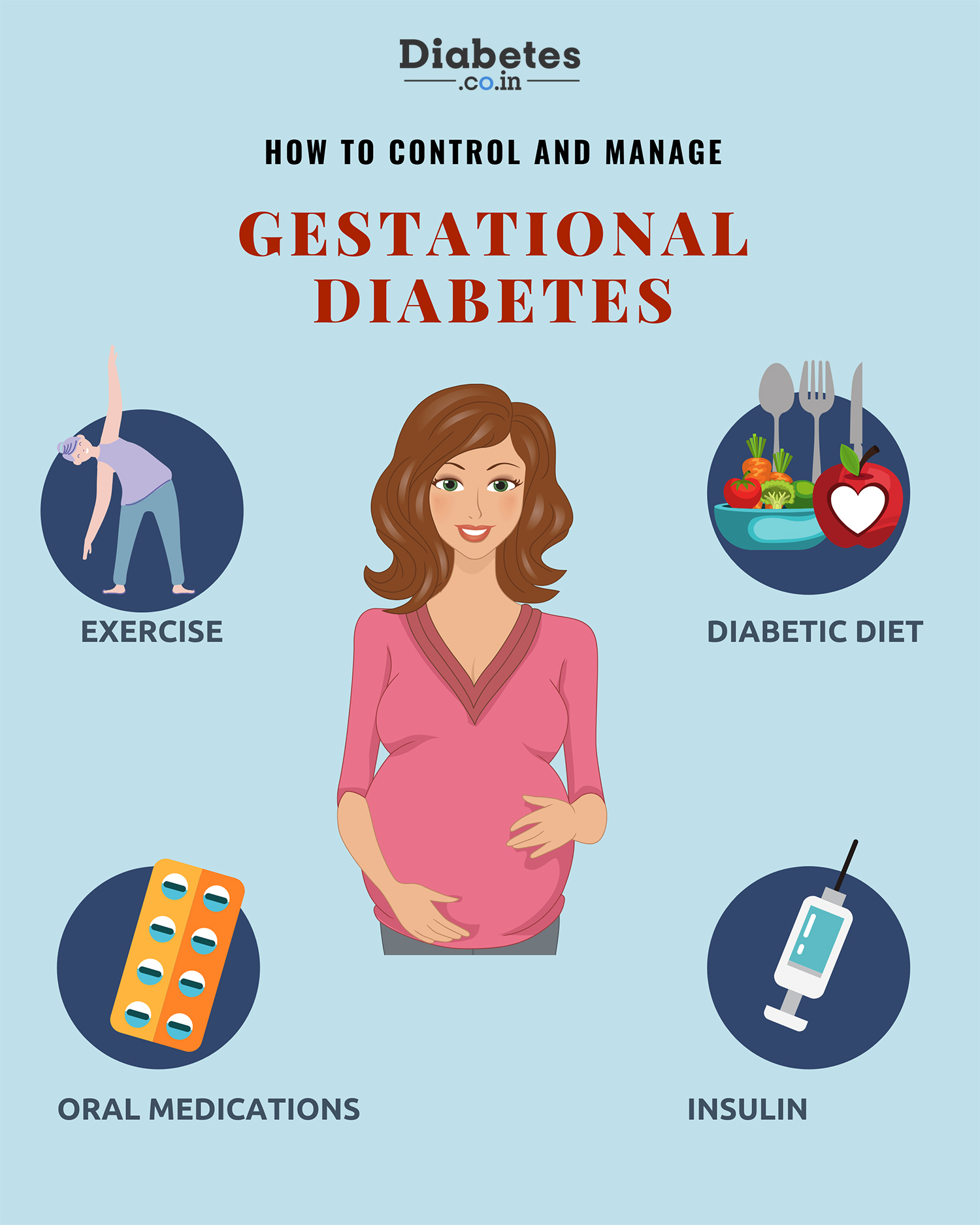
Women with gestational diabetes who ate vegetables first saw significantly better blood glucose and insulin levels compared to eating their meal in any order. A five-year study tracked people following food sequencing and found meaningful drops in HbA1c—the three-month average of blood sugar control.
The numbers are striking. Eating in the correct order can reduce your overall glucose spike by 73% and your insulin spike by 48%. This isn't a 5% improvement—it's a complete reshape of your blood sugar curve.
What You Can Expect:
- Immediate results: Lower post-meal blood sugar within 30-90 minutes
- Weekly changes: More stable energy, fewer afternoon crashes
- Monthly improvements: Better fasting glucose readings
- 3-month markers: Potential HbA1c reduction of 0.3-0.5%
- Comparable impact: Similar glucose control to some medications, but through food timing alone
- CGM data: Time-in-range improvements of 15-25% in many individuals
Breakfast: Your Hardest Meal (Why Morning Is Different)
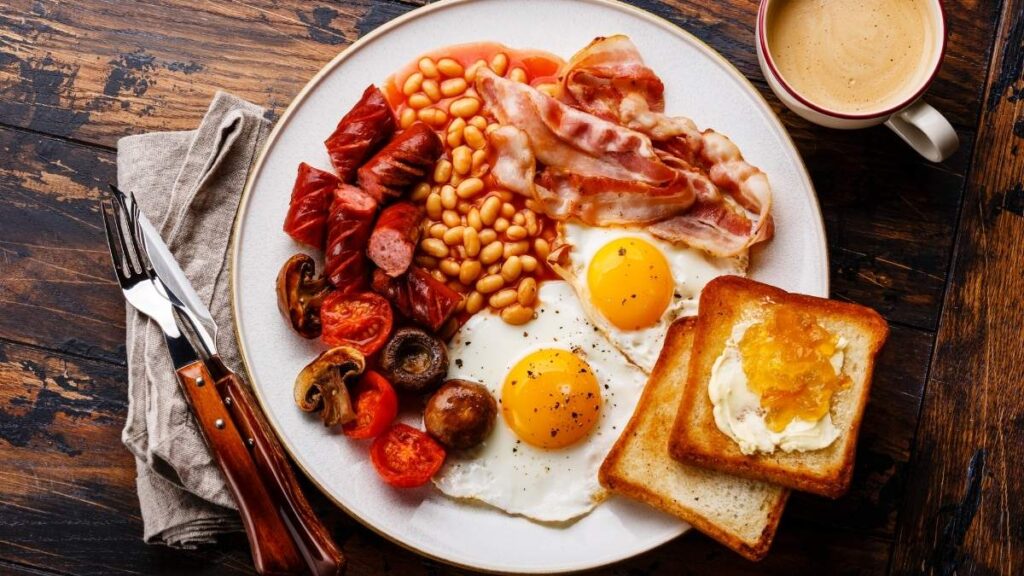
Your body fights insulin hardest in the morning. Dawn phenomenon triggers cortisol release, which makes your cells 25-40% more resistant to insulin than later in the day. This means the same bowl of oatmeal spikes your blood sugar higher at 7 AM than at 7 PM.
Fiber first matters even more at breakfast. Skip the toast-first habit. Start with sautéed spinach or leftover roasted vegetables. Then eat your eggs. Save the oatmeal or toast for last.
Morning Meal Mistakes to Fix:
- Cereal or oatmeal first thing: Instant 140+ mg/dL spike
- Toast with jam alone: Pure sugar delivery system
- Fruit smoothie on empty stomach: Fructose flood without fiber barrier
- Better sequence: Vegetable omelet → small bowl of berries → one slice whole grain toast
- Quick option: Handful of cherry tomatoes and cucumber → Greek yogurt → granola sprinkle
- Time-saver: Prep vegetable cups the night before
The Order Matters
Fiber Foundation
Eat non-starchy vegetables first. Spinach, broccoli, peppers. This coats the stomach lining.
The Complete Fiber First Food Guide (What to Eat in Each Step)
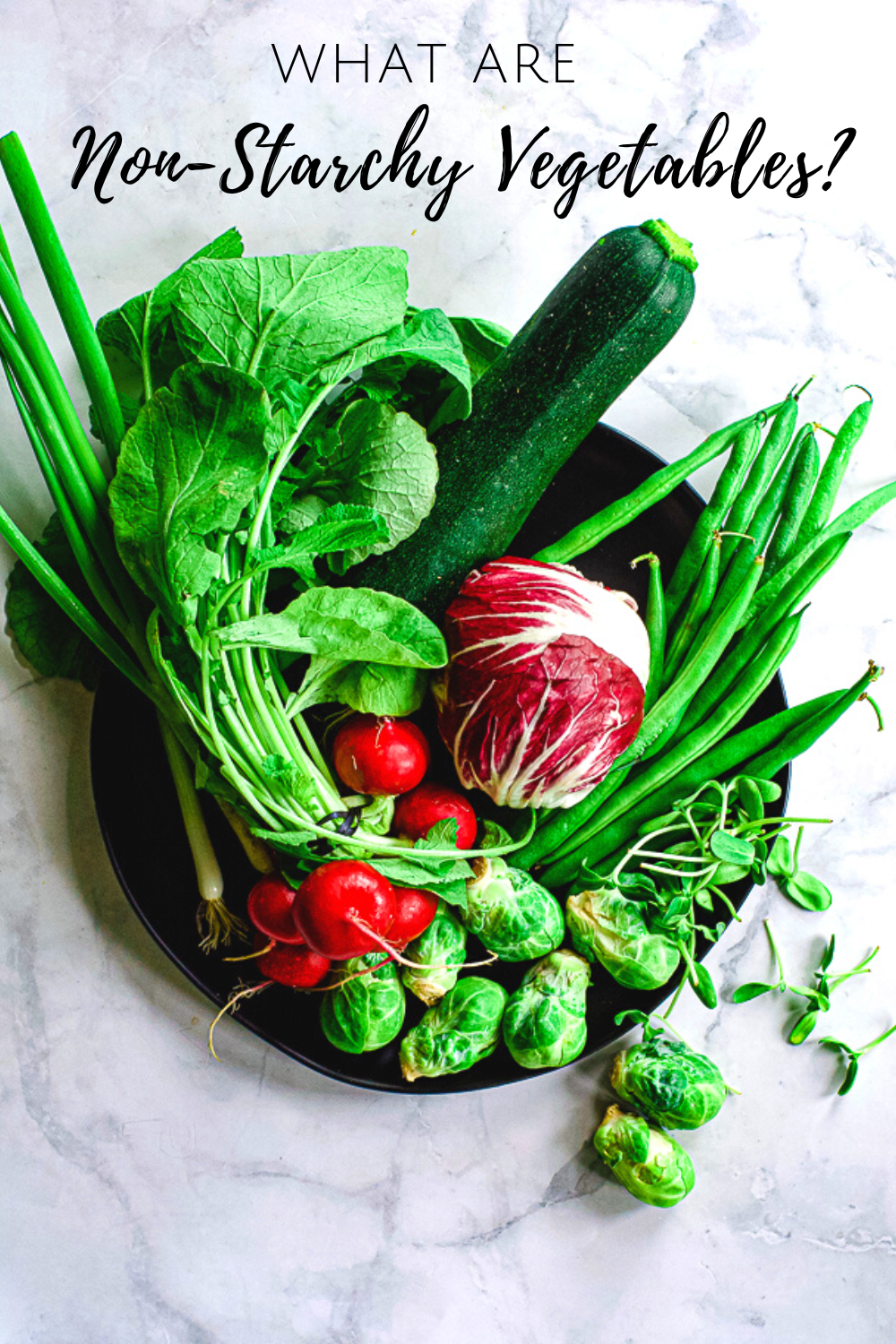
Non-starchy vegetables have the most fiber with the least sugar. Broccoli gives you 2.4 grams of fiber per cup. Brussels sprouts pack 3.3 grams. These are your step one champions. Fill half your plate with options like spinach, asparagus, cauliflower, bell peppers, green beans, or zucchini.
For step two, choose proteins that don't spike blood sugar: chicken breast, salmon, tofu, tempeh, eggs, or Greek yogurt. Add healthy fats like olive oil, nuts, seeds, or avocado. Adults need 22-34 grams of fiber daily depending on age and gender, according to CDC guidelines.
Step 1 Vegetables (Eat First):
- Leafy greens: Spinach, kale, arugula, lettuce (1-2g fiber per cup)
- Cruciferous: Broccoli, cauliflower, cabbage, Brussels sprouts (2-4g fiber per cup)
- Others: Bell peppers, cucumbers, zucchini, asparagus, green beans, mushrooms
Step 2 Proteins & Fats:
- Lean proteins: Chicken, turkey, fish, eggs, tofu, tempeh
- Plant proteins: Lentils, chickpeas, black beans (15g fiber per cup—these count as both protein and fiber)
- Healthy fats: Olive oil (1 tablespoon), avocado (½ medium), nuts (¼ cup), seeds
Step 3 Smart Carbs (Eat Last):
- Whole grains: Brown rice, quinoa, whole wheat pasta, oats
- Starchy vegetables: Sweet potato, regular potato, corn, peas
- Fruit: Berries, apples, oranges (with skin for extra fiber)
- Limit: White bread, white rice, pastries, sugary drinks
7-Day Fiber First Meal Plan (Your Week of Stable Blood Sugar)
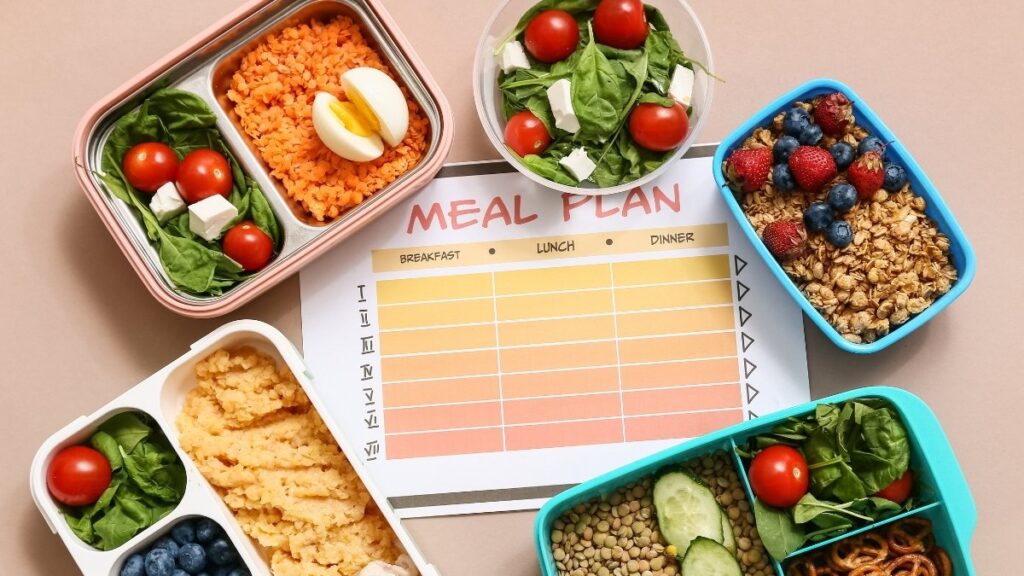
Monday
- Breakfast: Sautéed mushrooms and tomatoes → scrambled eggs → 1 slice whole grain toast (15 min prep)
- Lunch: Mixed green salad → grilled chicken breast → quinoa (20 min prep, or use rotisserie chicken)
- Dinner: Roasted broccoli and carrots → baked salmon → small sweet potato (30 min prep)
Tuesday
- Breakfast: Cucumber and bell pepper slices → Greek yogurt with nuts → ½ cup blueberries (5 min prep)
- Lunch: Vegetable soup (eat vegetables first) → turkey wrap with lettuce (15 min prep)
- Dinner: Stir-fried bok choy and snap peas → tofu → brown rice (25 min prep)
Wednesday
- Breakfast: Spinach and cherry tomatoes → cheese omelet → small orange (10 min prep)
- Lunch: Caesar salad (no croutons yet) → grilled shrimp → add croutons last (15 min prep)
- Dinner: Roasted Brussels sprouts → grass-fed beef → cauliflower mash (35 min prep)
Thursday
- Breakfast: Leftover roasted vegetables → hard-boiled eggs → apple slices (5 min prep)
- Lunch: Raw veggie platter with hummus → chicken salad → whole wheat crackers (10 min prep)
- Dinner: Green beans and zucchini → pork chop → wild rice (30 min prep)
Friday
- Breakfast: Sautéed kale → smoked salmon → ½ whole grain English muffin (12 min prep)
- Lunch: Tomato and cucumber salad → tuna → whole wheat pita (8 min prep)
- Dinner: Mixed roasted vegetables → lamb chops → couscous (25 min prep)
Saturday
- Breakfast: Vegetable frittata (vegetables cooked first) → side of berries → small whole grain muffin (20 min prep)
- Lunch: Large salad bar creation (eat greens first) → protein of choice → add grains last (10 min prep)
- Dinner: Grilled asparagus and peppers → steak → baked potato (30 min prep)
Sunday
- Breakfast: Roasted tomatoes and mushrooms → poached eggs → small bowl of oatmeal with cinnamon (15 min prep)
- Lunch: Vegetable and bean soup → grilled cheese on whole grain bread (20 min prep)
- Dinner: Steamed broccoli and carrots → roasted chicken thighs → mashed potatoes (40 min prep)
Meal Prep Tips:
- Roast 5-6 cups of mixed vegetables Sunday night (broccoli, cauliflower, Brussels sprouts, peppers)
- Hard-boil a dozen eggs for quick protein
- Pre-wash and chop salad vegetables in containers
- Cook grains in batches and freeze portions
- Budget swap: Frozen vegetables cost 50% less and have identical fiber content
Weekly Shopping Cost: Approximately $75-95 for one person, $150-180 for a family of four
Troubleshooting Common Problems (When Fiber First Doesn't Work)
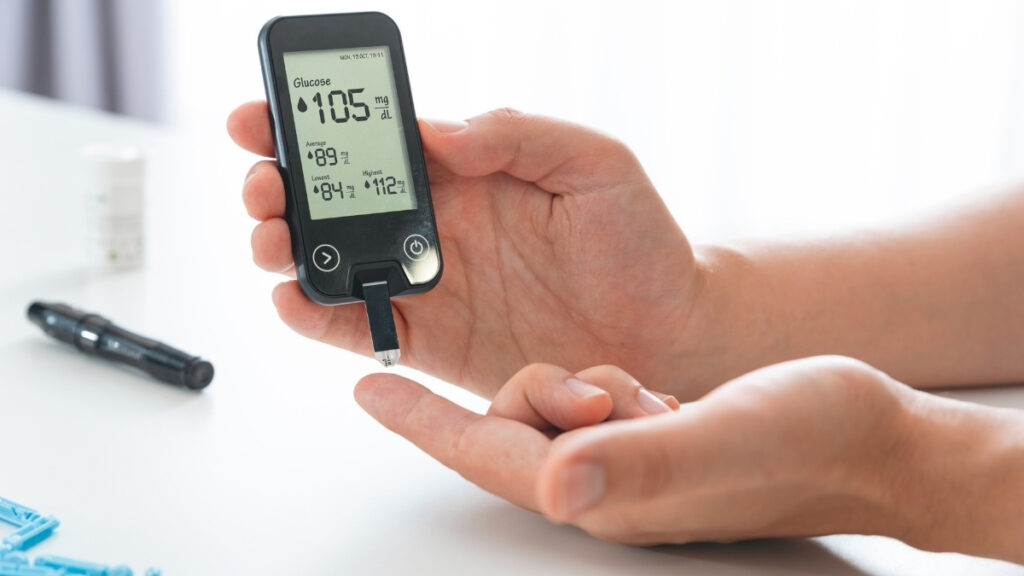
You're eating vegetables first, but your blood sugar still spikes. The problem might be portion size, not eating order. If you eat three cups of pasta after your salad, you'll still spike. The vegetables slow absorption, but they can't stop a carb tsunami.
Some people with severe insulin resistance need more than food sequencing. Stanford Medicine research shows fiber first works best for metabolically healthy individuals or those with mild blood sugar issues. If you have advanced diabetes, you'll still benefit, but you might need medication too.
Common Issues and Fixes:
- Digestive discomfort: You added too much fiber too fast—increase by 5 grams per week, not 20 grams overnight
- Still spiking: Check your carb portions—even healthy carbs spike if you eat too much
- Constipation: Drink 8-10 glasses of water daily when increasing fiber
- Restaurant eating: Order a side salad or vegetables, eat them while others get appetizers, then eat your main course
- Time-pressed mornings: Keep pre-cut vegetables in the fridge, eat a handful before anything else
- Social pressure: Explain you're eating vegetables first for digestion, not dieting—people understand that
Restaurant Scripts: "Can I get the salad brought out first while we wait for entrees?" "I'll start with the vegetable side while we're ordering."
Beyond Eating Order: Complementary Strategies

A 10-15 minute walk after eating can drop your blood sugar spike by another 15-20%. The combination of fiber first plus movement is more powerful than either alone. Your muscles soak up glucose without needing extra insulin.
Stress and poor sleep sabotage blood sugar control. High cortisol from stress can raise glucose by 20-30 mg/dL even when you eat perfectly. Sleep deprivation reduces insulin sensitivity by 25%, which means your fiber first strategy won't work as well.
Additional Blood Sugar Helpers:
- Hydration: Drink 16 ounces of water with meals to help fiber do its job
- Post-meal movement: Even standing and doing dishes helps more than sitting
- Sleep: Aim for 7-9 hours—each hour of sleep debt raises morning glucose
- Stress management: Deep breathing for 5 minutes before meals lowers cortisol
- Meal timing: Try to eat dinner 3 hours before bed for better overnight glucose control
Take Control Starting Today
The fiber first rule drops post-meal glucose spikes by 25-73% without eliminating foods. You follow a simple three-step sequence: vegetables first, then protein and fats, finish with carbohydrates. This works because fiber creates a protective barrier that slows glucose absorption and triggers helpful hormones like GLP-1.
Start with one meal today—dinner is often easiest. Fill half your plate with vegetables and eat them first for 5 minutes. Then move to your protein. Finish with carbohydrates. Track your blood sugar response and adjust portions as needed. This isn't about restriction. It's about optimization.
The fiber first rule blood sugar strategy gives you control over glucose without eliminating foods you enjoy. You're working with your body's natural systems instead of fighting them. And that's something you can actually stick with for life.