
Blindness by 60? 9 Common Snacks That Fry Your Retinas (Ophthalmologists Sound the Alarm on Blue Light Damage)
Your afternoon snack could be quietly stealing your vision. While most people worry about screen time, ophthalmologists point to something far more concerning: the foods sitting in your pantry right now.
The good news? Small dietary changes can reduce vision loss prevention by 25-30%.
In this guide, you’ll discover nine common snacks linked to retinal damage and diabetic retinopathy, understand exactly why these foods harm your eyes (backed by current science), learn simple swaps to protect your vision, and find foods that actually improve eye health.
👁️ RETINAL RADAR: ACTIVE
Scanning pantry for visual threats…
How Your Diet Directly Affects Your Retina
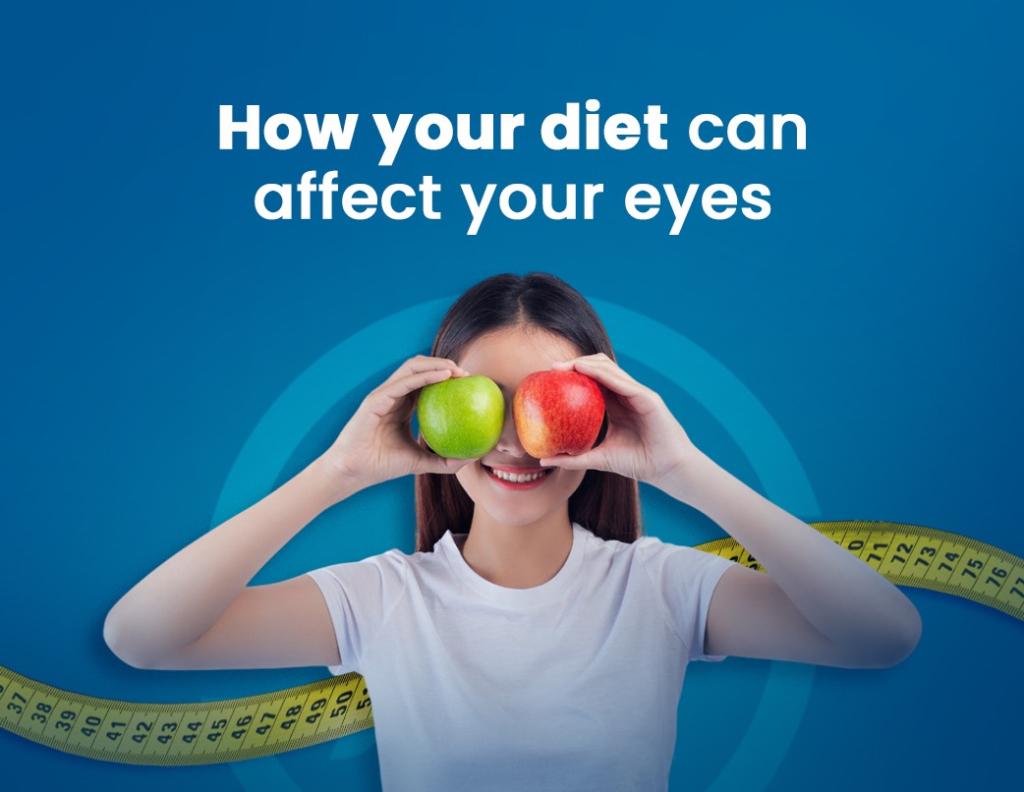
Your eyes need blood flow to survive. The retina at the back of your eye processes everything you see, and it needs constant oxygen and nutrients to work properly. When you eat poorly, you damage the tiny vessels that feed your retina.
This happens through oxidative stress, which sounds complicated but really just means your cells get damaged by unstable molecules called free radicals. Think of it like rust forming on metal, except it’s happening inside your eyes.
The numbers tell a scary story. Research shows that people who eat a lot of sweet drinks and processed snacks have a 60% higher chance of developing retinopathy, which is damage to the retina. If you have diabetes, your risk is even worse. About 35% of people with diabetes already have some retinal damage. The good news is you can fight back with your food choices.
What you need to understand is this: inflammation from bad foods damages your retinal blood vessels the same way it damages vessels in your heart. High blood sugar makes these vessels leaky and weak.
Over time, they can’t deliver the nutrients your retina needs. Your vision gets blurry, then worse, then you might lose it entirely. But you can stop this process before it starts.
9 Everyday Snacks Linked to Vision Problems
Based on current research in ophthalmology, these nine common snacks create the perfect storm for retinal damage. They work through three main paths: they spike your blood sugar, they trigger inflammation throughout your body, and they mess up your circulation. You probably eat at least one of these every day without knowing the damage it causes.
Sugary Sodas and Energy Drinks
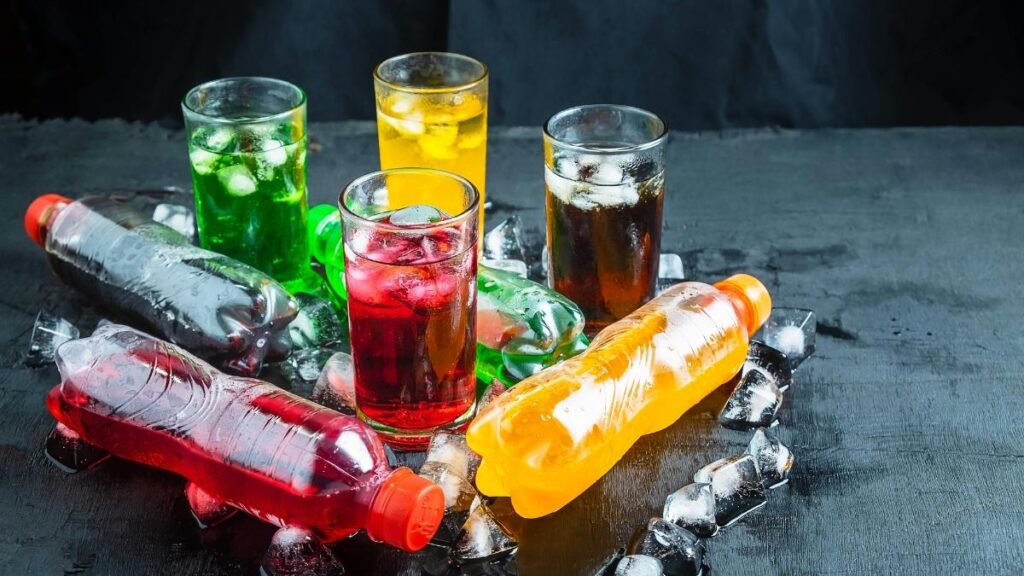
One regular soda contains 37 grams of sugar, which is more than your body should handle in an entire day. When you drink it, your blood sugar shoots up fast.
This rapid spike damages the tiny capillaries in your retina, the smallest blood vessels in your body. These vessels are so thin that even small amounts of damage add up over time.
The scary part is this damage happens even if you don’t have diabetes. High sugar intake is directly linked to diabetic retinopathy through damaged blood vessels, but recent research shows non-diabetics get hurt too. Your retinal capillaries become leaky and weak.
Here’s what happens inside your eyes when you drink sugary beverages: the sugar causes inflammation in the walls of your blood vessels. The vessels swell up and become blocked. Parts of your retina stop getting blood flow.
Your eye tries to fix this by growing new vessels, but these don’t work right. They leak fluid and blood into your retina, which is exactly how you lose your vision.
Potato Chips and Processed Crackers
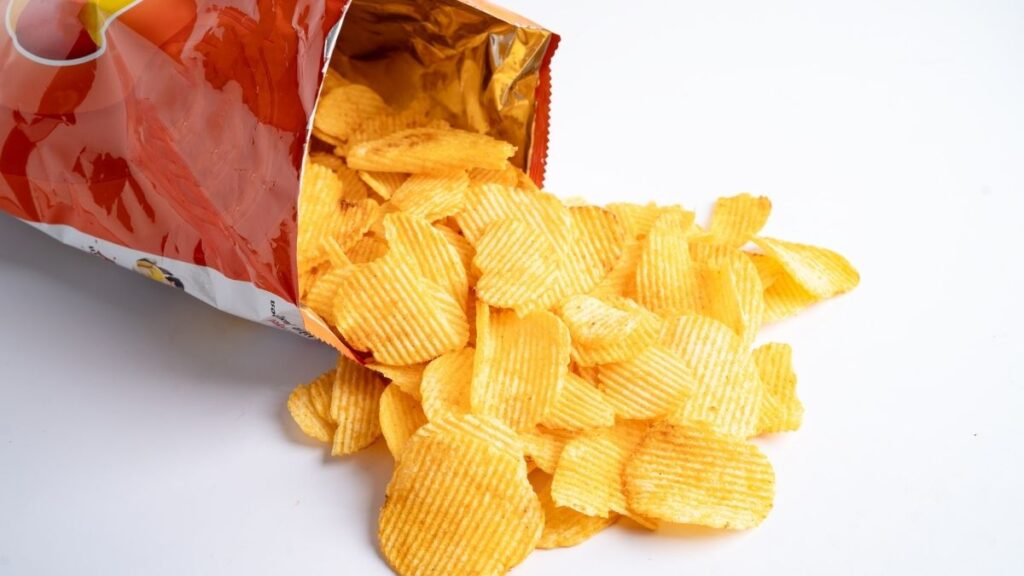
A single serving of potato chips can pack more than 300 milligrams of sodium, and most people eat way more than one serving. All that salt increases your blood pressure, which damages the small blood vessels in your retina.
High blood pressure can cause fluid to build up under your retina in a condition called choroidopathy. It can also block blood flow completely in what doctors call neuropathy.
Your body should get no more than 2,300 milligrams of sodium daily, which is about one teaspoon of salt. Most Americans eat over 3,400 milligrams every day. When your blood pressure stays high, it puts constant pressure on your retinal vessels. They stretch and weaken. Eventually they can rupture, causing sudden vision loss.
The damage from high sodium isn’t always dramatic. Sometimes it happens so slowly you don’t notice until it’s serious. Your retinal vessels gradually thicken and narrow. Less blood reaches your retina.
The cells there start dying from lack of oxygen. You might see spots or flashing lights. Your vision might get blurry around the edges. By the time you notice, significant damage has already happened.
Better options exist that still give you that satisfying crunch. Air-popped popcorn with just a sprinkle of salt has way less sodium and actually contains antioxidants. Veggie chips that are baked instead of fried cut the fat and sodium dramatically. Nuts give you crunch plus healthy fats that protect your eyes, as long as you choose unsalted or lightly salted versions.
Doughnuts and Pastries

Trans fats in commercial baked goods promote inflammation throughout your entire body, including your eyes. These artificial fats are directly linked to macular degeneration, which is the leading cause of blindness in older adults.
The refined sugar in pastries creates oxidative stress that damages both your macula, the part of your retina responsible for sharp central vision, and your lens.
Trans fats do something particularly nasty to your eyes. They interfere with your body’s ability to absorb omega-3 fatty acids, which are critical for eye health. Without enough omega-3s, your retinal cells can’t function properly.
The combination of trans fats and refined sugar accelerates aging in your eyes. Oxidative stress means free radicals attack your cells faster than your body can repair them. Your macula accumulates damage.
You don’t have to skip breakfast treats entirely. Whole grain muffins made with real ingredients provide fiber that slows sugar absorption. Oatmeal topped with fresh berries gives you antioxidants that fight oxidative stress. Greek yogurt with a drizzle of honey satisfies your sweet tooth while delivering protein and probiotics that reduce inflammation.
Fried Fast Food
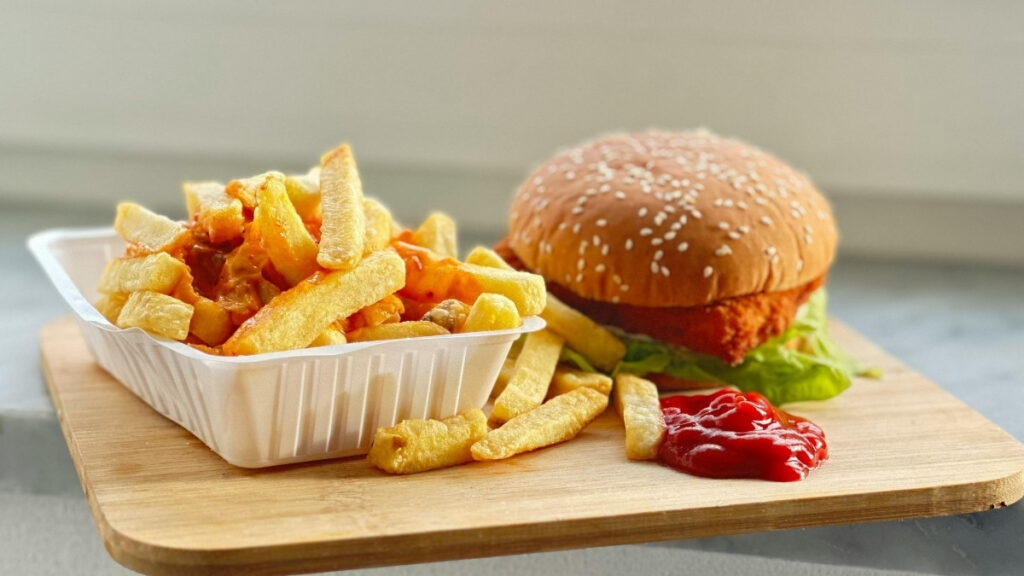
Fried chicken, french fries, and other deep-fried foods contain unhealthy fats that clog your arteries and reduce blood flow to your eyes. This accelerates macular degeneration significantly. The oils used for frying often get reheated many times, which damages them and creates compounds that worsen inflammation in your body.
Refined vegetable oils go through extensive processing that strips away their natural antioxidants. When these oils are heated to frying temperatures, they oxidize and form harmful compounds.
These damaged fats travel through your bloodstream and cause inflammation everywhere, including in the delicate tissues of your eyes. They also contribute to plaque buildup in your arteries, which means less blood reaches your retina.
Poor circulation affects every part of your retina. The cells don’t get enough oxygen and nutrients. Waste products build up because they can’t be carried away. Your vision starts deteriorating.
The worst part is you often don’t feel anything wrong until the damage is severe. Your eyes don’t hurt when circulation drops. You just slowly lose your ability to see.
Making healthier versions is easier than you think. Grilled chicken has all the protein without the damaged fats. Baked sweet potato fries give you that satisfying taste plus vitamin A, which your eyes need. Air fryers let you get crispy food using just a tablespoon of olive oil instead of cups of damaged vegetable oil.
Processed Deli Meats
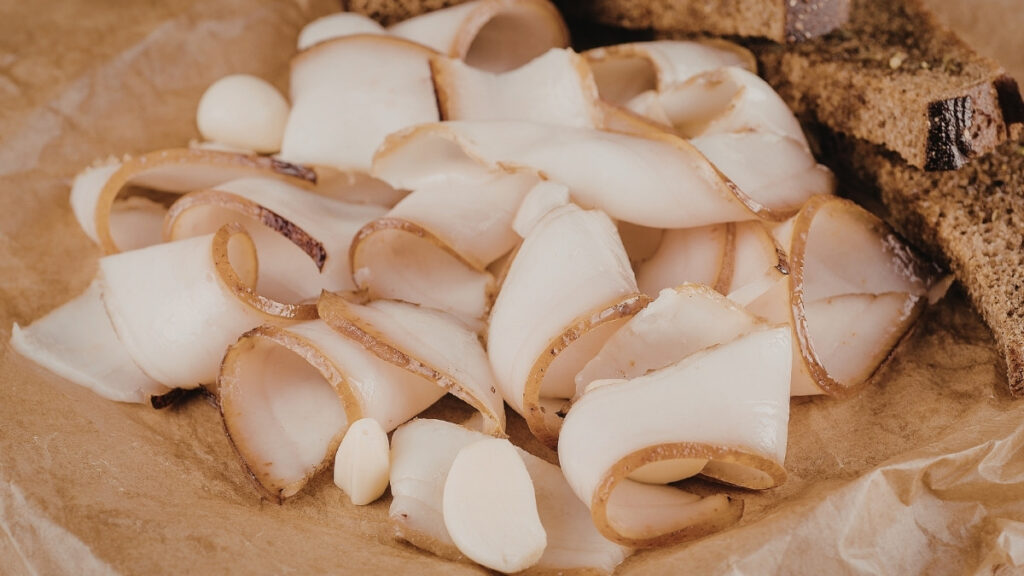
Packaged lunch meats are loaded with sodium and preservatives that raise your blood pressure. This causes direct retinal damage through a condition called hypertensive retinopathy. The preservatives used to keep deli meat fresh also affect your blood pressure and can lead to chronic inflammation that harms your eyes.
When your blood pressure stays elevated, the vessels in your retina go through changes. First they narrow to handle the increased pressure. Then the walls thicken. Eventually some vessels leak or become completely blocked.
You might see spots in your vision or notice things look blurry. If a major vessel ruptures or gets blocked, you can lose vision suddenly and permanently.
The preservatives in processed meats, particularly nitrites and nitrates, don’t just affect your blood pressure. They also contribute to overall inflammation in your body. Chronic inflammation damages all your blood vessels, but the tiny ones in your eyes are especially vulnerable.
Fresh alternatives taste better and protect your vision. Roasted turkey or chicken breast that you cook yourself has way less sodium and no preservatives. Plant-based proteins like hummus or chickpeas give you nutrients without any of the risks. Even canned tuna packed in water is a better choice if you go for low-sodium versions.
White Bread and White Pasta
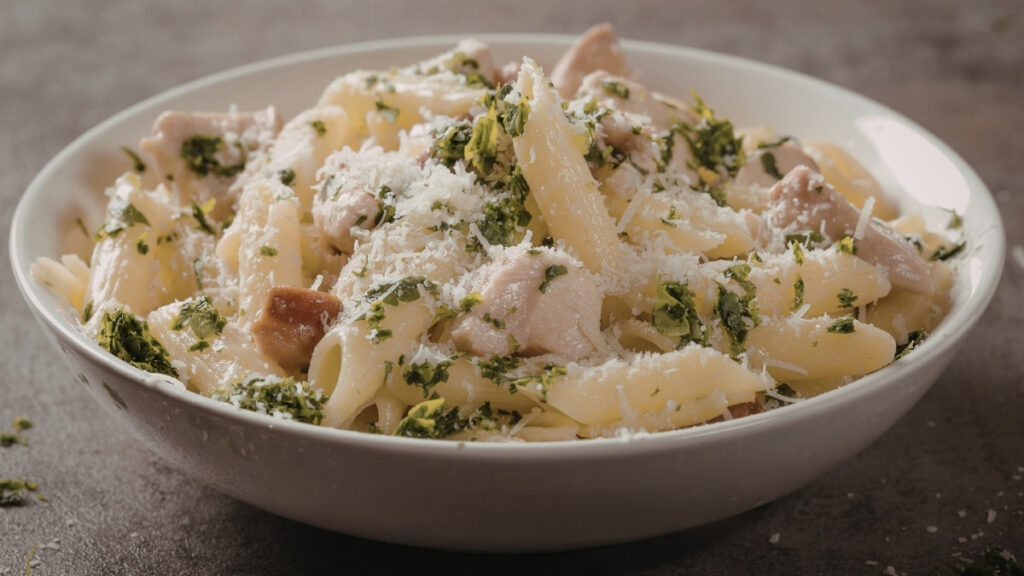
Refined carbohydrates get converted to sugar in your body almost as fast as eating candy. They cause the same blood vessel damage as sugary treats. Foods with a high glycemic index, which measures how fast they raise your blood sugar, induce oxidative stress throughout your body. Your eyes take a direct hit from this stress.
Research shows that high glycemic index diets induce changes in age-related macular degeneration including photoreceptor degeneration and atrophy of the retinal pigment epithelium.
That’s a lot of medical terms, but here’s what it means: the cells in your retina that detect light start dying off, and the layer that supports them breaks down. This happens because rapid blood sugar spikes create inflammation and oxidative damage.
What makes refined carbs particularly dangerous is how often people eat them. You might have toast for breakfast, a sandwich for lunch, and pasta for dinner. Each time, you’re spiking your blood sugar and damaging your retinal vessels. The effects compound. Small amounts of damage every day add up to serious vision loss over the years.
Whole grains change everything. One hundred percent whole grain bread releases sugar slowly into your bloodstream, preventing those dangerous spikes. Quinoa or brown rice pasta gives you fiber that stabilizes your blood sugar.
Cauliflower rice has almost no carbs at all but still gives you that satisfying base for your meals. These swaps protect your vision while keeping your meals enjoyable.
Candy and Sweets
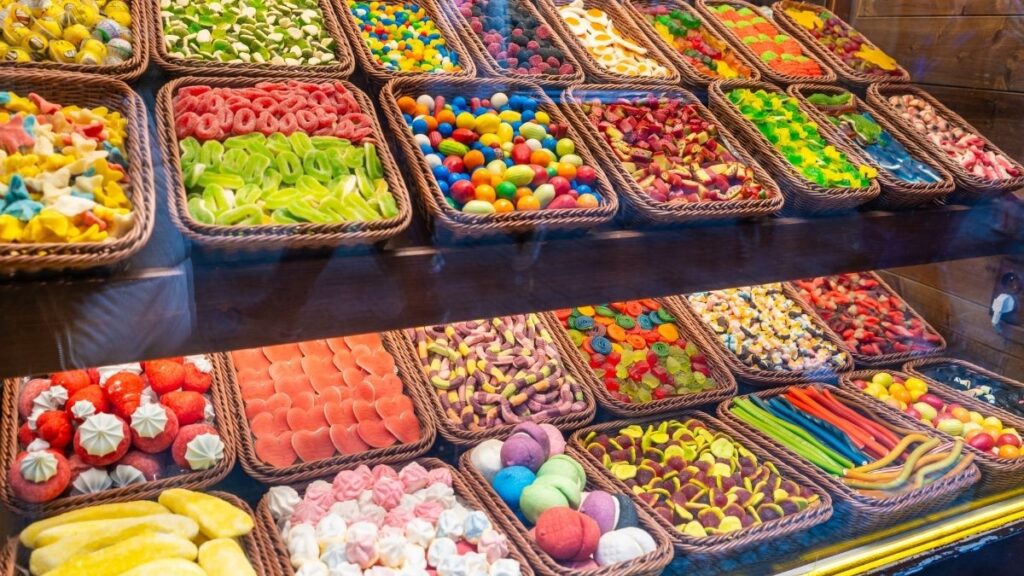
High sugar intake directly impacts the blood vessels in your eyes and increases your risk of cataracts. Sugar damages the proteins in your lens, making it cloudy. It also raises the pressure inside your eye, which can lead to glaucoma. The chronic inflammation from constant sugar consumption harms your retinal tissues in multiple ways.
Your lens contains proteins that need to stay perfectly arranged to keep your vision clear. When you eat a lot of sugar, some of it attaches to these proteins through a process called glycation.
The proteins change shape and clump together. Your lens gets cloudy. Colors look washed out. Light creates halos and glare. This is how cataracts form, and sugar accelerates the whole process.
Beyond cataracts, sugar triggers inflammation that damages your retinal tissues directly. The inflammation causes your retinal vessels to leak fluid. Your retina swells. Vision gets blurry.
If the swelling happens in your macula, you lose your ability to see fine details. Reading becomes difficult. Faces look fuzzy. The damage can become permanent if it continues long enough.
Better treats exist that satisfy your cravings without wrecking your eyes. Fresh fruit gives you natural sweetness plus antioxidants that fight inflammation. Dark chocolate with at least 70% cacao has much less sugar and contains compounds that actually protect your blood vessels.
Packaged Snack Cakes
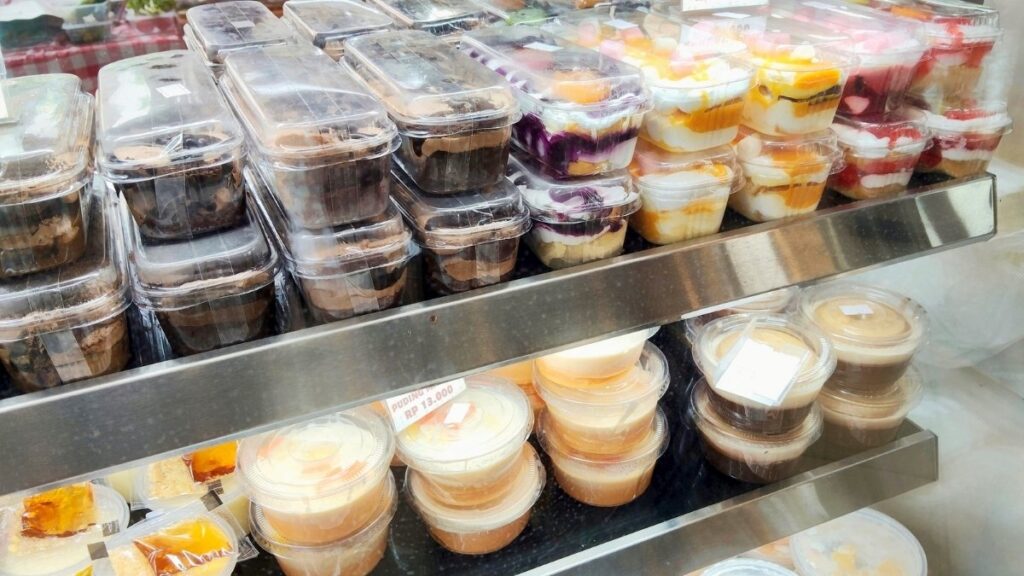
Snack cakes combine three vision destroyers in one package: sugar, trans fats, and sodium. The hydrogenated oils used to make them shelf-stable contribute to chronic inflammation that harms your retinal tissues. Preservatives keep them fresh for months but damage your health in the process.
This triple threat works together to destroy your vision faster than any single ingredient alone. The sugar spikes your blood glucose. The trans fats interfere with healthy fat absorption and promote inflammation.
The sodium raises your blood pressure. All three damage your retinal vessels simultaneously. Your body can’t repair the damage as fast as it happens.
Chronic inflammation from regular consumption of these products accumulates over time. It’s not dramatic. You don’t wake up one day unable to see. Instead, your vision deteriorates gradually.
Your eyes age faster than they should. Macular degeneration shows up earlier. Cataracts form sooner. By the time you notice problems, you’ve already lost vision you can’t get back.
Making your own treats gives you control over what goes into your body. Homemade energy balls with dates, nuts, and oats taste amazing and provide real nutrition. Rice cakes spread with almond butter give you protein and healthy fats. Fresh baked goods made with olive oil instead of margarine protect your heart and your eyes.
Full-Fat Processed Dairy Products
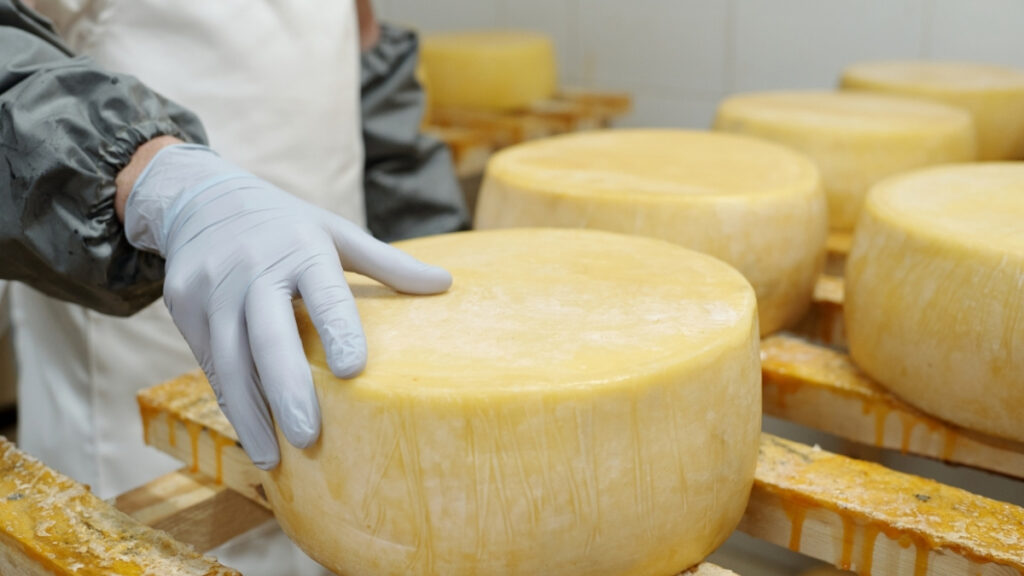
Excessive saturated fats from processed dairy products impair blood flow throughout your body, including to your eyes. This can lead to central retinal vein occlusion, where the main vein draining blood from your retina gets blocked. When this happens, you can lose vision suddenly and severely. It’s a medical emergency.
Central retinal vein occlusion happens when blood can’t drain properly from your retina. The vein gets blocked by a clot or narrowed by cholesterol buildup. Blood backs up into your retina. The pressure causes blood vessels to rupture. Your retina swells with blood and fluid. Vision in that eye can drop to nearly nothing in hours.
Saturated fats contribute to this by making your blood thicker and more likely to clot. They also build up as plaque in your blood vessel walls, narrowing them. Less blood flows through. The vessels in your eyes are already tiny, so even small amounts of narrowing cause big problems. Your circulation slows down. Your retinal cells don’t get the oxygen they need.
Better dairy choices protect your circulation. Low-fat Greek yogurt gives you protein and probiotics without excess saturated fat. Plant-based alternatives like almond or oat milk are often fortified with vitamins. If you love cheese, small amounts of quality cheese contain less fat than processed versions and often deliver more flavor, so you need less.
5 Foods That Actually Protect Your Retinas
The Vision Vender
Trade your eye-damaging snacks for retinal protectors!
Now that you know what to avoid, here’s what ophthalmologists recommend adding to your diet. These foods contain specific nutrients that protect your retinal cells from damage. They reduce inflammation, improve circulation, and give your eyes the building blocks they need to repair themselves.
Leafy Greens
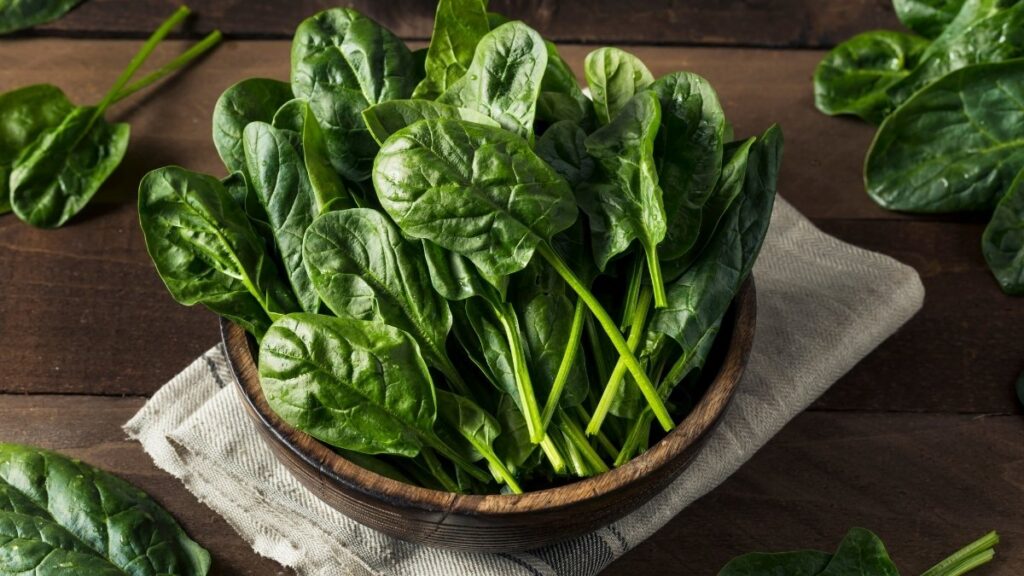
Kale, spinach, and collard greens are packed with lutein and zeaxanthin, two compounds that concentrate in your retina and protect it from damage. Research shows that people who eat more of these nutrients have significantly lower rates of age-related macular degeneration.
Your macula contains the highest concentration of lutein and zeaxanthin in your entire body. These compounds sit in the cells and absorb blue light before it can damage the photoreceptors.
They also work as antioxidants, neutralizing free radicals that would otherwise destroy your retinal cells. You can’t make these nutrients yourself, so you have to get them from food.
Eating just one to two cups of leafy greens daily provides enough lutein and zeaxanthin to protect your vision. The effects build up over time. Within a few months, the concentration in your retina increases.
Your eyes become more resistant to oxidative damage. Colors look more vivid. Your night vision improves. The protective effects continue as long as you keep eating them.
Adding greens to your diet is simpler than you think. Toss spinach into smoothies where you won’t even taste it. Sauté kale with garlic as a side dish. Add chopped collards to soups and stews. Even frozen greens work perfectly and last longer in your freezer.
Fatty Fish
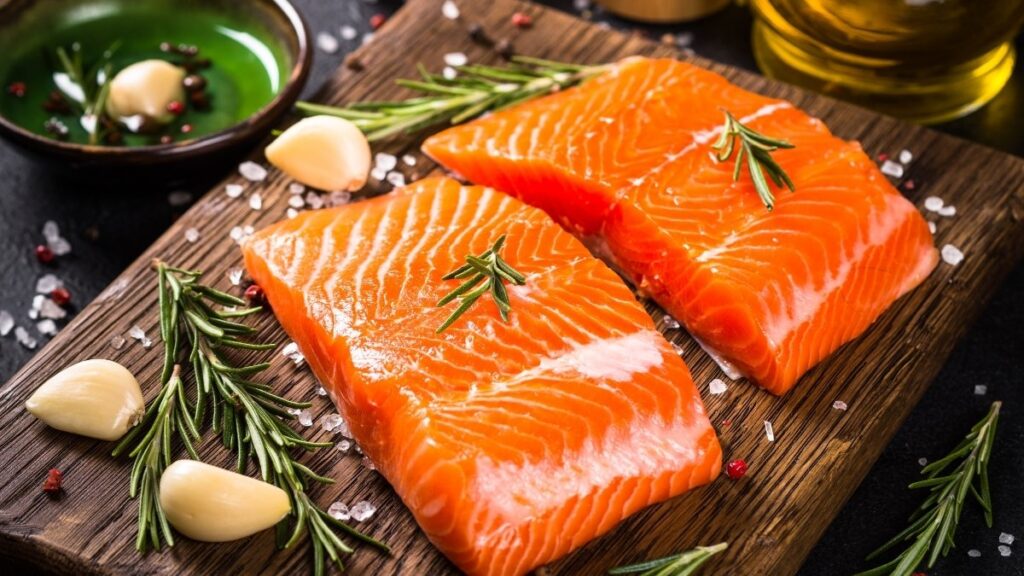
Salmon, sardines, and mackerel provide omega-3 fatty acids that are essential for retinal health. Studies show that eating oily fish twice weekly is linked to a 60% lower incidence of retinopathy. The omega-3s in fish reduce inflammation throughout your body and help maintain the flexibility of cell membranes in your retina.
Your retinal cells contain the highest concentration of omega-3s in your body, particularly a type called DHA. These fats keep cell membranes flexible so nutrients can get in and waste can get out efficiently.
They also serve as building blocks for compounds that reduce inflammation. Without enough omega-3s, your retinal cells become rigid and don’t work as well.
The inflammation reduction from omega-3s protects your blood vessels from damage. These healthy fats help prevent the leaking and abnormal vessel growth that characterize diabetic retinopathy and macular degeneration. They keep your blood flowing smoothly. Your retina gets the oxygen and nutrients it needs. Vision stays sharp longer.
Aim for three to four ounces of fatty fish twice each week. Bake salmon with lemon and herbs for an easy dinner. Add canned sardines to salads for a quick lunch. Grill mackerel and serve it over quinoa. If you don’t like fish, talk to your doctor about omega-3 supplements from algae or fish oil.
Colorful Fruits and Vegetables
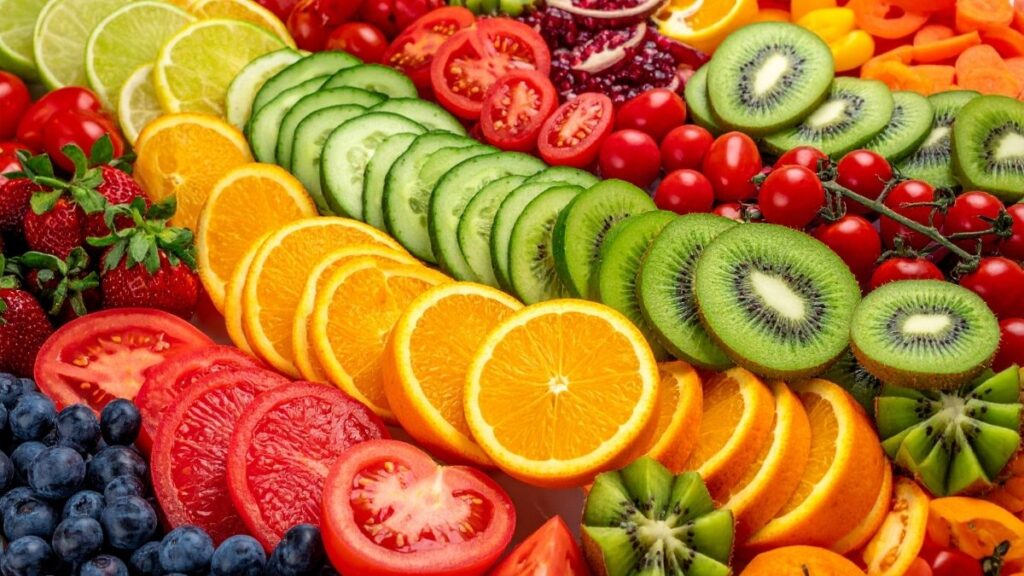
Carrots, sweet potatoes, bell peppers, oranges, berries, and citrus fruits deliver powerful antioxidants and vitamins C and E. The orange and red colors come from beta-carotene, which your body converts to vitamin A, essential for vision.
Vitamin A forms a component of rhodopsin, the protein in your retinal cells that allows you to see in low light. Without enough vitamin A, your night vision fails first. Then your overall vision deteriorates.
The vitamin C and E in colorful produce work as antioxidants, protecting your retinal cells from oxidative damage. They neutralize free radicals before those unstable molecules can harm your eyes.
The variety matters as much as the quantity. Different colors provide different protective compounds. Orange foods give you beta-carotene. Berries deliver anthocyanins that strengthen blood vessels.
Make it easy by keeping cut vegetables ready in your fridge. Snack on baby carrots and bell pepper strips with hummus. Add frozen berries to your morning oatmeal. Keep oranges on your counter for quick snacks. The more accessible you make these foods, the more you’ll eat them.
Nuts and Seeds
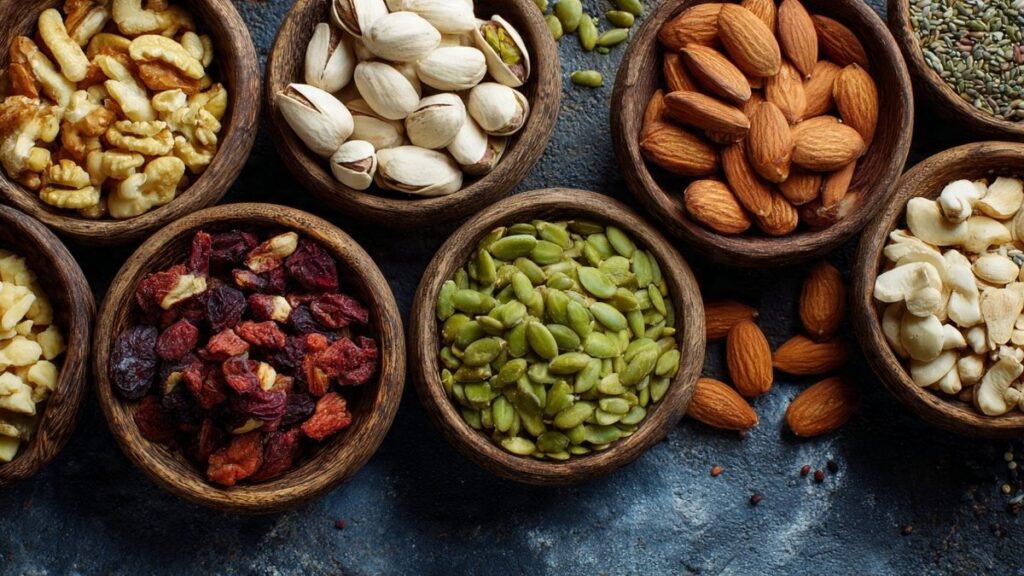
Almonds, walnuts, and sunflower seeds provide vitamin E and zinc, both critical for eye health. Vitamin E protects your retinal cells from oxidative damage while zinc helps transport vitamin A from your liver to your retina. The healthy fats in nuts and seeds also help you absorb fat-soluble vitamins that your eyes need.
Just one ounce of almonds, which is about a small handful or 23 nuts, gives you half your daily vitamin E requirement. Walnuts contain both omega-3s and vitamin E for double protection.
Sunflower seeds pack zinc, which concentrates in your retina and plays a role in dozens of chemical reactions needed for vision. Without adequate zinc, you can develop night blindness and cloudy cataracts.
The fats in nuts aren’t something to fear. They’re monounsaturated and polyunsaturated fats that improve your cholesterol levels and reduce inflammation. They help you absorb vitamins A, D, E, and K from other foods. Your body needs these fats to build healthy cell membranes throughout your retina.
Keep a small container of mixed nuts in your bag for emergencies. Sprinkle sunflower seeds on salads for extra crunch. Spread almond butter on apple slices for a satisfying snack. One ounce daily provides major benefits without too many calories.
Whole Grains
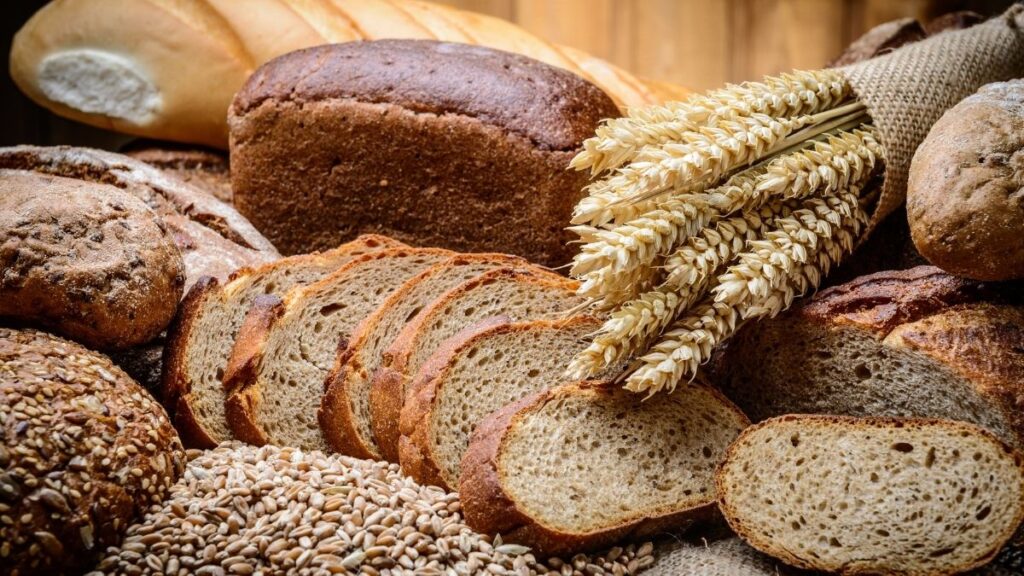
Whole grains stabilize your blood sugar and prevent the spikes that damage retinal vessels. They contain fiber that slows sugar absorption, keeping your blood glucose steady throughout the day. Brown rice, quinoa, and oats deliver B vitamins and minerals that support overall eye health while protecting against diabetic retinopathy.
The fiber in whole grains does more than just slow sugar absorption. It feeds the beneficial bacteria in your gut, which produce compounds that reduce inflammation throughout your body, including in your eyes.
Stable blood sugar means your retinal vessels don’t experience the damaging fluctuations that come from refined carbs. Your circulation stays healthy. Your vessels remain strong and flexible.
Whole grains also provide selenium, manganese, and other minerals that support the antioxidant systems in your body. These minerals help activate enzymes that neutralize free radicals. Your retina generates lots of oxidative stress just from the work of processing light, so you need robust antioxidant defenses to prevent damage.
Start your day with steel-cut oats instead of sugary cereal. Choose brown rice or quinoa instead of white rice with dinner. Look for bread where whole grain is the first ingredient listed. These simple swaps add up to major protection for your vision over time.
Simple Swaps for Better Vision
You don’t need to overhaul your entire diet overnight. Small changes add up to major vision protection when you stick with them. Focus on replacing the worst offenders first, then gradually add more eye-healthy foods. Here’s how to transform your meals without feeling deprived.
Your Morning Routine
Instead of grabbing a doughnut with your coffee loaded with cream, try oatmeal topped with fresh berries and a cup of green tea. This swap eliminates trans fats and refined sugar while adding fiber, antioxidants, and compounds that reduce inflammation. The oatmeal keeps your blood sugar stable for hours, preventing the mid-morning crash that makes you reach for more sugar.
The berries provide anthocyanins that strengthen your retinal blood vessels. Green tea contains catechins that protect against oxidative stress. Within weeks of making this change, you’ll notice steadier energy and clearer thinking. Your eyes benefit even though you can’t see the changes happening. The antioxidants accumulate in your retina, building up your defenses against damage.
Lunch Ideas
Ditch the deli meat sandwich on white bread and make a grilled salmon salad with spinach instead. You eliminate the sodium, preservatives, and refined carbs while adding omega-3s, lutein, and zeaxanthin. The salmon provides protein that keeps you full without spiking your blood sugar. The spinach delivers nutrients that concentrate in your macula and protect against degeneration.
This lunch stabilizes your blood sugar for the entire afternoon. You won’t experience the energy crash that comes from refined carbs. The healthy fats from salmon help you absorb the fat-soluble vitamins in the spinach. Your retina gets a steady supply of the building blocks it needs to repair damage and maintain function.
Snack Strategies
Replace fried chicken with white rice with grilled fish served over quinoa and roasted vegetables. You cut out damaged fats and refined carbs while adding omega-3s, fiber, and a variety of antioxidants. The fish provides protein without inflammation. The quinoa delivers complete protein plus minerals. The vegetables offer vitamins and compounds that protect your eyes.
When you want something crunchy between meals, skip the chips or candy and reach for nuts or fresh fruit instead. A small handful of almonds gives you vitamin E and healthy fats that reduce inflammation. An apple provides fiber and vitamin C that protect your blood vessels. These snacks satisfy your hunger without causing blood sugar spikes.
The difference in how you feel is immediate. Nuts and fruit provide steady energy without the crash that follows sugary snacks. Your blood pressure stays stable instead of fluctuating. Over time, these better choices reduce inflammation throughout your body. Your retinal vessels stay flexible and healthy. You avoid the cumulative damage that leads to vision loss.
Dinner Planning
This dinner keeps your blood sugar stable through the night. You sleep better when your blood glucose isn’t crashing. The nutrients from this meal support your retina’s overnight repair processes. Your body uses the building blocks to fix damage and strengthen your defenses. Each healthy dinner is an investment in your future vision.
Meal Prep Tips
Success comes from making healthy food convenient. Wash and chop leafy greens on Sunday so you can add them to any meal during the week. Keep washed berries ready in containers for quick snacks. Hard-boil eggs for protein-rich additions to salads and snacks. Prep your healthy options so they’re as easy to grab as junk food.
Read nutrition labels to spot hidden sources of sugar, sodium, and damaged fats. Ingredients are listed in order by weight, so if sugar appears in the first three ingredients, put it back.
Check serving sizes because companies often make them unrealistically small. A bottle of juice might list 20 grams of sugar per serving but contain three servings, meaning you’re actually getting 60 grams.
Build a shopping list around the perimeter of the grocery store where whole foods live. Stock up on frozen vegetables and fruits, which are often more nutrient-dense than fresh because they’re frozen at peak ripeness. Keep canned fish and beans in your pantry for quick meals. Having the right ingredients on hand makes healthy eating automatic instead of a daily struggle.
Other Ways to Protect Your Vision
Diet makes a huge difference, but other lifestyle factors also protect or harm your eyes. Following the 20-20-20 rule helps prevent digital eye strain that affects millions of people. Every 20 minutes, look at something 20 feet away for 20 seconds. This simple habit relaxes the focusing muscles in your eyes and reduces fatigue.
If you have diabetes, controlling your blood sugar is one of the most important things you can do for your eyes. High blood glucose damages retinal vessels directly. Keep your hemoglobin A1C below 7% if possible. Monitor your blood sugar regularly. Take medications as prescribed. The better your glucose control, the lower your risk of retinopathy and vision loss.
Blood pressure management protects your retinal vessels from hypertensive damage. Keep your blood pressure below 130/80 if you can. Reduce sodium in your diet. Exercise regularly. Manage stress. Your retinal blood vessels are so small that even slightly elevated pressure can damage them over time. Protecting your blood pressure protects your sight.
Protect your eyes from ultraviolet light by wearing sunglasses that block 100% of UVA and UVB rays. UV exposure accumulates over your lifetime and contributes to cataracts and macular degeneration. Look for wraparound styles that block light from the sides. Wear them even on cloudy days because UV rays penetrate clouds. A wide-brimmed hat adds extra protection.
Stay hydrated throughout the day to maintain the tear film that protects your eyes. Dehydration makes dry eye worse, which can lead to discomfort and vision problems. Aim for eight glasses of water daily, more if you’re active or in dry environments. Proper hydration also helps maintain blood flow to your retina and supports the removal of waste products from your eye tissues.
Protect Your Vision Starting Today
The nine snacks to limit are sugary sodas, potato chips, doughnuts, fried fast food, processed deli meats, white bread, candy, packaged snack cakes, and full-fat processed dairy.
The five foods to eat more of are leafy greens, fatty fish, colorful fruits and vegetables, nuts and seeds, and whole grains. Small changes in what you eat create big impacts on your vision over time.
Schedule an eye exam if you’re overdue. Many people wait until they notice vision problems, but by then significant damage may have occurred. Early detection of retinal issues allows for treatment that can save your sight.
If you have diabetes or high blood pressure, annual dilated exams are essential. Even if you’re healthy, getting a baseline exam in your 40s helps track changes over time.
Your vision is worth protecting. While genetics play a role in eye diseases, research shows dietary patterns can reduce age-related macular degeneration progression by up to 49%.
That’s a massive reduction from something as simple as changing what you eat. Your future self will thank you for the choices you make today. Your eyes are counting on you to feed them well.