
Antioxidant Variety: “Eating the Rainbow” to neutralize free radicals that age cells
Your cells face roughly 10,000 free radical attacks every single day, and the color of your food determines whether you win or lose this microscopic battle against cellular aging.
You’ve heard “eat more vegetables” countless times, but most people don’t understand how eating the rainbow antioxidants actually neutralizes the free radicals that age your cells.
Meanwhile, expensive supplements sit in your cabinet while the most powerful phytonutrients wait in the produce aisle.
This guide reveals the exact science of how free radicals damage your DNA and accelerate aging, which color groups provide specific antioxidants that stop different cellular threats, and a practical eating pattern based on current 2024-2025 research that maximizes protection without obsessive calorie counting or complicated meal prep.
Red Shield
Tomatoes & Beets
Lycopene neutralizes singlet oxygen radicals that damage blood vessels. Cook tomatoes with oil to boost absorption by 400%.
The Free Radical Problem: Why Your Cells Age Faster Than They Should
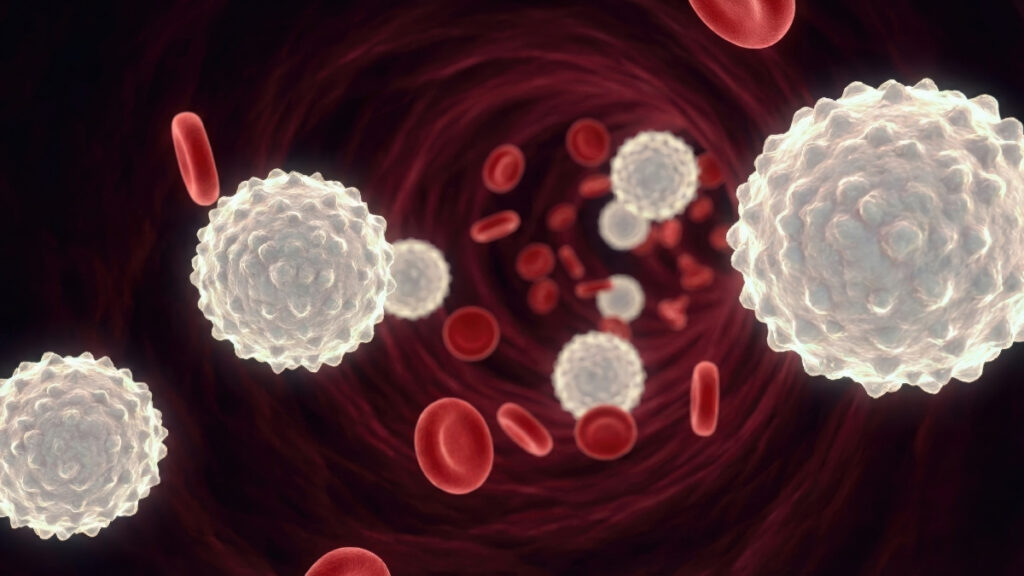
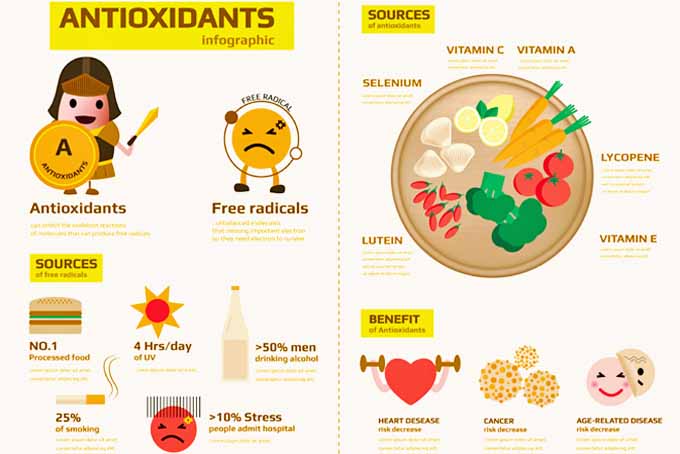
Your cells take about 10,000 hits every single day from tiny molecular bullies called free radicals. These unstable molecules are missing an electron, so they steal one from your healthy cells.
When this happens, your DNA gets damaged, your proteins stop working right, and the protective caps on your chromosomes (called telomeres) shrink faster than they should.
Think of free radicals like rust on a car. You can't see it happening in real time, but leave metal outside long enough and it falls apart. That's oxidative stress—the scientific name for what happens when free radicals outnumber your body's defenses.
Where Free Radicals Come From
Your body makes free radicals just by being alive. Every time you breathe, digest food, or move, your cells create these unstable molecules as waste products. But you also get hit from the outside.
UV rays from the sun blast your skin with free radicals. Air pollution does the same to your lungs. Processed foods, chronic stress, and even intense exercise all pump more free radicals into your system.
Recent research shows that adults eating the standard American diet produce 30-40% more oxidative stress markers than those eating seven servings of colorful plants daily. The problem? Only 12% of American adults meet the minimum fruit and vegetable recommendations. That gap leaves your cells exposed.
Why You Need Different Types of Antioxidants
Here's what most people get wrong: they think more antioxidants always equals better protection. But free radicals come in different types—superoxide radicals, hydroxyl radicals, peroxyl radicals, and singlet oxygen. Each one attacks your cells differently. A single antioxidant can only neutralize one or two types of free radicals.
This means eating blueberries three times a day won't protect you as well as eating blueberries, tomatoes, and spinach once each. You need variety. The antioxidants in red foods can't do what the antioxidants in orange foods do.
Your body needs the full spectrum to defend against the full range of attacks happening right now in your bloodstream, brain, and skin.
How Phytonutrients Work: Your Body's Colorful Defense System
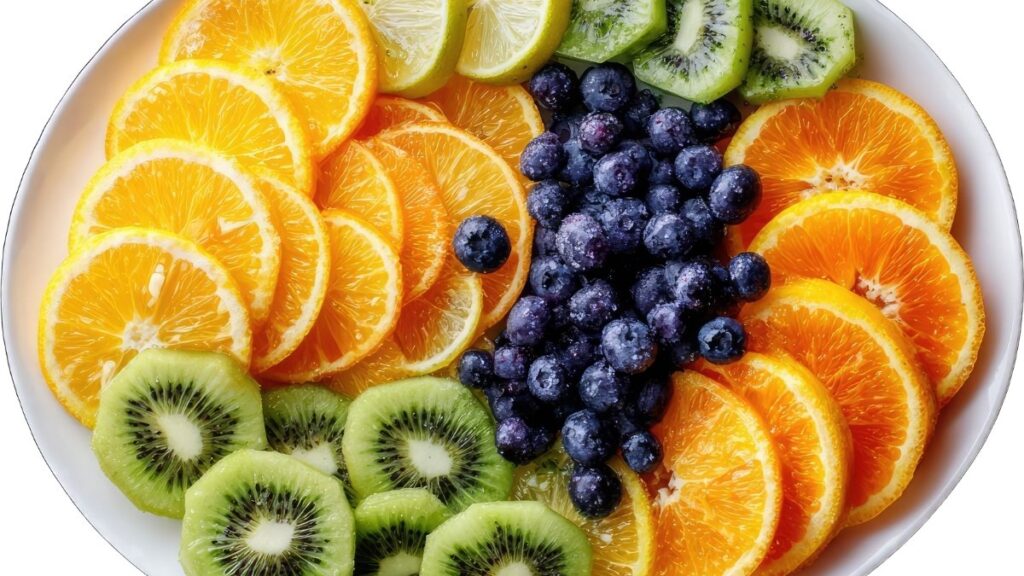
Phytonutrients are compounds that plants make to protect themselves from sun damage, pests, and disease. When you eat these plants, you get that same protection. The pigments that make a tomato red or a carrot orange aren't just for looks. They're antioxidant molecules that can save your cells from free radical damage.
But here's the key: red doesn't equal orange nutritionally. The lycopene that makes tomatoes red targets different free radicals than the beta-carotene that makes carrots orange. Each color represents a different family of protective compounds with different jobs in your body.
How Antioxidants Stop Free Radicals
Remember, free radicals are missing an electron and steal from healthy cells to replace it. Antioxidants are molecules that can donate an electron to a free radical without becoming unstable themselves. They're like bouncers that take the hit so your cells don't have to.
When you eat a variety of phytonutrients, they fan out across your body. Some protect your eyes. Others guard your heart or brain. Lutein from green vegetables specifically clusters in your retinas.
Anthocyanins from blueberries can cross the blood-brain barrier to protect memory centers. This targeted protection only works when you eat multiple colors.
Why Eating Whole Foods Beats Taking Pills
Clinical trials keep showing something strange: when scientists isolate antioxidants and put them in pills, they often don't work. Sometimes they even cause harm. But when people eat the same antioxidants in whole foods, health improves.
A 2024 meta-analysis found that vitamin E supplements showed no heart benefits, while foods rich in vitamin E reduced cardiovascular disease risk by 19%.
The reason is the food matrix. Phytonutrients work better when surrounded by the fiber, fats, and other compounds naturally present in plants. When you eat tomatoes with olive oil, the fat helps you absorb 2-3 times more lycopene than tomatoes alone.
Red Foods: Lycopene and Anthocyanins for Cardiovascular Protection
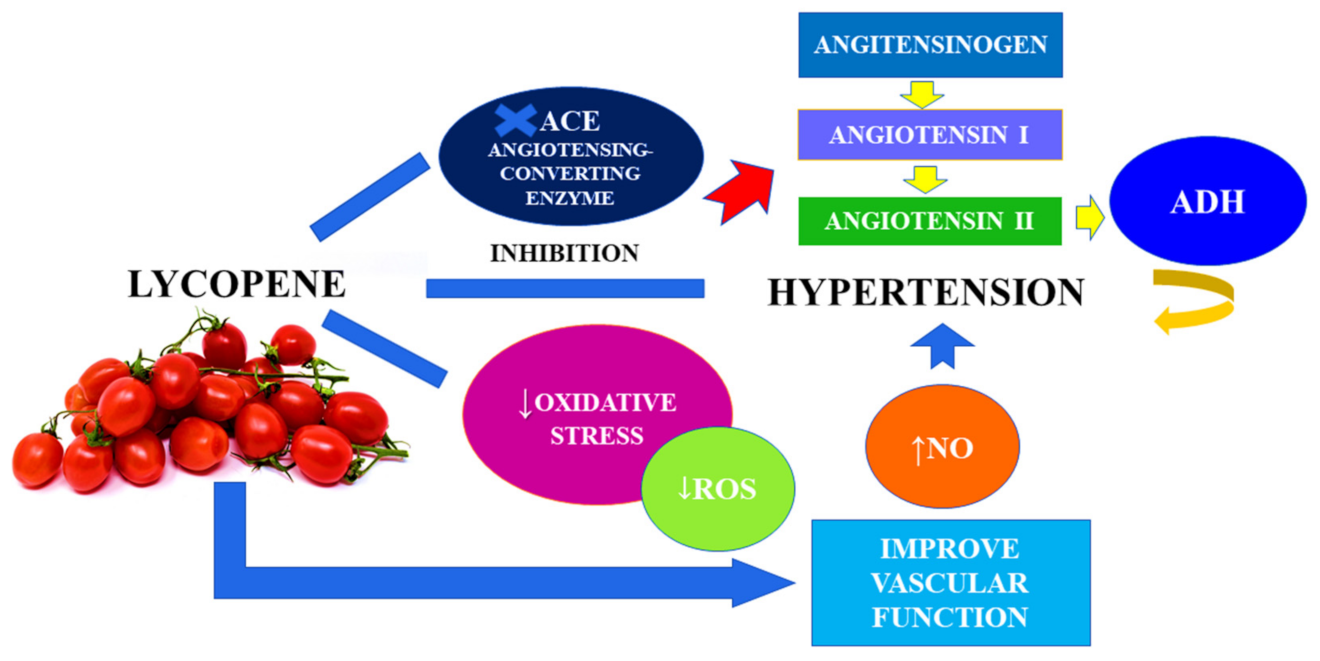
Tomatoes, watermelon, red peppers, and beets contain two powerful antioxidants: lycopene and betalains. These compounds specifically target singlet oxygen and peroxyl radicals—the types of free radicals that damage the lining of your blood vessels and oxidize LDL cholesterol.
Studies show that people who eat foods with 9-21mg of lycopene daily have 17% lower cardiovascular disease risk than those eating less. That's not a small difference. For context, one cup of tomato sauce contains about 32mg of lycopene, while a fresh tomato has only 3-4mg.
Why Cooked Tomatoes Work Better
Heat breaks down the thick cell walls in tomatoes, releasing more lycopene. Cooking tomatoes for just 30 minutes increases the bioavailable lycopene by 2-3 times compared to raw. This is one of the few cases where processing food makes it healthier.
Add olive oil when you cook tomatoes. Lycopene is fat-soluble, meaning your intestines need some fat present to absorb it. Studies using tomatoes with oil show blood lycopene levels 4-5 times higher than tomatoes alone.
Red Foods for Your Daily Rotation
Tomato sauce, tomato paste, and sun-dried tomatoes pack the most lycopene per serving. Watermelon and pink grapefruit offer decent amounts too. Beets contain betalains, a different red antioxidant that supports liver detoxification and reduces inflammation markers in blood tests.
Aim for at least one serving of concentrated red foods daily. That could be a half cup of tomato sauce on pasta, a wedge of watermelon with lunch, or roasted beets with dinner. Your blood vessel walls will thank you.
Orange & Yellow Foods: Beta-Carotene for Eye and Skin Defense
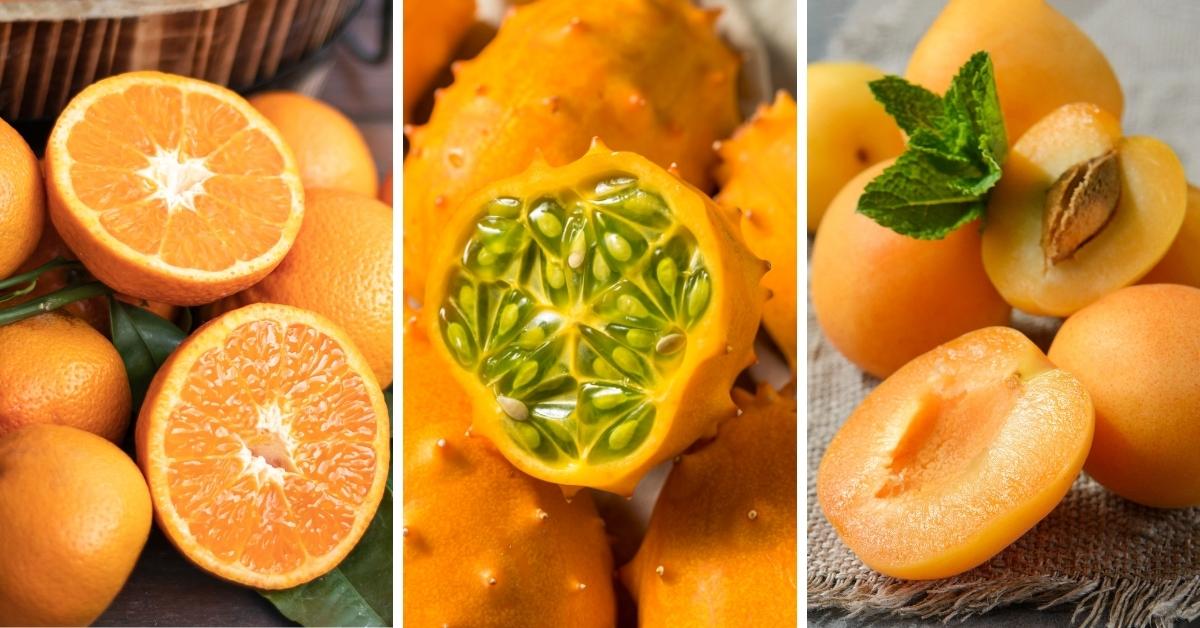
Carrots, sweet potatoes, mangoes, and squash contain beta-carotene, lutein, and zeaxanthin. These orange and yellow antioxidants concentrate in two specific places in your body: your eyes and your skin. They act like internal sunscreen, absorbing UV damage before it reaches your DNA.
Your retinas contain a yellow spot called the macula, and it's literally made of lutein and zeaxanthin. People with higher macular pigment optical density (a measure of how much lutein and zeaxanthin you have) show 25-30% lower risk of age-related macular degeneration—the leading cause of blindness in older adults.
Beta-Carotene Does More Than Protect Your Eyes
Your body converts beta-carotene into vitamin A, which your immune system needs to make infection-fighting white blood cells. One medium sweet potato provides more than 100% of your daily vitamin A needs. But the conversion isn't automatic—you need to eat beta-carotene with some fat for absorption.
Recent research shows that eating orange vegetables regularly increases the yellow tint of your skin. This isn't jaundice—it's carotenoid accumulation, and people rate it as more attractive than a tan. The visible color change happens after about six weeks of eating 3-4 servings of orange foods daily.
How Much and How Often
You'll see eye protection benefits from just two servings of orange or yellow vegetables daily. One serving equals a medium carrot, half a cup of cooked sweet potato, or a cup of butternut squash. Mango, cantaloupe, and papaya count too.
Don't forget that lutein also appears in green vegetables like spinach and kale. The orange color from beta-carotene might be missing, but the eye-protecting lutein is there at even higher concentrations. Mix your greens and oranges for maximum retinal defense.
Green Foods: Chlorophyll, Lutein, and Glucosinolates for Detoxification
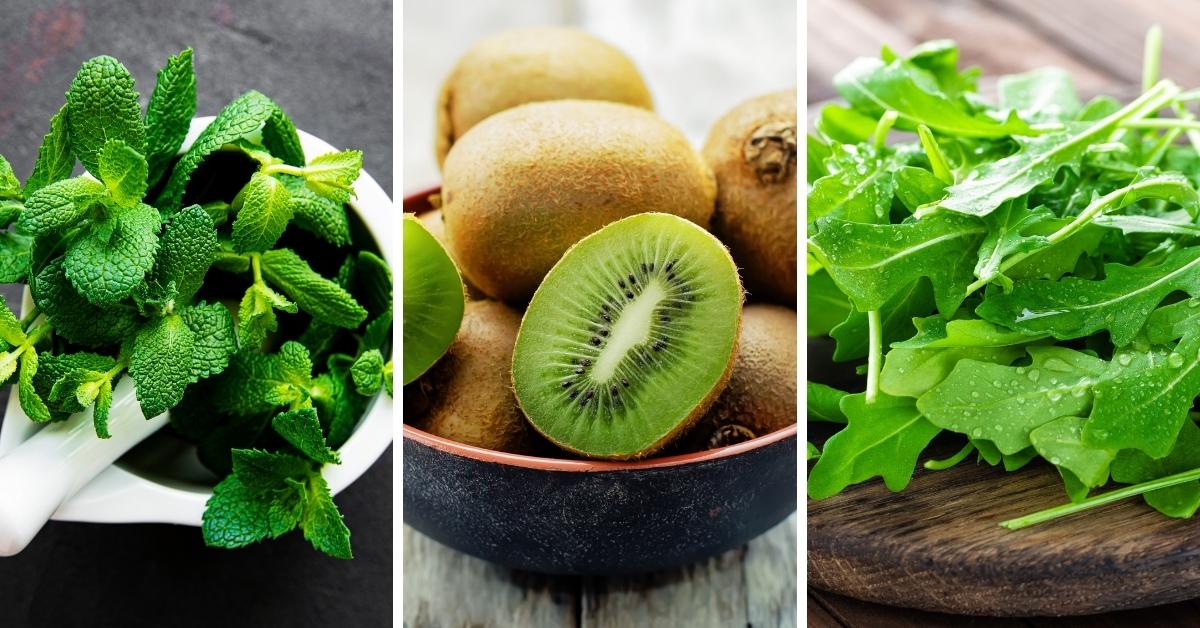
Spinach, kale, broccoli, and Brussels sprouts contain multiple antioxidant systems working together. Chlorophyll gives them their green color while also binding to carcinogens in your digestive tract. Cruciferous vegetables like broccoli add sulforaphane, a compound that activates your liver's Phase II detoxification enzymes.
A study tracking 960 adults found that those eating 1.3 servings of green leafy vegetables daily experienced cognitive decline rates 11 years younger than those eating less. Their brains aged slower, measured by memory tests over five years.
Why Green Foods Protect Your Brain
Green vegetables contain vitamin K, which does more than help blood clot. It also acts as an antioxidant in brain cell membranes, protecting the fats that make up your neurons from oxidation. Low vitamin K levels correlate with faster cognitive decline and higher dementia risk in multiple studies.
Lutein from greens crosses into your brain tissue and concentrates in areas responsible for processing speed and learning. Brain autopsies show that people with higher lutein in their neural tissue had better cognitive function before death, even when controlling for plaques and tangles from Alzheimer's.
Getting the Most from Cruciferous Vegetables
Sulforaphane is heat-sensitive. Boiling broccoli destroys up to 90% of it. Instead, steam lightly for 3-4 minutes or eat raw. Chopping cruciferous vegetables and letting them sit for 10 minutes before cooking activates the enzyme that creates sulforaphane.
Add mustard powder to cooked broccoli or Brussels sprouts. Mustard contains myrosinase, the same enzyme that creates sulforaphane. This trick restores some of the compounds lost during cooking. One study found that adding mustard powder to cooked broccoli increased sulforaphane absorption by 2.8 times.
Eat the Rainbow
Heart Protection
Tomatoes, Watermelon, Beets. Red pigments protect blood vessel walls.
Blue & Purple Foods: Anthocyanins for Brain and Heart Health
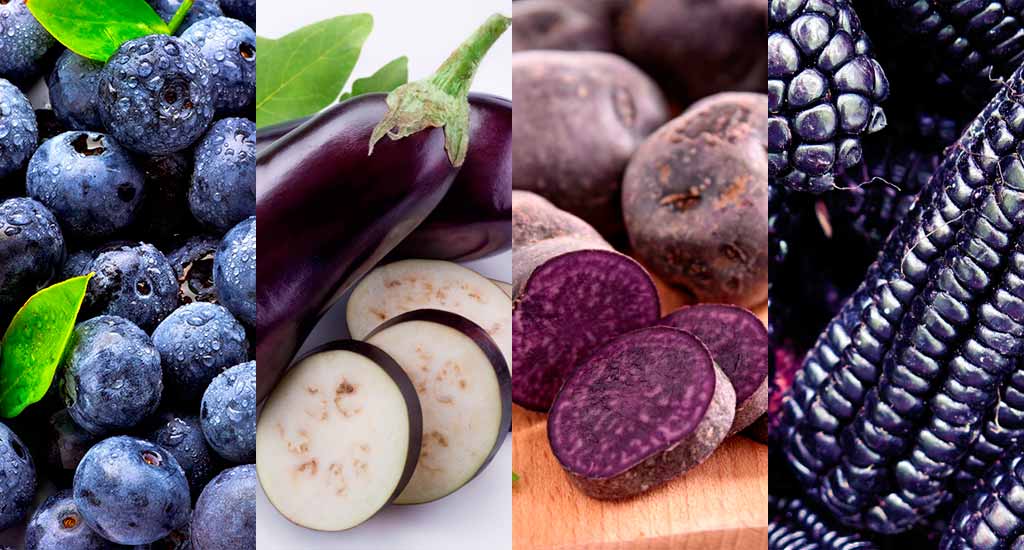
Blueberries, blackberries, purple cabbage, and eggplant get their deep colors from anthocyanins. These antioxidants can do something special that most others can't: they cross the blood-brain barrier. That protective membrane keeps most molecules out of your brain, but anthocyanins slip through and accumulate in memory centers.
Research using MRI scans shows that people drinking wild blueberry juice daily for 12 weeks had increased blood flow to brain regions involved in memory retrieval and working memory. Memory activation patterns looked similar to people 10-15 years younger.
How Anthocyanins Protect Your Blood Vessels
The cells lining your blood vessels (endothelial cells) take constant free radical damage from high blood pressure, high blood sugar, and inflammation. Anthocyanins reduce this oxidative stress and help blood vessels relax and expand properly.
One meta-analysis found that eating berries regularly lowered blood pressure by an average of 5.1 mmHg systolic and 3.8 mmHg diastolic. That's significant—medication-level changes from food. The effect comes partly from direct antioxidant activity and partly from reduced inflammation.
Which Berries Pack the Most Punch
Wild blueberries contain 2-3 times more anthocyanins than cultivated blueberries. Blackberries and elderberries rank even higher. But all berries offer benefits—strawberries, raspberries, and cranberries all contain anthocyanins along with other antioxidants like ellagic acid and vitamin C.
Frozen berries often contain more anthocyanins than fresh because they're picked at peak ripeness and flash-frozen within hours. "Fresh" berries at the grocery store might have been in transport for days, losing antioxidants the whole time.
White & Brown Foods: Allicin, Beta-Glucans, and Immune Antioxidants
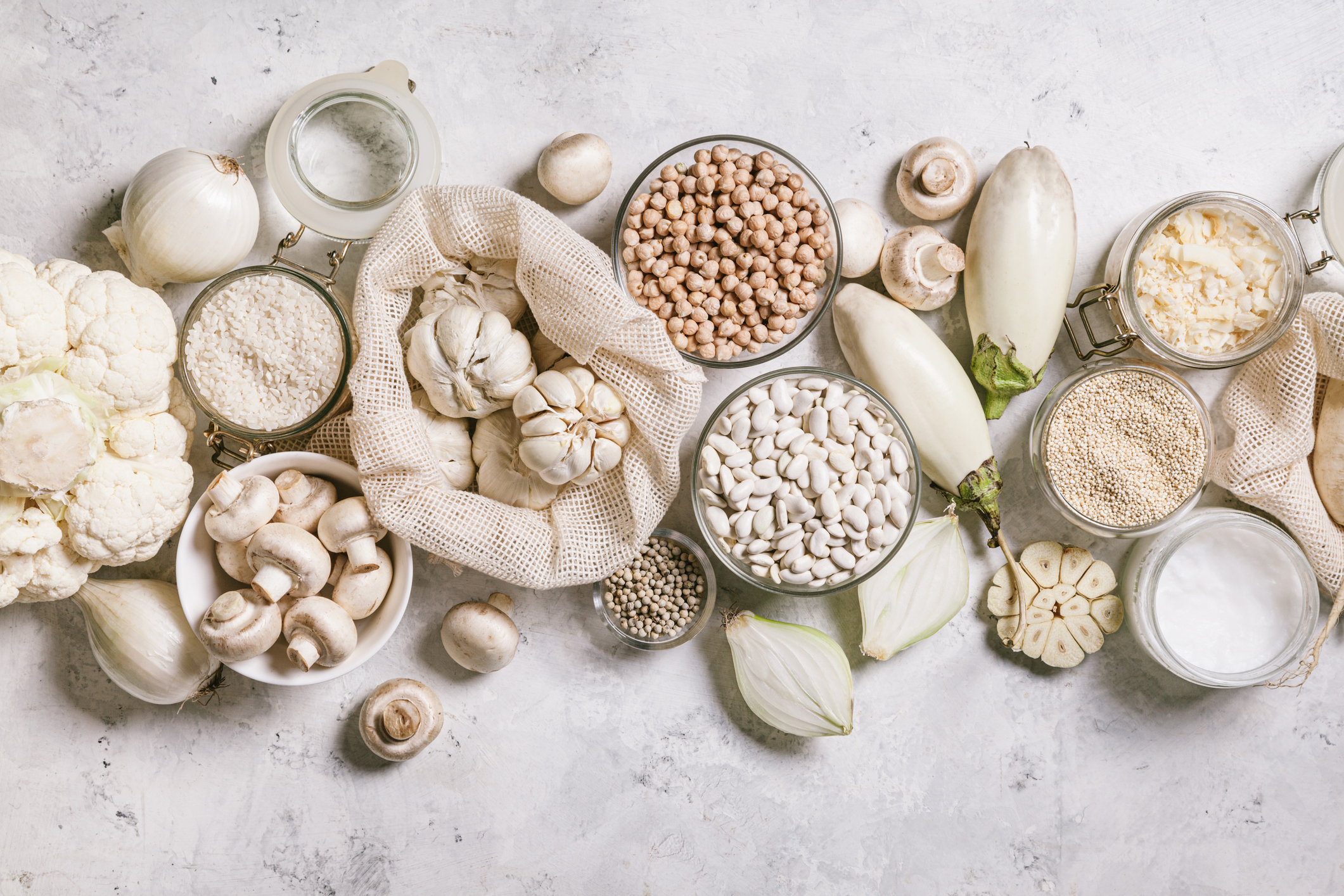
People forget about white and brown foods when thinking about antioxidants, but garlic, onions, mushrooms, and whole grains contain powerful protective compounds.
Garlic produces allicin, a sulfur compound that acts as both an antioxidant and an antimicrobial. Mushrooms and oats contain beta-glucans, which train your immune system while reducing oxidative stress.
Studies show that people eating three servings of whole grains daily have 40% more regulatory T-cells—the immune cells that prevent autoimmune reactions and control inflammation throughout your body.
Getting Allicin from Garlic
Whole garlic cloves contain very little allicin. The compound only forms when you crush, chop, or press garlic, which releases an enzyme called alliinase. This enzyme converts alliin (inactive) into allicin (active). But heat destroys alliinase quickly.
The trick: crush your garlic and let it sit for 10 minutes before adding it to hot food. This gives the enzyme time to create allicin, which remains stable even after cooking. Raw garlic contains the most allicin, but the 10-minute trick makes cooked garlic nearly as effective.
Beta-Glucans for Cholesterol and Immunity
The soluble fiber in mushrooms and oats forms a gel in your intestines that binds to cholesterol and bile acids. But beta-glucans also reduce oxidative stress markers in blood tests.
A 2024 meta-analysis found that 3 grams of beta-glucans daily (about a cup of oatmeal) lowered LDL cholesterol by an average of 13 mg/dL—comparable to low-dose statin medications.
Mushrooms add immune benefits too. White button mushrooms, shiitakes, and oyster mushrooms all increase natural killer cell activity—the immune cells that destroy virus-infected cells and cancer cells.
Building Your Antioxidant Strategy: The 3-4-7 Eating Pattern
The 3-4-7 framework gives you a simple target: at least 3 different colors per meal, 4 or more total servings of colorful plants daily, and all 7 color groups each week. This ensures you're getting a wide range of antioxidants that neutralize different free radical types.
Most people do fine at dinner. That's when you have time to build a colorful plate with multiple vegetables. Breakfast is usually the problem. Coffee and toast? Zero colors. Cereal with milk? Maybe some strawberries if you're lucky.
Color Strategies for Each Meal
For breakfast, add two colors minimum. Scrambled eggs with spinach and tomatoes covers green and red. Oatmeal with blueberries and sliced almonds hits blue/purple and brown. Greek yogurt with mango and hemp seeds gets orange and brown. You don't need a huge meal—just two colors that weren't there yesterday.
Lunch works well with mason jar salads or grain bowls where you can see all the colors layered. Include a fat source like olive oil, avocado, or nuts with any meal containing orange, red, or yellow vegetables. Those carotenoids are fat-soluble and need fat present for absorption.
Making Dinner Your Rainbow Completion Meal
Look at what colors you've missed during the day. If you had blueberries at breakfast and a spinach salad at lunch, you're missing red, orange, white/brown, and possibly yellow. Build dinner around those gaps. Roasted chicken with sweet potato, sautéed red peppers, and garlic covers orange, red, and white in one plate.
Prep by color, not by recipe. Roast a sheet pan of orange vegetables (sweet potato, carrots, butternut squash) on Sunday. Steam a bag of cruciferous greens (broccoli, Brussels sprouts, kale). Slice raw red and yellow peppers for snacks. When everything's ready to eat, building colorful meals takes five minutes.
Snacks That Fill Color Gaps
Keep pre-cut vegetables, berries, and fruit visible in your fridge. People eat what they see first. If baby carrots and cherry tomatoes are at eye level, you'll grab them. If they're hidden in the crisper drawer behind leftovers, you won't.
Trail mix with dried cranberries, dark chocolate, and almonds covers purple, brown, and adds some healthy fats. Hummus with red pepper strips and cucumber gives you white (from garlic in the hummus), red, and green. Every snack is a chance to add a color you're missing.
Maximizing Absorption: Preparation and Combination Strategies
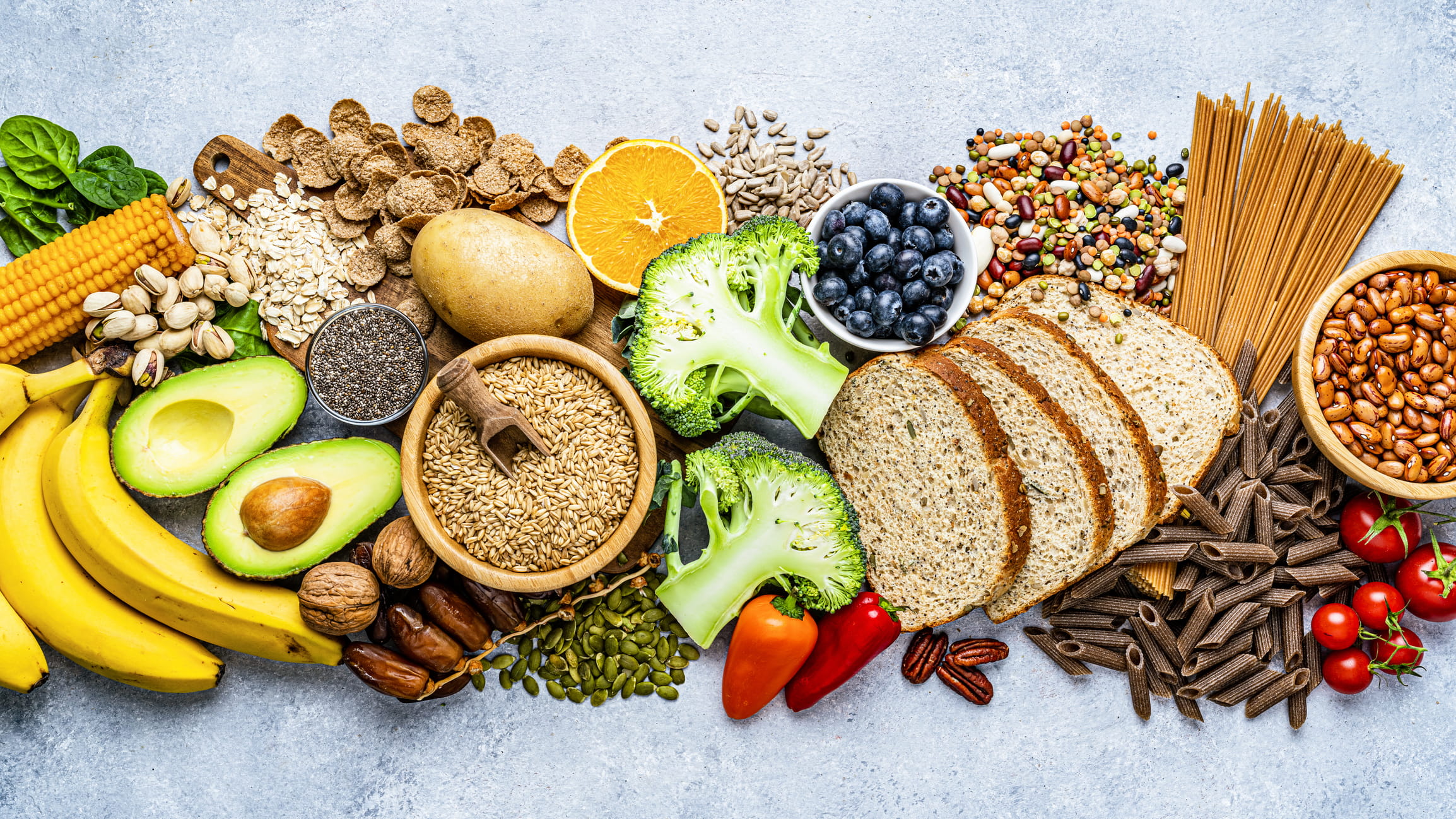
Not all antioxidants absorb the same way. Carotenoids (beta-carotene, lycopene, lutein) are fat-soluble. Your intestines can't absorb them without some fat in the same meal. But anthocyanins and vitamin C are water-soluble—they absorb fine without added fat.
This is why a salad with just vegetables and vinegar gives you lower antioxidant absorption than the same salad with olive oil or avocado. Studies show that adding just two tablespoons of olive oil to a salad increases carotenoid absorption by 400-1600% depending on the specific compound.
When Cooking Helps and When It Hurts
Heat increases lycopene bioavailability in tomatoes by breaking down cell walls and changing the lycopene structure to a more absorbable form. Cooking carrots and sweet potatoes also improves beta-carotene absorption for the same reason.
But heat destroys sulforaphane in cruciferous vegetables and degrades vitamin C in most foods. Boiling vegetables causes water-soluble antioxidants to leach into the cooking water. If you boil vegetables, use the water in soups or sauces to capture what leached out.
The Food Matrix Advantage
Isolated antioxidant supplements flood your bloodstream all at once, triggering your kidneys to flush the excess. Whole foods release antioxidants gradually as your digestive system breaks down the plant matrix. This steady release maintains higher blood levels over time.
The fiber, protein, and fats in whole foods also slow stomach emptying, giving antioxidants more time in contact with your intestinal walls where absorption happens. This is why eating an orange gives you better vitamin C absorption than taking a vitamin C pill, even when the pill contains more total vitamin C.
Frozen Versus Fresh: The Surprising Winner
Vegetables start losing antioxidants the moment they're picked. "Fresh" produce at the grocery store might have traveled for 7-10 days from farm to shelf. During that time, vitamin C drops by 15-50% and some phytonutrients degrade from light exposure.
Frozen vegetables are typically flash-frozen within hours of harvest, locking in nutrients at peak levels. Studies comparing frozen broccoli, spinach, and berries to fresh found equal or higher antioxidant content in frozen versions. Buy whatever you'll actually eat, but don't assume fresh is always better.
Tracking Your Rainbow: Simple Assessment Without Obsession
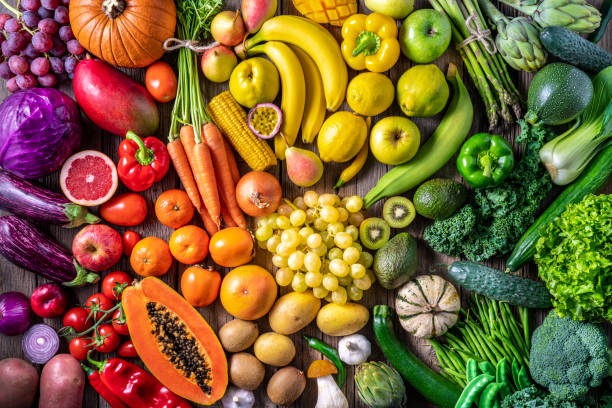
You don't need an app or spreadsheet to know if you're eating enough colors. Just take a photo of your plate at each meal for one week. At the end of the week, scroll through the photos. The pattern becomes obvious.
Most people see the same three colors over and over: green lettuce, red tomatoes, orange cheese or carrots. Blue, purple, white (from garlic and onions, not bread), and yellow consistently disappear.
Weekly Color Audit Questions
When did you last eat blueberries or blackberries? If the answer is "I don't remember," you're missing blue and purple. When did you last eat beets, red cabbage, or raspberries? Missing red that isn't tomatoes means you're skipping betalains and different types of anthocyanins.
How often do you cook with garlic, onions, or mushrooms? These white and brown foods contain unique antioxidants that don't appear in colorful vegetables. If you're not eating them several times per week, you have a gap.
Your Body Gives You Clues
If your urine turns pink after eating beets, you're a "beet responder"—about 15% of people are. This harmless color change shows that betalain antioxidants made it through your digestive system.
High carotenoid intake can create an orange tint to your palms and soles of your feet. This is normal and goes away if you reduce orange and yellow vegetables.
These visible signs won't tell you exactly how many antioxidants you're absorbing, but they confirm that phytonutrients from your food are entering your bloodstream and reaching your tissues.
The 80/20 Rule for Sustainability
Eating perfectly every day isn't realistic and isn't necessary. If you hit your 3-4-7 targets 80% of the time, you'll get the long-term antioxidant protection that prevents disease and slows aging. The other 20% can be pizza, burgers, or whatever you want without guilt.
Consistency beats intensity. Eating seven servings of vegetables on Sunday and then none Monday through Friday doesn't provide steady antioxidant defense. Your cells face free radical damage every single day. They need a regular supply of protective compounds, not occasional floods followed by droughts.
Conclusion
Your cells take thousands of free radical hits daily from normal metabolism, sun exposure, pollution, and stress. Each color of food provides different antioxidants that neutralize specific types of free radicals.
Red lycopene protects your heart. Orange beta-carotene guards your eyes and skin. Green lutein and sulforaphane support your brain and liver. Blue anthocyanins cross into brain tissue. White allicin and beta-glucans strengthen immunity.
No single food or color does everything. You need variety. The 3-4-7 pattern—three colors per meal, four servings daily, seven color groups weekly—gives you comprehensive cellular protection without complicated tracking or meal plans.
Preparation matters too. Cook tomatoes with olive oil for maximum lycopene. Crush garlic and wait 10 minutes before cooking. Lightly steam cruciferous vegetables instead of boiling them. These small changes double or triple your antioxidant absorption.
Start tomorrow morning by adding two colors you didn't eat today. Take a photo of your plate at each meal this week. Notice which colors consistently disappear from your routine—those are your aging accelerators hiding in plain sight.
Eating the rainbow antioxidants isn't about perfect nutrition. It's about cellular defense that compounds daily, turning every meal into medicine against the 10,000 free radical hits your cells face right now.