

After Reading 37 Nutrition Books, I Found These 9 Simple Diet Rules Are Essential for Health
After years of reading, Edie discovered that the secret to a healthy diet isn’t a complex, restrictive plan, but a handful of essential, simple rules.
It’s easy for the modern reader to feel overwhelmed by the sheer volume of conflicting diet information, trendy fad diets, and confusing nutrition labels on store shelves. The constant noise makes finding a clear path to lasting health seem impossible.
Edie’s solution was to dive into the science, studying 37 nutrition books to cut through the confusion. He found that regardless of the diet trend, the core principles of wellness always remained the same.
This intensive research distilled everything into nine foundational simple diet rules—a clear, actionable, and sustainable lifestyle guide for adopting truly essential health habits in 2025.
Rule Title Placeholder
Summary placeholder.
Actionable Steps:
1. Prioritize Whole Foods: The Foundation of Edie’s Simple Diet Rules

What if eating healthy didn’t have to be hard? It really comes down to one simple rule: choose whole foods most of the time. These are foods that haven’t been changed much from how they grew, like an apple, a handful of almonds, or plain oatmeal.
When you follow this simple diet rule, you are setting up your body to feel its best, without needing to count every little thing you eat.
The main benefit of eating this way is getting the most nutrition for your bite. Foods that are minimally processed are incredibly nutrient-rich, meaning they are packed with the vitamins, minerals, and antioxidants your body needs to fight sickness and have energy.
It is important to know that a lot of science shows a link between eating too many factory-made foods and higher risk for long-term health problems. For instance, recent studies show that people who eat the most ultra-processed foods have a much higher chance of developing chronic diseases.
Key Takeaways for Edie’s Simple Diet Rules:
Focus on the minimally processed: Choose foods that look like their original ingredients, not foods made in a factory with a long list of ingredients you can’t pronounce.
Check for the Whole Grains Stamp: Look for the Whole Grains Stamp on packages or simply choose things like brown rice, oats, and quinoa over refined white flour products.
Think nutrient density: Each meal should be built around foods that give you the biggest boost of vitamins and minerals.
Remember the role of fiber: Make sure you eat nuts, seeds, fruits, and vegetables every day, as these foods help your gut stay healthy.
2. Limit Added Sugars: A Key Essential Health Habit
Do you ever feel a dip in your energy soon after eating? Often, the sneaky culprit is added sugar. This is sugar that manufacturers put into food, and it’s different from the natural sugar found in a piece of fruit.
Cutting back on it is one of the most essential health habits you can start today. It can feel tricky because sugar is often hidden in things you wouldn’t expect, like salad dressings, sauces, and many packaged foods.
Learning to spot these hidden sugars on a nutrition label is a big step. Look for names that end in “-ose,” like dextrose, maltose, or even words like corn syrup, molasses, or juice concentrate.
Why is this important? Eating too much added sugar is strongly linked to serious health problems. Over time, high sugar intake can lead to weight gain and raises your risk for chronic diseases like Type 2 diabetes and heart disease.
Simple Ways to Limit Hidden Sugars:
Read the labels carefully: Look past the front of the package and check the nutrition facts for words like corn syrup, maltose, or honey listed in the first few ingredients.
Ditch sugary drinks first: A single can of soda can often have more than your entire daily limit. Try swapping it out for plain sparkling water with a slice of lemon or cucumber.
Choose whole fruit: Instead of eating a candy bar for a sweet treat, grab an apple or a few berries. The natural sugar comes with beneficial fiber.
Be careful with breakfast: Many common cereals, yogurts, and instant oatmeals are loaded with added sugar. Stick to plain versions and sweeten them yourself with a small amount of fruit.
3. Stay Hydrated: Edie’s Simple Rule for Bodily Functions

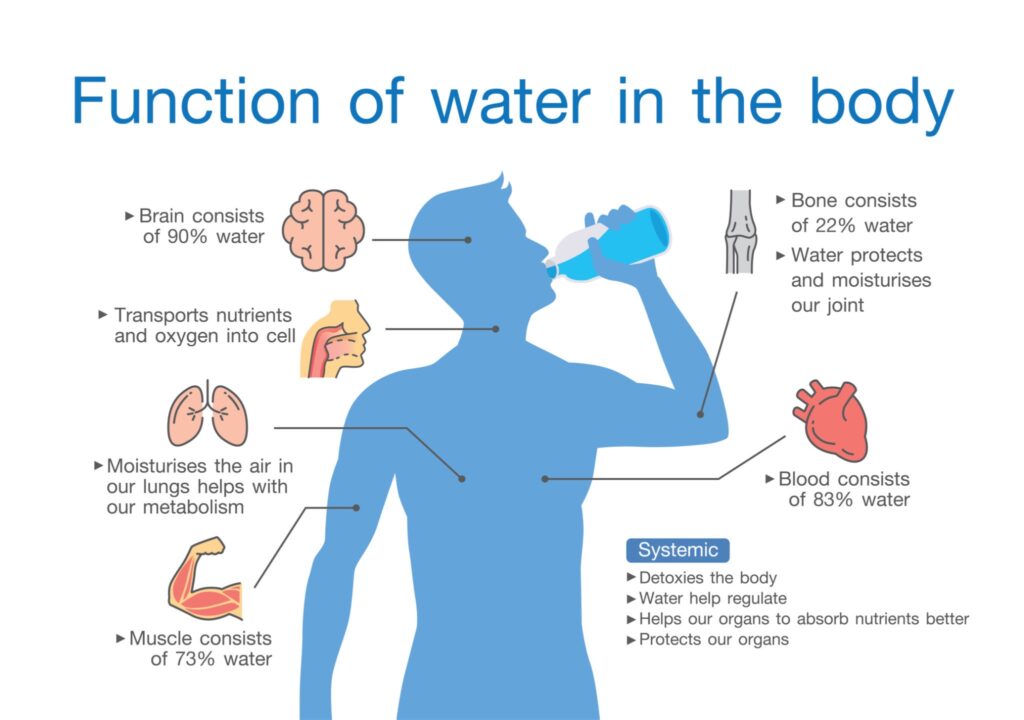
You probably know that drinking water is important, but did you know it’s one of the simplest diet rules for keeping your body running smoothly? Water is the engine for all your bodily functions.
It plays a huge part in your metabolism, which is how your body turns food into energy. When you don’t drink enough water, your energy levels can drop, making you feel sluggish and tired.
A good goal is to drink enough water so your pee is a pale yellow color. A simple guideline is aiming for about 8 glasses of water a day. Keeping a full water bottle visible on your desk or wherever you work is a great way to remind yourself to sip all day long.
Getting enough water also helps you manage your appetite. Sometimes your body confuses thirst cues for hunger cues. Drinking a glass of water when you feel hungry can sometimes show you were just thirsty all along.
Simple Hydration Habits
Swap sugary drinks for water: Choose plain water, sparkling water, or unsweetened iced tea instead of sodas or high-calorie juices.
Drink when you feel “hungry”: If you feel hungry shortly after eating a meal, try drinking a full glass of water first. Wait 10 minutes to see if the craving goes away.
Keep it in sight: Use a reusable bottle and keep it on your desk, in your car, or next to you while you relax to encourage constant sipping.
Aim for pale yellow: This is the easiest way to know if you are drinking enough water throughout the day.
4. Focus on Fiber: Crucial for Digestive Health and Regulation
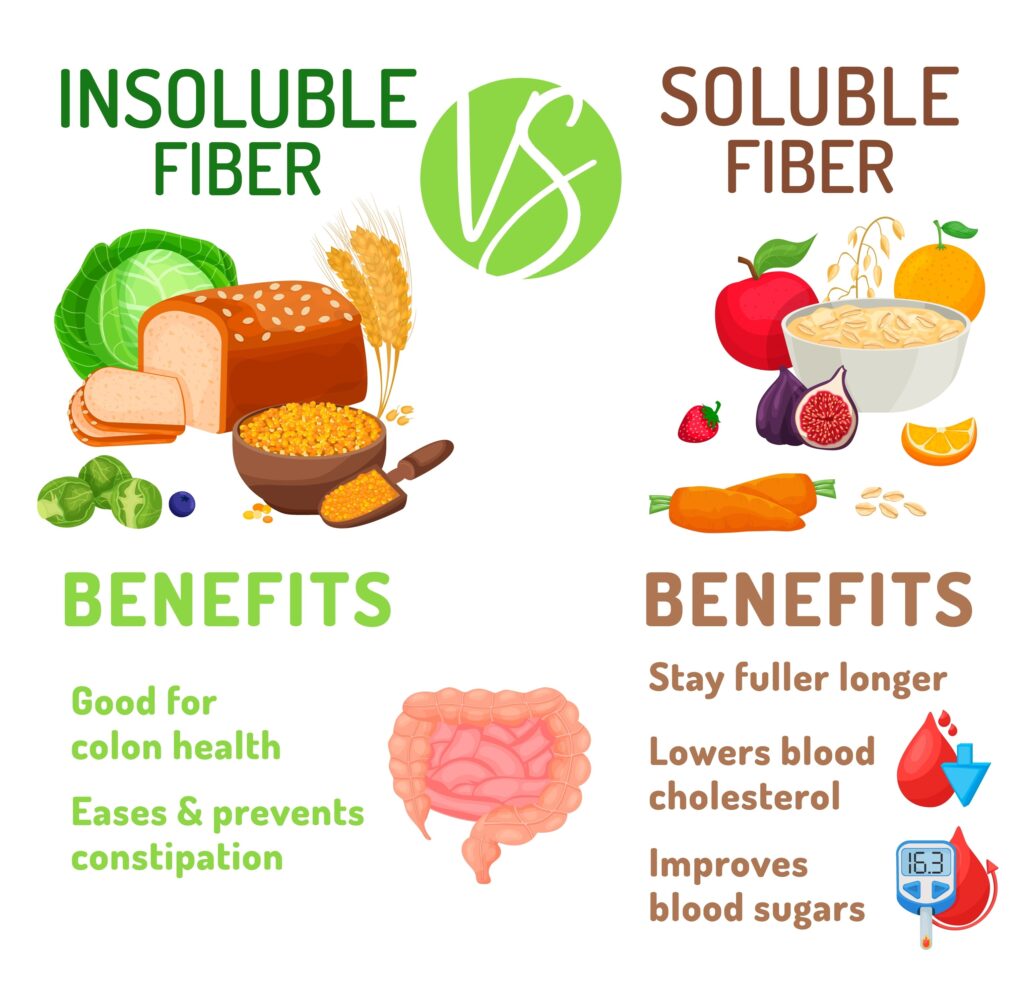
You should absolutely focus on fiber if you want your body to work well. Fiber is a crucial part of digestive health, helping everything move along smoothly and preventing constipation.
There are two main kinds: soluble fiber, which helps lower your cholesterol, and insoluble fiber, which adds bulk to waste. Both are necessary. The recommended daily fiber intake for most adult women is about 25 grams, and for men, it’s about 38 grams.
Fiber also plays a huge role in blood sugar regulation. Because fiber slows down digestion, sugar enters your bloodstream more slowly, avoiding those energy spikes and crashes.
This is a big win for overall health. The best high-fiber sources are plant-based foods like legumes (beans and lentils), whole grains, nuts, and specific fruits and vegetables.
It’s easy to boost your fiber intake without much effort. You can try adding just a half-cup of black beans or lentils to your daily salad or soup.
5. Eat Healthy Fats: An Essential Health Habit for the Heart
Don’t be afraid of fat! Eating the right kind of fat is an essential health habit that is heart-healthy. The key is learning to tell the difference between healthy fats and harmful ones.
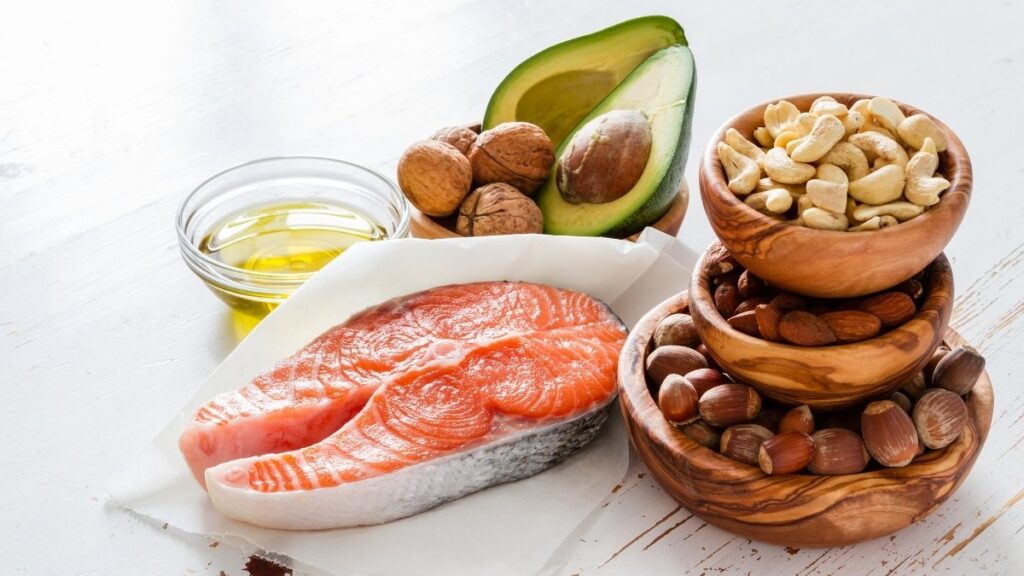
We want to choose unsaturated fats, like monounsaturated and polyunsaturated fats, and steer clear of industrial trans fats. These healthier fats, found in things like nuts and olive oil, are good for your heart.
A great way to boost your heart health is by including Omega-3s. These are a type of unsaturated fat found in fatty fish, walnuts, flaxseeds, and chia seeds.
Eating foods high in healthy fats, like the traditional Mediterranean diet, has been shown to protect the heart and extend life.
You can easily make this switch by drizzling olive oil on your vegetables instead of using butter, or snacking on a handful of almonds instead of potato chips.
Remember, even though some healthy fats like avocado are fine, we still need to eat them in the right amounts because they are high in calories. The goal is to replace unhealthy saturated and trans fats with good unsaturated fats to improve your health.
6. Ensure Adequate Protein: Muscle Maintenance and Satiety
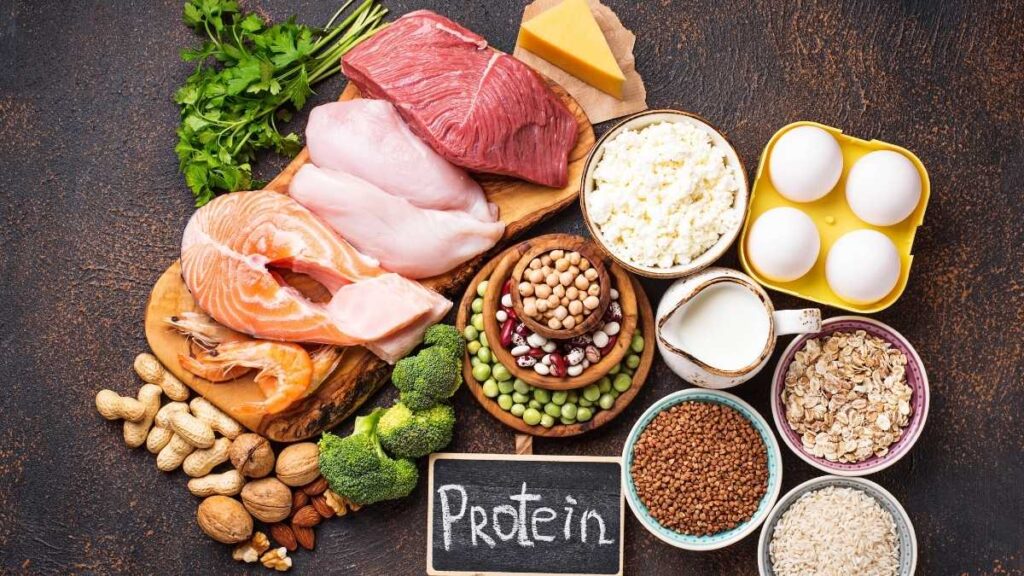
Protein is more than just a bodybuilding food; it’s essential for keeping your entire body strong. It helps with muscle maintenance and repair, and it’s needed to create important hormones and enzymes in your body.
Making sure you get adequate protein at every meal is vital, especially as your protein needs may increase as you get older to protect your muscles.
One of the best benefits of protein is its effect on your feeling of fullness, or satiety. Protein takes longer to digest than carbs, so it helps you feel satisfied and less likely to snack between meals.
This is a huge help for managing your weight. You should try to include a diverse mix of protein sources in your diet.
There are many great options, including both animal sources like eggs, lean meat, and Greek yogurt, and plant-based protein options like beans, lentils, and tofu. A simple way to start is to add protein to your first meal: try having eggs or Greek yogurt to kick off your day, or adding cottage cheese to your lunch.
7. Fill Half Your Plate with Vegetables: Simple Diet Rules in Practice

This is one of the easiest simple diet rules to remember: fill half your plate with vegetables. Using this half-plate rule is a quick, visual way to control your portions and ensure you are eating enough of the good stuff.
It helps you prioritize whole foods without complicated counting. Sadly, many people are not eating enough—data show that only about 1 in 10 Americans meets the guidelines for vegetable intake.
When you eat a variety of colors, you are eating the rainbow, and this helps you maximize your nutrient intake. Each color provides different vitamins and antioxidants your body needs.
Vegetables are naturally low-calorie but high-volume, meaning you can eat a lot of them without consuming a lot of calories. This makes them great for weight management.
Make it a habit to add a handful of spinach to your scrambled eggs or smoothie, or steam a big portion of broccoli to be a default side dish for dinner. This simple change instantly makes your meal healthier and more filling.
8. Practice Portion Control: Listening to Edie’s Body Cues

You have to learn to slow down and listen to your body. Portion control isn’t about counting every calorie; it’s about mindful eating and paying attention to your body’s signals.
You need to learn how to recognize your true hunger cues (when your body actually needs food) and your satiety signals (when you are comfortably full).
This is important because even healthy foods can lead to weight gain if you eat too much. Also, our serving sizes are often too large. For example, the average restaurant meal is often two to three times larger than what is recommended. You can use a few easy tricks to help.
Try using smaller plates and bowls, which can trick your brain into thinking you have more food.
Also, a good habit is to wait 10 minutes before getting a second helping, as it takes time for your brain to catch up with your stomach. Savor your food, slow down, and stop eating when you feel satisfied, not stuffed.
9. Avoid Restrictive Diets: Adopting a Sustainable Lifestyle
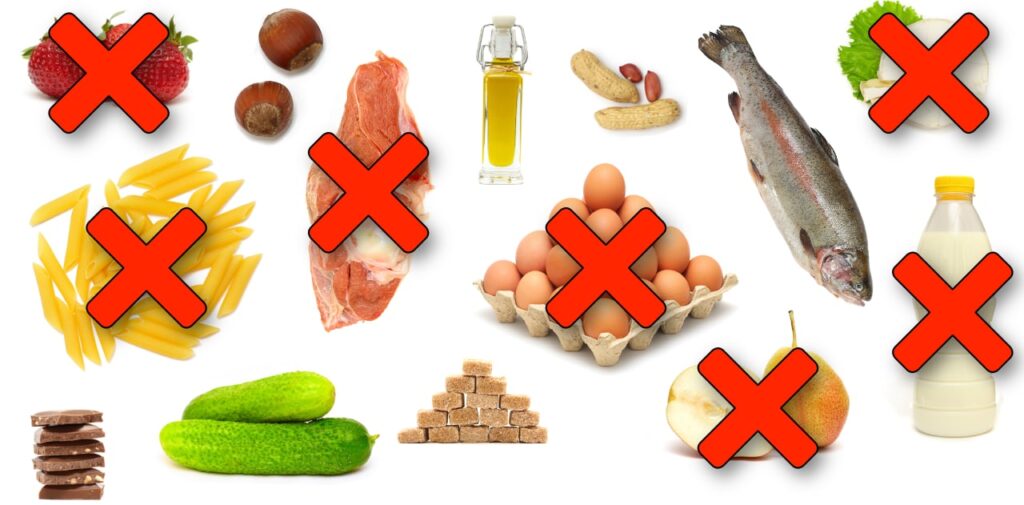
Many people try restrictive diets that demand you cut out entire food groups. This leads to the “dieting cycle”—you restrict, you crave, and then you usually quit and gain the weight back.
Statistics show this approach rarely works long-term; some data suggests up to 95% of people fail to keep the weight off after severely limiting their food. We want to stop punishing the body and focus on nourishing it instead.
The goal is adopting a sustainable lifestyle, not following a temporary diet. This means making small, lasting health habits that fit into your daily life.
It’s about balance, not perfection. Instead of cutting out all carbs, for instance, you could swap refined white rice for brown rice.
When you focus on adding healthy foods and making realistic swaps, you are building habits that will stay with you forever. This approach is much better for long-term weight management and happiness than any quick-fix plan.
The Simple Path to Lasting Health
Edie’s deep dive into nutrition revealed that the path to lasting health is paved with simplicity, not complexity.
These rules—focusing on whole foods, limiting added sugar, prioritizing water, fiber, and healthy fats, and practicing mindful eating—form a unified, non-restrictive framework.
They work together to make your body stronger and your energy levels more stable.
You don’t have to change everything at once. Choose just one or two of these simple diet rules to start implementing immediately. Maybe you decide to drink one extra glass of water today or swap your white bread for a whole-grain loaf.
Committing to building a sustainable lifestyle one small step at a time is the best move for your health. Adopting these simple diet rules and making them essential health habits is the best move for a sustainable lifestyle in 2025.
Would you like me to find a recipe that combines several of these rules, like a high-fiber, low-sugar breakfast?