
Detox teas and liver cleanses promise something your liver already does on its own, every hour of every day. Johns Hopkins confirms the organ runs its own two-step filtering process without help from pills or juice fasts, breaking down toxins and preparing them for removal through urine and stool.
Sulfur makes that process work. Your liver converts it into glutathione, the antioxidant responsible for protecting liver cells and clearing waste efficiently.
Garlic, broccoli, and a dozen other foods supply the raw sulfur your body needs to keep making it. Nothing here requires a cleanse, a supplement, or a seven-day plan, just food choices that give your liver what it was already built to use.
Why Your Liver Doesn’t Need a “Detox”—It Needs Support

You’ve seen them everywhere. Detox teas. Liver cleanses. Pills that promise to flush out “toxins” in just seven days.
Here’s what they won’t tell you: your liver already does this job. Every single day. For free.
Your liver is a 24/7 cleaning crew that never takes a break. While you sleep, eat, and go about your day, it’s busy filtering your blood and breaking down substances your body doesn’t need.
Think of your liver like a high-tech water filter. It doesn’t need to be “cleaned out.” It needs the right materials to keep doing its job well.
How Your Liver Actually Works
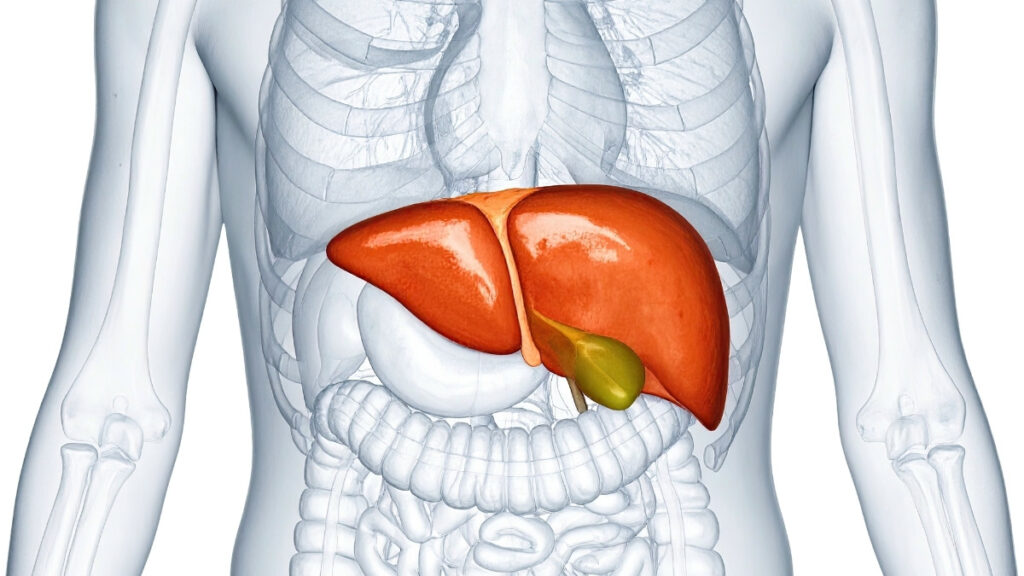
Your liver uses a two-step process that scientists call Phase I and Phase II detoxification. Don’t let the technical names scare you. It’s simpler than it sounds.
Phase I uses special proteins called cytochrome P450 enzymes. These enzymes grab onto substances in your blood and prepare them for removal. Think of this like sorting recyclables from trash.
Phase II is where the magic happens. Your liver attaches molecules to these substances, making them easier for your body to get rid of through urine or stool. This is called conjugation, and it’s where sulfur becomes really important.
Both hospitals and research centers agree on this: you don’t need special products to help your liver detox. Johns Hopkins Medicine confirms that “the liver naturally detoxifies the body 24/7 through sophisticated enzymatic processes.”
But here’s the problem. One in three adults now has metabolic dysfunction-associated steatotic liver disease (MASLD). That’s a fancy way of saying their liver has too much fat in it, which makes it harder for the liver to do its job.
The FDA has never approved a single “liver detox” product. Zero. That’s because these products don’t have real clinical evidence showing they work.
So what should you do instead? Give your liver the raw materials it needs to support its natural processes. And that’s where sulfur comes in. Rather than expensive cleanses, let’s focus on the sulfur-containing foods that give your liver the raw materials it needs.
The Science Behind Sulfur and Liver Health
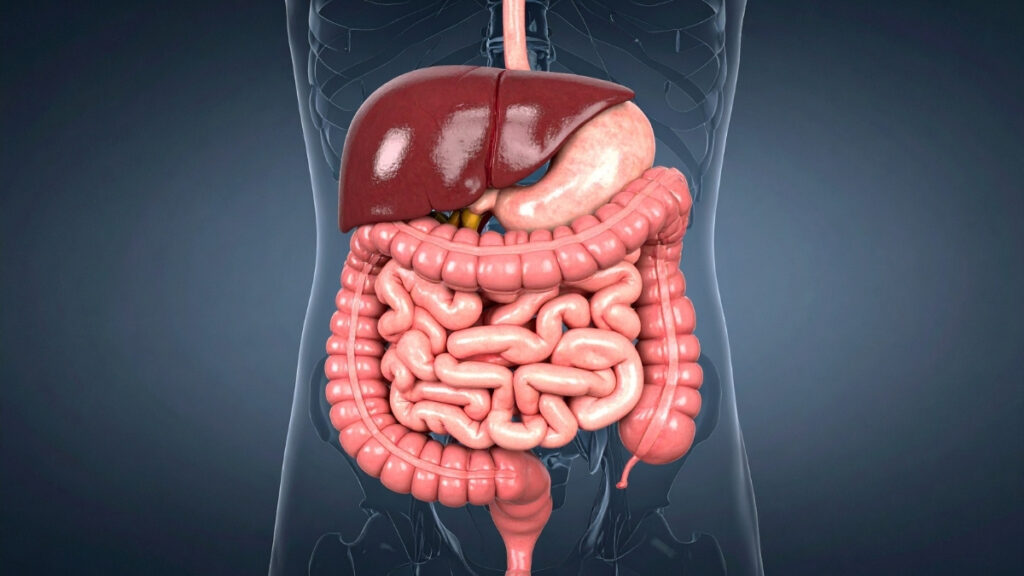
Sulfur might not sound glamorous, but your liver can’t function properly without it. Here’s why. Your liver needs a substance called glutathione to do its job. Scientists call glutathione the “master antioxidant” because it’s one of the most powerful protective molecules in your body.
And guess what glutathione is made from? Three amino acids: glutamate, cysteine, and glycine. The cysteine part? That requires sulfur. No sulfur means no cysteine. No cysteine means less glutathione. Less glutathione means your liver struggles to protect itself and clean your blood effectively.
What the Research Shows

Patients who took 300mg of glutathione daily saw their liver enzyme levels improve. Their ALT levels dropped from 68.9 to 58.1 IU/L. That might not mean much to you, but to doctors, it shows the liver is working better and experiencing less damage.
Other research focused on cruciferous vegetables like broccoli and cauliflower. These vegetables contain sulfur compounds called glucosinolates. When you eat them, your body converts these into sulforaphane, which stimulates your liver’s detox enzymes.
Garlic also got attention from researchers. The sulfur compounds in garlic—with names like diallyl sulfide and diallyl disulfide—activate liver enzymes and help protect liver cells from damage.
The Glutathione Connection
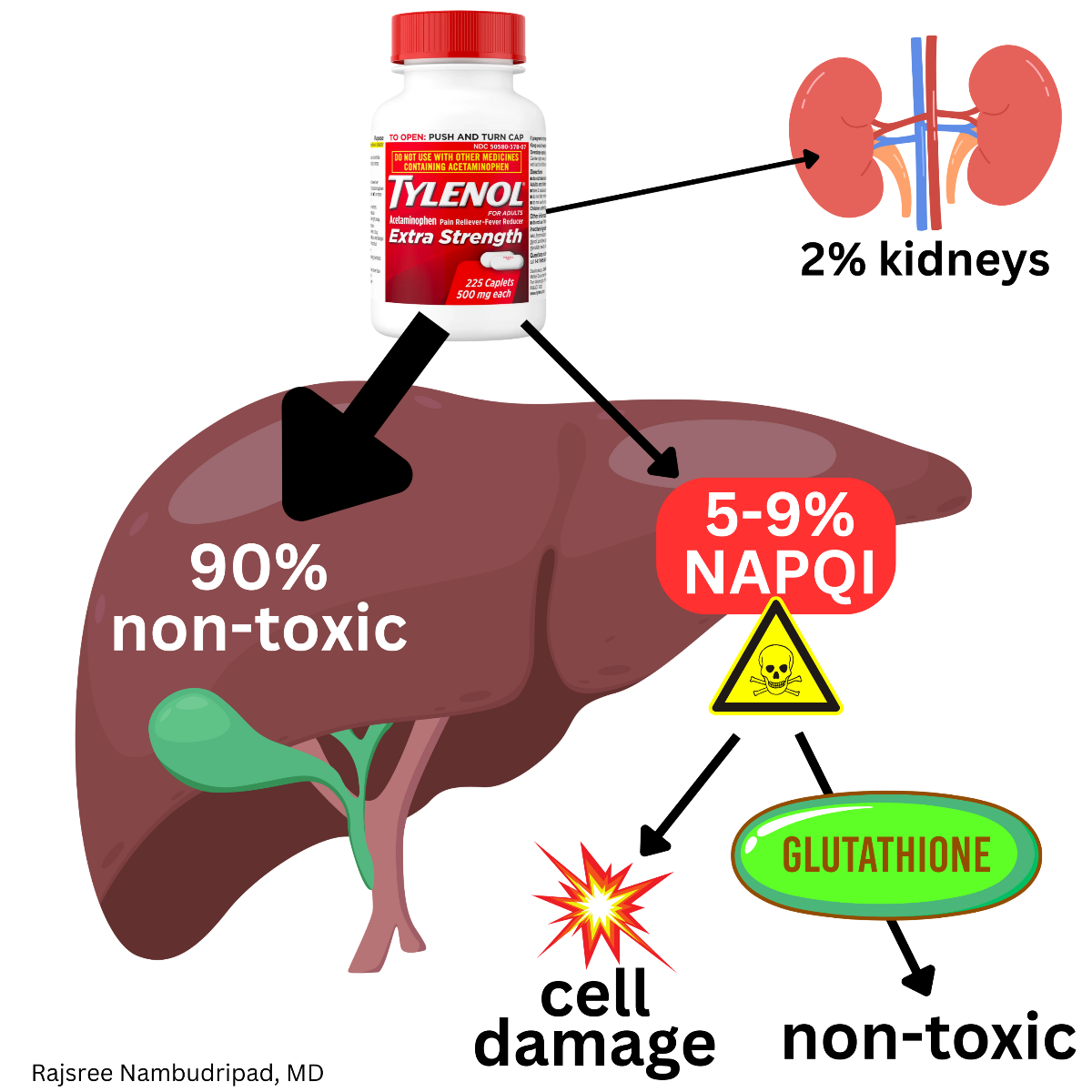
Here’s what makes this really interesting. People with higher glutathione levels eliminate toxins about 30% more efficiently than people with lower levels.
Your liver uses glutathione in both Phase I and Phase II detoxification. It protects liver cells from oxidative stress (damage from unstable molecules). It also helps your liver regenerate when cells get damaged.
But your body can’t store much glutathione. You need to give it the building blocks to make more every single day.
That’s where food comes in. Eating sulfur-rich foods gives your body what it needs to keep making glutathione. It’s like keeping your car’s oil topped up instead of waiting until the engine starts making weird noises.
Now let’s explore the 12 most powerful sulfur-rich foods that support these processes.
The 12 Sulfur-Rich Foods for Liver Support
These foods aren’t magic. They’re just really good at giving your liver what it needs to function well.
1. Garlic
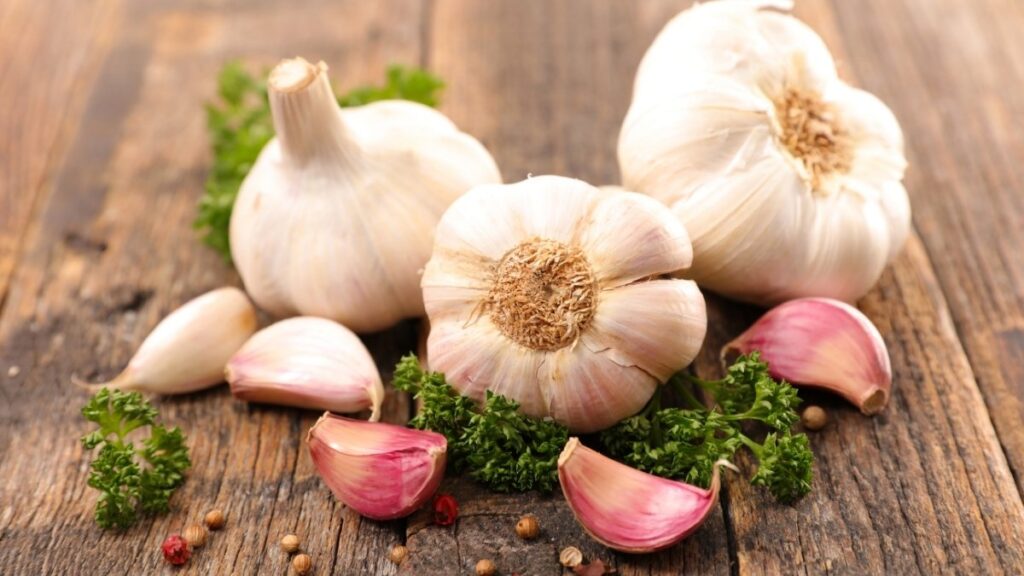
Garlic packs more sulfur compounds than almost any other food. When you crush or chop garlic, it creates a compound called allicin. Allicin breaks down into other sulfur compounds like diallyl sulfide and diallyl disulfide.
Research shows these compounds activate specific liver enzymes. They also help your liver cells resist damage from oxidative stress. The more sulfur atoms in the compound, the stronger the protective effect.
Garlic also contains selenium, which works with sulfur to support detoxification. Some studies show garlic can reduce inflammation in the liver.
How to use it: Add 2-3 cloves to your cooking each day. Here’s a trick: after you crush or mince garlic, let it sit for 10 minutes before cooking. This gives the allicin time to form. For maximum benefit, use raw garlic in salad dressings or sauces. But cooked garlic still provides plenty of sulfur compounds.
2. Broccoli
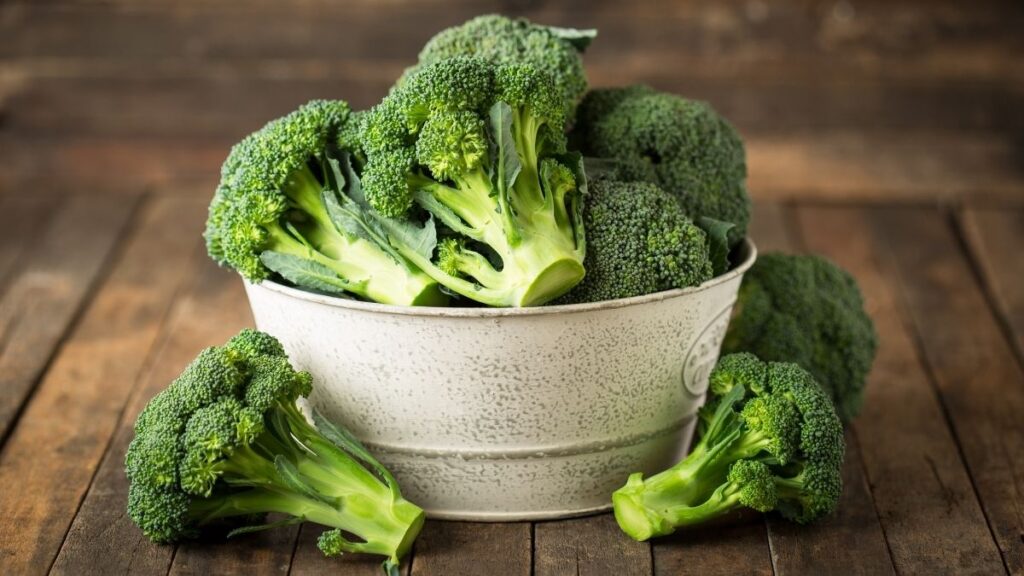
Broccoli is one of the most studied vegetables for liver health. It contains glucosinolates that your body converts into sulforaphane.
Sulforaphane does something special. It tells your genes to make more detoxification enzymes. The Institute for Functional Medicine recognizes cruciferous vegetables like broccoli as key foods for liver support.
Broccoli helps regulate both Phase I and Phase II liver detoxification. It also contains compounds that may protect liver cells from fat accumulation.
How to use it: Eat 1-2 cups per day. Light steaming is best because it keeps most of the beneficial compounds intact. Overcooking destroys some of the glucosinolates. You can also eat it raw in salads.
Want a bonus tip? Add a little mustard or horseradish when you eat broccoli. The enzymes in these foods help your body make more sulforaphane from the broccoli.
3. Brussels Sprouts
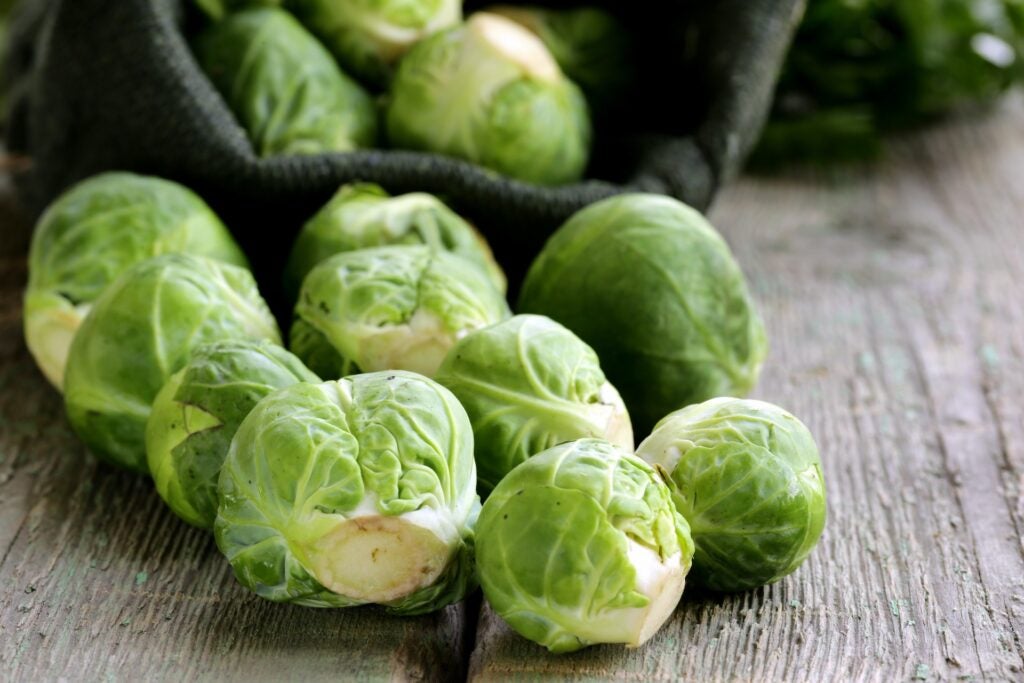
Brussels sprouts are like tiny cabbages packed with sulfur compounds. They have a similar nutritional profile to broccoli but add variety to your diet.
The glucosinolates in Brussels sprouts support your liver’s ability to attach molecules to toxins, making them easier to eliminate. They’re also high in fiber, which helps your body get rid of these processed toxins through your digestive system.
Brussels sprouts contain vitamin C, which helps recycle glutathione so your body can use it again and again.
How to use them: Roast 1 cup with olive oil 2-3 times per week. Don’t overcook them—that mushy texture you remember from childhood also means fewer beneficial compounds. You can also shred raw Brussels sprouts into salads for a crunchy addition.
4. Cauliflower
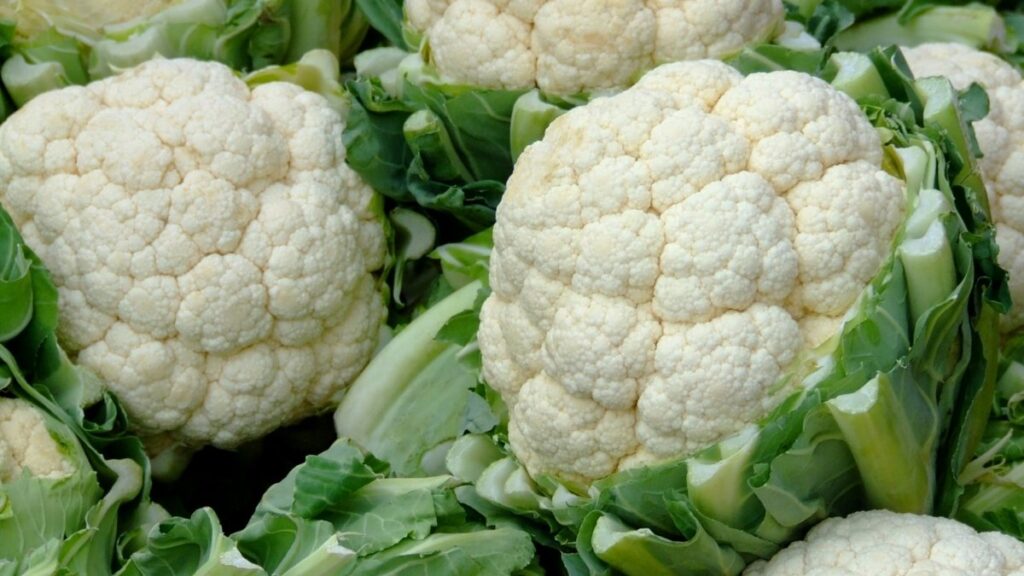
Cauliflower is the most versatile cruciferous vegetable. You can turn it into rice, mash it like potatoes, or roast it until it’s crispy.
Like broccoli and Brussels sprouts, cauliflower contains glucosinolates that support glutathione production in your liver. It also has anti-inflammatory properties that may protect liver cells from damage.
Cauliflower is part of evidence-based protocols used by functional medicine doctors to support liver health.
How to use it: Use it as a rice substitute, roast it with spices, or add it to soups. Aim for 3-4 servings per week. Cauliflower pairs really well with garlic and turmeric, giving you even more liver-supporting compounds in one meal.
5. Cabbage
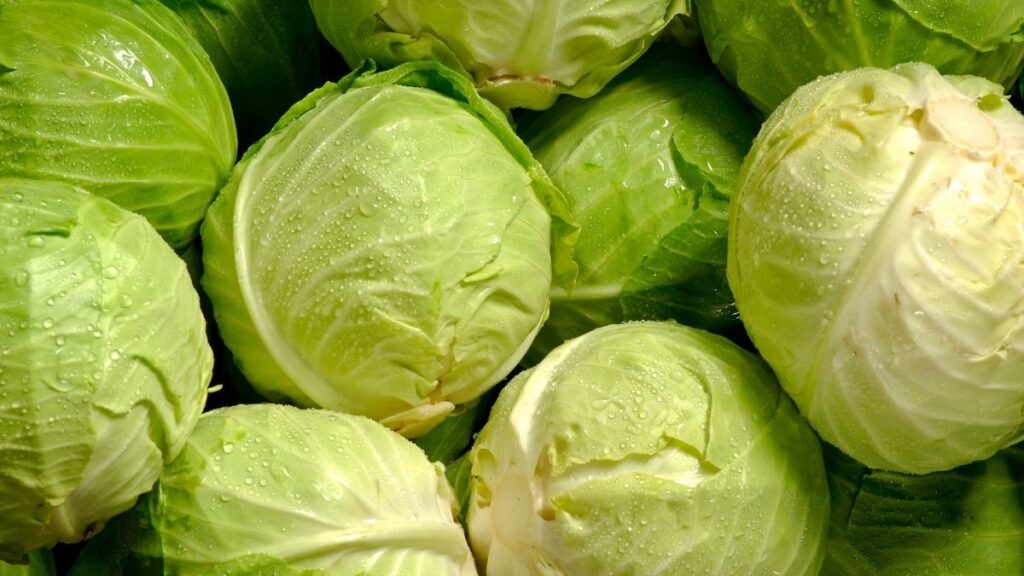
Cabbage is the budget-friendly option on this list. It costs less than most other cruciferous vegetables but provides the same sulfur compounds.
Cabbage helps stimulate an enzyme called glutathione S-transferase. This enzyme is crucial for Phase II detoxification. The fiber in cabbage binds to bile acids, which helps your liver manage cholesterol and supports healthy digestion.
Both green and purple cabbage work well. Purple cabbage has extra antioxidants from its color.
How to use it: Ferment it into sauerkraut for additional probiotic benefits that support the gut-liver connection. Eat it raw in slaws or cooked in soups. Try to get 1-2 cups, 3-4 times per week.
Fermented cabbage is easier to digest for many people and the probiotics support overall gut health, which directly affects liver function.
6. Kale
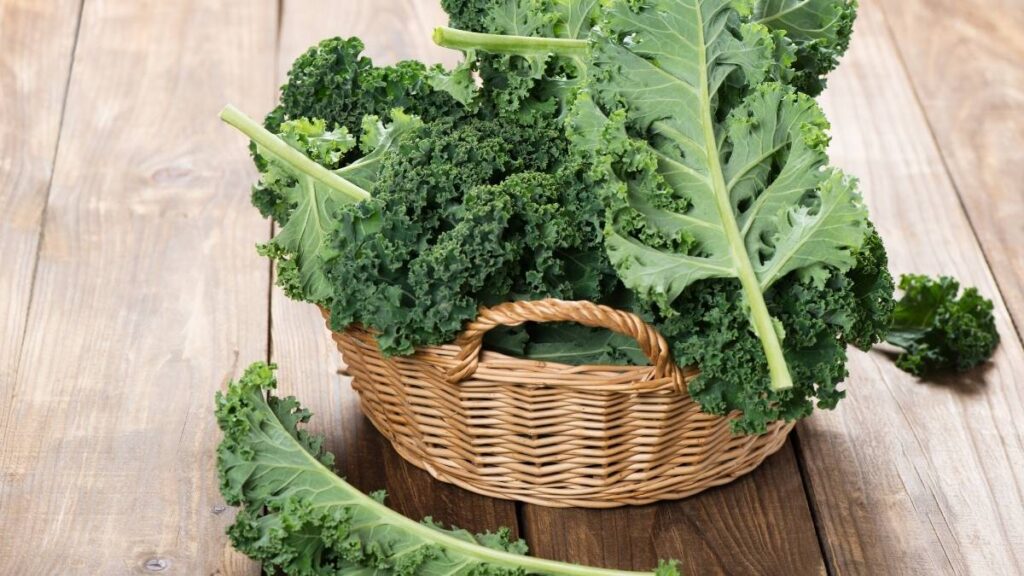
Kale became trendy for a reason. It contains glucosinolates like other cruciferous vegetables, plus chlorophyll that may help reduce the toxin load in your blood.
Kale is packed with vitamins A, C, and K. The vitamin C helps maintain your glutathione levels. The vitamin A supports your immune system, which works closely with your liver.
How to use it: Add kale to smoothies (you won’t taste it much with fruit), toss it in salads, or sauté it with garlic. Aim for 1-2 cups daily when possible. If raw kale seems tough, massage it with a little lemon juice and olive oil. This breaks down the fibers and makes it easier to digest.
7. Onions
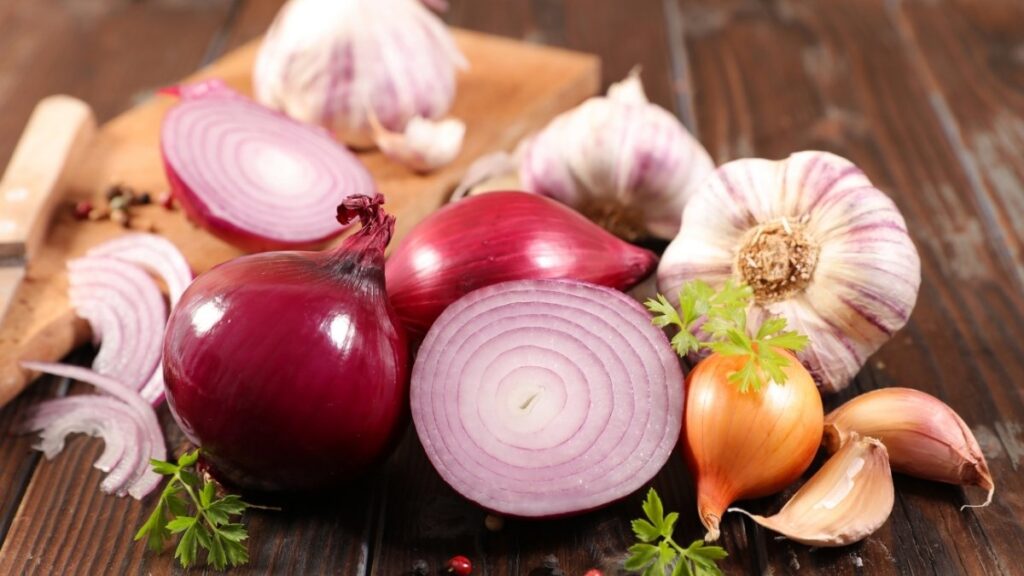
Onions contain similar sulfur compounds to garlic. They also have quercetin, an antioxidant that has been shown to support liver health in research studies.
The sulfur compounds in onions boost your liver’s detoxification enzymes. The prebiotic fiber in onions feeds good bacteria in your gut. Since your gut and liver are closely connected (blood from your intestines flows directly to your liver), healthy gut bacteria support healthy liver function.
How to use them: Include onions in your daily cooking. Both raw and cooked onions offer benefits. Red, yellow, and white onions all contain sulfur. Red onions have the most quercetin. Caramelized onions taste amazing and still provide sulfur compounds, even though some nutrients decrease with long cooking.
8. Eggs
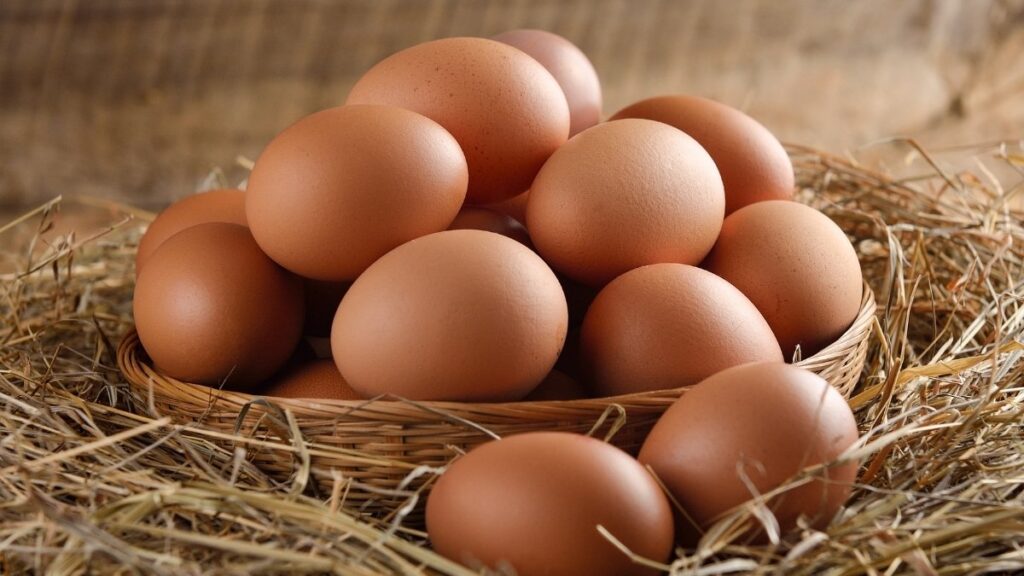
Eggs are rich in cysteine, the sulfur-containing amino acid that’s often the limiting factor in glutathione production. Your body might have enough of the other amino acids, but if you’re short on cysteine, you can’t make enough glutathione.
Eggs provide all the amino acids your body needs to make glutathione. They also contain choline, which helps prevent fat from accumulating in your liver. This is particularly important for people at risk of MASLD.
How to use them: Eat 1-2 eggs daily unless your doctor has told you otherwise. Whole eggs provide the most benefits because many nutrients are in the yolk. You can scramble, boil, poach, or fry them—all methods retain most of the nutrients.
9. Asparagus

Asparagus is unique because it actually contains pre-formed glutathione. Most foods just provide the building blocks. Asparagus gives you the finished product.
It supports both Phase I and Phase II detoxification. Asparagus also acts as a natural diuretic, helping your kidneys flush out processed toxins. It’s high in folate and other antioxidants.
How to use it: Lightly steam or roast asparagus. Aim for 1 cup, 2-3 times per week. Asparagus is best when fresh and in season (usually spring). The thinner stalks tend to be more tender. Snap off the woody ends before cooking.
10. Wild Blueberries
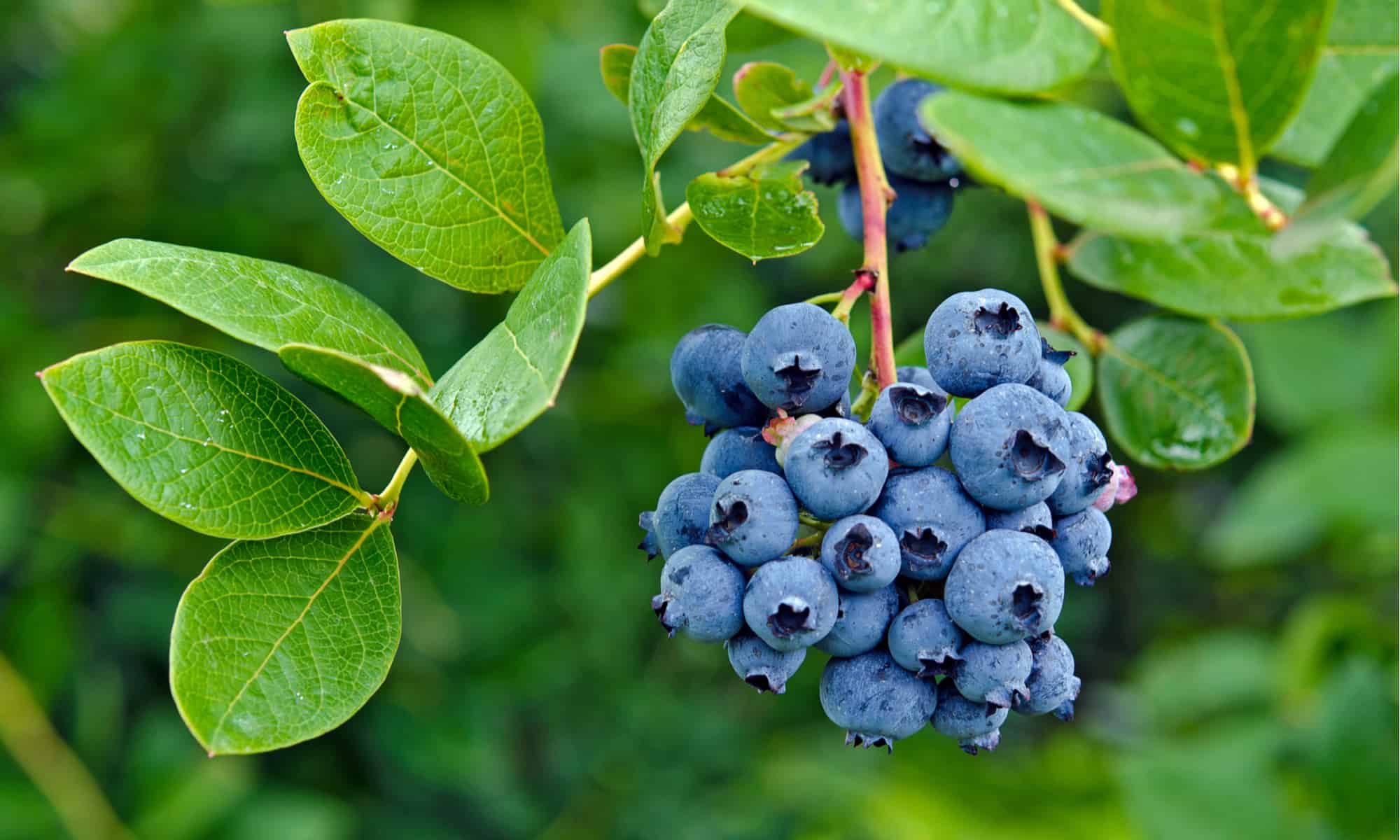
Blueberries might seem like an odd addition to a sulfur-focused list, but they complement sulfur-rich foods perfectly. They’re packed with anthocyanins, powerful antioxidants that protect liver cells from oxidative damage.
Research shows that blueberries reduce inflammation and oxidative stress in the liver. Some studies suggest they may protect against liver disease progression and fibrosis (scarring). Wild blueberries have higher antioxidant content than regular blueberries.
How to use them: Eat ½ to 1 cup daily. Fresh or frozen both work well. Frozen wild blueberries are often more affordable and available year-round. Add them to smoothies, oatmeal, yogurt, or just eat them plain as a snack.
11. Arugula
:max_bytes(150000):strip_icc()/GettyImages-935274178-9c9a22569bd64b4290101a6ad657e594.jpg)
Arugula is a cruciferous vegetable with a peppery flavor. It contains the same family of sulfur compounds as broccoli but is almost always eaten raw, which means you don’t have to worry about cooking destroying the beneficial compounds.
Arugula supports your liver’s detox pathways and is easy to incorporate into meals. It’s high in vitamins and minerals with very few calories.
How to use it: Add arugula to salads, sandwiches, and wraps. Use it as a pizza topping (add it after the pizza comes out of the oven). Aim for 1-2 cups several times per week. Its peppery taste adds flavor without extra salt or dressing.
12. Bok Choy

Bok choy is an Asian cruciferous vegetable that’s milder than many Western cruciferous vegetables. It contains glucosinolates that support liver enzyme function.
Bok choy is easier to digest when cooked than some other crucifers. It’s also lower in goitrogens (compounds that can affect thyroid function in very large amounts) than vegetables like kale.
How to use it: Stir-fry, steam, or add bok choy to soups. It cooks quickly—usually in just 3-5 minutes. Aim for 1-2 cups, 2-3 times per week. Both the white stems and green leaves are edible and nutritious.
Important Considerations: When Sulfur Foods May Not Be Right
For most people, sulfur-rich foods are healthy and beneficial. But some people need to be careful.
Sulfur Intolerance
A small number of people can’t process sulfur well. This is rare, but it happens. Symptoms include gas, bloating, and digestive discomfort after eating high-sulfur foods.
This is different from an allergy. It’s usually related to how your gut bacteria process sulfur compounds.
SIBO and Digestive Issues
Some people with small intestinal bacterial overgrowth (SIBO) or irritable bowel syndrome (IBS) may temporarily need a low-sulfur diet. Dr. Ruscio and other gastroenterologists sometimes recommend a low-sulfur dietary trial for patients with specific digestive symptoms.
If you have SIBO, certain bacteria in your small intestine can produce hydrogen sulfide from sulfur foods, causing symptoms like bloating, gas, and diarrhea.
Working with Your Doctor
If you have existing liver disease, take medications regularly, or plan to make major dietary changes, talk to your healthcare provider first.
These foods support health, but they don’t replace medical treatment. If you have cirrhosis, hepatitis, or other serious liver conditions, you need medical care.
For most people, these foods are not only safe but beneficial. Here’s how to incorporate them effectively.
Your Liver Doesn’t Need a Cleanse—It Needs Consistent Support
Your liver is working for you right now. While you read this, it’s filtering your blood, making proteins, storing energy, and breaking down substances your body doesn’t need.
It doesn’t need a detox. It needs the right tools to do its job well.
The 12 foods we covered—garlic, broccoli, Brussels sprouts, cauliflower, cabbage, kale, onions, eggs, asparagus, wild blueberries, arugula, and bok choy—give your liver the sulfur compounds it needs to make glutathione and support its natural detoxification processes.
Combine these foods with exercise, healthy weight, good sleep, limited alcohol, and stress management. That’s the real formula for liver health.
No expensive supplements required. No restrictive cleanses needed. Just consistent, science-backed choices that support your liver every single day.
Start small. Add one sulfur-rich food to each meal this week. Your liver will thank you for the consistent, science-backed support—no expensive cleanses required.
Support your liver’s natural detoxification abilities with these sulfur foods, maintain a healthy lifestyle, and consult your healthcare provider for personalized guidance.
The best liver “cleanse” is one you don’t need—because you’re giving your liver what it needs every single day.
