
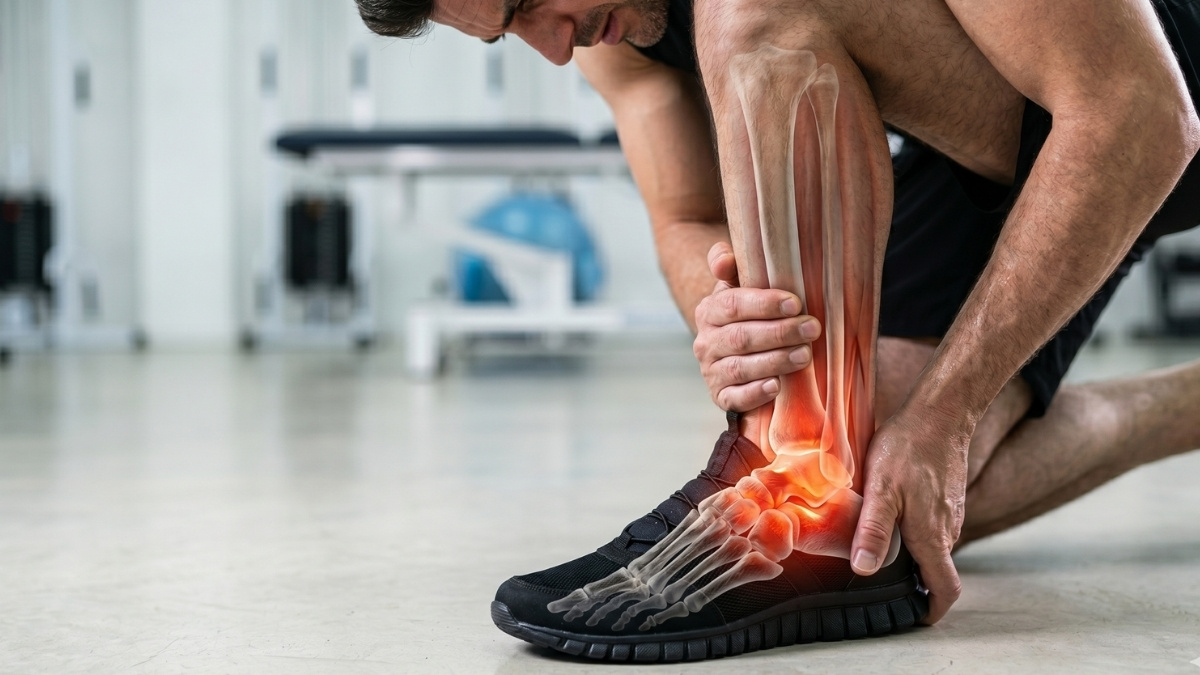
Every step you take could be slowly destroying your spine, and you probably don’t even know it. While you’re focused on ergonomic chairs, the real culprit is often foot pronation and spinal alignment issues.
With 619 million people globally suffering from low back pain and 29.9% of U.S. adults reporting similar struggles, the kinetic chain link between your feet and back is undeniable.
This guide explores how common walking errors contribute to back pain and why foot misalignment leads to pelvic tilt and spinal stress. You will discover posture correction techniques and evidence-based solutions proven to work in 2025 for lasting relief.
The Posture Chain Reaction
Adjust the ankle joint slider to see how your foot strike dictates your spinal alignment.
Why Your Feet Are Your Body's Foundation (And What Happens When It Fails)

Think about a house built on a crooked foundation. The walls crack. Doors won't close right. Windows stick. Eventually, the whole structure suffers because everything starts at the bottom.
Your feet are your foundation. Everything above them—your ankles, knees, hips, and spine—depends on them being level and stable. When your feet don't work right, every other part of your body has to compensate. This is called the kinetic chain, and it's why your chronic back pain might actually be a foot problem.
Here's what researchers found: The Framingham Foot Study looked at thousands of people and discovered that women with pronated feet (feet that roll inward too much) have significantly more low back pain.
A 2025 study confirmed this connection, showing that lumbar hyperlordosis (excessive curve in your lower back) and foot overpronation go together like a bad partnership.
The numbers tell a scary story. About 70% of people have slight differences in leg length. Even small differences throw off your alignment from the ground up.
Let me show you how this works in real life. Sarah worked at a desk for eight years. Her back hurt every single day. She bought expensive chairs, tried different mattresses, and stretched constantly. Nothing helped.
Then a physical therapist watched her walk and noticed her feet. Both feet rolled inward severely. Her arches had collapsed. This made her knees turn in, which tilted her pelvis forward, which forced her spine to curve too much just to keep her upright.
Your body is incredibly smart. When your feet fail, your body finds a way to keep you standing. But these compensations come at a cost. Your muscles work harder. Your joints wear unevenly. Pain becomes your constant companion.
The good news? Once you understand the connection between your feet and your spine, you can fix it. And fixing it is often simpler than you think.
3 Walking Mistakes That Are Misaligning Your Spine Right Now
Most people make these errors every day without knowing it. Here's what's happening to your body.
Mistake #1: Overpronation (The #1 Culprit)

This is the big one. Overpronation means your foot rolls inward too much when you walk. Your arch flattens out. Your ankle caves in.
Look at the bottom of your shoes right now. If the inner edges are way more worn than the outer edges, you overpronate.
Here's the damage it causes: When your foot rolls in, it rotates your entire leg inward. This internal rotation travels up to your hip. Your hip socket twists. Your pelvis tilts forward (called anterior pelvic tilt).
To keep your head level, your lower back has to curve more than it should. This excessive curve is called lumbar hyperlordosis, and it puts massive strain on your back muscles and spinal discs.
Studies show this isn't just a theory. Research published by the National Center for Biotechnology Information proves that bilateral hyperpronation (both feet rolling in) directly causes internal hip rotation, increased pelvic anteversion, and lumbar hyperlordosis.
Mistake #2: Outward-Pointing Feet (Duck-Footed Gait)

Walk across your room. Where are your feet pointing? If they point out like a duck's feet instead of straight ahead, you're creating problems.
When your feet point outward, your hips can't move through their natural range. This locks your pelvis in an anterior tilt position. Again, your lower back curves too much to compensate. Your spine becomes unstable.
This usually happens because your hip flexors are too tight and your glutes are too weak. Your body finds the path of least resistance, and that path points your toes out. It feels natural because you've done it for years. But natural doesn't mean healthy.
Mistake #3: Improper Footwear Compounding the Problem

High heels are spine killers. They shift your body weight forward, forcing your lower back muscles to work overtime just to keep you upright. Even moderate heels create problems. Research shows that heels over 9cm cause increased lumbar lordosis. That's about 3.5 inches.
But flat, unsupportive shoes aren't the answer either. Flip-flops, worn-out sneakers, and ballet flats offer zero shock absorption and no arch support. Every step sends impact straight up your kinetic chain.
A study of 105 postal workers found that 71.4% suffered from low back pain. The common factor? Walking long distances in inadequate footwear.
The solution lies in proper support. The right shoes provide arch support, cushioning, a stable heel counter, and flexibility at the ball of your foot. We'll cover exactly what to look for later.
Good news: A 9-week corrective exercise program reduced the Foot Posture Index from 8.1 to 6.4 in study participants. This means you can fix these problems. You're not stuck with bad feet forever.
Check yourself right now. Are you making any of these three mistakes? Most people are making at least two.
How a 10mm Problem in Your Foot Creates a Lifetime of Back Pain
Let me walk you through exactly what happens when your feet go wrong. This isn't instant. It's a slow breakdown that happens in stages.
Stage 1: Foundation Disruption
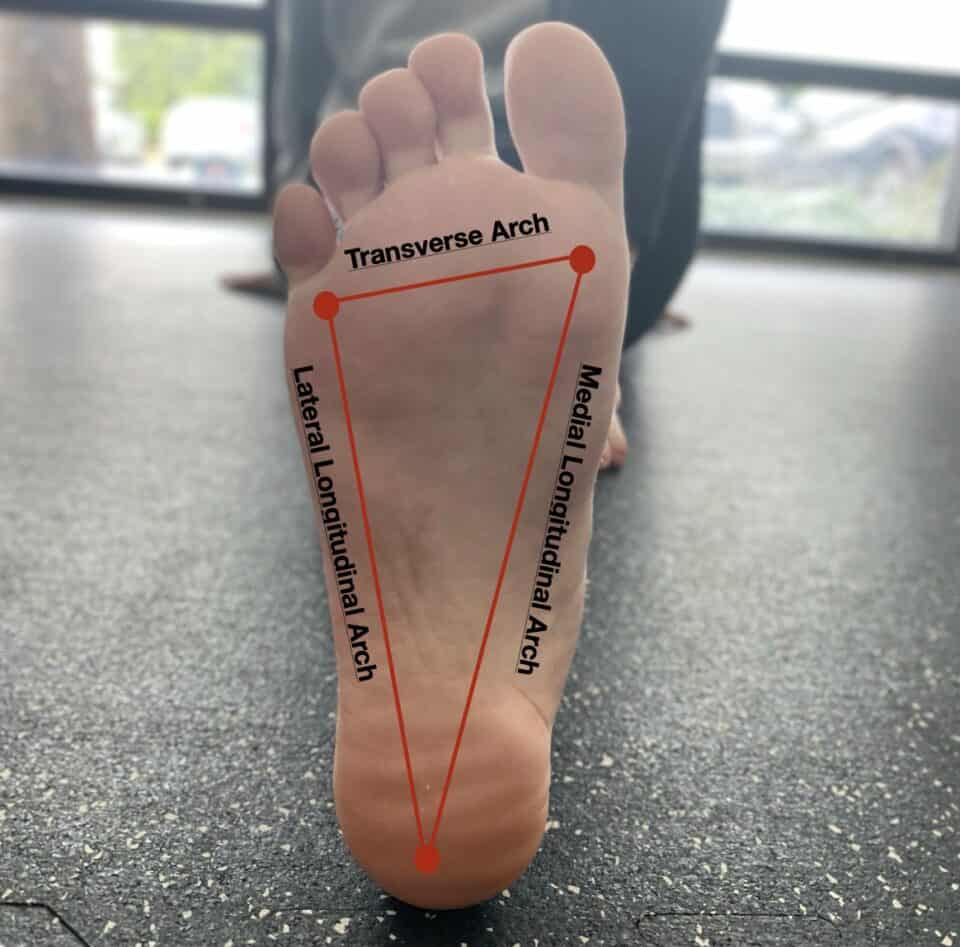
It starts small. Your arch drops by 10 millimeters. That's less than half an inch. You don't notice. But your body does. Now your weight distribution is off. Instead of spreading evenly across your foot, too much pressure hits certain spots. Your ankle adjusts to handle the imbalance.
Stage 2: Ankle & Knee Compensation
Your ankle rolls inward to compensate. This rotation travels up. Your knee turns inward too. If you have knock-knees, this is often why. Your knee isn't designed to handle rotation like this. The joint cartilage wears unevenly. Years later, you might need knee surgery and never connect it to your feet.
Stage 3: Pelvic Tilt
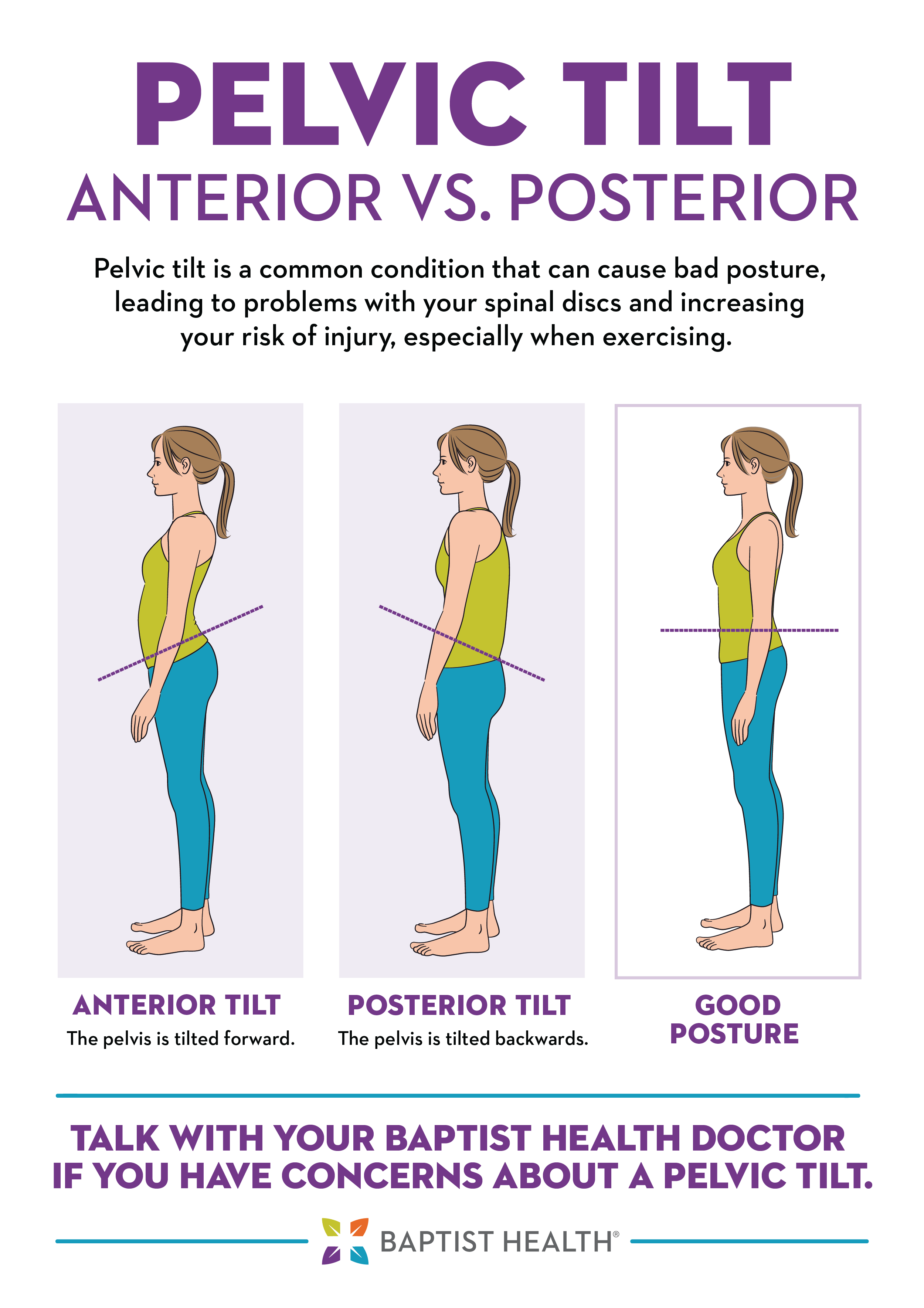
Research confirms this part clearly. Bilateral hyperpronation generates internal rotation of the hips and increased pelvic anteversion. In plain English: Both feet rolling in makes your hips rotate inward, and your pelvis tilt forward. Your pelvis is now at the wrong angle. This affects everything above it.
Stage 4: Spinal Strain
Your spine has one job: keep your head level so you can see straight ahead. When your pelvis tilts forward, your spine curves backward to compensate. The curve in your lower back gets too deep. This overstretches some muscles and shortens others. Pressure on your spinal discs increases. Nerves can get pinched.
Stage 5: Muscle Imbalances
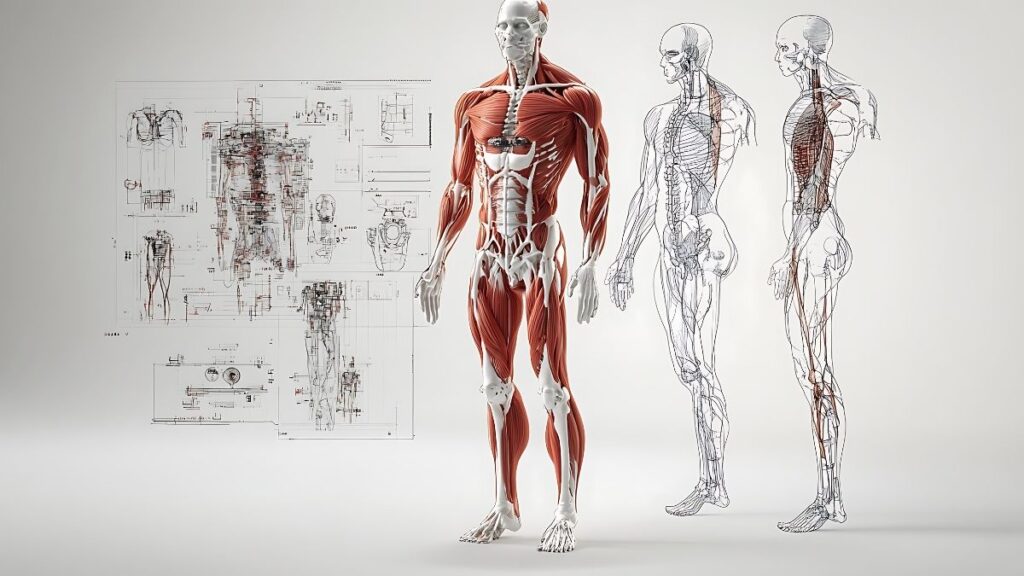
After months or years, certain muscles become chronically tight. Others become weak. Your body accepts this as the new normal. Pain becomes constant. You try stretching, massage, or pain medication. They might help temporarily, but they don't fix the foundation problem.
Let me tell you about Sarah again. She's a real office worker who went through this exact progression. At 32, her back hurt every day. She assumed it was from sitting. But when a physical therapist analyzed her gait, the real problem became clear.
Sarah's feet both overpronated severely. Her arches had collapsed from years of wearing unsupportive shoes. This pronation rotated her knees inward. Her pelvis tilted forward. Her lower back curved excessively. The muscles on one side of her spine were always tight. The other side was weak.
Within six months of getting custom orthotics and doing daily foot exercises, Sarah's back pain reduced by 80%. She didn't change her desk. She didn't buy a new mattress. She fixed her foundation.
Think of your spine like a stacked tower of blocks. Each block represents a vertebra. When the bottom block sits at an angle, every block above it has to adjust. By the time you get to the top, the tower is seriously off-center. Small problem at the bottom equals big problem at the top.
5 Proven Ways to Fix Your Walking Errors and Restore Spinal Alignment
Now let's fix this. These aren't theories. They're solutions backed by research and proven in real people.
Solution 1: Custom Orthotics (The Game-Changer)
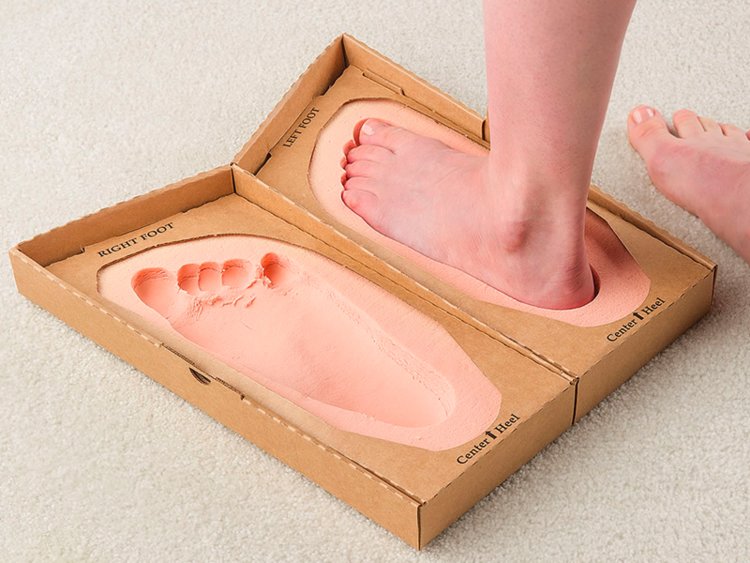
Orthotics are specialized inserts you put in your shoes. Think of them as prescription lenses for your feet. They realign your foundation.
Why they work: Research published in the National Library of Medicine found that six weeks of prescription shoe orthotics significantly improved back pain compared with people who got no treatment. Even better, over half of orthotic users achieved a clinically meaningful reduction in pain of 30% or more.
When to choose custom vs. over-the-counter: Custom orthotics are molded specifically to your feet. They cost more ($300-$600) but provide precise correction. Over-the-counter orthotics ($30-$100) work well for mild to moderate issues. If your pain is severe or you have structural problems, invest in custom.
How to implement: See a podiatrist for assessment. They'll do a gait analysis and create a mold of your feet. Your orthotics will arrive in 2-4 weeks. Wear them for 1-2 hours the first day, then gradually increase daily wear time over two weeks.
Expected results: Most people notice some improvement within two weeks. Significant pain reduction usually happens at the 6-12 week mark. Your body needs time to adjust to the new alignment.
Solution 2: Corrective Exercises (Build Your Foundation)
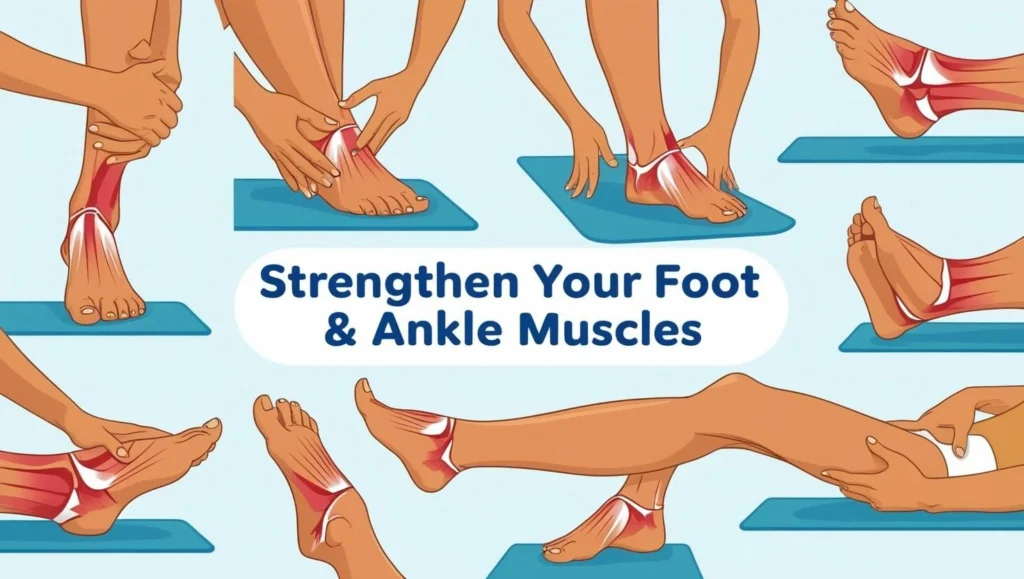
You can strengthen the muscles in your feet. Yes, there are muscles in there. When these muscles work properly, they support your arch naturally.
The Short Foot Exercise: This is the gold standard. Research shows that starting with intrinsic muscle exercises proved more effective in improving foot muscle morphometry and reducing arch drop. Here's how:
- Sit with your feet flat on the floor
- Without curling your toes, try to shorten your foot by pulling the ball of your foot toward your heel
- Your arch should lift slightly
- Hold for 5 seconds
- Relax and repeat 10 times
- Do this twice daily
Arch Lifts: Stand barefoot. Keep your toes flat. Lift your arch by activating the small muscles in your foot. Hold for 5 seconds. Repeat 15 times per foot.
Calf Stretches: Tight calves restrict ankle motion, which affects how your foot hits the ground. Stand facing a wall. Put one foot back. Keep your back heel down and knee straight. Lean forward until you feel the stretch in your calf. Hold 30 seconds. Do 3 repetitions on each side.
How often: 5-10 minutes daily. That's it. Studies show this minimal investment produces results in 4-6 weeks.
Why it works: Strong foot muscles actively support your arch with every step. This prevents excessive pronation, which prevents the entire kinetic chain breakdown we discussed.
Solution 3: Proper Footwear Selection
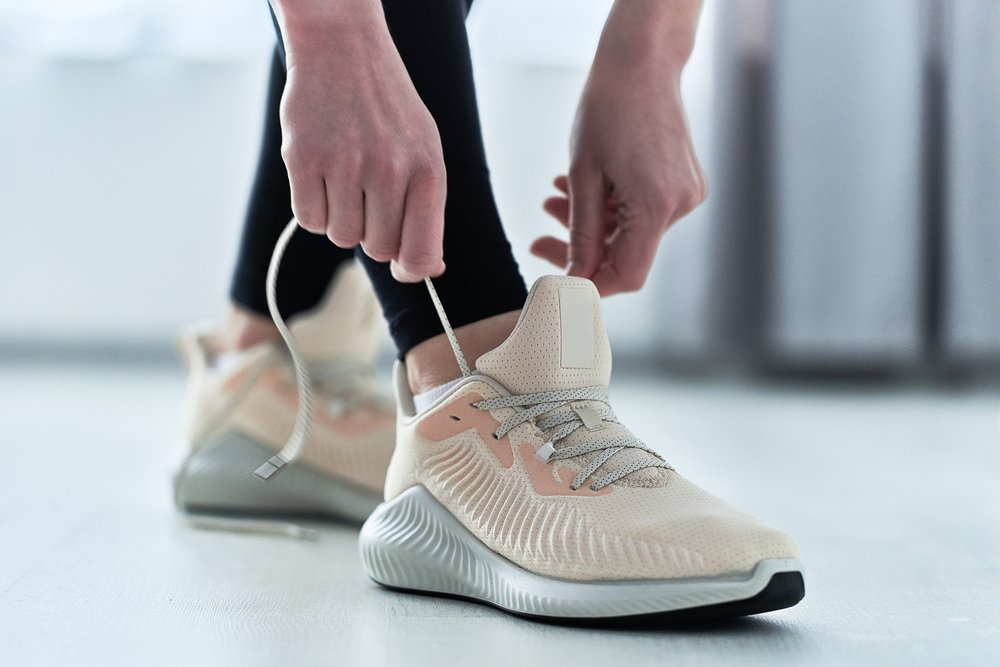
Your shoes matter more than you think.
Essential features your shoes must have:
- Adequate arch support that matches your foot type
- Cushioning in the heel and forefoot
- Stable heel counter (the back of the shoe shouldn't collapse when you press it)
- Flexibility at the ball of the foot (the shoe should bend where your foot bends)
The heel height rule: Ideal heel height is 1-2 inches for most people. Completely flat shoes can be just as problematic as high heels. A moderate heel helps your foot function naturally. But stay away from heels over 9cm (3.5 inches) because research shows they cause increased lumbar lordosis.
Top recommendations for 2025: Brooks, ASICS, Hoka, and New Balance consistently provide excellent arch support. Go to a running store where they analyze your gait. Yes, even if you don't run. They have the expertise to recommend the right shoe structure for your foot type.
Red flags to avoid:
- Flip-flops (no support, no stability)
- Worn-out shoes (if you can see wear patterns on the sole, they're done)
- High heels for extended periods
- Shoes that feel stiff or don't bend naturally
How to implement: Replace your everyday shoes first. You probably wear one or two pairs 80% of the time. Start there. Wear your new supportive shoes for all walking and standing activities. Keep high heels for special occasions only.
Expected results: You'll likely notice less foot fatigue within a week. Back pain improvement usually follows 2-4 weeks later as your body adapts to better alignment.
Solution 4: Gait Analysis & Professional Assessment
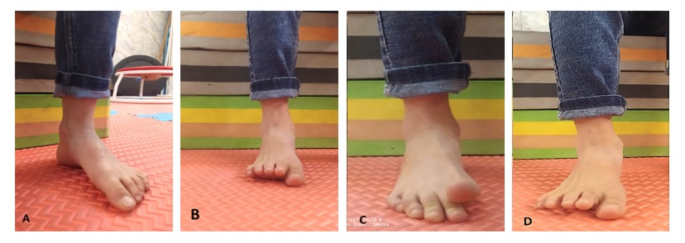
Sometimes you need expert eyes on your movement patterns.
When to seek professional help:
- Your pain persists despite trying orthotics and exercises for 6+ weeks
- You're not sure which foot problem you have
- You want to prevent problems before they start
- You're an athlete looking to optimize performance
What to expect: A thorough gait analysis includes pressure mapping (shows exactly where your foot hits the ground), video analysis (slow-motion capture of your walking/running), and range of motion testing. The professional can identify subtle issues you'd never notice on your own.
Why it works: A 12-week systematic corrective exercise program significantly improved static and dynamic balance in patients with pronation issues. But the exercises only work if they target your specific problems. That's where professional assessment shines.
Where to go: Physical therapists, podiatrists, and specialized running stores offer gait analysis. Cost ranges from free (at some running stores) to $200-400 (comprehensive medical assessment).
Expected results: You'll get a clear diagnosis and targeted treatment plan. Most people see measurable improvement within 8-12 weeks of following professional recommendations.
Solution 5: Core Strengthening Integration

Your core connects your upper and lower body. When your core is strong, it helps transfer forces efficiently and reduces strain on your spine.
Why core matters: Research shows that core stability exercises combined with intrinsic foot training effectively enhance foot function and reduce pain. Your core transfers movement between your upper and lower limbs. A weak core means your spine absorbs more shock with every step.
Simple additions to your routine:
Planks: Hold a push-up position (on hands or forearms) with your body straight. Keep your core tight. Start with 20 seconds. Build to 60 seconds. Do 3 sets daily.
Bird Dogs: Get on hands and knees. Extend your right arm forward and left leg back simultaneously. Hold for 5 seconds. Switch sides. Do 10 reps per side.
Dead Bugs: Lie on your back. Lift your arms straight up and bend your knees at 90 degrees. Lower your right arm and left leg simultaneously while keeping your back flat. Return and switch sides. Do 10 reps per side.
How to implement: Add these exercises to your morning routine. They take 5 minutes total. Do them right after your foot exercises. The combination creates a strong foundation from feet to core.
Expected results: Most people notice better posture within 3-4 weeks. Back pain reduction typically follows as your body learns to move more efficiently.
The key with all these solutions: consistency beats intensity. Ten minutes daily is better than one hour weekly. Your body adapts to what you do regularly, not what you do occasionally.
Start with orthotics or proper shoes (immediate foundation fix), add foot exercises (long-term strength), and integrate core work (total body stability). This three-pronged approach gives you the best results in the shortest time.
Your Action Plan: Correct Your Walking Errors in Just 30 Days
Theory is useless without action. Here's your step-by-step plan to fix your foundation and reduce your back pain.
Week 1-2: Assessment & Foundation
Day 1-2: Evaluate Your Current Footwear
- Check all your regular shoes for wear patterns
- Look at the inner edge of the sole—is it way more worn than the outer edge?
- Press the heel counter—does it collapse easily?
- Bend the shoe—does it bend in the middle instead of at the toe?
Day 3: Do the Wet Foot Test
- Wet your feet and step on a dark towel or piece of paper
- A normal arch shows a footprint with a curve on the inside
- If you see almost your entire foot (no curve), you have flat feet
- If you see barely any middle section, you have high arches
Day 4-7: Start Short Foot Exercises
- Morning: 10 reps of short foot exercise per foot
- Evening: 10 reps of short foot exercise per foot
- Focus on feeling the right muscles work (don't cheat by curling your toes)
Day 8-14: Schedule Professional Assessment
- Book an appointment with a podiatrist or physical therapist
- If budget is tight, visit a specialty running store for free gait analysis
- Bring your worn shoes to the appointment
Week 3-4: Implementation & Adjustment
Day 15: Begin Wearing Supportive Footwear or Orthotics
- If you got custom orthotics, wear them 1-2 hours the first day
- Each day, increase wear time by 1 hour
- Your feet might feel tired initially—this is normal
- If you experience pain (not just muscle fatigue), reduce wear time
Day 16-21: Progress to Full Exercise Routine
- Add arch lifts to your short foot exercises
- Add 30-second calf stretches (3 reps per leg)
- Total time: 10 minutes twice daily
- Set phone reminders so you don't forget
Day 22-28: Monitor Your Progress
- Keep a simple pain journal—rate your back pain 0-10 each morning
- Notice which activities increase or decrease pain
- Check your posture throughout the day
- Are you standing taller? Does your lower back feel less tight?
Week 5-8: Reinforcement & Results
Day 29-42: Continue Building the Habit
- Your exercises should feel automatic by now
- If they don't, link them to an existing habit (do them right after brushing teeth)
- Continue wearing supportive footwear for all daily activities
- Replace any remaining unsupportive shoes
Day 43-56: Evaluate Improvements
- Compare your current pain level to Day 1
- Most people see 30-50% improvement by week 8
- Take progress photos—sometimes posture changes are easier to see than feel
- Repeat the wet foot test—has your arch improved?
Day 57-60: Plan Long-Term Maintenance
- What worked best for you? Orthotics? Exercises? Shoes? All three?
- Schedule these practices permanently
- Set a reminder to replace shoes every 400-500 miles of walking
- Book a follow-up appointment in 3 months to assess progress
Daily Checklist (Print This)
- ☐ Wear supportive footwear
- ☐ Morning foot exercises (10 minutes)
- ☐ Evening foot exercises (10 minutes)
- ☐ Check posture 3 times during the day
- ☐ Stretch calves if they feel tight
Weekly Checklist
- ☐ Rate your pain level (0-10)
- ☐ Check shoe wear patterns
- ☐ Try the short foot exercise standing (progression)
- ☐ Assess your walking pattern—feet pointing forward?
Remember: You're changing patterns you've had for years. Your body needs time to adapt. Some days will feel better than others. That's normal. What matters is the overall trend over weeks, not day-to-day fluctuations.
If you're not seeing any improvement by week 6, this is your sign to get professional help. Some issues need hands-on treatment or more sophisticated interventions.
When DIY Isn't Enough: Red Flags That Require Expert Intervention
Most foot and spine issues respond well to the solutions we've covered. But some situations need professional medical attention. Here's when to stop DIY and see a specialist.
Pain lasting longer than 12 weeks despite corrections. If you've done everything right—orthotics, exercises, proper shoes—for three months and you're no better, something else is going on. You might have structural damage that needs different treatment.
Numbness, tingling, or weakness in your legs. These symptoms suggest nerve involvement. This could be a herniated disc, spinal stenosis, or nerve compression. Don't mess around with nerve symptoms. See a doctor within a week.
Severe structural deformities. Rigid flat feet (arches that don't rise even when you're not standing), severe bunions that affect your gait, or major toe deformities might need more than orthotics. Sometimes surgery is the best option.
Pain that worsens with corrective measures. If your pain gets worse after starting orthotics or exercises, stop and get evaluated. You might have the wrong diagnosis. What helps pronation can hurt supination, and vice versa.
History of injuries or surgeries. Previous ankle fractures, knee surgeries, or back injuries change how your body moves. You might need customized treatment that accounts for these factors.
Who to See and Why
Podiatrist: Foot specialists who can prescribe custom orthotics, diagnose structural problems, and perform foot surgeries if needed. Start here if your main complaint is foot pain or visible foot deformities.
Physical Therapist: Movement experts who analyze your entire kinetic chain. They create rehabilitation programs and teach you exercises specific to your issues. Best choice if you want hands-on treatment and education.
Chiropractor: Focuses on spinal alignment and takes a whole-body approach. They can adjust your spine and guide posture and movement. Good option if your primary complaint is back pain and you want non-surgical treatment.
Orthopedist: Medical doctors who specialize in the musculoskeletal system. They can order imaging (X-rays, MRIs), diagnose complex problems, and perform surgery when necessary. See an orthopedist if conservative treatment fails or you have severe pain.
Don't wait until you can barely walk. Early intervention prevents problems from becoming permanent.
The Foundation of Your Health Starts at Your Feet
Back pain affects 619 million people across the world. Many of them never consider that their feet might be the cause. They blame their mattress, their desk chair, their age. They try medication, massage, and heating pads. Sometimes these help. But if the foundation problem remains, the pain comes back.
You now know different. You understand the kinetic chain. When your feet roll inward too much, when they point outward, when your shoes don't support them properly, every structure above them suffers. Your ankles rotate. Your knees twist. Your pelvis tilts. Your spine curves excessively. Muscles strain. Pain becomes chronic.
But you also know the solutions work. Six weeks of orthotics significantly improved back pain in research studies. Corrective exercises reduced foot pronation scores measurably. Proper footwear prevents the problem from starting. The 30-day action plan gives you a structured path from assessment to improvement.
Don't let another year go by blaming your back pain on factors you can't control. The solution might be as simple as changing how you walk. Start with the wet foot test tonight. Examine your shoe wear patterns tomorrow. Commit to the 30-day reset plan this week. Your spine will thank you.
Remember: Fixing foot pronation and spinal alignment isn't about perfection. It's about progress. Every day you wear supportive shoes is a day your spine doesn't have to compensate. Every time you do those short foot exercises, you're building a stronger foundation. Every week of consistent effort moves you closer to a pain-free life.
