

Blood sugar spikes after a carb-heavy meal are not just a diabetes issue. Almost anyone who eats bread, rice, or pasta experiences some version of the crash that follows, even without a diagnosis.
Researchers have tested a simple fix for years: a tablespoon of vinegar diluted in water, taken shortly before eating. The acetic acid slows how fast your stomach empties, helps muscles absorb glucose more efficiently, and blunts the enzymes that break carbs into sugar.
Multiple studies put the resulting drop in post-meal glucose somewhere between 8 and 30 percent, depending on the person and the meal. Here is what the research actually shows, and how to use it safely.
Glucose Stabilizer
Test how your pre meal habits impact your energy and blood sugar.
The Vinegar Trick: A Simple Way to Lower Blood Sugar Spikes by 30%

You eat a meal. An hour later, you’re exhausted. Or maybe you’re starving again even though you just ate. Your energy crashes. Your focus disappears. These are signs of blood sugar spikes.
And they happen to almost everyone who eats carbs. But there’s a simple fix. It costs less than a dollar. Takes 30 seconds. And science shows it works. Mix one tablespoon of vinegar in water before you eat. That’s it. Let me show you exactly how this works and how to do it right.
The Science Behind Vinegar and Blood Sugar Control

Researchers have been studying vinegar for years. And the results keep getting better. In January 2025, scientists looked at multiple studies together. They found that apple cider vinegar significantly improves blood sugar control in people with type 2 diabetes. This wasn’t one small study.
This was a meta-analysis that examined many controlled trials. Other research shows that vinegar has a positive effect on blood glucose levels when you eat it with carbohydrate-rich meals.
The effect happens quickly. Within minutes. The magic ingredient is acetic acid. Most vinegars contain 4-6% acetic acid. That’s enough to make a real difference.
Here’s what the numbers show. One study found that two teaspoons of vinegar with carbs can reduce post-meal blood glucose levels by up to 20 percent. Another experiment with 54 people found that vinegar reduced glucose spikes by an average of 16 mg/dL in those with less stable blood sugar.
Think about what that means. Your blood sugar still goes up when you eat. But the spike is gentler. Smaller. Your body handles it better.
And vinegar does this through three different ways. It doesn’t just mask the problem. It actually changes how your body processes food.
Better insulin sensitivity means your cells respond to insulin more effectively. Delayed gastric emptying means food leaves your stomach slower. And enzyme inhibition means your body breaks down carbs at a steadier pace.
All of this adds up to smoother blood sugar curves. Less dramatic peaks. Fewer crashes. More stable energy throughout your day.
The best part? This isn’t some unproven folk remedy. These are findings from peer-reviewed research published in respected medical journals.
Three Ways Vinegar Flattens Glucose Spikes
Your body is complicated. But vinegar’s effects are pretty straightforward once you understand them.
First, vinegar slows down your stomach
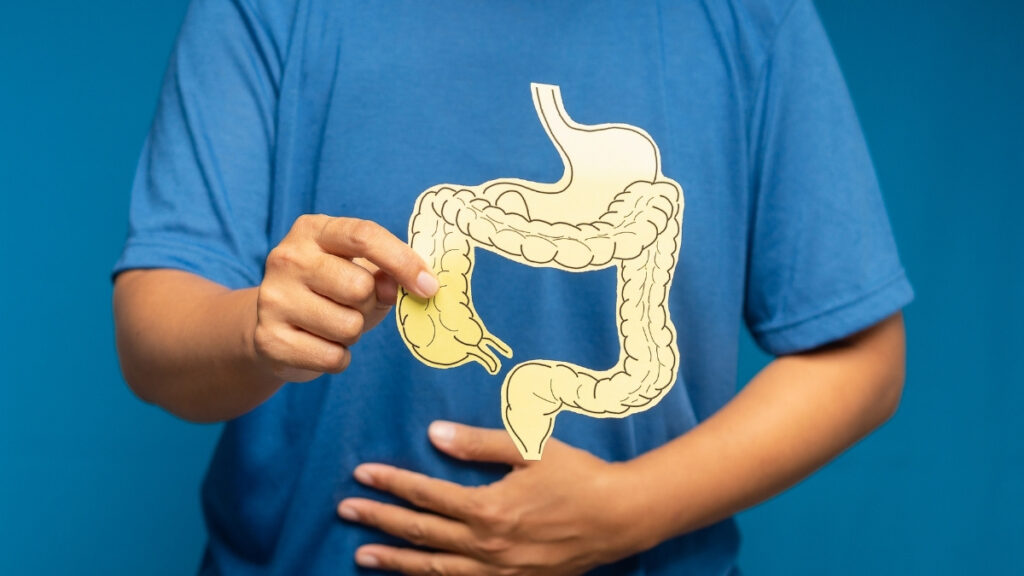
When you drink vinegar before eating, the acetic acid delays gastric emptying. That’s science talk for “food stays in your stomach longer.”
Why does this matter? Because glucose can only enter your bloodstream after food leaves your stomach and hits your small intestine. When food sits in your stomach longer, glucose absorption happens gradually instead of all at once.
Research confirms that acetic acid significantly reduces postprandial glucose and insulin responses. The mechanism is this delayed gastric emptying rate. You get a gentle slope instead of a sharp spike.
Second, vinegar makes your muscles better at using glucose

Your muscles are glucose sponges. When they’re working well, they pull glucose out of your bloodstream efficiently. When they’re not, glucose builds up.
Vinegar consumption increases insulin-stimulated glucose uptake by forearm muscle in people with type 2 diabetes. Translation: Your muscles absorb glucose more efficiently from your bloodstream after you drink vinegar.
The science gets interesting here. Acetic acid enhances glycogen repletion. This happens because of an accumulation of glucose 6-phosphate due to suppression of glycolysis. Don’t worry about memorizing those terms. Just know that vinegar helps your muscles store glucose as energy instead of leaving it floating in your blood.
Third, vinegar blocks some digestive enzymes
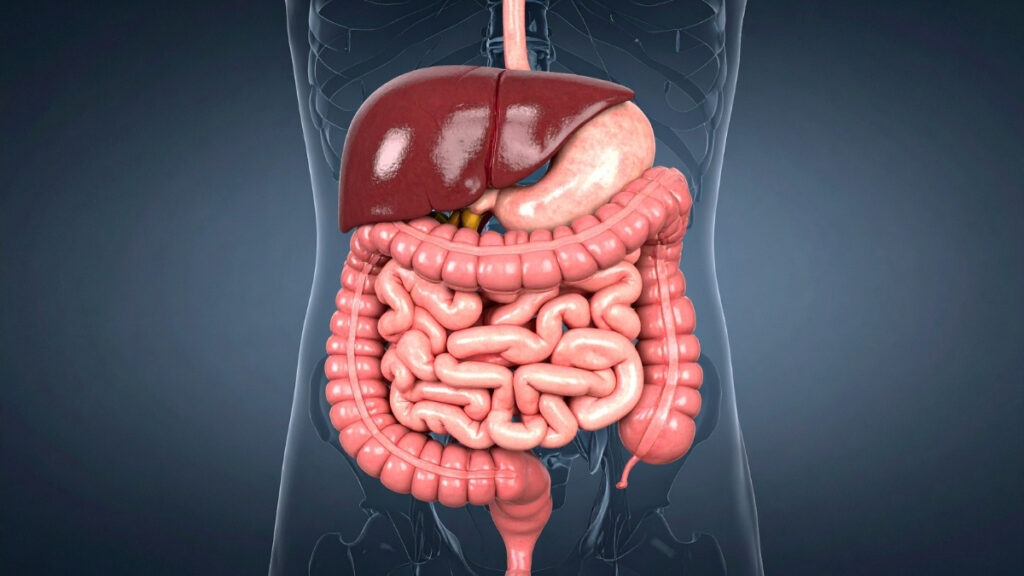
Your body uses enzymes to break down food. Alpha-amylase is the enzyme that breaks down starches into glucose molecules. The more active this enzyme is, the faster you get glucose in your bloodstream.
The acetic acid content of vinegar inhibits disaccharidase and alpha-amylase. These enzymes get temporarily slowed down. This means carbohydrates break down slower. Glucose enters your bloodstream more gradually.
Think of it like this. Normally your body turns a plate of pasta into glucose in a rush. With vinegar, that process happens at a more manageable pace.
Here’s a real example. Researchers studied patients with type 1 diabetes. They gave them two tablespoons of vinegar before a meal. The results were striking. The vinegar prevented postprandial spikes. Blood glucose remained unaltered until the end of the 240-minute experiment.
Four hours of stable blood sugar. From two tablespoons of vinegar.

All three mechanisms work together. Slower stomach emptying. Better muscle glucose uptake. Reduced enzyme activity. Your body gets three layers of protection against dramatic spikes.
How to Use the Vinegar Trick (Step-by-Step)
You don’t need special equipment. You don’t need expensive supplements. Here’s exactly what to do.
The basic method is simple:
- Choose any vinegar that contains 4-6% acetic acid. Check the label. Most vinegars qualify.
- Measure out 1-2 tablespoons. Start with one if you’re new to this.
- Mix it into at least 8 ounces of water. More is better. A full glass works great.
- Drink it through a straw 5-20 minutes before your meal. The straw protects your tooth enamel.
- That’s it. Four steps. Takes 30 seconds.
But there are other ways to get your vinegar:
Make a salad with vinegar-based dressing. Eat it before the rest of your meal. This gives you two benefits. The vinegar helps. And eating vegetables first creates a protective fiber mesh in your gut.
Eat pickled vegetables as a meal starter. Make sure to check labels. You want pickles without added sugar.
Mix vinegar “mocktails” with sparkling water and lemon. This tastes better than plain vinegar water. Some people actually enjoy it.
Timing matters, but don’t overthink it

Vinegar works best before high-carb meals. Pizza night. Pasta dinner. Pancake breakfast. Those are your target meals.
Some people find it easiest to take vinegar right when they wake up. If that helps you remember, go ahead.
But here’s what really matters: consistency. Taking vinegar before most high-carb meals beats taking it perfectly timed but rarely.
Let me give you specific examples:
Before pizza night, mix 1 tablespoon apple cider vinegar in a tall glass of water. Drink it while you’re setting the table.
With pasta dinner, start with an arugula salad dressed in olive oil and red wine vinegar. Then eat your pasta.
For breakfast routine, have your morning vinegar drink before your high-carb breakfast. Toast, cereal, oatmeal. All benefit from the vinegar trick.
You’ll notice I keep saying “dilute in water.” This isn’t optional. Never drink vinegar straight. Ever. We’ll talk about why in the safety section.
The method is so simple that people often think they’re missing something. You’re not. Mix, drink, wait a few minutes, eat. That’s the whole system.
Which Types of Vinegar Work Best?

Good news. You don’t need to spend $15 on fancy organic apple cider vinegar with “the mother.”
Any vinegar containing acetic acid works. The effect comes from the acetic acid, not from the type of fruit or grain used to make the vinegar.
Apple cider vinegar is the most popular. Marketing made it famous. But it’s not more effective than other vinegars. It’s just what most studies happened to use.
Here’s what works, ranked by effectiveness. But honestly, they’re all pretty similar:
- White wine vinegar. Mild taste. Easy to find. Cheap.
- Apple cider vinegar. The famous one. Slightly more expensive. Tastes fine diluted.
- Red wine vinegar. Stronger flavor. Works just as well.
- Rice vinegar. Gentle taste. Good if you’re sensitive to strong flavors.
- Cherry vinegar. Hard to find but effective.
- Balsamic vinegar. Use traditional balsamic, not glaze. The real stuff works.
What to avoid:
Vinegar gummies don’t work. The manufacturing process changes the structure. You lose the effectiveness. Don’t waste your money. Balsamic glaze often has added sugar. Check the label. If it lists sugar, skip it.
Neutralized vinegar won’t help. The acidity is necessary for the effect. If someone tells you they’ve made vinegar “easier on your stomach” by reducing acidity, it won’t work for blood sugar.
Cost matters to most people. Good. Because the $3 bottle of white wine vinegar works just as well as the $15 organic apple cider vinegar. Buy what fits your budget.
Some people care about taste. If you hate the taste of one vinegar, try another. As long as it has acetic acid, it’ll work. Find one you can tolerate easily.
The bottom line? Don’t overthink this. Grab any vinegar from your grocery store that lists acetic acid content around 4-6%. You’re good to go.
Real Results: What Recent Studies Show

The research from 2024 and 2025 shows consistent results. A meta-analysis published in January 2025 found that apple cider vinegar significantly improves fasting blood sugar and HbA1c in type 2 diabetes patients.
HbA1c is your three-month average blood sugar. It’s the number doctors use to track diabetes control. When that number goes down, it means real improvement.
A 2024 study indicates that consuming apple cider vinegar may help with weight management, blood glucose, and blood lipid levels. Not just blood sugar. Multiple health markers improved.
But here’s the most interesting finding. An experiment with the Levels community included 57% of participants who saw reduced glucose responses when drinking vinegar with meals. More than half. That’s a good success rate.
Long-term benefits go beyond just lower spikes:
People using vinegar daily for three months showed reduced visceral fat. That’s the dangerous fat around your organs.
Triglyceride levels dropped. Lower triglycerides mean better heart health. HbA1c decreased. Again, that three-month blood sugar average improved.
Some research suggests potential PCOS symptom improvement. More studies are needed, but early results look promising.
Who benefits most?
This is important. The people who spent less than 70 percent of their day in healthy blood sugar range benefited most. Their average reduction was 16 mg/dL.
Think about what this means. If your blood sugar is already pretty stable, vinegar helps a little. If your blood sugar swings wildly, vinegar helps a lot.
You’re not “too far gone” for this to work. Actually, the opposite is true. The worse your blood sugar control, the more you might benefit.
These aren’t tiny changes in obscure markers. These are meaningful improvements in real health measures that doctors actually care about.
And remember, this is from one tablespoon of vinegar before meals. Not a prescription drug. Not an expensive supplement. Just vinegar.
Important Safety Considerations and Side Effects
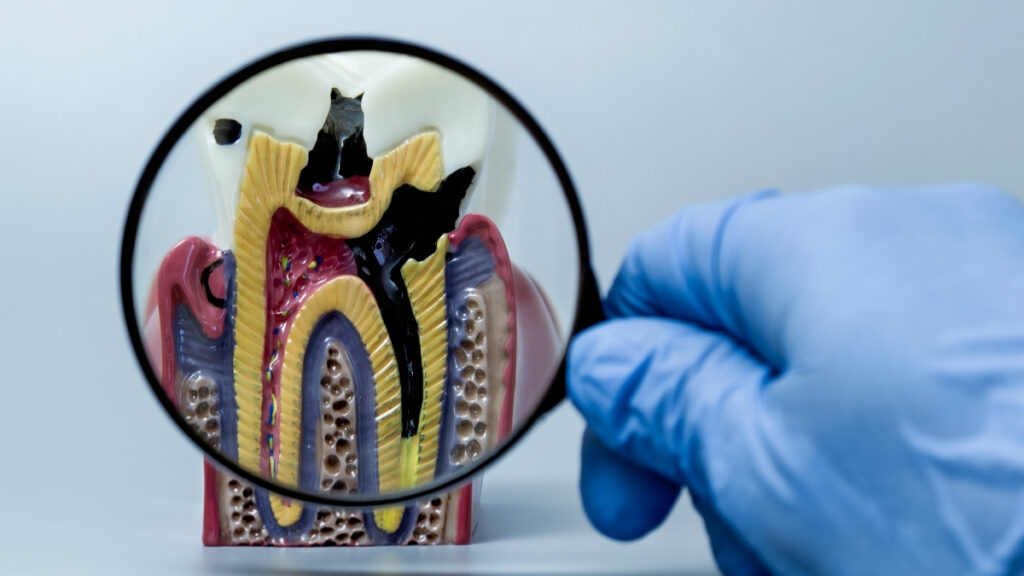
Protect your teeth. This is serious. Apple cider vinegar can degrade tooth enamel. This leads to pain and increased risk of tooth decay. The American Dental Association warns about this.
A 2014 study showed that tooth enamel exposure to vinegar could result in as much as a 20% loss of enamel. Twenty percent. That’s permanent damage.
Here’s how to protect yourself:
- Always dilute vinegar in water. At least 8 ounces. More is better.
- Use a straw. This keeps vinegar away from your teeth.
- Rinse your mouth with plain water after drinking vinegar.
- Wait 30 minutes before brushing your teeth. Brushing immediately after vinegar exposure scrubs away softened enamel.
Watch your potassium levels.
There have been reports of apple cider vinegar causing or worsening low potassium levels. This condition is called hypokalemia.
Excessive consumption can lead to dangerously low potassium. This is particularly concerning if you take heart medications like digoxin.
The fix is simple. Stick to recommended doses. That’s 1-2 tablespoons daily. Not more.
Check medication interactions.
Consuming vinegar can affect how your body regulates blood sugar levels. That’s the point. But it can cause problems with certain medications.
Vinegar may increase your risk of hypoglycemia if you take diabetes medications. Your blood sugar could drop too low. It interacts with diuretics and insulin. The combination can be dangerous.
If you take any medications, consult your healthcare provider before starting the vinegar trick. Show them this article. Ask if it’s safe for you specifically.
Some people get digestive issues.
Vinegar may cause nausea or heartburn. Some people experience esophageal ulceration and burning. Others develop or worsen gastroparesis.
Start with smaller amounts if you have a sensitive stomach. Try half a tablespoon first. See how you feel.
Who should avoid vinegar entirely?
Pregnant or breastfeeding women should skip this. There isn’t enough research on safety during pregnancy.
People with kidney disease shouldn’t use vinegar without doctor approval. Potassium regulation is already complicated for you.
If you have existing gastroparesis, vinegar might make it worse. Talk to your doctor. Anyone with active digestive disorders should get medical clearance first.
The vinegar trick is powerful. But it’s not risk-free. Follow the dilution rules. Watch for side effects. And get medical advice if you take medications or have health conditions.
Common Mistakes to Avoid

People mess this up in predictable ways. Learn from their mistakes.
Never take undiluted vinegar. Some people think drinking it straight will work better. It won’t. It’ll damage your esophagus and destroy your tooth enamel. Always dilute.
Vinegar gummies are a waste of money. The structure changes during manufacturing. You don’t get the same effect. Stick to liquid vinegar.
Don’t brush your teeth immediately after drinking vinegar. Wait at least 30 minutes. Vinegar softens enamel temporarily. Brushing scrubs it away.
More isn’t better. Some people drink three vinegar drinks daily thinking they’ll get triple the benefits. You won’t. You’ll get side effects instead. One to two tablespoons daily is the sweet spot.
Vinegar doesn’t replace medications. If you have diabetes and take medication, don’t stop. Vinegar is an addition to your treatment, not a replacement. Work with your doctor.
The vinegar trick works best with complex carbs, not simple sugars. Using vinegar before eating candy won’t help much. It’s designed for meals with bread, pasta, rice, potatoes.
Let me give you specific examples:
Wrong: Drinking straight vinegar shots from a shot glass.
Right: 1 tablespoon diluted in 8-12 ounces of water through a straw.
Wrong: Three vinegar drinks daily before every meal.
Right: One drink before your highest-carb meal of the day.
Wrong: Taking vinegar and immediately brushing your teeth to get rid of the taste.
Right: Rinsing with water and waiting 30 minutes before brushing.
Wrong: Stopping your metformin because vinegar is “natural.”
Right: Using vinegar alongside your prescribed medications with your doctor’s knowledge.
Wrong: Drinking vinegar before eating a candy bar.
Right: Drinking vinegar before meals with pasta, rice, bread, or potatoes.
These mistakes seem small. But they’re the difference between getting results and getting hurt.
Maximizing Results: Combining Vinegar with Other Strategies

Vinegar works well alone. But it works even better combined with other blood sugar strategies.
Here’s what makes the biggest difference:
Eat vegetables first at meals. Fiber creates a protective mesh in your gut. This mesh slows down glucose absorption. Combined with vinegar, you get double protection.
Walk for 10 minutes after eating. Your muscles absorb glucose when they’re active. A short walk pulls glucose out of your bloodstream. Do this after your highest-carb meal.
Choose savory breakfast over sweet. Starting your day with protein and healthy fats instead of sugar sets you up for stable blood sugar all day.
Eat desserts after meals, not alone. If you want something sweet, eat it right after a balanced meal. Never on an empty stomach. The fiber and protein from your meal blunt the sugar spike.
The complete strategy looks like this:
Start with a veggie starter dressed in vinegar. This gives you the double benefit of fiber and acetic acid.
Eat your protein and healthy fats next. Chicken, fish, eggs, nuts, avocado. Whatever you’re having.
Save carbohydrates for last. Bread, pasta, rice, potatoes. By the time you eat these, your stomach already has fiber and protein to slow absorption.
Take a short walk after your meal. Even 10 minutes helps. Walk around the block. Clean the kitchen. Just move.
Think of these strategies as layers of protection. Each one helps a little. Together, they create significant blood sugar control.
Some people see dramatic improvements just from the vinegar trick alone. Others need to combine multiple strategies. Experiment and see what works for your body.
The goal isn’t perfection. The goal is better. Smaller spikes. More stable energy. Fewer cravings. Less fatigue.
You’ll know it’s working when you stop crashing after meals. When you can think clearly all afternoon. When you’re not starving an hour after eating.
FAQs About the Vinegar Trick
How long until I see results?
Most people notice effects within the first few meals. Your energy stays more stable. You don’t crash as hard. For measurable changes in fasting blood sugar or HbA1c, give it at least 4-8 weeks of consistent use.
Can I use vinegar if I don’t have diabetes?
Yes. Blood sugar spikes affect everyone who eats carbs. You don’t need a diabetes diagnosis to benefit from more stable blood sugar. Better energy and fewer cravings are valuable for everyone.
Is morning or evening timing better?
It depends on when you eat your highest-carb meal. Most people eat more carbs at dinner. If that’s you, use vinegar before dinner. If you eat a carb-heavy breakfast, use it then. Match your vinegar timing to your carb intake.
What if I don’t like the taste?
Mix it with more water. Add lemon or lime juice. Use it in salad dressing instead of drinking it. Try different types of vinegar until you find one that’s tolerable. Some people grow to like it over time.
Will this help with weight loss?
Maybe. Some studies show modest weight loss with daily vinegar use. But don’t expect magic. The main benefit is better blood sugar control. Any weight loss is a bonus, not the primary goal.
Can I use lemon juice instead?
No. Lemon juice doesn’t have acetic acid. It has citric acid. Different compound. Different effect. Lemon won’t flatten glucose spikes the way vinegar does.
How does this compare to medication?
Vinegar is not a replacement for diabetes medication. For some people with prediabetes, it might help enough to avoid needing medication later. But if you’re already on medication, don’t stop. Use vinegar as an additional tool, not a replacement.
Is apple cider vinegar better than other vinegars?
No. Apple cider vinegar is popular because of marketing. All vinegars with acetic acid work similarly. Choose based on taste preference and price, not health claims.
Can I take too much vinegar?
Yes. Stick to 1-2 tablespoons daily. More can cause low potassium, digestive issues, and tooth enamel damage. More is not better here.
The Bottom Line
The vinegar trick represents a simple, science-backed method for reducing blood sugar spikes by up to 30%. With minimal effort—just one tablespoon of vinegar diluted in water before high-carb meals—you can experience steadier energy, fewer cravings, and better long-term metabolic health.
Research from 2025 confirms what earlier studies suggested. Vinegar works. It delays gastric emptying. It improves insulin sensitivity. It inhibits digestive enzymes. All three mechanisms combine to flatten your glucose curve.
Here’s what you need to remember:
Any vinegar with acetic acid works. Don’t waste money on expensive brands. Dilution and timing are crucial. Always mix with water. Drink before meals.
Protect your teeth by using a straw. Rinse your mouth afterward. Wait before brushing.
This is not a replacement for medical treatment. If you have diabetes, keep taking your medications.
Consistency produces the best results. One tablespoon before your highest-carb meal daily beats perfect timing but inconsistent use.
The people who benefit most are those with unstable blood sugar. If you experience energy crashes, intense cravings, or afternoon fatigue after meals, you’re a perfect candidate for this trick.
Start tonight with your highest-carb meal of the day.
Mix one tablespoon of vinegar into a tall glass of water. Drink it through a straw 10 minutes before eating. Pay attention to how you feel afterward.
Track your energy levels over the next two weeks. Notice whether you crash after meals. Check if your cravings decrease. See if you can think more clearly in the afternoon.
The vinegar trick for blood sugar control is one of the simplest, most affordable strategies you can implement today for better glucose management and metabolic health.
It costs less than a dollar per week. Takes 30 seconds. And might change how you feel every single day. Try it. See what happens. Your body will tell you if it’s working.
