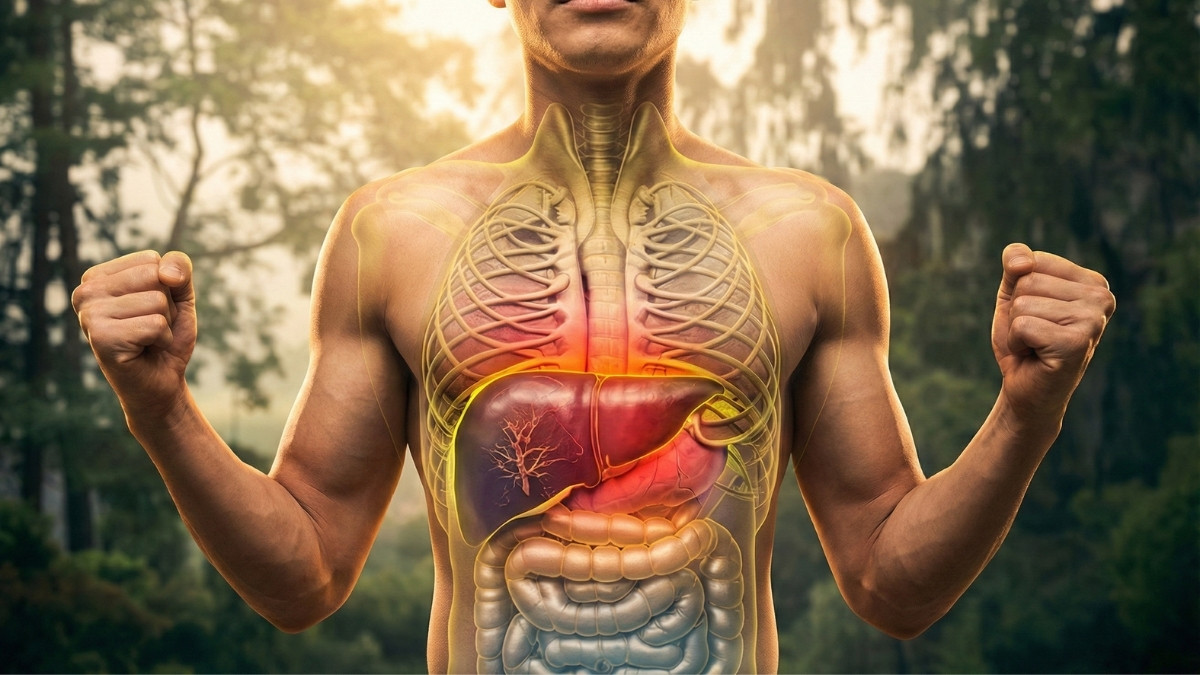
Your liver doesn’t need a trendy “juice cleanse”—it needs the right fuel to do the job it’s already doing. Modern diets high in sugar and processed fats leave this vital organ feeling “exhausted,” which leads to sluggishness and dangerous fat buildup known as NAFLD.
To fix this, you need to eat liver-healthy foods that support liver function naturally. In this guide, you will learn about 12 specific foods that act as a natural detox by activating enzymes and providing the antioxidants necessary for filtration. These simple dietary changes will help your liver recover and thrive.
Cruciferous Veggies
Contains glucosinolates. Helps the liver create cleaning enzymes to flush out chemicals and toxins.
Steam lightly to keep nutrients active. Eat a few times a week.
1. Cruciferous Veggies (Broccoli & Brussels Sprouts)
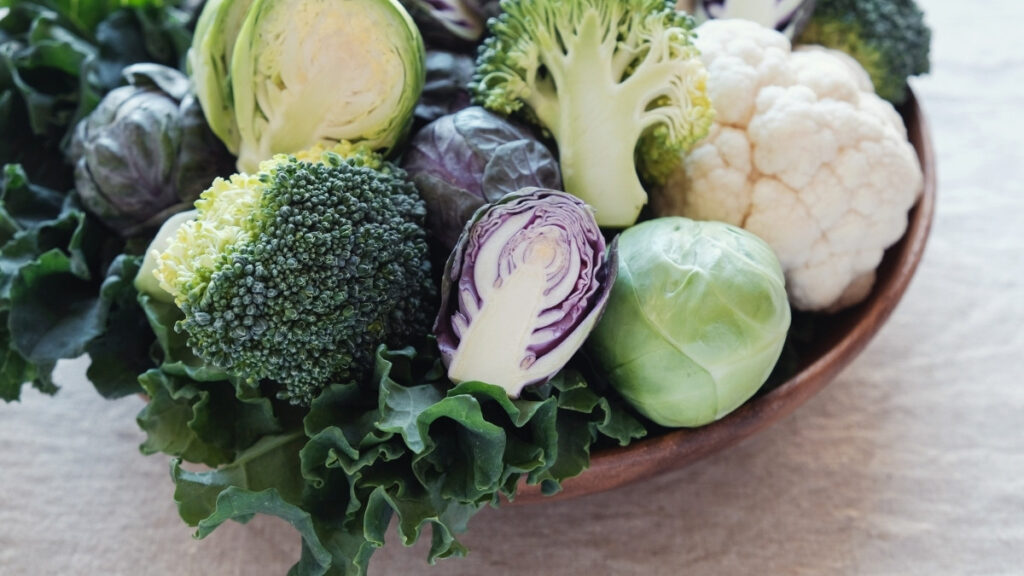
These vegetables are famous for containing a compound called glucosinolates. When you chew them, your body turns this into a tool that helps the liver create cleaning enzymes. This process is essential for flushing out chemicals we breathe in or eat every day.
Adding broccoli or sprouts to your plate gives your liver the building blocks it needs to stay strong. Without these nutrients, your liver has to work much harder to filter your blood. It is a simple way to keep your internal filter from getting overwhelmed.
You can eat these veggies raw, steamed, or roasted. Steaming is often the best choice because it keeps the most nutrients alive. Try to have at least one serving a few times a week to see the best results.
The Benefit: Increases your liver’s natural cleaning power.
Quick Tip: Steam them lightly to keep the nutrients active.
2. Leafy Greens (Spinach & Arugula)
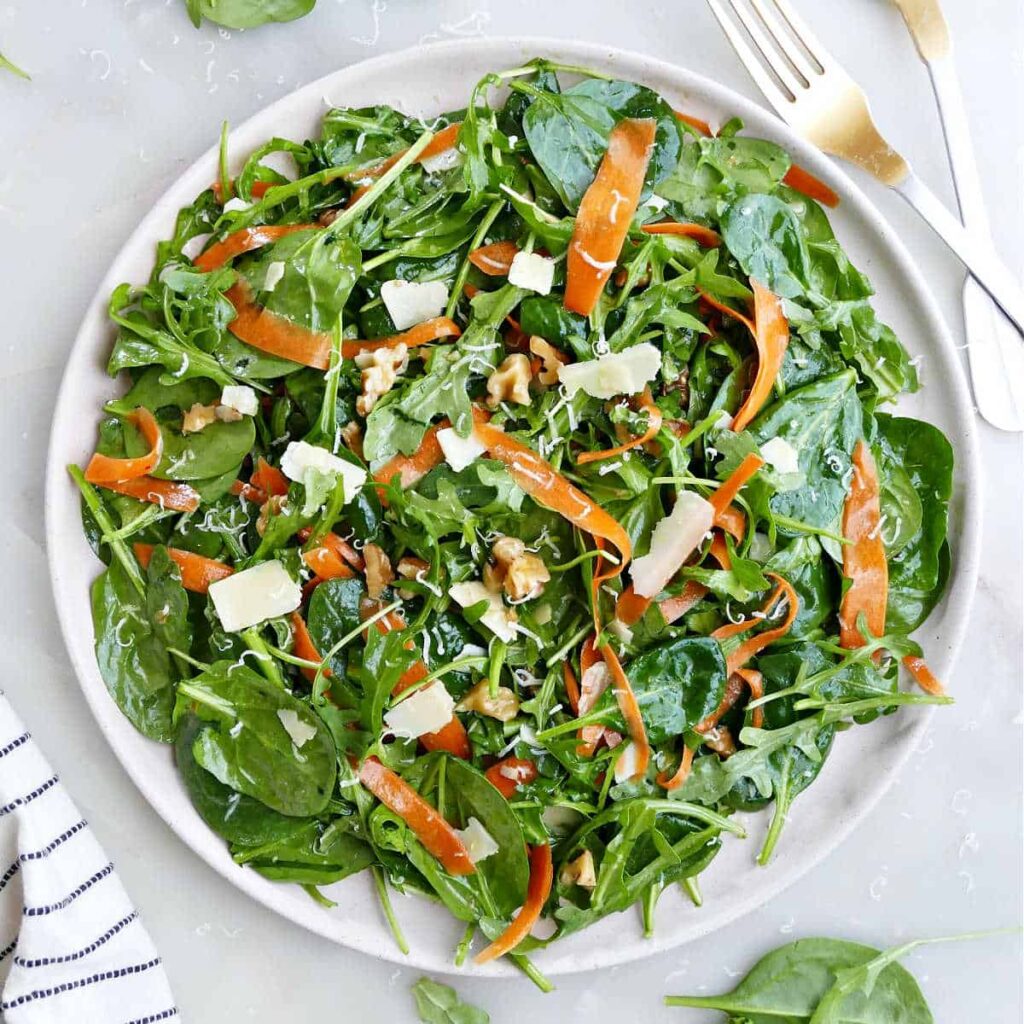
Leafy greens are loaded with chlorophyll, which gives them their deep green color. This chlorophyll acts like a magnet for heavy metals and pesticides. It helps pull these harmful things out of your blood before they can damage your liver.
Eating more greens also provides your body with a lot of water and fiber. This helps your digestion run smoothly so waste doesn't sit in your system too long. When your gut is clean, your liver has less work to do.
You can easily hide spinach in many different meals. Toss a handful into a pasta sauce or a fruit smoothie. It is a painless way to protect your liver without changing your whole life.
The Benefit: Offers a chemical shield for your liver cells.
Quick Tip: Add a handful of spinach to your morning smoothie.
3. Berries (Blueberries & Cranberries)
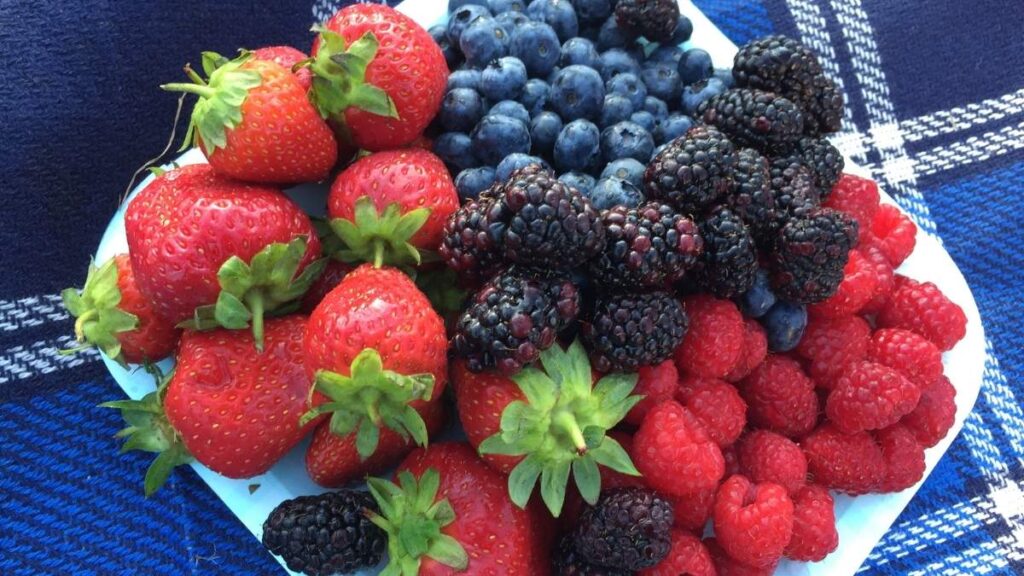
Berries contain a special type of antioxidant called anthocyanins. These are what make the berries blue or red. They act like a tiny shield for your liver cells, protecting them from damage caused by stress and processed foods.
Research suggests that eating berries can help stop scar tissue from forming in the liver. This is important because scarring can lead to permanent damage over time. Berries keep the liver soft and healthy so it can do its job.
You don't need to eat a lot of them to get the benefits. A small cup of fresh or frozen berries a day is plenty. They are a great sweet treat that actually helps your body heal.
The Benefit: Lowers the risk of liver scarring and cell damage.
Quick Tip: Eat them fresh or frozen as a daily snack.
4. Garlic
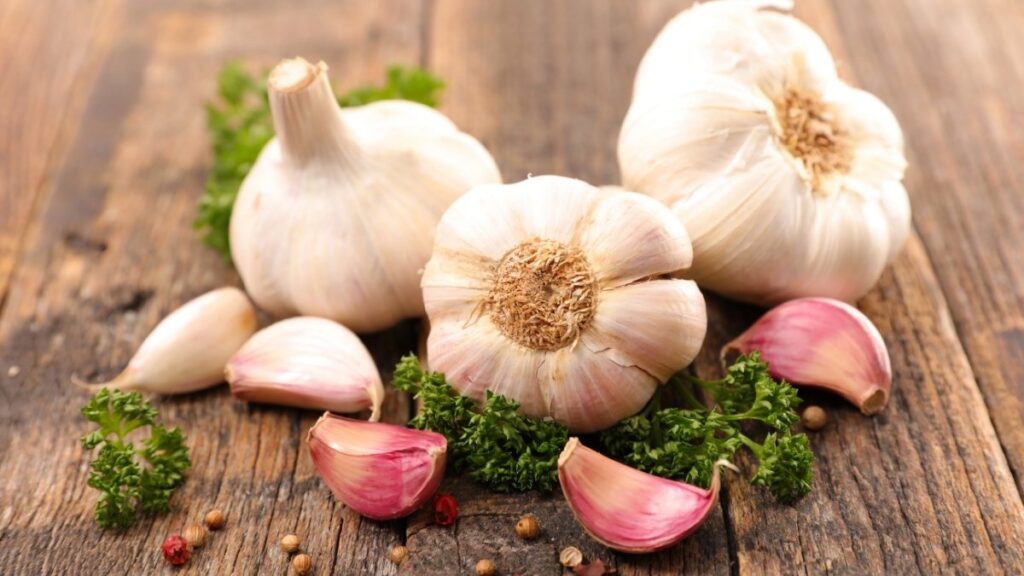
Garlic is packed with sulfur and a mineral called selenium. These two things are like a "start button" for your liver's enzymes. These enzymes are what actually break down toxins and get them out of your body.
Garlic also has natural properties that fight bad bacteria and fungus. This helps keep your whole body healthy so your liver doesn't get distracted. It is one of the most powerful tools in your kitchen for staying well.
To get the most out of garlic, you should crush it or chop it. Let it sit for about ten minutes before you put it in a hot pan. This short wait time lets the healthy compounds fully develop.
The Benefit: Activates the "clean-up crew" in your blood.
Quick Tip: Let chopped garlic sit for 10 minutes before cooking.
5. Coffee
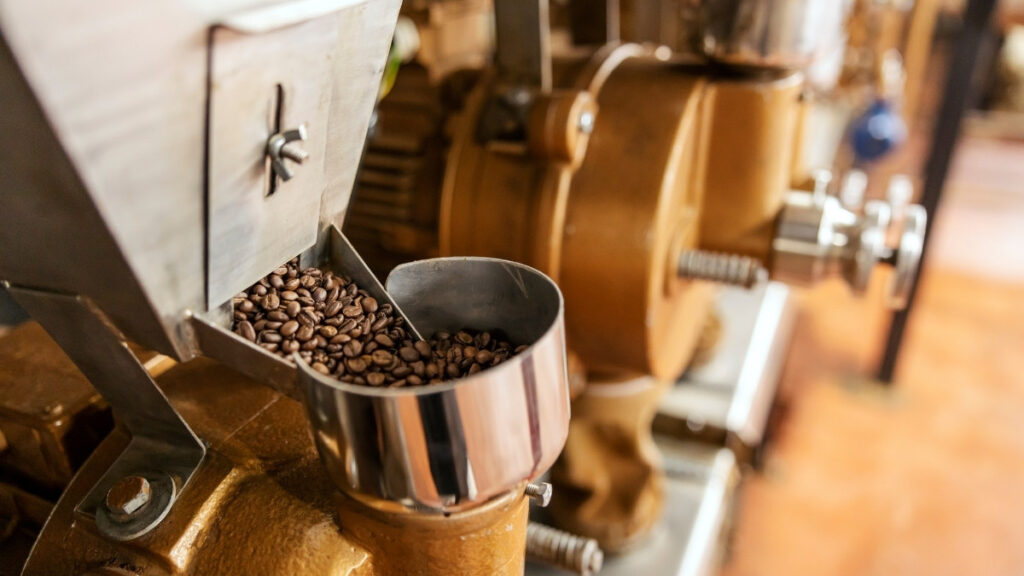
Many people are surprised to learn that coffee is actually good for the liver. It helps lower the levels of fat that can build up inside your liver over time. This is one of the best ways to prevent long-term liver issues.
Coffee also increases the level of antioxidants in your body. These antioxidants help neutralize the harmful bits that can cause inflammation. It's a simple habit that many people already have.
The key is to drink it without adding a lot of heavy cream or sugar. Sugar is hard on the liver, so plain coffee is the healthiest choice. Even just one or two cups a day can make a difference.
The Benefit: Reduces the risk of permanent liver damage and cancer.
Quick Tip: Stick to black coffee or use very little sugar.
6. Green Tea
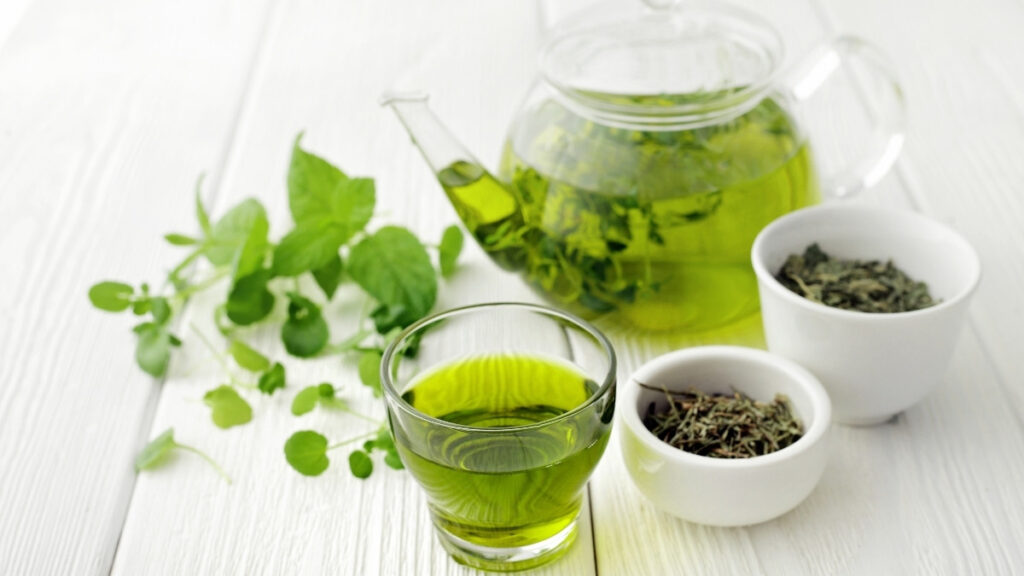
Green tea is full of plant compounds called catechins. These compounds are known to improve liver enzyme levels and reduce fat. Think of it as a gentle rinse for your internal filter.
Drinking green tea regularly can help your body burn fat for energy instead of storing it. This is very helpful for people worried about fatty liver disease. It is a relaxing way to support your health.
Try to drink tea that you brew yourself from a tea bag or loose leaves. Bottled green teas often have a lot of sugar, which cancels out the benefits. A warm cup of tea in the afternoon is a great liver-saving habit.
The Benefit: Helps "wash away" excess fat stored in the liver.
Quick Tip: Drink 2-3 cups a day for the best results.
7. Beets
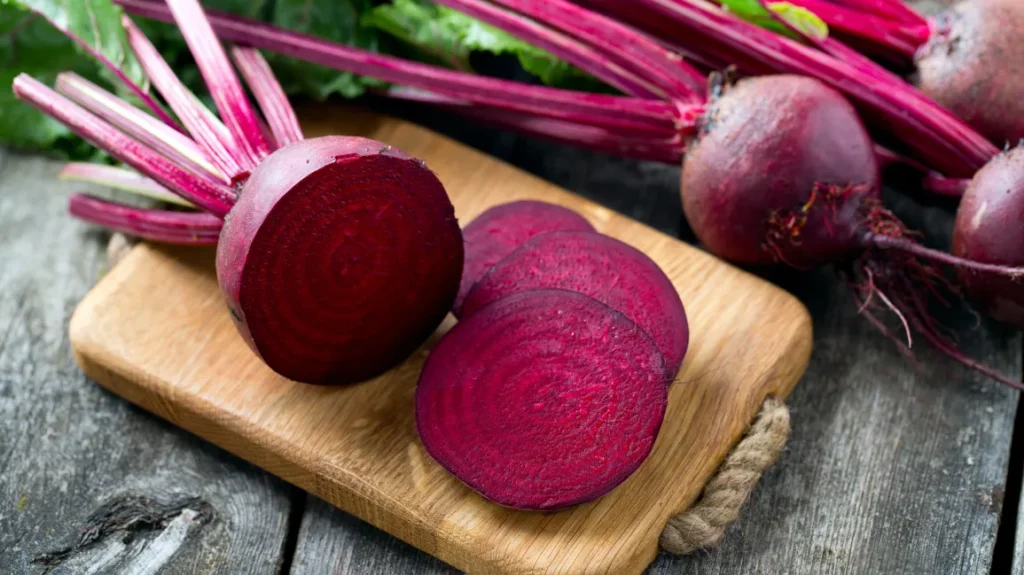
Beets contain a unique pigment called betalain. This pigment is a strong anti-inflammatory that specifically targets the liver. It helps reduce the stress that your liver feels after a weekend of eating heavy foods.
Beets also help increase the flow of blood and oxygen to your cells. Better blood flow means your liver can filter waste more quickly. This can help you feel less sluggish and more energetic.
You can eat beets in many ways, such as roasting them or drinking beet juice. If you find the taste too earthy, try mixing them with an apple or carrot. They add a great boost of color and health to any meal.
The Benefit: Protects the liver from oxidative stress and DNA damage.
Quick Tip: Grate raw beets into a salad for a crunchy boost.
8. Whole Grains (Oats & Brown Rice)
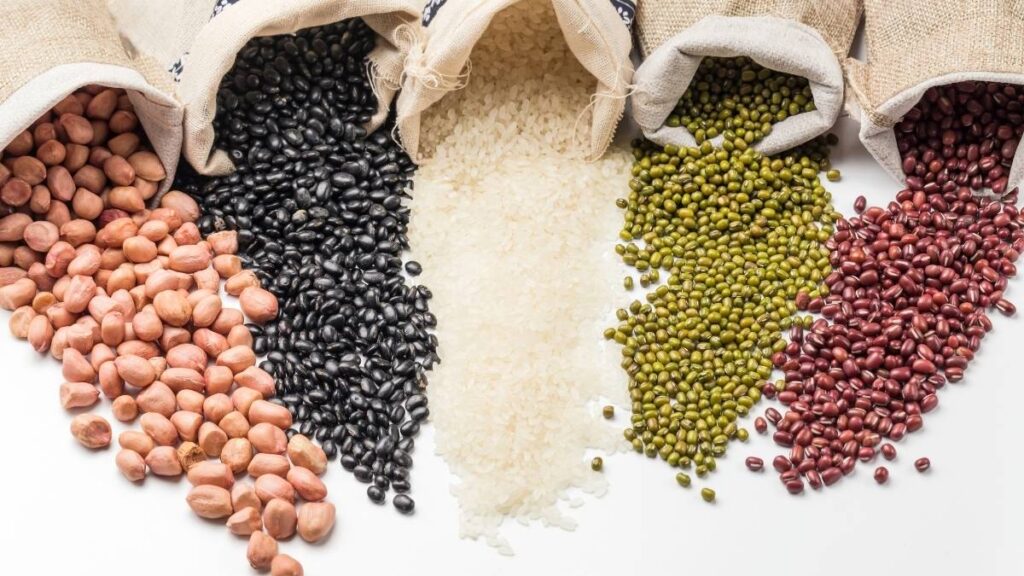
Whole grains are a fantastic source of fiber. Fiber is important because it helps your body move waste out of your bowels. When waste moves quickly, the liver doesn't have to re-process the same toxins.
Grains like oats also contain specific fibers that help balance your cholesterol. High cholesterol can put a lot of pressure on your liver. Eating oats for breakfast is an easy way to start your day with liver support.
Avoid "white" grains like white bread or white rice when you can. These have the fiber removed and can spike your blood sugar. Stick to the brown or whole versions to get the real benefits.
The Benefit: Keeps your digestion moving so the liver doesn't get backed up.
Quick Tip: Swap white bread for 100% whole-grain versions.
9. Nuts & Seeds (Walnuts & Chia)
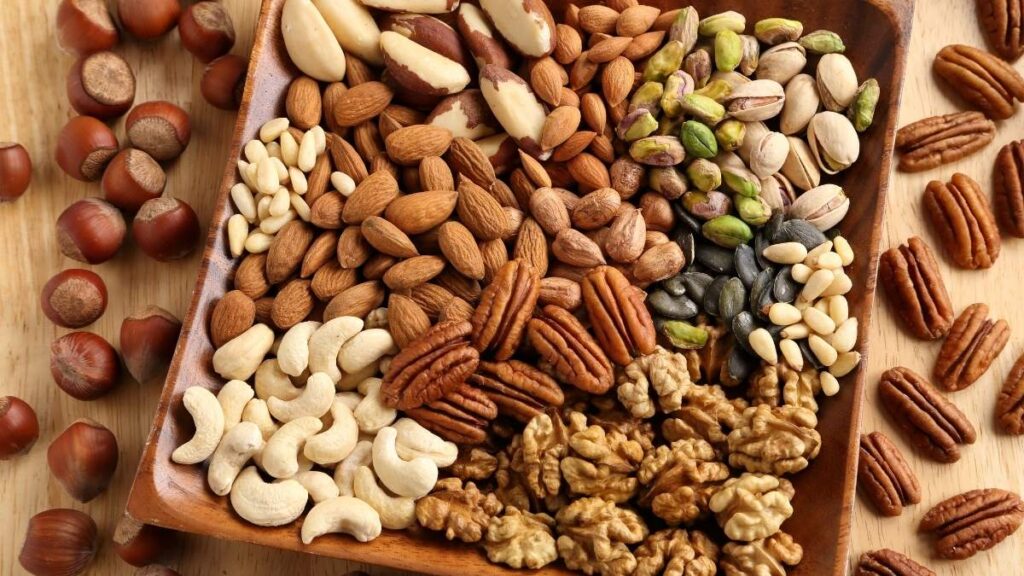
Nuts and seeds are high in healthy fats called Omega-3s. These fats are excellent at reducing inflammation throughout your entire body. They specifically help lower the amount of fat stored in liver tissue.
They also contain Vitamin E, which is a powerful antioxidant for your liver. Having a healthy balance of fats and vitamins helps your liver stay flexible and strong. It’s a great alternative to salty or sugary snacks.
You only need a small handful each day to get what you need. Overeating nuts can add too many calories, so stay mindful of the portion. Walnuts and chia seeds are two of the best choices for liver health.
The Benefit: Improves liver enzyme levels and fights fat buildup.
Quick Tip: Keep a small bag of walnuts in your car for a snack.
10. Olive Oil
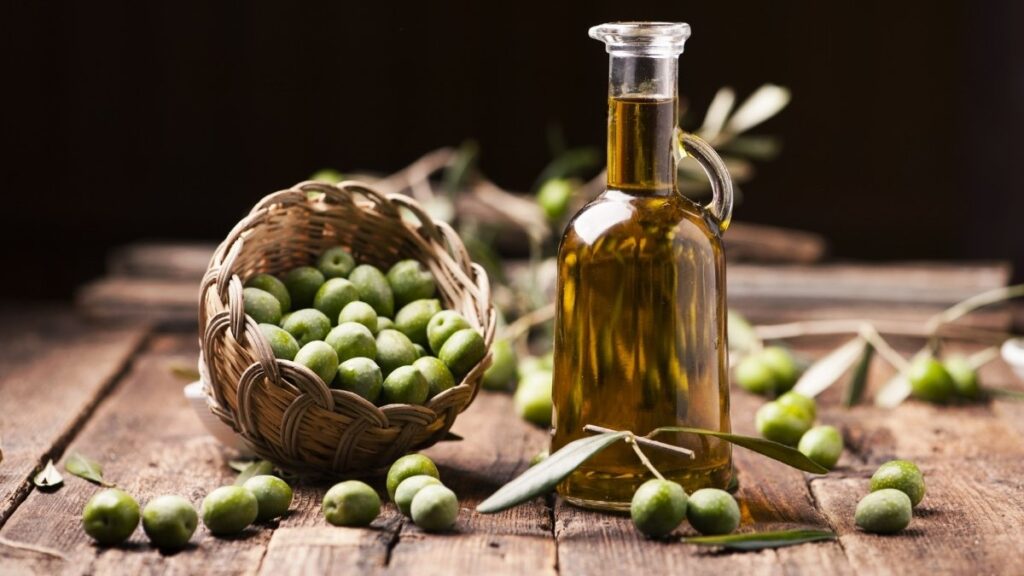
Olive oil is considered a "liquid gold" for your health. Using it instead of butter or vegetable oil can lower your liver enzymes. This is a sign that your liver is under less stress.
It helps your body process fats better and reduces the risk of fat buildup. This is especially true for the "extra virgin" kind, which has the most nutrients. It is one of the easiest swaps you can make in your kitchen.
You can use it for low-heat cooking or as a dressing for your veggies. Just a tablespoon or two a day is enough to help your liver function better. It makes your food taste great while doing a big favor for your body.
The Benefit: Improves blood flow and enzyme function.
Quick Tip: Use it for salad dressings instead of creamy versions.
11. Grapefruit
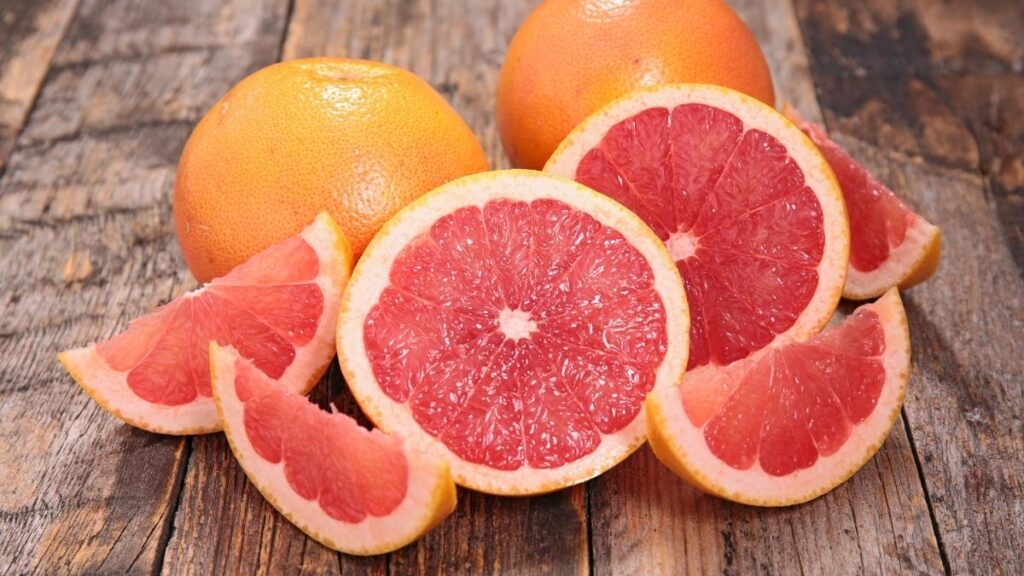
Grapefruit has two special antioxidants: naringenin and naringin. These two work together to protect the liver from injury. They also help the liver burn fat more efficiently so it doesn't get "exhausted."
Eating grapefruit can help reduce the amount of fat that sticks to your liver cells. It also helps with inflammation, which is the main cause of liver pain and fatigue. It is a refreshing way to start your morning.
Be careful if you take certain medications, as grapefruit can sometimes change how they work. Always check with a doctor if you are on medicine before adding a lot of grapefruit to your diet. Otherwise, it is a fantastic liver-rescue food.
The Benefit: Naturally shields liver cells from inflammation.
Quick Tip: Eat the whole fruit instead of just the juice.
12. Artichokes
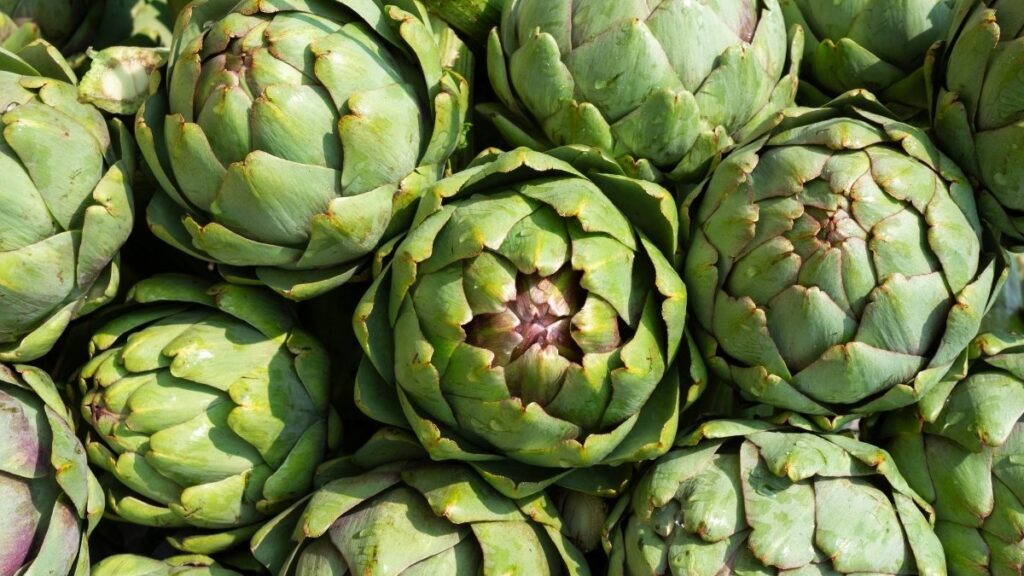
Artichokes are famous for helping the liver produce more bile. Bile is like a natural soap that your body uses to digest fats. Without enough bile, your liver gets backed up and tired.
They also contain silymarin, which is an herbal compound often used to treat liver problems. Eating the actual vegetable gives you a natural dose of this medicine. It helps the liver regenerate and grow new, healthy cells.
You can find artichokes fresh, frozen, or even canned in water. They are a great addition to salads, pizzas, or as a side dish. Adding them to your diet is a smart move for long-term liver health.
The Benefit: Boosts digestion and speeds up waste removal.
Quick Tip: Try canned artichoke hearts for an easy salad topping.
4 Lifestyle Habits to Lighten the Load
Eating the right foods is a great start, but your daily habits also determine how hard your liver has to work. Drinking plenty of water is the simplest way to help your liver move toxins out of your body.
When you are hydrated, your blood is thinner, making it much easier for your liver to filter it. You should also aim for deep sleep, as this is when your liver does its best repair work.
Exercise is another key factor because it helps reduce visceral fat, which is the dangerous fat stored around your organs. Even a daily walk can take the pressure off your internal filter.
Finally, try to cut back on refined sugars like soda and white bread. Sugar is one of the main reasons a liver becomes "exhausted" and fatty. By making these small changes, you give your liver the breathing room it needs to keep you healthy.
Conclusion
Your liver is a built-in powerhouse that works best when it has the right nutrients, not a temporary "flush" or liquid diet. By focusing on real, whole foods, you provide the antioxidants and fiber needed to keep your system running smoothly.
Remember, a healthy liver means more energy, better digestion, and a stronger immune system. You don't have to change everything at once to see a difference.
The best liver health foods are often the simplest ones found in your local produce aisle. Helping your body’s natural filter is about consistency rather than perfection. Start small and listen to how much better your body feels when it is properly fueled.
CTA: Ready to start? Choose 3 of these foods to add to your grocery list today and give your liver the rescue it deserves.
