
Most people spend big on heart-health supplements, but the smarter move may already be sitting in your pantry.
Beans are rich in soluble fiber, a type that helps lower LDL cholesterol by binding bile acids and supporting steadier blood sugar.
They will not magically erase plaque overnight, but adding them to a heart-healthy daily routine can support cleaner arteries, better circulation, and long-term cardiovascular protection for less than a latte.
The Socioeconomic Urgency of Cardiovascular Intervention
In the current medical landscape, cardiovascular disease (CVD) remains an unprecedented challenge to global public health.
Statistical data compiled by the American Heart Association (AHA) and the National Institutes of Health (NIH) reveal that coronary heart disease (CHD) alone was the leading cause of death in 2022, accounting for approximately 39.5% of deaths attributable to CVD in the United States.
Despite these astronomical expenditures on high-tech interventions and expensive proprietary supplements, the rate of heart attack remains alarmingly high, with an occurrence approximately every 40 seconds in the United States.
The $1.68 Solution
Simple pantry staples outperform expensive supplements. Daily dried beans bind bile acids and slash inflammation markers.
The persistence of these statistics suggests a fundamental disconnect between expensive pharmacological or supplemental strategies and the daily dietary realities of the average adult.
High-quality heart-health supplements, such as Coenzyme Q10 (CoQ10) or specialized green powders, can cost a consumer between $30 and $99 per month.
However, emerging research indicates that specific, low-cost pantry staples—primarily dried beans and legumes—possess a bioactive profile that not only manages but can actively facilitate artery plaque removal more effectively than many isolated supplements.
Dried Beans
As of November 2025, the average price for a one-pound bag of dried beans in U.S. cities stands at approximately $1.68.
This humble staple provides a mechanism for cholesterol clearance that isolated capsules cannot replicate: the delivery of complex soluble fiber matrices that bind to bile acids, forcing the systemic removal of low-density lipoprotein (LDL) or "bad" cholesterol.
The $1.68 Solution for Artery Plaque Removal: Mechanisms of Legume Efficacy
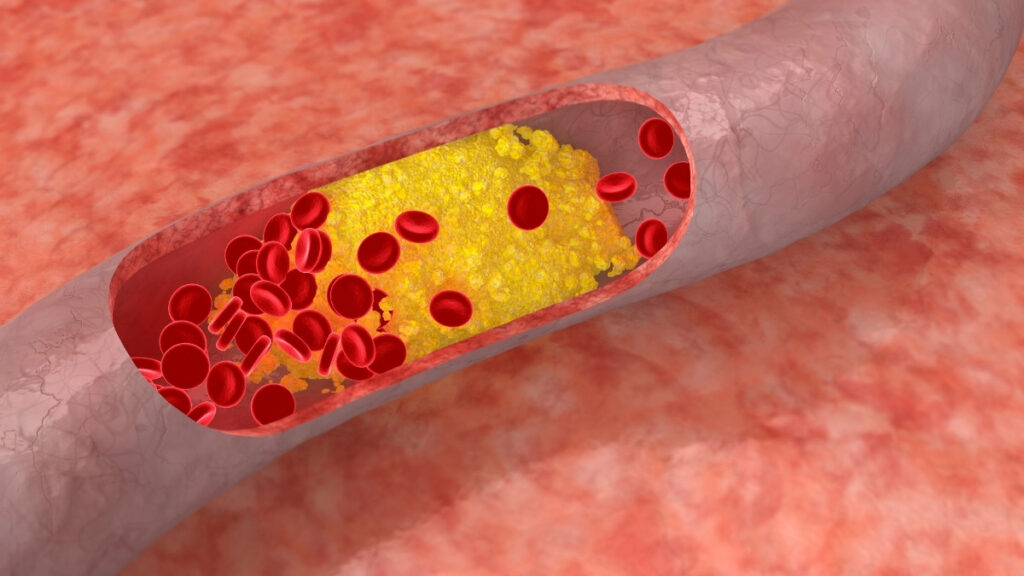
The primary driver of atherosclerosis is the accumulation of LDL cholesterol within the arterial walls, which eventually hardens into plaque. Clinical evidence suggests that the consistent consumption of beans (legumes) is one of the most effective non-pharmacological interventions for this condition.
A study presented at the NUTRITION 2025 conference highlighted that adults with pre-diabetes who consumed one cup of black beans daily for 12 weeks saw a significant reduction in the pro-inflammatory marker interleukin-6 (IL-6), which dropped from approximately $2.57 pg/mL to $1.88 pg/mL.
This reduction in inflammation is critical, as chronic low-grade inflammation is a known catalyst for the progression of atherosclerosis and the destabilization of existing plaque. The mechanism is two-fold:
Bile Acid Sequestration: The soluble fiber in beans binds to bile acids in the digestive tract. Since the body requires cholesterol to produce more bile, it is forced to pull LDL from the bloodstream, effectively lowering total and LDL cholesterol levels.
Short-Chain Fatty Acid (SCFA) Production: Fiber fermentation in the gut produces SCFAs that help regulate glucose and insulin levels, further reducing the metabolic stress that leads to arterial injury.
Research indicates that the daily consumption of just $1/2$ cup of pinto beans can decrease total and LDL cholesterol by more than 8% within eight weeks. When scaled to one cup per day, studies have shown a 38% lower risk of nonfatal heart attack.
For the consumer in 2025, this translates to a massive health ROI; using dried beans instead of canned versions can save an individual approximately $248 annually while providing superior fiber density.
Flaxseed: The Milled Miracle for Arterial Elasticity
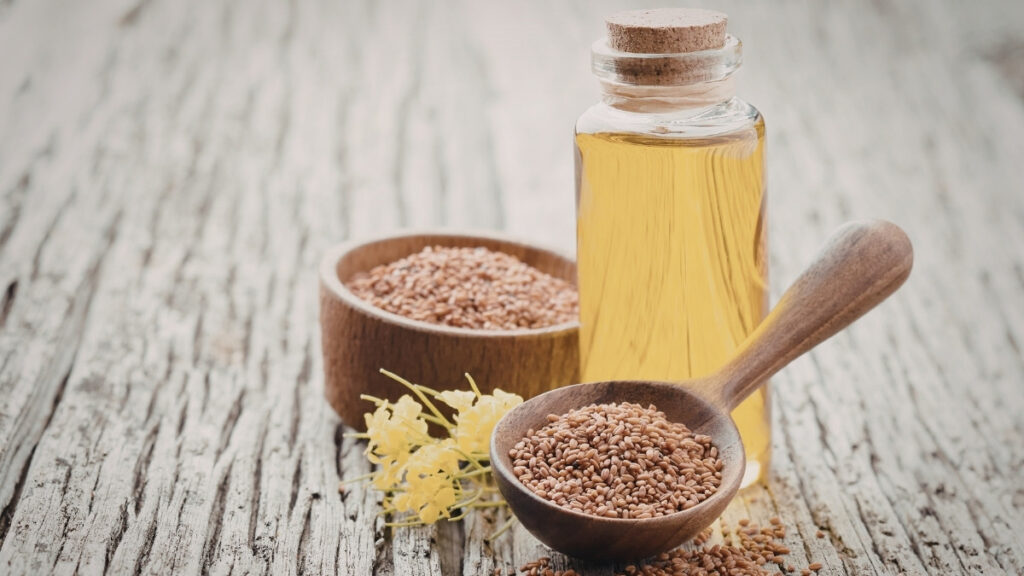
While beans handle the "cleanup" of cholesterol, milled flaxseed addresses the structural integrity of the vessels. In the healthcare market, flaxseed has emerged as a superior alternative to expensive omega-3 supplements for managing blood pressure—a major risk factor for heart disease.
Flaxseed is an exceptionally rich source of alpha-linolenic acid (ALA), lignans, and soluble fiber.
Clinical results from the FLAX-PAD trial, a year-long randomized study, demonstrated that consuming 30 grams of milled flaxseed daily (integrated into common foods) resulted in a significant reduction of 10 mmHg in systolic blood pressure (SBP) and 7 mmHg in diastolic blood pressure (DBP).
For individuals entering the study with higher baseline levels, the reduction was as profound as 15 mmHg SBP, which outperforms the average decrease observed with many standard antihypertensive medications.
The ALA/BP Relationship
Research from the INTERMAP trial, encompassing 4,680 men and women, identified a significant inverse relationship between dietary ALA and blood pressure.
Daily consumption of flaxseed oil or milled seeds has been shown to reduce mean arterial blood pressure by enhancing the production of vasodilatory molecules that allow blood to flow more freely.
The ALA/BP Link
INTERVENTION / MECHANISM:
Research from 4,680 participants identified that dietary ALA enhances vasodilatory molecules, allowing blood to flow freely.
However, actionable 2025 guidance suggests caution: flaxseed may interact with anticoagulant (blood-thinning) medications, diabetes drugs (by lowering blood sugar too far), and estrogen-based birth control. Patients should consult their healthcare provider when integrating therapeutic doses of flaxseed into their routine.
Reversing Soft Plaque: The Aged Garlic Protocol
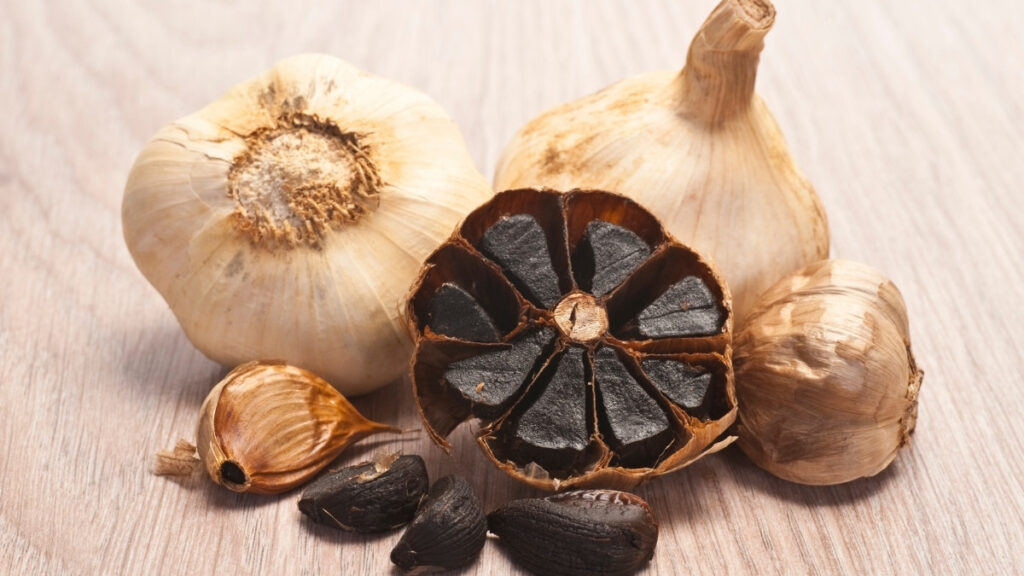
One of the most significant breakthroughs in artery plaque removal research is the use of Aged Garlic Extract (AGE). While standard garlic provides general antimicrobial and prebiotic benefits, the specific "Budoff Protocol" uses AGE to target "soft plaque" or low-attenuation plaque (LAP).
Dr. Matthew Budoff's research at LA BioMed has demonstrated that AGE can actually reverse the early stages of heart disease. Soft plaque is the most dangerous form of arterial buildup because it is unstable and more likely to rupture, triggering a heart attack or stroke.
The Budoff Clinical Findings
In a double-blind study of 55 patients with metabolic syndrome, participants were given a daily dose of 2,400 mg of Aged Garlic Extract. After one year, the group taking the AGE supplement showed:
80% Slower Plaque Accumulation: The total volume of plaque grew significantly slower than the placebo group.
Regression of Soft Plaque: A significant percentage change in low-attenuation plaque volume, showing that the plaque was actually shrinking.
Triglyceride Reduction: A decrease of 14.7 mg/dL compared to an increase in the placebo group.
The biochemical mechanism involves garlic's ability to regulate the ferroptosis pathway—a form of cell death caused by iron metabolism disruption and lipid peroxidation. By reducing this oxidative stress within the arterial wall, garlic helps stabilize the plaque and prevents the formation of new deposits.
Pomegranate and the "Drainex" Effect: Reversing CIMT
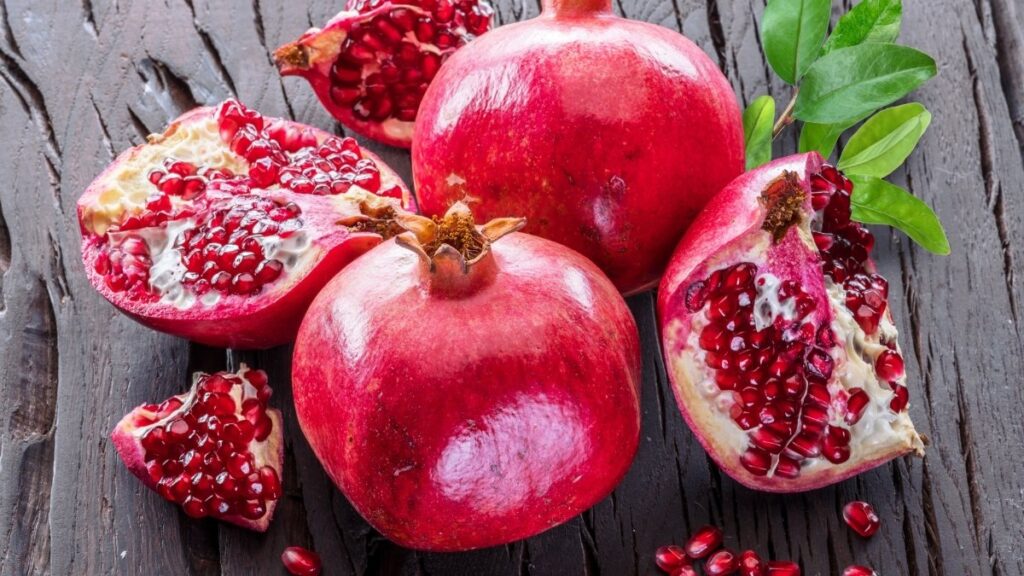
Another low-cost intervention that competes with expensive arterial "cleansing" supplements is pomegranate juice, specifically when prepared at home with the whole seed.
Clinical nutritionists have described the effect of whole pomegranate juice as "Drainex in the human body," referring to its ability to dissolve existing arterial deposits.
The primary metric here is Carotid Intima-Media Thickness (CIMT). A rise in CIMT is a clear indicator of atherosclerosis and an increased risk of stroke. A landmark study cited by Ryan Fernando showed that daily consumption of a whole pomegranate blend (seeds included) for one year resulted in a 35% reduction in CIMT.
The "Drainex" Effect
MECHANISM / INSIGHT:
Clinical nutritionists describe whole pomegranate juice as "Drainex," capable of dissolving existing arterial deposits.
The specific compounds responsible for this are punicalagins and ellagic acid, which are potent antioxidants found in the seeds and the white pith. These polyphenols protect LDL and HDL from oxidation, ensuring that the cholesterol remains in its beneficial state rather than turning into the "waxy" buildup that characterizes plaque.
Leafy Greens: The Vitamin K1 "Calcification Switch"
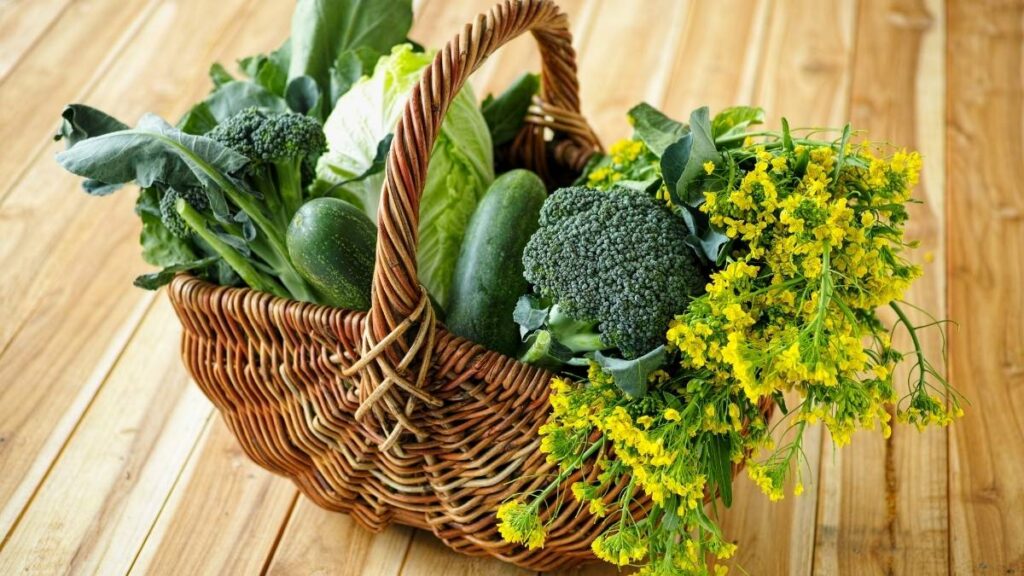
Arterial health in 2025 is increasingly focused on preventing calcification—the process by which soft plaque turns into hard, brittle deposits that stiffen the arteries. Research reveals that Vitamin K1, found abundantly in leafy greens, is the critical "switch" for this process.
The Matrix Gla Protein (MGP) Mechanism
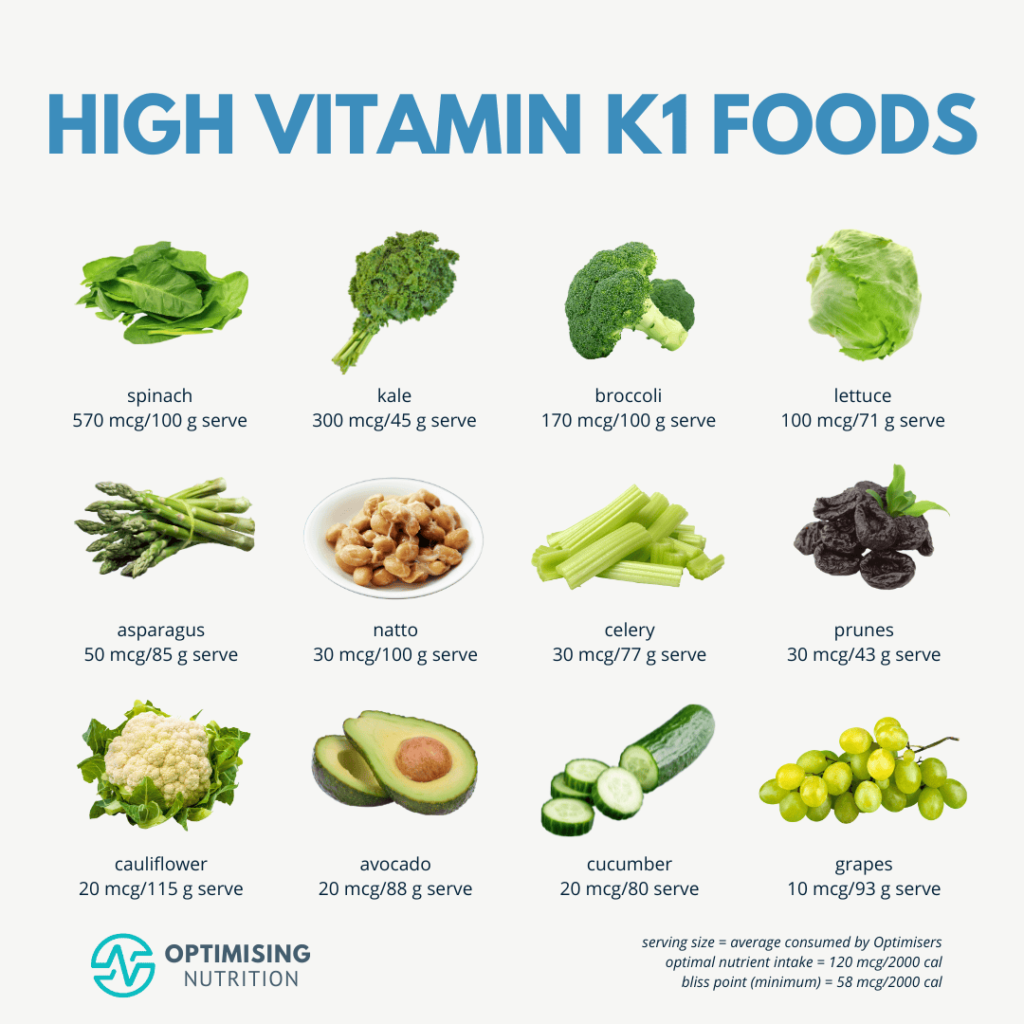
Vitamin K1 activates a specific protein called Matrix Gla Protein (MGP). MGP's primary function is to escort calcium out of the arteries and back into the bone matrix where it belongs.
When Vitamin K1 levels are insufficient, MGP remains inactive, and calcium begins to settle in the arterial walls, leading to vascular calcification.
A comprehensive study tracking 1,500 women for 14.5 years found that those with the highest Vitamin K1 intake (~119 micrograms/day) had:
- A 43% lower risk of heart-related death.
- A 29% reduction in overall cardiovascular events.
- Arteries that were measurably 5.6% thinner and less calcified.
For the average adult, this is an incredibly actionable finding: the difference between the highest and lowest intake groups was only about 70 micrograms per day—roughly the amount found in a single extra serving of spinach or kale.
The Heart-Health Shopping List: Top 6 Additional Foods
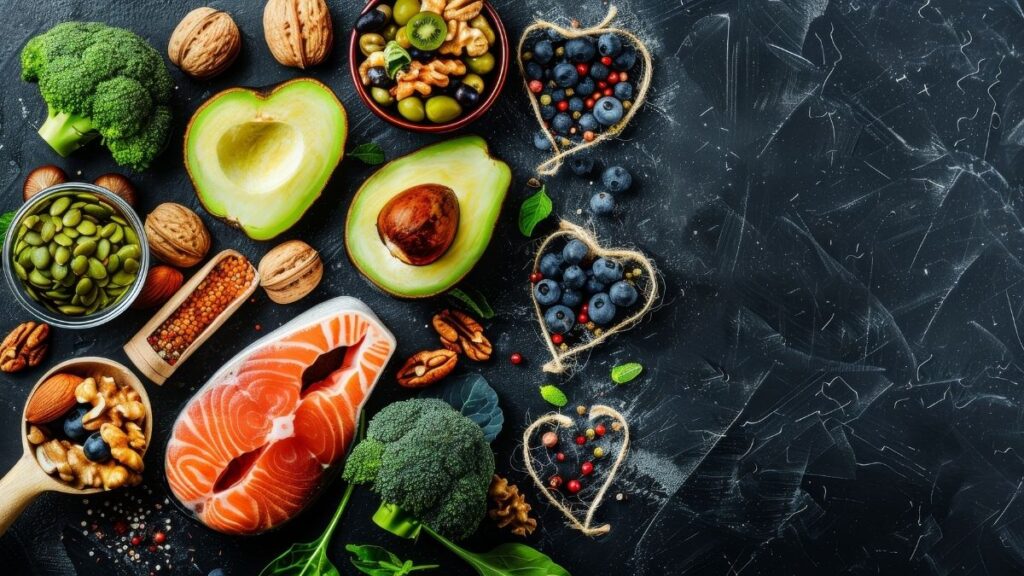
Beyond the primary pantry staples, a complete article structure must include the following high-impact foods to maximize the synergy of the "Food as Medicine" approach:
Fatty Fish (Salmon, Sardines, Mackerel): Rich in EPA and DHA omega-3s, which reduce triglycerides and stabilize vulnerable plaques.
Walnuts: These contain alpha-linolenic acid (plant-based omega-3) and polyphenols that prevent the oxidation of LDL cholesterol.
Beets: A powerhouse of dietary nitrates that the body converts into nitric oxide (NO). Nitric oxide relaxes the blood vessels, improving blood flow and reducing the "shear stress" on artery walls.
Berries (Blueberries, Raspberries): Packed with flavonoids that have been shown to reduce arterial stiffness and improve the function of the endothelium.
Dark Chocolate (70%+ Cacao): Contains flavanols that enhance nitric oxide production and make platelets less "sticky," reducing the risk of internal blood clots.
Tomatoes: Rich in lycopene. When cooked with a small amount of olive oil, the lycopene becomes highly bioavailable and has been shown to boost HDL ("good") cholesterol.
Actionable Guide: The Daily Plaque-Clearing Protocol
To translate this research into a daily routine, the following protocol is recommended for maximum efficacy and cost-efficiency.
The Morning Arterial Boost
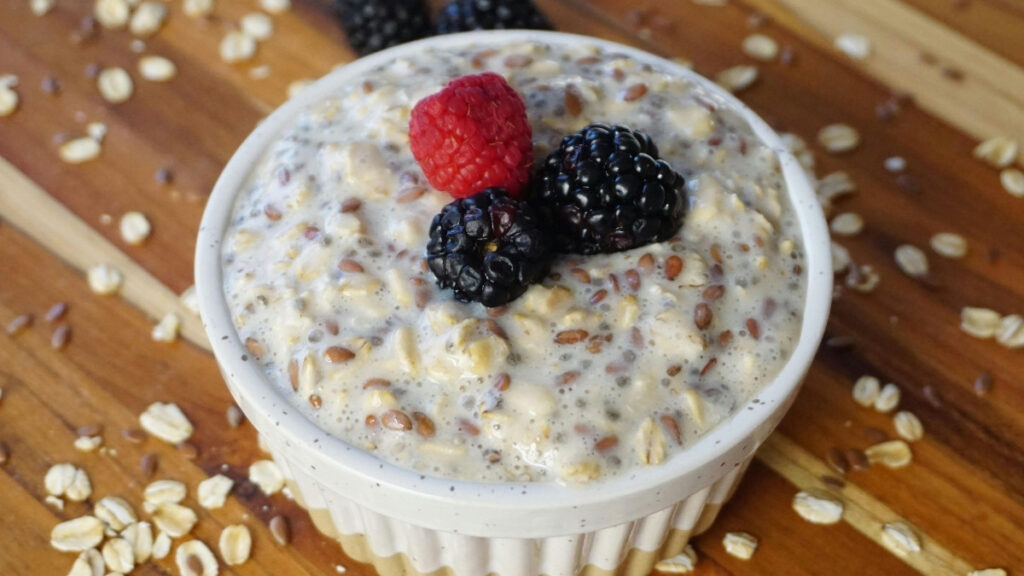
Oatmeal with Milled Flaxseed: Start with 1/2 cup of cooked oats (beta-glucans for cholesterol) and stir in 30 grams (about 2 tablespoons) of milled flaxseed.
Beet & Ginger Smoothie: Blend 1/2 cup of beetroot juice with 1 cup of Greek yogurt and a piece of fresh ginger to mask the earthy flavor and provide a massive nitrate boost.
The Lunch Plaque-Sweep
The One-Cup Bean Protocol: Incorporate 1 cup of cooked black or pinto beans into a salad or soup. This dose is the minimum required to see the significant IL-6 and LDL reductions found in clinical studies.
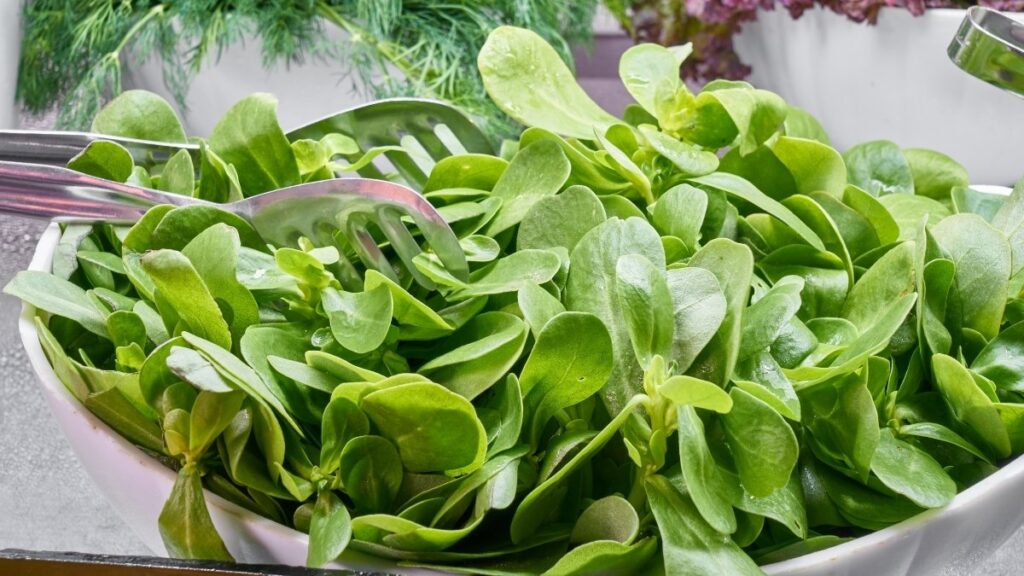
Large Serving of Leafy Greens: Aim for at least 1 cup of raw or 1/2 cup of cooked spinach or kale to reach the 119-microgram target for Vitamin K1.
The Afternoon Vascular Shield
Walnut & Berry Snack: A small handful of walnuts and a cup of blueberries provides the polyphenols necessary to protect the heart as the body ages.
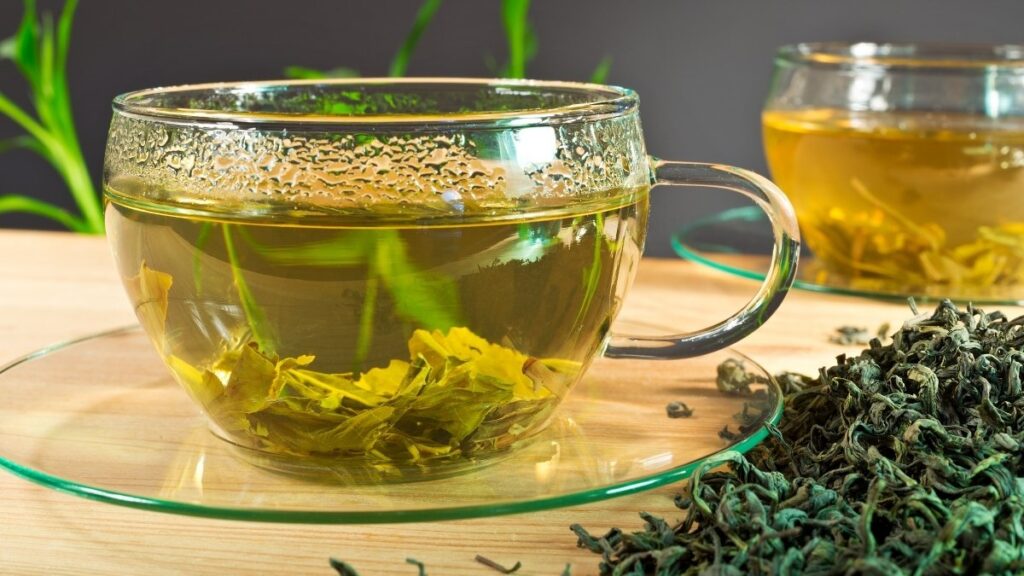
Green Tea: Swap coffee for green tea once a day to ingest catechins that protect against cardiovascular disease.
The Evening Protocol
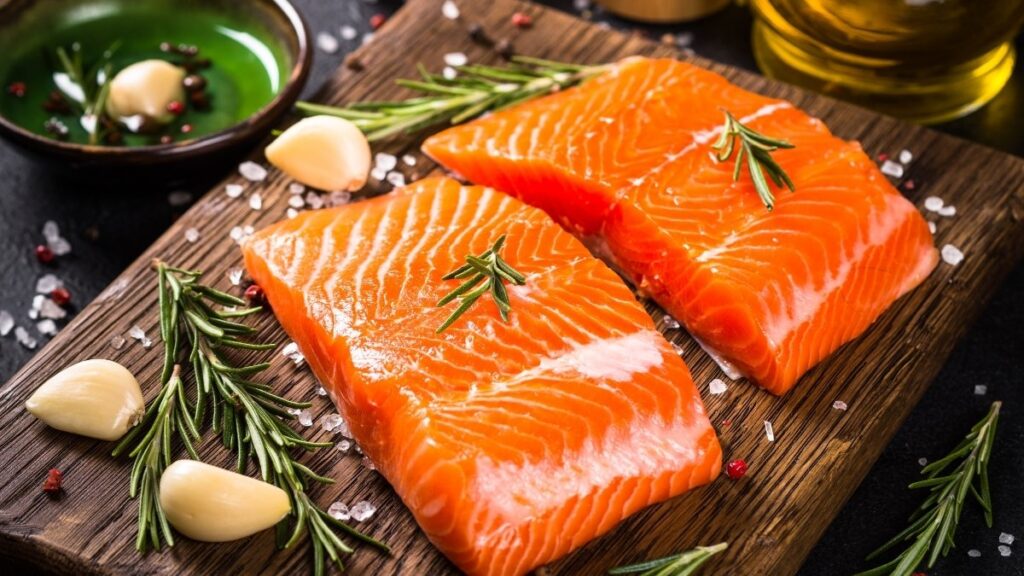
Fatty Fish (2-3 times per week): A 3.5-ounce serving of wild-caught salmon provides the DHA/EPA necessary for plaque stabilization.
Aged Garlic Intake: If using raw garlic, consume 1-2 cloves. If using the clinical protocol, take 2,400 mg of Aged Garlic Extract (Kyolic) to target soft plaque regression.
Conclusion
The 2025 health landscape provides a clear mandate: the most effective strategy for artery plaque removal is not found in the supplement aisle, but in the pantry. The $1.68 bag of dried beans provides a superior fiber-to-cost ratio that actively clears LDL cholesterol and reduces systemic inflammation.
When combined with the blood-pressure-lowering power of flaxseed and the plaque-reversing effects of Aged Garlic Extract and pomegranate, this dietary approach offers a comprehensive defense system for the heart.
By shifting the focus from expensive, isolated nutrients to synergistic, whole-food protocols, individuals can take proactive control of their vascular health.
The reduction of CIMT by 35% and the inhibition of arterial calcification through simple leafy greens are not just theoretical possibilities; they are clinically supported outcomes of consistent dietary intervention.
In an era where cardiovascular care costs are reaching historic highs, the simplicity and affordability of this "Food as Medicine" strategy represent the most viable path forward for heart disease prevention and reversal.
Readers are encouraged to implement the "One-Cup Bean" rule and the "119-mcg Vitamin K1" target immediately. Small, consistent shifts toward these nutrient-dense staples may provide a 43% lower risk of heart-related mortality—a benefit no expensive supplement has consistently replicated in long-term human studies.
