
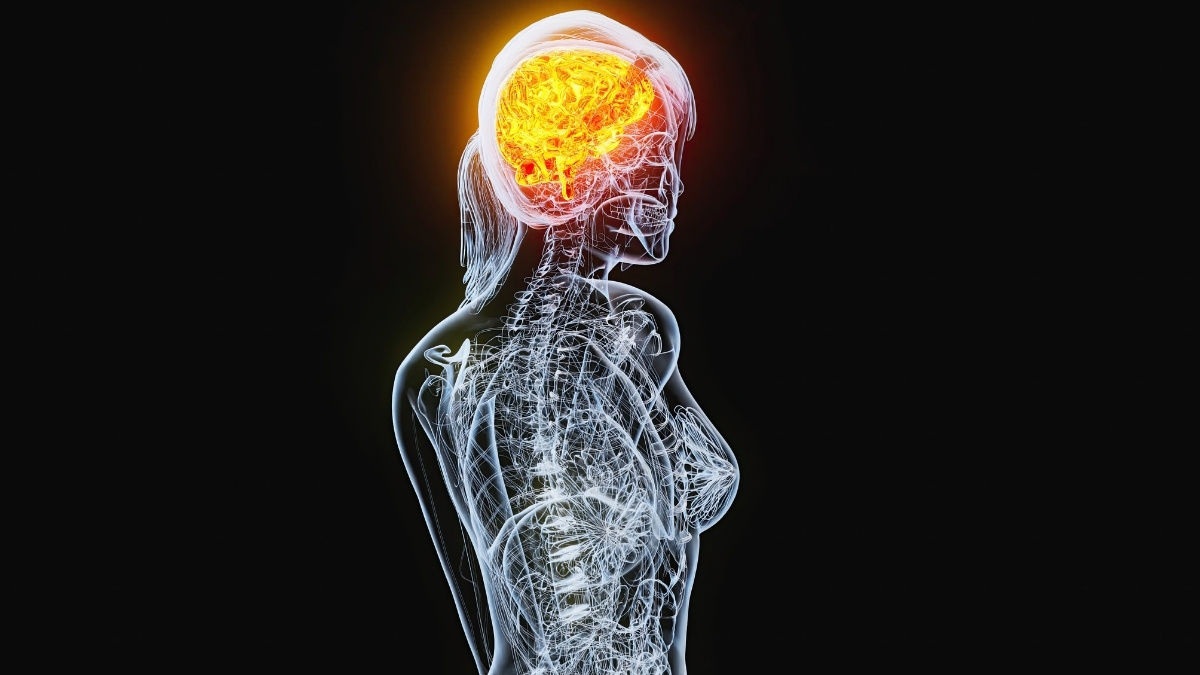
More than half of the calories in the average diet come from Ultra-Processed Foods (UPFs), and neurologists now have alarming proof of what that is doing to your brain.
You might crave the convenience of these everyday products, yet struggle with persistent “brain fog” or growing worries about memory issues—unaware that you are consuming foods specifically engineered to be addictive and destructive to neural health. This article solves that problem.
You will learn the precise NOVA definition of these industrial formulations, understand the latest scientific findings linking Ultra-Processed Foods to brain aging, devastating risks like stroke and Alzheimer’s disease, and recognize the specific connection to accelerated cognitive decline.
Pantry Purge: Brain Saver
Identify the hidden ultra-processed foods aging your brain.
Loading…
The Neurologists’ Alarm: How Ultra-Processed Foods Accelerate Brain Aging

You worry about staying sharp as you get older. Everyone does. Doctors who study the brain, called neurologists, are sounding a serious warning. They say a lot of the food you eat is speeding up how fast your brain ages.
This isn’t just about calling certain foods “junk food.” We are talking about Ultra-Processed Foods (UPFs). These foods are industrial mixes. They use ingredients like additives, emulsifiers, and flavorings.
You rarely use these things when cooking at home. The official classification system, called NOVA, puts these foods into Group 4. They are factory-made formulations. They are designed to be cheap and last a long time.
Neurologist Dr. W. Taylor Kimberly from Massachusetts General Hospital says there are many things you can change to help your brain health. Diet is one of the most important changes.
Eating too many Ultra-Processed Foods can lead to structural brain changes. The ingredients cause inflammation in your body and brain. This is a key driver in Brain Aging.
The Scientific Proof: UPFs Cause Cognitive Decline
CATEGORY ANALYZING…
Summary placeholder.
IDENTIFIED TARGETS:
Scientists have proven this link. It’s not just a guess anymore. The evidence is new and very strong.
In 2024, a major research project called the REGARDS Study showed a scary number. For every 10% increase in the amount of UPFs a person ate, their risk of cognitive impairment went up by 16%. Cognitive impairment means you have more trouble remembering and thinking clearly.
Another study from the University of Helsinki in 2025 looked right inside the brain. It found that people who ate lots of UPFs had lower cell density in brain regions that handle eating. Basically, the food was damaging the brain parts that control appetite.
Even more serious is the link to a disease like Alzheimer’s. A study called the Framingham Heart Study found that middle-aged people who ate a high amount of UPFs might have a 2.7-fold increase in their risk of Alzheimer’s disease.
These findings are why neurologists’ warning you about Alzheimer’s disease and stroke risk is so important.
The Mechanism of Damage: What Happens Inside Your Body

How do these foods hurt your brain? The problem starts with two main things: systemic inflammation and the gut-brain axis.
Systemic inflammation is when your whole body is mildly on fire all the time. Your body is reacting badly to the chemicals and ingredients in the UPFs. Many additives, like emulsifiers and artificial sweeteners, are a big problem.
They mess up your gut microbiome. This is the community of helpful germs in your stomach. When the gut is unhealthy, it sends signals to the brain that cause brain inflammation.
This kind of inflammation starts a process called neurodegeneration. That means your brain cells are slowly starting to die. UPFs also have a very high sugar, fat, and salt content.
This means they have a high glycemic response. Your body uses this energy quickly and then you feel hungry again. This high-low cycle also stresses your body and brain.
The 16 Ultra-Processed Foods Secretly Aging Your Brain (UPF Examples)
You need to know exactly which foods are causing the damage. The truth is, many items in your pantry and fridge are working against your brain health. Here is a clear list of the common UPF examples you should watch out for.
The Breakfast Saboteurs
Your morning meal should give you energy. Instead, these foods often start the day with a major spike and crash. This is terrible for your brain’s steady function. They contribute to Ultra-Processed Foods Brain Aging.
1. Sugary Cereals
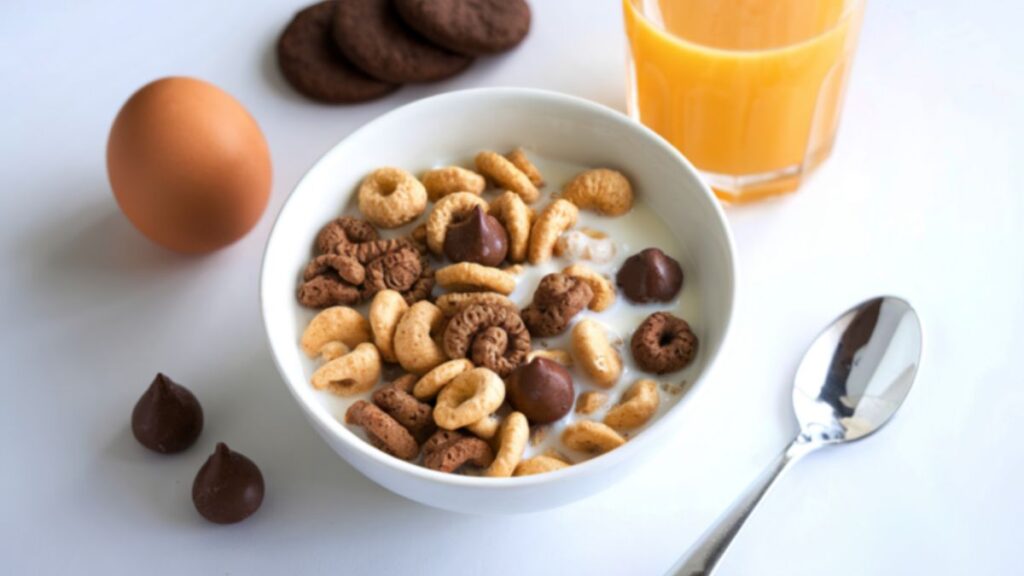
These are often highly refined and low in natural fiber. They dump a massive high sugar load right into your system immediately after you eat them.
This sugar causes a rapid blood sugar spike/crash. A quick crash leaves you feeling foggy, tired, and unable to focus soon after breakfast.
Your brain needs steady fuel, not this up-and-down cycle. This is a very poor start for your day’s glycemic response.
Impact: Leads to brain fog and energy slumps.
Key Ingredients: Refined grains, high amounts of added sugar.
2. Instant Flavored Oatmeal

These small packets look healthy because they contain “oatmeal.” However, the convenience comes with a cost that hurts your health.
They contain a surprising amount of hidden sugars that negate the benefits of the oats themselves. You are also getting thickeners, stabilizers, and artificial flavors.
They lack the necessary fiber and protein to keep you full. You miss out on the actual health benefits of plain, slow-cooked oats.
Impact: Hidden sugars cause unnecessary insulin release.
Key Ingredients: Artificial flavors, added sugar, thickeners.
3. Mass-Produced Breads

This category includes soft, sliced white bread and many common whole-grain loaves. The problem is the industrial process and the ingredients it contains.
They often include industrial emulsifiers like DATEM to make them soft and elastic. They also use preservatives, such as calcium propionate, for a longer shelf life.
These additives can disrupt your gut-brain axis by negatively affecting your gut microbes. A disrupted gut sends inflammatory signals to your brain.
Impact: Gut health disruption, inflammation.
Key Ingredients: Emulsifiers, refined flour, preservatives.
4. Packaged Pancake/Waffle Mixes

These boxes offer a quick solution for breakfast, but they use low-quality ingredients. They rely on high amounts of refined flour and cheap fats.
They use multiple chemical leavening agents to get that fluffy texture. You are getting many processed oils in one meal that your body struggles to use.
These mixes contribute to a high overall load of processed fats and refined starches. This is not the clean energy your brain needs to function well.
Impact: High intake of processed fats and refined carbs.
Key Ingredients: Multiple leavening agents, refined flour, processed oils.
The Lunchtime Liabilities
Quick lunch options can be the worst source of inflammation and high sodium. High sodium intake is a known risk for stroke risk and cognitive impairment.
5. Processed Meats (Hot Dogs, Deli Slices, Bacon)

These meats are treated with chemicals to make them last and taste better. They are loaded with high levels of sodium.
They contain nitrates and nitrites, which are chemicals used for curing and preservation. They also contain high amounts of saturated fat.
The overall profile is very pro-inflammatory for your body and brain. Regular consumption is linked to worse health outcomes.
Impact: High sodium, increased inflammation, stroke risk.
Key Ingredients: Nitrates, sodium, saturated fat.
6. Ready-to-Eat Soups/Noodles

These instant meals are designed to be shelf-stable for a long time. They are incredibly convenient, but they are a very poor food choice.
They contain excessive amounts of sodium, often supplying more than half your daily limit in one serving. They also rely on flavor enhancers like MSG.
High sodium stresses your blood vessels and is a clear risk factor for high blood pressure. This blood pressure directly affects your brain health.
Impact: High sodium intake, poor cardiovascular and brain health.
Key Ingredients: Excessive sodium, flavor enhancers (MSG).
7. Store-Bought Salad Dressings

You think a salad is healthy, but the dressing can turn it into an UPF example. You should always check the label before pouring it on.
They are often made with cheap, pro-inflammatory oils like soybean or canola oil. These oils are chemically refined.
They are frequently sweetened with corn syrup, even the savory flavors. They use stabilizers and thickeners to keep the oil and water mixed together.
Impact: Source of pro-inflammatory oils and hidden sugars.
Key Ingredients: UPF oils, sweeteners, stabilizers.
Brain Hazard Detected
CATEGORY: BREAKFAST
8. Flavored Yogurt/Dairy Alternatives

Plain yogurt is a great source of protein and good bacteria. The flavored varieties and dairy alternatives are a completely different product.
They are loaded with large amounts of artificial sweeteners and excessive sugar to make them taste like dessert. They also contain bright colors.
Thickeners and gums are used heavily to create a thick texture. These chemicals can mess with your helpful gut bacteria.
Impact: Gut disruption, high sugar load, artificial chemicals.
Key Ingredients: Artificial sweeteners, colors, thickeners.
The Snack-Time Traps
These foods are engineered to be hyperpalatable. They make you want to eat more and more, overriding your brain’s natural fullness signals.
9. Chips, Crackers, and Savory Snacks

These items are fried or baked using cheap, pro-inflammatory oils like soybean or corn oil. They are chemically refined.
They are extremely high in salt and artificial flavors to make them addictive. This is a bad combination for your entire body.
The regular intake of these oils contributes heavily to Ultra-Processed Foods Brain Aging due to constant inflammation.
Impact: Inflammation from cheap oils, addictive quality.
Key Ingredients: Pro-inflammatory oils, salt, and artificial flavors.
10. Mass-Produced Cookies/Cakes/Pastries

These sweet treats use a bad combination of ingredients. They mix multiple low-quality fats and oils together.
They are made with huge amounts of refined white flour. They also contain massive amounts of added sugar.
This triple threat of bad fats, refined flour, and sugar causes metabolic stress. Your brain hates metabolic stress and inflammation.
Impact: High sugar and bad fat intake, metabolic stress.
Key Ingredients: Refined flour, multiple fats, high sugar.
11. Candy and Confectionery

Most candy is an extreme version of a UPF. It is nearly pure sugar or high-fructose corn syrup.
Many types of candy contain artificial colors that have been looked at closely by scientists. These chemicals have been linked to mood issues and hyperactivity.
This offers your body and brain absolutely no nutritional value. It is just a hit of pure, processed sugar.
Impact: Pure sugar rush, linked to mood issues.
Key Ingredients: High-fructose corn syrup, artificial colors.
12. Ice Cream (Most Commercial Brands)

Commercial ice cream is a high-fat, high-sugar delivery system. It is a very sweet treat that can be dangerous when eaten often.
They rely on stabilizers and thickeners, often gums, to keep them smooth and creamy. These help it stay soft even after freezing.
These stabilizers are another category of additive that can interfere with the health of your gut lining. A poor gut means a less healthy brain.
Impact: High sugar and fat, gut irritants from gums.
Key Ingredients: High sugar, stabilizers (gums), processed fat.
The Drink Dilemmas
These are especially dangerous because they are liquid sugar. Your body processes liquid sugar much faster. This gives your brain a sudden, unhealthy hit. This is why neurologists’ warning about these drinks is so crucial for cognitive decline.
13. Soda and Sugary Drinks

These drinks are basically a high-speed liquid sugar delivery system. The sugar hits your bloodstream almost instantly.
They offer zero nutritional value to your body or brain. They are simply empty calories that overload your system.
They cause an immediate and intense glycemic spike, which is very hard on your body. Diet soda substitutes use chemicals that also pose risks.
Impact: Fastest way to consume liquid sugar, causes an intense spike.
Key Ingredients: Sugar, artificial flavors, colors.
14. “Fruit-Flavored” Juices/Drinks

These drinks sound healthy because the word “fruit” is on the label. They are sadly far from natural or healthy.
They contain minimal real fruit juice, if any at all. The sweetness comes from large amounts of high-fructose corn syrup or similar processed syrups.
You get all the sugar without the helpful fiber that whole fruit provides. This makes them act much like soda in your body.
Impact: High sugar load, missing fiber, misleads consumers.
Key Ingredients: High-fructose corn syrup, artificial flavors.
15. Energy/Sports Drinks

These brightly colored drinks contain a high amount of sugar or artificial sweeteners. They often include high doses of caffeine or other stimulants.
They are packed with artificial colors and flavors to make them appealing. The purpose is to give you a quick, fake burst of energy.
The cycle of sugar, stimulants, and artificial ingredients is very hard on your energy levels and focus later on. It is a poor choice for hydration.
Impact: Overload of sugar/stimulants, poor for daily hydration.
Key Ingredients: Excess sugar, artificial colors, stimulants.
16. Distilled Spirits (Vodka, Gin, etc. – NOVA Category 4)

Liquors like vodka and gin are classified as Ultra-Processed Foods in the NOVA system. They are chemically pure, extracted ethanol.
The ethanol itself is the extracted, concentrated part of a natural ingredient. It contains no fiber, vitamins, or minerals.
Excessive consumption is known to be directly toxic to brain cells over time. This accelerates cognitive decline and overall brain damage.
Impact: Direct brain cell toxicity when consumed excessively.
Key Ingredients: Pure, extracted ethanol.
Actionable Swaps: Protect Your Brain Health in 2025
You now know the problem. The next step is fixing it. You can start making small, effective changes right now to protect your mind. This section gives you simple steps for better brain health.
The “20% Rule”: Small Changes Make a Big Difference
You do not have to become perfect overnight. The goal is simple: reduction, not perfection.
Scientists have found a clear line you should try to stay under. One major study showed that the risk of Foods Brain Aging risk is tied to UPF intake. Eating UPFs over 20% of your daily calories was linked to a 28% faster rate of cognitive decline. So, keep your UPF intake under that 20% limit.
The great news is that choosing better foods helps quickly. The REGARDS study found that eating minimally processed foods was linked to a 12% lower risk of cognitive impairment. This shows that even simple dietary interventions work fast.
Simple Food Swaps: The “Un-Process” Guide
The best way to reduce UPFs is to simply trade them for minimally processed foods. Here are easy food swaps for the four categories we covered earlier. Cooking at home is your most powerful tool.
Instead of: Packaged Pancake Mixes
- Swap: Make simple pancakes from scratch using eggs, milk, and whole-grain flour.
Instead of: Deli Meat Slices or Bacon
- Swap: Roast a chicken or turkey breast yourself. Slice it and use it for sandwiches all week.
Instead of: Soda and Sugary Drinks
- Swap: Drink water, unsweetened tea, or sparkling water with slices of fresh fruit like lemon or berries.
Instead of: Sugary Cereal
- Swap: Start with plain oats or oatmeal. Add your own natural sweetness with fresh berries, nuts, and a touch of honey.
The Label Reading Checklist
To avoid UPF examples, you must learn to read the ingredient label. The rule is simple: the longer the list, the more processed the food is.
Look out for “ingredients never or rarely used in kitchens.” If the list has five or more ingredients, be careful. If the words are hard to pronounce, put the item back.
Always check for these key additives that signal an ultra-processed food:
- High Fructose Corn Syrup
- Hydrogenated Oils (or Partially Hydrogenated Oils)
- Maltodextrin
- “Natural Flavors” (when they are high on the list or numerous)
- Cosmetic additives like food dyes and many gums.
Summary and Next Steps
The evidence is clear and growing. Neurologists confirm that the Ultra-Processed Foods you eat every day are linked to accelerated Brain Aging. These foods hurt the actual structure of your brain and raise your risk of serious disease. You have the power to stop this damage.
You do not need to overhaul your entire kitchen today. The most important thing is to simply start small. Pick just one UPF from the list above and eliminate it this week.
Focus on adding minimally processed foods back into your diet. Choose simple, home-cooked meals more often. Taking action against Ultra-Processed Foods and Brain Aging is the most potent lifestyle change you can make today. This small effort leads to a lifetime of better, sharper brain health.
