

Ever feel like your brain is running on low battery, making it nearly impossible to focus on work or daily tasks? If you’re constantly tired, battling persistent brain fog, anxiety, or irritability, you likely blame stress or poor sleep.
While those certainly play a role, a hidden culprit could be lurking in your diet: a deficiency in essential nutrients. The fuel you give your body directly impacts your mental well-being and concentration.
In this actionable guide, we’re going to break down the 5 key nutrients that are essential for peak mental performance. You will learn how a deficiency in any one of them can undermine your focus and mood, and what simple dietary changes can help.
BRAIN ENERGY: LOW
Summary placeholder.
NUTRIENT DATA:
Fueling Your Brain: Why These 5 Nutrients for Focus Matter

Your brain is the most important organ you have, and it needs the best fuel to run right. Even though your brain only weighs about three pounds, it demands a huge amount of energy every single day. In fact, your brain uses about 25 to 30 percent of all the calories you eat, making it a very hungry part of your body.
Think of the food you eat not just as fuel but as tiny pieces of information for your body. The healthy diet you choose sends important messages to your brain cells, telling them how to work and grow.
The typical American diet, often called the SAD (Standard American Diet), causes a lot of problems for your brain. This diet relies too much on processed foods, which are often missing the key nutrients your brain desperately needs.
Eating this way often leads to common deficiencies, which means your brain isn’t getting enough of the right building blocks.
- Many people are missing key nutrients because they eat too many processed foods.
- The brain is about 50% fat and needs high-quality fats to stay healthy.
- Skipping a healthy diet can lead to deficiencies that hurt your focus and brain function.
Magnesium: The Hidden Deficiency Killing Your Focus and Calm

If you feel stressed out or can’t seem to focus, the problem might be a lack of magnesium. You can think of magnesium as the body’s “relaxation mineral” because of the huge role it plays in your nervous system. This important mineral helps keep your nerves calm and running smoothly.
The big problem is that a lot of people aren’t getting enough of this helpful mineral. Shockingly, about 50% of the U.S. population doesn’t get sufficient dietary magnesium. When your magnesium levels are low, it weakens your ability to handle stress.
Not having enough magnesium can also hurt your mood and sleep. This deficiency is linked to feelings of anxiousness, restlessness, and irritability. Magnesium works closely with the stress hormone cortisol, and when it’s missing, your cortisol levels can get out of whack.
This interference is one reason why a lack of magnesium is often tied to problems like insomnia and even depression. It’s hard to sleep when your nervous system is running too fast.
If you suspect a magnesium deficiency, you might notice these common magnesium deficiency symptoms:
The good news is that it’s easy to get more magnesium through food. Adding certain healthy items to your healthy diet can make a big difference in boosting your focus and calm.
Here are some great natural sources of this relaxation mineral:
- Pumpkin seeds
- Spinach (especially cooked)
- Almonds
- Dark organic chocolate (72% cacao or higher)
B12 and B9: Why Low Levels Impact Your Mood and Focus

If you’re looking for better energy and a more stable mood, you need to pay attention to your B vitamins. Specifically, vitamin B12 and B9 (also known as folate) are crucial for keeping your brain happy.
These two vitamins are essential helpers for creating your brain’s “feel-good” chemicals, which are called neurotransmitters. This includes chemicals like dopamine and serotonin, which are vital for happiness, motivation, and strong focus.
When levels of these B vitamins drop, it can seriously weaken your mood regulation pathways. This is why a B12 deficiency is often linked to mood disorders.
The right B vitamins are part of what keeps your emotions balanced, and sometimes, taking them alongside other treatments can even improve results. For example, supplementation trials show better cognitive function when B12 and B9 are used with antidepressants.
Another important job of vitamin B12 and B9 is to control a substance in your body called homocysteine. High levels of homocysteine are bad because they can damage the blood vessels in your brain.
This damage can hurt your focus and make it harder for your brain cells to communicate and get the fuel they need. By helping to process and lower homocysteine, these B vitamins protect your brain’s tiny “roadways” and keep things running smoothly.
Here are some great food sources to help support your mood and focus:
- Eggs (especially the yolks)
- Fatty fish like salmon (a great source of B12)
- Leafy greens like spinach (rich in folate)
- Beans and legumes (also a great source of folate)
Vitamin D: More Than Just a Vitamin

You might think of Vitamin D as helping with bone strength, but inside your brain, it acts more like a hormone, which is a powerful chemical messenger. Because it acts like a hormone, it has a big influence on important neurotransmitters in your brain, like dopamine and serotonin, which control happiness and motivation.
When your levels are low, it can quickly impact your mood. Research shows that people with low levels are much more likely to report depressive symptoms and increased anxiety.
The best part is that boosting your Vitamin D is easy. You can help your brain make its own by getting about 10–20 minutes of sun exposure daily on your skin. You can also eat foods like salmon, tuna, eggs, and mushrooms to help keep your levels high, ensuring your brain has the support it needs for a good mood.
Zinc: The Master Regulator for Focus

Zinc is a mighty mineral that supports over 100 enzymatic reactions in your body. Many of these reactions are directly tied to your memory, learning ability, and the activity of your neurotransmitters.
A zinc deficiency can quickly hurt your cognition. Approximately 12% of the U.S. population is at risk for deficiency, and that number is even higher for the elderly.
When you don’t get enough zinc, you may notice symptoms like difficulty with concentration, impaired memory, and slower learning. Your brain just can’t work at full speed.
Choline: Fueling Memory, Attention, and Long-Term Focus
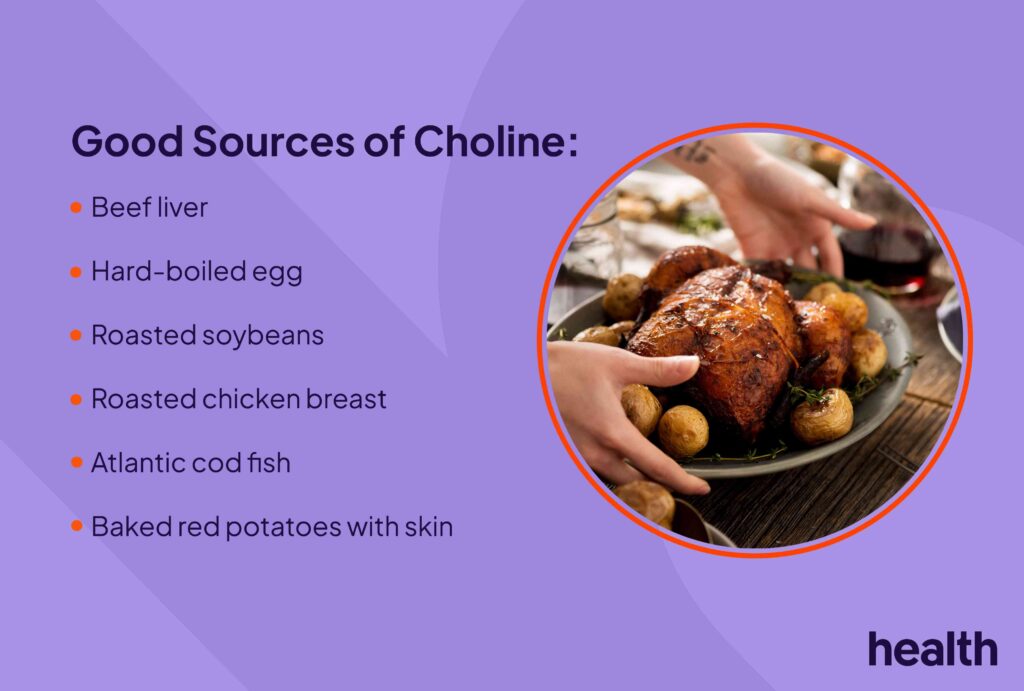
Choline is a powerful nutrient that builds the very foundation of a sharp mind. It is a vital building block for creating acetylcholine, which is one of the most important neurotransmitters your brain uses. Acetylcholine acts like the brain’s main messenger for functions like memory, learning, and attention.
Choline also plays a structural role, meaning it helps build and protect your brain cells. It helps form the protective covering, called myelin sheaths, that wrap around nerve cells.
Your intake of choline directly affects your brain’s performance. Large studies have found that adults who have a higher intake of choline actually perform better on specific cognitive tests that measure memory and processing speed.
Choline also plays a part in regulating homocysteine (just like Vitamin B12 and B9), which helps prevent cognitive decline. You can easily get more choline by eating foods like eggs, meat, poultry, fish, dairy, potatoes, and Brussels sprouts.
- Higher choline intake is linked to better performance on memory tests.
- It helps regulate homocysteine, protecting against cognitive decline.
- Getting enough choline is vital for strong long-term focus and mental speed.
Your Fueling Strategy: A Quick Recap
A sharp mind and good mental health start with the right nutrients. We’ve covered five powerful players—Magnesium, the great relaxer; Vitamin D and Zinc, your brain’s support staff; and Choline and the B12/B9 duo, which are key for energy and memory.
When you are low on these essential vitamins and minerals, the side effects can often look exactly like common problems such as stress, poor sleep, or an inability to focus. These deficiencies are very real and directly affect your brain’s performance.
The simplest first step you can take is to integrate more nutrient-dense foods, like leafy greens, fatty fish, and nuts, into your daily routine. But the most important next step is to talk to your doctor about getting simple lab work done.
This is the only way to know definitively if you have a deficiency. By optimizing these essential nutrients, you can unlock better mental clarity and sustainable focus.
