
Jim spent 30 years pushing his body to the limit now at 50 he realizes the best shape of his life doesn’t involve breaking records but protecting his joints.
The high-impact activities you loved in your 20s and 30s are now leading to chronic pain reduced mobility and burnout but you don’t know how to train smart. For any Former Athlete at 50 seeking a sustainable routine this frustration is common.
You’ll discover the 17 low-impact high-reward exercises Jim a former athlete now regrets not incorporating two decades earlier helping you stay strong and active far into the future. These moves are the key to excellent joint health and staying Fit after 50.
Phase 1: Essential Low-Impact Strength and Stability
Longevity Routine Builder
Select activities to hit a minimum of 30 in Strength, Mobility, and Cardio. Keep Energy at or below Max limits to prevent injury.
What’s the main worry when you’re a Former Athlete at 50? It’s not about being slow. It’s about feeling weaker and worrying about getting hurt. You want to stay strong and active, but your joints can’t handle the same pounding they used to.
That old workout routine is a recipe for a pulled muscle or a bad knee. You need a way to build real functional strength without the high risk.
This first part of your new routine is the most important. It’s the foundation. We’re not trying to lift the heaviest weight in the gym. We are focusing on Low-Impact Strength that keeps your body stable and safe. Think of it like making sure the beams in a house are solid before you add more floors.
Why You Can’t Skip Strength Training Anymore
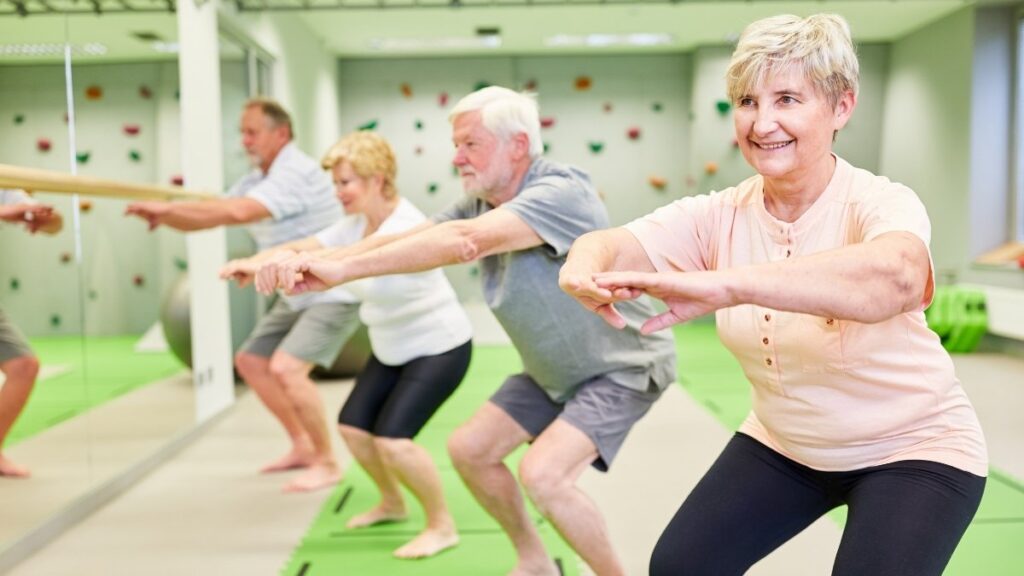
You’ve heard it before, but here is the cold truth: you lose muscle as you get older. After age 30, adults lose about 3–5% of their muscle mass every ten years. This loss doesn’t just make you weaker. It also hurts your bone density.
If you don’t fight back with strength training, your risk of breaking a bone goes way up. You need to counteract this loss. It is non-negotiable.
The goal here is simple: proper form is more important than heavy weight. You should use light resistance or even just your bodyweight. Every move must feel right. If it hurts, stop. If you can’t control the weight, use less.
Focusing on these basic, multi-joint movements helps your body work as a single, strong unit. This is how you build lasting Low-Impact Strength.
1. Calisthenics (Bodyweight Exercises)
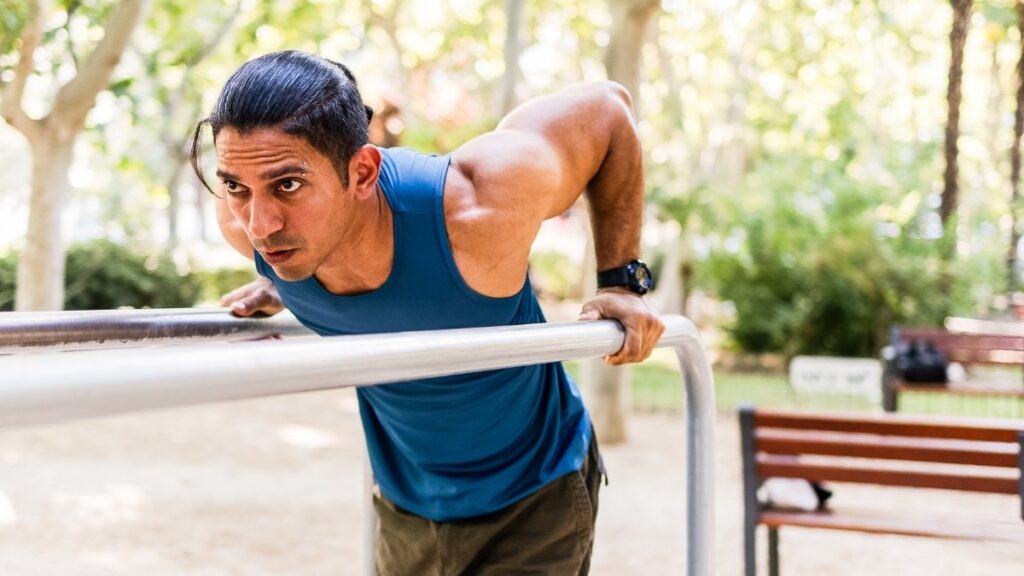
Jim learned a big lesson: functional strength is really about stability. It’s not just how much weight you can lift. The bodyweight exercises he used to do quickly, just as a warm-up, are now the main part of his workout.
Why? These movements force his body to work all the main muscle groups together. This is crucial as he gets older.
Using only his bodyweight means he adds almost no external load to his joints. This builds Low-Impact Strength that is usable for everyday life. It is also the best way to prevent injuries.
Key Bodyweight Moves for Stability
Push-Ups (or elevated Push-Ups): This builds strength for all upper body pushing actions. You can start on your knees or use a strong wall for support. This is a joint-friendly way to get the strength benefit.
Bodyweight Squats (or Chair Squats): This is a core movement for your legs and glutes. Mastering this helps Jim get up and down from a chair or the floor easily. It is fundamental to staying independent.
Lunges (or Stationary Lunges): Lunges work each leg on its own. They are key for fixing muscle imbalances. After years of intense competitive sport, some muscles got stronger than others. Lunges help even things out.
2. Resistance Band Training
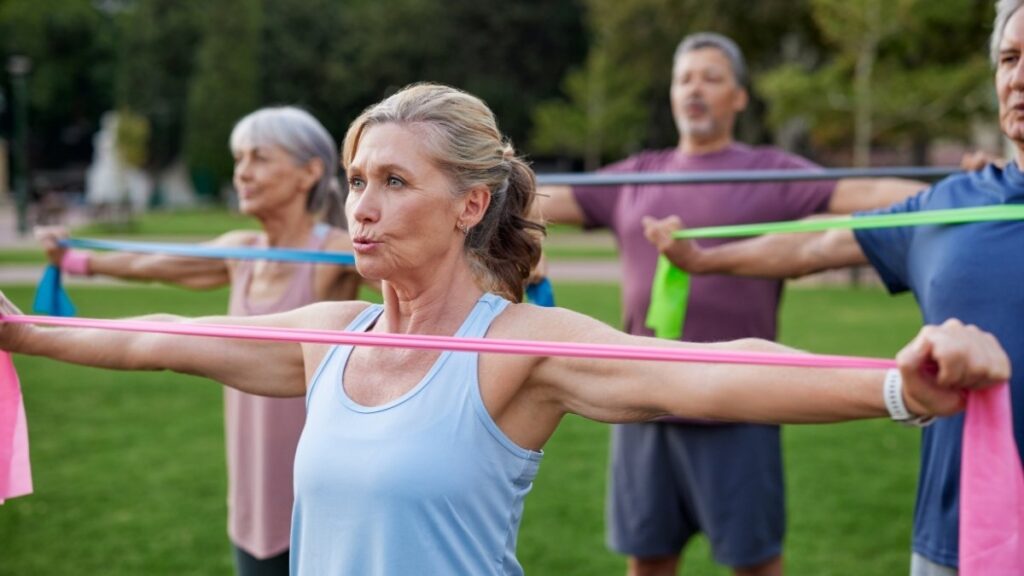
Jim made a big change in his thinking. He realized that muscle-building resistance doesn’t have to come from heavy iron weights. Resistance band training offers a fantastic way to keep and build muscle mass.
It is very low-impact. This means it doesn’t stress his joints, which is exactly what he needs.
Bands offer a unique benefit: they provide constant tension through the whole movement. This is different from weights, where the tension changes. This constant work forces tiny stabilizer muscles to work harder. These small muscles are key for joint health and safety.
Key Band Exercises for Joint Health
Resistance Band Rows: This is essential for building back strength and improving posture. It helps pull his shoulders back, fixing the forward-slouching that came from years of sitting at a desk.
Band Face Pulls: This is a small, targeted exercise for shoulder health and stability. It is crucial for a former athlete like Jim. Years of competition likely caused some wear-and-tear in his rotator cuffs. This exercise helps strengthen them safely.
Band Squats/Deadlifts: These give his hips and glutes safe resistance. The bands remove the spinal compression that comes from lifting heavy free weights. He gets the strength benefits without putting stress on his back.
3. Wall Sits
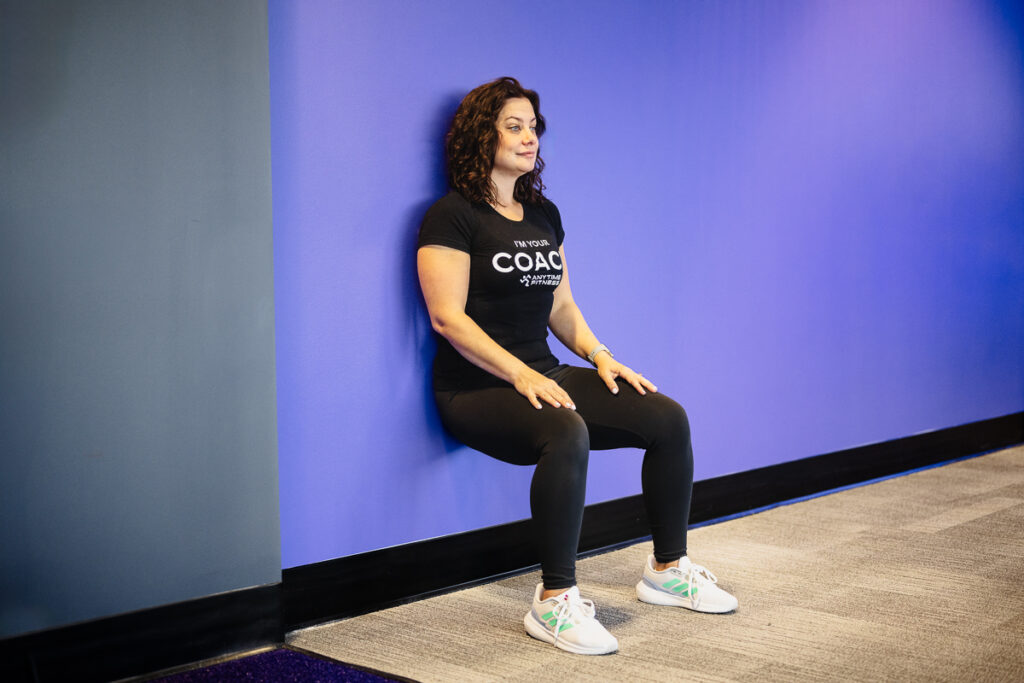
Jim used to think simple, isometric exercises like the Wall Sit were too easy. Now, he sees them as a powerful tool. They build leg strength endurance. This means your muscles can work hard for a longer time without getting tired.
This simple exercise works your quadriceps, glutes, and core very deeply. Since there is no movement, it is incredibly easy on the knees and other joints. Holding the position forces his muscles to handle a new kind of challenge. This helps Jim build Low-Impact Strength.
Using Wall Sits to Build Endurance
Standard Wall Sit: Jim stands with his back flat against the wall and slides down until his knees are bent at 90 degrees, like sitting in an invisible chair. He focuses on keeping his back perfectly flat and squeezing his core muscles.
Single-Leg March (Wall Sit): Once he feels stable in the standard position, he adds a challenge. He lightly lifts one foot off the floor for a few seconds. This turns the Wall Sit into a simple balance and stability exercise.
Timed Holds: He tracks how long he can hold the position correctly. By aiming for longer times, he proves that even the most basic moves can be highly effective for making progress.
4. Rows (Dumbbell or Machine)
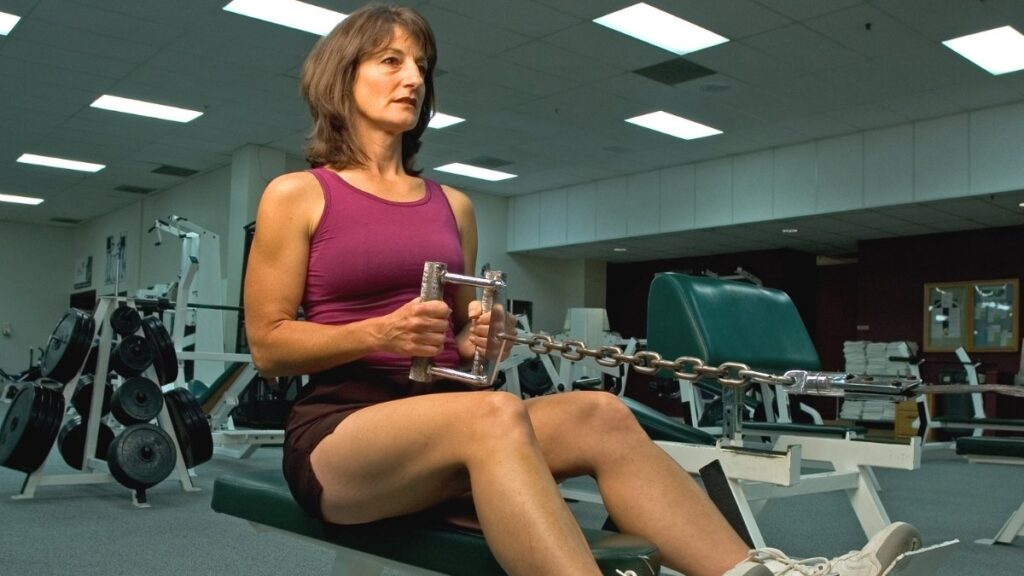
Jim learned that for a strong upper body and healthy back, pulling movements like rows are something you absolutely must do. Strong back muscles are the foundation for good posture. They also help fight the forward slump that aging or desk work can cause. This protection for his spine is vital.
He chooses dumbbell or machine rows instead of heavy barbell movements. This gives him better control and puts less strain on his lower back.
Row Variations for Back Health
Seated Cable Row: This is a very controlled movement. It lets Jim fully squeeze his back muscles. He can ensure he uses a full range of motion every time.
Dumbbell Bent-Over Rows: Using two separate dumbbells lets his arms move independently. This is great for fixing any strength imbalances that built up over the years of competitive sport.
Incline Bench Dumbbell Row: By lying face-down on an incline bench, Jim completely removes his lower back from the movement. This lets him focus and isolate just his upper back muscles.
5. Planks
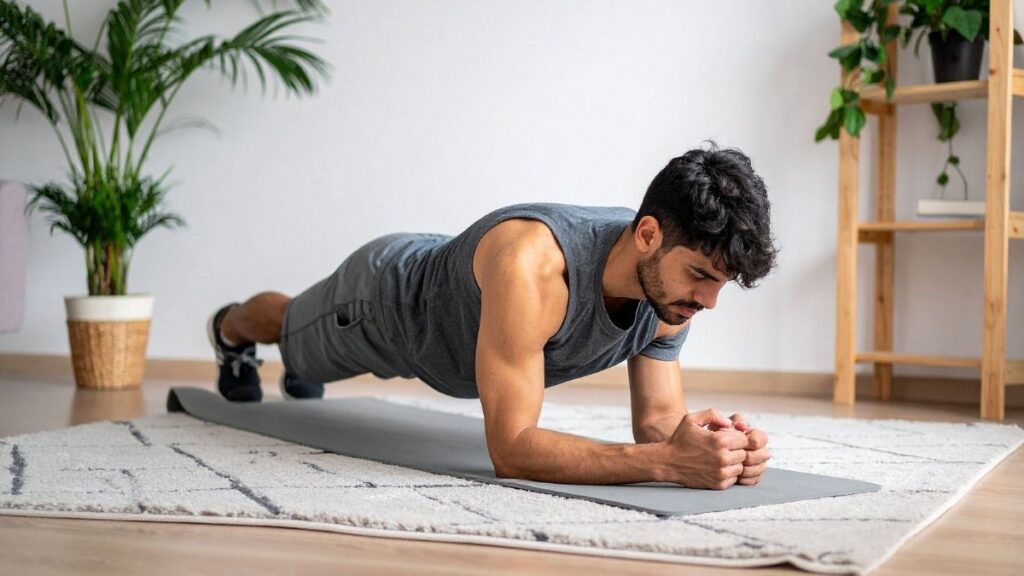
Core strength, Jim discovered, is not about endless crunches. It’s about stability.
Planks and their variations work your entire core, from the front (abs) to the back (lower back and spine muscles). They teach your body to hold a stiff, neutral spine while under tension.
This kind of core strength is essential for balance. It’s the best way to protect your lower back from injury during every other activity you do.
Plank Variations for 360-Degree Stability
Standard Plank (on elbows or hands): Jim focuses on keeping his body in one straight line, from his head to his heels. He really concentrates on bracing his abdominal muscles, squeezing them tight.
Side Planks: These are crucial for working the obliques (side abdominal muscles). They develop lateral core stability. This is often forgotten, but it is key for rotational sports and preventing falls.
Plank Rotations: This is where Jim smoothly moves from a standard elbow plank into a side plank. This adds a level of dynamic core stability and improves his whole-body mobility.
Phase 2: Mastering Mobility and Balance for Longevity

What keeps you up at night in your 50s? It’s the fear of a serious injury from a simple fall. A lack of Mobility and Balance is a huge risk. This section is about fighting that risk. It’s about building a body that moves easily and stays upright.
You can’t skip balance work. Here’s why it matters: The inability to stand on one leg for 10 seconds is linked to a higher risk of premature death. This isn’t just about athletic performance; it’s about health that lasts.
This part of your plan has two main jobs. First, we use Balance Training and Flexibility to prevent falls. Second, we integrate mind-body practices to manage stress and increase your body awareness.
Also, remember that flexibility decreases by approx. 6 degrees per decade after 55. We must fight this stiffness to protect your joint health and keep your range of motion high.
6. Yoga: Quiet Strength and Deep Flexibility
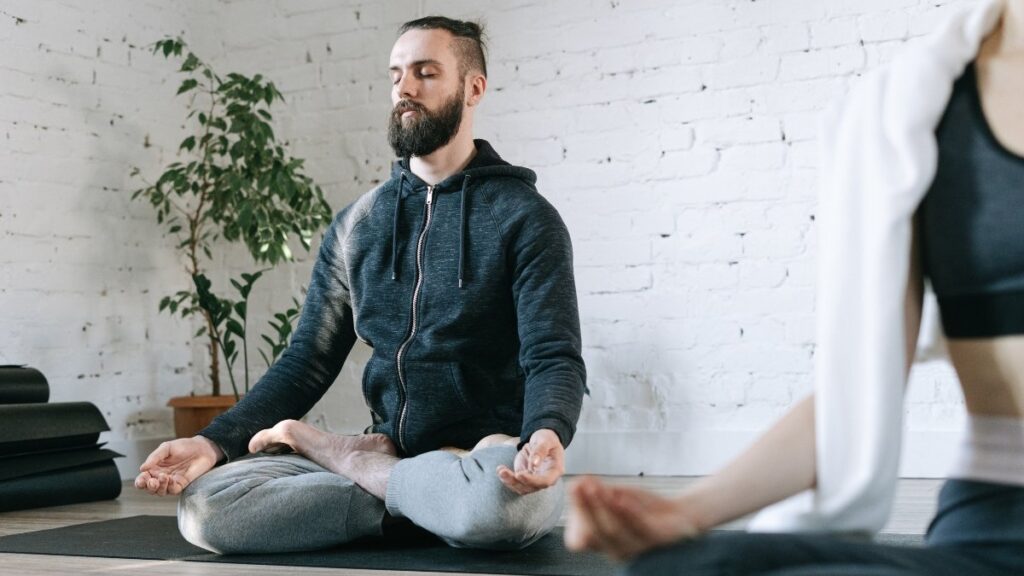
Jim never thought Yoga was a real workout when he was younger. He saw it as too easy. Now, he knows it’s a powerhouse. It builds incredible flexibility, quiet strength, and deep body awareness.
Yoga forces him to move through a full range of motion. This counteracts the stiffness and tightness that built up from years of intense training and long hours at a desk. This supports his overall joint health.
Downward Dog: This stretches and strengthens the whole body. It helps lengthen his hamstrings and calves, which are often very tight.
Tree Pose: This is a key balance exercise. It forces Jim to use his core and the small muscles in his feet. This directly improves his stability and coordination.
Cat-Cow Stretch: This is a gentle exercise for spinal mobility. It warms up his back and gets rid of stiffness from sitting for a long time.
7. Tai Chi: The Ultimate Balance Workout
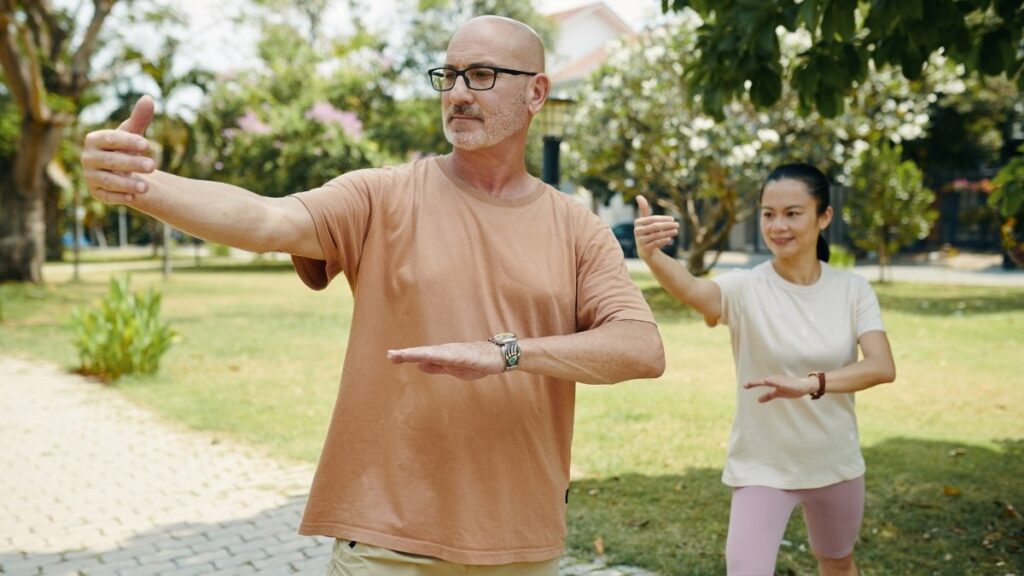
Tai Chi is the ultimate Mobility and Balance workout. Jim wishes he had started it years ago. Its slow, flowing, and deliberate movements are incredibly effective.
They improve his proprioception (his body’s awareness of where it is in space) and core stability. These two things are vital for prevent falls as he ages. This gentle, mind-body practice also helps a lot with stress reduction.
Brush Knee and Push: This key movement involves shifting his weight from one leg to the other. This is excellent for improving his dynamic balance—the ability to keep balance while moving.
Parting the Wild Horse’s Mane: This works on the coordination between his upper and lower body. It also promotes a full range of motion in his hips and shoulders.
Practicing in different environments: Jim sometimes practices outside on slightly uneven ground. This safely pushes his balance system even further.
8. Stretching: Fighting Age-Related Stiffness
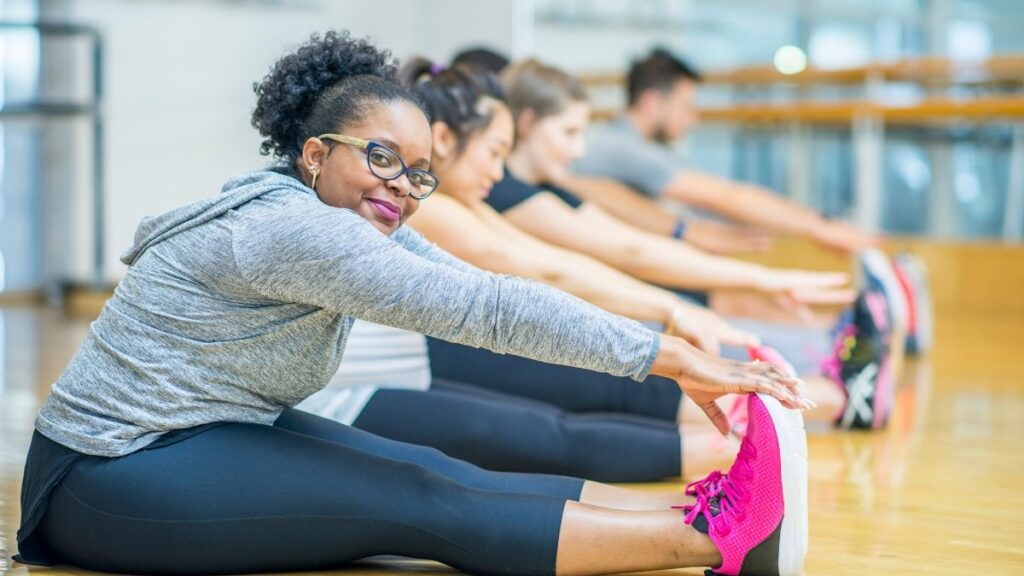
Jim used to stretch for only a minute after a hard workout. Now, he dedicates 15 minutes every day to deep, controlled stretching. He learned that flexibility drops significantly as you age.
This leads to pain and movement that feels restricted. Consistent stretching keeps his muscles supple, keeps his joints lubricated, and greatly reduces his risk of injury.
Samson Stretch (Hip Flexor): Jim uses this deep lunge to target the hip flexors. These muscles get tight from sitting and often cause lower back pain.
Supine Wall Straddle: This is a passive stretch for the inner thighs and hamstrings. He holds it for 30–60 seconds, which lets the muscle tissue deeply relax.
Shoulder Rolls: These are simple, controlled rolling motions. Doing them forward and backward actively improves the range of motion and relieves stiffness in his shoulders.
9. Physical Games: Fun, Functional Movement

Jim missed the social and competitive parts of his life as an athlete. He found that playing Physical Games like Golf or pickleball is a great way to add fun and complex movement back into his routine.
These activities require hand-eye coordination and social interaction. They are a fun, low-impact way to stay active. They engage his Mobility and Balance and agility without the high stress of his past sports.
Pickleball: This game requires quick, reactive movements. This challenges his Balance and agility in a low-impact way. It also keeps his mind sharp.
Golf: The rotational swing is a fantastic full-body movement. It works his grip strength, core stability, and hip mobility.
Bowling: This is a simple activity that improves coordination and balance while helping him maintain a strong social connection.
10. Meditation: The Recovery Secret Weapon

Meditation isn’t a physical exercise, but Jim is sure it’s the one practice he wishes he’d started decades ago. It helps manage the stress of training and competition. It’s an essential tool for mental well-being.
It also helps him listen to his body—knowing when to push and, even more important, when to rest. This practice is his secret weapon for better recovery.
Focused Breathing: Jim practices box breathing (inhale, hold, exhale, hold—all for four seconds) for five minutes. This quiets his mind and helps lower his stress levels.
Body Scan Meditation: He intentionally notices any stiffness or tension in his joints and muscles. This feeling guides his stretching or rest routine for the next day.
Pre-Workout Centering: A two-minute focus on his breath and his goal before a workout ensures he moves mindfully and with proper form.
Phase 3: The Low-Impact Cardio and Active Recovery Plan

You’ve built your foundation. Now, it’s time to move. A Former Athlete at 50 needs two things from this phase: great Cardiovascular health and smart Active Recovery. We need to keep your heart strong without damaging your joints.
The goal is clear: Aim for 150 minutes of moderate-intensity aerobic activity per week. Moderate intensity means your heart rate is up, but you can still hold a conversation.
We will use low-impact methods. We also focus on using simple activities, like Household Chores, as a form of exercise. Even small changes, like Walking an extra 1,500 steps/day, can significantly improve your health.
11. Walking: The King of Low-Impact Exercise
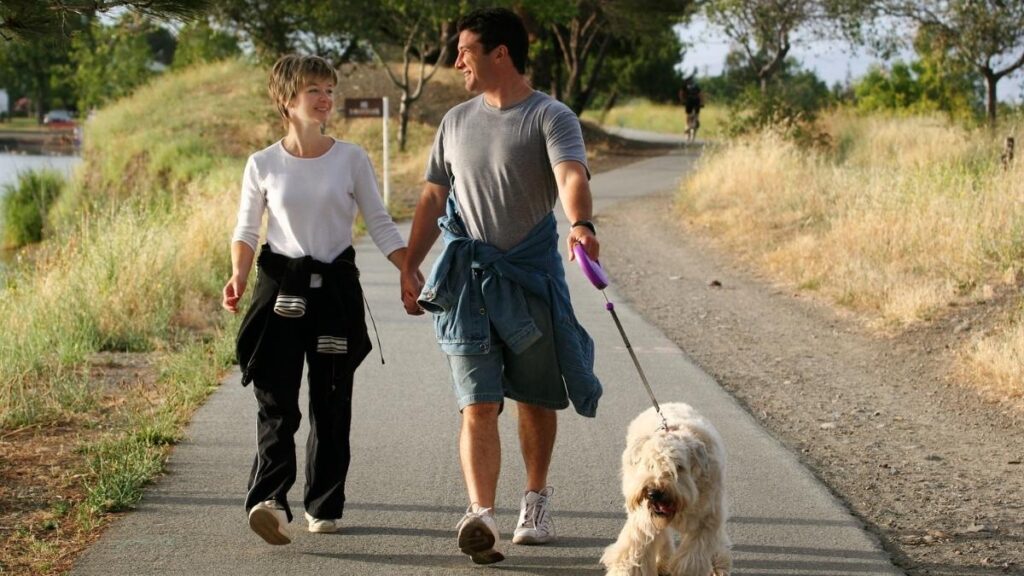
For Jim, Walking is the best low-impact exercise there is. It’s simple, easy to access, and gives excellent Cardiovascular health benefits. It puts no harsh impact on his joints. Jim now sees a daily walk of at least 30 minutes as a non-negotiable part of his routine.
Brisk Pace Walks: Jim walks fast enough so he can talk, but not easily sing. This is how he hits the moderate-intensity target for his heart.
Incline Walking: He uses hills or an incline on a treadmill. This increases the intensity without forcing him to jog, which stresses his knees.
Walk and Talk: Jim schedules phone calls or meet-ups to include movement. This makes his exercise a natural part of his day.
12. Swimming: The Perfect Non-Weight Workout
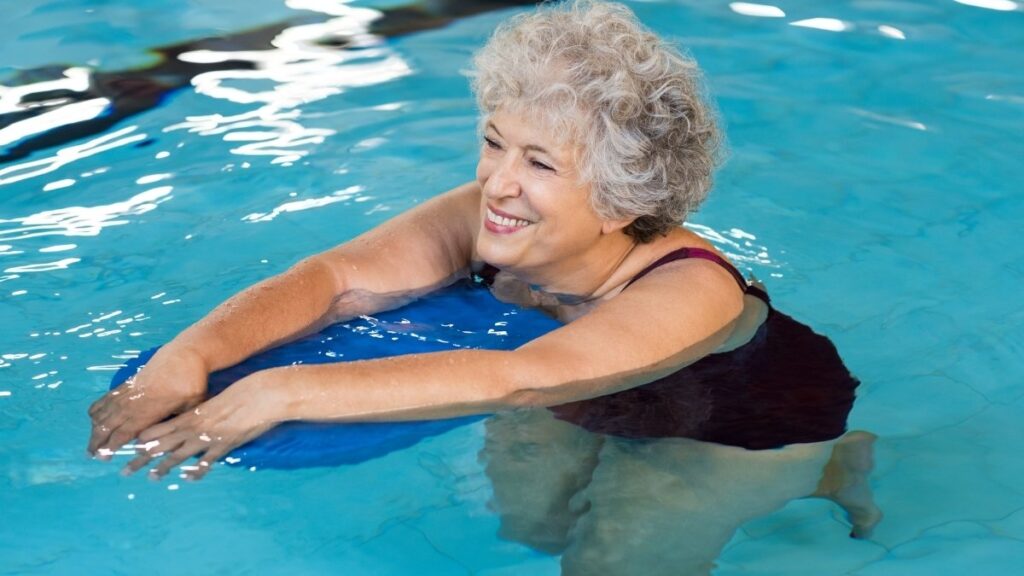
Jim realized that Swimming is a full-body workout that is entirely non-weight-bearing. It gives great Cardiovascular health benefits. It’s often called the “perfect exercise.”
It strengthens every major muscle group while reducing joint stress to nearly zero. This makes it ideal for a Former Athlete at 50 with old injuries.
Water Aerobics/Walking: If swimming laps is too intense, Jim uses the water resistance for walking and exercises in the shallow end. This is very gentle on his joints.
Different Strokes: He switches between the breaststroke (easier on the shoulders) and the freestyle. This ensures a balanced, full-body resistance workout.
Kickboard Work: Using a kickboard, Jim focuses just on his leg and core muscles. This improves lower-body strength and endurance while floating.
13. Bicycling: High-Intensity, Low-Impact
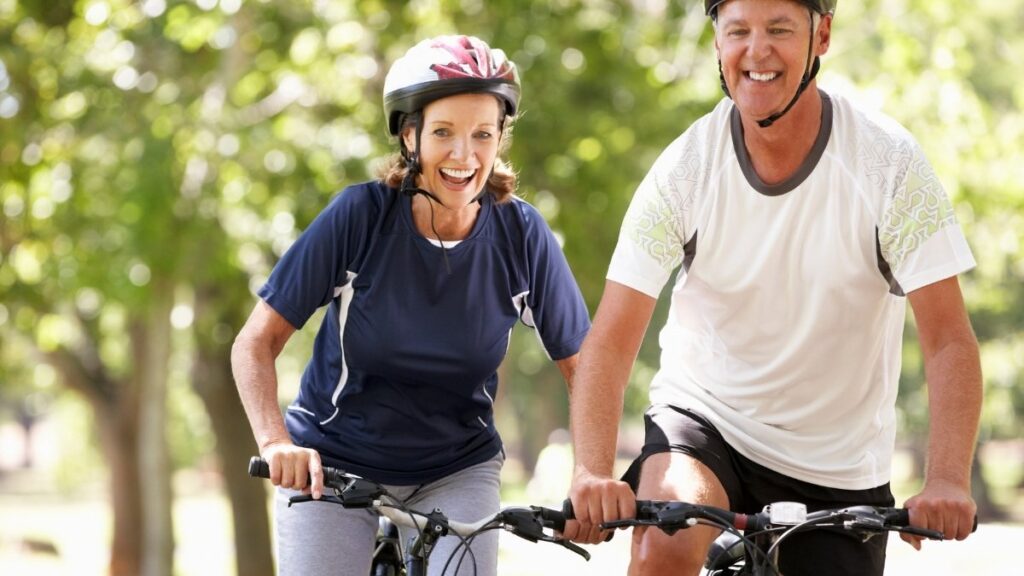
Bicycling is Jim’s favorite way to get a higher-intensity low-impact cardio workout. Whether he’s outdoors or on a stationary bike, it efficiently raises his heart rate. It also builds strong legs without the constant impact forces of running. This protects his hips and knees.
Spin Classes: He likes the high energy and accountability of a spin class. He uses the varied resistance to build stamina and leg power.
Setting Up: Jim makes sure his bike is adjusted correctly. This prevents knee pain and makes the workout safe for his joints.
Interval Training: He uses short bursts of higher resistance or speed, followed by easy recovery periods. This is a very efficient way to boost his Cardiovascular health.
14. Group Fitness Classes: Social and Structured
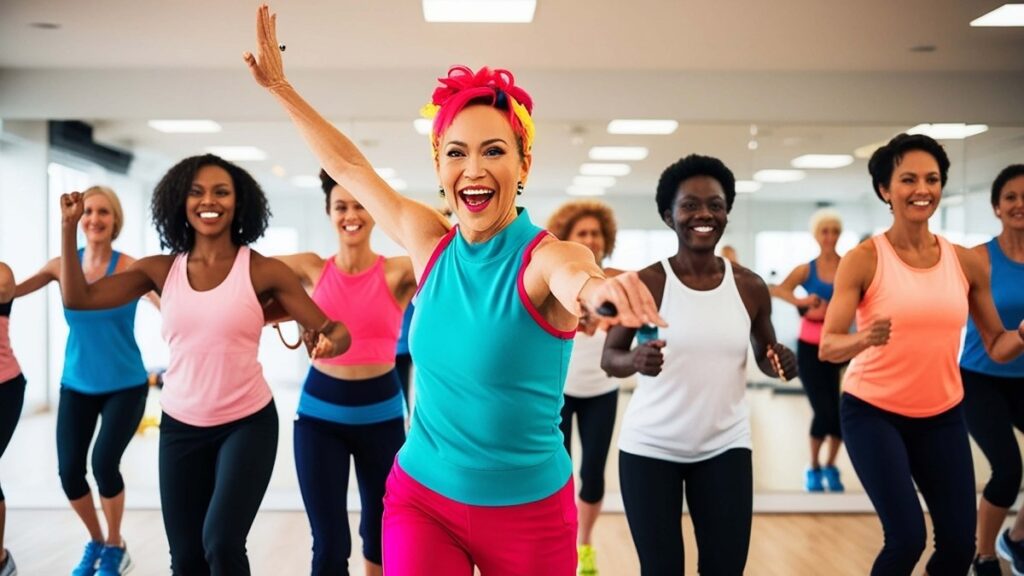
Jim discovered that Group Fitness Classes offer two critical things he lacked when training alone: social wellness and accountability.
Dance or light aerobics classes keep him moving, offer mental benefits, and let him follow a structure without having to plan the routine himself.
Dance Classes (e.g., Zumba Gold): This offers fun, non-choreographed movement. It improves his coordination and provides mental stimulation.
Low-Impact Aerobics: These are structured workouts that keep his heart rate up while the instructor guides him through joint-safe movements.
Accountability: Being part of a class structure keeps Jim motivated and consistent. This is key to long-term success.
15. Working with a Personal Trainer: Safety First
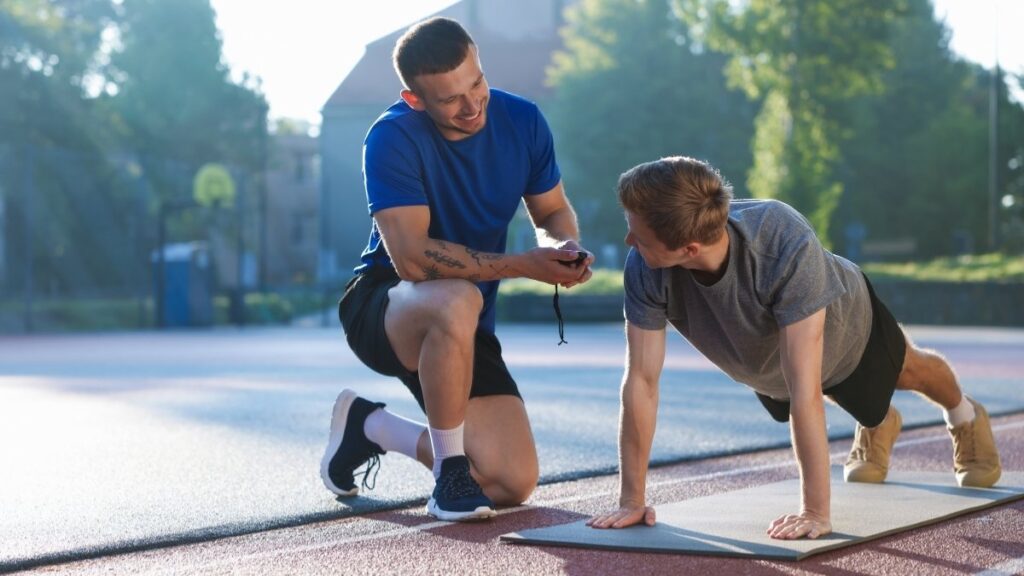
For Jim, hiring a Personal Trainer (even for just a few sessions) was a smart investment. It made sure his new routine was safe and customized.
A professional helped him correct decades of bad form habits. They set up workouts specifically for his joint issues and his goal of a sustainable routine.
Form Check: A trainer provides an objective eye. They ensure Jim is doing squats, rows, and lunges correctly, which prevents injury.
Customization: They help find the right modifications for old injuries. This ensures every exercise improves his joint health.
Safe Progression: A trainer gives him a clear plan for slowly increasing the difficulty without doing too much, too soon.
16. Household Chores: Active Living
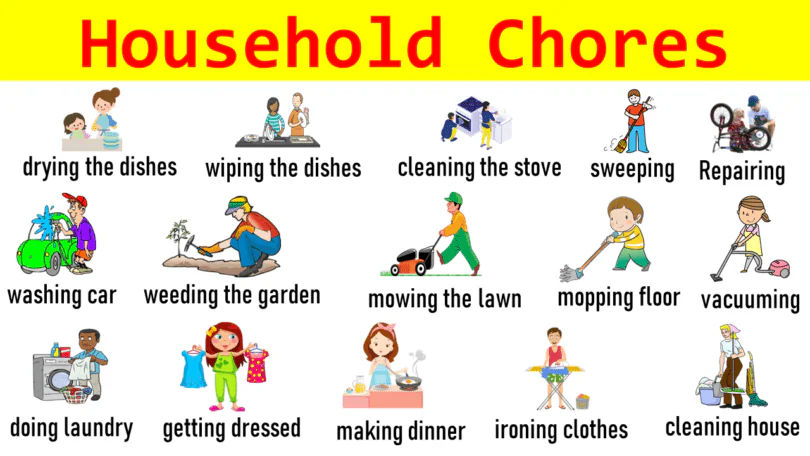
Jim now uses Household Chores—things he used to not count as activity—as part of his fitness. Gardening, vacuuming, and lawn-mowing all require bending, lifting, and pushing.
This keeps him active and supports cognitive health by linking physical and mental tasks. This is real functional strength.
Gardening: The bending and lifting of dirt bags acts like a series of controlled deadlifts and squats. This works his glutes and core.
Carrying Groceries: He sees this as a ‘Farmer’s Carry’ exercise. It’s great for grip and core strength. He focuses on carrying equal weight in each hand.
Stair Use: Jim makes sure to always take the stairs. He treats them as small, built-in leg and cardio boosters.
17. Final Cool-Down: Stretching (Hold, Not Bounce)
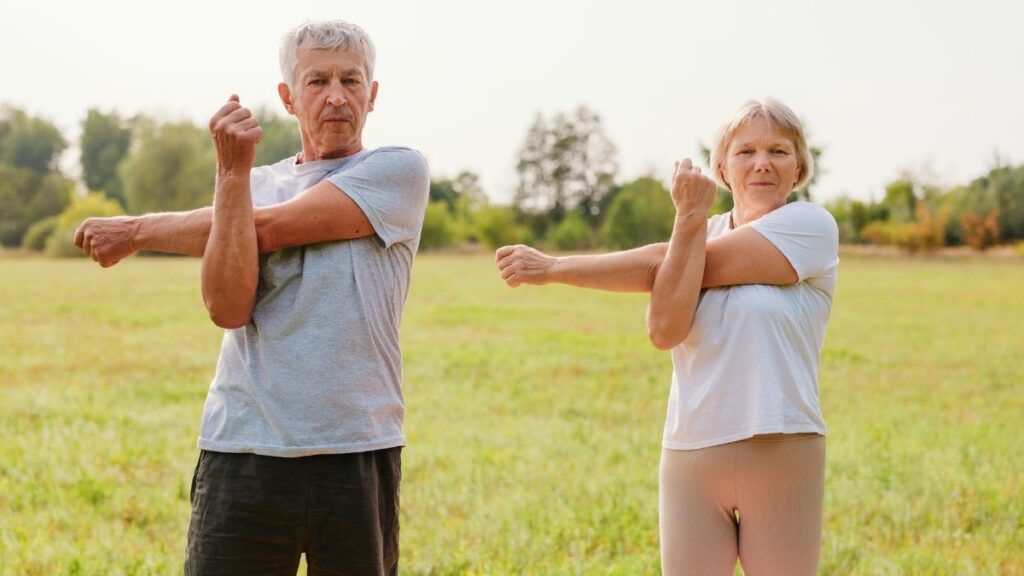
Jim now understands that a proper, gentle, and sustained cool-down is an exercise itself—it’s Active Recovery. This stretching phase allows his heart rate to slow down gradually.
It reduces muscle soreness and is essential for maintaining a healthy range of motion in his joints. He holds each stretch for 20-30 seconds, never bouncing.
Hamstring Stretch (Seated or Standing): He focuses on the back of his legs. This area is often the source of lower back tension.
Quad Stretch (Standing or Side-Lying): This targets the front of his thighs, which can get tight from walking or cycling.
Triceps and Chest Stretch (Doorway Stretch): This helps reverse the rounded shoulder posture that often comes from desk work or years of ‘pushing’ sports.
Conclusion: Your Best Years Are Ahead
Jim’s journey proves one thing: the best fitness after 50 is about a sustainable routine. It prioritizes Mobility and Balance, not just the intense efforts of his youth.
The 17 exercises he regrets not starting earlier—from Low-Impact Strength moves like the Wall Sit to mind-body practices like Yoga and Meditation—are the keys to long-term health. These are the right Exercises for Former Athletes at 50.
Don’t wait until you’re 50 to make the switch. Pick two or three low-impact activities from this list and incorporate them into your routine this week.
Start small, be consistent, and commit to being Fit after 50 and beyond. Your best years of movement are ahead, especially with the right routine.
