

Some mornings, you wake up tired and promise yourself you will start taking better care of your health soon. By evening, work, meals, and family have pushed that promise aside.
Small choices can feel too simple to matter, especially after 40 when staying strong, sharp, and active starts to feel more important.
Research suggests the basics still count: movement, nourishing food, good sleep, stress control, and strong social ties can support healthier aging. Instead of chasing extreme routines, these 15 micro-habits focus on practical actions researchers study and use to protect health. Each one is small enough to start today.
3 Small Habits for a Longer, Stronger Life
Longevity is built through ordinary choices repeated often. Focus on movement, nourishing food, restorative sleep, and real human connection.
Move Your Body Every Day
Combine regular walking and movement breaks with weekly cardio and strength training to support heart health, muscle, mobility, and long-term independence.
Build Meals Around Plants & Protein
Focus on vegetables, beans, whole grains, nuts, and quality protein while limiting heavily processed foods to support muscle and metabolic health.
Protect Sleep & Social Connection
Prioritize consistent sleep, meaningful relationships, and simple daily stress relief to support better health, emotional resilience, and healthy longevity.
1. Get Outdoor Light Early to Help Set Your Body Clock

Your body uses light and darkness to help decide when you should feel awake and when you should feel sleepy. Outdoor daylight is usually much brighter than the light inside your home, even when the weather is cloudy. That makes spending a little time outside early in your day a simple habit worth building.
Morning light can help support your circadian rhythm, which is your body’s natural sleep-wake cycle. Better sleep timing may also make it easier to exercise, control appetite, stay focused, and keep a regular daily schedule.
A 2024 UK Biobank study of 88,905 people found that brighter daytime light exposure was linked with lower all-cause mortality. Brighter nighttime light was linked with higher mortality. The study was observational, so it does not prove that morning light itself makes people live longer.
You also do not need to follow a strict rule such as getting exactly 10 minutes of sunlight before 8 a.m. A better goal is to get outside reasonably soon after waking. Take your coffee outside, walk your dog, make a phone call outdoors, or walk around the block.
Start with five to fifteen minutes when practical. The main goal is to give your body a clear signal that the day has started.
2. Make Morning Hydration Easy Instead of Complicated

You lose some water overnight through breathing, sweating, and normal body functions. That makes the morning a useful time to replace fluids. But you do not need a special drink, a huge bottle of water, or a strict drinking schedule.
Research following more than 11,000 adults found that people with higher-normal blood sodium levels had greater rates of faster biological aging, chronic disease, and premature death.
Researchers used sodium as one clue related to hydration status. Because the study was observational, it cannot prove that simply drinking more water will make you live longer.
A practical habit is to fill a reusable bottle before bed and keep it somewhere visible in the morning. Drink with breakfast or during your first hour awake based on your thirst and personal needs. Your fluid needs may be different from someone else’s because of your body size, activity level, diet, climate, and health.
Coffee does not need to wait until you finish a certain amount of water. Lemon water also has no proven special longevity effect.
The useful habit is simple: make regular hydration easy enough that you do it without thinking about it.
3. Give Your Eating Day a Clear Start and Stop

Many people do fairly well at breakfast, lunch, and dinner but then keep eating through the evening. A few bites while watching television can turn into hundreds of extra calories without much hunger being involved.
One simple option is to create a clear end point for your eating day. A 2024 randomized trial involving adults with metabolic syndrome found that an individualized eight-to-ten-hour eating window led to modest improvements in some cardiometabolic measures over three months.
A 2026 review also found possible benefits for body weight and glucose control in some people, while pointing out that long-term effects and the best approach are still uncertain.
You do not need to jump into long fasts. Start by closing the kitchen after dinner. If you usually eat at 10 p.m. because of habit rather than hunger, that is the first behavior to work on.
Do not worry about claims saying that your cells suddenly start cleaning themselves after exactly 12 hours without food. Human autophagy is much more complicated than a household timer.
For many people, the useful habit is simply eating meals during a regular part of the day and cutting back on automatic late-night grazing. Fasting can be a tool. It is not a requirement for healthy aging.
4. Put a Real Protein Source in Every Meal

Living longer matters less if you lose so much strength that normal daily tasks become hard. Muscle helps you walk, climb stairs, carry groceries, get out of a chair, recover from illness, and stay independent as you age.
Protein supports muscle repair and maintenance. Older adults often need to pay closer attention to both the amount and quality of protein they eat.
Guidance for healthy older adults has commonly suggested about 1.0 to 1.2 grams of protein per kilogram of body weight each day. Exercising adults may sometimes benefit from higher amounts, depending on health and activity.
You do not need to calculate every gram at every meal. Start by asking one question before you eat: Where is the protein?
Breakfast could include eggs, Greek yogurt, cottage cheese, beans, or another protein-rich food. Lunch might include lentils, tofu, fish, chicken, beans, or dairy. Dinner should also have a clear protein source instead of being built mainly around bread, pasta, or rice.
Protein also works better when your muscles have a reason to adapt. That is where strength training becomes important.
The goal is not to chase the biggest protein number possible. The goal is to eat enough protein consistently while staying physically active.
5. Add More Plants Before You Start Removing Foods

A healthy diet does not have to begin with a long list of foods you can never eat again. A much easier starting point is adding more foods that support long-term health.
Vegetables, fruit, beans, lentils, whole grains, nuts, seeds, and unsaturated fats should make up a large part of your usual diet. You do not have to become vegan to benefit from eating more plant foods.
A 2024 Women’s Health Study analysis followed 25,315 women for about 25 years. Women with higher adherence to a Mediterranean-style diet had about 23% lower all-cause mortality than women with low adherence.
A large 2025 study involving more than 100,000 people also linked several high-quality eating patterns with a better chance of reaching older age without major chronic disease and with better physical, mental, and cognitive health.
These studies show patterns and associations. They cannot tell you that one serving of beans adds a certain number of years to your life.
Make the habit simple. Add fruit to breakfast. Put beans into lunch. Add another vegetable at dinner. Eat a handful of nuts instead of a highly processed snack.
Small additions can slowly change the quality of your whole diet.
| Meal | Easy Plant Addition | Why It Helps |
|---|---|---|
| Breakfast | Berries, banana, nuts or seeds | Adds fiber and plant nutrients |
| Lunch | Beans, lentils or salad | Makes the meal more filling |
| Snack | Fruit or nuts | Replaces some highly processed snacks |
| Dinner | Two different vegetables | Adds more variety and fiber |
| Grain choice | Oats, brown rice or whole grains | Adds more fiber than refined options |
6. Break Up Long Sitting With Short Movement
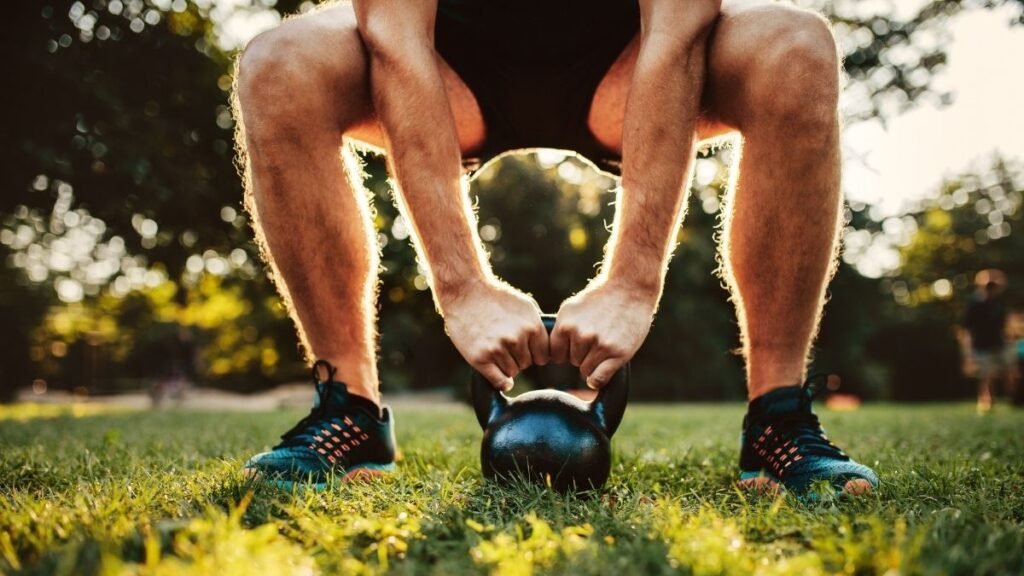
A workout in the morning does not mean the rest of the day should be spent sitting. Long periods with very little movement are common because many people work, travel, relax, and use screens while seated.
The useful fix is not adding another complicated workout. It is creating more reasons to move throughout your normal day.
The World Health Organization recommends 150 to 300 minutes of moderate aerobic activity each week, or 75 to 150 minutes of vigorous activity. Adults are also advised to include muscle-strengthening exercise. Physical activity no longer needs to happen in blocks of at least 10 minutes to count.
Walk while talking on the phone. Use the stairs for one floor. Take a five-minute walk after lunch. Stand up between work tasks. Walk to a farther bathroom or water station. Do a few stretches while waiting for coffee.
These actions may seem small, but they help change a day that is almost completely sedentary into one that contains regular movement.
Think less about whether something counts as a workout. Ask whether you can create several extra reasons to move today.
7. Build Your Aerobic Fitness at a Pace You Can Maintain

Your heart, lungs, blood vessels, and muscles work together every time you walk quickly, cycle, swim, or climb a hill. The better this system works, the better your cardiorespiratory fitness usually becomes.
Cardiorespiratory fitness is strongly linked with long-term health. A 2024 review covering 26 systematic reviews and more than 20 million observations found that higher fitness was strongly linked with lower mortality. Each 1-MET increase in fitness was associated with an estimated 11% to 17% lower risk of all-cause mortality.
You may hear people call moderate steady exercise “Zone 2 cardio.” You do not need a smartwatch or complicated formula to get started.
Use the talk test.
Exercise at a pace where you can still speak in sentences but can clearly tell that you are working. Brisk walking, uphill walking, cycling, swimming, and rowing can all work.
Start with 20 to 30 minutes if that amount fits your current ability. Increase your time and weekly activity slowly.
Do not become obsessed with whether your watch labels a workout as Zone 2. Improving your fitness matters more than getting a perfect zone number on a screen.
8. Strength Train at Least Twice Each Week

Weak muscles can make normal life harder long before someone thinks of themselves as old. Getting out of a low chair, carrying bags, climbing stairs, and catching yourself during a stumble all require strength.
Resistance training helps maintain muscle and supports bone health, physical function, and metabolic health. WHO guidelines recommend muscle-strengthening activities involving the major muscle groups on at least two days each week.
You do not need a bodybuilding gym routine. Beginners can use body weight, resistance bands, machines, dumbbells, or other forms of resistance.
Try to include basic movement patterns. Squatting can be practiced with sit-to-stands. A hip hinge trains your hips and back. Pushing can include wall push-ups or presses. Pulling can include rows. Carrying grocery bags or weights can also train useful strength.
Make the exercises a little harder over time. That could mean adding a few repetitions, using a slightly heavier weight, or improving your control.
For a tiny daily cue, try five slow sit-to-stands before settling into your chair after morning coffee.
That small habit does not replace proper strength sessions. It simply reminds your body that strength is something you use.
9. Add Some Harder Exercise After You Build a Base
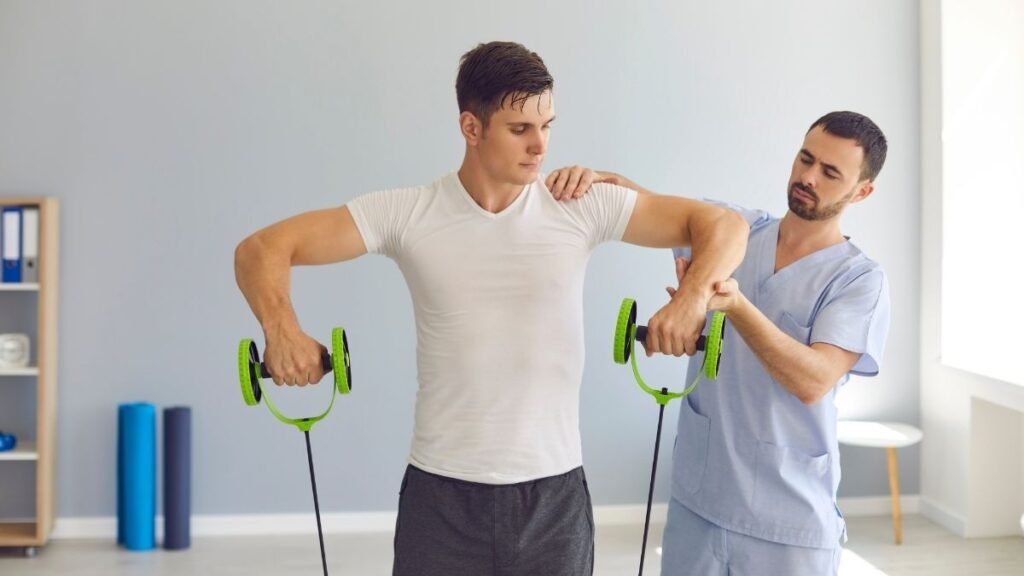
Easy and moderate exercise builds your foundation. Working harder once in a while can challenge your aerobic system in a different way and may improve VO2 max.
That does not mean everyone needs all-out interval training. If you are new to exercise, start with walking or other moderate activities first. Your joints, muscles, heart, and lungs need time to adapt.
The five-year Generation 100 trial in older adults found encouraging fitness and quality-of-life results from high-intensity interval training. The trial did not prove that HIIT definitely lowers mortality compared with guideline-based exercise.
Once you have a reasonable fitness base, one simple session might look like this:
| Part | Time | Effort |
|---|---|---|
| Warm-up | 5 minutes | Easy |
| Hard interval | 1 minute | Brisk or hard |
| Recovery | 2 minutes | Easy |
| Repeat | 4–6 rounds | Alternate hard and easy |
| Cool-down | 5 minutes | Easy |
“Hard” should still be controlled. It does not need to mean sprinting until you feel sick.
People who are very inactive or who have heart or cardiovascular concerns should choose vigorous exercise based on their own health situation and professional advice when needed.
Easy exercise builds your base. Occasional harder work can help raise your fitness ceiling.
10. Give Yourself Enough Time to Sleep

Many people try to fix poor sleep with supplements, expensive mattresses, sleep trackers, and complicated routines. Often, the first problem is much simpler: they are not giving themselves enough time to sleep.
Adults generally need at least seven hours of sleep. The American Heart Association lists seven to nine hours as a typical adult target in its Life’s Essential 8 framework. That does not mean every person needs exactly eight hours.
A useful habit is keeping your wake time fairly consistent. Then work backward and give yourself enough time in bed. You can also set an evening alarm that tells you when to start getting ready for sleep instead of relying only on a morning alarm.
Keep the bedroom dark, quiet, and comfortable. Reduce bright light late at night when practical. Getting outdoor light in the morning can also help support your daily sleep-wake rhythm.
Ask whether you are sleeping long enough, waking at fairly regular times, and staying reasonably alert during the day. Persistent insomnia, loud snoring, or breathing problems during sleep deserve more attention than a poor sleep score from one night.
Sleep also affects exercise recovery, appetite, mood, and energy. That is why protecting your sleep time can make several other healthy habits easier.
11. Practice Five Minutes of Stress Recovery Every Day

You cannot remove every stressful event from your life. What you can do is give your body regular chances to calm down after stress.
Long-term psychological stress has been linked with cardiovascular problems through several possible pathways. These include changes involving the nervous system, blood vessels, inflammation, and health behaviors. No single meditation routine has been proven to extend human lifespan.
Try five minutes of slow breathing. Take a quiet walk without your phone. Pray. Write in a journal. Stretch. Sit quietly. Work in the garden. Use a short meditation if you enjoy it.
The exact method matters less than creating repeated periods when your body can come down from a high-stress state.
Habit stacking can make this easier. Take five slow breaths before lunch. Walk for five minutes after finishing work. Stretch after brushing your teeth at night.
12. Make One Real Social Connection Each Day

Food and exercise get most of the attention in healthy-aging advice. Relationships deserve a place beside them.
Social isolation is linked with worse health outcomes. The U.S. Surgeon General’s social-connection advisory reported that social isolation was associated with a 29% increased risk of premature mortality.
The quality and regularity of your relationships matter. One dependable friend, family member, neighbor, faith community, club, or social group can give you regular opportunities for meaningful contact.
Call someone instead of sending another short message. Eat with another person. Speak with your neighbor. Ask a friend when they are free to meet. Attend the same class, club, walking group, or community activity each week.
Digital communication can be useful, especially when distance makes meeting difficult. But try to use messages as a bridge to meaningful conversation rather than collecting likes and short replies.
Social contact also gives structure to your week. A regular walking group, family dinner, volunteering shift, or class gives you something to show up for.
Relationships belong in a healthy-aging plan beside movement, food, sleep, and preventive care.
13. Use Sauna as an Extra, Not a Requirement

Sauna gets a lot of attention in longevity discussions. Some research is interesting, but it should be kept in the right place.
A Finnish study followed 2,315 middle-aged men for about two decades. More frequent sauna use was associated with lower cardiovascular and all-cause mortality. Frequent users had roughly a 40% lower adjusted risk of all-cause mortality in the study. That does not mean sauna guarantees a 40% longer life.
People who use sauna frequently may also differ in other ways that affect health. Observational research cannot fully separate every factor.
A 2025 review of randomized passive-heating trials found that the combined effects on several cardiovascular and metabolic measures were much less clear. That is another reason not to place sauna above exercise, good nutrition, sleep, or basic medical care.
Stay hydrated. Avoid combining extreme heat with alcohol. Leave if you become dizzy, weak, or unwell. People with health concerns should use heat exposure based on their individual situation.
Regular exercise, healthy food, adequate sleep, blood-pressure control, and strong relationships have a much stronger claim on your time.
14. Keep Cold Exposure in the Optional Category

Cold showers and ice baths look impressive on social media. That does not mean they belong at the center of a healthy-aging routine.
Cold-water exposure causes real short-term changes in the body. But strong evidence showing that cold exposure extends human lifespan does not exist.
A 2025 systematic review and meta-analysis included 11 studies with 3,177 participants. Researchers found mixed effects that changed depending on when measurements were taken.
Some measures of inflammation rose shortly after cold exposure, while later changes in stress or well-being were seen in some studies. The research did not show that cold exposure increases human lifespan.
That means claims such as “11 minutes of cold per week is the perfect longevity dose” go beyond what current human research can support.
The same problem applies to claims that cold exposure turns on special longevity genes, prevents dementia, or greatly strengthens immunity.
If you are healthy and simply like cold exposure, a short cool finish to your shower can be an optional experiment.
Put your time and effort into the habits with stronger support first: movement, aerobic fitness, strength training, healthy food, enough sleep, stress recovery, relationships, and preventive health care.
15. Track Health Numbers Only When They Help You Act

Modern watches and health apps can give you dozens of numbers every day. More data does not automatically create better health.
A useful measurement should help you make a decision.
Depending on your age, health, and medical advice, useful measures may include blood pressure, cholesterol and other lipids, blood glucose or HbA1c, body weight or waist trends, physical activity, fitness, strength, and average sleep.
The 2025 U.S. blood-pressure guideline continued to support prevention, lifestyle changes, and home blood-pressure monitoring when appropriate. Updated 2026 U.S. cholesterol guidance also gave more attention to personal cardiovascular risk and recommended that adults have lipoprotein(a), or Lp(a), measured at least once in their lifetime.
For example, the 2026 ADA Standards do not establish continuous glucose monitors as routine screening tools for people without diabetes. Evidence for widespread CGM use in healthy people is still limited.
Instead of checking ten numbers every morning, create a simple monthly health dashboard.
| Health Area | Useful Measure | What You Could Do With It |
|---|---|---|
| Activity | Average weekly movement | Increase walking or exercise if it stays low |
| Strength | Reps, weight or exercise progress | Adjust resistance training |
| Sleep | Average sleep time | Change bedtime or wake routine |
| Blood pressure | Home average when advised | Discuss repeated high readings with a clinician |
| Weight or waist | Long-term trend | Review food and activity habits |
| Lab results | Cholesterol, glucose and other indicated tests | Use results with medical advice to guide care |
Do not panic over one strange number. Look for trends.
If your average sleep has fallen for two months, that may deserve action. If your blood pressure stays high across repeated proper measurements, that matters. If your strength has stopped improving, your training may need to change.
Your watch can produce endless data. Your job is to focus on the numbers that can actually change what you do.
