
You drink a full glass of water, then find yourself heading to the bathroom again soon after. By bedtime, it can feel like staying hydrated means losing sleep.
For many adults over 40, the answer is not simply drinking more. A tiny amount of sodium can help the body hold fluid after heavy sweating, heat, or illness, but extra salt is not right for everyone.
Plain water still works well for most daily needs. This article explains when a pinch of sea salt may help, when it may cause harm, and how to hydrate without making bathroom trips worse overnight.
Salt, Water and Bathroom Trips
Sodium can help the body retain fluid after meaningful losses, but more salt is not always better. The right choice depends on your activity, health and symptoms.
Salt Helps Only in Certain Situations
A small amount of sodium may improve fluid retention after heavy sweating, prolonged exercise, extreme heat, vomiting or diarrhea.
Plain Water Still Works for Daily Hydration
Most adults already receive enough sodium from food, so plain water and regular meals usually cover normal daily hydration needs.
Too Much Salt Can Cause Problems
Extra sodium may increase thirst, swelling and blood pressure, especially with heart, kidney or blood pressure concerns.
Frequent Urination May Have Another Cause
Bathroom trips may relate to fluid timing, caffeine or medicines, as well as bladder, prostate, diabetes or kidney concerns.
The Salt-Water Claim Is Partly True—but Only in the Right Situation
Sodium does help your body manage fluid. It supports blood volume and helps control how much water stays in the bloodstream and tissues. That part is true.
After heavy sweating, vomiting, diarrhea, or long exercise in heat, replacing both water and sodium can improve fluid retention better than plain water alone. Yet context matters.
Salt does not act like a pump that drives water straight into your cells. Instead, the kidneys, hormones, sodium, and potassium constantly adjust fluid movement between blood, tissues, and cells.
For ordinary days, meals usually provide enough sodium. Food often covers your needs. Most people do not need it. Adding salt to every glass may raise sodium intake without improving hydration, especially if you have high blood pressure, kidney disease, or heart failure.
Choose plain water for routine thirst. Consider an electrolyte drink only after meaningful fluid and salt loss, or when a clinician recommends one.
Why Plain Water Sometimes Leads to a Fast Bathroom Trip
Chugging a large glass of water can send you to the bathroom sooner than expected. When fluid enters your bloodstream faster than your body needs it, the blood becomes temporarily more diluted, which signals the kidneys to remove the excess. This effect is usually brief.
Your kidneys constantly balance water and minerals in the blood. That is normal. Extra fluid is filtered into urine rather than allowed to build up in your tissues or circulation.
Simple Tips to Reduce Frequent Bathroom Trips
- Sip water slowly instead of drinking a large glass at once.
- Spread your fluids evenly throughout the day.
- Drink more around exercise, heat, or heavy sweating.
- Limit large drinks close to bedtime.
- Notice whether caffeine increases your urgency.
- Speak with a doctor if urination becomes unusually frequent or painful.
After 65, Thirst Becomes Quieter While Fluid Balance Becomes Less Forgiving

Aging can dull the brain’s thirst signal, so you may need water before you feel thirsty. That matters after 65.
Because the body holds less total water with age, even fluid loss can affect balance, focus, and blood pressure quickly. Meanwhile, older kidneys may be less able to concentrate urine, so the body can lose water while still sending you to the bathroom often.
Frequent urination does not rule out dehydration. Medicines can complicate the picture. Diuretics, laxatives, blood pressure drugs, and some diabetes treatments may change how your body handles fluids or electrolytes.
Therefore, do not rely on thirst alone. Notice dry mouth, darker urine, dizziness, unusual fatigue, confusion, or a drop in appetite. Steady sipping through the day is gentler than drinking a large amount at once.
Speak with your clinician before adding salt or changing fluid intake, especially if you have heart, kidney, or blood pressure problems.
Added Sodium Is Most Useful After Heavy Sweat or Significant Fluid Loss
Sodium becomes useful when fluid loss is substantial. During prolonged exercise, hours of sweating in hot or humid weather, or demanding outdoor work, sodium-containing drinks can help replace what your body loses.
That need is limited. Ordinary water is usually enough for short workouts, light activity, and normal daily routines, especially when you eat regular meals containing some salt.
| Situation | Best fluid choice | Why |
|---|---|---|
| Normal day or short workout | Plain water plus regular meals | Food usually replaces the small amount of sodium lost. |
| Prolonged exercise or hours of heavy sweating | Water with appropriate electrolytes | Replaces both fluid and sodium lost through sweat. |
| Vomiting or diarrhea | Properly formulated oral rehydration solution | Its measured balance of water, glucose, and electrolytes supports absorption better than improvised salt water. (World Health Organization) |
| Severe or continuing fluid loss | Medical advice promptly | Professional treatment may be needed, especially if you cannot keep fluids down. |
A Morning Pinch Is Not a Requirement—and Sea Salt Has No Special Hydration Power

Morning thirst is common after hours without drinking, but it does not by itself prove that your body is low in electrolytes. Usually, a glass of plain water followed by breakfast replaces the fluid and minerals most healthy adults need.
Despite their different colors and marketing, sea salt, Celtic salt, pink Himalayan salt, and table salt are all mainly sodium chloride. Each supplies sodium, yet none uniquely moves water into your cells or prevents urination.
Trace minerals such as magnesium, calcium, and potassium occur in some specialty salts, but the amounts in a small pinch are too low to matter nutritionally. Labels can mislead.
After heavy sweating, vomiting, or diarrhea, electrolyte replacement may help and should match the situation. However, adding salt every morning can raise sodium intake unnecessarily, especially if you have high blood pressure, kidney disease, or heart problems.
Before Adding Salt, Check Your Blood Pressure, Kidneys, heart, and Medications

Salt is not harmless for everyone. Before trying salted water, speak with your clinician if you have high blood pressure, chronic kidney disease, heart failure, fluid buildup, or ongoing swelling.
Extra sodium can worsen fluid retention. Swollen ankles deserve attention. Sudden weight gain, puffiness, or shortness of breath may mean your body is already holding too much fluid.
| Check first if you have… | Why extra salt may be risky | Best next step |
|---|---|---|
| High blood pressure, kidney disease, heart failure, swelling | Sodium may increase fluid retention or blood pressure | Ask your clinician before adding salt |
| A prescribed sodium or fluid restriction | Extra salt or water may conflict with your treatment plan | Follow the prescribed limits |
| Diuretics or medicines affecting sodium and water balance | Salt changes may alter fluid levels or medication effects | Check with your doctor or pharmacist |
| Sudden weight gain, worsening swelling, or shortness of breath | These may signal excess fluid buildup | Seek medical advice promptly |
Choose the Drink That Matches the Kind of Fluid Loss

For everyday hydration, water is usually enough. Regular meals replace sodium and minerals you lose through normal activity, so extra salt is rarely needed.
During sweaty exercise or work, choose a balanced electrolyte drink rather than plain water. That matters most during hours of sweating.
After repeated vomiting or diarrhea, use a commercially prepared oral rehydration solution, often called ORS. These products contain carefully measured glucose and electrolytes in proportions designed to help the intestine absorb fluid more effectively during illness. Match the drink to the loss.
Skip homemade “pinch” recipes. Sea-salt crystals differ in size, and brands vary in sodium, making a casual pinch too weak or too strong. Do not guess.
Seek medical help promptly for confusion, fainting, severe weakness, very little urine, or an inability to keep fluids down for several hours. Older adults can worsen quickly, especially when kidney, heart, or blood-pressure medicines affect fluid balance.
Fewer Bathroom Trips Usually Come From Better Timing, Not Saltier Water
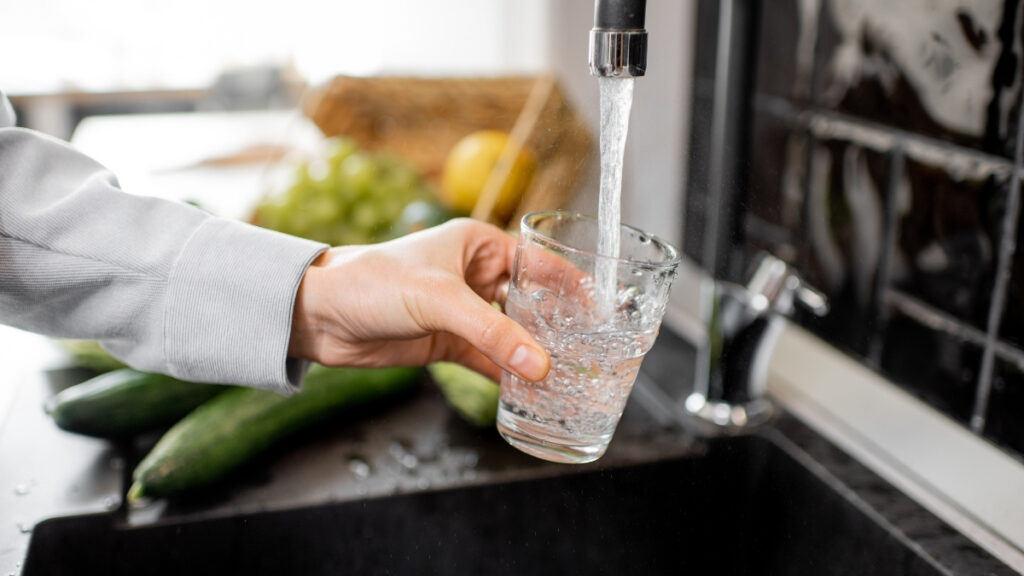
Timing matters most. Drinking several glasses at once can fill your bladder, even when your body needs hydration, so spread fluids across breakfast, lunch, and afternoon.
Start earlier. Smaller amounts give your kidneys time to process fluid instead of dealing with one large rush.
Before exercise, drink water, then sip during and after activity rather than trying to “catch up” all at once, which helps replace sweat losses without sending a flood of fluid through your system.
Evenings deserve restraint. Reduce caffeine and alcohol later in the day because both can increase urine production or make sleep more fragile. Leave drinks for earlier hours, while taking small sips if you are thirsty near bedtime.
People who take diuretics, or water pills, may notice nighttime urination if the dose is taken late. Ask your clinician whether medication timing could be contributing, but never change the dose or schedule on your own.
Frequent Urination Is a Symptom—not Proof That Your Cells Are Dehydrated
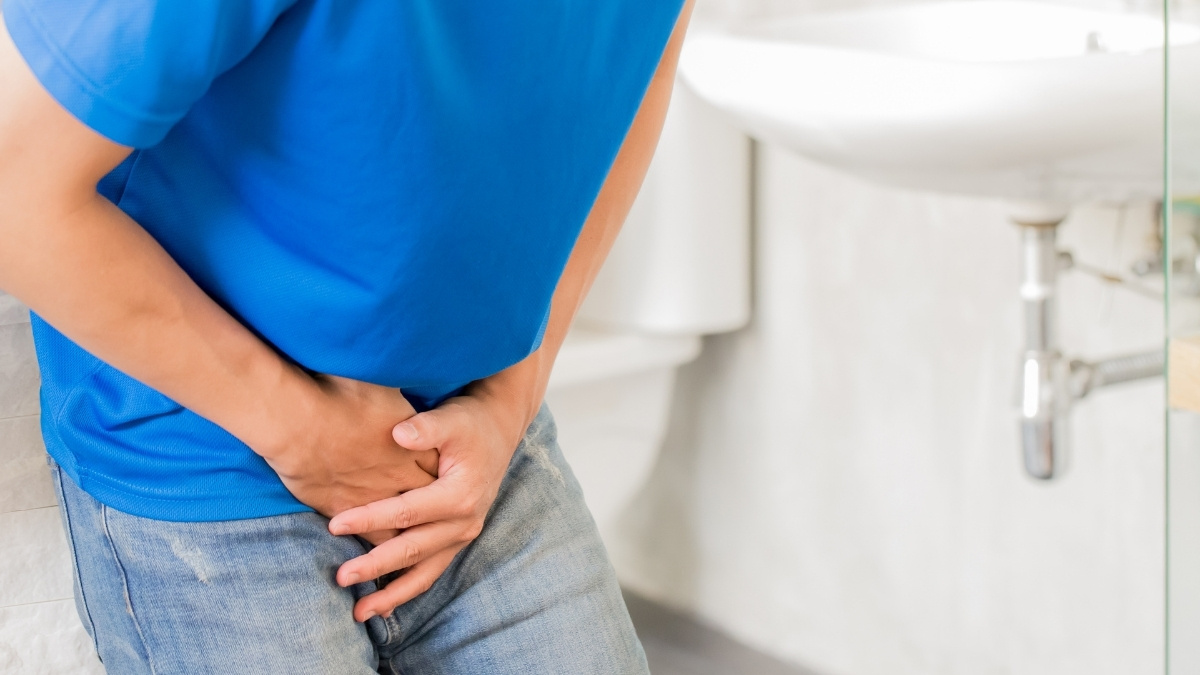
Needing the toilet often does not automatically mean your cells are “dry.” Frequency describes how often you go, while urine volume describes how much you pass.
Small amounts each time may point to bladder irritation, an overactive bladder, a urinary infection, or prostate enlargement. Burning, urgency, weak flow, or trouble emptying matter.
Large amounts are different. Producing unusually high volumes can follow heavy fluid intake, high blood sugar, kidney problems, or medicines that increase urination, including diuretics, often called water pills.
Notice the pattern for several days. Record when you drink, how often you urinate, whether the amount seems small or large, and whether symptoms wake you repeatedly at night.
Persistent changes deserve attention. Contact a healthcare professional if urination becomes painful, suddenly worsens, includes blood, causes strong thirst, or keeps disrupting sleep, because adding salt will not correct an untreated bladder, prostate, kidney, or blood-sugar problem.
