

Blood sugar spikes and crashes are more common after 40, and they sneak up quietly. Doctors will tell you to eat “better,” but rarely explain the one detail that actually moves the needle: what hits your stomach first.
A small shift, done before every meal, can smooth out that rollercoaster without cutting carbs or counting a single calorie. It takes fifteen minutes.
No supplements, no special foods, nothing complicated. Just a simple habit your body responds to almost immediately. Here’s exactly how it works, and how to start tonight at dinner.
The Fiber-First Challenge
Pick the right move before every meal
Loading your first scenario
Result
BLOOD SUGAR RESPONSE
The 15-Minute Head Start That Changes How Your Body Handles a Meal
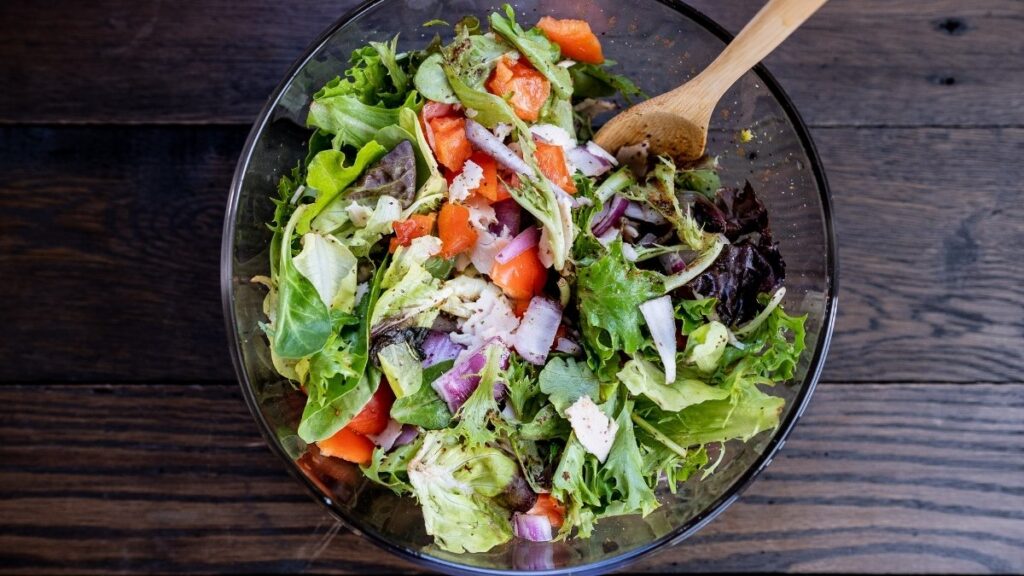
Timing matters more than most people realize. Eating fiber roughly 15 minutes before your main meal changes how your body processes everything that follows. This small gap gives fiber time to form a gel-like layer in your stomach and small intestine.
That layer slows how fast sugar from your meal enters your bloodstream. Most people focus only on what they eat, not when. But a side salad eaten first works differently than the same salad eaten alongside pasta.
Digestion isn’t instant. Your body needs a head start to manage the glucose surge that follows a carb-heavy plate. Think of fiber as a gatekeeper. Arriving early, it slows the crowd before it rushes the door.
This single habit, done consistently, can smooth out the blood sugar spikes that leave you tired, foggy, or hungry an hour later. Small window. Big shift in how your body handles the meal ahead.
Five Fiber-First Starters You Can Grab in Under a Minute
| Starter | Amount | Best For |
|---|---|---|
| Raw carrot or celery sticks | 1 small handful | Quick grab before dinner prep |
| Cucumber salad (no dressing needed) | ½ cup | Meals with rice or pasta |
| Steamed broccoli | ½ cup | Sit-down dinners |
| Raw almonds or walnuts | 10 to 12 pieces | Eating out or on the go |
| Chia seeds soaked in water | 1 tablespoon | Mornings or when you’re rushed |
What’s Actually Happening in Your Gut During Those First Bites
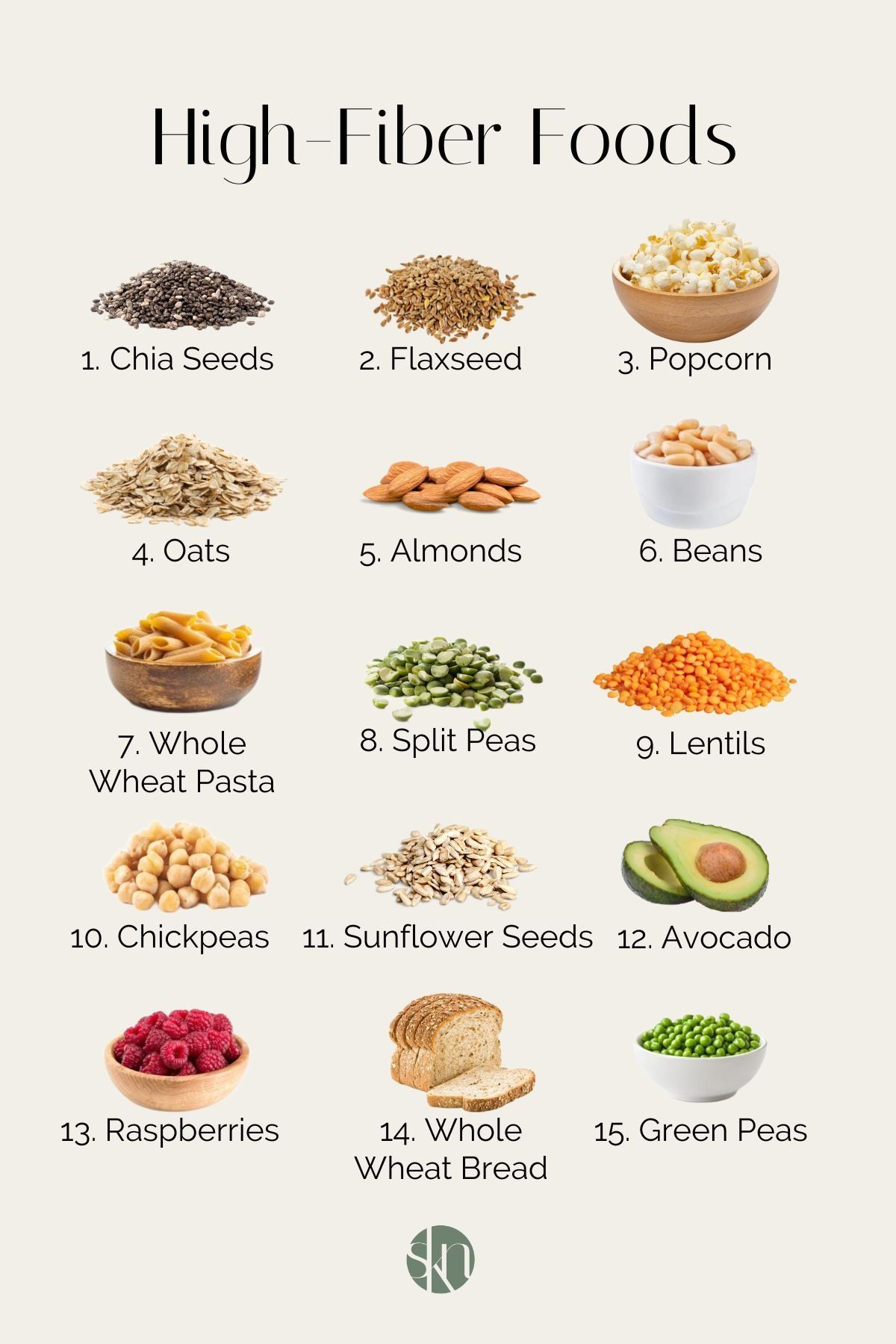
Picture your stomach right after you eat that fiber-rich starter. Soluble fiber, the kind found in foods like oats and beans, absorbs water and turns into a thick gel.
This gel coats the lining of your stomach and small intestine. Sugar and starch from the rest of your meal now have to pass through that gel before your bloodstream can absorb them. Slower absorption means your blood sugar rises gradually instead of spiking.
Think of it like pouring water through a sponge instead of an open pipe. The sponge slows everything down. Your digestive system works the same way once fiber creates that barrier.
This process also affects how full you feel. A slower rise in blood sugar means fewer sudden crashes later. Many people notice steadier energy through the afternoon simply from this one gut change.
Why Your Pancreas Needs More Help Than It Did at 30
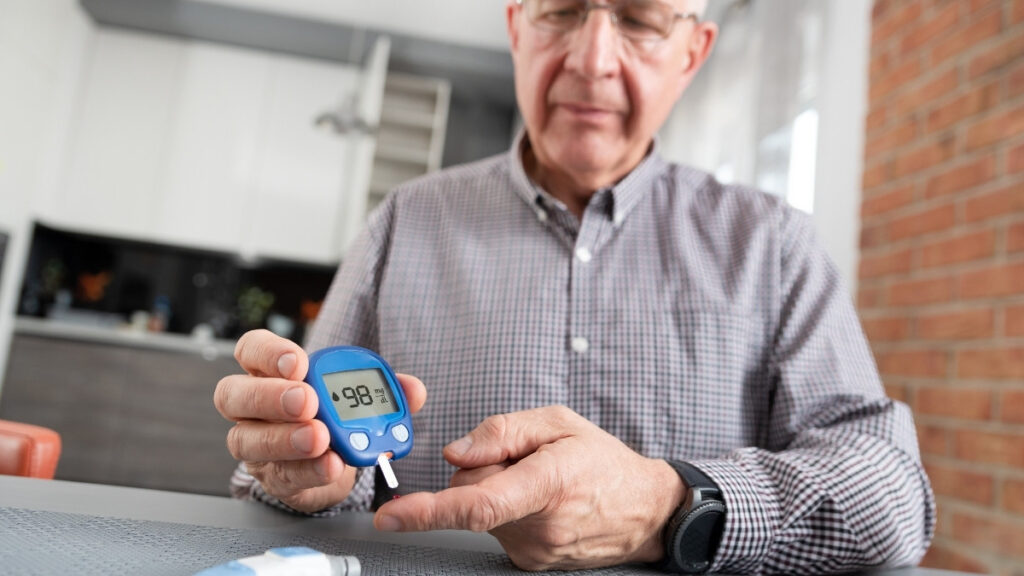
Your body handled sugar differently at 30. Back then, your pancreas released insulin, the hormone that moves sugar out of your blood and into your cells, quickly and efficiently.
Cells responded fast, and blood sugar rarely lingered. Somewhere around 40 or 50, that responsiveness starts to fade, a shift researchers call declining insulin sensitivity, meaning your cells need more insulin to do the same job they once did with less.
This isn’t a flaw. It’s a normal part of aging, tied to changes in muscle mass, activity levels, and how your body stores fat. Muscle tissue is one of the biggest users of blood sugar, and as you lose some of it over the years, there’s simply less demand to soak up glucose after meals.
That’s exactly why meal order matters more now. Eating fiber first slows sugar absorption, giving your less efficient pancreas a easier job. What used to be optional in your thirties becomes a genuinely useful strategy today.
Five Fiber-First Starters You Can Grab in Under a Minute
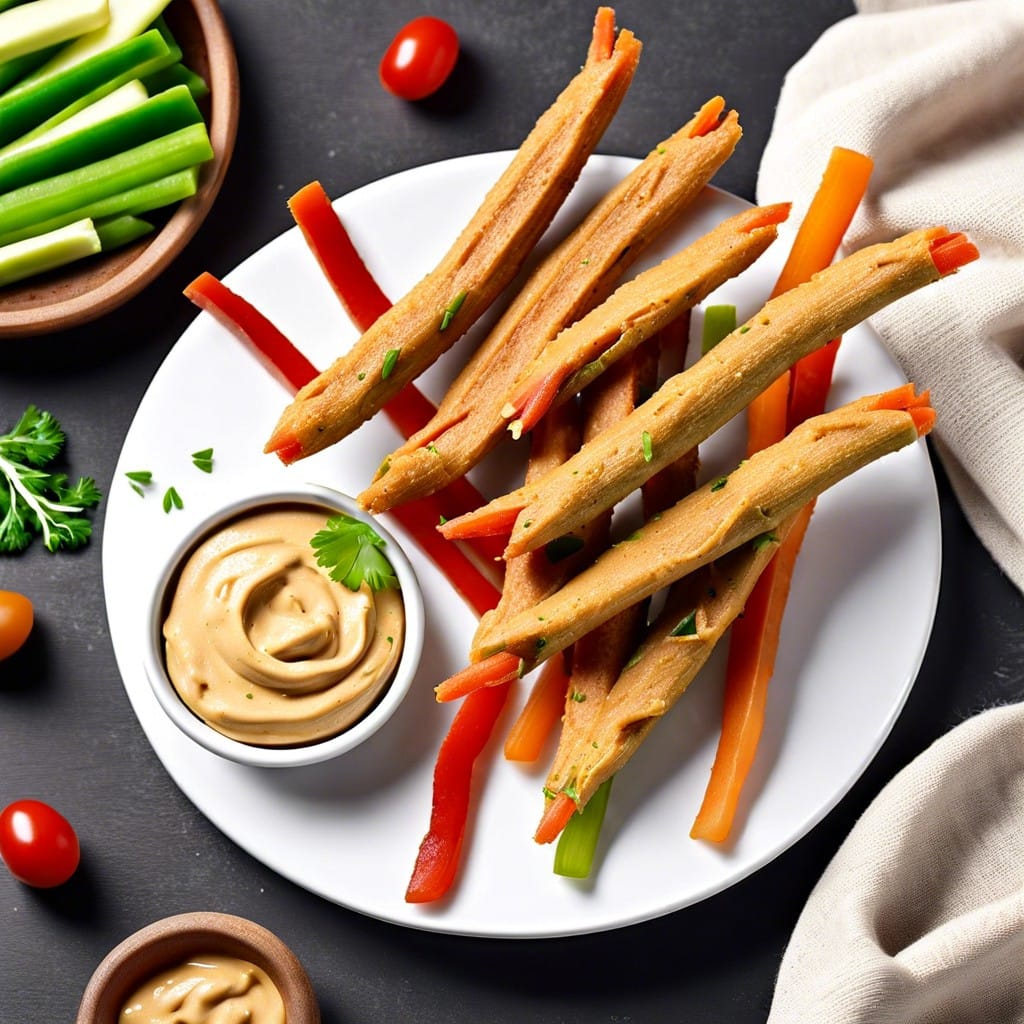
Grabbing something fibrous before a meal doesn’t require a recipe. Cucumber slices, a small handful of almonds, or a spoonful of chia seeds all count, and each one takes less than a minute to prepare.
Confusion usually stops people before they even start. Many assume “fiber prep” means chopping vegetables or cooking a side dish, but raw and ready options work just as well.
| Fiber-First Starter | Grab Time | Approx. Fiber |
|---|---|---|
| Carrot or cucumber sticks | 30 seconds | 2g |
| Raw almonds (small handful) | 15 seconds | 3.5g |
| Chia or flax seeds (1 tbsp) | 10 seconds | 4g |
| Celery with almond butter | 45 seconds | 3g |
Keep two or three of these washed and portioned ahead of time. That small step removes the excuse of “I didn’t have anything ready.” Once one becomes routine, add another for variety.
The Restaurant Version of This Habit
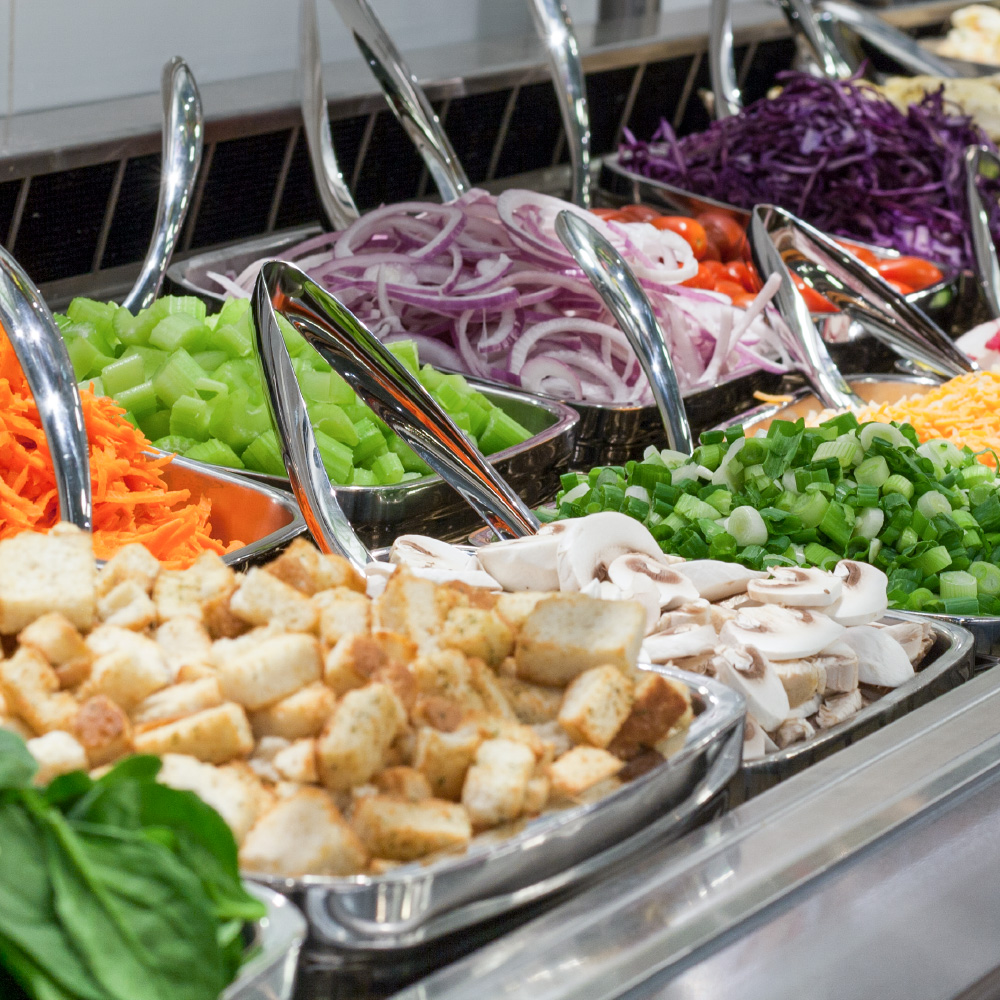
Ordering out doesn’t have to derail your blood sugar strategy. Restaurants rarely bring vegetables before bread baskets, but you still hold some control.
Ask your server to bring a side salad or steamed vegetables as soon as they’re ready, before the main course arrives. Most kitchens will honor this request without hesitation.
Takeout requires a different approach. Order a bagged salad or pre-cut vegetables to eat while you wait for delivery. This closes the gap between an empty stomach and a carb-heavy meal.
Buffets and fast food work differently too. Grab your vegetable side first, even if it means eating standing at the counter. Skip the bread basket entirely if fiber options are limited. Small choices like these matter more than people realize:
| Situation | Smart Move |
|---|---|
| Sit-down restaurant | Request vegetables first |
| Takeout delivery | Snack on veggies while waiting |
| Buffet line | Fill plate with produce before starches |
If This Isn’t Moving Your Numbers, Here’s What to Check First
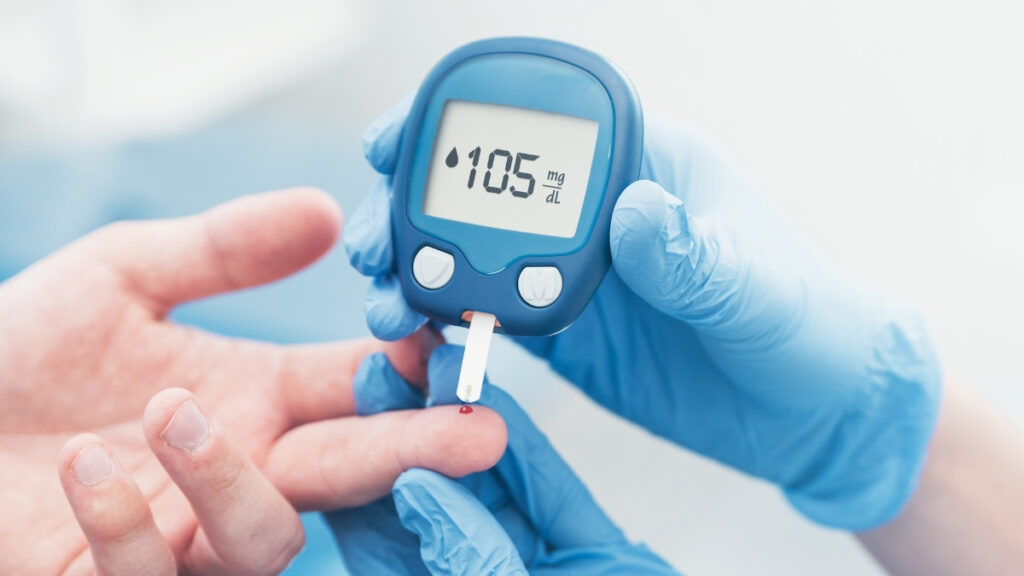
Some bodies need a few more clues before fiber shows its full effect. Timing matters more than most people realize.
Eating fiber ten minutes before a meal works differently than eating it right alongside your food. Portion size counts too. A single tablespoon of chia seeds won’t do much if your meal is large and carb-heavy.
Medications can also play a role. Certain diabetes drugs and thyroid medications change how your body handles blood sugar, so results vary person to person. That doesn’t mean fiber failed you.
Here’s what to check before giving up:
- Are you eating fiber at least 10-15 minutes before your meal?
- Is your portion large enough (5-10 grams)?
- Are you pairing it with a high-sugar or high-carb meal?
- Have you checked with your doctor about medication interactions?
The One Mistake That Quietly Cancels the Benefit
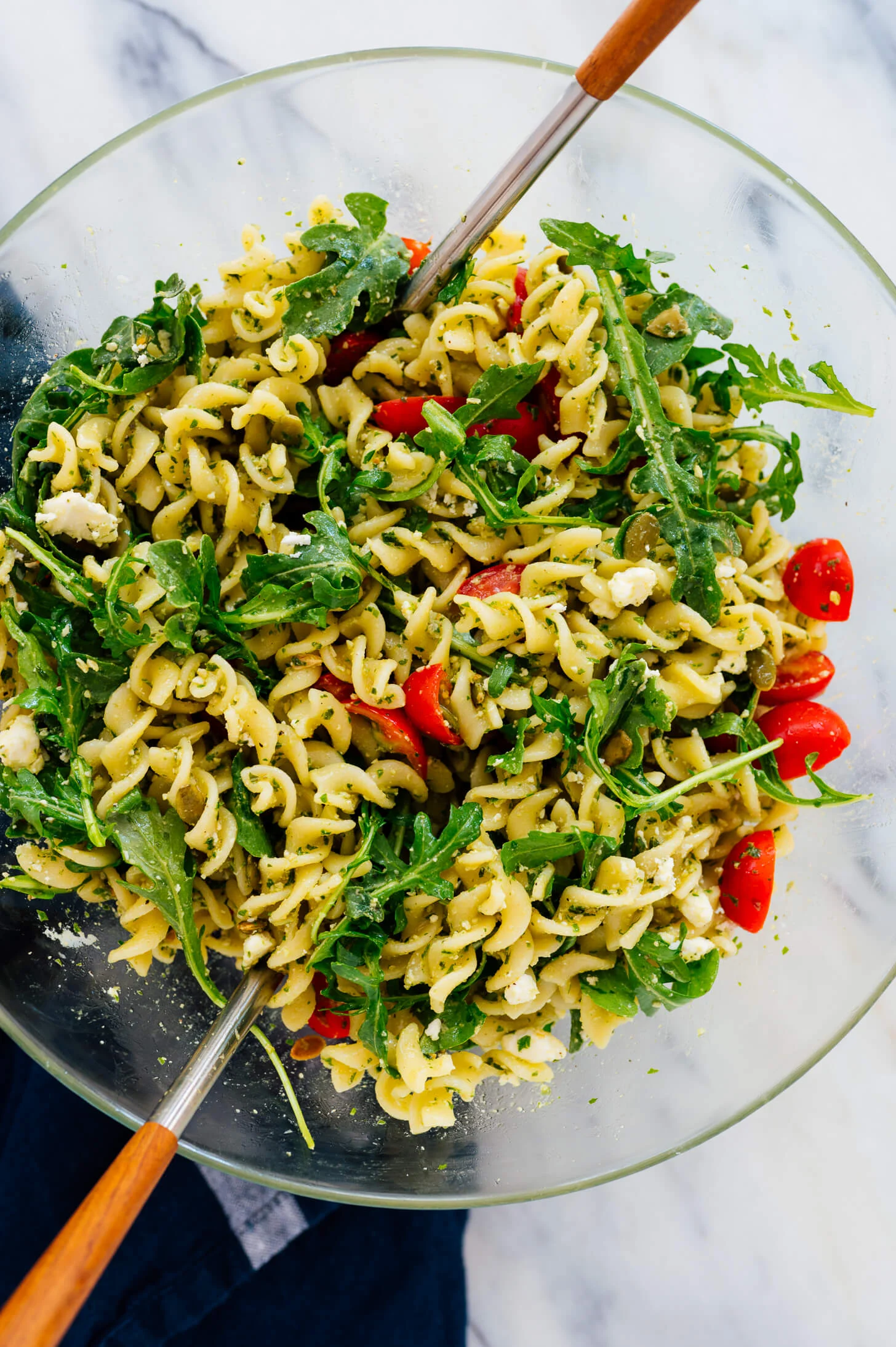
Timing matters more than most people realize. Eating your salad or vegetables at the exact same time as your pasta doesn’t give your gut enough lead time to build that protective barrier.
Fiber needs a small head start, ideally 10 to 15 minutes before the carbs arrive, to start slowing digestion in your stomach and small intestine. Without that gap, sugar from your meal still rushes into your bloodstream almost as fast as if you’d skipped the fiber entirely.
There’s also a common mix-up worth clearing up. Many people assume a starchy side, like corn, peas, or potatoes, counts as their “fiber first” bite. It doesn’t. Those foods are mostly carbohydrate, not fiber, so they raise blood sugar rather than blunting it.
A simple fix works well: keep a small plate of raw vegetables, leafy greens, or beans ready before you sit down, and eat that portion first.
How to Tell It’s Working Without Owning a Glucose Monitor

Your body gives clear signals long before any lab test would. Notice how you feel two hours after lunch. Steady energy without a slump means your blood sugar likely stayed balanced.
Watch for the classic afternoon crash too, that heavy, foggy feeling around 3 p.m. When fiber comes before your meal, that crash often fades or disappears completely.
Hunger timing matters just as much. Genuine hunger should return gradually, not hit suddenly like a wave. Sudden, urgent hunger a few hours after eating often points to a quick blood sugar spike and drop. Cravings for sugar or refined carbs shortly after a meal tell a similar story.
Sleep quality offers another clue worth tracking. Unstable blood sugar can disrupt deep sleep, even if you don’t notice it directly. Keep a simple daily note for two weeks. Track energy, hunger, and mood at the same times each day, and patterns will emerge fast.
Signs Your Fiber-First Habit Is Working
| What You Notice | What It Means |
|---|---|
| No energy dip 1 to 2 hours after eating | Your blood sugar rise was slower and steadier |
| Less urge to snack mid-afternoon | Fewer swings between high and low blood sugar |
| You feel satisfied on a smaller portion | Fiber is slowing digestion and easing hunger signals |
| Fewer sugar cravings after meals | Blood sugar isn’t crashing hard enough to trigger them |
| Steadier mood in the late afternoon | Energy is being released gradually, not in a spike-and-drop pattern |
