

You reach for a jar of jam and your grip feels weaker than it did last year. Stairs leave you more winded than they used to. Nothing hurts exactly, but something has quietly shifted, and you know it.
Most people blame this on getting older and leave it there. But muscle loss after 40 has a lot to do with timing, not just how much protein you eat.
Eating the right amount at the wrong times can still leave your muscles unprotected. This article breaks down the exact spacing your body needs between meals to actually use that protein for muscle, not waste it.
The Exact Spacing Your Muscles Need
Protein timing that actually protects strength after 40
Meal-Sized Doses, Not Snacking
Muscle needs a full protein dose per meal to trigger building. Nibbling all day does not work.
The Threshold Rises After 40
Meals now need more protein to spark the same response your body gave you at 30.
Leave a 4 to 5 Hour Gap
This reset window lets muscle-building turn back on before your next protein meal.
Protect Muscle Overnight
A slow-digesting protein before bed slows the muscle breakdown that speeds up with age.
The 3 to 5 Hour Reset Your Muscles Are Waiting On

Muscle building runs on a switch, not a dial. Eating protein flips that switch on, sparking a process called muscle protein synthesis, which is your body’s way of repairing and building muscle tissue.
But here’s the part most people miss: that switch cannot stay on forever. After a meal, your muscles enter a refractory period, a built-in rest phase where they stop responding to more protein for a few hours.
Your Daily Protein Anchor Schedule
| Meal Window | Suggested Timing | Protein Target |
|---|---|---|
| Morning anchor | Within 1 hour of waking | 25 to 30 grams |
| Midday anchor | 4 to 5 hours after breakfast | 25 to 30 grams |
| Evening anchor | 4 to 5 hours after lunch | 25 to 30 grams |
| Bedtime anchor | 1 to 2 hours before sleep | 30 to 40 grams, slow-digesting |
Research suggests this window lasts roughly 3 to 5 hours. Eating protein again too soon rarely adds extra benefit during this stretch. Think of it like a light with a cooldown timer. Flip it on, and it glows.
Try flipping it again immediately, and nothing happens until the timer resets. This is exactly why spacing meals matters more than total protein alone.
Why Snacking on Protein All Day Stopped Working for You

Grazing on small bites of protein feels responsible, but your muscles read it differently. Research on older adults shows a meal needs roughly 25 to 30 grams of protein, or about 2.5 to 3 grams of leucine, an amino acid that acts like a switch, before muscle building actually turns on.
A handful of almonds or a boiled egg rarely clears that bar. Below the threshold, your body absorbs the protein and uses it for basic repair, not new muscle tissue. This explains why some people track their totals carefully and still feel weaker over time.
The mistake isn’t the amount you eat daily. It’s how thin you’ve spread it.
| Common Belief | What Research Shows |
|---|---|
| Small protein snacks all day protect muscle | Meals under 20-25g often don’t trigger muscle building |
| Total daily protein is all that matters | Per-meal amount matters just as much as the daily sum |
Older adults face something researchers call anabolic resistance, meaning the same dose that worked at 30 produces less response at 65. Larger, well-spaced meals become more important with age, not less.
The Threshold Moved When You Turned 40, and It Keeps Moving

Your muscles used to respond quickly to a small amount of protein. That changes with age. Researchers call this anabolic resistance, meaning your muscle cells need a stronger signal before they start repairing and rebuilding. A portion that worked fine at 30 may barely register at 60.
This happens gradually. Cells become less sensitive to the amino acids that trigger muscle growth. Fewer nutrients reach the muscle efficiently, even when your diet looks the same as it did decades ago. Nothing dramatic causes this shift. It simply builds year after year.
By 50, most people need noticeably more protein per meal to get the same building response they once got automatically. Sixty brings another jump, especially if activity levels have dropped. Seventy often requires the highest per-meal amounts, since muscle becomes even harder to activate.
Your Four Protein Anchors, Mapped Onto a Real Day
Picture your day broken into four simple windows instead of three big meals. Muscle tissue responds best when protein arrives in steady doses, spaced roughly four to five hours apart. Rather than doing math at every meal, you can follow a pattern that already works.
| Window | Timing | Target Protein |
|---|---|---|
| Morning anchor | 7–9 AM | 25–30g |
| Midday anchor | 12–1 PM | 25–30g |
| Evening anchor | 6–7 PM | 25–30g |
| Before bed | 9–10 PM | 20–25g |
Notice the gaps stay fairly even. Skipping breakfast often pushes the whole system out of balance. Older adults sometimes eat most of their protein at dinner, leaving mornings nearly empty.
That pattern wastes hours when muscles could be rebuilding. Following anchors like these gives your body consistent raw material throughout the day, not just one large delivery at night.
If You Can’t Eat 30 Grams Without Feeling Sick, Start Here

Appetite naturally shrinks with age, and that’s not a personal failure. Hormones that signal fullness shift over time, so a normal plate can feel like too much. Stomachs also empty slower after 60, leaving you full longer after small meals.
Forcing down a large chicken breast when you’re not hungry often backfires, causing nausea or bloating that makes you avoid protein altogether.
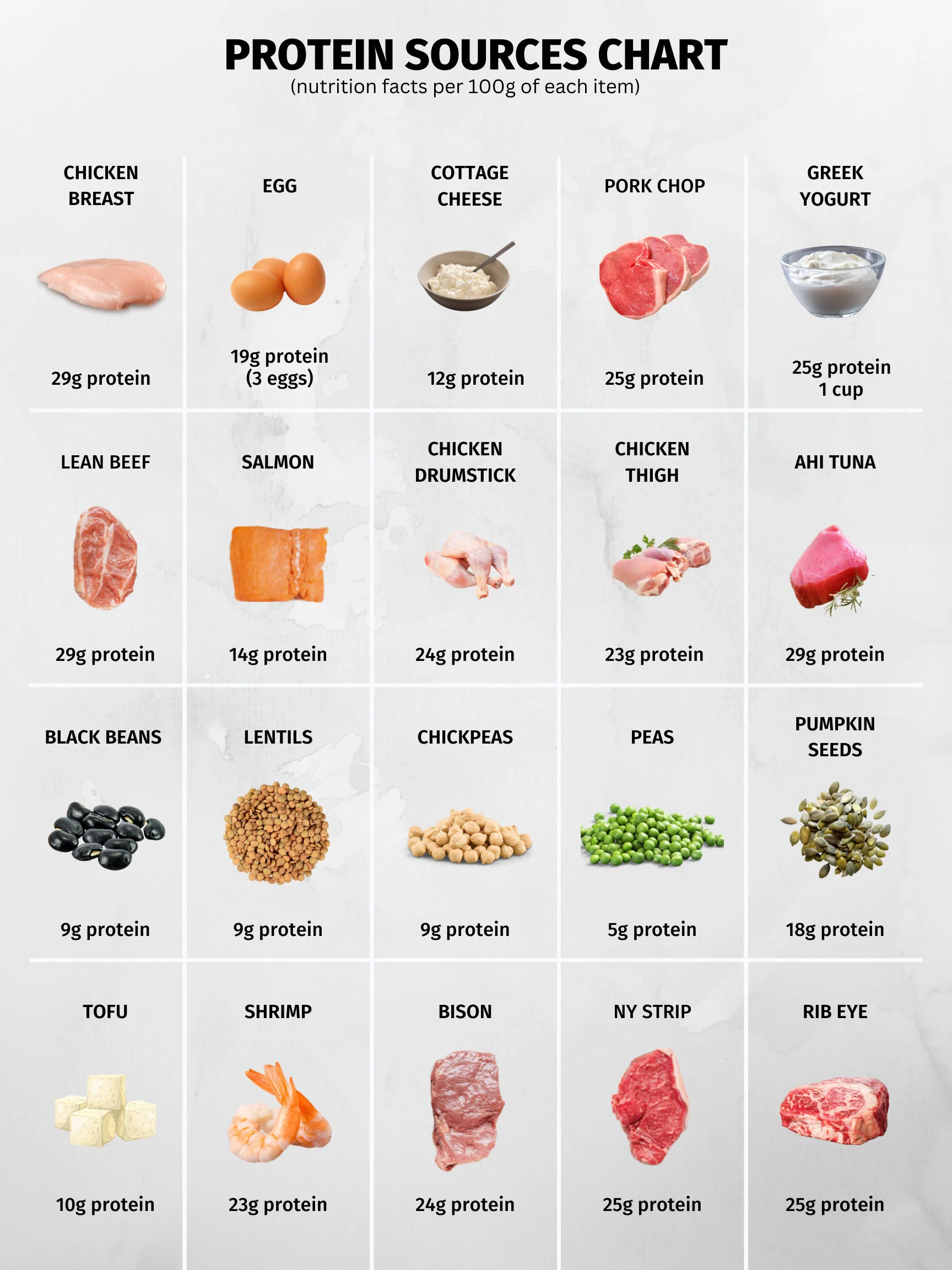
Liquid protein solves this problem well. A smoothie with milk, yogurt, and protein powder delivers 25 grams without the bulk of solid food. Cottage cheese and Greek yogurt pack protein into small volumes too. Eggs work the same way, offering 6 grams each in a soft, easy bite.
Build up gradually instead of jumping straight to 30 grams. Add five grams per meal each week until your stomach adjusts. This slow approach prevents the discomfort that stops people from continuing.
The One Habit That Quietly Cancels Out Everything Else

Most people don’t realize they’re doing this until they track a few days of meals. Toast and coffee start the morning. A sandwich or pasta fills up lunch. Then dinner arrives with a big piece of chicken or steak, carrying most of the day’s protein in one sitting.
Your body can’t use that much at once. Muscle repair works best with steady protein spread across the day, not one large delivery at 7 PM. Skewed eating like this leaves your muscles under-fed for sixteen hours straight, then overloaded for one meal.
Research on protein distribution suggests your body builds more muscle when intake stays fairly even across meals, rather than stacking it all at dinner.
This pattern becomes more costly after 40, when muscle-building efficiency naturally declines. Fixing it doesn’t require eating more protein overall. It just means moving some of what you already eat earlier into the day, starting with breakfast.
The Bedtime Habit That Works While You’re Asleep

Your body keeps working long after you turn off the lights. Sleep is when muscle repair should happen, but it only works if your body has raw material to use.
Without protein in your system, your body starts breaking down existing muscle for fuel around 3 to 4 hours into the night. This process speeds up with age, since older adults naturally lose muscle faster during long gaps without food.
Cottage cheese makes an ideal bedtime snack because it digests slowly. Casein, the main protein in dairy, releases amino acids gradually over several hours. Try eating a small serving 1 to 2 hours before bed, roughly half a cup.
Greek yogurt or a glass of milk work too. Avoid fast-digesting proteins like whey shakes at this hour, since they get used up too quickly to cover the whole night. Consistency matters more than perfection here.
Perfect Timing Cannot Fix a Day That’s Too Light on Protein
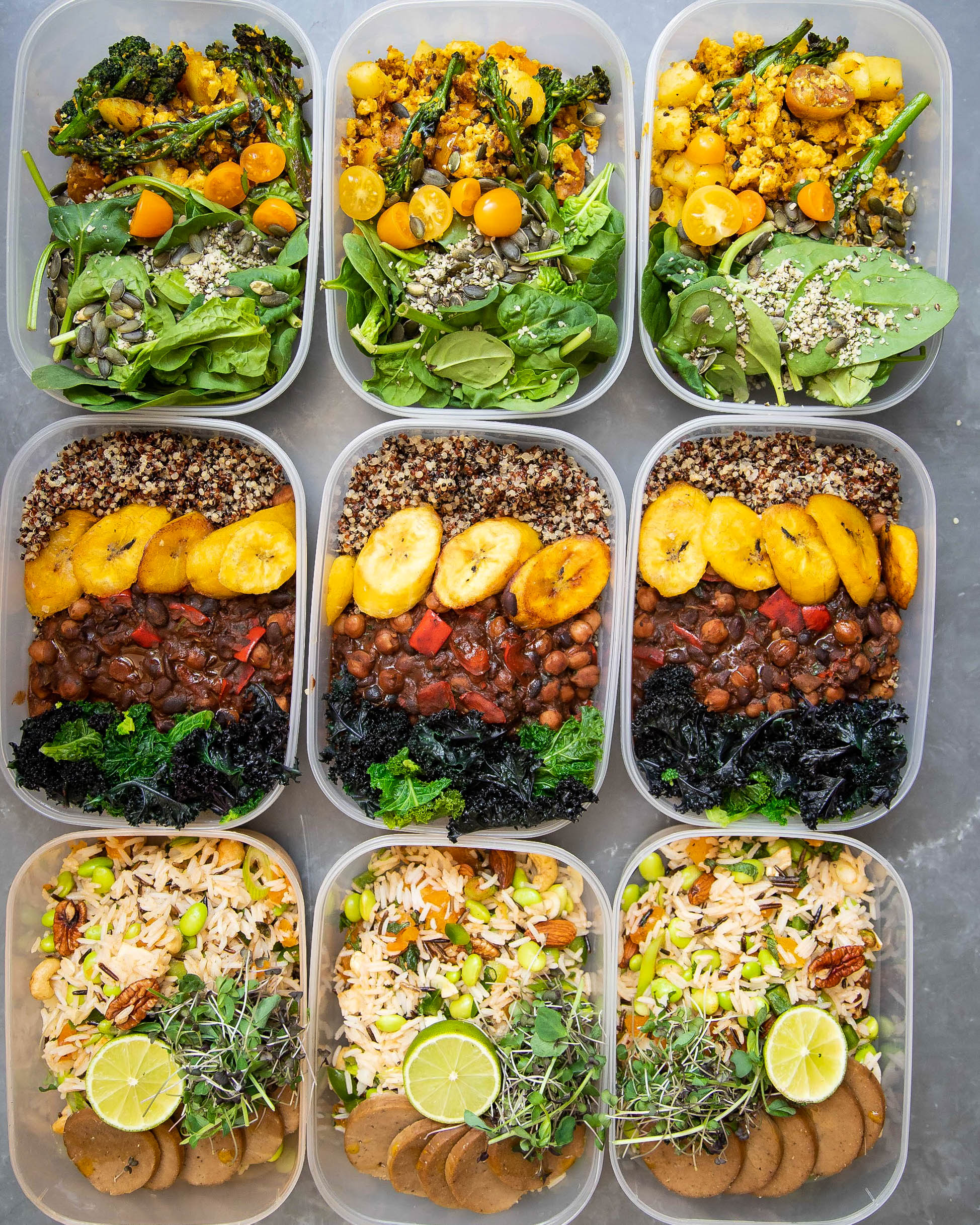
Spacing meals perfectly means nothing if your total protein falls short. Think of timing as fine-tuning, not a fix for a mostly empty tank. Muscle repair needs raw material first. Without enough protein across the day, your body simply lacks what it needs to rebuild tissue, no matter how well you schedule your meals.
Most adults over 40 need more protein than the standard guidelines suggest, since aging muscle becomes less efficient at using the protein you eat.
A practical target is roughly 0.7 to 1 gram of protein per pound of body weight daily, or about 1.6 to 2.2 grams per kilogram. Someone weighing 160 pounds would aim for around 112 to 160 grams spread across the day.
Calculating your number takes seconds. Grab a calculator. Multiply your weight in pounds by 0.7 for a baseline figure, then adjust upward if you’re very active. Once you know that target, timing becomes a tool for hitting it consistently, not a shortcut around it.
Old Belief vs What the Research Actually Shows
| Old Approach | Age-Adjusted Approach |
|---|---|
| Snack on small amounts of protein all day | Eat 3 to 4 meal-sized protein doses |
| Same protein target as your 30s | Higher per-meal target due to anabolic resistance |
| Load most protein into dinner | Spread protein evenly across the day |
| Track only total daily grams | Track grams per meal, not just the daily sum |
