
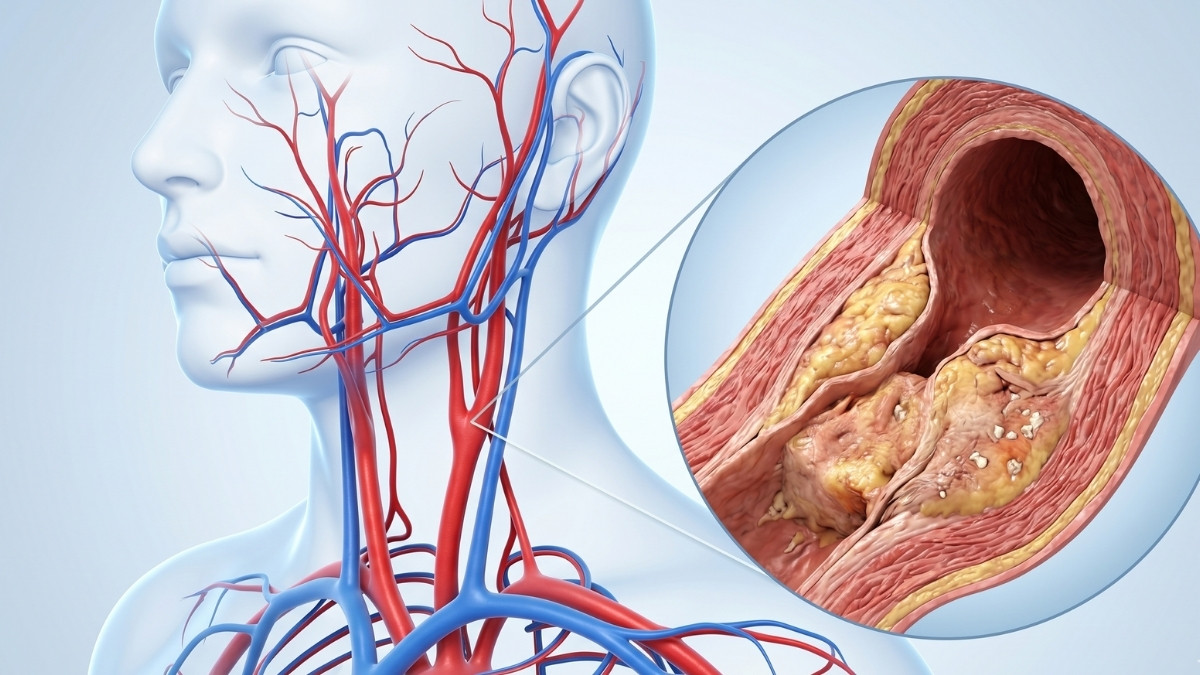
Cooking oil can influence heart health, but the biggest risks are not as simple as blaming every seed oil in your pantry.
Experts agree that artificial trans fats, repeatedly overheated oils, and diets high in saturated fat can raise cardiovascular risk, while many unsaturated plant oils are considered heart-healthy when used properly.
The real problem often comes from processing, repeated frying, and how an oil fits into your overall diet. If you are trying to protect your arteries, it helps to know which fats deserve caution, which oils are misunderstood, and what smarter cooking choices look like in meals.
4 Cooking Oils This Article Says Deserve a Second Look
The article focuses on oxidation, repeated heating, trans fats and high-linoleic oils as factors worth watching when choosing everyday cooking fats.
1. Partially Hydrogenated Oils
Partial hydrogenation produces trans fat. The article highlights its established link with worse LDL and HDL patterns and notes that partially hydrogenated oils were removed from U.S. manufactured foods.
2. Heavily Refined Corn Oil
The article’s concern centers on its high linoleic-acid content and exposure to repeated commercial frying temperatures, where polyunsaturated fats can oxidize.
3. Standard Sunflower Oil
Standard sunflower oil can be very high in linoleic acid. The article flags aldehyde formation during heating, while separating it from more heat-stable high-oleic sunflower oil.
4. Commercial Soybean Oil
The article makes an important distinction: small home use is not the same as oil repeatedly heated in industrial fryers. Its criticism is focused mainly on refined, repeatedly heated soybean oil in ultra-processed foods.
Simple Kitchen Swaps
What Actually Causes Arterial Plaque? (It Is Not What You Think)
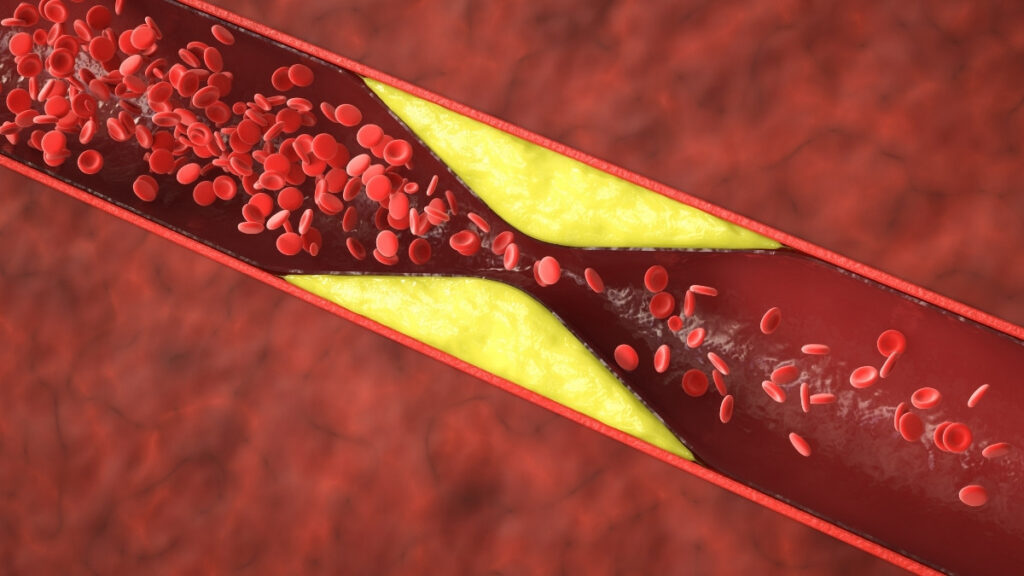
Most people picture plaque like grease clogging a drain pipe. Fat goes in, fat builds up, pipe gets blocked. That picture is wrong. And because it is wrong, most people are protecting against the wrong thing.
Plaque is not just fat sitting on a wall. Atherosclerosis, the medical name for plaque buildup, is a chronic inflammatory disease. Your body treats damaged arterial walls the way it treats any injury. It sends immune cells to the area. Those cells try to clean things up. But when the damage keeps coming, the cleanup process itself becomes part of the problem.
Oxidized LDL. Not LDL cholesterol by itself. Oxidized LDL. This distinction matters more than almost anything else in this article.
Scientists now widely accept that oxidized LDL, not normal LDL, is what triggers arterial plaque. And the main fat being oxidized inside LDL particles is linoleic acid.
Here is a simple way to picture it. Think about a cut apple left on the counter. It turns brown. That browning is oxidation. Think about iron left in rain. It rusts. Same process. Oxidation breaks things down.
When oxidized LDL enters the walls of your arteries, immune cells called macrophages try to absorb it. Those cells get so stuffed with oxidized fat that they transform into what scientists call foam cells. Foam cells are the literal building blocks of arterial plaque. Oxidized linoleic acid is the primary fat found in those plaques.
So the chain looks like this: certain oils contain high amounts of linoleic acid. That linoleic acid oxidizes from heat, from processing, or from being eaten in large amounts. Oxidized linoleic acid damages LDL.
Damaged LDL gets absorbed by immune cells inside artery walls. Those cells become foam cells. Foam cells build plaque. Plaque narrows and hardens your arteries.
Oil #1: Partially Hydrogenated Oils and Shortening (The One That Is Actually Banned in the US)
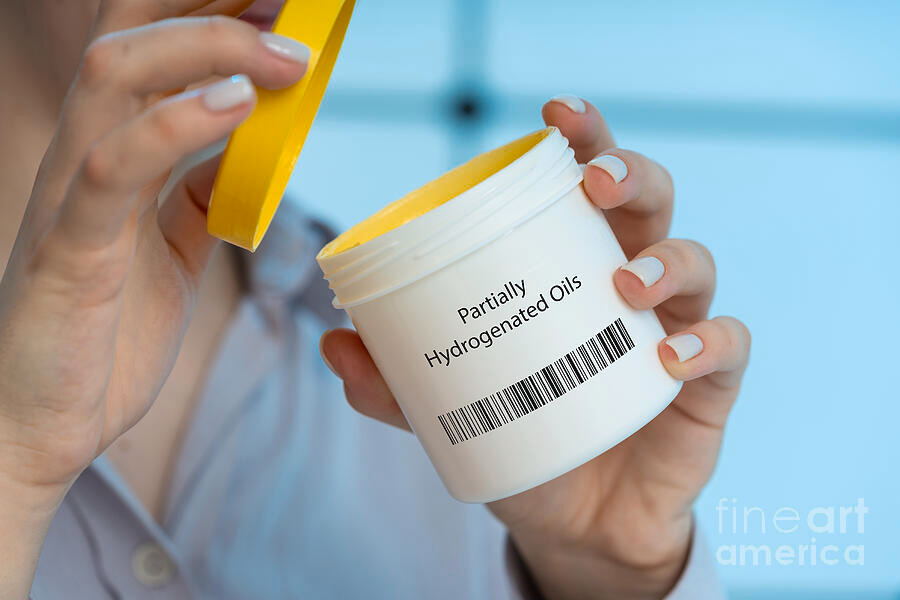
Partially hydrogenated oils are vegetable oils that have been chemically changed to become solid at room temperature. The process is called hydrogenation. It gives manufacturers a fat that is cheap, solid, spreadable, and has a long shelf life. That is where margarine, shortening, and the “vegetable shortening” in packaged baked goods came from.
The byproduct of partial hydrogenation is trans fat. Trans fat is one of the most harmful things you can eat, and the science on this has been settled for years.
In one major analysis covering four large studies with nearly 140,000 participants and almost 5,000 cardiac events, researchers found that just a 2% increase in calories from trans fat was linked to a 23% higher risk of dying from heart disease or having a non-fatal heart attack. Two percent. That is a small amount doing a large amount of damage.
Trans fat raises your LDL cholesterol, the kind linked to heart disease. It lowers your HDL cholesterol, the kind that helps protect your heart. And it builds up inside artery walls, making them harder and narrower over time.
The FDA recognized this and in 2018 banned the use of partially hydrogenated oils in US-manufactured food products. That was a meaningful public health step. But there is a catch.
The ban applies to domestic manufacturers. Imported packaged foods, some restaurant frying operations, and shelf-stable baked goods from international brands may still contain partially hydrogenated oils.
Oil #2: Heavily Refined Corn Oil (The Cheap Frying Default)
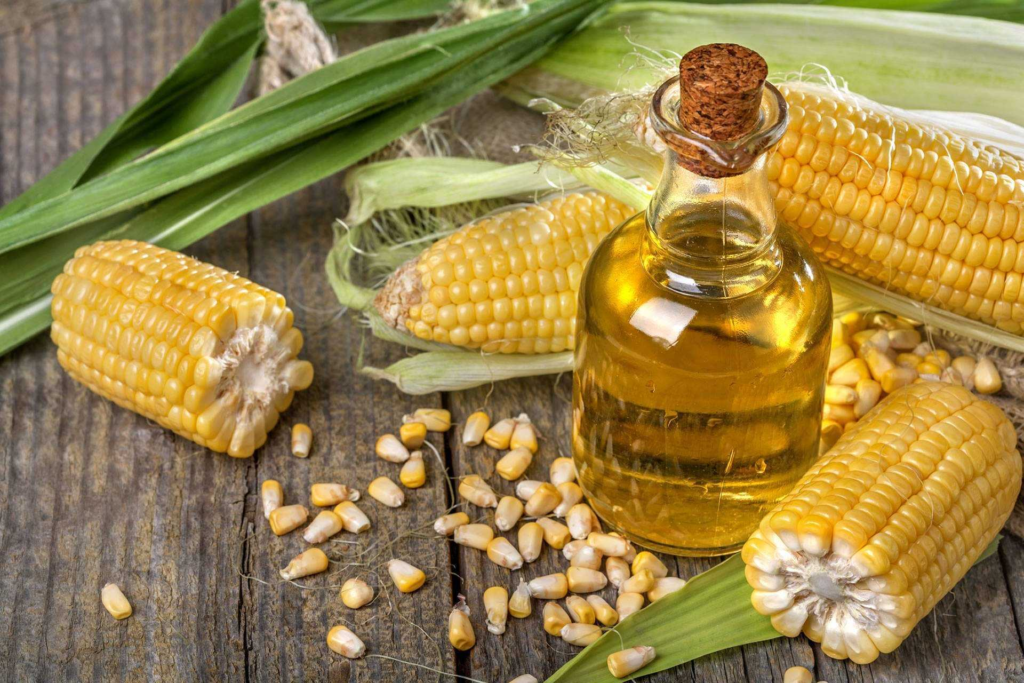
Corn oil gets positioned as a neutral, affordable cooking oil. And in its cold-pressed form, it does contain some nutrients, including vitamin E. But that is not how most people encounter corn oil. Most of the time, it is the oil frying the fast food, filling the cheapest bag of chips on the shelf, and sitting in industrial fryers that run all day.
The first problem is what it is made of. Corn oil is about 57% omega-6 fatty acids and only about 29% omega-3 fatty acids. That ratio matters because your body needs both, but it needs them roughly balanced.
Most people eating a Western diet already get far too much omega-6 and far too little omega-3. Chronic low-grade inflammation tied to this imbalance is connected to a long list of modern diseases. Adding corn oil to that diet makes the imbalance worse.
When you eat a lot of linoleic acid, the main omega-6 fat in corn oil, your body can convert it into a compound called arachidonic acid. Arachidonic acid promotes inflammation. Its breakdown products can oxidize LDL particles, which brings us back to the foam cell and plaque process described earlier.
And when researchers looked at what happens when saturated fats are replaced with oils like corn oil that have a high omega-6 to omega-3 ratio, they found something that surprised many people. The risk of dying from heart disease went up, not down.
The second problem is heat. Corn oil has a smoke point that sounds acceptable on paper. But smoke point is not the same as oxidation point. Corn oil is high in polyunsaturated fats.
Polyunsaturated fats are chemically unstable. Their molecular bonds are loose. When heat is applied, those bonds break, and the oil produces free radicals. Those free radicals promote oxidation in your body.
One fair note: mainstream health guidelines still list corn oil as preferable to saturated fat in direct comparison.
The concern raised here is specific. It is about the omega-6 load, the instability under high heat, and the fact that most corn oil exposure comes through ultra-processed food where the oil is used repeatedly and at high temperatures.
Oil #3: Sunflower Oil (The One That Produces Toxic Compounds When Heated)
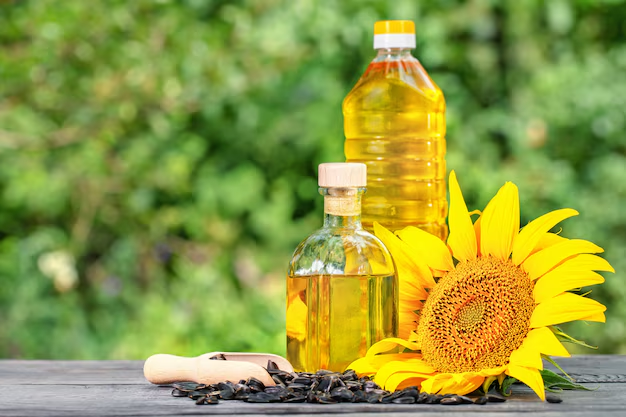
Sunflower oil has a good reputation. It is light. It is widely used in “healthy” packaged foods. It is sold as a premium frying oil in some markets. The marketing is clean and confident.
Standard sunflower oil is extremely high in linoleic acid. Depending on the variety, it can contain between 65% and 70% of its fat as linoleic acid. That makes it one of the most polyunsaturated oils in common use. And polyunsaturated fats, as described above, are unstable under heat.
But sunflower oil does something more specific when heated that most people have never heard of. It produces aldehydes. Research published in the Journal of Hazardous Materials found that sunflower oil produces higher levels of aldehydes compared to other plant-based oils when exposed to cooking temperatures.
Aldehydes are toxic compounds that form when polyunsaturated fats break down under heat. One of the most studied is called 4-hydroxynonenal, or HNE. It is considered among the most toxic breakdown products to living cells.
Scientists now believe HNE and other oxidized linoleic acid breakdown products play a role in triggering and advancing heart disease.
So when you fry something in standard sunflower oil, you are not just cooking in a high omega-6 fat. You are also creating toxic compounds that go into the food and into you.
There is an important exception here. High-oleic sunflower oil is a genuinely different product. It contains at least 80% oleic acid, which is a monounsaturated fat, the same type found in olive oil. Monounsaturated fats are far more stable under heat.
High-oleic sunflower oil does not carry the same aldehyde risk. If sunflower oil is in your kitchen, check the label. If it says “high-oleic,” it is a much safer product. If it just says “sunflower oil,” it is likely the standard high-linoleic version.
Oil #4: Commercial Soybean Oil (The Most Consumed, Most Contested)
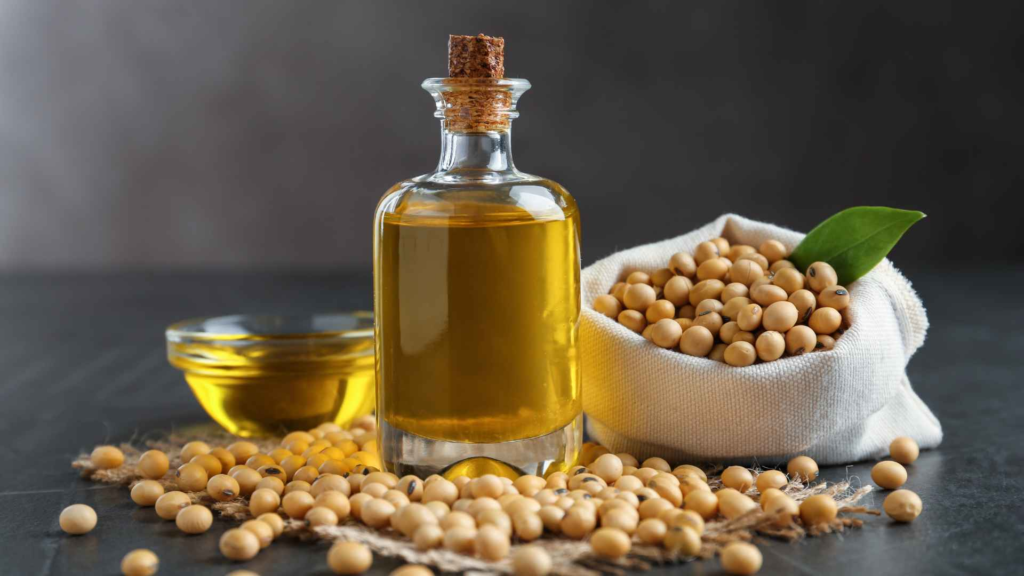
This one requires honesty. The science on soybean oil is more divided than the previous three, and pretending otherwise would not serve you.
Start with scale. Soybean oil accounts for more than 7% of total caloric intake in the United States. It is the world’s most consumed edible oil. When you buy a bottle of “vegetable oil” at the grocery store, it is almost certainly soybean oil. It is in most fast food, most packaged snacks, most frozen meals, and most restaurant kitchens.
The processing is part of the concern. To extract as much oil as possible from soybeans, manufacturers typically use heat and a chemical solvent called hexane. It is cheaper and more efficient than pressing the oil out mechanically. Regulators say hexane residues in the final product are not at harmful levels.
But the processing itself strips out natural antioxidants that would otherwise protect the oil from oxidizing. The result is a refined product that is more prone to oxidation from the start.
When oxidized compounds accumulate in the body, the risk of heart disease, type 2 diabetes, and metabolic syndrome goes up. This is the same oxidation pathway described in the opening section.
The bigger concern with soybean oil is not what happens when you use a tablespoon at home. It is what happens when oil is heated repeatedly in industrial fryers, as is common practice in fast food and commercial kitchens. Repeatedly heated oil generates free radicals. Those free radicals build up cholesterol and triglycerides, raise blood pressure, damage the inner lining of blood vessels, and cause vascular inflammation.
Here is the fair part: major health organizations including the American Heart Association note that replacing saturated fat with soybean oil tends to lower LDL cholesterol. That finding is real. The concern this article raises is specific to commercially refined soybean oil that is heated repeatedly in the context of ultra-processed food consumption.
Using a small amount of cold soybean oil at home is a different situation from eating food cooked in commercial fryers that run all day and are refilled constantly. The problem for most people is that the second situation is where most of their soybean oil exposure comes from.
What to Actually Use: A Simple 2026 Kitchen Swap Guide
You do not need to throw out everything and start over. You need to make a few targeted swaps. Here is what the evidence supports.
Extra Virgin Olive Oil
This is the most research-backed replacement. A study using advanced PET/CT imaging found that participants who supplemented with high polyphenol-rich extra virgin olive oil showed measurable reductions in arterial inflammation and atherosclerotic plaque markers after six months.
It is high in oleic acid, a monounsaturated fat that is chemically stable. Use it for low to medium heat cooking, roasting at moderate temperatures, and raw dressings. Do not use it for high-heat searing.
Avocado Oil
Similar fat profile to olive oil, mostly monounsaturated. But it has a much higher smoke point, around 520 degrees Fahrenheit. That makes it the best choice for searing, stir-frying, and any high-heat cooking. Refined avocado oil is very stable.
High-Oleic Sunflower Oil
This was covered above. The reformulated version of standard sunflower oil. Stable under heat, low in linoleic acid, widely available. Just make sure the label specifically says “high-oleic.”
Ghee and Grass-Fed Butter
Saturated fats do not oxidize easily. That is a chemical fact. The anti-fat push of the 1970s and 1980s drove people away from butter and toward margarine. We now know that was a trade in the wrong direction. Ghee and butter are stable for medium-heat cooking and add flavor without creating the oxidized compounds that seed oils do.
Unrefined Coconut Oil
High in saturated fat, so it resists oxidation. Use it in moderation because it can raise LDL cholesterol. It is not a daily cooking oil for everyone, but it is chemically stable in a way that standard vegetable oils are not.
Instead of, use this:
- Instead of corn oil for frying, use avocado oil.
- Instead of standard sunflower oil for baking, use high-oleic sunflower oil or a neutral avocado oil.
- Instead of vegetable or soybean oil as a base oil, use extra virgin olive oil for low heat and avocado oil for high heat.
- Instead of margarine or shortening in baking, use grass-fed butter or ghee.
One Thing to Do Before You Close This Tab
Not every oil on this list is equally dangerous in every situation. This article has tried to be honest about that. Cold use is different from high-heat use. Occasional exposure is different from eating it every day through processed food.
But the pattern across all four is the same. Oxidation. Whether from industrial processing, high-heat cooking, or repeated reuse, oxidation is what turns dietary fat into something that damages your arteries.
So open your cabinet today. Look for the words “partially hydrogenated” on any label. Check whether your “vegetable oil” is soybean, corn, or standard sunflower. Then replace one of them this week. One swap. One oil.
Making better choices about cooking oils that affect arterial plaque does not require a complete kitchen overhaul. It requires knowing which four products to look at first. Now you know.
