
Bone-Thinning Beverages: 5 Popular Drinks That Secretly Steal Calcium From Your Body
Every cup of caffeinated soda you drink today tells your kidneys to flush out calcium, and your bones silently pay the bill. Most people think bone loss is something that happens at 70, after decades of skipping milk.
But your daily drink routine may already be pulling calcium from your bones right now, years before any symptom shows up. No pain. No warning. Just slow, invisible damage.
This article breaks down exactly which 5 drinks are doing it, how each one works inside your body, how much is too much, and what you can swap in starting today.
Calcium Defender
Cola and Dark Sodas Are Pulling Calcium Right Out of Your Bones
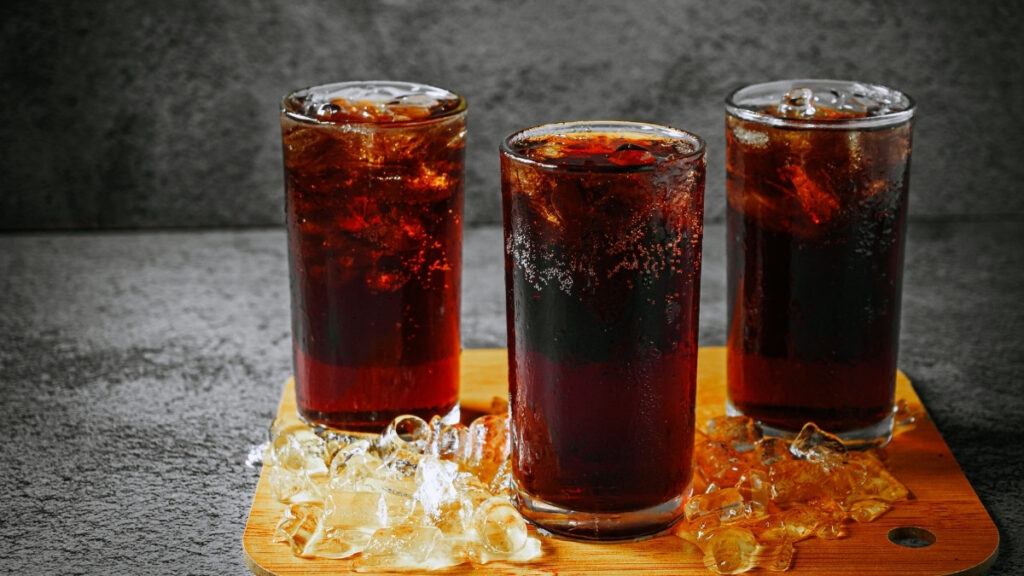
Here is what most people do not know. When you drink a dark cola, the phosphoric acid in it hits your bloodstream fast. And when phosphorus levels rise too quickly, your body has a problem. It needs calcium and phosphorus to stay balanced. So if phosphorus spikes, your body goes looking for calcium to catch up.
Think of your bones like an emergency savings account. Your body dips into it whenever the checking account runs dry. The problem is that account is not unlimited. Every time your body borrows calcium from your bones to balance out the phosphoric acid in a cola, your bones come out a little thinner.
And it does not stop there. The caffeine in dark colas adds another hit. Caffeine pushes your kidneys to flush out calcium in your urine. So you are losing calcium from two directions at once.
The Framingham Osteoporosis Study followed more than 1,400 women and found that those drinking three or more caffeinated colas per day had the lowest bone density scores of anyone in the study. That is not a small sample. That is a real pattern.
A 2006 study in the American Journal of Clinical Nutrition backed this up. It found that colas specifically, not other fizzy drinks, were linked to low hip bone density in older women.
And a 2024 narrative review published in SAGE Journals found that early and regular exposure to phosphoric acid significantly raises bone disease risk over time. A 7-year Chinese study of 17,383 adults found that people who drank soft drinks daily had nearly five times the fracture risk of those who did not.
Here is the important part. This is not about all carbonated drinks. Plain sparkling water does not carry this risk. The carbonation itself is not the issue. The phosphoric acid in dark colas is the issue.
What to drink instead: Swap your cola for sparkling water with a squeeze of lemon or lime. You still get the fizz. You skip the phosphoric acid. If you want something sweeter, try mixing calcium-fortified orange juice with plain seltzer. Your bones will not know the difference, but your body will.
Coffee and Your Bones: The Truth Is More Complicated Than You Think
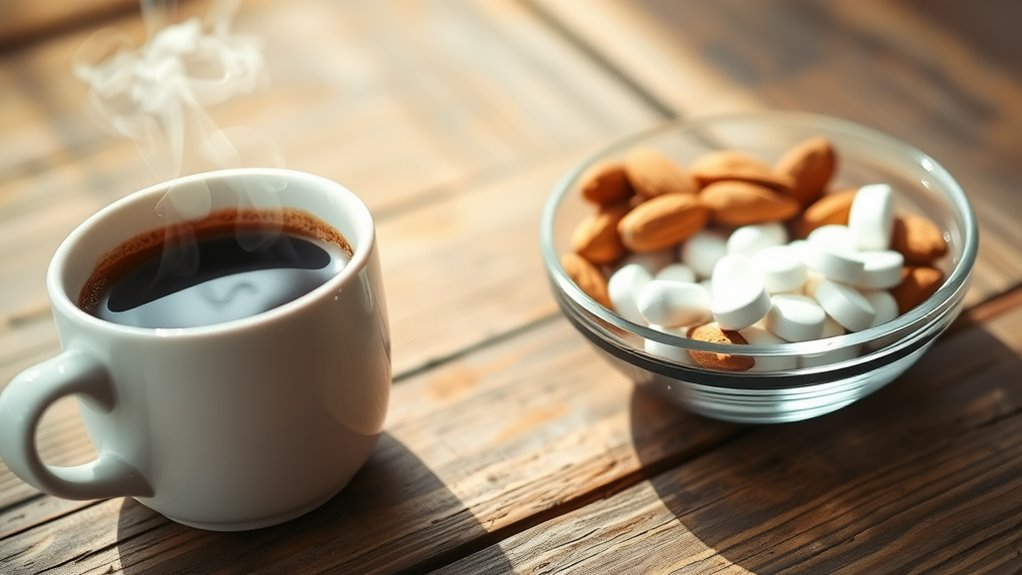
Coffee is not automatically bad for your bones. Let’s be clear about that upfront. But the story does not end there either.
Here is what caffeine actually does. Every cup of coffee you drink causes your kidneys to excrete roughly 3 to 5 mg of calcium in your urine. That number sounds small. And at one or two cups a day, it is easy to make up for that loss with normal food. The problem starts when you go past that point.
Drinking more than 300 mg of caffeine daily, which is about three or more cups of brewed coffee, has been shown to accelerate bone loss in the spine for postmenopausal women.
And for women drinking four or more cups a day, fracture risk runs two to three times higher than those who drink less. A high-dose caffeine study found that consuming 800 mg of caffeine over six hours nearly doubled urinary calcium loss in participants.
But here is the nuance that most articles skip. A 2025 meta-analysis published in Frontiers in Nutrition looked at data from 562,838 people and found that moderate coffee drinkers actually had 21% lower osteoporosis risk compared to non-drinkers. That is a massive study. And it matters.
So what is really going on? The risk is not coffee alone. It is the combination of high caffeine plus low calcium intake. If you are drinking four cups a day and not eating enough calcium-rich foods, you are pulling from your reserves faster than you are refilling them. That is where the real damage happens.
The good news is simple. Adding just one to two tablespoons of milk to each cup of coffee offsets the calcium lost from that cup.
What to do: Keep your coffee if you love it. Aim for two to three cups a day. Add a splash of milk each time. And try to time your calcium-rich meals or supplements at least an hour away from your coffee, since caffeine can temporarily slow how much calcium your gut absorbs.
Alcohol Does Three Separate Things to Weaken Your Bones
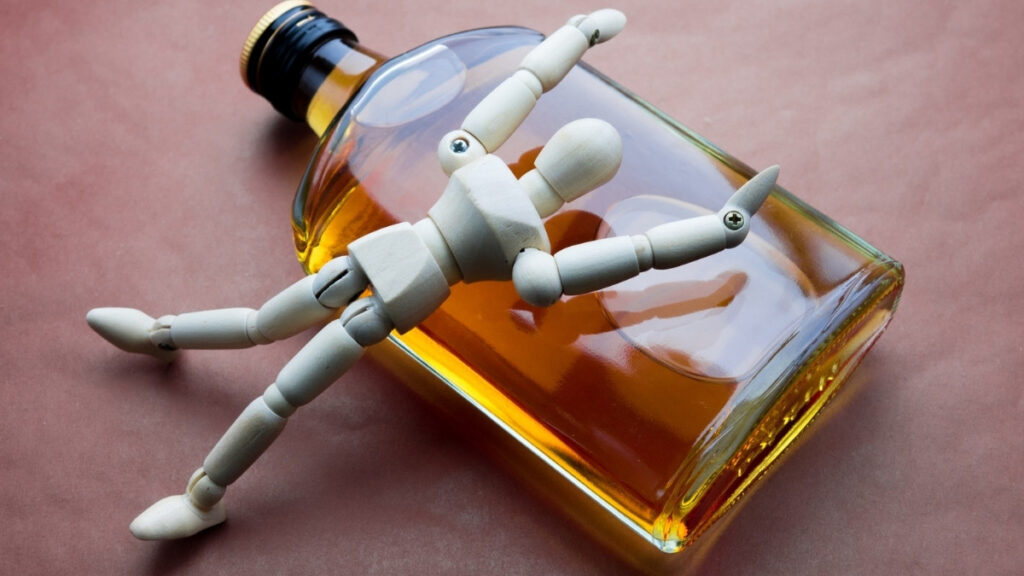
Most people think alcohol and bone loss are only connected for heavy drinkers. That is partly true. But knowing exactly how alcohol works on your bones changes the way you think about it.
First, your gut stops absorbing calcium properly. Heavy drinking damages the lining of the intestines. That is where calcium gets absorbed. When that process is disrupted, the calcium you eat never fully makes it into your system.
Second, your liver gets pulled into the problem. Your liver is responsible for activating Vitamin D. And Vitamin D is what allows your body to actually use calcium. Alcohol interferes with how the liver does that job. So even if you are eating plenty of calcium, without active Vitamin D, your body cannot put it to work. It is like having money in a locked safe with no key.
Third, your hormones shift in the wrong direction. Alcohol raises cortisol levels. Cortisol destroys bone cells. At the same time, alcohol suppresses estrogen, which is the hormone that helps regulate bone rebuilding. It also disrupts parathyroid hormone, which plays a direct role in how your body manages calcium. All three hormonal changes point the same direction: less bone mass over time.
Dr. Scott Boden of Emory University put it clearly: alcohol can decrease calcium absorption through the intestine, and it can also affect the pancreas and Vitamin D metabolism in ways that directly impact bone density. A meta-analysis of 19 studies covering 287,787 people confirmed multiple pathways between heavy alcohol use and osteoporosis.
Now for the honest part. Light to moderate drinking does not show the same clear harm. One glass of wine a day for women and two for men falls within guidelines where some studies actually show neutral or slightly positive bone effects, possibly due to polyphenols in wine. A
2025 integrative review that screened 108 studies found that light-to-moderate wine consumption may not negatively affect bone mineral density. But that benefit does not extend to heavy or binge drinking. That evidence is consistent and well-documented.
What to do: Stay within one standard drink per day if you are a woman, two if you are a man. Do not take calcium supplements with alcohol since absorption will be blunted. And prioritize getting enough Vitamin D since alcohol directly blocks the activation pathway your body depends on.
Why Energy Drinks Hit Teens and Young Adults the Hardest

Energy drinks are not just bad for your bones. They are especially bad at the worst possible time.
Up to 90% of your peak bone mass is built before age 20 in girls and before age 20 in boys, according to the Bone Health and Osteoporosis Foundation. The years when energy drinks are most popular, teen years and early adulthood, are exactly the years your skeleton is doing its most critical work.
Most contain 80 to 300 mg of caffeine per can. That is potentially as much as three cups of coffee in a single drink. Caffeine, as we covered, drives your kidneys to dump calcium in urine.
But energy drinks also contain phosphoric acid or citric acid, creating an acidic formula that promotes calcium loss through both urinary and digestive pathways. You are getting the cola problem and the coffee problem stacked together in one can.
A 2024 narrative review confirmed this concern directly. It found that early exposure to caffeine and phosphoric acid during puberty significantly increases bone disease risk later in life. The US FDA acknowledges that most energy drinks contain 80 to 300 mg of caffeine per serving, which is a wide and often underestimated range.
The real way to think about this: drinking energy drinks regularly during your teen years is not just risky. It is a missed opportunity. Every day your bones are supposed to be building density. Every energy drink you consume pulls calcium away from that process. You are not just doing damage. You are walking away from bone capital you can never fully earn back.
What to drink instead: Green tea gives you a lower caffeine boost with no phosphoric acid and a dose of antioxidants. A smoothie made with fortified dairy or plant milk is an even better option during bone-building years. If you need the caffeine, a standard cup of coffee with milk causes considerably less damage than an energy drink.
Hot Chocolate Has a Secret That Most People Miss
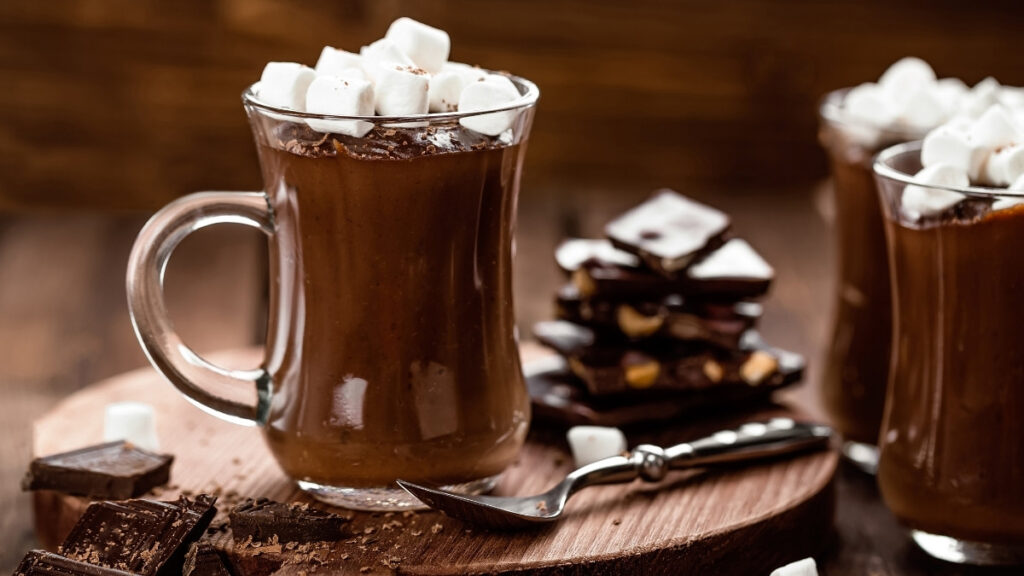
Here is the surprising one. Hot chocolate feels like a warm, comforting, even healthy choice. It is made with milk. Milk has calcium. So it should be fine for your bones, right?
Yes, the milk in hot chocolate provides calcium. But when you drink a commercial hot chocolate, you are also getting 20 to 60 grams of sugar per serving. Some products exceed the American Heart Association’s entire daily sugar recommendation in a single cup.
That amount of sugar triggers a spike in insulin. And when insulin spikes like that, your kidneys respond by flushing out more calcium in your urine. This is called hypercalciuria, and sugar is one of the triggers.
Sugar also interferes with osteoblasts, which are the cells responsible for actually building bone. Less osteoblast activity means slower bone rebuilding.
So what happens is this: you drink the hot chocolate, your body absorbs some calcium from the milk, and then the sugar load activates pathways that push that calcium right back out. The milk does not cancel out the sugar’s effect. They are not fighting each other equally.
The research backs this up. A 2023 Brazilian Birth Cohort study found that high sugar-sweetened beverage consumption was linked to lower lumbar spine bone density in young people. A meta-analysis of 26 studies covering 124,691 participants found that sugary drinks were significantly associated with lower bone mineral density in adults.
Specialty coffee drinks, think flavored lattes and blended frappuccinos, carry the same double risk. High sugar plus caffeine in one cup.
What to do instead: Make hot cocoa at home. Use unsweetened cacao powder, a calcium-fortified milk (dairy or plant-based), and just a small amount of natural sweetener. You get the taste and the warmth without the sugar spike that drains what you just drank. For flavored coffee drinks, ask for half the syrup or go unsweetened. The calcium in the milk will actually get to stay this time.