

Beans show up on nearly every centenarian’s plate, not because of any diet trend but because they cost almost nothing and keep working for decades.
Sardinia, Okinawa, Ikaria, Costa Rica’s Nicoya Peninsula, and Loma Linda produce more people who live past 100 than anywhere else on earth, and researchers who studied their kitchens found the same short list of foods everywhere.
Olive oil, sweet potatoes, oats, and garlic replace whatever expensive supplement currently sits unused in your cabinet. Genetics explain only 20 to 40 percent of how long you live. Diet and daily habits fill in the rest, and eight specific foods below cost less than a trip through the supplement aisle.
Longevity Basket Challenge
Combine the 8 centenarian staples to reach 100 Longevity Points while keeping your daily budget strictly under $5.00. Max 3 servings per item.
Why the Oldest People on Earth Eat the Same Cheap Foods
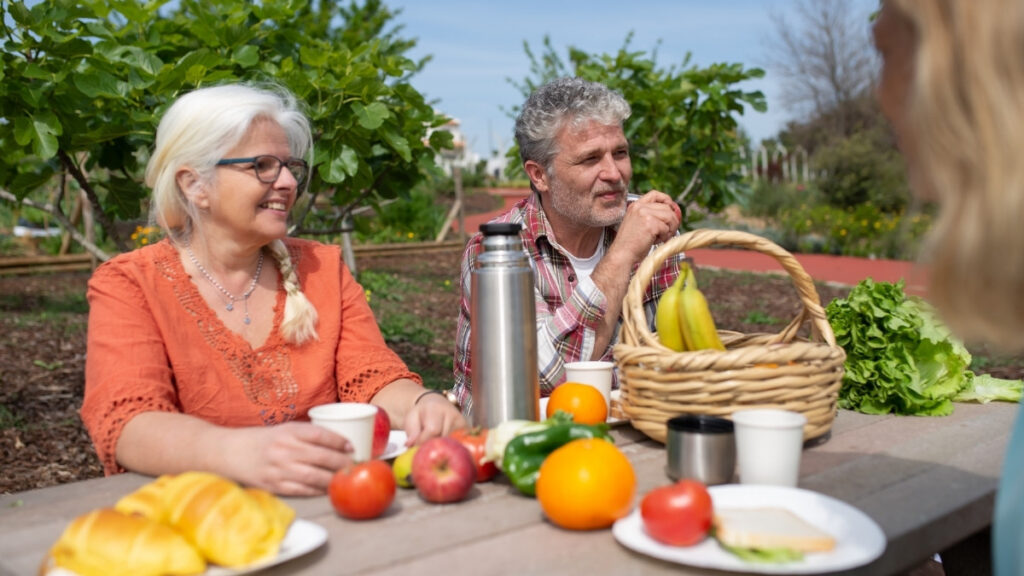
You have probably heard about some “superfood” that costs $40 a bag and promises to change your life. You bought it, maybe used it twice, and now it is sitting in the back of your cabinet.
They eat beans. They eat sweet potatoes. They drizzle olive oil on everything and toss a handful of walnuts on the side. That is it. And they have been doing it for 100 years.
Researchers found five places on earth where people regularly live past 100. These places are called Blue Zones. They are located in Sardinia (Italy), Okinawa (Japan), the Nicoya Peninsula (Costa Rica), Ikaria (Greece), and Loma Linda (California).
Author Dan Buettner and National Geographic spent years studying these communities. Their team reviewed 150 dietary surveys to find what these people had in common.
The answer was not a special pill. It was not a cutting-edge protein formula. It was a short list of simple, cheap foods that most people walk past every single week at the grocery store.
Here is something important to know before we get into the list. Your genes do not control your lifespan as much as you think. Research from the NIH confirms that genes account for only 20 to 40 percent of how long you live. Diet and lifestyle drive the rest.
A 2024 re-analysis of Blue Zones data published in Nature Aging found that 80 percent of longevity outcomes in these regions trace back to daily lifestyle factors. Nutrition sat at the top of that list.
And a 2025 review published in the Journal of Translational Medicine confirmed what the Blue Zones data has been saying for years: nutrient-dense, minimally processed plant-based foods are the common thread across every major centenarian population on earth.
These people eat 90 to 100 percent plant-based meals. Not because of a dietary belief. Because fruits, vegetables, beans, and whole grains are cheap, filling, and available everywhere. Now, let us look at exactly what they eat.
Beans: The #1 Food Centenarians Eat at Almost Every Single Meal
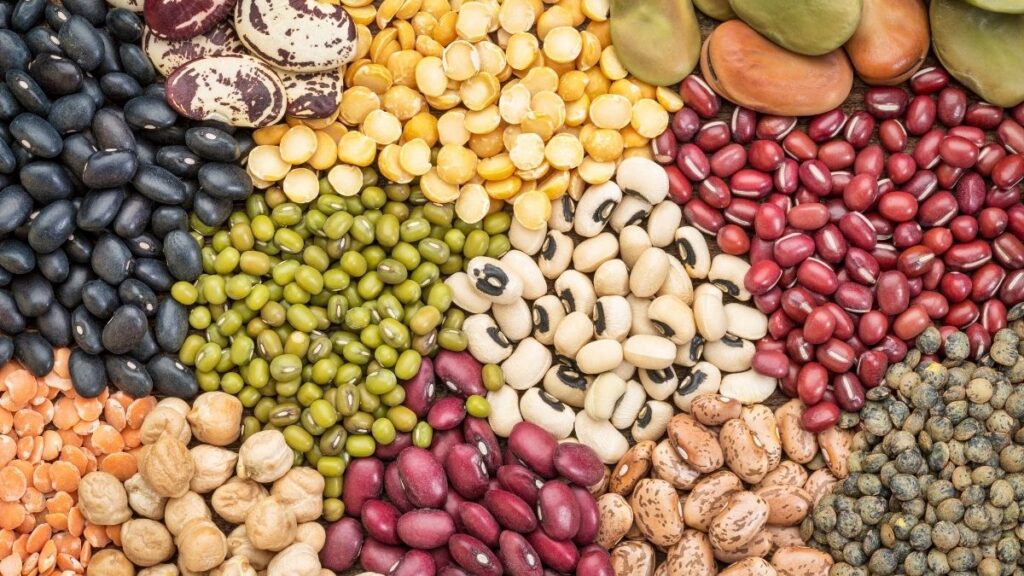
If there is one food that shows up on every centenarian’s table, across every country, in every Blue Zone study ever conducted, it is beans. Not protein powder. Not supplements. Beans.
Most centenarians eat about one full cup of beans every single day. In Nicoya, that is black beans. In Sardinia and Ikaria, it is lentils, garbanzo beans, and white beans. In Okinawa, it is soybeans and tofu. The specific type changes. The daily habit never does.
Why does it matter so much? Harvard’s Nurses’ Health Study found that every additional half-cup of beans per day was linked to an 8 percent lower risk of death over the following decade. That is from a single half-cup addition to your regular eating.
A 7-year study tracking older adults across four countries went even further. Researchers found that legumes were the single strongest dietary predictor of survival across all groups studied. Every 20-gram increase in daily bean intake was linked to a 7 to 8 percent reduction in death risk. Some research suggests that eating half a cup of beans daily may add up to four years to your life.
And here is the part that should stop you for a second. A one-pound dry bag of chickpeas costs as little as $1.50. That single bag yields up to six cups of cooked chickpeas. Registered dietitian Vandana Sheth has pointed this out repeatedly: beans are one of the most cost-effective protein and fiber sources available to anyone, anywhere.
You do not need a recipe. Add beans to soup. Use them as a side dish. Fold them into a tortilla. Dump them on a salad. Centenarians do not overthink it, and neither should you.
Extra-Virgin Olive Oil: The One Fat Centenarians Never Skip
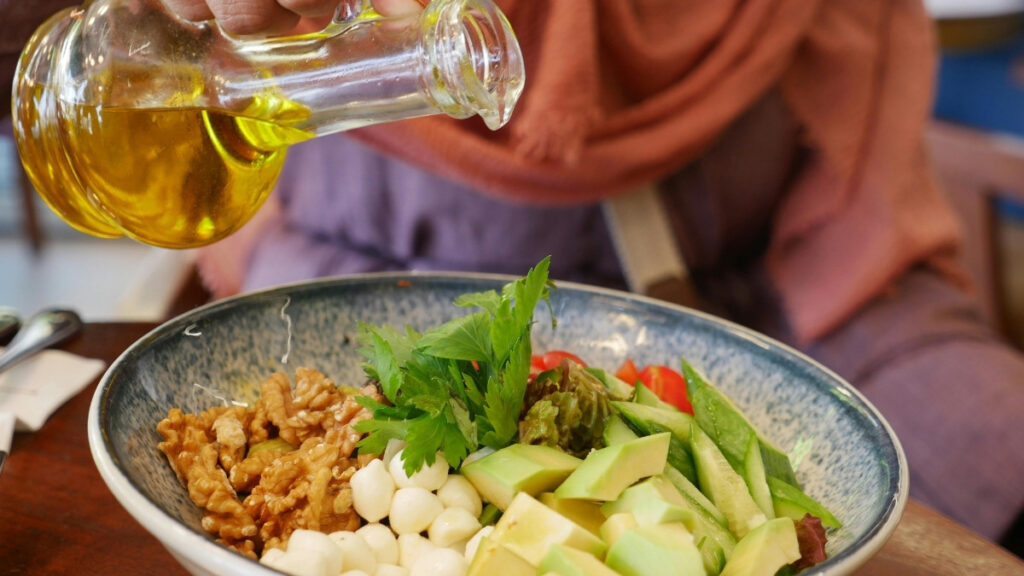
Centenarians in the Mediterranean do not count fat grams. They pour olive oil generously and have been doing so their entire lives.
In Ikaria, Greece, middle-aged people who ate about six tablespoons of olive oil daily appeared to cut their risk of dying by half compared to those who used it less. That data comes from Blue Zones research backed by the PREDIMED trial, one of the most cited nutrition studies in the world.
A PREDIMED follow-up published in 2024 found that four tablespoons of olive oil daily reduced cardiovascular mortality by 48 percent. The compounds responsible are called hydroxytyrosol and oleocanthal. Both act as powerful anti-inflammatories in the body. They are found in significant amounts only in extra-virgin olive oil.
Blue Zone residents use olive oil as their main fat source. They drizzle it on bread. They pour it over vegetables. They add it to soups and stews. They mix it into salad dressings. One thing they do not do: cook it at high heat. The smoke point for olive oil is around 375 degrees Fahrenheit. Beyond that, the beneficial compounds start to break down.
When you buy olive oil, the label matters. Always choose extra-virgin. Skip the bottles labeled “pure olive oil” or “light olive oil.” Those versions are refined, and the refining process strips out most of the polyphenols and antioxidants that make olive oil worth eating in the first place. Extra-virgin is cold-pressed, which keeps those compounds intact.
A quality bottle of extra-virgin olive oil runs $8 to $12. At two to four tablespoons per day, that bottle lasts three to four weeks. That is about $3 a week for one of the most researched longevity foods in existence.
This week, replace the butter on your vegetables with a drizzle of extra-virgin olive oil. That one swap is something almost every centenarian in southern Europe has been making their entire life.
Sweet Potatoes: The Cheap, Colorful Staple of Okinawa’s Oldest People
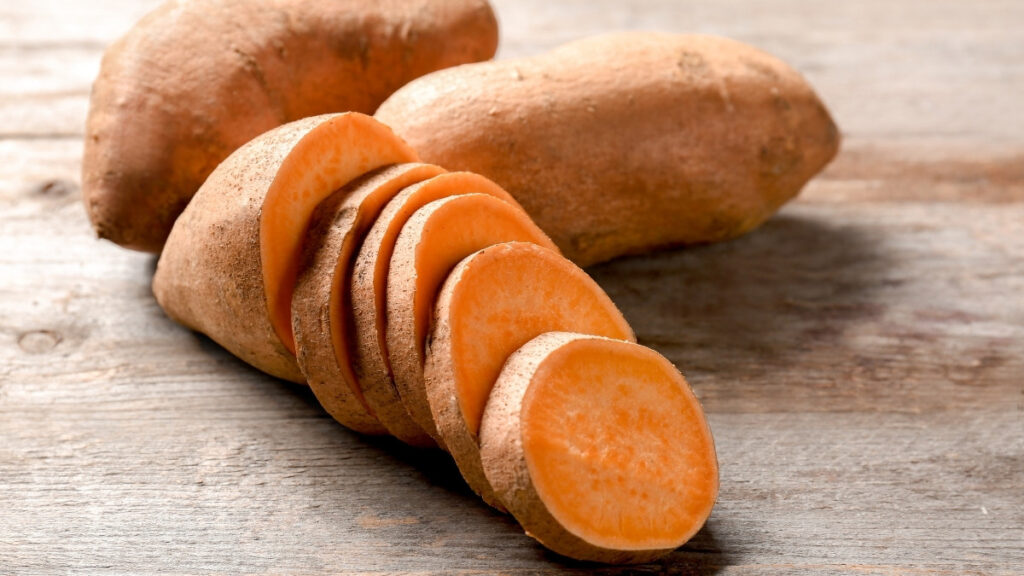
In Okinawa, Japan, there is a purple sweet potato called the imo. For most of the 20th century, this one food made up 67 percent of the traditional Okinawan diet. Okinawa also happens to have one of the highest concentrations of people over 100 on earth. That is not a coincidence.
Sweet potatoes give your body complex carbohydrates, vitamins B6 and C, potassium, magnesium, and antioxidants from their purple or orange pigment. They fill you up without spiking your blood sugar the way white rice or white bread does.
Registered dietitian Ginger Hultin, MS, RDN explains it clearly: “All types of potatoes contain nutritional properties linked to longevity. They are a source of complex carbohydrates, are rich in fiber, and contain nutrients that boost the nutritional value of any meal.”
That blood sugar stability is more important than most people realize. Metabolic diseases like type 2 diabetes and cardiovascular disease are among the top causes of early death. Foods that keep blood sugar steady over time help prevent those diseases from taking hold. Sweet potatoes do that better than most other staple carbohydrates.
The cost is almost embarrassing for how much they deliver. A single sweet potato costs under $1 at most grocery stores. One medium sweet potato is a full serving.
You can bake it in the oven, microwave it in five minutes, or cube it and add it to a stew. Okinawan centenarians kept it simple for a reason: the food is doing the work. You just have to eat it.
Oats: The Breakfast That Could Shave Years Off Your Biological Age
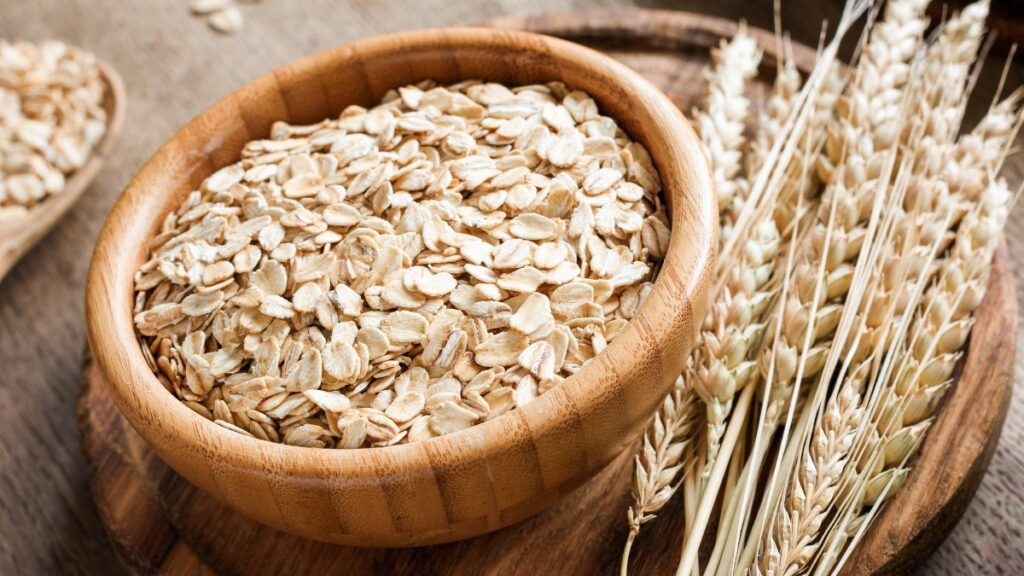
Most people eat breakfast. Very few eat a breakfast that has been studied across more than a million people and consistently linked to living longer. Oats have been.
Harvard researchers reviewed two large studies tracking over 100,000 people for more than 14 years. People who ate at least 33 grams of whole grains daily (roughly one bowl of oatmeal) cut their risk of premature death by 9 percent. Their risk of dying from heart disease specifically dropped by 15 percent.
A separate meta-analysis reviewed 19 cohort studies covering more than one million participants. It found that each one-ounce daily serving of whole grains was linked to a 14 percent lower risk of dying from heart disease. Women who ate two to three servings of whole grain products each day were 30 percent less likely to have a heart attack compared to those eating less than one serving per week.
The compound behind much of this is called beta-glucan. It is a type of soluble fiber found in high amounts in oats. Beta-glucan lowers LDL (the “bad”) cholesterol. It also feeds the beneficial bacteria in your gut, and the research on the gut-longevity connection continues to grow.
One thing you need to know: this only applies to steel-cut oats or old-fashioned rolled oats. The instant oat packets with added sugar and flavoring do not carry the same benefits. The processing and added sugar change the picture entirely. Buy plain oats, add your own fruit, and move on.
A canister of old-fashioned rolled oats costs about $3 and lasts for weeks. It is one of the cheapest high-impact changes you can make to your morning.
Dark Leafy Greens: The Wild Food That Centenarians in Greece Pick From Their Yards
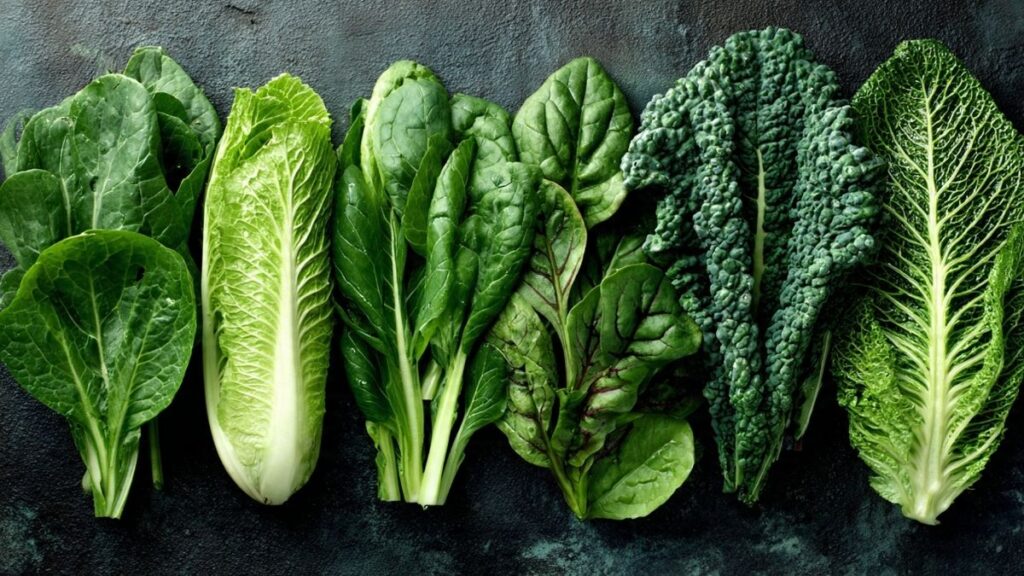
People in Ikaria, Greece eat more than 150 varieties of wild greens. They do not shop for them. They grow them in their yards and pick them fresh. Dandelion. Purslane. Dozens of other plants most of us would not recognize.
You do not need 150 varieties. You need spinach, kale, or collard greens from your grocery store. They belong to the same class of plants and deliver the same category of nutrients.
Centenarians in Greece eat over 400 grams of vegetables daily. That is more than seven servings. These greens are rich in alpha-linolenic acid, a heart-healthy fatty acid that supports cardiovascular health.
A 2024 study out of China found that centenarians who ate five to nine different food types daily showed 23 percent lower inflammation markers than peers who ate a less varied diet. Dark greens were a consistent part of that variety.
New research published in 2024 goes even further. Eating cruciferous vegetables (broccoli, kale, cabbage) five times per week was linked to cutting biological age by nearly three years. That is your actual cellular age, not just how you feel.
Sardinians wilt their greens in olive oil with garlic. Okinawans stir-fry them. Ikarians fold them into egg dishes. All of these methods work, and all of them take under 10 minutes. Pick the one that fits your kitchen.
Walnuts and Nuts: Two Handfuls a Day Is Their Unspoken Rule
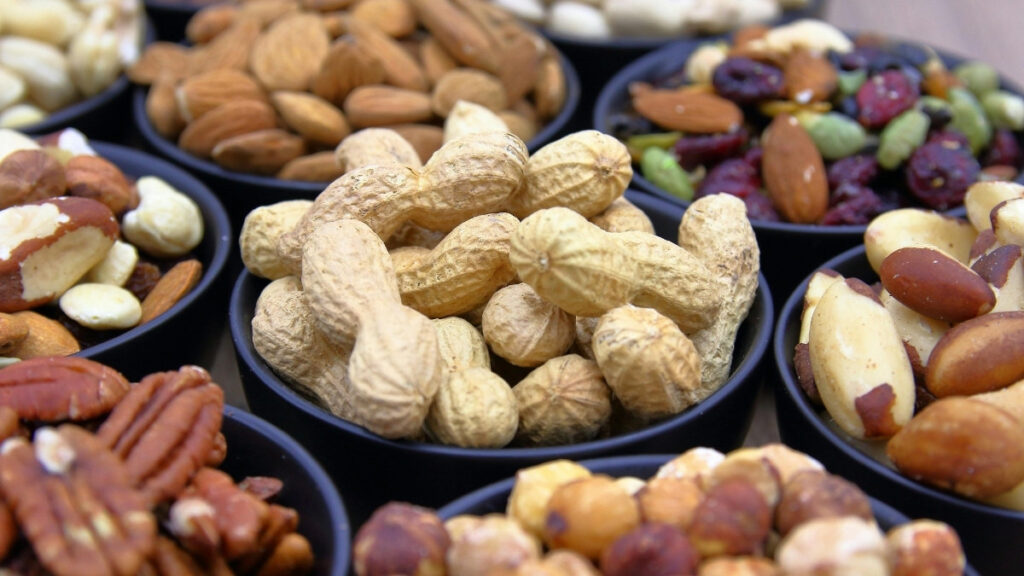
Blue Zone centenarians eat nuts every single day. About two handfuls. They do not measure them out. They just keep a bowl nearby and reach for them.
In Ikaria and Sardinia, almonds are the go-to. In Nicoya, it is pistachios. In Loma Linda, California, walnuts dominate. That is based on data from the Adventist Health Study, one of the longest-running nutrition studies in the United States.
Cardiologist Gary Fraser at Loma Linda University found that Adventists who followed their community’s dietary practices (which include regular nut consumption) lived roughly 10 years longer than those who did not.
Walnuts deserve a specific mention here. They are the only nut that contains significant amounts of ALA, a plant-based omega-3 fatty acid. This is the same heart-protective fat found in fatty fish. For people who do not eat fish, walnuts are one of the best ways to get it.
All nuts deliver heart-healthy unsaturated fats, magnesium, and anti-inflammatory compounds. Research consistently links nut consumption to lower rates of cardiovascular disease.
The practical move: get a small container of mixed nuts. Keep it at your desk, in your bag, or on your counter. That is how most people will actually add this to their day. Two handfuls is not a lot. It is a snack. Centenarians treat it exactly that way.
Garlic: The Ingredient That Every Centenarian Culture Uses (And Here is Why)
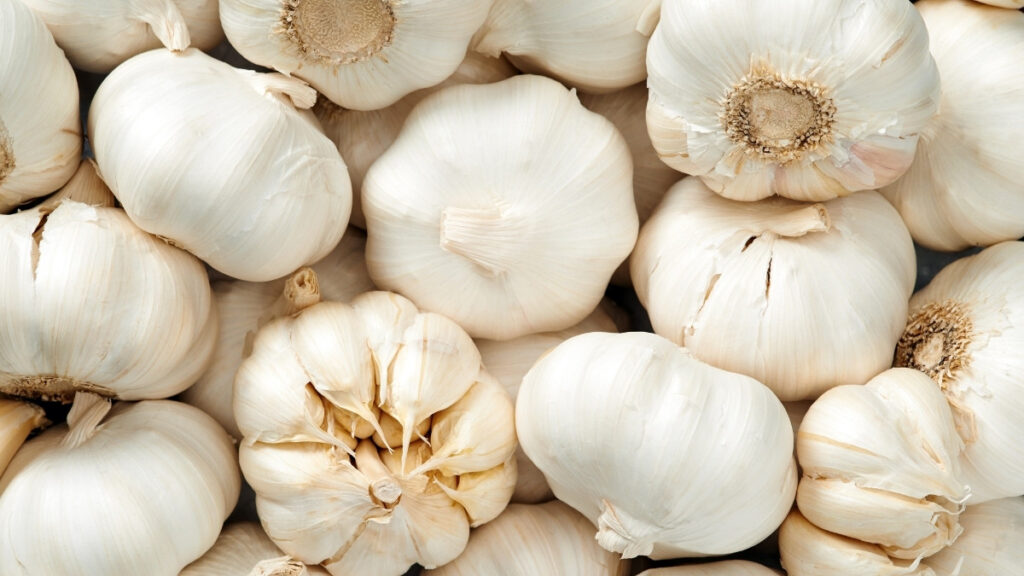
Garlic shows up in nearly every Blue Zone kitchen. Mediterranean cooking uses it. Okinawan cooking uses it. Nicoyan cooking uses it. Different countries, different cuisines, same ingredient. This is not an accident.
Dan Buettner includes garlic on his official list of the ten foods he calls “super blue foods.” These are the foods he recommends people eat daily based on the centenarian research. Garlic earned its spot for a clear reason.
When you crush or chop garlic, it releases a compound called allicin. Allicin has documented antimicrobial, anti-inflammatory, and cardiovascular-protective properties. It temporarily lowers blood pressure. It reduces arterial stiffness. It modestly lowers LDL cholesterol. These are the exact problems that kill most people before they hit 80.
There is one technique detail worth knowing: crush or finely chop your garlic and let it sit for 10 minutes before you cook with it. Heat breaks down allicin. Letting the garlic rest after chopping gives the allicin time to fully form before the pan gets hot. That 10-minute wait actually increases the benefit you get from the same clove of garlic.
A full bulb of garlic costs under $0.80 at most grocery stores. That gives you 10 to 12 cloves. On a per-serving basis, garlic is possibly the cheapest functional food available to anyone buying groceries.
Tomatoes: The Cheap Anti-Aging Food Hiding in Your Pantry Right Now
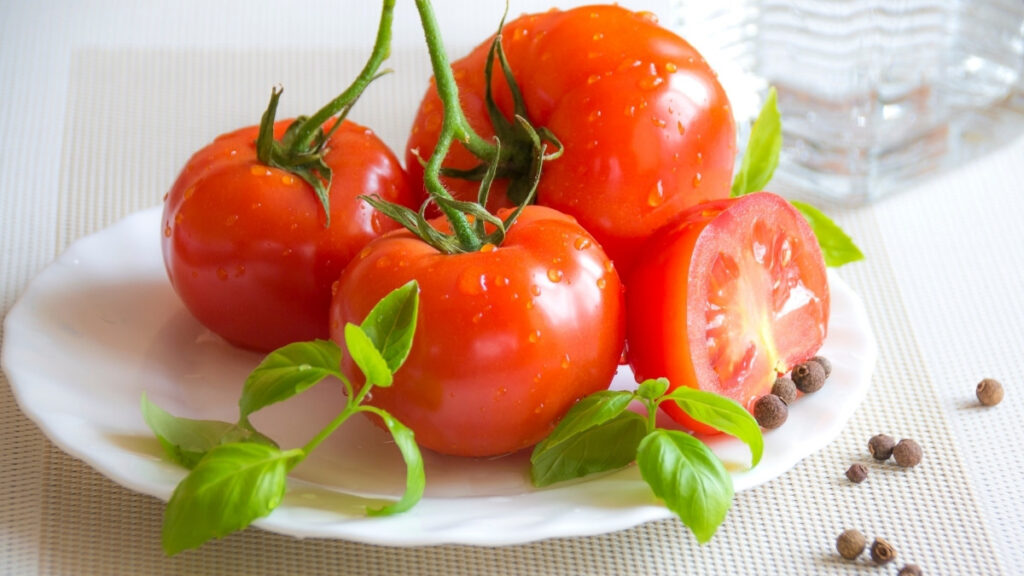
Sardinians eat tomatoes every day. Raw with olive oil. In slow-cooked stews. As the base for nearly every sauce they make. Tomatoes are not a side ingredient in their kitchen. They are a foundation.
The compound responsible for much of the benefit is lycopene. It is the red pigment that gives tomatoes their color. Lycopene is a powerful antioxidant linked to reduced risk of heart disease, prostate cancer, and cognitive decline.
Here is something that surprises most people: cooked and canned tomatoes actually deliver more bioavailable lycopene than raw tomatoes. Heat breaks down the cell walls and makes the lycopene easier for your body to absorb. A can of whole peeled tomatoes costs under $1.50 and is nutritionally equivalent to (and in some cases better than) several fresh tomatoes for this specific compound.
Tomatoes are also high in vitamin C, potassium, and folate. All three support cardiovascular and cognitive health as you age.
You do not need to do anything fancy. Open a can of tomatoes. Simmer them with garlic and olive oil. Pour over beans or lentils. That is a Blue Zone meal in about 15 minutes.
Eight foods. None of them exotic. All of them available at any grocery store. That is the point.
How to Build a Centenarian Meal in 15 Minutes With These 8 Foods
Reading about food is useful. Actually eating it is what changes anything.
Here is a meal that uses six of the eight foods on this list, costs under $3, and takes about 15 minutes to make.
Bean and Tomato Stew With Wilted Kale and a Sweet Potato
Heat two tablespoons of extra-virgin olive oil in a pan over medium heat. Add three chopped garlic cloves. Let the garlic sit in the oil for about a minute. Add one can of white beans (drained and rinsed) and one can of whole peeled tomatoes, crushed by hand. Let it simmer for 10 minutes. In the last two minutes, add a large handful of kale and stir until wilted.
Serve it next to a baked or microwaved sweet potato. Put a small handful of walnuts on the side.
That meal contains beans, olive oil, tomatoes, garlic, dark leafy greens, sweet potato, and walnuts. Six of the eight foods, in one bowl, for under $3.
To complete the full list across one day: eat oats for breakfast, and the stew for lunch or dinner. That is it. You have covered every food on this list.
This is how centenarians actually eat. Not perfectly, not obsessively. They just put these foods into their day, over and over, for decades. The consistency is the strategy.
The Bottom Line
The research is not pointing at expensive supplements or trendy eating plans. It is pointing at a bowl of bean soup, a drizzle of olive oil, and a sweet potato.
The people who live the longest on earth are not eating anything complicated. They are eating the same simple, cheap foods over and over again with consistency. No special program. No expensive routine. Just real food, prepared simply, eaten every day.
This week, pick two of these eight foods you do not currently eat regularly and add them to your next grocery run. That is it. One small addition at a time is how the oldest people on earth have always eaten. And it is how you can start too.
