
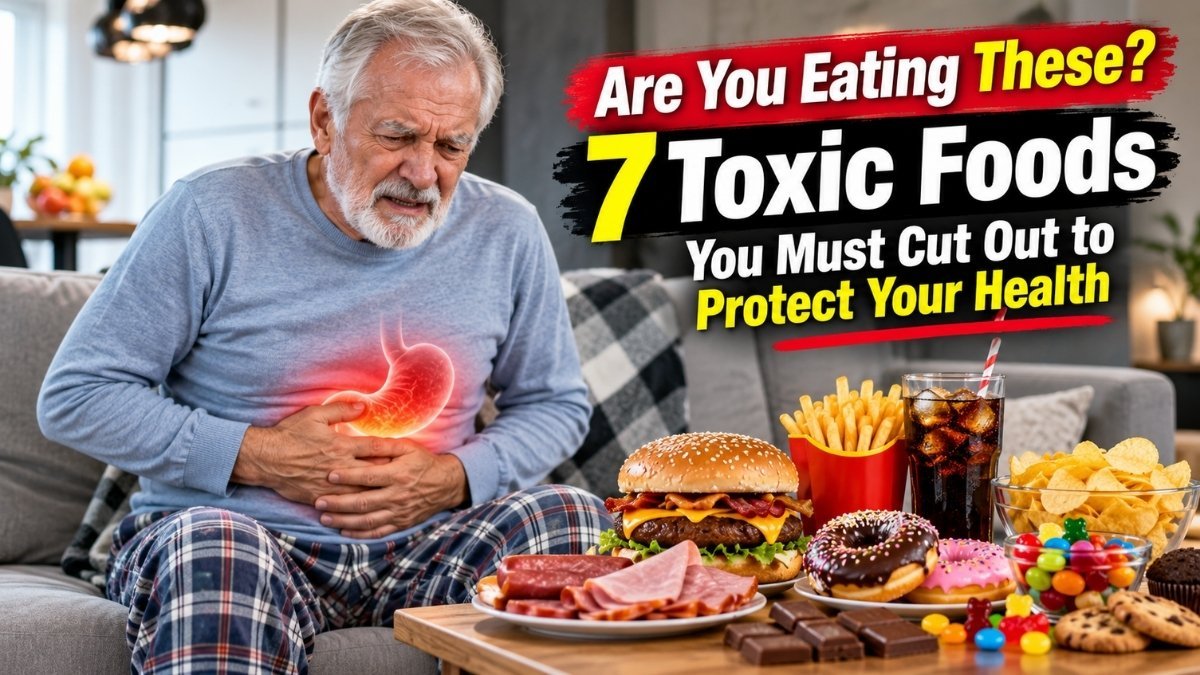
Some foods earn a healthy reputation simply because their risks are easy to overlook. Processed meats, sugary drinks, foods containing industrial trans fats, alcohol, and heavily processed snacks can add up when they become habits.
Leading health organizations recommend limiting many of these foods because frequent intake is associated with higher risks of heart disease, type 2 diabetes, certain cancers, and other chronic conditions.
That does not mean one bite will harm you or that every processed food is “toxic.” What matters most is your pattern. These seven foods are worth cutting back on, plus smarter swaps to choose instead.
Pantry Detox: Shield Challenge
Purge the 7 toxic foods to build your long-term Disease Defense Shield!
Loading Pantry…
Status
Details
1. Processed Meats: Bacon, Hot Dogs, Deli Meats, Sausages
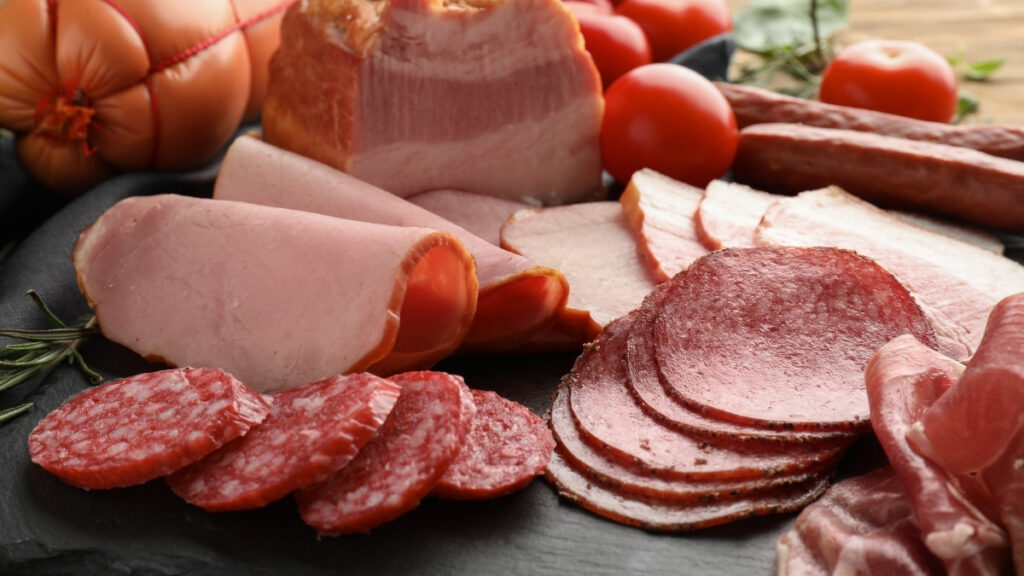
You already know these are not health food. But most people do not know how serious the classification actually is. The International Agency for Research on Cancer (IARC), which is part of the World Health Organization, puts processed meats in Group 1. That is the same group as tobacco and asbestos. Not "probably bad." Not "linked to some risks." Confirmed carcinogen. That is their word, not ours.
So what actually happens when you eat a hot dog? The curing, smoking, and preserving process creates three harmful compounds. Nitrosamines. Heterocyclic amines. Polycyclic aromatic hydrocarbons. All three cause direct DNA damage. And DNA damage is how cancer starts.
Higher colorectal cancer risk for every 50 grams of processed meat eaten daily. That is less than two thin slices of deli turkey. Not a pound. Not a whole meal. Just 50 grams, every day.
The cancer link gets most of the attention. But processed meats do something else too. A 2024 study found that people who ate two or more servings per week had a 14% higher chance of developing dementia over a 43-year follow-up period. That is not a short study. That is nearly half a lifetime of data pointing in one direction.
Here is the part worth sitting with. This is not about eating a hot dog at a baseball game once a year. This is about what you put on your plate regularly, week after week. Small amounts add up to real risk.
A better option. On most days, swap processed meats for unprocessed cuts of meat, eggs, legumes, or fish. You still get your protein. You just skip the compounds that go with it.
2. Industrial Trans Fats: Fried Foods, Margarine, Packaged Baked Goods
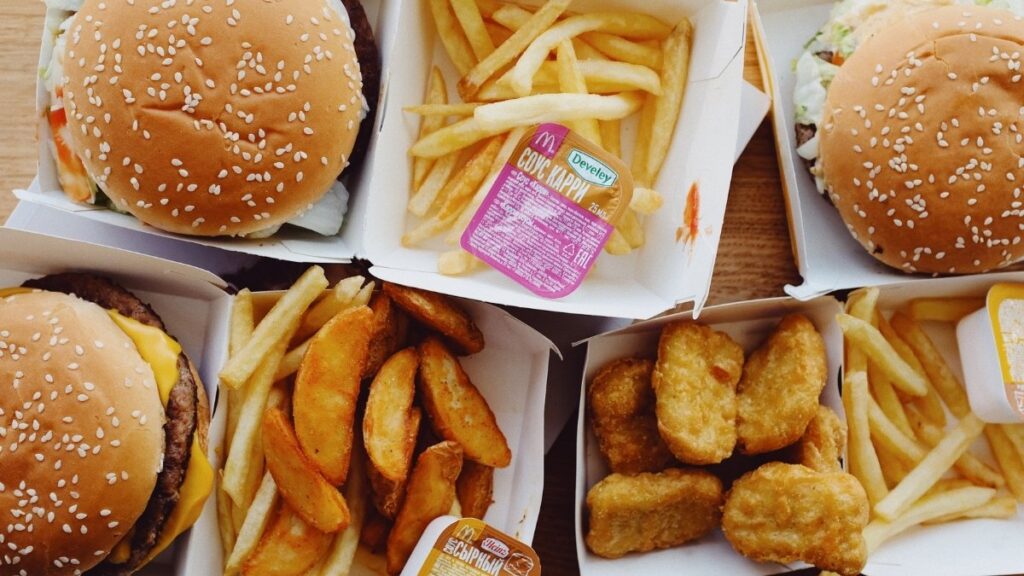
Trans fats were invented to solve a business problem, not a nutrition problem. Food manufacturers needed oils that would harden at room temperature, last longer on shelves, and replace animal fats cheaply. The solution was to force hydrogen into vegetable oil under high pressure. It worked perfectly for shelf life. It worked terribly for your arteries.
The FDA banned partially hydrogenated oils in the United States in 2018. But there is a catch. Products with less than 0.5 grams of trans fat per serving are still legally allowed to say "0g trans fat" on the label. That means a product can legally tell you it has zero trans fats while actually containing them. They hide in plain sight.
Deaths per year from heart disease that the World Health Organization links to industrial trans fats. That figure comes from WHO's REPLACE program, which tracks the global effort to eliminate trans fats from food supplies.
Per calorie, trans fats do more damage to your heart than any other type of fat, including saturated fat. A 2024 analysis in the Journal of the American College of Cardiology confirmed the link between trans fat intake and coronary heart disease risk is stronger than for any other macronutrient.
They raise LDL (bad cholesterol), lower HDL (good cholesterol), and trigger inflammation all at the same time.
How to actually find them: ignore the nutrition panel. Go straight to the ingredient list. If you see the words "partially hydrogenated oil" anywhere in that list, the product contains trans fats. That is the only reliable test.
Common hiding spots include non-dairy creamers, microwave popcorn, frozen pizza dough, packaged frosting, fast food fried items, and many store-bought cookies and crackers. Check the list before you buy.
Real butter, extra-virgin olive oil, avocado oil, and coconut oil are all better than products with partially hydrogenated oils. They are not perfect, but they are honest. Your body knows how to handle them.
3. Refined Added Sugars and Sugar-Sweetened Beverages
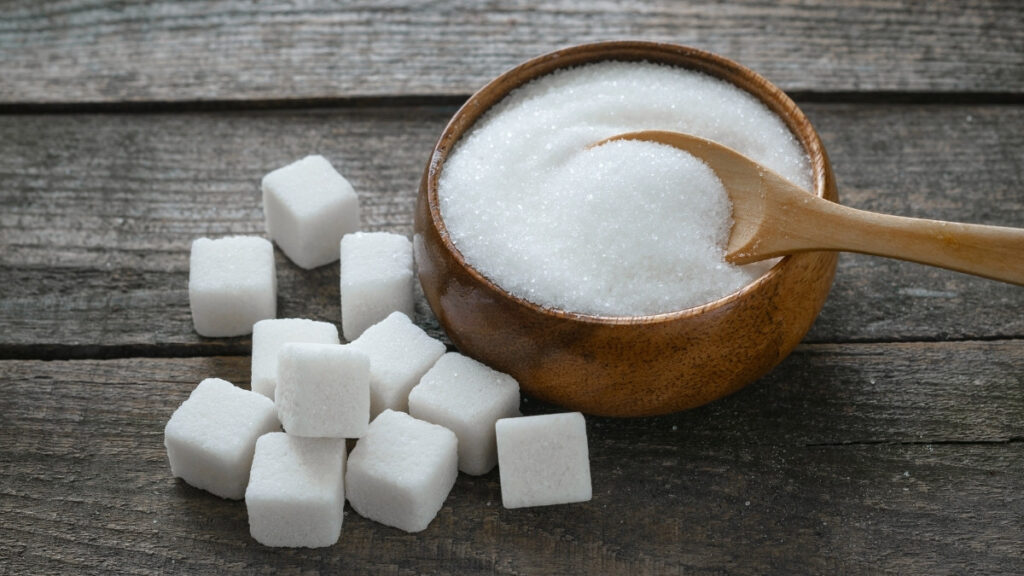
Most people think sugar is a problem because of weight gain. That framing is too small. Excess refined sugar attacks the body on multiple fronts at the same time. It raises blood pressure. It triggers fat production in the liver. It elevates LDL cholesterol. It suppresses HDL cholesterol. And it does all of this with or without weight gain.
One of the most striking studies on sugar came out in October 2024 in the journal Science. Researchers tracked people who were exposed to sugar rationing during their first 1,000 days of life.
This was early childhood, before most food choices are conscious decisions. Decades later, those people had a 35% lower risk of type 2 diabetes and a 20% lower risk of hypertension. That result shows how deeply early sugar exposure shapes the body, and how long that effect lasts.
Lower diabetes risk in people who had reduced sugar exposure in their first 1,000 days of life. The data came from a natural experiment during wartime sugar rationing, tracked across decades by NIH-funded researchers.
Sugary drinks deserve special attention here. When you eat sugar in solid food, fiber slows how fast it hits your bloodstream. When you drink it, there is nothing to slow it down. A 20-ounce soda delivers a concentrated hit of fructose directly to your liver. The liver processes it almost exactly the way it processes alcohol. That process sets off the same chain of events: elevated triglycerides, lower HDL, inflammation.
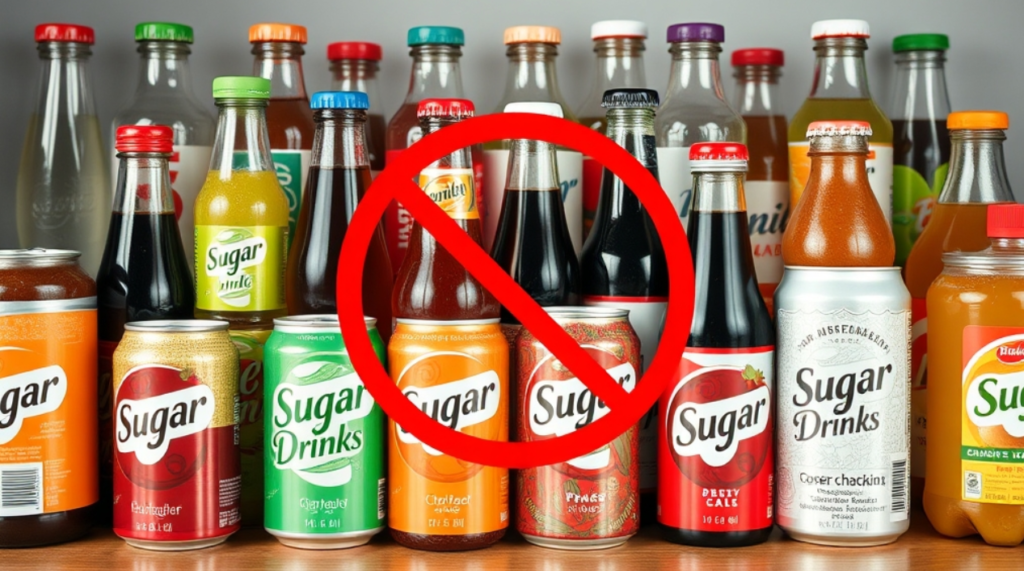
JAMA Internal Medicine published findings showing that high added sugar intake was directly tied to higher triglycerides, higher LDL, and lower HDL. Those are not abstract numbers. Those are the three main markers doctors look at when assessing your cardiovascular risk.
"The liver processes fructose from soda almost exactly the way it processes alcohol. Without any fiber to slow it down, the damage adds up fast."
Sugar hides under a lot of names. Maltodextrin. Dextrose. Cane juice. Fruit concentrate. Corn syrup. Evaporated cane juice. If you are not reading ingredient labels, you are not seeing the full picture of what you are eating.
Water, sparkling water with a slice of lemon, and whole fruit (not juice) are your best swaps. Whole fruit comes with fiber that slows sugar absorption. The fruit in a glass of orange juice does not.
4. Alcohol: Including "Light" and "Moderate" Drinking

This section is going to surprise a lot of people. In January 2023, the World Health Organization said it plainly: there is no safe level of alcohol consumption when it comes to cancer risk. Not one drink a week. Not a glass of wine with dinner. No safe level.
That is not a fringe opinion. IARC classifies alcohol as a Group 1 carcinogen, the same category as tobacco. It is directly linked to at least seven types of cancer: oral cavity, pharynx, larynx, esophagus, liver, colorectal, and female breast cancer. And in January 2025, the US Surgeon General added his own advisory calling for updated cancer warning labels on alcoholic beverages.
New cancer cases worldwide every year that are attributable to alcohol, according to research published in The Lancet in 2021. That same research links alcohol to nearly 400,000 cancer deaths annually.
Here is the part most people miss. Half of all alcohol-related cancers in the WHO European Region come from light or moderate drinking, not heavy drinking. Not binge drinking. Not alcoholism. Light and moderate drinking. The "one glass of wine is good for you" belief has not held up to modern cancer research.
Why does alcohol cause cancer? When your body breaks down alcohol, it produces acetaldehyde. Acetaldehyde binds directly to DNA and damages it. It also drives oxidative stress and inflammation, both of which create conditions for cancer to grow. There is no amount of alcohol so small that this process does not begin. The acetaldehyde still forms. The DNA still takes the hit.
The idea that red wine is protective comes from studies on resveratrol. But those studies used amounts of resveratrol far higher than any glass of wine contains. The supposed benefit does not survive scrutiny. The carcinogen is real. The benefit is not.
This does not mean you must never drink again. But it does mean you deserve to know what the research actually says, rather than what the wine industry has spent decades promoting. Knowing the risk is your right.
5. Ultra-Processed Packaged Foods: Chips, Instant Noodles, Shelf-Stable Snacks
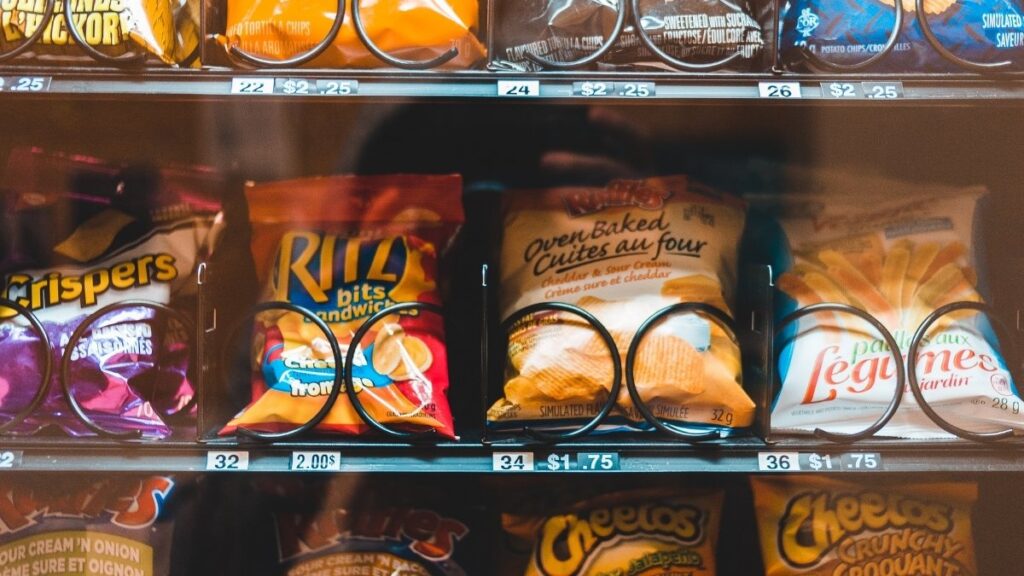
The term "ultra-processed" sounds technical. Here is what it actually means. These are foods made with ingredients you would never use at home. Artificial dyes. Emulsifiers. Stabilizers. Synthetic flavor chemicals.
The original food has been broken down and rebuilt from the ground up. What comes out the other end is not food in the traditional sense. It is an engineered product designed to taste irresistible and last for months without spoiling.
In November 2025, The Lancet published a major global review of ultra-processed food research. The conclusion was not subtle. Researchers found that increased consumption of ultra-processed foods was a "key driver" of the rise in chronic diseases including type 2 diabetes and obesity.
They said the negative effects extend to almost every organ system in the body. They called for a public health response on a global scale.
People across 45 studies included in a 2024 umbrella review that found the link between ultra-processed food consumption and cardiovascular disease mortality was classified as "convincing evidence," the strongest level of scientific certainty in nutrition research.
The brain takes a hit too. Research from 2022 found that people who got more than 20% of their daily calories from ultra-processed foods showed noticeably faster cognitive decline over a 6 to 10 year period. That is not a weak association. That is consistent, measurable brain aging linked directly to what they ate.
How do you spot an ultra-processed food? A few quick checks. If the ingredient list has more than five items, look closer. If you see words you would not recognize as food (xanthan gum, carrageenan, carboxymethylcellulose, polysorbate 80), it qualifies. If it lists an artificial sweetener or a numbered artificial color, it qualifies.
"The food has been broken down and rebuilt. What comes out is not food in the traditional sense. It is an engineered product built to be irresistible."
Minimally processed foods: whole fruit, plain nuts, boiled eggs, plain oats, Greek yogurt, cooked grains. These are not perfectly glamorous meals. But they are actual food, and your body processes them completely differently.
6. High-Fructose Corn Syrup: Hidden in Sodas, Condiments, and Packaged Foods
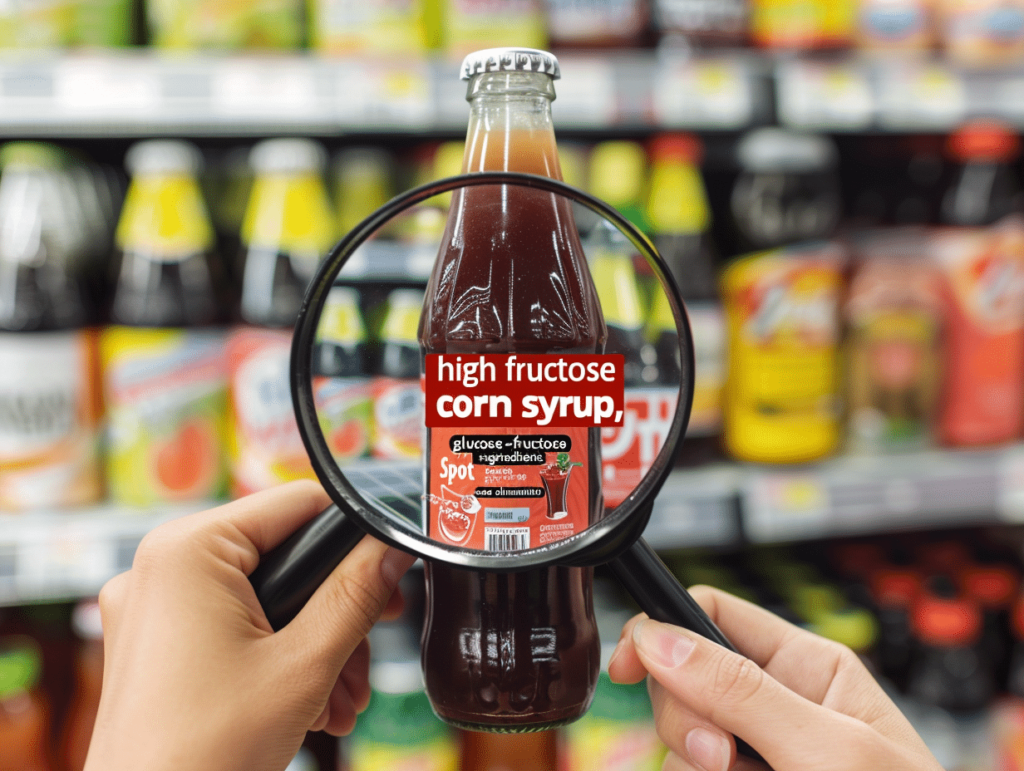
High-fructose corn syrup gets lumped in with regular sugar. But they are not quite the same thing. The fructose-to-glucose ratio in HFCS is higher than in regular table sugar. And that matters because fructose and glucose are processed differently by your body.
Glucose gets used by cells throughout your whole body. Fructose goes almost entirely to your liver. Every time you eat HFCS, you are sending a concentrated workload straight to one organ.
When the liver gets more fructose than it can handle, it converts the excess into fat. This is called de novo lipogenesis, which is a clinical way of saying "fat that should not be there is being created." That fat builds up inside liver cells. Over time, that is how non-alcoholic fatty liver disease starts.
From there, some people progress to a more serious condition called metabolic-associated steatohepatitis (MASH), which involves inflammation and scarring. In some cases, the scarring leads to cirrhosis. In some cases, cirrhosis leads to liver cancer.
A systematic review published in Frontiers in Nutrition confirmed HFCS as a documented risk factor for obesity, metabolic syndrome, and liver disease. Researchers called for greater clinical attention given how widely HFCS is used in the global food supply.
The global data makes this even more concrete. Countries with higher availability of HFCS in their food supply have a higher prevalence of type 2 diabetes. That relationship holds even when researchers account for obesity rates. In other words, it is not just about weight. The HFCS itself appears to be driving part of the risk.
HFCS hides in places most people would not expect: mainstream sodas, ketchup, most commercial salad dressings, flavored yogurts, sandwich bread, breakfast cereal, energy drinks, and fast food sauces. It is in some of the most popular products on grocery shelves right now.
Read labels before you buy condiments and packaged foods. Many brands offer HFCS-free versions. Homemade dressings using olive oil and vinegar take two minutes and contain none of these additives.
7. Charred and High-Heat Cooked Meats: Grilling, Frying, Barbecuing
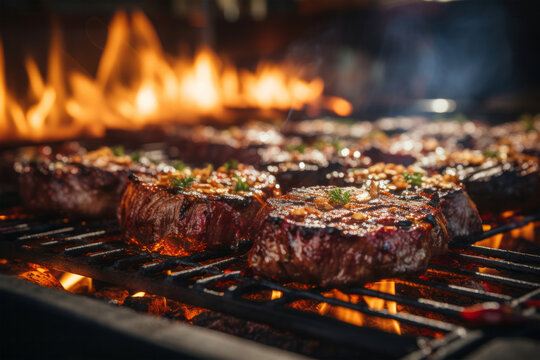
This one is different from the others on this list. The problem is not necessarily the food. A plain chicken breast or a good steak is not the issue. The problem is what happens to that food when it meets extreme heat, direct flame, and smoke.
Two types of harmful compounds form during that process. Heterocyclic amines (HCAs) and polycyclic aromatic hydrocarbons (PAHs). IARC classifies both as probable carcinogens.
HCAs form when amino acids and creatine in meat react under high heat. The higher the temperature and the longer the meat cooks, the more HCAs form. PAHs form when fat drips onto a flame or hot surface, creates smoke, and that smoke drifts back onto the meat. The char you see on a well-done steak is not just color. It is a visible marker that these compounds are present.
Reduction in HCA formation when meat is marinated before cooking. Research cited by the National Cancer Institute found that marinating in herb-based or vinegar-based mixtures dramatically cuts the formation of these compounds before the meat ever touches heat.
Regular consumption of charred and smoked meats has been linked in studies to increased risk of colorectal, pancreatic, and prostate cancer. The American Cancer Society and the National Cancer Institute both include high-heat cooking methods in their dietary risk guidance.
But here is the good news, and this section ends differently from the others on this list. You do not have to stop grilling. You just need to grill smarter. Marinate your meat first.
Use lower heat when possible. Raise the grill rack further from the flame. Partially pre-cook in an oven, then finish on the grill. And when char forms, cut it off before you eat. These are small changes that make a real difference.
Marinate before grilling. Keep the heat moderate. Pre-cook thick cuts in the oven and finish on the grill for flavor. Remove charred sections before eating. You still get the meal you want. You just skip most of the compounds that come with it.
You Cannot Protect Yourself From Risks You Do Not Know About
None of this is about being perfect. You cannot avoid every risky food in every situation. That is not realistic, and it is not the point. The point is that you now know what the research actually says. You have seen the numbers. You have read what the classifications mean.
These foods are everywhere. They are cheap. They are marketed well. They are designed to taste good. That is exactly why the information matters. You are making choices every day, and the food industry has spent billions of dollars making sure you make theirs.
So start with one thing. Today, pick up one product you eat regularly and read the ingredient list. If it contains partially hydrogenated oil, processed meat, or high-fructose corn syrup, you have found your starting point. Not a failure. A starting point.
The seven foods above represent some of the clearest connections between diet and disease risk that research has documented to date. That research exists. You deserve to know it.
Share this article with someone who would want to know. Or bookmark it and start with just one swap this week. That is enough.
