
By the time you finish reading this sentence, thousands of your cells will have just sent chemical signals telling your healthiest neighbors to start aging too. These are senescent cells, and the inflammatory signals they release quietly accelerate damage across your entire body.
You have probably seen dozens of articles listing foods that fight cellular aging, but most stop at the name-drop. This one goes further.
You will learn exactly which compounds do the work, how they interact with cellular aging at the molecular level, and roughly how much you need. Some of these foods you already eat, but probably not for the right reasons.
Your Cells Are Aging Right Now. These 12 Foods Can Slow It Down.
Cellular Defense
Pick 5 foods to fight free radicals and lower biological age
You eat pretty well. You exercise sometimes. You take your vitamins. But your cells are still aging, and most "eat healthier" advice never tells you why certain foods actually matter at the cellular level. That's what this article is for.
These 12 foods are not here because they are "superfoods." They are here because science has identified the exact cellular mechanism each one triggers. And some of these mechanisms are the same ones that expensive longevity supplements try to replicate. The grocery store version is cheaper. And it works.
1. Blueberries: The Food That Slows How Fast Your DNA Ages
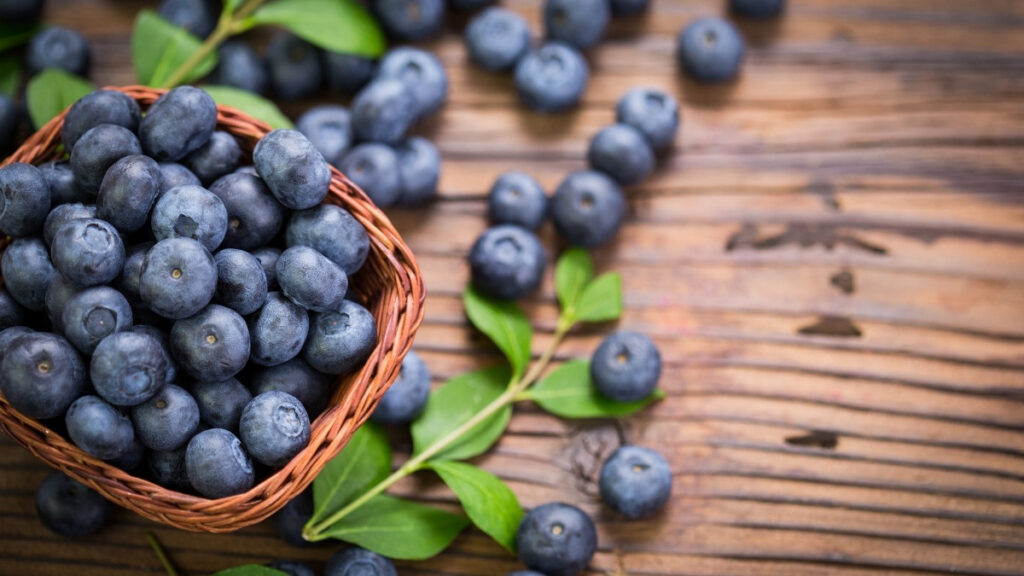
Your DNA has protective caps on the ends, called telomeres. Think of them like the plastic tips on shoelaces. Every time a cell divides, those caps get a little shorter. When they run out, the cell stops working properly. That is biological aging, happening at the smallest possible level.
Blueberries slow that process. Two ways. First, the anthocyanins in blueberries physically protect the most vulnerable parts of your telomeric DNA from oxidative damage. Less damage means slower shortening.
Second, blueberries contain a compound called pterostilbene that activates SIRT1, a longevity gene that calorie restriction and fasting also trigger. You get some of the cellular benefits of fasting, from a handful of berries.
A 2024 study linked anthocyanin consumption to measurable reductions in oxidative DNA damage markers. Research from the University of Exeter showed blueberry extract could revive dormant, aged cells and produce longer telomeres in lab experiments. Fresh, frozen, or dried, it does not matter much. Just eat them consistently.
2. Pomegranate: Your Gut Converts This Into One of the Most Powerful Anti-Aging Compounds Known
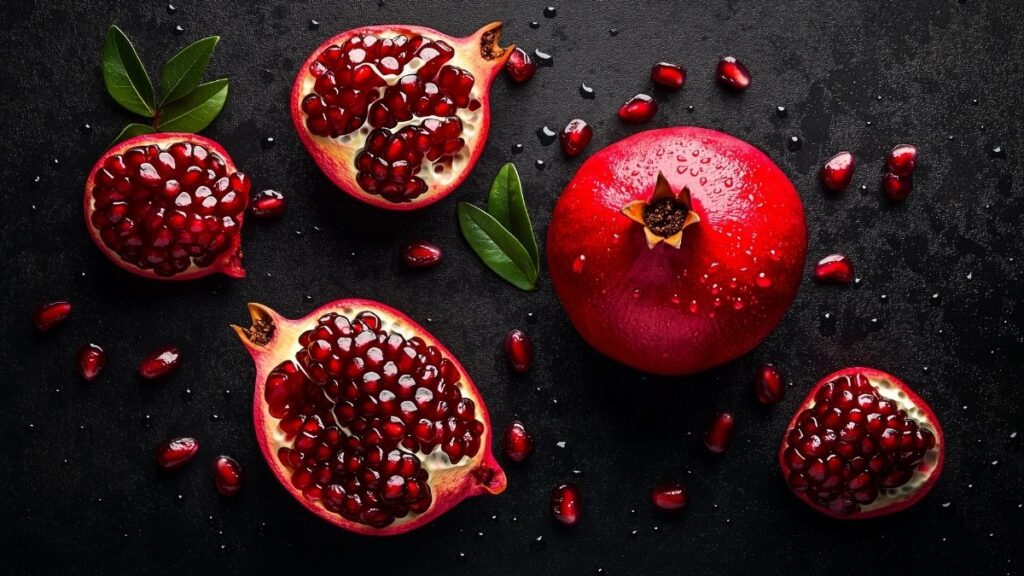
Here is something most people do not know. Pomegranate does not do the longevity work itself. Your gut bacteria do.
When you eat pomegranate, your microbiome converts its ellagitannins into a compound called urolithin A. And urolithin A triggers something called mitophagy.
Mitophagy is your cells' internal cleanup system for broken-down mitochondria. Mitochondria are the energy factories in your cells. As you age, damaged mitochondria pile up and drag your energy production down with them. Urolithin A clears them out.
A 2025 randomized controlled trial published in Nature Aging found that urolithin A supplementation increased a key immune cell type and improved mitochondrial function in middle-aged adults. A separate trial showed roughly 12% muscle strength improvement over four months.
The catch: not everyone's gut bacteria can make the conversion. Eating a diverse diet with fermented foods improves the chances that yours can.
3. Dark Chocolate (70% and Above): It Belongs on the Longevity List, Not the Guilty Pleasure List
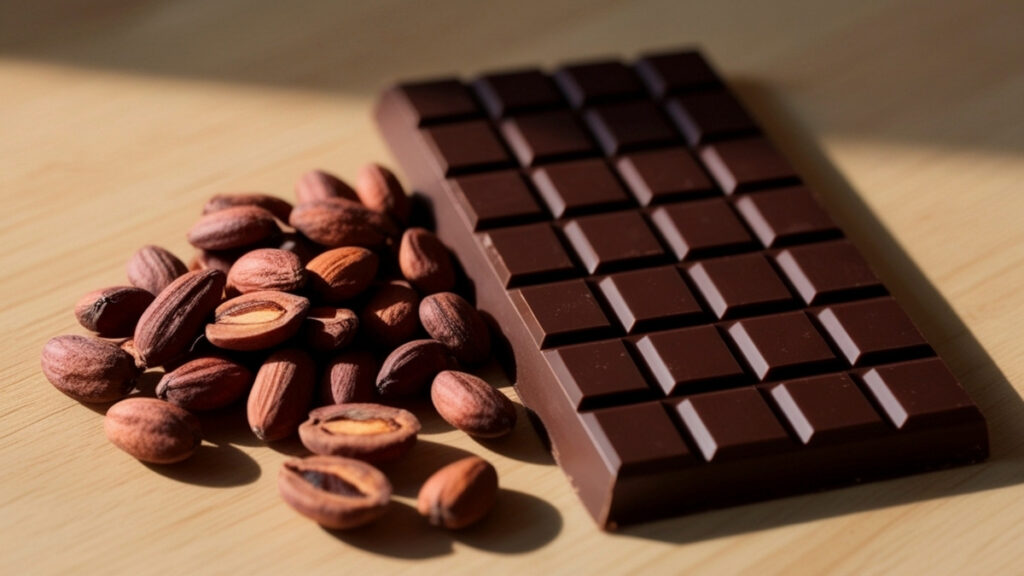
Zombie cells are real. Scientifically, they are called senescent cells, and they are cells that stopped dividing but refused to die. Instead, they release toxic inflammatory signals, called SASP, that push neighboring healthy cells to age faster too. Dark chocolate fights zombie cells.
The flavonols in high-percentage cocoa suppress SASP secretion, which means less inflammatory signaling and less collateral damage to your healthy cells. It also improves microvascular blood flow, getting more oxygen and nutrients to tissues at a fine-grained level.
An April 2025 study in the journal Aging classified cocoa flavonols as "methyl adaptogens," compounds strongly linked to measurable reductions in biological age through epigenetic markers.
The threshold matters. Seventy percent cacao and above is where the flavonol content is meaningful. Milk chocolate and candy bars do not qualify.
4. Broccoli Sprouts: These Tiny Seeds Contain 100x More of a Key Anti-Aging Compound Than the Full-Grown Vegetable
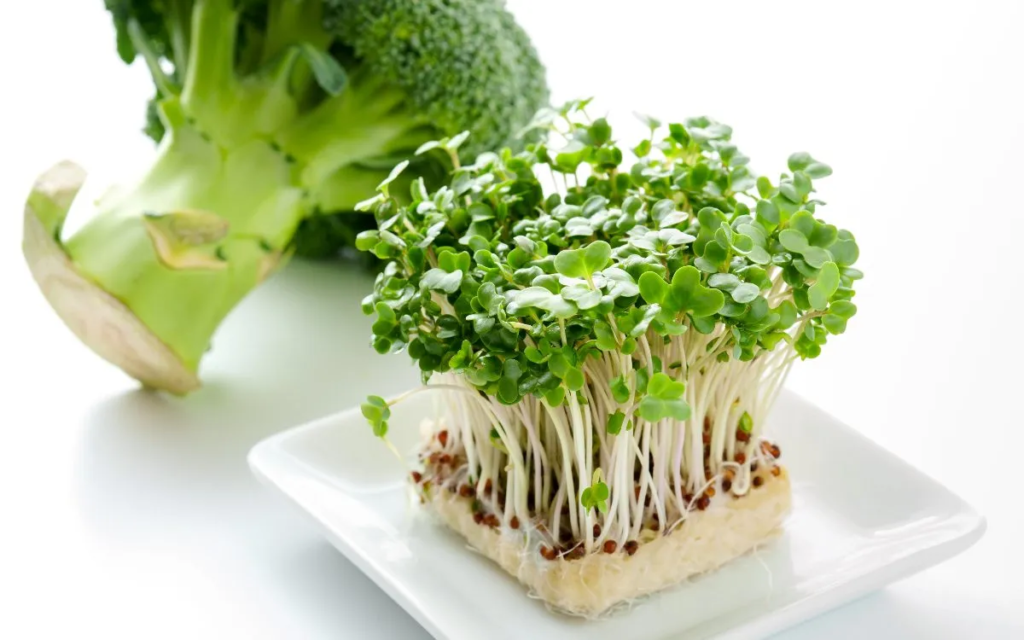
Most people know broccoli is good for them. Very few people know that broccoli sprouts, the three-to-four-day-old germinated seeds, contain up to 100 times more sulforaphane than the mature vegetable.
Sulforaphane activates something called the NRF2 pathway. NRF2 is your body's master antioxidant switch.
Here is why that matters. Most antioxidant supplements you swallow just get digested. The NRF2 pathway does something different. It turns on your internal antioxidant enzymes, like SOD and GPx, which produce protection from inside your cells rather than just passing through your system.
A 2025 review in the journal Biology confirmed sulforaphane targets NRF2 to reduce cellular senescence markers in skin. Growing your own sprouts at home costs almost nothing, and they are ready in three to four days.
5. Extra Virgin Olive Oil: One Specific Compound in It Reduces the Number of Zombie Cells in Your Body
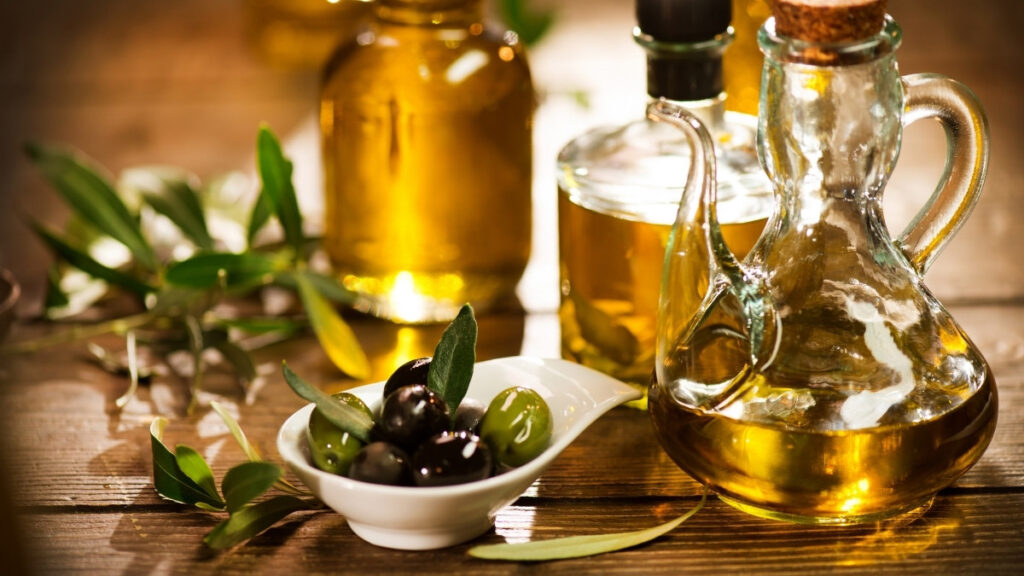
The Mediterranean diet gets a lot of credit as a group. But extra virgin olive oil works alone, through a specific compound called oleuropein aglycone, and the mechanism is precise.
Oleuropein aglycone has been shown in controlled lab settings to significantly reduce the number of senescent cells in human tissue. It does this by decreasing SA-Beta-Gal activity and lowering p16 protein expression, two markers that indicate how many zombie cells are present.
It also blocks NF-kB, a key inflammatory signaling pathway, and activates SIRT1, the same longevity gene blueberries trigger.
That is three separate anti-aging mechanisms from one food. A 2025 study in the journal Nutrients cited these findings from controlled treatment of pre-senescent human dermal fibroblasts.
Cold-pressed, unfiltered, used raw or at low heat. Quality here is not marketing. It is chemistry.
6. Green Tea: Regular Drinkers Show Measurably Longer Telomeres Than Non-Drinkers
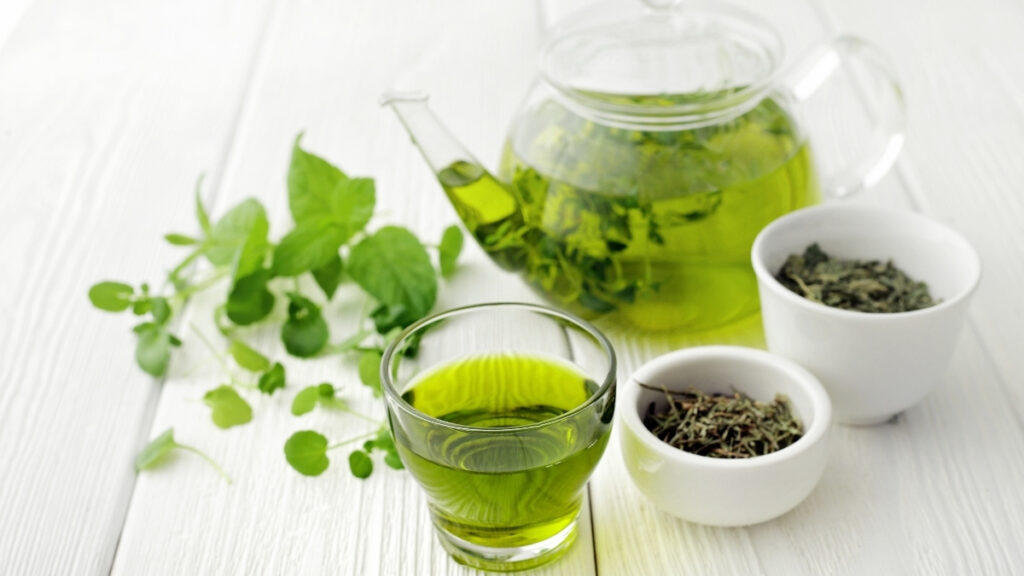
Green tea contains a compound called EGCG, and it does something rare. It activates AMPK, the same cellular energy sensor that fasting and exercise turn on.
AMPK signals your cells to clean up and become more efficient. It is one of the most studied longevity pathways in biology.
Studies comparing regular green tea drinkers to non-drinkers have found consistently longer telomere length in the tea-drinking group. The same April 2025 study in the journal Aging that classified cocoa flavonols as methyl adaptogens also identified EGCG in the same category.
EGCG has also been confirmed to modulate the PI3K/AKT/mTOR pathway, a central regulator of how fast your cells age. Two to four cups of high-quality loose leaf green tea per day is where most of the research sits.
7. Walnuts: One of the Only Foods That Hits Three Separate Anti-Aging Mechanisms at Once
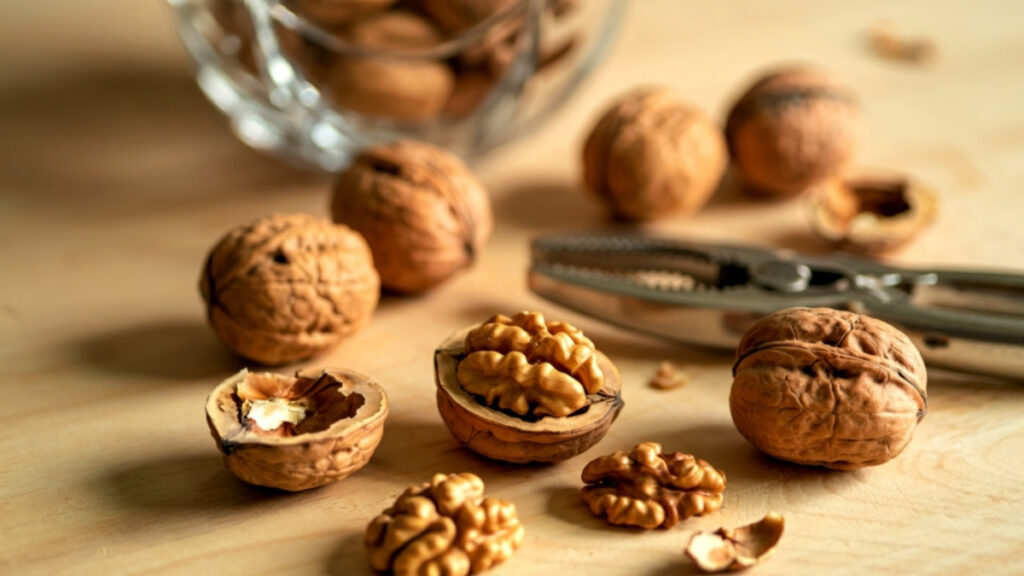
Most foods work on one pathway. Walnuts work on three. First, their ALA, a plant-based omega-3 fatty acid, fights oxidative stress at the telomere level, slowing the shortening that ages your cells.
Second, walnuts contain ellagitannins, the same precursors found in pomegranate. Your gut bacteria convert them into urolithin A, which clears out damaged mitochondria through mitophagy.
Third, their polyphenols activate SIRT1, the longevity gene pathway that fasting and blueberries also trigger.
Research published in PMC confirmed that plant dietary patterns including walnuts inhibit telomere shortening following oxidative damage. Separate findings confirmed walnuts as a reliable dietary source of ellagitannins that produce urolithin A. A small handful per day is all the research supports. You do not need more.
8. Fermented Foods (Kimchi, Miso, Kefir): Aging Is Partly a Gut Problem, and These Fix It
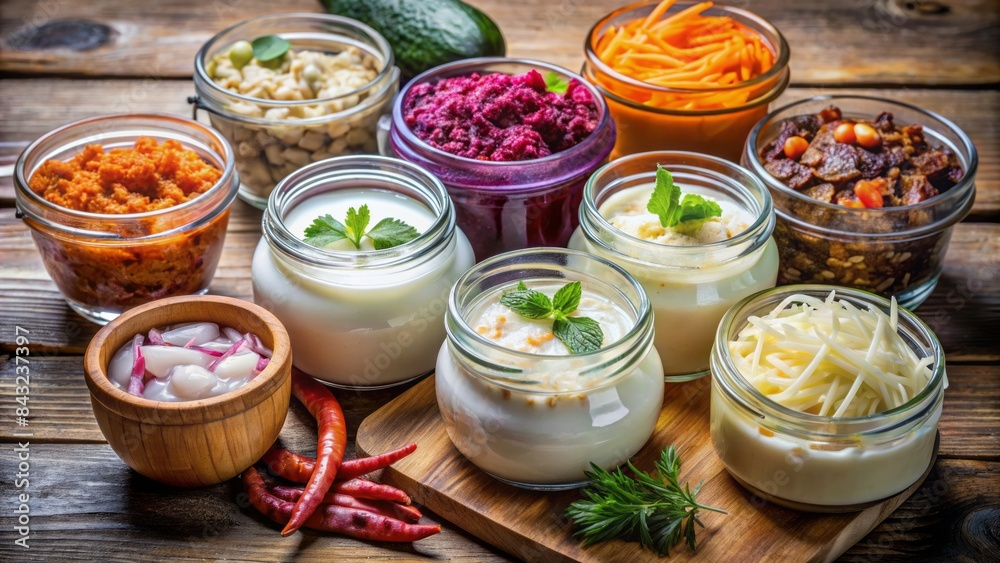
Your gut microbiome changes as you age. It becomes less diverse. A less diverse microbiome produces more inflammatory signaling, a condition researchers call "inflammaging," which directly accelerates cellular senescence throughout the body.
Fermented foods reverse that. They restore microbial diversity, and with it, they reduce the production of SASP markers like IL-6, IL-8, and IL-1B, the same inflammatory signals that zombie cells use to damage neighboring healthy cells.
A November 2024 peer-reviewed overview published in the journal Foods (MDPI) confirmed that traditional fermented foods support gut health, immune function, and have measurable anti-aging properties at the cellular level.
Kimchi and miso are especially rich in bioactive compounds and probiotics that modulate the gut-senescence relationship. Rotate between different fermented foods to diversify the bacterial strains you are introducing.
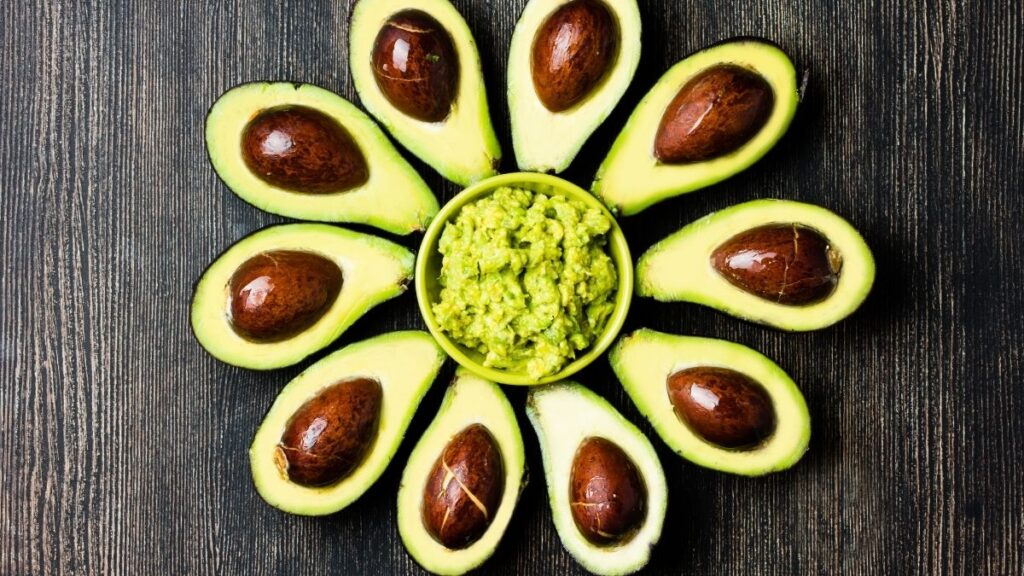
9. Avocado: It Does Something Almost No Other Whole Food Does for Your Internal Antioxidant System
Your body makes its own antioxidant. It is called glutathione, and it is the most powerful internal defense against oxidative damage your cells have. Levels decline with age.
Avocados are one of the very few whole foods that meaningfully support glutathione production. That alone makes them unusual.
But there is a second benefit that most people never hear about. The monounsaturated fats in avocado dramatically increase your absorption of fat-soluble antioxidants from other foods eaten at the same meal, including vitamins A, D, E, and K, and carotenoids like lycopene and beta-carotene.
Adding avocado to your salad or meal does not just add nutrients. It amplifies the anti-aging effect of everything else on your plate.
A September 2025 clinical source flagged avocado as significant for the prevention and treatment of oxidative stress and age-related degenerative conditions.
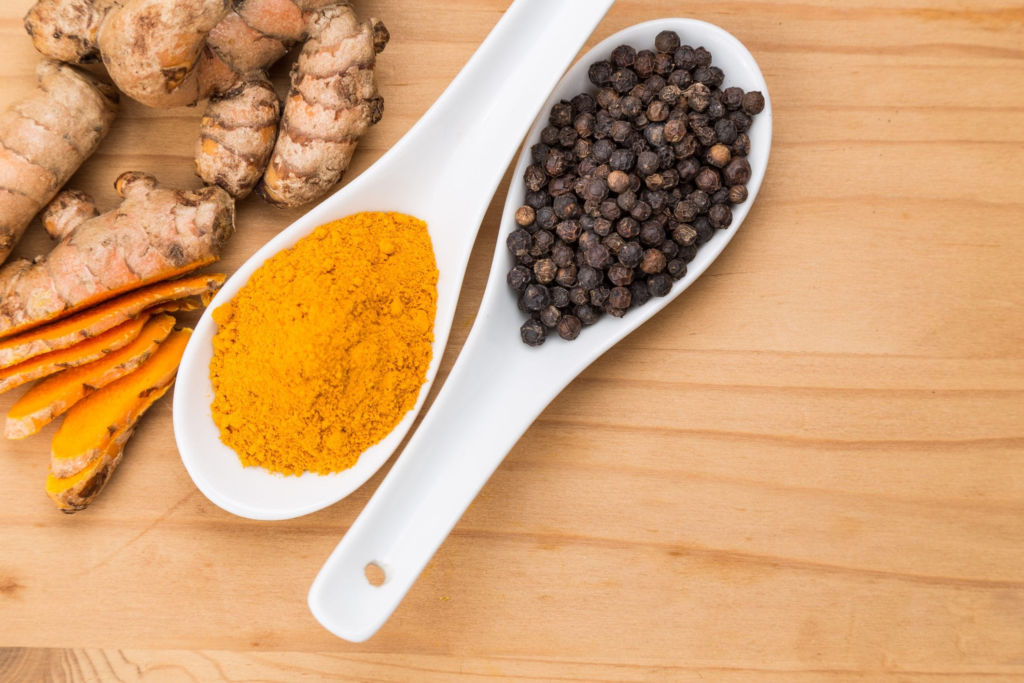
10. Turmeric with Black Pepper: This Combination Works at the Gene Expression Level
Most people think of turmeric as anti-inflammatory. That is true, but it undersells what is actually happening.
Curcumin, the active compound in turmeric, works at the epigenetic level. It modulates DNA methyltransferases, which are enzymes that influence how genes associated with aging are expressed. That means it does not just reduce inflammation. It influences which aging-related genes get turned on or off.
The April 2025 study in the journal Aging (Volume 17, No. 4) classified curcumin as a methyl adaptogen associated with measurable reductions in biological age via epigenetic markers. It also modulates the PI3K/AKT/mTOR pathway, the same cellular aging regulator targeted by green tea's EGCG.
The black pepper part is not optional. Piperine, the active compound in black pepper, increases curcumin bioavailability by up to 2,000 percent. Without it, most of the curcumin passes through your system before it can be absorbed.
Add both to food, or take a supplement that pairs them. Either way, one without the other is a missed opportunity.
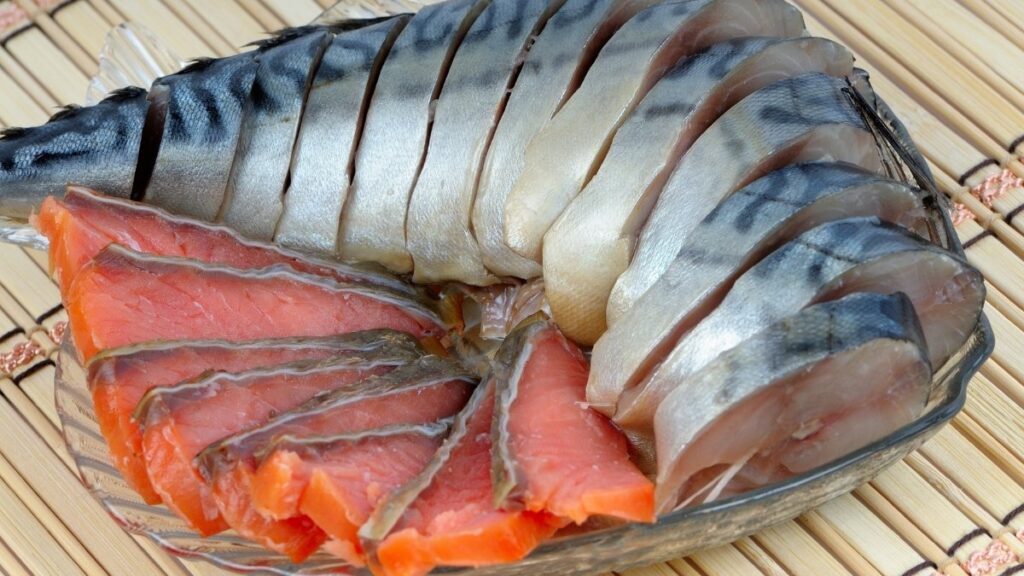
11. Fatty Fish (Salmon, Sardines, Mackerel): Higher Blood Levels of Omega-3s Are Directly Linked to Slower Telomere Loss
This is one of the most direct diet-to-biological-age connections in the research literature.
EPA and DHA, the omega-3 fatty acids found in fatty fish, reduce the rate at which your telomeres shorten. This has been tracked in longitudinal studies over five-year follow-up periods.
A UCSF study found that adults with higher EPA and DHA blood levels had a significantly lower rate of telomere shortening over five years. A separate review published in Nutrients in June 2025 confirmed omega-3s as critical for telomere dynamics.
One thing worth knowing: sardines and mackerel contain more omega-3s per gram than salmon, and they are far more affordable and sustainably sourced. Most people default to salmon by habit, not because it is the best option in the category. Two to three servings of fatty fish per week is the target most research lands on.
12. Shiitake Mushrooms: The Grocery Store Version of a Longevity Supplement That Costs Thousands Per Year
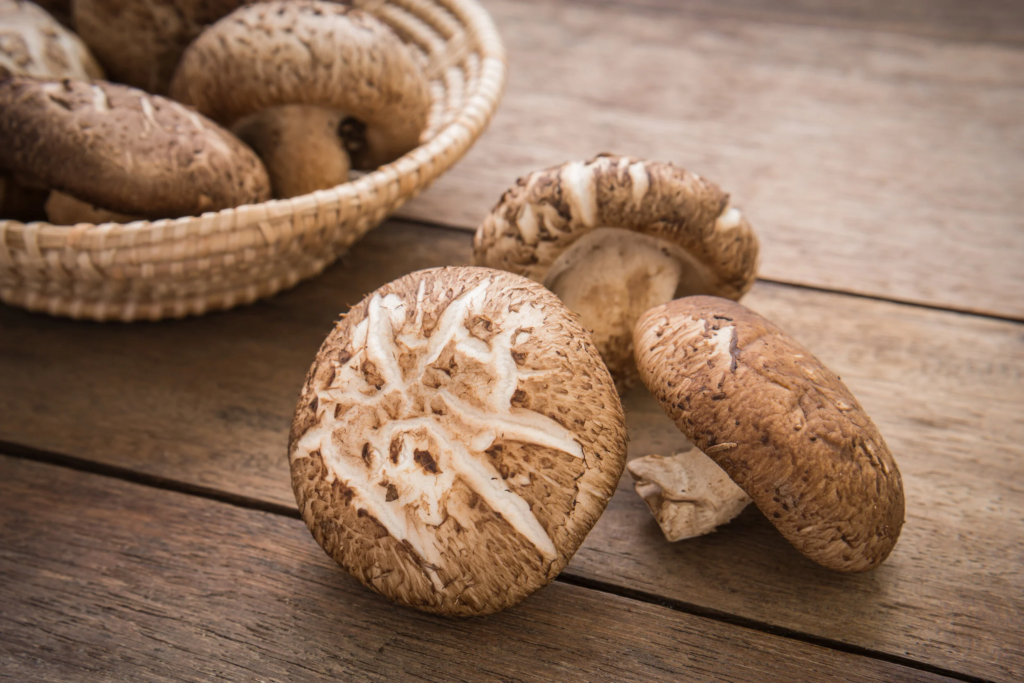
NAD+ is one of the most discussed compounds in longevity research. Your cells need it to activate sirtuins and keep mitochondria functioning properly. NAD+ levels drop by roughly 50 percent between ages 40 and 60.
NAD+ supplements are now sold in the longevity market for substantial prices. But shiitake mushrooms quietly contain the precursor nutrients, including NMN precursors and B3 variants, that feed the same NAD+ biosynthesis pathway.
Research published in PMC confirmed that NAD+ precursor depletion is central to a specific type of mitochondrial dysfunction associated with cellular senescence, called MiDAS. Supporting that pathway through diet is one of the most validated longevity nutrition targets of 2024 and 2025.
Shiitake also modulates immune function in ways that other mushrooms do not. Dried shiitake contains more concentrated precursor compounds than fresh. Cook them into soups, stir-fries, or rice dishes a few times per week.
The Honest Summary
None of these foods are magic on their own. But each one does something real, at the level of your cells, that most other foods do not.
The pattern across all 12 is consistent: they protect your telomeres, reduce inflammatory zombie cell activity, support your mitochondria, or activate internal repair pathways like SIRT1, AMPK, and NRF2.
You do not need all 12 in one day. But the more consistently you rotate them into your diet, the more of these pathways stay active. And that is the actual goal. Not a perfect diet. An active defense system. Start with the ones you already like. Build from there.
