

Jordan M. Calloway has a supplement graveyard under his bathroom sink. Seventeen half-empty bottles, each one purchased with hope and abandoned with skepticism. He bought the spirulina.
He stirred in the greens powder. He read every influencer post the wellness supplement hype machine produced. Months later, he could not tell if any of it made a single difference.
So Jordan spent eight months testing 30 of the most popular superfood supplements on the U.S. market, cross-referencing each one against peer-reviewed clinical trials. What he found reshaped everything he thought he knew about evidence-based supplements and the supplement industry in 2026. Only three actually worked.
The Supplement Inspector
The supplement industry is a $200 billion machine built to confuse you with unregulated health claims.
Can you filter out the marketing hype and identify the actual evidence-based science?
Supplement
Claim
Inspection Complete
Message
The $200 Billion Supplement Lie (And the 3 That Actually Work)
Most people buying supplements are wasting money. Not because they are lazy or gullible. Because the industry is built to confuse them.
Walk into any health food store, and you will find shelves packed with powders, capsules, and “superfoods” that promise everything short of immortality. The labels are bold. The claims are confident. And almost none of it is backed by real science.
Jordan spent eight months testing 30 of the most popular superfood supplements on the market. He read the studies. Checked the doses. Looked up the actual trials. What he found was mostly disappointment and a very short list of products that held up.
This article is the list. But first, you need to know why so much of what you have been sold does not work.
The $200 Billion Problem Nobody Talks About
Here is something the supplement industry does not want you to know. A company can put almost any health claim on a label without proving it first.
Prescription drugs go through years of testing before they reach pharmacy shelves. Supplements do not. The FDA only steps in after people start reporting problems. By then, millions of bottles have already been sold. That is the system. It is not a bug. It is how the whole thing works.
The numbers are staggering. The global dietary supplements market was estimated at over $209 billion in 2025 and is on track to hit nearly $394 billion by 2033. The U.S. alone is projected to reach $131 billion. That is extraordinary growth for an industry where many products have never been tested on a single human being.
And “superfoods?” That word has been a marketing tool since the early 1900s, when the United Fruit Company used it to push bananas. The science came later, mostly as decoration.
Social media made it worse. TikTok and Instagram turned wellness influencers into supplement salespeople. A confident person in workout clothes is not clinical evidence. An affiliate link is not a study.
In 2018, around 80% of consumers in one survey said they viewed food as medicine and were willing to pay more for health benefits. That mindset is real, and brands exploit it hard.
Even products with legitimate science behind their basic mechanism can disappoint in practice. Take nicotinamide riboside. It reliably raises NAD+ levels in the blood.
That sounds promising. But well-controlled randomized trials have not found clear improvements in insulin sensitivity, body composition, or athletic performance. The mechanism works. The outcome people are buying it for does not follow.
So Jordan set three filters. Before a single bottle made it onto this list, it had to pass all three.
Filter 1: Was there a randomized controlled trial (RCT) conducted on actual humans?
Filter 2: Was that finding replicated by independent researchers, not just the company that made the product?
Filter 3: Does the dose on the label match the dose used in the science?
Most products never made it past the first gate.
What Jordan Tested (And Why Most of It Failed)
Thirty products went in. Three came out. Here is the truth about what happened in between.
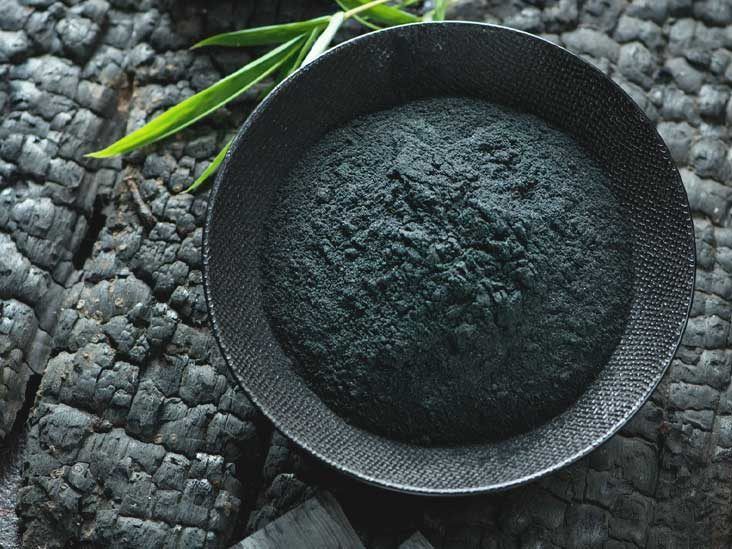
Activated Charcoal went first. It is everywhere in wellness circles. Capsules, lemonades, face masks. The claim is that it “detoxes” your body. Medical authorities are unambiguous: there is no evidence activated charcoal detoxes the body. Your liver and kidneys already do that job, and they do it well. You do not need a trendy black powder to help.
Collagen Powders failed on basic biology. Most collagen you swallow gets broken down in the digestive tract before it ever reaches your skin or joints. Harvard Health puts it plainly: collagen supplements are essentially just amino acids. They are no different from what you get eating any quality protein source. The fancy packaging does not change the digestion.
Detox Teas are, at best, glorified laxatives. Any weight you lose drinking them is water, not fat. And some contain senna, a compound that can irritate the gut lining with regular use. The “cleanse” feeling is your body reacting to a laxative stimulus. That is not a health benefit.
BCAAs failed on context. Branched-chain amino acids have a real role in muscle protein synthesis. But when your daily protein intake is already adequate, adding standalone BCAAs does not give you anything extra compared to eating complete protein. If you are already hitting your protein goals, these are an expensive redundancy.
Fat Burners are mostly caffeine dressed up in clinical language. They spike heart rate, suppress appetite temporarily, and feel effective in the short term. But once you stop taking them, the weight typically comes back.
Research published in PubMed found no convincing benefits for L-carnitine, chromium picolinate, or amino acid complexes commonly found in these products in controlled conditions. The FDA recalled 68 weight-loss supplements in August 2021 after discovering undeclared compounds with serious side effects. These products carry real risk.
Goji Berries in supplement form did not clear the bar either. Whole berries have nutritional value. But evidence that goji berry capsules or powders outperform other berries, or provide meaningful unique benefits, is limited at best. The health claims are largely marketing.
After working through the failures, three supplements consistently passed every filter Jordan applied. These are not exciting, exotic, or expensive. They are just the ones with the science behind them.
Supplement #1: Omega-3 Fatty Acids (EPA and DHA)
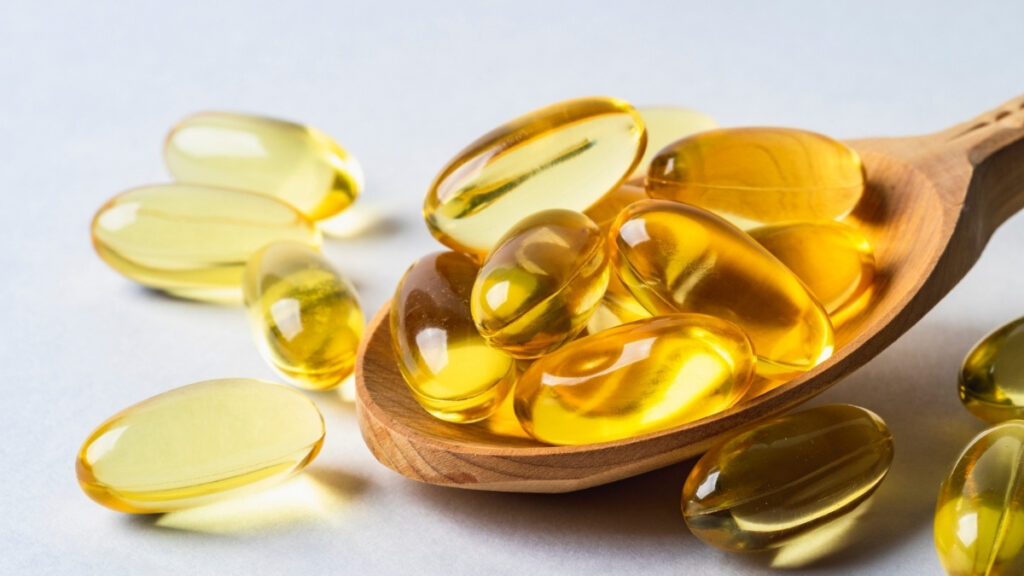
If you only take one supplement for the rest of your life, make it a quality fish oil. Specifically one that clearly states EPA and DHA on the label.
Omega-3 fatty acids are among the most studied supplements in existence. Not a little studied. Intensively studied, across dozens of large trials, over decades. The evidence for cardiovascular and metabolic health is reproducible, the mechanism is well understood, and the safety profile is favorable.
Here is what they actually do. EPA and DHA support heart health by lowering triglycerides and reducing the risk of certain cardiovascular events.
A large 2021 analysis published in eClinicalMedicine, drawing on multiple randomized controlled trials, found that omega-3 supplementation reduces specific cardiovascular events, improves triglyceride levels, and may reduce cardiovascular mortality in certain populations.
These are not small, one-off studies. They have been replicated by independent research teams across different countries and different populations.
The brain evidence is also solid. EPA and DHA have one of the longest-standing neurological evidence bases of any supplement category. The brain is roughly 60% fat, and DHA is a primary structural component of brain cell membranes. Low omega-3 status has been associated with cognitive decline, mood disruption, and inflammation markers in the brain.
What to look for on the label. This is where most products fall short. The label must show EPA and DHA as separate numbers, not just “1,000 mg fish oil.” A capsule can contain 1,000 mg of fish oil and only 200 mg of actual EPA and DHA.
The clinical range backed by trials is typically 1,000 to 3,000 mg of combined EPA and DHA per day. If the label only shows total fish oil milligrams, it is almost certainly underdosed for the benefits you are after.
Also check for freshness. Fish oil oxidizes. A bottle that smells strongly fishy when opened likely contains rancid oil. Oxidized omega-3s may do more harm than good. Look for third-party testing that includes oxidation markers (TOTOX values), or buy from brands that publish these numbers.
The best omega-3 supplements are not the cheapest ones at the pharmacy. But they are also not exotic. They are just fish oil. Made well. Dosed properly. Tested for purity.
Supplement #2: Ashwagandha

Ten years ago, ashwagandha was a fringe supplement sold mostly in Ayurvedic medicine circles. Today, the evidence base is large enough to take seriously by mainstream research standards.
As of late 2025, Examine.com’s research database lists 36 trials covering 8,424 participants, plus five separate meta-analyses on ashwagandha. The strongest evidence grades are for anxiety symptom reduction and related stress outcomes. That is a meaningful body of research for any supplement, let alone one that was considered alternative medicine not long ago.
The mechanism behind it relates to cortisol, the stress hormone your body releases when it perceives pressure, poor sleep, or physical strain. A 2025 systematic review and meta-analysis published in the British Journal of Psychiatry Open looked at 15 randomized controlled trials involving 873 adults.
The results consistently showed significant reductions in cortisol, perceived stress, and anxiety levels among participants who took ashwagandha versus placebo. These were not people with clinical anxiety disorders. They were adults under normal life stress.
For athletes and people who train hard, the recovery angle is also supported. A 2025 randomized controlled trial published in the European Journal of Sport Science found that 600 mg of ashwagandha root extract taken daily for 28 days improved recovery quality and enhanced perceived sleep in female athletes.
Sleep quality matters more than most people realize for physical performance. If your recovery is poor, your training output degrades faster than any supplement can compensate for.
Long-term safety was a legitimate concern before the research caught up. A 2025 prospective, multi-center study published in Phytotherapy Research followed 191 healthy adults aged 18 to 65 taking standardized ashwagandha extract for 12 months straight. Clinical and laboratory assessments found it well-tolerated across the board.
Jordan took it for eight weeks. 600 mg every evening. The most noticeable change was in morning energy. Not in a stimulant way. More like the anxious, low-grade fatigue that shows up after a bad night of sleep appeared less often. Sleep felt slightly deeper by the second week. The effect was subtle enough that he would have dismissed it as placebo if he had not seen the cortisol data in the studies.
What to look for on the label. Standardized extracts matter here. Look for KSM-66 or Sensoril on the label. These are the extract forms used in the most rigorous trials. The effective dose range across studies is 300 to 600 mg per day. Avoid products that list “ashwagandha root powder” without specifying an extract ratio or standardization. You have no way to know what you are actually getting.
Supplement #3: Magnesium Glycinate
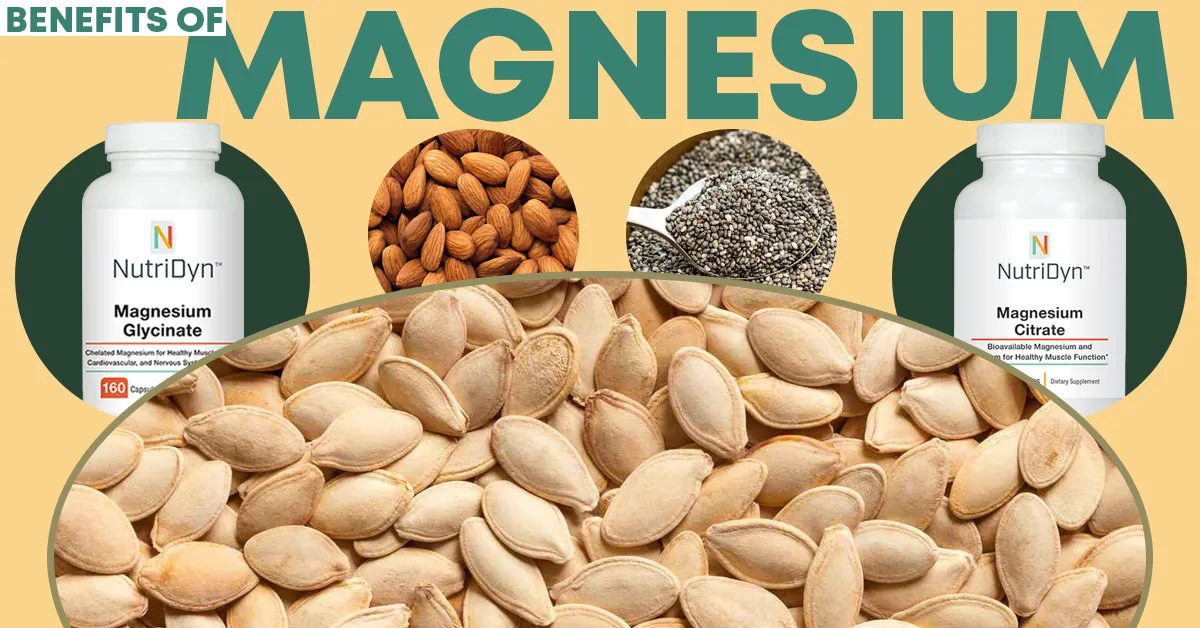
Magnesium does not have a marketing budget. It is inexpensive, off-patent, and impossible to make exciting. No celebrity has built a brand around it. You will not see it trending on social media. That is exactly why it is underrated.
Magnesium participates in over 300 enzymatic reactions in the human body. Muscle contractions. Protein synthesis. Blood sugar regulation. Nerve function. Energy production. Every single one of these processes requires adequate magnesium. And a large portion of U.S. adults do not get enough through diet alone. This is a documented nutritional gap, not a sales pitch.
The problem with most magnesium supplements is the form. Magnesium oxide is the cheapest version and the one most commonly found in drugstore multivitamins. It has poor bioavailability. A lot of it passes through your system without being absorbed.
Magnesium glycinate, which binds the mineral to glycine (an amino acid), absorbs significantly better and is much gentler on the stomach. Magnesium L-Threonate is a different form with a specific advantage: it is currently the only form with research showing it can cross the blood-brain barrier and influence cognitive function directly.
For sleep, the evidence is consistent. Multiple double-blind RCTs have looked at magnesium glycinate and sleep quality in adults with low magnesium status. The findings show improvements in sleep efficiency, time to fall asleep, and early morning awakening rates. These are real, measurable outcomes, not questionnaire responses about feeling “more refreshed.”
Jordan ran his own eight-week trial with 400 mg of magnesium glycinate at bedtime. Within the first week, the leg cramping he had assumed was just part of training stopped entirely. By week two, sleep felt noticeably heavier and more continuous. He stopped waking at 3 a.m. as often. Morning energy improved in a way that felt related to actual rest rather than caffeine.
What to look for on the label. The label should say “magnesium glycinate,” “magnesium bisglycinate,” or “magnesium L-threonate.” Avoid magnesium oxide for absorption purposes.
Look for the elemental magnesium figure on the nutrition panel, not just the total compound weight. A product might list 500 mg of magnesium glycinate but only deliver 50 mg of actual elemental magnesium. The therapeutic range used in studies is 200 to 400 mg of elemental magnesium per day.
Magnesium will never have a flashy story. It will never go viral. It just works, quietly, in the background of everything your body does.
How to Buy Supplements Without Getting Fooled Again

You now know what works. But knowing what to buy is only half the challenge. Knowing how to buy it without getting burned is the other half.
Start with third-party certification. Look for the NSF International seal, USP (United States Pharmacopeia), or Informed Sport certification on the label. These organizations test products independently to verify that what is listed on the label is actually in the bottle, at the stated amount, without contamination or banned substances. No certification does not mean a product is bad.
But certification does mean someone checked. The most credible supplement brands prioritize third-party certifications and Good Manufacturing Practices compliance. That is what you are looking for.
Avoid proprietary blends. Many superfood supplements hide their actual ingredient amounts behind a “proprietary formula” label. What that usually means is that the doses of individual ingredients are too low to be effective, and the company does not want you doing the math. If a brand will not tell you exactly how much of each ingredient is in a serving, assume it is underdosed.
Match the label dose to the study dose. This is the single most important thing most buyers never do. Look up the supplement ingredient on Examine.com or PubMed. Find the specific trial that produced the benefit you are looking for. Check the dose used in that trial.
Then check whether the product on the shelf actually delivers that dose. Most do not. This one step would eliminate most of the waste in the supplement industry.
Ignore structure-function claims. Language like “supports healthy energy levels” or “promotes cellular vitality” is legally permitted on any supplement label regardless of whether there is a single study behind the product. These phrases are filler. They mean nothing. Skip them entirely.
The Short List
Jordan’s eight-month experiment through 30 superfood supplements produced a genuinely short list.
Omega-3 fatty acids (EPA/DHA) for cardiovascular and cognitive health. Ashwagandha for cortisol, stress resilience, and sleep quality. Magnesium glycinate for sleep onset, muscle recovery, and the 300-plus enzymatic processes that run silently in the background of every single day.
Before you buy anything else, Jordan recommends spending five minutes on Examine.com or PubMed. Search the exact ingredient plus the words “randomized controlled trial.” If nothing credible comes up, put the bottle back. The three supplements on this list survived that test with dozens of studies to spare.
In a market designed to confuse you, the superfood supplements that actually work in 2026 are not the ones with the loudest labels. They are the ones with the longest paper trails.
