

Tomatoes, potatoes, and peppers show up in nearly every healthy eating guide, yet some people swear these foods leave their knees stiff and sore the next day. The theory has circulated for decades: a compound called solanine in nightshade vegetables might irritate the gut and fuel joint inflammation.
Major arthritis organizations, including the Arthritis Foundation, say the science behind this claim remains thin, with no solid clinical evidence proving nightshades cause flares. Still, individual sensitivity is real, and some people with rheumatoid arthritis or lupus report genuine relief after cutting them out.
Nine common nightshades hide in everyday meals, often disguised as health foods. A two-week elimination test remains the most reliable way to find out if your body is one of them.
ATTACK OF THE NIGHTSHADES
Why your knees are throbbing (and who’s responsible!)
SOLANINE TOXINS
These natural pesticides defend plants from bugs, but in your body, they act like shrapnel!
Toxins escape your stomach and attack your joints.
Tomato
Potato
Eggplant
Peppers
Chili
Ashwagandha
(Tap a suspect to see their crime)
SWAP TO SURVIVE
- 🚫 Potato ➔ ✅ Sweet Potato (Morning Glory Family)
- 🚫 Cayenne ➔ ✅ Black Pepper (Safe Peppercorn)
- 🚫 Mashed Spuds ➔ ✅ Cauliflower (Cruciferous)
- 🚫 Paprika ➔ ✅ Turmeric (Anti-inflammatory)
The Science: Why Nightshades Trigger Knee Pain (According to Rheumatologists)

You might wonder why healthy vegetables would hurt your knees, especially when doctors usually tell us to eat more plants to feel better. But for some people, specific plants have a natural defense system that fights back against anything that tries to eat them.
This defense system involves chemical compounds that are meant to stop bugs, but when you eat them, these chemicals can create chaos inside your body.
This reaction is what eventually leads to that throbbing sensation in your joints, making it hard to walk down stairs or get out of bed.
Solanine and Chaconine (Glycoalkaloids)
These are natural pesticides found in nightshade plants, and their main job is to kill insects and prevent mold from growing on the vegetable. In sensitive humans, these glycoalkaloids do not digest easily and can actually accumulate in your tissues over time if you eat them daily.
Instead of fueling your body, they act like mild poisons that slowly damage the delicate lining of your gut, creating low-grade irritation that you might not notice immediately.
The “Leaky Gut” Connection

When the gut lining gets damaged by these chemicals, you might develop Leaky gut syndrome, which means your intestines become too permeable or “loose.” This allows toxins, bacteria, and undigested food particles to escape your stomach and leak directly into your bloodstream where they do not belong.
Your immune system sees these particles as dangerous invaders and attacks them, causing widespread inflammation that often travels through the blood and settles in your weakest joints, like the knees.
Calcification and Stiffness
Functional medicine experts point to a theory involving calcium metabolism, suggesting that solanine affects how your body uses vitamin D and calcitriol. Some studies suggest solanine helps move calcium out of your bones and deposits it in soft tissues, essentially hardening the wrong parts of your body.
This misplacement causes joint stiffness and pain because calcium belongs in your skeleton for strength, not in your soft joints where it grinds and causes friction.
9 Nightshades Disguised as Superfoods (The List)
Joint Relief Lab
Why healthy veggies might hurt.
🧪 The “Leaky” Theory
Nightshades contain Glycoalkaloids (natural bug spray). In sensitive tummies, they damage the lining.
🦴 Calcium Confusion
Solanine might pull calcium out of bones and deposit it in soft tissues (your knees!), causing stiffness.
🚫 The Nightshade 9
*Especially dangerous for Rheumatoid Arthritis & Lupus.
✅ Eat This Instead
It is easy to avoid a potato if you know it hurts you, but the hard part is spotting nightshades when they are hiding in sauces, spice blends, or “healthy” snacks. Many people fail the elimination diet because they miss these hidden sources, eating them accidentally in restaurant meals or processed foods.
You need to check your pantry for these items right now, because even a small amount of paprika in a spice rub can ruin your progress and keep you in pain. Here is the list of foods that might be tricking your immune system and preventing you from healing.
Tomatoes
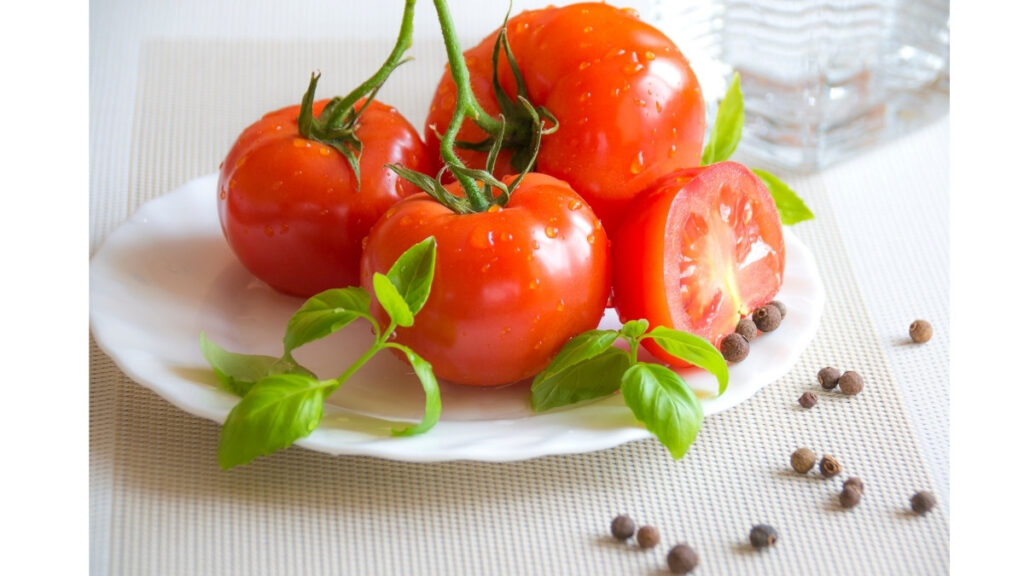
People eat these almost every day in sauces, ketchups, and salads, making them the hardest nightshade to remove from a standard diet. They are very high in tomato lectins, which are sticky proteins that can bind to the lining of your stomach and cause irritation.
Even cooking them down into a sauce does not fully remove these compounds, so a bowl of pasta might hurt you just as much as a raw salad.
White Potatoes
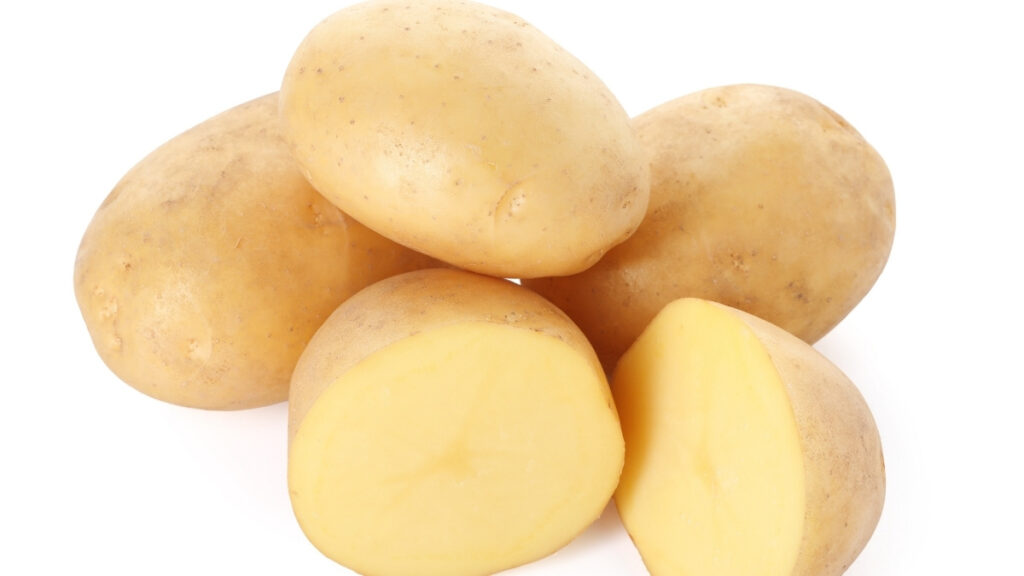
The skin contains the highest concentration of toxins, which is why potato skins are often considered the most dangerous part for sensitive people. Many people swap gluten for potatoes thinking they are choosing a healthier carb, but they can still trigger significant pain and bloating.
If you see any green spots on a potato, that is visible solanine, and it is a clear warning sign that the toxin levels are dangerously high.
Eggplant
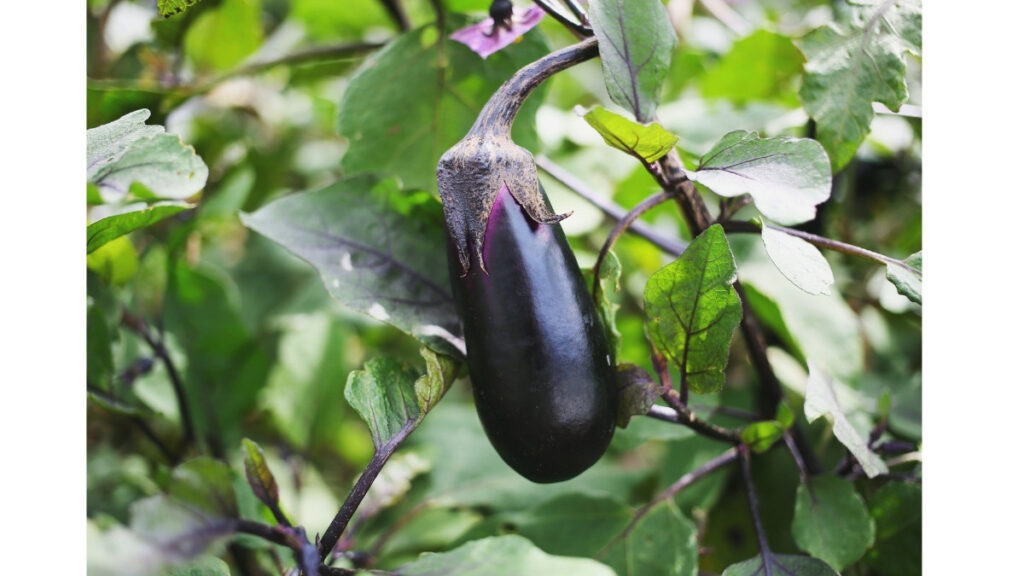
This is often used as a heavy meat substitute in vegetarian dishes like lasagna or parmesan, making it a staple for many non-meat eaters. Unfortunately, it acts like a sponge for solanine and has a very high concentration of it compared to other vegetables in this family.
If you notice your mouth tingling or itching after eating it, that is an immediate sign your body is struggling to process the heavy load of alkaloids.
Bell Peppers
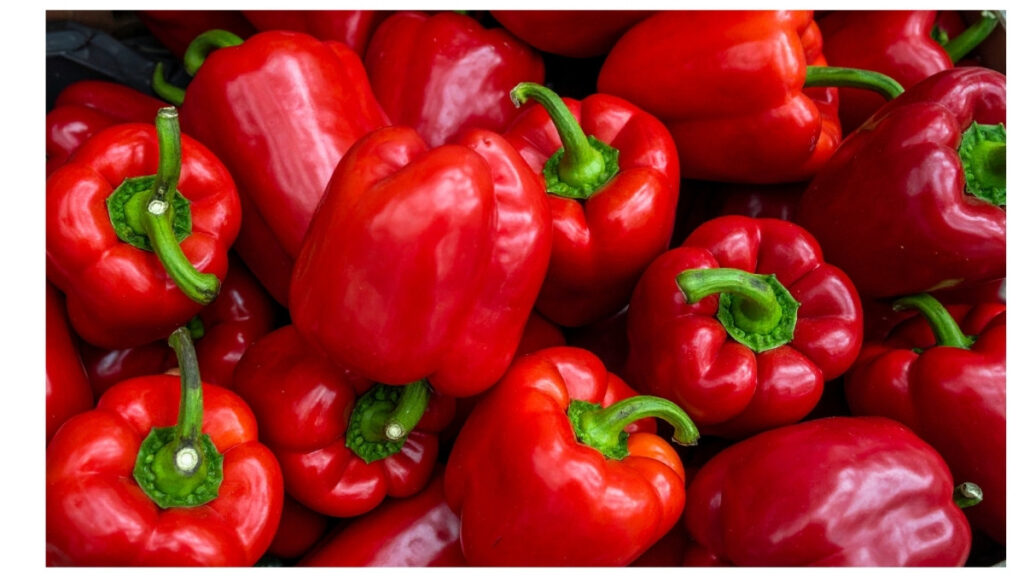
Do not be fooled by the sweet taste or the crunch; even though they are not “hot” peppers, they are still biologically nightshades. They contain compounds similar to capsaicin that upset the immune system and can increase intestinal permeability just like the spicy varieties.
Many people find they burp up the taste of peppers for hours after eating them, which is a classic sign of indigestion and sensitivity.
Hot Peppers (Chili/Cayenne)
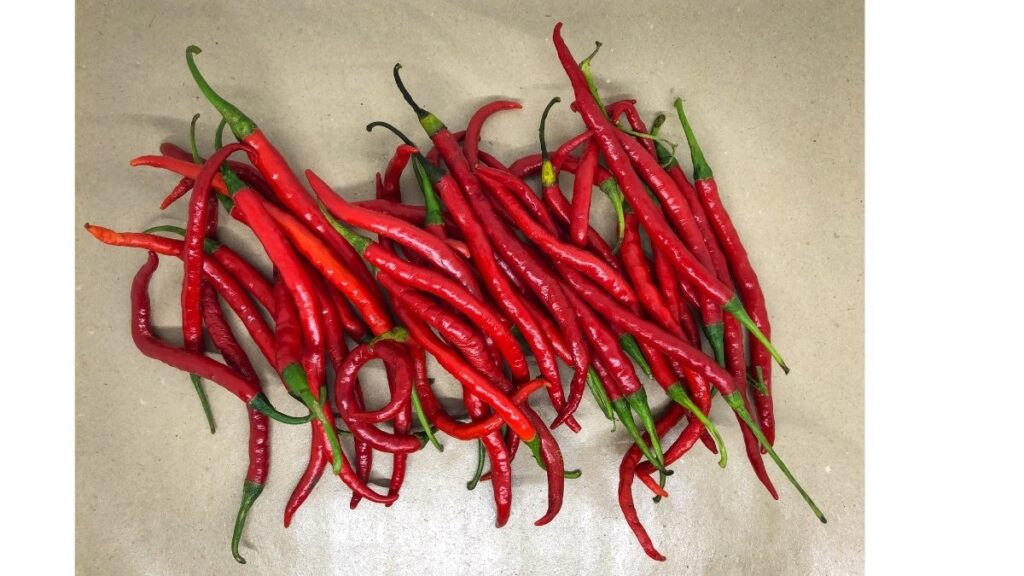
You will often find these ingredients in topical pain creams because they deplete pain signals temporarily, numbing the area on your skin.
However, eating them acts very differently; it can trigger internal flares, causing your body to heat up and creating actual inflammation in the gut. This includes all dried chili powders, hot sauces, and even generic “spices” listed on packaged food labels.
Goji Berries
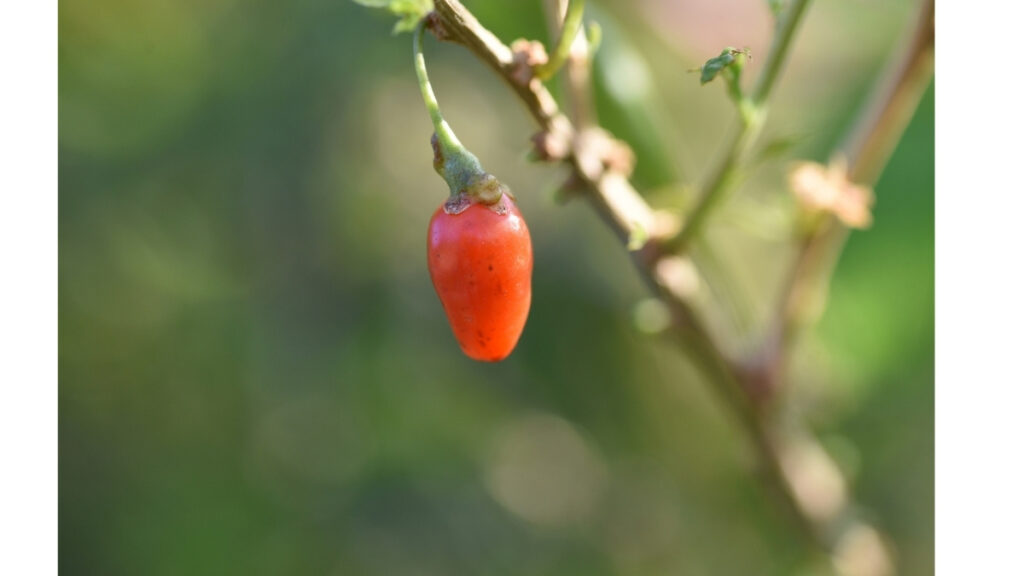
Marketers aggressively sell these as a “Superfood” for energy and anti-aging, often putting them in trail mixes and health bars.
In reality, they are a fruit from the nightshade family and cause goji berry inflammation in sensitive groups just like a tomato would. If you are eating “healthy” granola bars and still feel stiff, check the label for these dried berries immediately.
Ashwagandha
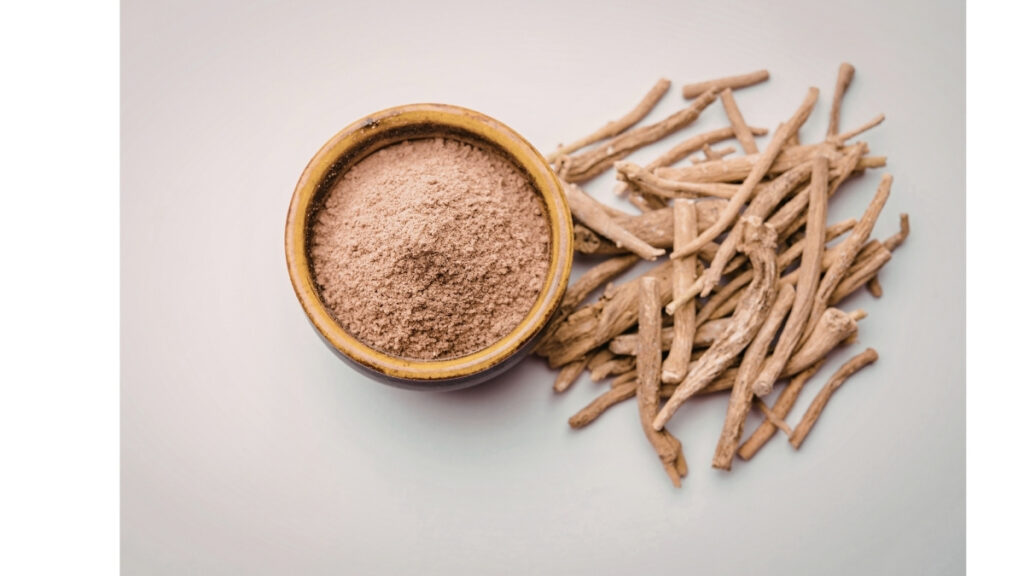
This is a popular supplement used for stress relief and thyroid health, often found in “calming” teas or adrenal support capsules. Many people do not realize that Is ashwagandha a nightshade?
Yes, it is a root from the nightshade family and carries the same risks. It is ironic that a supplement meant to lower stress might physically stress your body and cause joint flare-ups.
Tomatillos
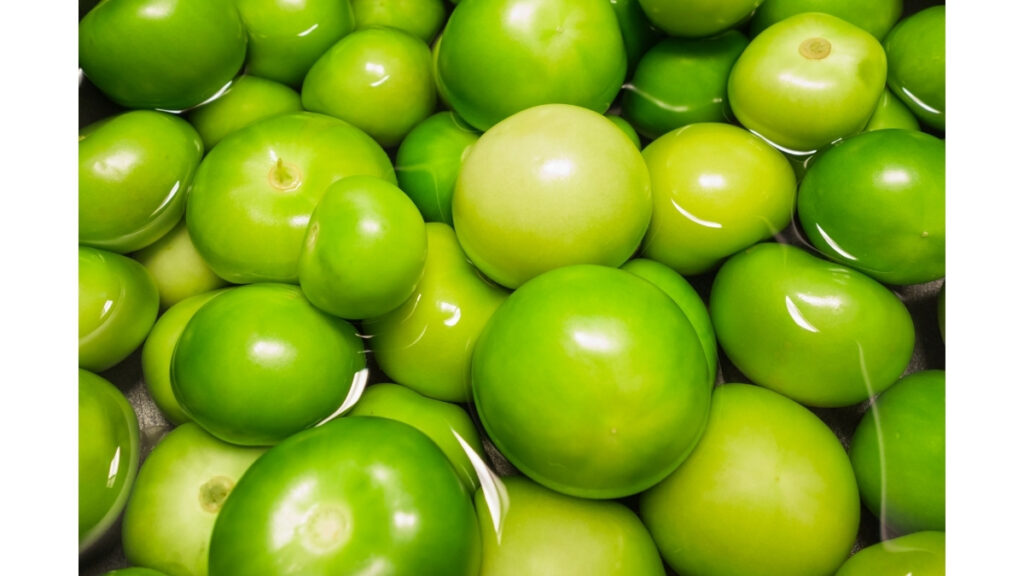
These look like small green tomatoes wrapped in a paper husk and are a different plant entirely, though they are close cousins.
They are a staple in Mexican cuisine, especially in green salsa (salsa verde), and pack a heavy inflammatory punch for those with arthritis. If you love Mexican food, this is often the hidden culprit that leaves you hurting the next morning.
Ground Cherries / Cape Gooseberries
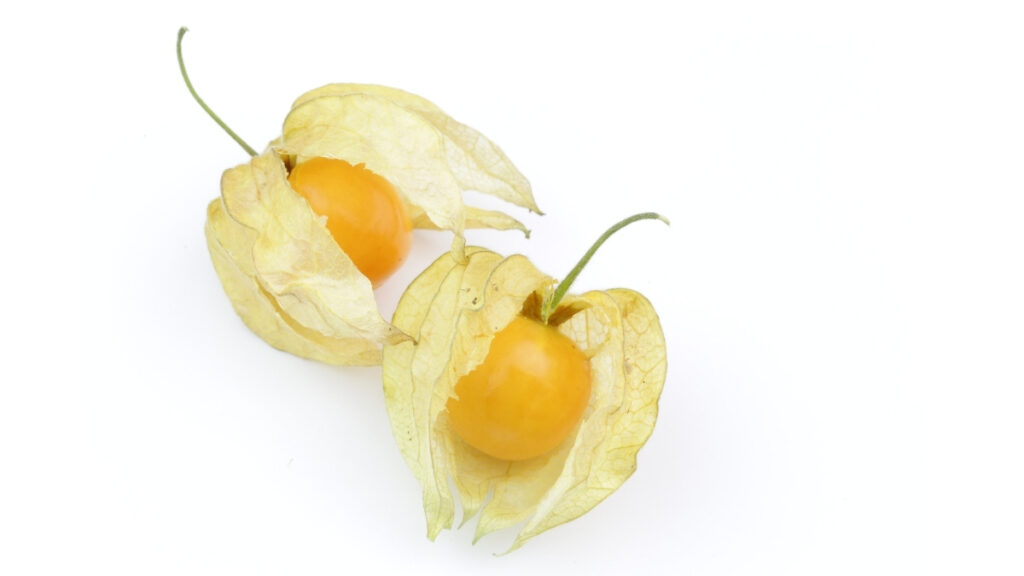
You might see these appearing as a trendy garnish on desserts or in fancy salads at restaurants.
They look like small orange fruits, but they are genetically related to the tomato and potato, not regular cherries. Because they are sweet, people eat them by the handful without realizing they are ingesting a concentrated source of glycoalkaloids.
Who Is Actually at Risk? (It’s Not Everyone)
You do not need to panic and throw out all your vegetables, because most people can eat peppers and potatoes with absolutely zero issues or pain. The problem usually happens when your immune system is already on high alert or your gut health is compromised by stress, antibiotics, or poor diet.
If you have perfectly healthy joints, you probably do not need to worry about this, but this advice is critical for those who cannot figure out why their pain persists.
Allergy vs. Sensitivity
There is a big difference between food sensitivity vs allergy, and understanding this helps you know what to look for. An allergy is rare and happens right away, like your throat swelling up immediately after eating a peanut.
A sensitivity is much more common and delayed; you might eat a pepper on Tuesday and not feel the knee pain until Thursday, making it very hard to connect the dots without a test.
Groups Most Affected
People with autoimmune conditions are at the highest risk because their immune systems are already hyper-reactive to threats.
If you have Rheumatoid Arthritis (RA), Lupus, or existing gut issues like IBS, your body is less able to handle the mild toxins in these plants. For these groups, even a small amount of nightshades can act like “fuel on the fire” for existing inflammation.
2026 Research Update
New science shows that not all nightshades are the enemy for everyone, adding some much-needed nuance to the conversation.
Recent studies found that purple potatoes might actually lower inflammation in non-sensitive people due to their high levels of antioxidants and anthocyanins. However, if you are currently hurting or in a flare-up, you should still skip them until you heal your gut lining completely.
The 2-Week “Washout” Challenge (Action Plan)

Blood tests for food sensitivities are often expensive, invasive, and unfortunately, can be quite inaccurate for these specific compounds. They can give you false positives or miss the problem entirely, leaving you confused and lighter in the wallet.
The only way to know for sure is to remove the trigger completely and see how your body responds in real time. You are going to be your own scientist for two weeks, and while it requires strict discipline, the relief is worth it.
The Elimination Diet is the Gold Standard
The Elimination diet for arthritis is the most reliable test because it relies on your body’s actual signals, not a lab number. You must stop eating the suspect foods completely for a set period to let the inflammation subside.
This gives your immune system a chance to calm down so you can get a clear baseline of what “pain-free” actually feels like.
The Rules
You must eat zero nightshades for 14 days, with no cheat meals and no “just one bite” exceptions.
This means reading every label meticulously; watch out for vague ingredients like “spices,” “natural flavors,” or “modified food starch,” as these often contain potato or paprika. You also need to be careful with medications and supplements, as potato starch is a common filler in pills.
How to Reintroduce
On day 15, if your pain has gone down, you need to test if nightshades were the cause. Eat a large serving of boiled potatoes, then stop and wait 48 hours without eating any other nightshades.
You are looking for “The throb,” stiffness, or brain fog to return; this reaction is how to test for nightshade sensitivity safely and definitively.
What to Eat Instead
A nightshade-free diet does not mean a flavor-free diet, and you do not have to live on plain chicken and rice. You can still enjoy rich, crunchy, and spicy foods by getting creative with your grocery shopping.
You just need to swap the inflammatory ingredients for safe alternatives that provide the same texture and taste satisfaction. Focus on what you can add to your plate, as there are plenty of vegetables and spices that lower inflammation rather than spiking it.
Sweet Potatoes
These are not related to white potatoes at all; they are from the morning glory family and are completely safe. They are a great source of healthy carbs and vitamins, and you can bake, mash, or fry them just like regular potatoes.
Black Pepper vs. Cayenne
Black pepper comes from a peppercorn and is totally safe to use, unlike the chili family. Swap it in for cayenne or chili flakes to get heat without the hurt, and consider adding ginger or turmeric for extra warmth and anti-inflammatory benefits.
Cauliflower
This is the perfect texture substitute for those who miss mashed potatoes or potato salad. Steam and mash it with garlic and olive oil to create a creamy side dish that looks and feels like the real thing but digests much easily.
Radishes and Celery
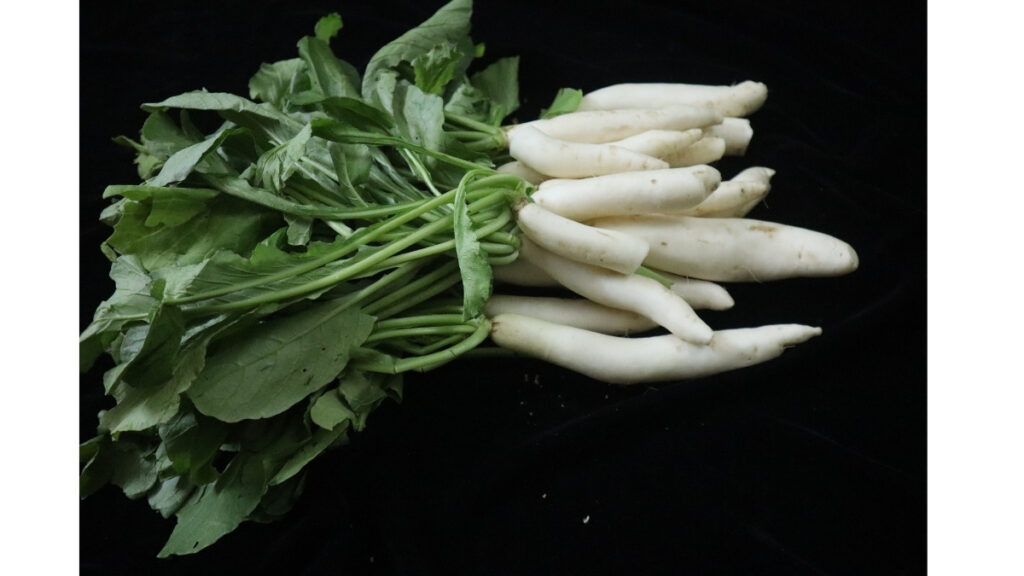
If you miss the crunch of raw bell peppers in your salad or with hummus, use radishes or celery sticks instead. They provide that fresh, crisp snap and peppery bite without containing any of the alkaloids that trigger joint pain.
Conclusion
You are not crazy for thinking your healthy salad might be hurting you, even if your friends can eat it just fine. If you live with chronic joint pain, what you eat matters just as much as the medicine you take or the exercises you do.
Small chemical triggers in tomatoes or peppers can keep you in a cycle of inflammation that prevents your body from naturally repairing itself.
Take control of your health and stop guessing about what hurts you. Try the 2-week challenge starting Monday; it costs nothing and might finally relieve knee pain naturally.
