

Low-fat labels feel like permission to eat freely. Most people grab that yogurt or granola bar without checking what replaced the missing fat. Food companies swap fat for sugar because plain low-fat food tastes like cardboard.
Your liver turns that extra sugar straight into fat, the kind that builds up inside liver cells over the years. A massive UK study tracking over 120,000 people found something surprising in 2026. Diet soda raised liver disease risk by 60 percent, even higher than regular soda’s 50 percent increase.
Switching to diet drinks did not protect anyone’s liver. Eleven common low-fat snacks hide this same sugar trap, and swapping them out could ease the load on your liver starting this week.
The Hidden Spike
Select a Snack
“Low-fat” often means high-sugar. Select a common snack to see how it affects your liver enzymes (ALT/AST).
Why "Low-Fat" Can Mean "High-Sugar"—And What That Does to Your Liver
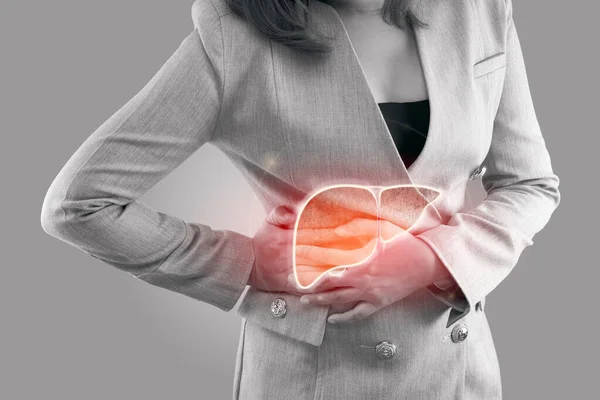
When food companies take fat out, they put sugar in. They have to. Without fat, food tastes like cardboard. So they add sugar, corn syrup, and refined carbs to make you want to buy it again.
Your liver handles this sugar differently than other organs. When you eat fructose (a type of sugar), your liver processes almost all of it. And here's the problem: your liver turns that fructose straight into fat. It doesn't have another choice.
What the research shows:
- Carbohydrates, especially sucrose, drive up liver enzymes more than fat does
- High-carb diets raised ALT levels dramatically compared to high-fat diets in recent studies
- Your liver converts excess sugar into fat that gets stored right in your liver cells
- 38% of Americans now have fatty liver disease—that's up 50% in just three decades
The fructose processing system in your liver wasn't built for the amount of sugar we eat today. Every time you choose that low-fat yogurt with 20 grams of added sugar, you're asking your liver to turn sugar into fat.
Do this enough times, and fat starts building up inside your liver cells. This is how liver fat accumulation happens, and why your ALT levels might be climbing even though you're trying to eat "healthy."
The 2026 Diet Drink Shocker: Artificial Sweeteners and Liver Risk

You switched to diet soda to avoid sugar. Turns out, that might not help your liver at all.
A massive UK study tracked 123,788 people for over 10 years. The results came out in October 2026. People who drank diet soda daily had a 60% higher risk of fatty liver disease. Regular soda drinkers? Only 50% higher risk. The "healthier" choice was actually worse.
Here's why artificially sweetened beverages cause problems:
- Sorbitol (a common sugar-free sweetener) converts into fructose inside your liver
- Drinking more than 250g of diet drinks per day raises your MASLD risk by 60%
- Both regular and diet sodas increase liver fat through different pathways
- Your liver processes these artificial sweeteners in ways that can trigger fat storage
The sorbitol metabolism pathway is the key. Your body breaks down sorbitol into fructose, the same sugar that causes direct liver damage. So you're getting the fructose problem without even tasting the sugar. The diet soda liver damage happens quietly, over years, while you think you're making the smart choice.
11 "Low-Fat" Snacks That Are Secretly Spiking Your Liver Enzymes
1. Flavored Low-Fat Yogurt
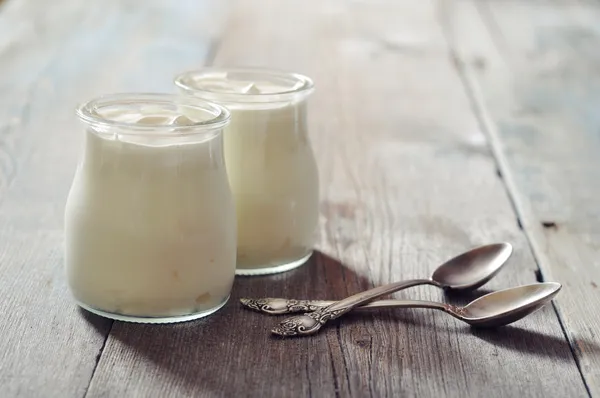
You see "low-fat" on the label and think you're being good to your body. The bright fruit flavors make it feel like a treat that won't hurt you.
But check the label. Most flavored low-fat yogurts pack 15-25 grams of added sugar per serving. Many use high-fructose corn syrup to make up for the missing fat.
Your liver takes that fructose and converts it straight into triglycerides—the fat that clogs up your liver cells.
Why this hurts your liver:
- Fructose goes directly to your liver for processing
- Creates triglycerides that get stored as liver fat
- Added sugars spike your blood sugar faster than the protein can control it
- One container can have as much sugar as a candy bar
Better choice: Plain Greek yogurt with fresh berries. You get protein without the sugar bomb.
2. Granola Bars (Even "Protein" Ones)
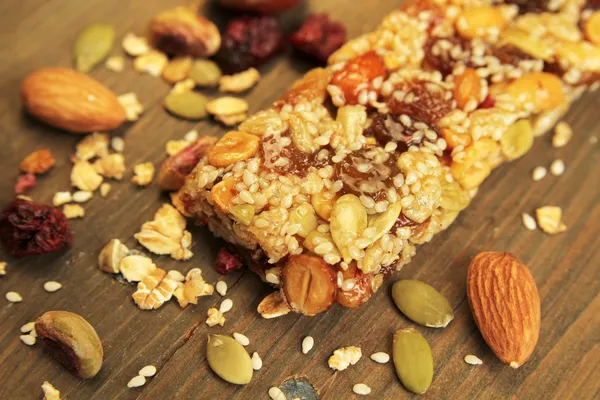
The package shows mountains and happy hikers. It says "natural" and "protein-packed." You grab one thinking it's basically trail mix in bar form.
Look closer at the ingredients. Most granola bars hide multiple types of sugar under different names: corn syrup, brown rice syrup, honey, cane sugar. The "protein" versions often have just as much sugar—they just added some protein powder to the mix.
The hidden ingredients that damage your liver:
- Corn syrup as the second or third ingredient
- Refined grains that spike blood sugar
- 12-15 grams of sugar hiding behind "natural" claims
- Multiple sugar sources to avoid listing sugar first
Better choice: A handful of walnuts and an apple. Real protein, real fiber, no hidden sugars.
3. "Baked" Chips and Crisps
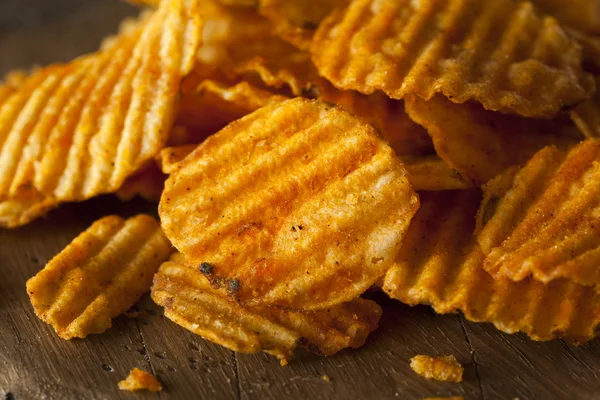
They're baked, not fried. That sounds so much healthier. Lower fat means better for you, right?
Wrong. These chips are made from refined carbohydrates that hit your bloodstream fast. Your blood sugar spikes. Your pancreas dumps out insulin. Your liver gets the signal to convert all that extra blood sugar into fat.
The refined carbohydrates increase insulin demand, which leads to insulin resistance over time.
How these harm your liver:
- Refined carbs break down into sugar quickly
- High glycemic load spikes blood sugar
- Liver converts the excess into fat storage
- Creates the same metabolic stress as eating sugar
Better choice: Air-popped popcorn (a whole grain) or vegetable sticks with hummus.
4. Diet/Zero-Sugar Sodas
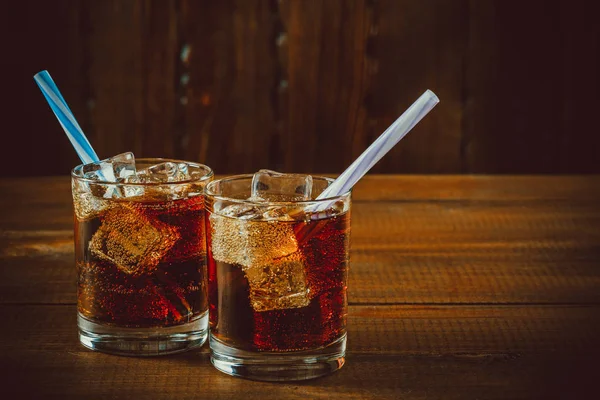
Zero calories. Zero sugar. Zero guilt. You tell yourself it's basically fizzy water with flavor.
But your liver doesn't see it that way. These drinks use aspartame, sucralose, or sorbitol to create sweetness. Artificial sweeteners can disrupt how your body processes sugar and fat, which places direct stress on your liver.
Some of these sweeteners actually convert into fructose once they're inside your liver.
The artificial sweetener problem:
- Sorbitol converts to fructose in your liver
- Disrupts normal sugar and fat metabolism
- May increase liver fat even without calories
- Can trigger the same metabolic responses as real sugar
Better choice: Sparkling water with lemon or lime. Get the fizz without the chemical load.
5. Rice Cakes (Flavored Varieties)#
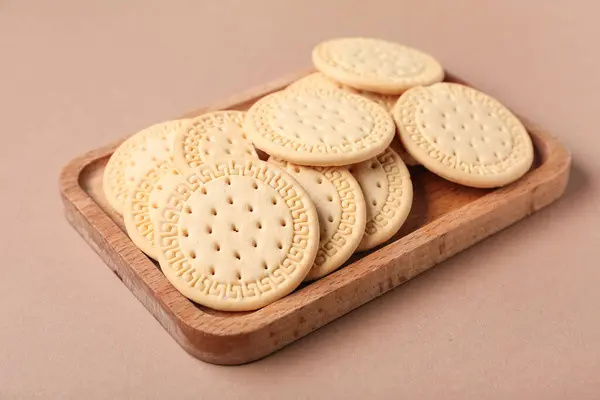
They're light as air. The package says "only 35 calories." Perfect snack, right?
The plain ones aren't great, but the flavored varieties are worse. They add sugar, syrups, salt, and artificial ingredients to make them taste like something. Plus, rice cakes have a high glycemic index, meaning they cause a rapid blood sugar spike even without added sugar.
Why these stress your liver:
- High glycemic index causes fast blood sugar spikes
- Added sugars in flavored versions
- Artificial ingredients your liver has to process
- No fiber to slow down the sugar absorption
Better choice: Whole grain crackers with avocado. You get fiber and healthy fats that protect your liver.
6. Low-Fat Salad Dressings
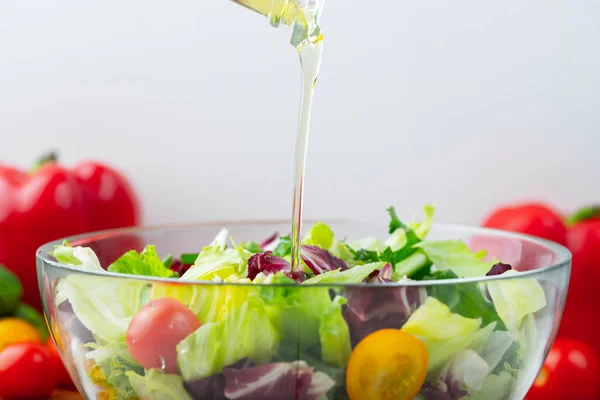
You're eating a salad. You want to be healthy. So you grab the low-fat dressing because fat is bad, right?
Food companies replace the fat with sugar and high-fructose corn syrup. Just two tablespoons—a normal serving—can have 4-8 grams of added sugar. Pour that over your salad three times a day, and you're getting as much sugar as a soda.
The hidden sugar trap:
- 2-4 grams of sugar per tablespoon adds up fast
- High-fructose corn syrup as a main ingredient
- Multiple servings per salad multiply the damage
- Eating "healthy" while dosing your liver with fructose
Better choice: Olive oil and vinegar or fresh lemon juice. Real fat helps you absorb vitamins from your vegetables.
7. Fruit Juice (Even "100% Juice")#
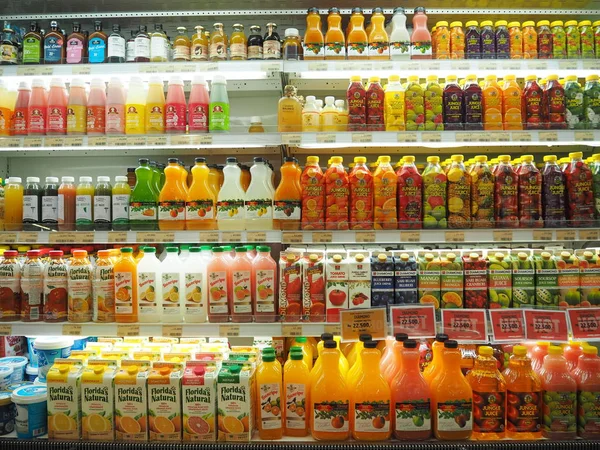
It's from fruit. It's natural. The label says "no added sugar." How could this be bad?
When you juice fruit, you remove all the fiber and concentrate all the fructose. An 8-ounce glass of orange juice has the sugar from 3-4 oranges, but none of the fiber that would slow down absorption.
Your liver gets hit with a massive fructose load all at once. High blood sugar increases the amount of fat buildup in your liver.
Why juice damages your liver:
- Concentrated fructose without protective fiber
- Rapid absorption means rapid liver processing
- More sugar in one glass than you'd eat in whole fruit
- Creates the same liver stress as drinking soda
Better choice: Eat the whole fruit. The fiber protects your liver by slowing sugar absorption.
8. Protein Bars (Most Commercial Brands)
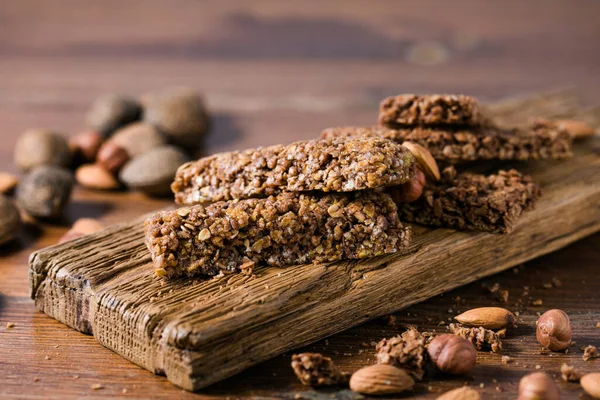
The word "protein" sounds so healthy. You need protein. This must be good for you.
Check the sugar content. Most protein bars have 15-20 grams of sugar. Some use maltitol or other artificial sweeteners that claim to be "sugar-free" but still affect your liver. The sugar content rivals actual candy bars—you're basically eating a Snickers with added protein powder.
What's really inside:
- 15-20 grams of sugar in most brands
- Maltitol and other sweeteners that stress your liver
- Heavily processed ingredients
- More dessert than health food
Better choice: Hard-boiled eggs or string cheese. Real protein without the sugar.
9. Low-Fat Muffins and Baked Goods
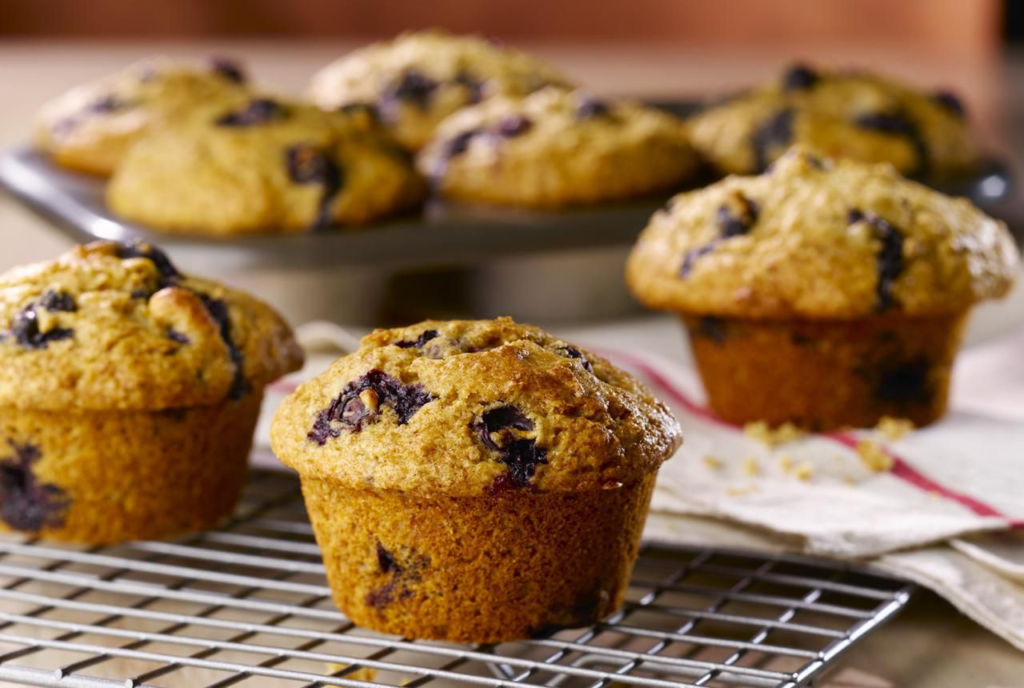
They're baked, not fried. They're muffins, not donuts. The label might even say "made with whole grains."
These are desserts pretending to be breakfast. They're made with refined flour, loaded with added sugars, and offer almost no nutrition. Refined carbs are linked to increased liver fat because they spike your blood sugar and trigger fat storage in your liver.
The liver damage formula:
- Refined flour breaks down like sugar
- Added sugars compound the problem
- Minimal nutrition means no protective compounds
- Morning sugar spike sets poor metabolic tone for the whole day
Better choice: Oatmeal with nuts. Real whole grains with protein and healthy fats.
10. Sweetened Breakfast Cereals (Including "Whole Grain")
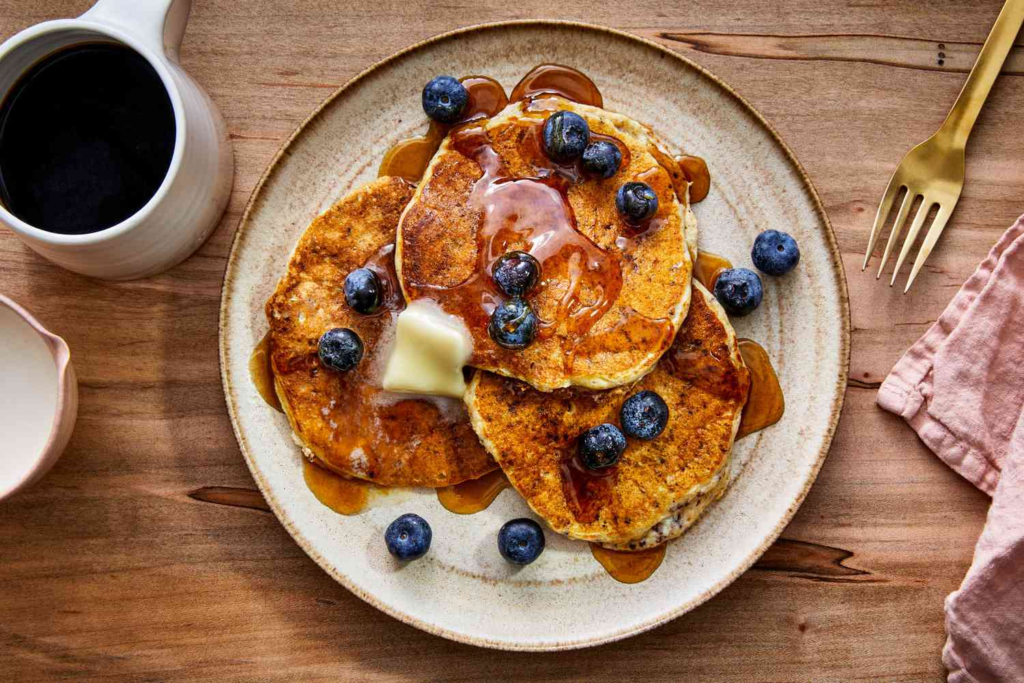
The box shows whole grains. It's fortified with vitamins. There's a heart health claim on the front.
Flip it over. Most cereals have 10-12 grams of sugar per serving. And the "serving size" is usually half of what you actually pour in your bowl. The morning sugar spike from these cereals sets a poor metabolic tone for your entire day.
Hidden sugars in your breakfast bowl:
- 10-12 grams per serving (and you eat 2-3 servings)
- Multiple types of sugar to hide the total amount
- Refined grains even in "whole grain" versions
- Starts your day with liver stress
Better choice: Steel-cut oats or eggs. Give your liver a break first thing in the morning.
11. "Energy" or "Sports" Drinks (Sugar-Free Versions)
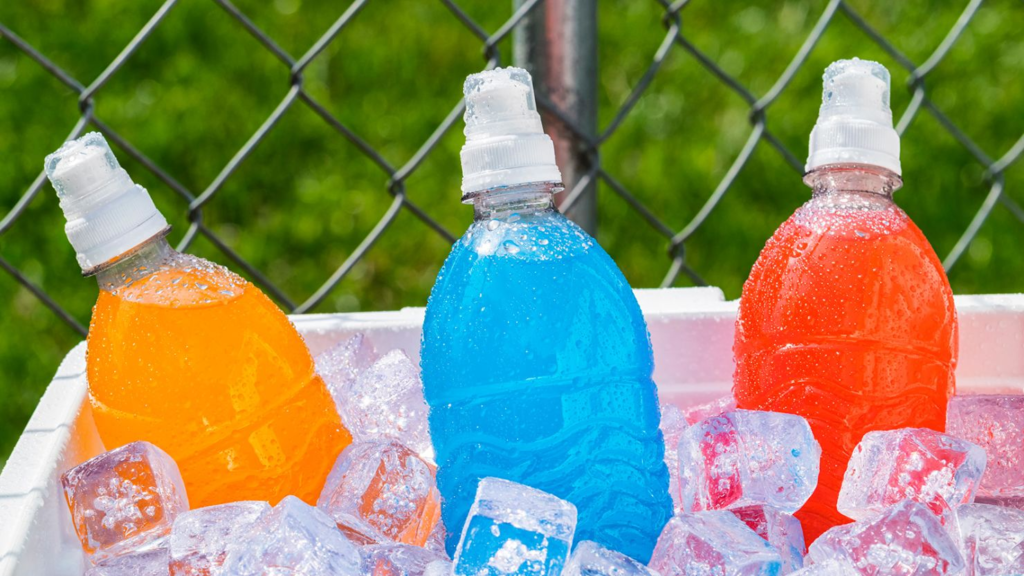
You work out. You need to hydrate. These drinks claim to replace electrolytes and give you energy.
The sugar-free versions use artificial sweeteners that may affect your liver health by altering your gut microbiome and disrupting feelings of fullness. This can lead to eating more and creating more work for your liver. You don't need these drinks unless you're exercising intensely for over an hour.
How these harm your liver:
- Artificial sweeteners disrupt gut bacteria
- Altered microbiome affects liver function
- Additives your liver must process
- Disrupted fullness signals can lead to overeating
Better choice: Water with electrolyte powder that has no sweeteners. Or just water for most workouts.
Understanding Your Liver Enzymes: What ALT and AST Actually Mean
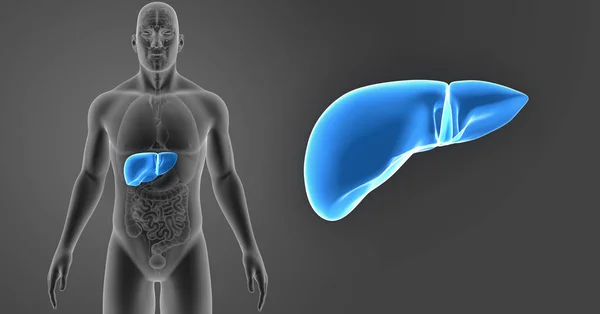
Your doctor mentions ALT and AST on your blood test results. You nod like you understand. But what are these numbers really telling you?
ALT (alanine aminotransferase) and AST (aspartate aminotransferase) are enzymes that live inside your liver cells. When your liver cells get damaged or stressed, these enzymes leak out into your bloodstream. Higher numbers mean more liver damage is happening.
What your numbers mean:
- Normal ALT: under 35-40 units per liter
- Normal AST: under 35-40 units per liter
- Elevated levels mean liver cells are being damaged
- The higher the numbers, the more damage is occurring
The good news? These levels can improve quickly. Studies show turmeric may decrease levels of ALT and AST in people with fatty liver disease. When you change what you eat, your liver function tests can start improving within weeks to months.
Your liver is one of the few organs that can actually heal itself—if you stop damaging it. Cut out the foods that spike these hepatic enzymes, and your transaminase levels often drop within 4-12 weeks.
What TO Eat: Liver-Friendly Snacks That Actually Work
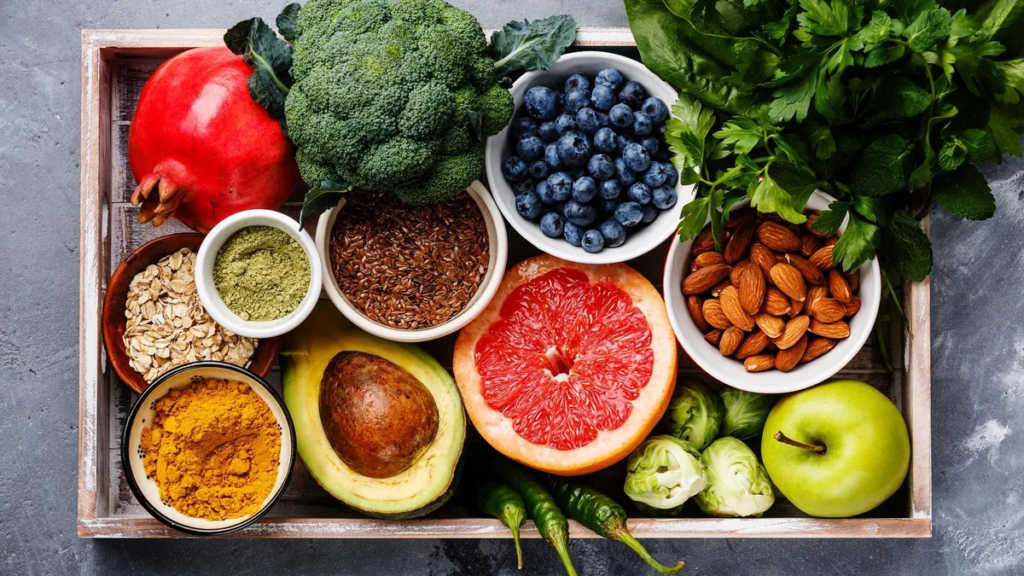
You know what not to eat. But what should you snack on instead?
Think Mediterranean. Whole foods. Nothing that comes in a crinkly package with a list of ingredients you can't pronounce. The Nordic diet—high in dietary fiber from whole grains, fruits, and vegetables—reduced liver fat by over 20% in recent studies.
Snacks that actually help your liver:
- Walnuts: Studies show people with fatty liver who eat walnuts have improved liver function tests
- Coffee: 2-3 cups daily (black or with minimal additions)
- Broccoli: Research suggests it helps protect from metabolic dysfunction-associated steatotic liver disease
- Raw vegetables with olive oil: The healthy fat helps your liver process nutrients
- Berries: Packed with antioxidants that reduce liver inflammation
- Legumes: Lentils and chickpeas contain resistant starches that improve gut health (which helps your liver)
The key is fiber-rich snacks and whole foods. Your liver needs antioxidants and fiber to clean itself out. When you eat these foods, you're giving your liver the tools it needs to heal. You don't need special liver supplements or detox teas. You need real food that your great-grandmother would recognize.
The 30-Day Liver Reset: Your Action Plan Starting Today

You don't have to change everything tomorrow. Start with one week at a time.
Week 1: Eliminate diet drinks and sugary beverages. Switch to water, sparkling water, or coffee. Your liver will start processing less fructose immediately.
Week 2: Replace packaged snacks with whole foods. Swap the granola bars for walnuts. Trade the flavored yogurt for plain Greek yogurt with berries.
Week 3: Add liver-supporting foods daily. Eat broccoli. Drink coffee. Snack on vegetables with olive oil. Give your liver the nutrients it needs to heal.
Week 4: Make these new snacking habits automatic. Stock your kitchen with the right foods. Keep cut vegetables ready. Make it easier to choose the healthy option.
What to expect:
- Liver enzymes may start improving in 4-6 weeks
- You might feel more energy as your liver works better
- Some people see changes in as little as 2-3 weeks
- Full improvement can take 3-6 months
These lifestyle changes work, but you need medical follow-up. Schedule blood work at 3 months to see your progress. This gradual improvement approach is sustainable—you can do this for life, not just for a diet.
The Bottom Line: Your Liver Needs Real Food, Not Fake Health Claims
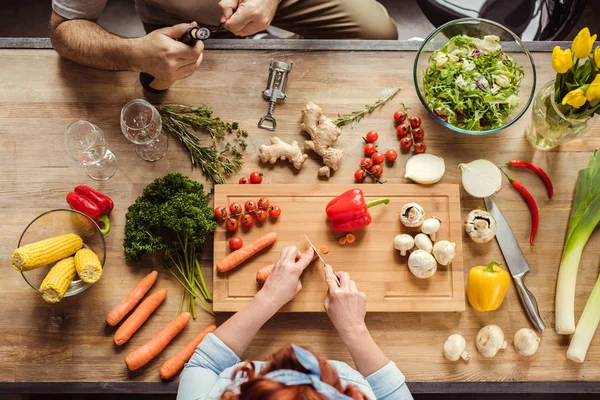
"Low-fat" doesn't mean liver-safe. Those labels are designed to sell products, not protect your health.
Hidden sugars and refined carbs are destroying your liver while you think you're making healthy choices. Even artificial sweeteners—the ones that promise zero calories and zero guilt—can harm your liver function just as much as sugar can.
What you need to remember:
- Food companies replace fat with sugar to maintain taste
- Your liver turns that sugar directly into fat
- Artificial sweeteners aren't the safe alternative you thought they were
- Simple whole food swaps make a dramatic difference
- Your liver can heal itself when you stop damaging it
The good news? Liver enzymes can improve within weeks to months when you make these changes. Your liver wants to heal. It's built to recover. You just have to stop poisoning it with foods disguised as healthy.
Your next steps:
Schedule a follow-up with your doctor in 3 months to recheck your liver enzymes. Track which snacks you've eliminated and how you feel. Take photos of nutrition labels so you remember what to avoid. Share this information with others over 50 who might be unknowingly harming their liver with "healthy" choices.
Fatty liver disease management starts in your kitchen, not in a pharmacy. The sustainable dietary changes you make today determine your liver health at 50, 60, and beyond. Choose real food. Your liver will thank you.
