
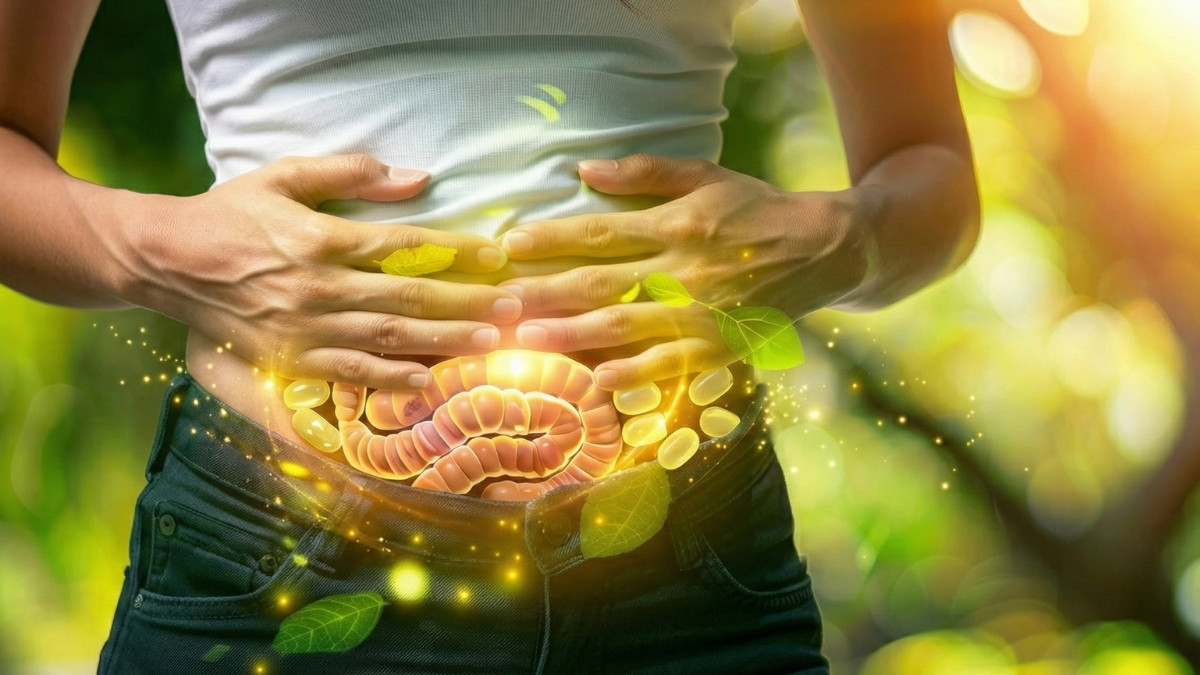
If your gut used to handle anything but now struggles with bloating—even from “healthy” foods like yogurt—you aren’t alone. For women over 45, the primary culprit is declining estrogen.
This hormonal drop slows digestion, increases gut permeability (“leaky gut”), and drastically alters your microbiome diversity. Furthermore, your body produces less DAO enzyme, making it difficult to process histamines found in fermented foods.
Consequently, 94% of women in perimenopause and menopause report digestive issues. These physiological shifts create a “perfect storm” where standard probiotics often backfire, turning beneficial foods into sources of discomfort.
Why Your Gut Changes After 45
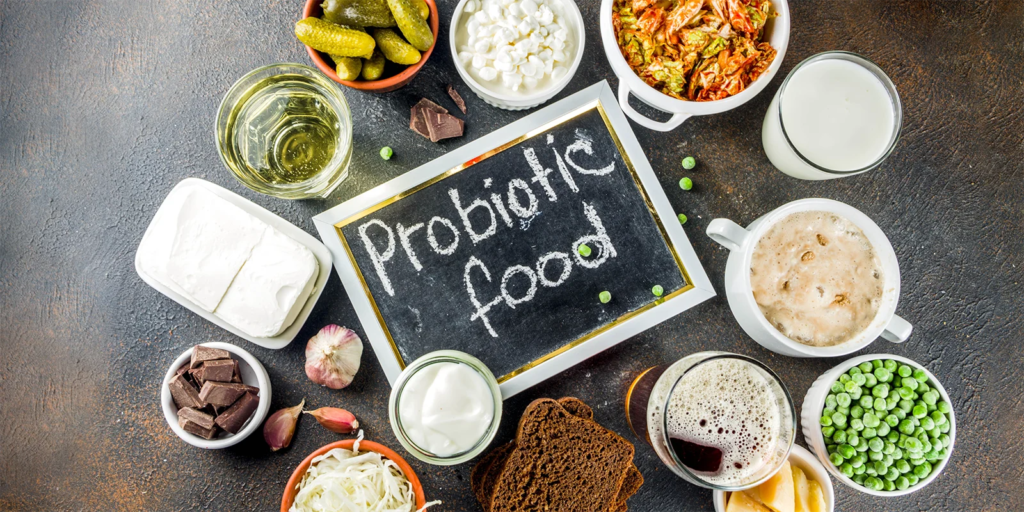
Your gut used to handle anything. Now even yogurt makes you feel puffy and uncomfortable. The culprit? Estrogen.
Estrogen keeps your gut bacteria diverse and your digestion smooth. After 40, estrogen levels drop sharply. This slows down how fast food moves through your system. It also makes your gut lining more permeable, which scientists call "leaky gut."
Here's what changes:
- Your gut microbiome starts to look more like a man's gut (less diversity, different bacteria types)
- You lose bacteria that make short-chain fatty acids (these keep inflammation down)
- Gas-producing bacteria increase
- Your body makes less DAO enzyme, which breaks down histamine from fermented foods
The numbers tell the story: 94% of women in perimenopause and menopause report digestive problems. Bloating affects 77% of them. Studies show that 82% of women say their digestive symptoms either started or got worse during perimenopause.
These hormonal shifts create the perfect storm for probiotic sensitivity. Here's what happens when you add fermented foods to a gut that's already struggling.
The 3 Hidden Reasons Probiotics Backfire
Adding probiotics seems smart. Fermented foods are "healthy," right? But for many women over 45, they make bloating worse. Here's why.
Histamine Intolerance
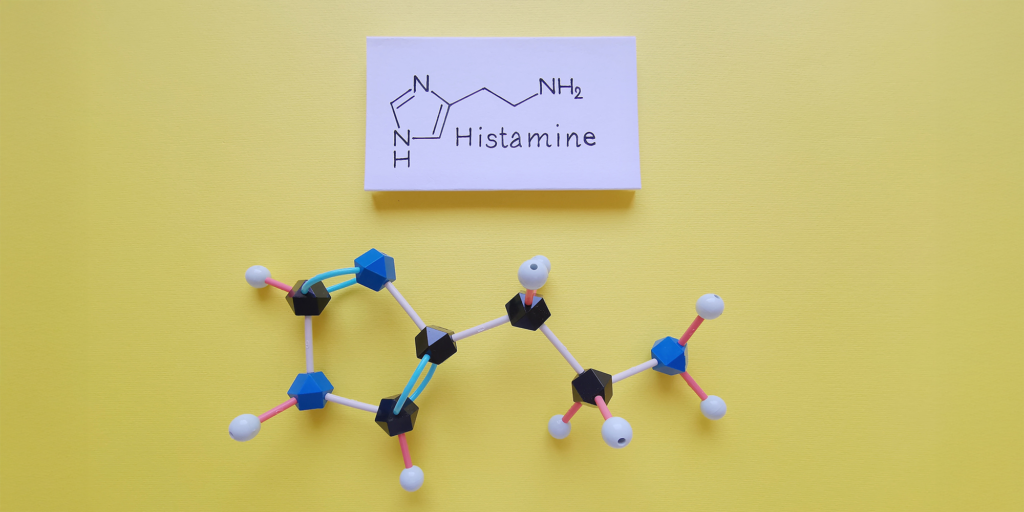
Fermented foods pack tons of histamine. As you age, your body produces less of the enzyme that breaks histamine down. Without enough of this enzyme, histamine builds up in your system.
Only 1-3% of people have histamine intolerance, but 80% of them are middle-aged women. Symptoms go beyond bloating: headaches, skin flushing, digestive pain, and fatigue all point to histamine overload.
Small Intestinal Bacterial Overgrowth (SIBO)
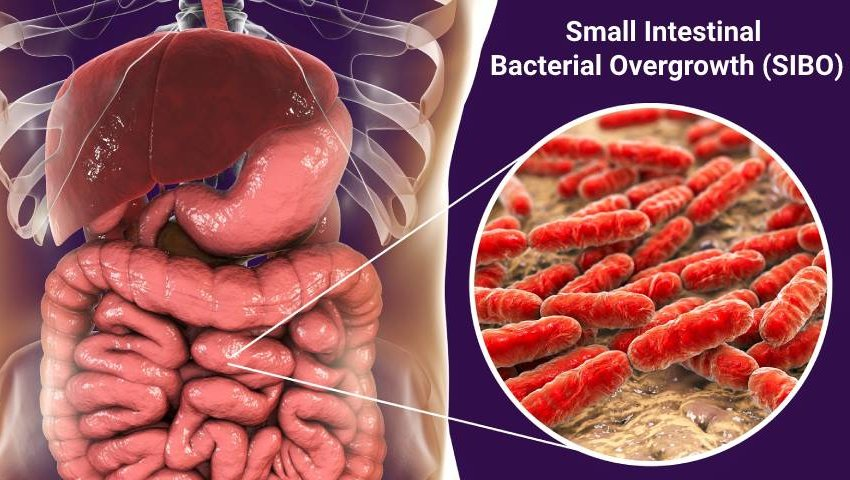
Bacteria should live in your colon, not your small intestine. When they multiply in the wrong spot, you have SIBO. Adding more probiotics just feeds the problem.
Between 14% and 40% of people with IBS also have SIBO. The fix isn't adding bacteria. It's getting them to colonize in the right place.
Microbial Warfare
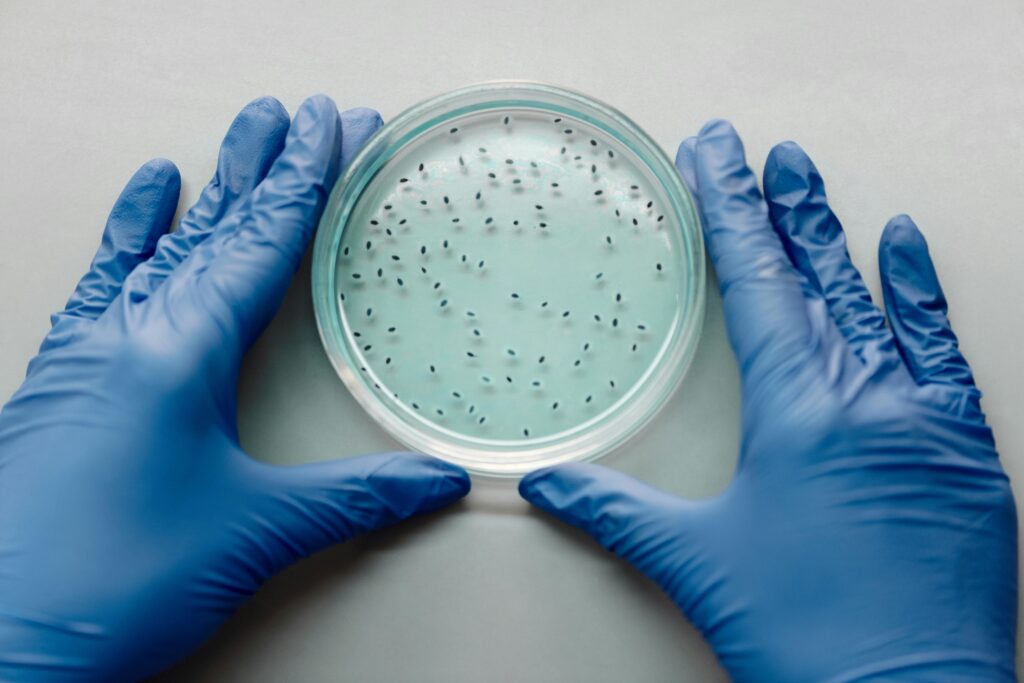
New bacteria don't always play nice with existing bacteria. They compete and fight. Gas is the byproduct of this bacterial war happening in your gut.
This battle is most intense in the first 2-4 weeks. Many commercial fermented foods also contain high salt or sugar, which throws your microbiome balance off even more.
Now that you understand why probiotics can backfire, let's identify the specific culprits.
6 Fermented Foods That Cause Bloating in Women Over 45
Kombucha: The Sugar and Carbonation Double Threat
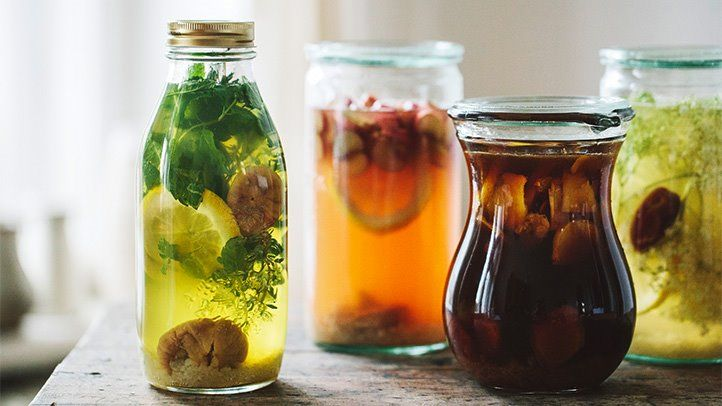
Kombucha seems like a health drink. But it's loaded with histamine-producing bacteria. The carbonation pumps CO2 gas directly into your digestive system.
Most brands contain 4-8g of sugar per serving. That sugar feeds the bad bacteria in your gut. Kombucha also contains FODMAPs, which trigger digestive issues in people with IBS.
Why it triggers bloating: Sugar feeds bad bacteria + carbonation adds gas + histamines irritate your system.
Kimchi: Spice, Salt, and Cruciferous Vegetables
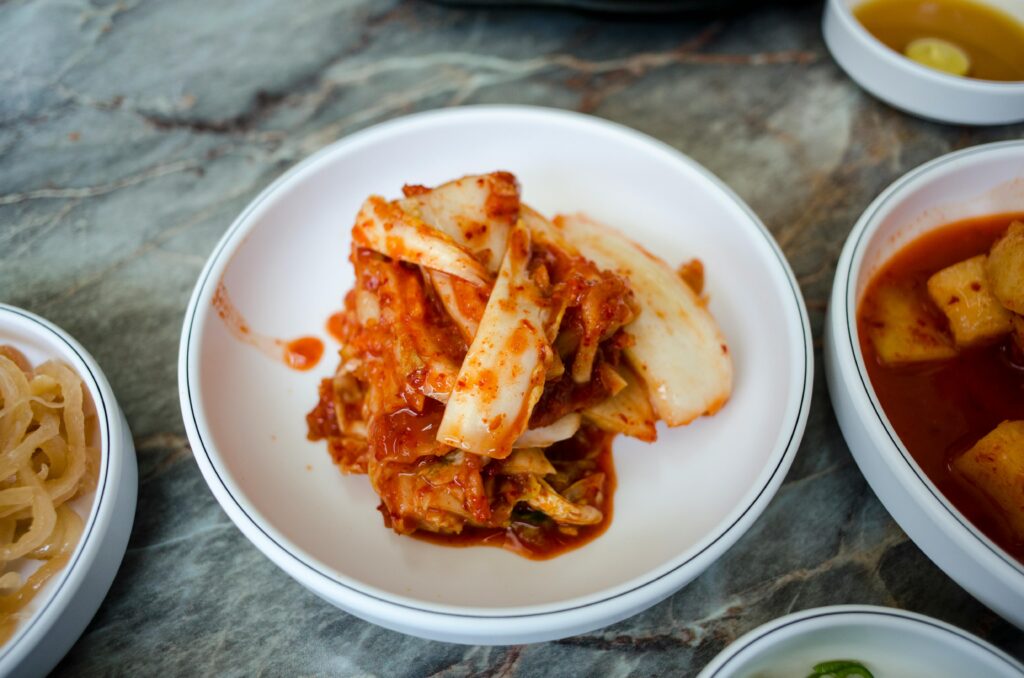
Kimchi is made from cabbage. Cabbage is a cruciferous vegetable, which means it's packed with fiber that produces gas. The high sodium content causes water retention.
The spices irritate sensitive digestive systems. Add histamine-producing bacteria to the mix, and you have a triple threat.
Why it triggers bloating: Gas-producing fiber + excessive salt + histamine overload.
Sauerkraut: The Cruciferous Culprit
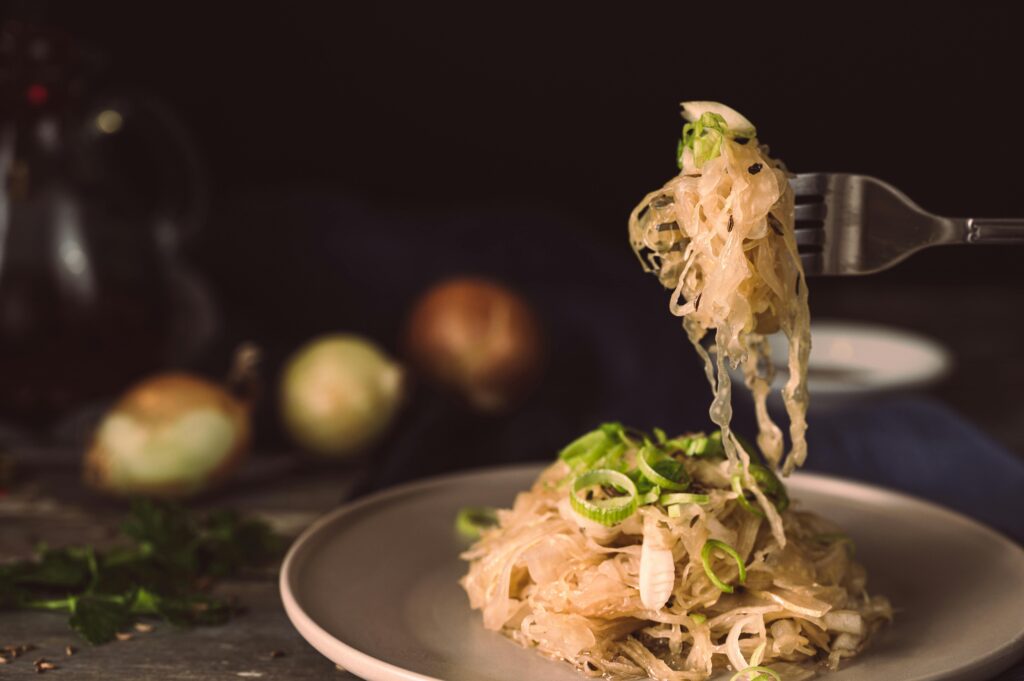
Sauerkraut comes from cabbage, just like kimchi. That means gas-producing fiber. Studies show sauerkraut contains extremely high levels of histamine compared to other common foods.
The fermented bacteria can overwhelm a sensitive system. A single serving packs 400-800mg of sodium, which causes water retention and puffiness.
Why it triggers bloating: High histamine + gas-producing vegetable + excessive salt.
Kefir (Dairy): The Lactose Problem
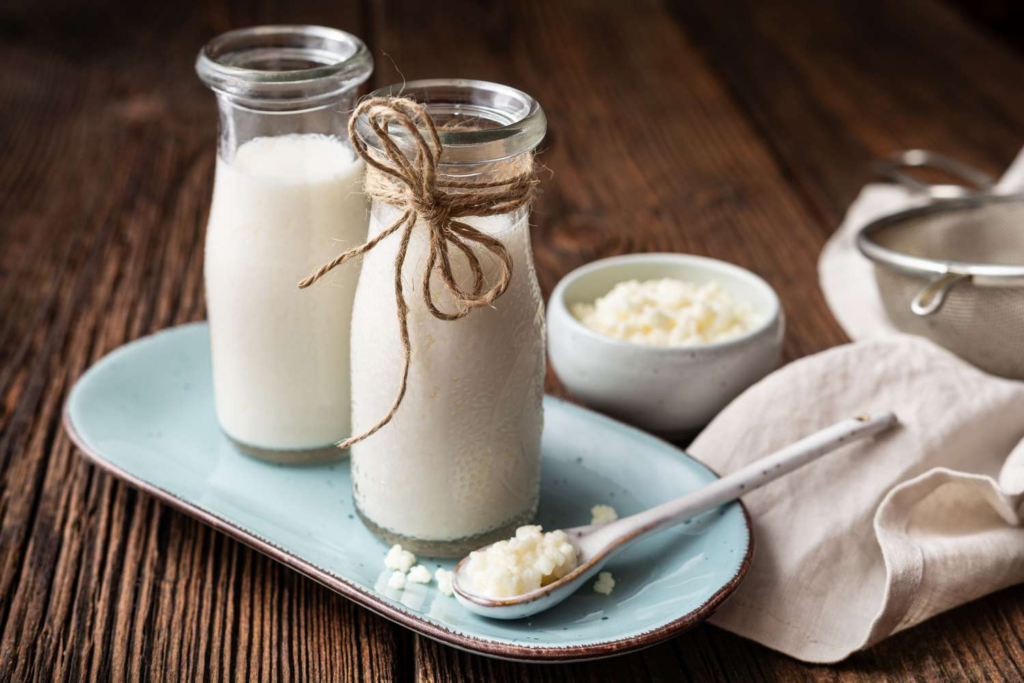
Lactose sensitivity gets worse as you age. Even "low-lactose" kefir still contains some lactose. If you're lactose intolerant, this triggers severe bloating.
Many kefir products also contain histamine-producing Lactobacillus strains. You're getting hit twice: once from lactose, once from histamine.
Why it triggers bloating: Lactose intolerance + histamine production from bacteria strains.
Aged Cheeses: Hidden Histamine Bombs

Aged cheese contains extremely high levels of biogenic amines, including histamine and tyramine. The longer cheese ages, the more histamine it develops.
Studies show that aged, smoked, unpasteurized, and blue cheeses are loaded with histamine. The temperature during storage also affects levels. For histamine-sensitive women, this triggers severe symptoms.
Why it triggers bloating: Concentrated histamine from the aging process.
Miso Paste: The Salt Overload
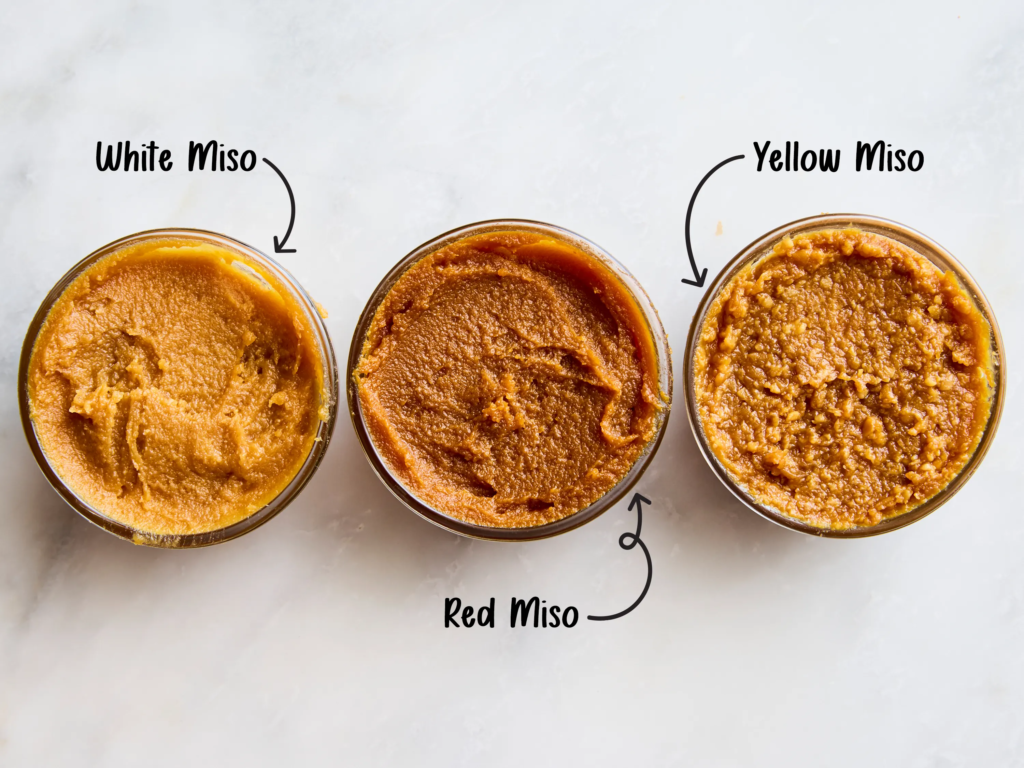
One tablespoon of miso contains 600-1000mg of sodium. That's almost half the recommended daily limit. Salt causes water retention and immediate bloating.
Miso also contains soy, which some women don't tolerate well. Because it's fermented, it has histamine content too.
Why it triggers bloating: Excessive sodium + potential soy sensitivity + histamine.
Red Flags: When Bloating Signals Something Serious
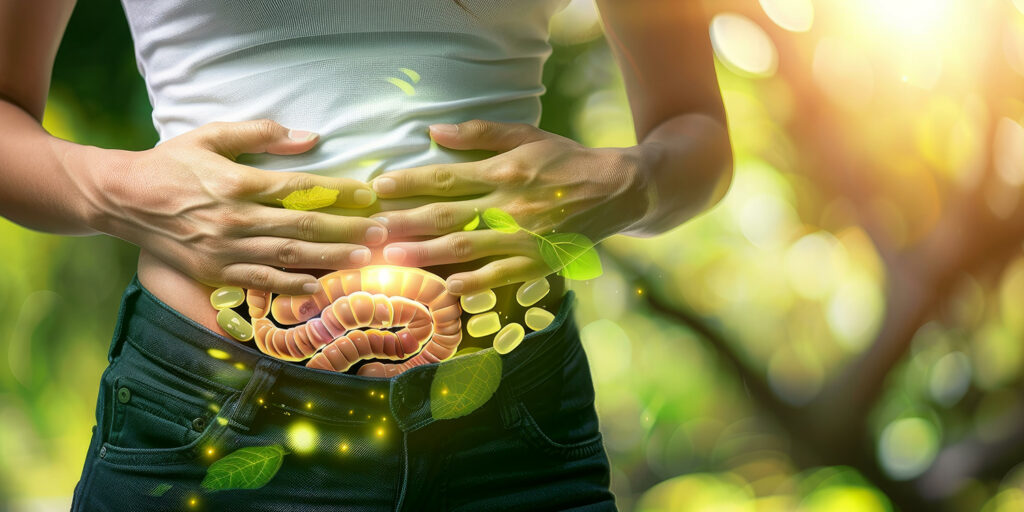
Most bloating is uncomfortable but not dangerous. But sometimes it points to a bigger problem. Know when to get help.
SIBO Warning Signs
Severe pain is different from discomfort. If your bloating gets worse as the day goes on, that's a red flag. Diarrhea and constipation that alternate back and forth suggest SIBO.
You need a medical breath test for a proper diagnosis. Don't try to treat SIBO on your own.
Histamine Intolerance Indicators

Bloating plus headaches, skin issues, or heart palpitations suggests histamine intolerance. If symptoms get worse when you eat aged or fermented foods, that confirms it.
Consider a DAO enzyme supplement and try an elimination diet. Track everything you eat and how you feel.
When to See a Doctor
- Bloating plus unexpected weight loss
- Blood in your stool
- Severe, persistent abdominal pain
- Symptoms lasting more than 2 weeks despite changing what you eat
These symptoms need professional evaluation. Don't wait.
What Gut Health Dietitians Recommend Instead
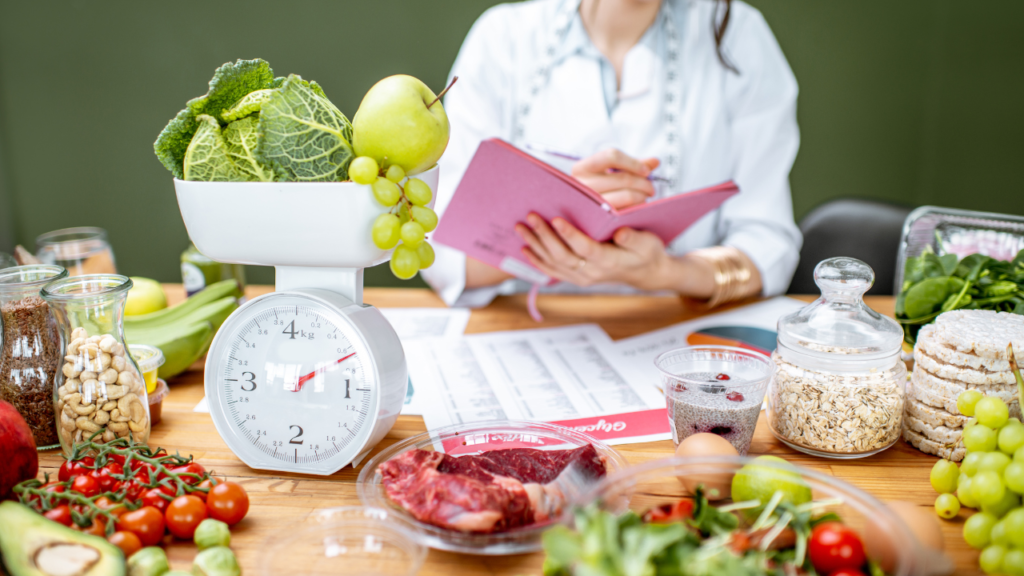
You don't have to give up on probiotics completely. You just need a smarter approach. Here's what works for women over 45.
1. Start Low and Go Slow
If you want to try fermented foods, start with 1 tablespoon. Wait 3-4 days. If you feel fine, add another tablespoon. Track everything in a food diary.
Experts recommend probiotics with several strains of bacteria totaling at least 20 billion organisms per dose for women in their 40s, 50s, and 60s.
2. Choose Low-Histamine Alternatives
- Instead of kombucha: plain water kefir (lower histamine)
- Instead of aged cheese: fresh mozzarella or ricotta
- Instead of kimchi or sauerkraut: lightly fermented vegetables (shorter fermentation means less histamine)
- Rice kefir over dairy kefir
3. Focus on Prebiotic Fiber
Feed the good bacteria you already have instead of adding new ones. Prebiotics are easier on sensitive systems than probiotics.
Best sources: asparagus, garlic, onions, leeks, and bananas. These support the diversity of your existing microbiome.
4. Select the Right Probiotic Strains
- For SIBO: Saccharomyces boulardii (a probiotic yeast) and soil-based probiotics like Bacillus coagulans work best
- For general gut health: Lactobacillus plantarum reduces bloating
- For menopause: look for Bifidobacterium strains
A review of 18 clinical trials found probiotics helped clear SIBO in 62.8% of cases.
5. Check Ingredient Labels
- Avoid added sugars in kombucha (choose products with less than 4g per serving)
- Look for "live and active cultures" on the label
- Avoid excessive sodium (more than 300mg per serving)
- Skip pasteurized versions (pasteurization kills beneficial bacteria)
6. Consider Timing
Take probiotics on an empty stomach for better survival. Don't take them with hot liquids, which kill bacteria. Consistent timing helps establish a routine.
The 7-Day Gut Reset Plan for Women Over 45
Days 1-3: Eliminate
- Remove all fermented foods temporarily
- Stop probiotic supplements
- Keep a food diary tracking every symptom
- Focus on: lean proteins, cooked vegetables, white rice, bone broth
Days 4-5: Nourish
- Add prebiotic foods (cooked asparagus, bananas)
- Include anti-inflammatory foods (ginger tea, turmeric)
- Drink at least 8 glasses of water
- Continue your food diary
Days 6-7: Reintroduce (Strategically)
- Choose ONE low-histamine option (fresh yogurt OR rice kefir)
- Start with only 1 tablespoon
- Monitor for 24-48 hours
- Note any bloating, gas, or discomfort
After Day 7:
If you tolerated it well, continue with the same food for 1 week. Then add a second low-histamine option. Never add more than one new food per week. If symptoms come back, remove that food.
Pro Tips:
- Eat meals at the same times each day (supports gut motility)
- Chew thoroughly (reduces gas)
- Walk for 10 minutes after meals (aids digestion)
- Manage stress (cortisol affects gut function)
Your Next Steps
Hormonal changes after 45 make your gut more sensitive to fermented foods. The main culprits are kombucha, kimchi, sauerkraut, kefir, aged cheese, and miso. The root causes are histamine intolerance, SIBO, and microbial warfare.
The solution isn't avoiding all probiotics. It's choosing wisely.
Start with the 7-day gut reset plan above. Track your symptoms. The best probiotic is the one your body tolerates. Your gut health is unique. What works for your friend might not work for you, and that's completely normal.
By understanding your body's signals and choosing low-histamine alternatives, you can support your gut health without uncomfortable bloating. Your path to better digestion starts with listening to what your body is telling you.
