
12 ‘Brain Foods’ That Actually Shrink Your Grey Matter (Neurologists Are Begging You To Stop)
You reach for your morning diet soda, thinking you’re making the healthier choice. Later, you grab low-fat yogurt as a snack. By evening, you’re microwaving a convenient frozen dinner.
These seemingly innocent choices share something disturbing because they are all quietly shrinking your brain. Research shows artificial sweeteners can age your brain by 1.6 years while ultra-processed foods increase dementia risk by 35%.
We expose 12 items damaging grey matter and offer better brain foods and swaps that neurologists recommend to halt cognitive decline and support brain health.
Grey Matter Defender
Identify the hidden brain-shrinkers masquerading as health foods.
Game Over
Final Score
Why Your Brain Is More Vulnerable Than You Think
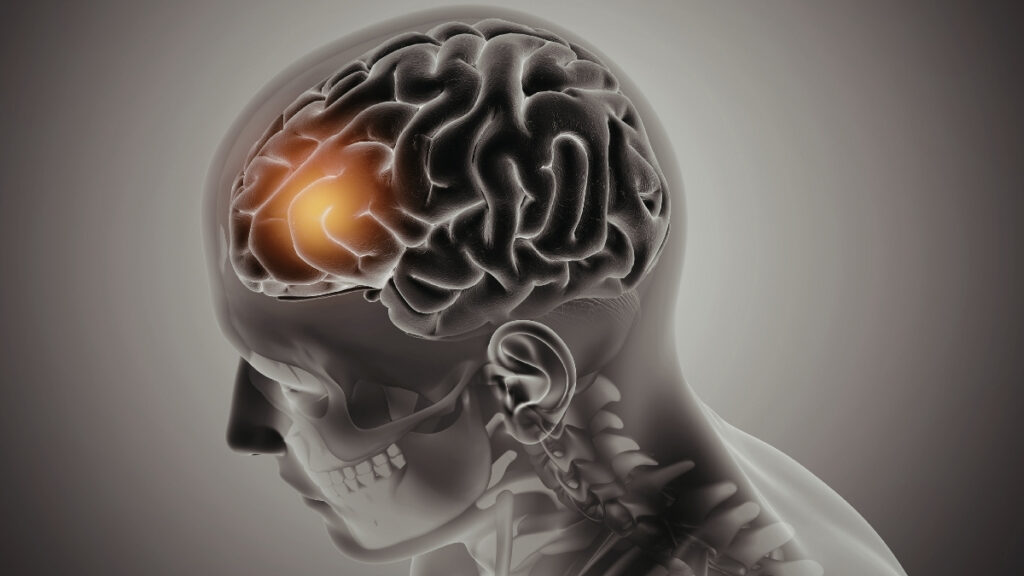
Your brain is like a high-performance sports car. It needs premium fuel. But most of us are filling it with contaminated gas.
Here’s why that’s a bigger problem than you think. Your brain makes up only 2% of your body weight. But it demands 20% of your oxygen supply. That’s a massive energy requirement for such a small organ.
This intense energy demand creates a vulnerability. When you eat poorly, your brain suffers first and suffers most.
Scientists have discovered something called the gut-brain axis. This is a direct communication highway between your digestive system and your brain. When your gut is inflamed from bad food, your brain gets inflamed too.
Grey matter is the part of your brain that does the thinking. Studies show that grey matter volume directly correlates with cognitive function. More grey matter equals better thinking, memory, and decision-making.
When brain inflammation hits, it triggers a cascade of damage. Blood vessels get damaged. Neurons start dying. Proteins that shouldn’t be there start building up.
A 2025 analysis from Framingham found something shocking. People who ate the most ultra-processed foods had a 25-35% higher risk of developing dementia. That’s not a small increase. That’s massive.
Your brain’s high energy demands make it particularly vulnerable to poor nutrition. Feed it well, and it thrives for decades. Feed it poorly, and you’ll notice the effects long before you’re old.
1 – Artificial Sweeteners: The ‘Diet’ Deception

You switched to diet soda to be healthier. Your brain wishes you hadn’t. A 2025 Brazilian study followed 12,772 adults for 8 years. The results were disturbing. People who consumed artificial sweeteners regularly experienced accelerated cognitive decline.
How much is “regularly”? About one teaspoon daily. That’s one diet soda. One packet in your coffee. One “sugar-free” yogurt.
The high consumers in this study saw their cognitive abilities decline by 1.6 years faster than people who avoided artificial sweeteners. Think about that. Your “healthy” choice is making your brain age almost two extra years.
The worst offenders were aspartame, saccharin, acesulfame-K, erythritol, xylitol, and sorbitol. Check your labels. These chemicals are everywhere.
Daily artificial sweetener consumption was linked to 2.96 times higher risk of ischemic stroke. That’s almost three times more likely to have a stroke that cuts off blood flow to your brain. The Alzheimer’s risk? 2.89 times higher.
If you’re under 60, the news gets worse. This age group showed the fastest declines in verbal fluency and overall cognition. Your sharp years—the ones you need for your career, your family, your life—get stolen first.
The mechanism is insidious. Artificial sweeteners alter your gut microbiota. These changes cause glucose intolerance, even though you’re not consuming sugar. Your body’s ability to regulate blood sugar gets broken by the very substance you chose to avoid sugar.
People with diabetes showed an even stronger link between artificial sweetener use and cognitive problems. The very people who rely on these products the most are getting hurt the worst.
What to drink instead: Sparkling water with a squeeze of lemon or lime. Herbal tea, hot or iced. Water infused with fresh fruit. These options cost less, taste better, and won’t age your brain. Your diet soda isn’t saving you calories. It’s costing you brain cells.
2 – Sugary Drinks: The Obvious But Deadly Choice
If artificial sweeteners are bad, surely regular sugar is worse. Science says yes. Studies found that drinking more than 2 sugary beverages daily increased dementia risk by 34%. That’s slightly better than artificial sweeteners, but still terrible.
Here’s what happens when you drink a soda. Your blood sugar spikes rapidly. Your brain, which relies on steady glucose, gets flooded. This flood triggers inflammation throughout your brain tissue.
Each sugary drink you consume daily is linked to accelerated cognitive aging. Your brain literally ages faster with every can.
Brain scans tell an even scarier story. People who drink sugary beverages regularly show smaller brain gray matter volume. Remember, gray matter is where thinking happens. Less of it means less cognitive power.
These same people also show higher white matter hyperintensities on brain scans. These are basically tiny areas of damage. They accumulate like rust on a car.
What counts as a sugary drink? Soda, obviously. Energy drinks are worse because they combine sugar with stimulants. Fruit juices surprise people, but most commercial fruit juices contain as much sugar as soda.
Here’s where it gets interesting. Moderate natural juice intake—between 0 and 1 serving per day—showed a 23% lower dementia risk compared to drinking none at all. The key word is “natural” and “moderate.”
This suggests that the vitamins, antioxidants, and natural compounds in real fruit juice might offer some protection. But only in small amounts. Go beyond one serving, and you’re back in the danger zone.
The damage mechanism is straightforward. Chronic inflammation from repeated blood sugar spikes damages the tiny blood vessels that supply your brain. Over time, these damaged vessels can’t deliver enough oxygen and nutrients. Your brain cells start dying.
What to drink instead: Fresh-squeezed juice in small amounts. Coconut water for natural electrolytes. Herbal tea sweetened with a touch of honey if you must. Your taste buds will adjust within two weeks.
The beverage industry has spent billions convincing you that sugar is happiness in a can. Your brain disagrees.
3 – Trans Fats: The Hidden Brain Shrinker

Trans fats are stealth killers. You can’t taste them. You often can’t see them on labels. But they’re stealing your memory. Research found that for every gram of trans fat consumed per day, people recalled 0.76 fewer words in memory tests. That doesn’t sound like much until you do the math.
In adults under 45, the maximum consumption of 28 grams per day yielded 21 fewer correct word-recall responses. That’s the difference between remembering your meeting talking points and fumbling through them awkwardly.
These are your prime working years. Ages 25-45 are when you build your career, raise your family, and establish your life. Trans fats are robbing you during the years you can least afford it.
Where do trans fats hide? Packaged snacks are loaded with them. Margarine was designed to replace butter but turned out to be far worse. Fried foods from restaurants use oils high in trans fats because they’re cheap and last longer.
Trans fat exposure creates oxidative stress in your brain. Think of oxidative stress as rust forming on your brain cells. This rust disrupts something called synaptic plasticity—your brain’s ability to form new connections and learn new things.
The link between trans fat consumption and Alzheimer’s disease is strong and getting stronger with every new study. Trans fats seem to accelerate the exact brain changes that lead to dementia.
Food labels can be deceptive. If a product contains less than 0.5 grams of trans fat per serving, manufacturers can legally claim “0 grams trans fat.” But eat three servings, and you’ve consumed 1.5 grams.
Look for the words “partially hydrogenated oil” in the ingredients list. That’s trans fat, even if the nutrition label says zero.
What to use instead: Olive oil for cooking and dressing. Avocado oil for high-heat cooking. Coconut oil for baking. Real butter in moderation is actually better than margarine.
The food industry created trans fats to save money and extend shelf life. Your brain is paying the price.
4 – High-Mercury Fish: The Neurotoxin on Your Plate

Fish is brain food, right? Not always. Some fish carry so much mercury that eating them regularly is like voluntarily poisoning yourself.
The EPA classifies mercury as a powerful neurotoxin. The WHO lists it as a major public health concern. Both organizations agree on one thing: mercury damages your brain.
Methylmercury is the form found in fish. It causes serious neurological damage, particularly to the cerebral and cerebellar cortex. These are the parts of your brain that control thinking, coordination, and balance.
The highest-risk fish are swordfish, shark, king mackerel, and tilefish. These large, predatory fish accumulate mercury throughout their long lives. By the time they reach your plate, they’re concentrated poison.
Between 1.5 and 17 out of every 1,000 children in fishing populations show cognitive impacts from mercury exposure. These kids live in communities where fish is a dietary staple. They’re getting brain damage from what their families consider healthy food.
A case study from 2025 followed a 91-year-old man with cognitive decline. His doctors discovered high mercury levels. After mercury detoxification treatment, his symptoms reversed. His memory came back. His thinking cleared.
This suggests two things. First, mercury damage can happen at any age. Second, removing the source might reverse some of the damage.
Here’s what makes mercury particularly insidious. Mercury exposure induces detrimental effects on cognition, memory, and attention. It particularly affects neural stem cells—the cells your brain uses to repair itself and grow new neurons.
Frequency matters more than occasional consumption. Eating swordfish at your anniversary dinner once a year probably won’t hurt you. Eating it weekly absolutely will.
What to eat instead: Salmon, sardines, anchovies, and trout are low in mercury and high in omega-3 fatty acids. These fish are smaller, live shorter lives, and don’t accumulate mercury. They give you the brain benefits of fish without the neurotoxin. The ocean is polluted. We can’t change that today. But we can choose which fish we eat.
5 – Alcohol: Even Moderate Amounts Shrink Your Brain

The wine industry wants you to believe that one glass of red wine is good for your heart and brain. Science has bad news.
A massive UK Biobank study followed 36,678 adults. The researchers found negative associations between alcohol and brain structure starting at just 1-2 drinks daily.
Let that sink in. One drink per day—the amount doctors used to call “moderate” and even “healthy”—showed measurable brain shrinkage effects.
Going from one drink to two drinks daily was associated with brain changes equivalent to aging two years. You age your brain by two years just by having that second glass of wine.
Four drinks daily causes brain volume loss equivalent to 10 years of aging. Two beers or two glasses of wine, and your brain is a decade older than it should be.
A 2024 study concluded what many scientists had suspected: there is no safe level of alcohol consumption when it comes to dementia risk. None. Zero. The only way to protect your brain from alcohol damage is to not drink it.
Higher alcohol intake was specifically associated with smaller hippocampal volume. Your hippocampus is critical for forming new memories and learning new information. Alcohol literally shrinks the part of your brain you use to remember things.
The decline isn’t just structural. People who drink more also show faster cognitive decline in testing. Their brains are smaller and work worse.
Here’s the only good news in this section: brain shrinkage showed significant reversibility within 3 weeks of abstinence. Stop drinking, and your brain can start recovering in less than a month.
Alcohol affects multiple brain structures. The frontal lobe, which handles decision-making and impulse control. The diencephalon, which regulates emotions. The hippocampus, which stores memories. The cerebellum, which coordinates movement.
Alcohol also damages white matter fiber integrity. White matter is like the wiring in your brain. Damaged wiring means signals don’t travel properly between brain regions.
What to drink instead: Sparkling water with bitters gives you the sophisticated taste without the brain damage. Non-alcoholic craft beverages have gotten incredibly good in recent years. Herbal “mocktails” can be as complex and interesting as any cocktail.
The alcohol industry has spent a century romanticizing drinking. Your shrinking brain tells a different story.
6 – Ultra-Processed Foods: The Grocery Store Brain Drain

Walk down any grocery store aisle. Most of what you see is designed to damage your brain.
Ultra-processed foods include instant noodles, chips, packaged snacks, and fast food. If it comes in a colorful package with a long ingredients list, it’s probably ultra-processed.
A 2024 study published in Neurology found that a 10% increase in ultra-processed food consumption led to a 16% higher risk of cognitive impairment. Eat 10% more of this junk, and your risk of brain problems jumps 16%.
High ultra-processed food diets are linked to a 5% reduction in hippocampal volume. Remember, that’s your memory center. These foods are literally shrinking the part of your brain that remembers.
The dementia risk is even worse. High consumption of ultra-processed foods creates a 25-35% excess dementia risk. Up to a third higher chance of losing your mind.
For middle-aged people, the numbers are particularly grim. Each serving of ultra-processed food per day equals a 13% increased Alzheimer’s risk. Every single serving.
Consuming 10 or more servings per day creates a 2.7-fold increase in Alzheimer’s disease risk. That’s almost three times more likely to develop the disease.
But here’s something hopeful buried in the research. A 10% increase in unprocessed foods led to a 12% lower cognitive decline risk. Every healthy swap you make works in your favor.
A study of 34,000 adults aged 45 and older found that Black participants faced even higher stroke risk from ultra-processed foods. This suggests that these foods might interact with genetic or environmental factors to create even more damage in some populations.
Why are ultra-processed foods so harmful? They’re additive-rich and fiber-poor. This combination fosters gut dysbiosis—an unhealthy balance of bacteria in your digestive system.
Remember the gut-brain axis? When your gut bacteria are out of balance, your brain suffers. The gut dysbiosis leads to systemic inflammation throughout your body, including your brain. It also creates insulin resistance, which damages the blood vessels feeding your brain.
What to eat instead: Whole fruits straight from the produce section. Fresh vegetables. Plain nuts without coatings or flavors. Minimally processed whole grains like oats and brown rice. Fresh-cooked meals from simple ingredients.
The food industry has engineered these products to be irresistible. They’ve optimized the salt, sugar, and fat ratios to override your natural fullness signals. Your brain’s ancient wiring can’t resist, but your modern knowledge can.
7 – Processed Meats: The Deli Counter’s Dirty Secret

That sandwich meat seems harmless. It’s just meat, right? Wrong. Processed meats are among the worst things you can eat for your brain.
A 2025 Harvard study followed 133,771 participants for 43 years. The results were shocking. Eating just one-quarter of a serving per day—that’s 2 slices of bacon—increased dementia risk by 13%.
Each additional daily serving was linked to 1.61 extra years of cognitive aging. Your brain ages almost two extra years for every serving of bacon, sausage, or deli meat you eat daily.
The study specifically tracked verbal memory. For this type of memory, each daily serving added 1.69 extra years of cognitive aging. Your ability to recall words, names, and conversations deteriorates faster.
Processed meats include bacon, sausage, deli meats, and hot dogs. The processing involves curing, smoking, salting, or adding chemical preservatives. All of these processes create compounds that damage your brain.
Here’s the hopeful part. Replacing one daily serving of processed meat with nuts or legumes lowered dementia risk by 19-20%. Substitute fish instead, and the risk dropped by 28%. Even switching to chicken lowered risk by 16%.
The damage comes from multiple sources. Processed meats are extremely high in saturated fat and salt. Both of these impair brain cell function.
But there’s something worse hiding in processed meat. When gut bacteria break down the compounds in processed meat, they create something called TMAO. Recent research suggests TMAO may increase the protein aggregation linked to Alzheimer’s disease.
Protein aggregation is when proteins in your brain clump together into toxic tangles. These tangles are a hallmark of Alzheimer’s. Every time you eat processed meat, you might be feeding the exact process that leads to dementia.
What to eat instead: Grill a chicken breast and slice it for sandwiches. Cook turkey breast at home instead of buying it pre-sliced. Use plant-based proteins like hummus or black bean spread. Eat nuts and legumes as protein sources.
The deli counter is convenient. It’s also convenient for brain diseases to take hold 30 years later.
8 – Refined Carbohydrates: White Foods, Grey Matter Loss

White bread. White rice. Regular pasta. Pastries. These foods look innocent. They taste comforting. They’re destroying your brain. Refined carbohydrates act like sugar in your body. The moment they hit your digestive system, they break down into glucose and flood your bloodstream.
This causes blood sugar spikes. Your brain, which needs steady glucose, gets overwhelmed. The spike triggers inflammation. Then comes the crash. Blood sugar crashes lead to brain fog and fatigue. You feel mentally sluggish. You can’t focus. You forget what you were doing.
Over time, these repeated spikes and crashes are linked to long-term cognitive impairment. Your brain’s energy systems get stressed with every cycle. The inflammation accumulates.
The hippocampus is particularly vulnerable to these blood sugar fluctuations. Studies show that blood sugar crashes affect this memory center more than other brain regions.
Refined carbohydrates provide almost no nutritional value compared to whole grains. The refining process strips away fiber, vitamins, minerals, and beneficial compounds. You’re left with pure starch that spikes blood sugar and nothing else.
What to eat instead: Quinoa is a complete protein and won’t spike your blood sugar. Brown rice has fiber that slows digestion. Whole grain bread provides B vitamins your brain needs. Sweet potatoes offer steady energy and vitamin A. Oats give you sustained fuel for hours.
These swaps taste better once you adjust. Within two weeks, white bread will taste like cardboard to you. Your taste buds will prefer the nutty, complex flavors of whole grains.
The food industry spent decades convincing you that white bread is soft and comforting. They were right about the texture. They were wrong about everything else.
9 – High-Sodium Foods: The Silent Brain Circulation Killer

Salt makes food taste better. Too much of it kills your brain cells. A Chinese study followed 2,041 adults for 11.4 years. The researchers tracked their salt intake and cognitive function. The results showed progressive cognitive decline with increasing salt intake.
The high salt group had 330% higher cognitive impairment risk compared to the low intake group. That’s not a typo. Three hundred and thirty percent higher. The moderate salt group had 180% higher risk. Even the mild salt group showed 75% higher risk.
Here’s what salt does to your brain. It reduces cerebral blood flow. Your brain needs constant blood flow to deliver oxygen and nutrients. When that flow decreases, brain cells start dying.
High salt intake also triggers something called tau protein phosphorylation. Tau is a key marker for Alzheimer’s disease. Too much salt literally activates one of the main processes that leads to dementia.
The good news is buried in the same study. These effects are reversible. When participants returned to a normal salt diet, their cognitive function was restored. The damage wasn’t permanent.
This suggests that your current salt intake matters more than your past intake. Stop eating high-sodium foods now, and your brain can recover.
High-sodium foods include obvious culprits like potato chips and pretzels. But the hidden sources are worse. Canned soups often contain a full day’s worth of sodium in one serving. Restaurant meals are loaded with salt. Processed foods use salt as a cheap preservative and flavor enhancer.
The mechanism of damage goes beyond blood flow. Salt induces hypertension, which strains blood vessels. It causes neurotoxicity by altering the chemical balance around neurons. It creates endothelial dysfunction, damaging the lining of blood vessels. It increases small vessel disease risk, leading to tiny strokes you might not even notice.
What to eat instead: Use herbs and spices for flavor. Garlic, ginger, cumin, basil, oregano, and dozens of other seasonings make food delicious without salt. Choose fresh foods over canned. Read labels carefully and avoid products with more than 200mg sodium per serving.
Your taste buds adapt to lower salt within three weeks. After that, high-sodium foods will taste overwhelmingly salty and unpleasant.
The salt shaker is not your enemy. The processed food industry putting massive amounts of hidden salt in everything is.
10 – Fried Foods: Oil That Clogs Your Brain

French fries. Fried chicken. Donuts. Fast food. Americans love fried food. Your brain doesn’t. Fried foods are cooked in low-quality oils that break down at high temperatures. When oil breaks down, it creates compounds that cause severe brain inflammation.
Regular fried food consumption is linked to cognitive decline. The studies show clear associations between how often you eat fried food and how fast your brain deteriorates.
The oils used in commercial frying are chosen for cost, not health. They’re used repeatedly, breaking down further with each use. The same oil that fried your French fries might have fried hundreds of other orders first.
This degradation creates inflammatory compounds your body was never designed to process. These compounds cross into your brain and trigger inflammation that damages neurons.
Many fried foods also contain trans fats. We already covered how destructive those are. Fried foods often hit you with multiple brain toxins at once.
Then there are advanced glycation end products, or AGEs. When proteins or fats combine with sugars at high heat, they create AGEs. These compounds promote neurodegeneration.
Fried foods are loaded with AGEs. Every bite is a dose of compounds that accelerate brain aging.
The combination creates oxidative stress throughout your body, but especially in your brain. Remember, your brain uses 20% of your oxygen. That makes it particularly vulnerable to oxidative damage.
What to eat instead: Air-fried alternatives use minimal oil and don’t create the same toxic breakdown products. Baked versions of your favorite foods can be surprisingly good. Grilled options often taste better than fried once you acquire the taste.
The crispy texture of fried food is addictive. That’s not an accident. Food scientists have engineered it to be that way. Your brain releases dopamine when you bite into something crispy and fatty. But that momentary pleasure comes with years of cognitive decline.
11 – Certain Protein Powders: Hidden Dangers in Your Shake
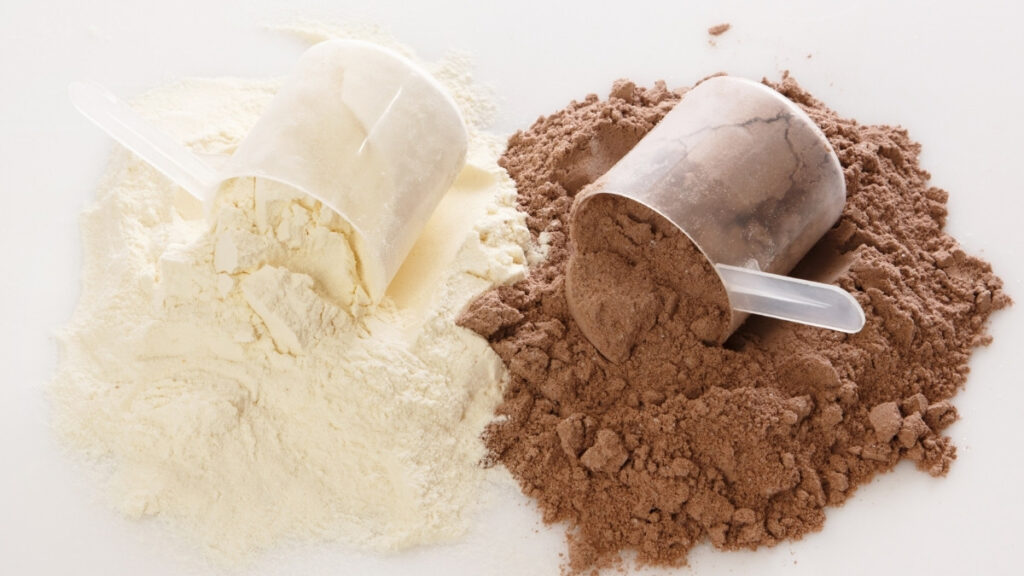
You bought protein powder to get healthier. You might be poisoning yourself instead. Many protein powders contain hidden additives that damage your brain. Artificial sweeteners are in most of them. We already covered how those accelerate cognitive decline.
But that’s not the worst part. Consumer Reports has found heavy metals in many popular protein powder brands. Lead, cadmium, and arsenic show up in concerning levels.
These heavy metals accumulate in your body over time. They’re neurotoxins. They damage your brain the same way mercury from fish does. The quality varies dramatically between brands. Some are relatively clean. Others are toxic soup.
Many contain artificial sweeteners and sugar alcohols. These disrupt your gut-brain connection. Remember, the gut-brain axis is critical for cognitive health. Protein powders that damage your gut bacteria are indirectly damaging your brain.
The supplement industry is poorly regulated. Companies can make claims without proving them. Testing is voluntary. Quality control is inconsistent.
You’re trusting that the company making your protein powder actually cares about your health more than their profit margin. For many companies, that trust is misplaced.
What to use instead: Whole food proteins are always safer. Eggs, fish, and chicken provide complete proteins without additives. Minimally processed plant proteins like hemp or pea protein from companies that do third-party testing are better options.
Look for certifications from NSF, Informed Sport, or USP. These third-party organizations actually test products for contaminants and verify ingredients.
Check the ingredients list. If you see artificial sweeteners, sucralose, aspartame, or long lists of chemicals you can’t pronounce, put it back on the shelf. Your post-workout shake should build muscle, not brain damage.
12 – Undercooked Pork: The Rare But Devastating Risk

This one is different. It’s rare in developed countries. But when it happens, it’s devastating. Undercooked pork can contain parasites, specifically Taenia solium. This parasite can cause neurocysticercosis.
Neurocysticercosis occurs when the parasite migrates to your brain. It forms cysts in your brain tissue. These cysts cause seizures and cognitive damage.
In endemic areas, neurocysticercosis is the leading cause of acquired epilepsy. The parasite is the reason people who were previously healthy suddenly start having seizures.
The good news is that this is fully preventable. Proper cooking eliminates the risk completely. Cook pork to an internal temperature of 145°F or 63°C. Use a meat thermometer. Don’t guess.
In the United States and other developed countries, commercial pork production has largely eliminated this parasite. But it still exists in other parts of the world. If you travel, be careful. The infection causes inflammation in your brain. The cysts create lesions. The neurological damage can be permanent.
How to stay safe: Always use a meat thermometer when cooking pork. Don’t eat pork that looks even slightly pink in the middle. If you’re traveling in areas where this parasite is common, be extra cautious about pork dishes.
This risk is small for most people reading this. But the consequences are so severe that it’s worth mentioning. Cooking pork properly is easy. Brain surgery to remove parasitic cysts is not.
Your Brain’s Future Is In Your Hands
You just learned about 12 common foods that science has linked to brain damage. Some of them are obvious junk food. Others hide behind health claims.
The effects are cumulative. Every bad choice adds up. But here’s the encouraging part: the damage is often reversible.
Stop feeding your brain toxins, and it can start healing. Some studies show improvement in as little as three weeks. Others show benefits within months.
Simple swaps can dramatically reduce your risk. You don’t need to be perfect. You just need to be better than you were yesterday.
Start today by making one swap. Replace your morning diet soda with sparkling water. Swap processed deli meat for grilled chicken breast. Choose sweet potato over white bread.
Your brain will thank you. Not just today, but decades from now when your memory stays sharp while your peers struggle with cognitive decline.
Research shows these effects are often reversible. Every healthy choice you make is an investment in your future cognitive health.
The food industry has spent billions engineering products that override your willpower. They’ve optimized these foods to be addictive. They’ve funded studies to confuse you. They’ve lobbied governments to avoid regulation. But you have something they can’t overcome: knowledge.
You now know what these foods do to your brain. You know which swaps to make. You know the damage is reversible if you act now. What you do with this knowledge is up to you.
Your brain is the most complex structure in the known universe. It contains roughly 86 billion neurons, each connected to thousands of others. It stores your memories, generates your thoughts, and creates your personality. It’s also the only brain you’ll ever have. Feed it well.